Chada
Our verdict
Thai cuisine occupies a narrow lane in New Orleans' restaurant scene, where Creole and Cajun traditions dominate the conversation. Chada brings the aromatic framework of lemongrass, galangal, and kaffir lime to a city already fluent in layered, spice-forward cooking. For visitors working through the French Quarter and Warehouse District dining circuit, it represents a considered detour from the local canon.

Pearl is the En Primeur Club membership app, where members save venues, book tables and use the concierge.

The menu
What to order
- Stir-fried vegetables with grilled duck
- Chada Shrimp
Aromatics in a City Built on Flavor
New Orleans has always been a city where the smell of cooking arrives before the food does. That quality makes it, perhaps counterintuitively, one of the more receptive American cities for Thai cuisine. The aromatic architecture of Thai cooking, lemongrass bruised and simmered low, galangal adding its piney, medicinal depth, kaffir lime leaves releasing their floral bitterness into broths and curries, operates on the same principle as a good gumbo: layers built over time, each ingredient distinct but indistinguishable from the whole. Chada works within that logic, bringing the herb-driven complexity of Thai cooking to a dining public that already understands what it means to taste something with history in it.
Thai restaurants in American cities often flatten into a familiar shorthand: pad thai, green curry, spring rolls, a mango dessert. The more serious operations resist that compression. The distinction matters most in how aromatics are handled. Lemongrass, when used as a background note rather than a featured ingredient, signals a kitchen calibrating for Western comfort. When it appears as the structural spine of a dish, present in the citrusy-herbaceous leading notes and the slow vegetal warmth underneath, you're in different territory. New Orleans diners arriving from the Creole and Cajun tradition of Commander's Palace or the wood-fired regional cooking at Emeril's will recognize the commitment to building flavor from base ingredients rather than shortcutting with sauces.
Where Chada Sits in the New Orleans Dining Order
New Orleans' restaurant identity is so thoroughly defined by its own traditions that non-Creole, non-Cajun restaurants tend to exist in a secondary tier by default, not because of quality, but because of cultural gravity. Contemporary venues like Saint-Germain and Re Santi e Leoni have carved space in the upscale contemporary bracket, while places like Bayona anchor the New American segment with decades of credibility. Thai cooking occupies a thinner slice of that market, which cuts both ways: there is less competition for attention, but also less of a built-in audience primed to evaluate authenticity or technique.
That context matters when placing Chada. The venue is not competing with the Creole institutions or the tasting-menu rooms. It occupies the space where a visitor wants something rooted in craft but outside the city's dominant idiom, a category that Zasu serves on the American Contemporary side. For Thai cuisine specifically in New Orleans, the reference points are fewer, which gives a kitchen working seriously with galangal and Thai basil a clearer field.
The Herb Basket: Understanding the Cuisine
Thai cooking's aromatic vocabulary is more codified than most Western diners realize. Galangal, often mistaken for ginger, is sharper and more resinous, it does not substitute for ginger in serious preparations, and kitchens that use one for the other announce that substitution in the broth. Kaffir lime contributes through both its double-lobed leaves and its warty, fragrant rind; the juice itself is rarely used, the flavor profile residing almost entirely in the zest and leaf. Lemongrass must be bruised to release its volatile oils, slicing alone is insufficient, and its flavor fades faster than most aromatics, which means timing in the kitchen is not optional.
Thai basil, distinct from Italian basil in its anise-forward warmth and its ability to hold up to heat, completes the foundational aromatic set. These four ingredients, lemongrass, galangal, kaffir lime leaf, and Thai basil, are the diagnostic markers by which a Thai kitchen signals its ambitions. Their presence and handling tell you more than any menu description will. For a broader frame of reference on how the most ambitious Thai kitchens in the world deploy these aromatics, the tasting menus at Nahm in Bangkok and the modernist Thai format at Samrub Samrub Thai in Bangkok represent the genre's upper register.
In the American context, Thai cuisine rarely receives the same critical infrastructure that elevates restaurants like Le Bernardin in New York City, Alinea in Chicago, or The French Laundry in Napa into nationally tracked destinations. The awards apparatus tends to favor European-lineage fine dining. That absence of recognition does not reflect the quality ceiling of the cuisine, and cities like New Orleans, where eating is treated as a serious civic activity, can support Thai kitchens working above the baseline, provided the audience finds them.
Planning a Visit
New Orleans restaurants in the mid-to-upper range benefit from advance planning, particularly from Thursday through Sunday when French Quarter and Warehouse District foot traffic is at its highest. For a Thai restaurant outside the city's dominant dining tradition, walk-in availability tends to be more flexible than at the heavily booked Creole and contemporary tasting rooms, but that window narrows during festival periods and holiday weekends when the city runs at capacity. Checking current booking availability directly via the restaurant's own channels is the reliable approach, as third-party platforms do not always reflect real-time table release schedules in this market.
New Orleans dining operates across a range of price points that the city's tourism infrastructure compresses into a misleading middle. The serious meals here, at Saint-Germain at the top of the scale or the regional seafood focus at Pêche, price against the quality of their craft. Thai cuisine in the American market typically prices in a range that makes it accessible relative to comparable tasting-menu or fine-casual formats, though specific pricing for Chada is best confirmed at booking.
For travelers building a broader itinerary around serious American restaurant programs, the national context includes Lazy Bear in San Francisco, Single Thread Farm in Healdsburg, Providence in Los Angeles, Blue Hill at Stone Barns in Tarrytown, Addison in San Diego, The Inn at Little Washington, and Bacchanalia in Atlanta as reference points across different regional scenes. The full picture of what New Orleans offers across price tiers and styles is mapped in our full New Orleans restaurants guide.
Frequently asked questions
What do people recommend at Chada?
Do they take walk-ins at Chada?
Is Chada a good option for diners unfamiliar with Thai cuisine who want to understand what makes it distinct from other Asian cooking traditions?
Comparable Spots
| Venue | Cuisine | Price | Awards | Notes |
|---|---|---|---|---|
| ChadaThis venue (the venue you are viewing) | Thai | $20–30 | Not listed | Not listed |
| Emeril’s | Modern Creole-Cajun Fine Dining | $150–200 | 2 Michelin Stars · World's 50 Best #20 | Cajun |
| Re Santi e Leoni | Modern Italian Fine Dining | $100–150 | 1 Michelin Star | Contemporary |
| Bayona | Modern Creole Fine Dining | $100–150 | World's 50 Best #45 · James Beard Award Best Chefs | New American |
| Commander’s Palace | Modern Creole | $50–100 | La Liste Top Restaurants · Star Wine List | Creole |
| Pêche Seafood Grill | Modern Seafood Grill | $50–100 | Michelin Plate · James Beard Award Semi Finalist | American Regional - Cajun Seafood |
Continue exploring
More in New Orleans
Restaurants in New Orleans
All restaurants in New Orleans →
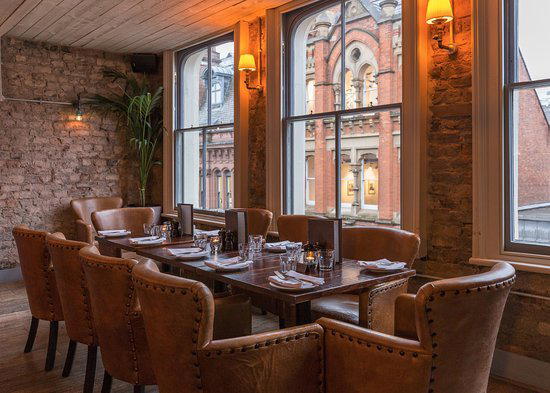
Bars in New Orleans
All bars in New Orleans →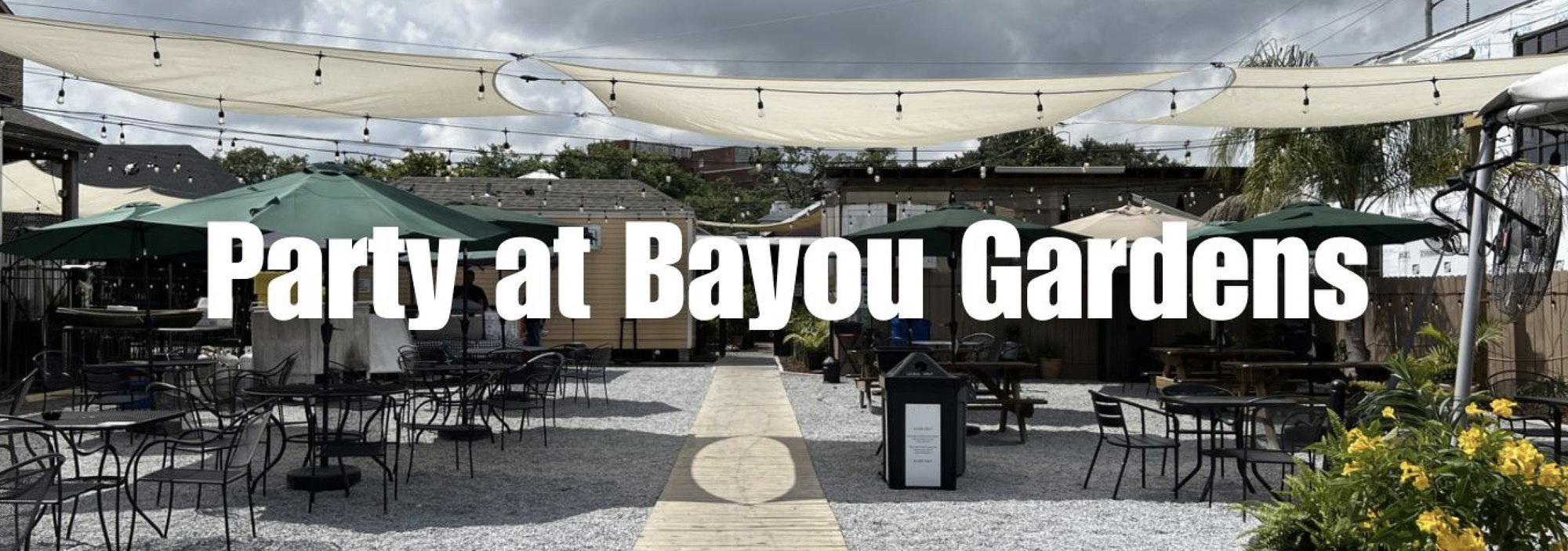
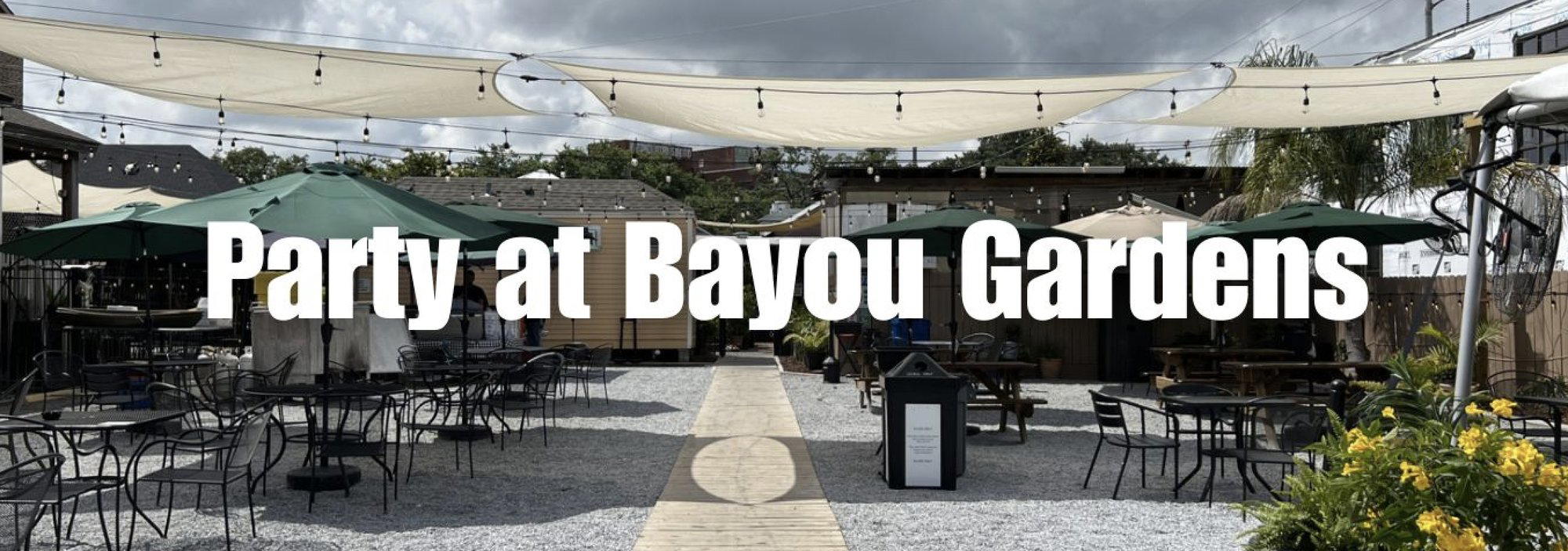
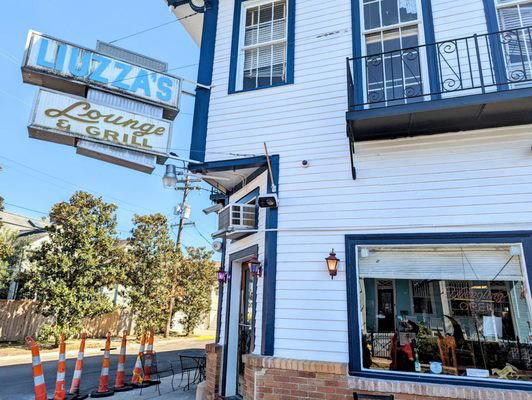


Details
- Cozy
- Intimate
- Casual Hangout
- Historic Building
- A La Carte
- Small Plates
Current opening hours
- Monday
- 11 AM–2:30 PM, 4:30–9 PM
- Tuesday
- Closed
- Wednesday
- 11 AM–2:30 PM, 4:30–9 PM
- Thursday
- 11 AM–2:30 PM, 4:30–9 PM
- Friday
- 11 AM–2:30 PM, 4:30–9 PM
- Saturday
- 11 AM–2:30 PM, 4:30–9 PM
- Sunday
- 11 AM–2:30 PM, 4:30–9 PM
Hours can change for holidays and private events. Hours as of .
Cozy and charming atmosphere in a beautifully redone shotgun house.