Cochon



Michelin Bib Gourmand · James Beard Award Semi Finalist
Our verdict
Cochon holds a Michelin Bib Gourmand and sustained Opinionated About Dining recognition across multiple years, placing it among the more closely watched Cajun-focused kitchens in New Orleans. Chef Stephen Stryjewski leads a menu rooted in Louisiana pork traditions and regional seafood at 930 Tchoupitoulas Street. Open seven days a week from 11am to 10pm, it draws a broad cross-section of the city's serious dining crowd.

Pearl is the En Primeur Club membership app — saves, bookings, and concierge access live there. Same editors, same standards.
- Address
- 930 Tchoupitoulas St Ste A, New Orleans, LA 70130
- Phone
- (504) 588-2123
- Hours
- Daily 11 AM–10 PM
- Website
- cochonrestaurant.com
- Directions
- Get directions
- Booking
- Book on Resy
The menu
What to order
- Wood fired oysters
- Rabbit and dumplings
- Fried alligator
- Cochon
Where the Ritual Starts Before You Sit Down
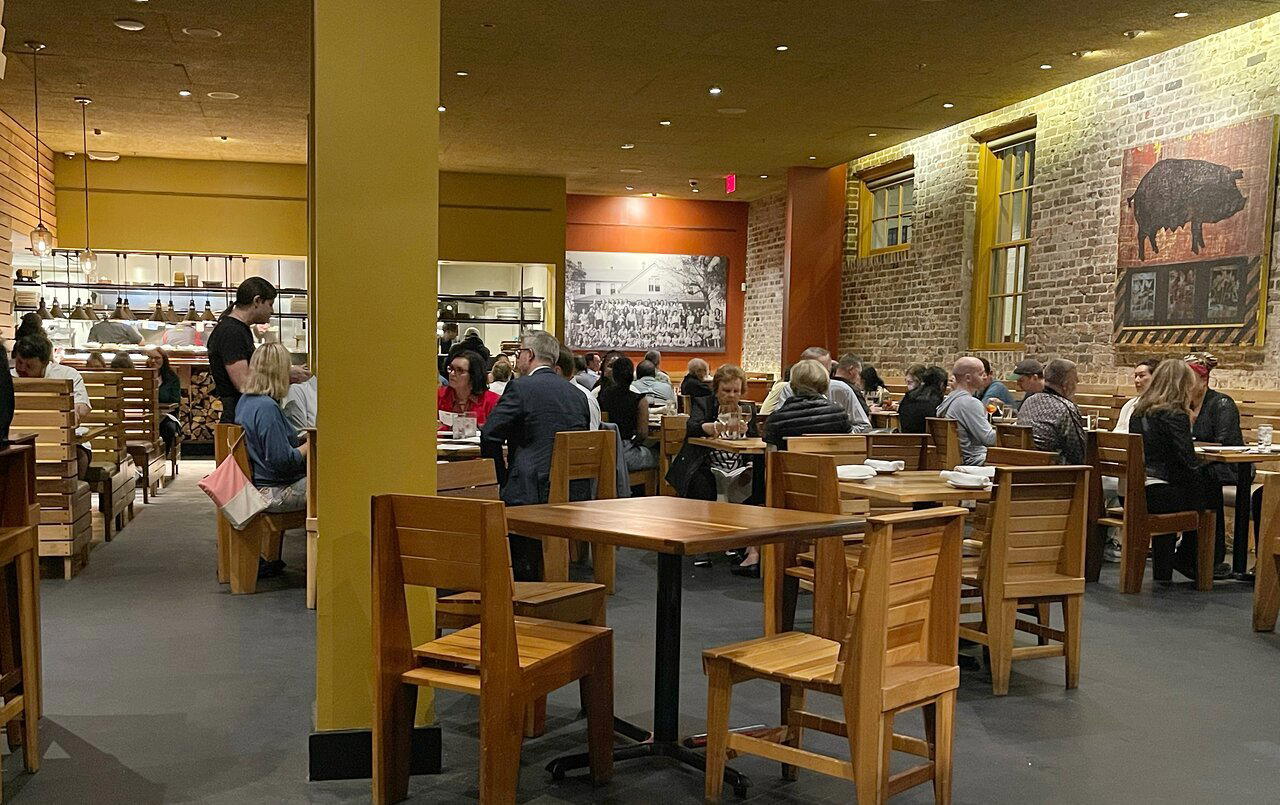
On Tchoupitoulas Street, the approach to Cochon already signals what kind of meal is coming. The address sits in a converted warehouse block in the Lower Garden District, a part of New Orleans that wears its working history without apology. The room is loud in the way that serious lunch counters and committed dinner services tend to be loud: not because anyone is performing energy, but because the tables are full and the food is giving people something to talk about. That combination of neighbourhood grit and focused cooking characterises a particular tier of New Orleans dining that sits between the white-tablecloth Creole institutions uptown and the more casual neighbourhood spots scattered across the Marigny and Bywater.
The dining ritual at Cochon is shaped by Louisiana's pork and seafood traditions rather than by imported fine-dining conventions. Dishes arrive as they are ready, the pacing leans generous, and the room does not ask you to perform. That informality is not accidental — it reflects a kitchen philosophy rooted in Cajun cooking's communal origins, where a meal is a function of what is available, what is seasonal, and what feeds a table well. Chef Stephen Stryjewski has been the consistent figure behind that kitchen, and his training informs the technical precision that keeps the cooking from tipping into the uncritical comfort-food category that can flatten Cajun cuisine at lesser addresses.
How Cochon Sits in the New Orleans Restaurant Spectrum
New Orleans restaurant culture divides roughly into three registers: the grand Creole institutions (Commander's Palace, Antoine's), the Michelin-tracked contemporary kitchens (Saint-Germain, Re Santi e Leoni), and a middle tier of craft-focused, regionally grounded restaurants that take the source material seriously without the ceremony. Cochon occupies the third category with unusual authority. Its Michelin Bib Gourmand, awarded in 2025, signals value relative to quality — the Bib is Michelin's marker for cooking that merits the trip without the fine-dining price structure. That is a different credential from a star, and in the context of Cajun cooking, arguably a more honest one.
The Opinionated About Dining rankings add further texture. Cochon ranked #118 in North America's Casual category in 2024, then #331 in 2025, a movement worth noting, though OAD rankings fluctuate with submission volume and reviewer pool shifts as much as with cooking quality. More telling is the 2023 dual appearance: #132 in the Casual category and #30 in Gourmet Casual Dining. For comparison, the Cajun and Creole-adjacent peer group in New Orleans includes Emeril's, which holds two Michelin stars and operates at a different price and ceremony level, and Pêche Seafood Grill, which overlaps on regional seafood but leans toward a wood-fire-focused format. Cochon's position between those poles reflects its own consistent identity: technically grounded, regionally specific, accessible in format but not in ambition.
For visitors triangulating between Cochon and the city's contemporary American kitchens, Zasu and Bayona offer useful points of contrast. Bayona in particular represents New Orleans' longer-running commitment to locally sourced New American cooking, a tradition that runs parallel to Cochon's Cajun focus without significant overlap. The choice between them depends on whether the reader wants Louisiana's European-influenced Creole lineage or its rural Acadian roots.
The Cajun Dining Tradition Cochon Represents
Cajun cooking is one of the more misrepresented regional cuisines in American food culture. Outside Louisiana, it tends to appear as a seasoning profile, heavy on cayenne and paprika, applied to blackened proteins, rather than as the distinct culinary tradition it is: a farm-to-table practice before that phrase existed, shaped by Acadian settlers who made use of the whole animal, preserved through smoking and curing, and built around communal cooking events like boucheries and crawfish boils. The boucherie tradition, in which a whole pig is processed and shared across a community, sits directly behind the kind of cooking Cochon practises. The name itself is the French word for pig, which positions the kitchen's identity plainly.
That tradition has found renewed critical attention in the past decade as American dining culture has moved toward ingredient provenance and whole-animal utilisation. Where coastal fine-dining kitchens, from Le Bernardin in New York City to Providence in Los Angeles, approach those values through elaborate tasting formats and imported reference points, Cochon arrives at similar conclusions through a regional tradition that predates the trend. That alignment of technique and heritage, rather than technique and aspiration, is what distinguishes the better Cajun kitchens from their peers in the broader American regional dining field. It is also what sustained restaurants like Cochon receive sustained critical recognition year after year from platforms whose review pools skew toward serious food travellers.
Planning Your Visit
Cochon is open every day of the week from 11am to 10pm at 930 Tchoupitoulas Street, Suite A, in the Lower Garden District. That seven-day schedule, consistent across lunch and dinner hours, makes it one of the more accommodating serious kitchens in the city for visitors whose schedules do not always align with the Tuesday-through-Saturday rhythms of more exclusive rooms. For readers building a broader New Orleans programme, our full New Orleans restaurants guide maps the city's dining across price tiers and neighbourhoods, and our hotels guide, bars guide, and experiences guide cover the rest of the city in the same depth. If your interest extends to wine, the wineries guide addresses the broader Louisiana and Gulf South wine picture. For international reference, 8½ Otto e Mezzo Bombana in Hong Kong represents the kind of sustained multi-year critical recognition that defines a restaurant's reputation independently of any single year's ranking movement.
What Should I Eat at Cochon?
Cochon's kitchen is built around Louisiana's Cajun pork and seafood traditions. The name signals the kitchen's primary focus: pig, in its cured, smoked, braised, and roasted forms, treated through techniques rooted in the Acadian boucherie tradition. Regional seafood from the Gulf appears alongside the pork-forward dishes, reflecting the coastal and bayou geography that shapes south Louisiana's food supply. Chef Stephen Stryjewski brings technical precision to both categories without obscuring the regional character of the ingredients. The Michelin Bib Gourmand (2025) and sustained Opinionated About Dining placements, including a #30 ranking in the Gourmet Casual Dining category in 2023, confirm that the kitchen is operating at a level where ingredient sourcing and execution matter. Arrive hungry, plan to share across multiple dishes, and let the Cajun tradition of abundance rather than refinement guide how much you order.
A Pricing-First Comparison
| Venue | Cuisine | Price | Awards | Notes |
|---|---|---|---|---|
| CochonThis venue — the venue you are viewing | Modern Cajun | $30–50 | Michelin Bib Gourmand · James Beard Award Semi Finalist | Not listed |
| Emeril’s | Modern Creole-Cajun Fine Dining | $150–200 | 2 Michelin Stars · World's 50 Best #20 | Cajun |
| Re Santi e Leoni | Contemporary | Not listed | Michelin 1 Star | Not listed |
| Bayona | Modern Creole Fine Dining | $100–150 | World's 50 Best #45 · James Beard Award Best Chefs | New American |
| Commander’s Palace | Modern Creole | $50–100 | La Liste Top Restaurants · Star Wine List | Creole |
| Pêche Seafood Grill | Modern Seafood Grill | $50–100 | Michelin Plate · James Beard Award Semi Finalist | American Regional - Cajun Seafood |
Recognition history
Dated appearances from independent guides and award organizations, with the underlying list record or original source where available.
Michelin Bib Gourmand
Michelin
James Beard Award Semi Finalist
James Beard Award
Opinionated About Dining Casual in North America Recommended
Opinionated About Dining
Full recognition history (9 entries)
James Beard Award Nominee
James Beard Award
Opinionated About Dining Casual in North America Ranked #331
Opinionated About Dining
Opinionated About Dining Casual in North America Ranked #118
Opinionated About Dining
Opinionated About Dining Casual in North America Ranked #132
Opinionated About Dining
Opinionated About Dining Gourmet Casual Dining in North America Ranked #30
Opinionated About Dining
James Beard Award Best Chefs
James Beard Award
Continue exploring
More in New Orleans
More from Chef Stephen Stryjewski
Browse all →
Restaurants in New Orleans
Browse all →
Bars in New Orleans
Browse all →
Details
- Rustic
- Lively
- Casual
- Date Night
- Group Dining
- Casual Hangout
- Open Kitchen
- Craft Cocktails
- Local Sourcing
- A La Carte
- Small Plates
- Craft Cocktails
- Gluten Free Options
Current opening hours
- Monday
- 11 AM–10 PM
- Tuesday
- 11 AM–10 PM
- Wednesday
- 11 AM–10 PM
- Thursday
- 11 AM–10 PM
- Friday
- 11 AM–10 PM
- Saturday
- 11 AM–10 PM
- Sunday
- 11 AM–10 PM
Hours can change for holidays and private events. Last verified .
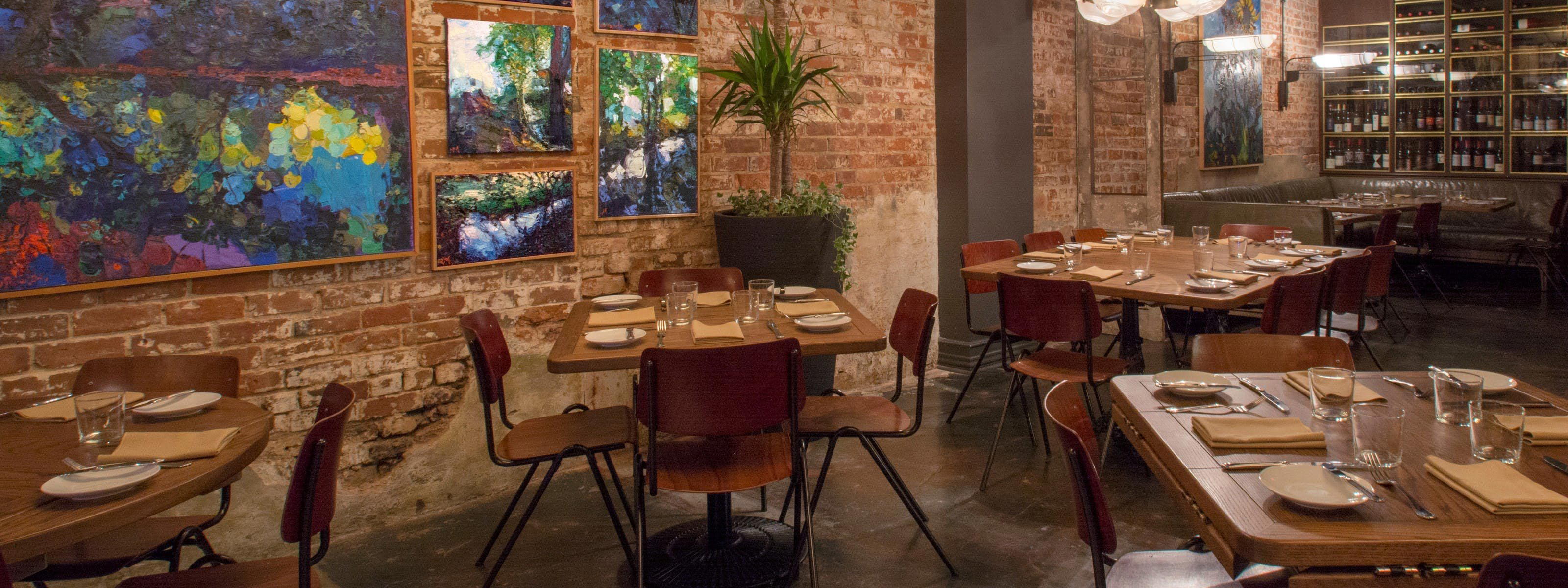
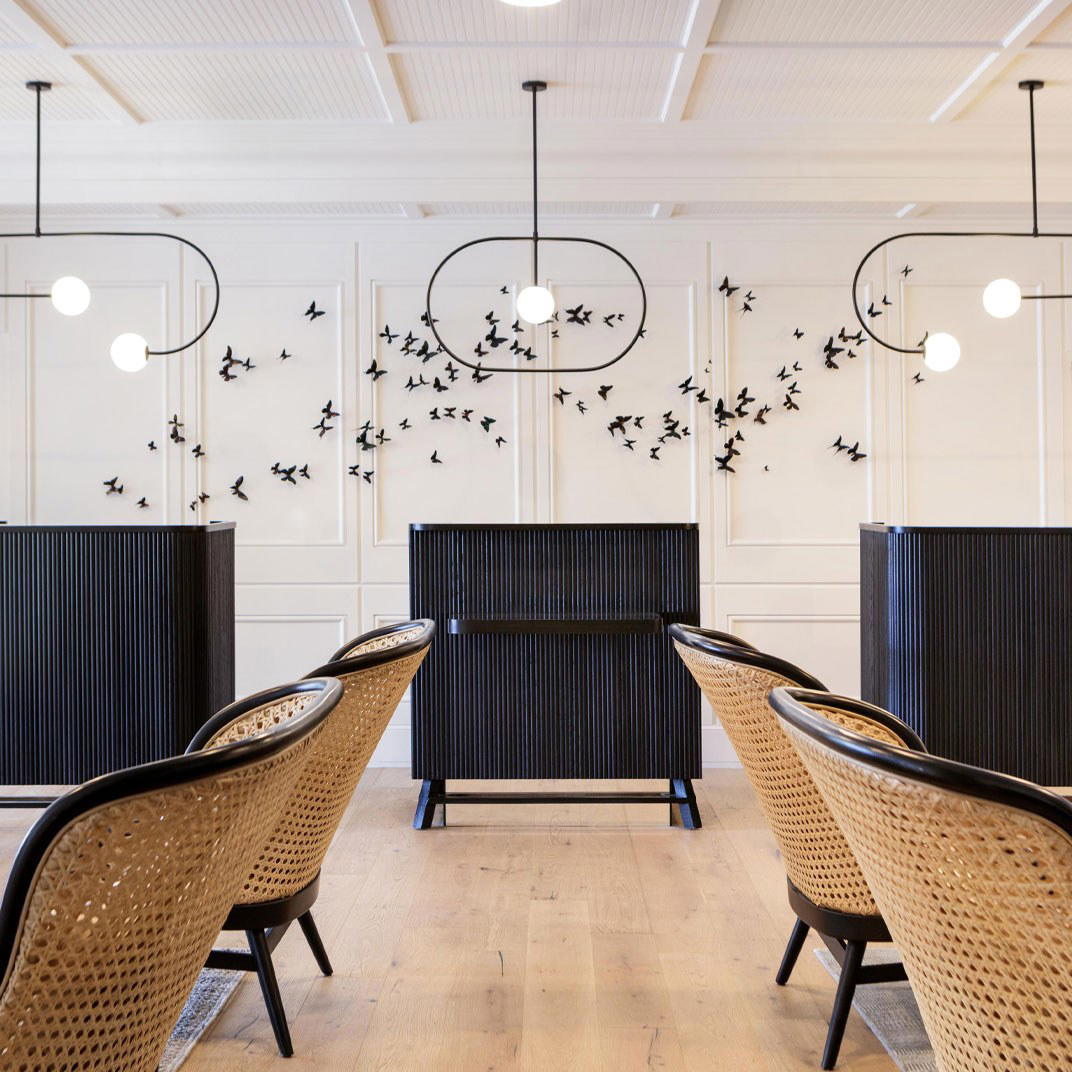
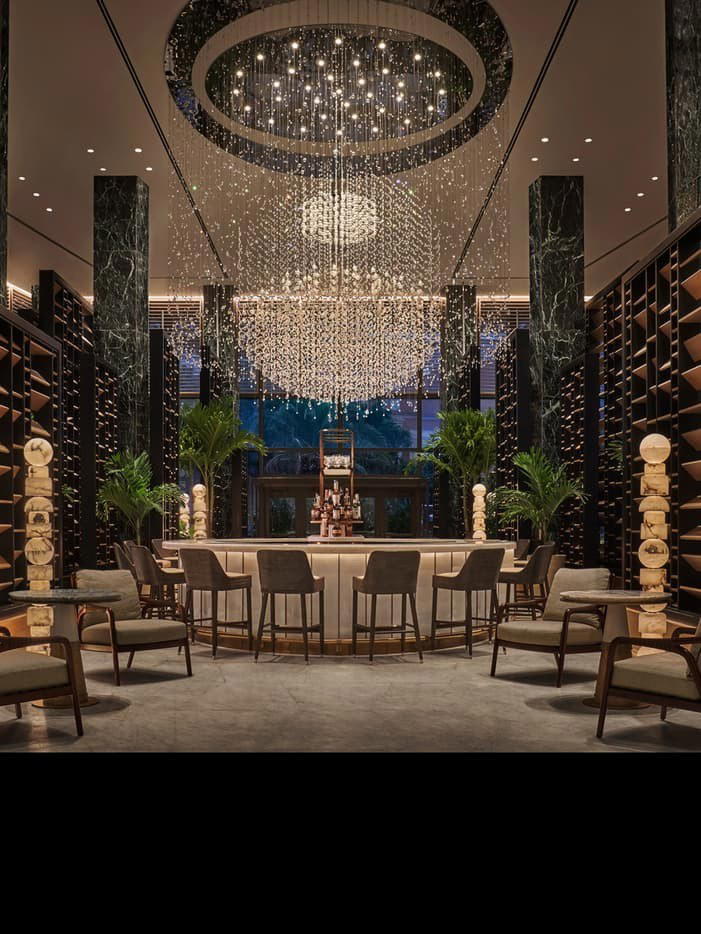
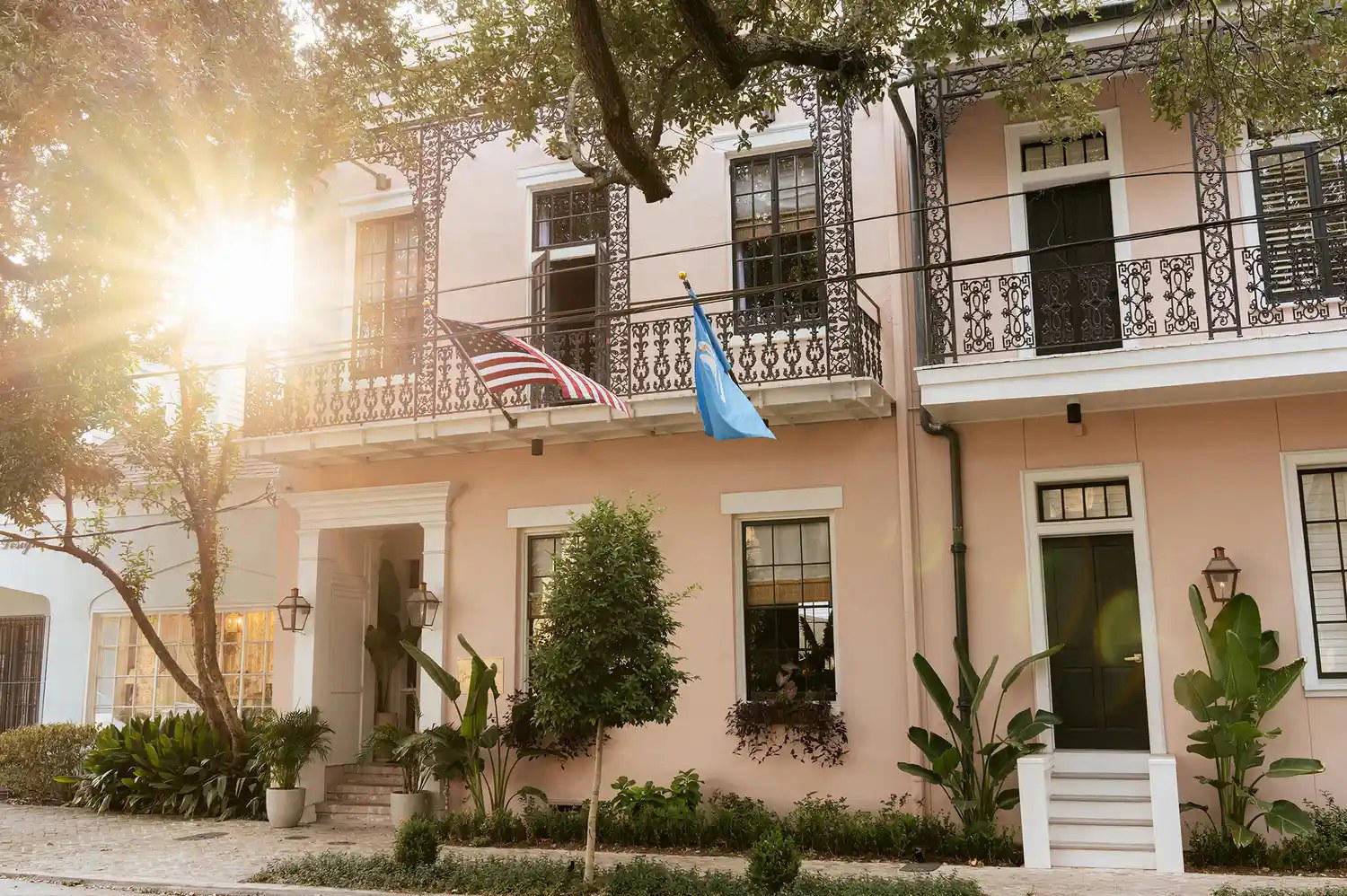
Bright, high-ceilinged dining room with exposed brick walls, wooden tables, and an energetic open kitchen atmosphere.