Bouligny Tavern
On Magazine Street in the Garden District, Bouligny Tavern occupies a register between neighborhood bar and serious cocktail room that few New Orleans venues manage convincingly. The physical space does much of the work: low light, close quarters, and a mood calibrated for conversation over performance. It sits comfortably within the city's post-Katrina cocktail renaissance alongside peers like Cure and Jewel of the South.

Pearl is the En Primeur Club membership app, where members save venues, book tables and use the concierge.
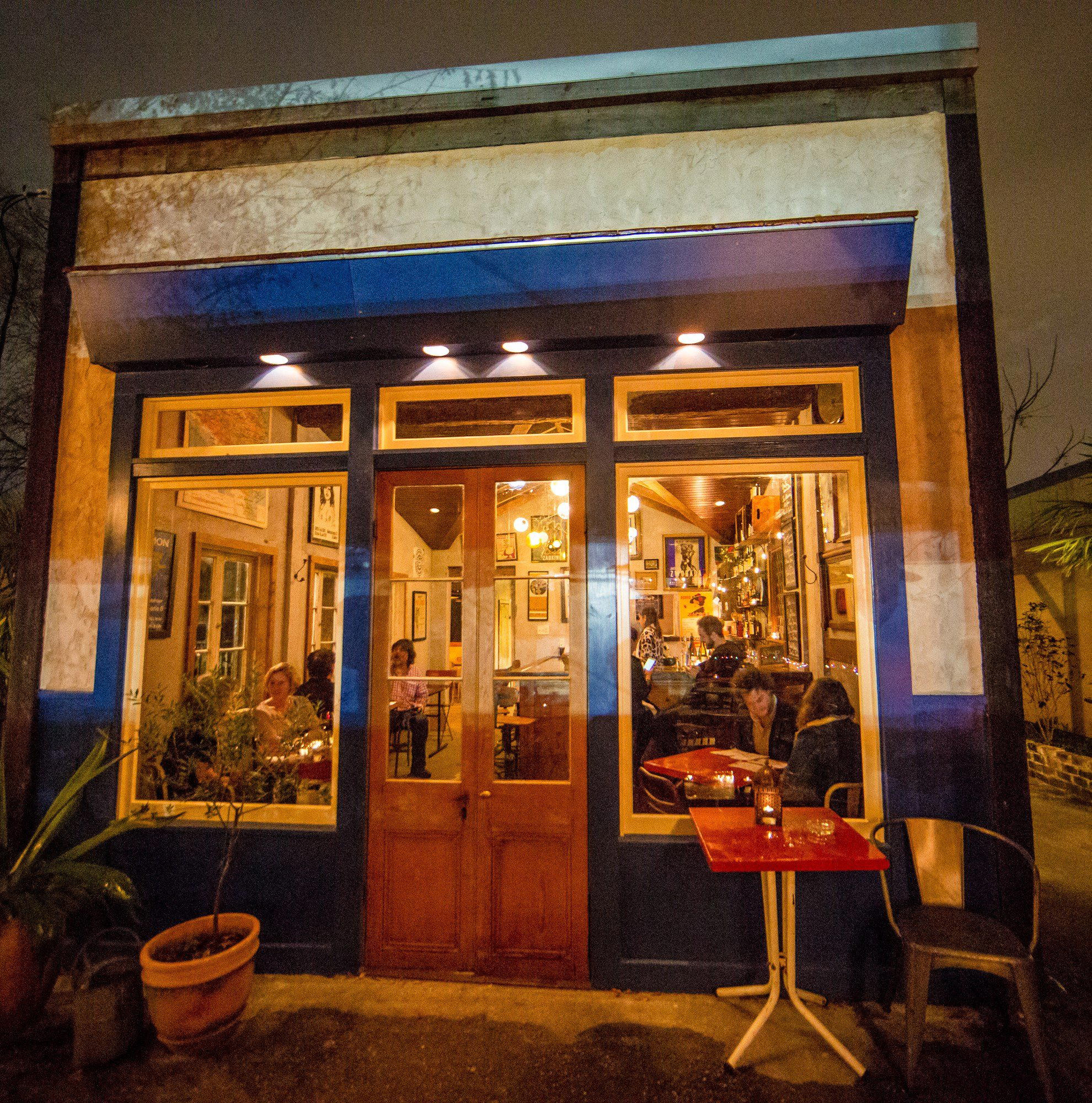
Magazine Street After Dark
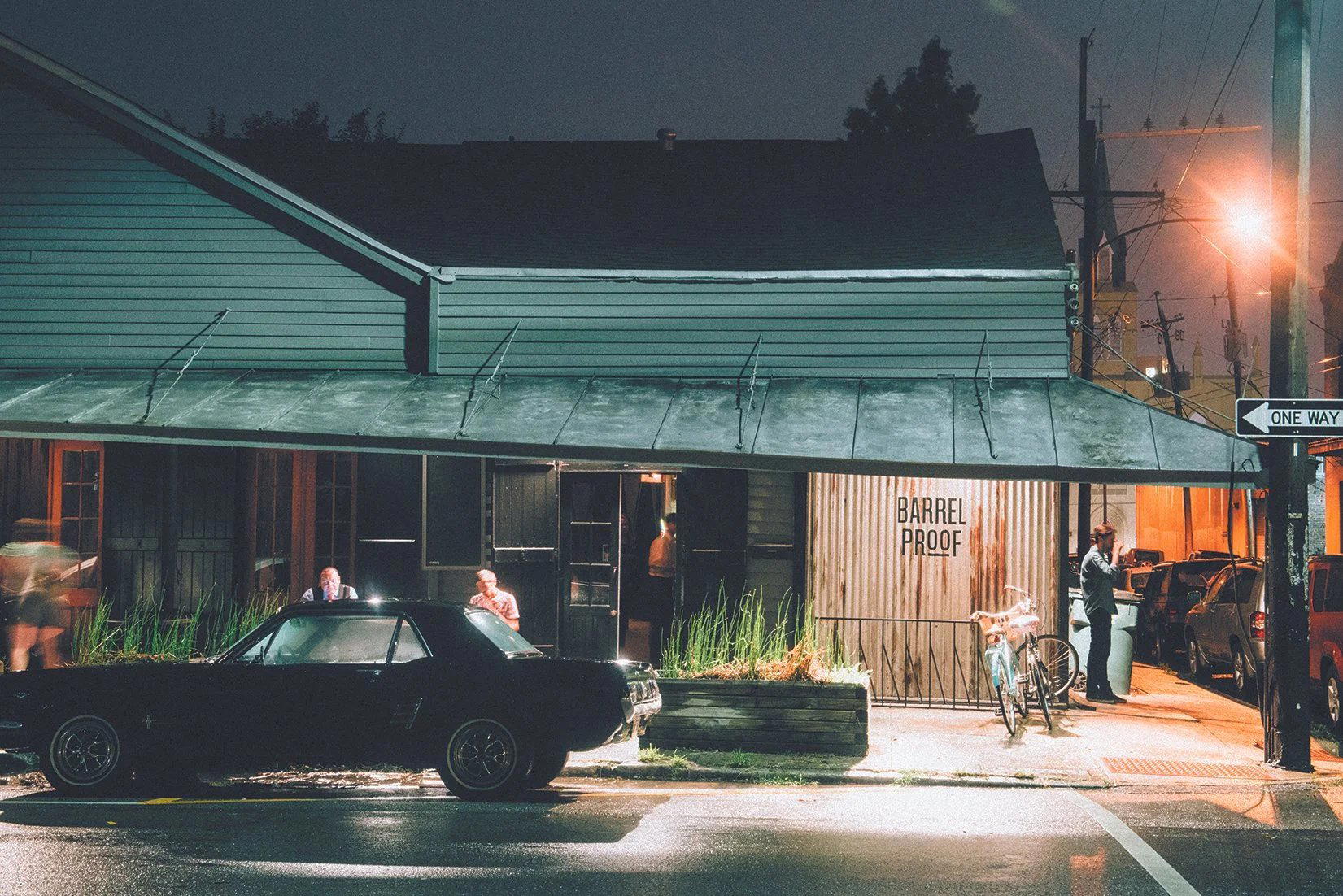
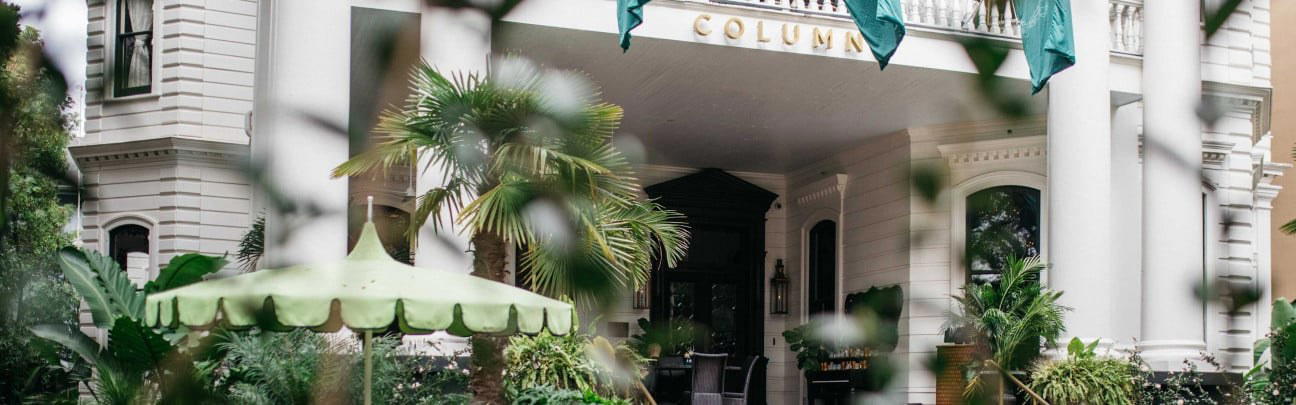
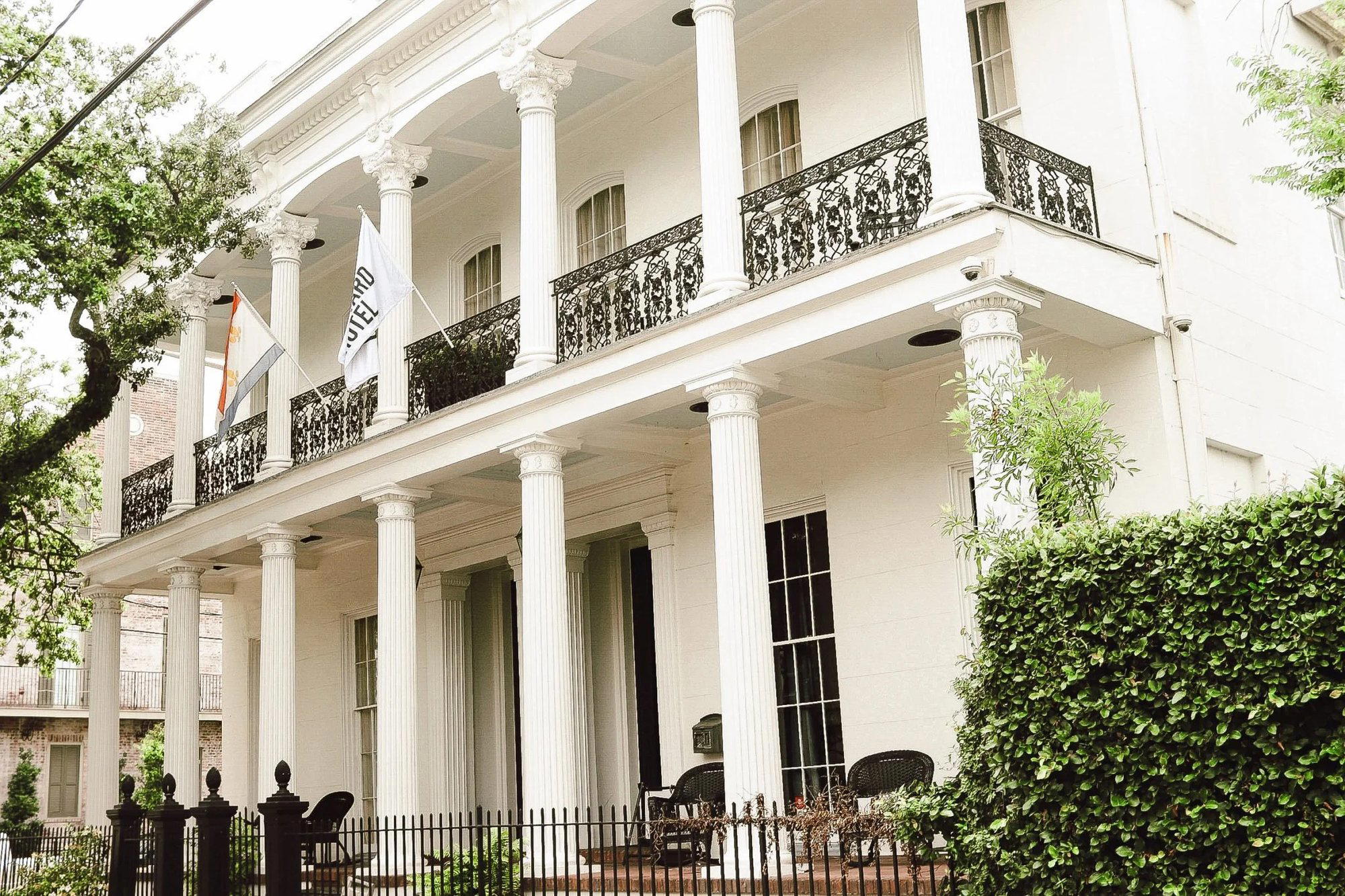
There is a particular quality of light on Magazine Street at night, when the corridor of shotgun houses and corner storefronts settles into something between neighborhood and destination. Bouligny Tavern, at 3641 Magazine St in the Garden District, occupies that in-between register with unusual assurance. The exterior gives little away, which is consistent with a broader pattern across New Orleans' serious drinking establishments: restraint at the threshold, density inside. Approaching the entrance, the ambient noise from within is low and conversational rather than performative, a reliable signal of what the room prioritizes.
The Physical Argument for the Space
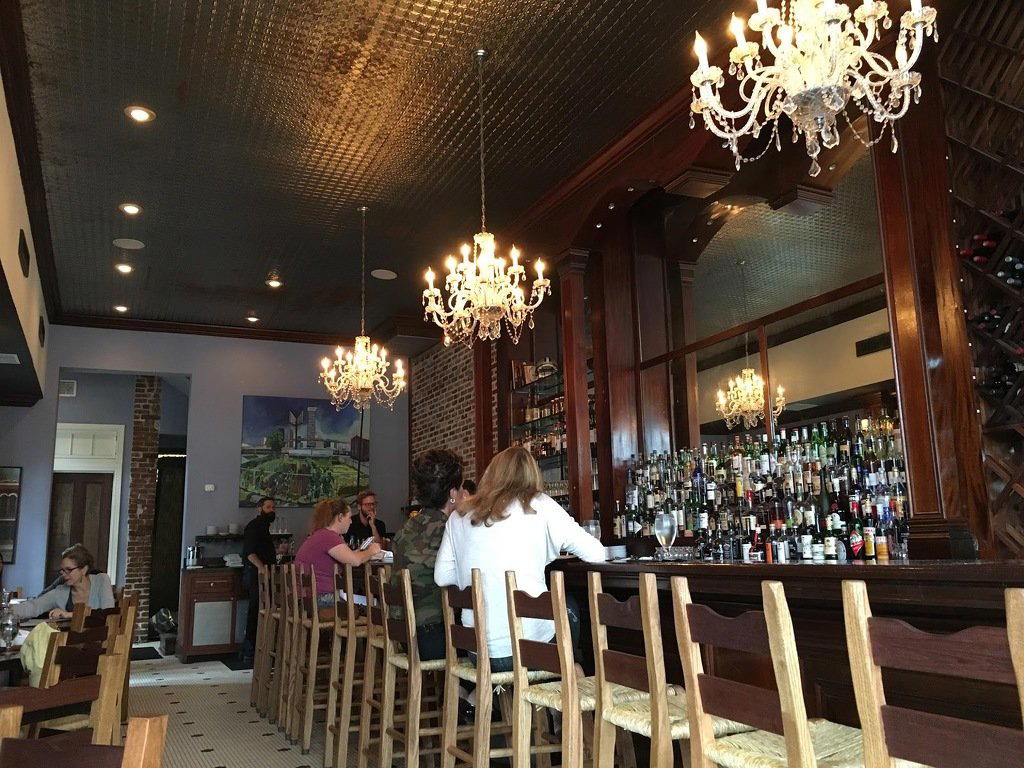
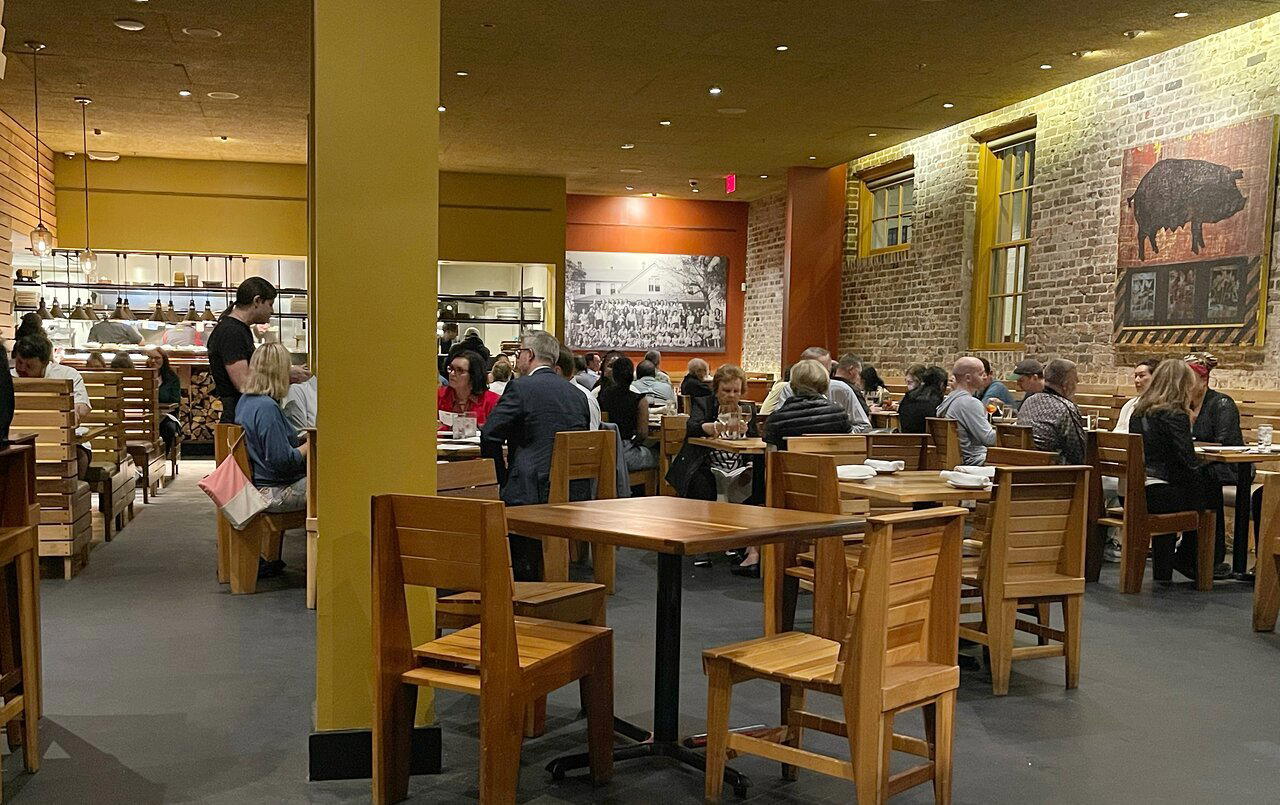
New Orleans has built a reputation for cocktail programs with theatrical ambition, from rotating carousels to tiki rooms stacked with taxidermy and colonial kitsch. Bouligny Tavern argues for a different premise entirely. The space is compact and deliberately intimate, the kind of room where the lighting does real editorial work, dimmed below the threshold where you'd read comfortably, bright enough to see what's in the glass. Seating is close without being crowded, and the bar itself anchors the room rather than decorating it.
This approach aligns Bouligny with a cohort of American bars that have moved away from spectacle as a primary draw. Compare it to Kumiko in Chicago, where the spatial design similarly prioritizes material restraint over visual noise, or Allegory in Washington, D.C., where atmosphere functions as a kind of argument about what serious drinking should feel like. In each case, the room itself communicates something before the first drink arrives.
Garden District Positioning
The Garden District location matters more than the address alone suggests. Magazine Street functions as the neighborhood's commercial spine, a walkable stretch of independent retail, restaurants, and bars that draws a consistent mix of locals and visitors without becoming a tourist corridor in the way that Bourbon Street or the French Quarter inevitably does. For a cocktail bar, this is useful geography: the clientele tends toward residents who return with some frequency rather than one-time visitors checking items off a list. That repeat-visitor dynamic shapes how a bar program develops over time, favoring depth and seasonality over novelty-driven menus that need constant visual refreshment.
Within New Orleans' wider bar geography, Bouligny sits downstream from the cocktail revival that took root in the Freret Street corridor. Cure, which helped establish the template for the city's contemporary cocktail bar format after 2009, and Jewel of the South in the French Quarter represent adjacent points in the same broader movement, each carving a distinct formal identity while working within shared assumptions about what a serious drink program requires. Bouligny occupies the more neighborhood-embedded end of that spectrum.
Mood as Method
The atmosphere at Bouligny Tavern is the product of specific decisions compounded over time rather than a single design statement. Bars in this register succeed or fail based on calibration: the music at a volume that permits conversation without disappearing entirely, the pacing of service that keeps the room moving without feeling like a production line, the balance between regulars who treat the space as an extension of their living room and newcomers finding it for the first time. Get any of those wrong and the mood collapses into either a private club or a tourist stop.
Across American bar culture, the establishments that sustain this balance longest tend to share a few characteristics: they are physically smaller than their reputations suggest, they resist the impulse to over-program the space with events or rotating concepts, and they are planted in neighborhoods rather than hospitality districts. ABV in San Francisco and Bar Leather Apron in Honolulu are instructive comparisons from the same tier: bars where the room's mood is treated as a primary product rather than a backdrop for the drinks program.
Where Bouligny Fits the New Orleans Cocktail Map
New Orleans' bar culture is stratified in ways that visitors often underestimate. At one end sit the French Quarter institutions serving a high-volume tourist trade; at the other, a smaller set of program-driven bars working within a more demanding frame of reference. Bouligny operates in the latter category without the formality that sometimes accompanies that positioning. It lacks the tiki identity of Beachbum Berry's Latitude 29 and the explicitly encyclopedic cocktail-history orientation of Jewel of the South. What it offers instead is a consistent room, a focused approach to service, and a physical space that earns return visits on its own terms.
For visitors comparing options across the city, the question is not whether Bouligny is the most technically ambitious program in New Orleans (it is not positioned to make that claim) but whether the experience it offers, an intimate Garden District bar with serious intent and a neighborhood rhythm, matches what the evening actually requires. For a certain kind of night, it does that more reliably than louder or more celebrated alternatives.
Those planning a broader evening in the area can pair Bouligny with 2 Phat Vegans for something to eat before or after, or treat it as a quieter endpoint following a more structured dinner elsewhere on Magazine Street. For visitors building a multi-night itinerary across the city's drinking culture, our full New Orleans restaurants and bars guide maps the broader picture.
Internationally, bars operating in this register, intimate, neighborhood-embedded, atmosphere-forward without sacrificing program discipline, include The Parlour in Frankfurt, Julep in Houston, and Superbueno in New York City. Each shares the same instinct: that the leading bars build their identity through consistency of mood as much as technical ambition, and that the room itself is an argument worth making.
Planning Your Visit
Bouligny Tavern is located at 3641 Magazine St, accessible by the Magazine Street streetcar line and walkable from most Garden District accommodations. The neighborhood context means weeknight visits tend toward a quieter, more local-skewing crowd, while weekends bring a broader mix. No booking information is publicly confirmed so walk-in is the standard approach; arriving before peak evening hours on busy nights is advisable given the compact footprint of the space.
How It Stacks Up
Comparable venues nearby, for context on price, style, and recognition.
| Venue | Cuisine | Price | Awards | Notes |
|---|---|---|---|---|
| Bouligny TavernThis venue (the venue you are viewing) | cocktail_bar | $30–50 | Not listed | Not listed |
| Hermes Bar | cocktail_bar | $20–30 | Not listed | French Quarter |
| Pascal's Manale by Dickie Brennan & Co. | Bar | Not listed | Not listed | Uptown |
| The Will & The Way | cocktail_bar | $20–30 | Not listed | French Quarter |
| The French 75 Bar | cocktail_bar | $20–30 | Top 500 Bars Best Bars #298 | French Quarter |
| Lilette | cocktail_bar | Not listed | Not listed | Touro |
Continue exploring
More in New Orleans
Bars in New Orleans
All bars in New Orleans →

Restaurants in New Orleans
All restaurants in New Orleans →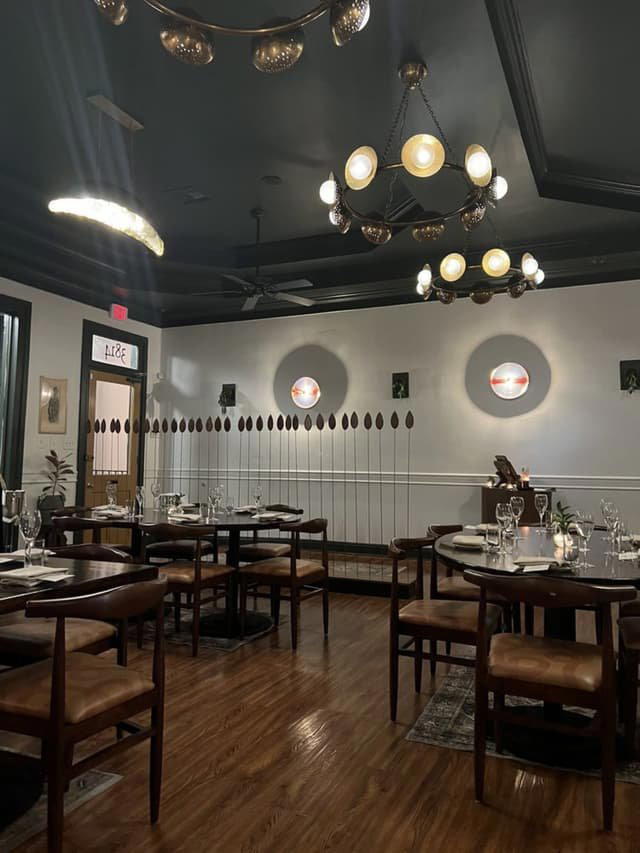
Details
- Cozy
- Elegant
- Sophisticated
- Intimate
- Classic
- Date Night
- After Work
- Casual Hangout
- Special Occasion
- Standalone
- Lounge Seating
- Booth Seating
- Outdoor Terrace
- Craft Cocktails
- Conventional Wine
Current opening hours
- Monday
- 4 PM–12 AM
- Tuesday
- 4 PM–12 AM
- Wednesday
- 4 PM–12 AM
- Thursday
- 4 PM–1 AM
- Friday
- 4 PM–1 AM
- Saturday
- 4 PM–1 AM
- Sunday
- Closed
Hours can change for holidays and private events. Hours as of .
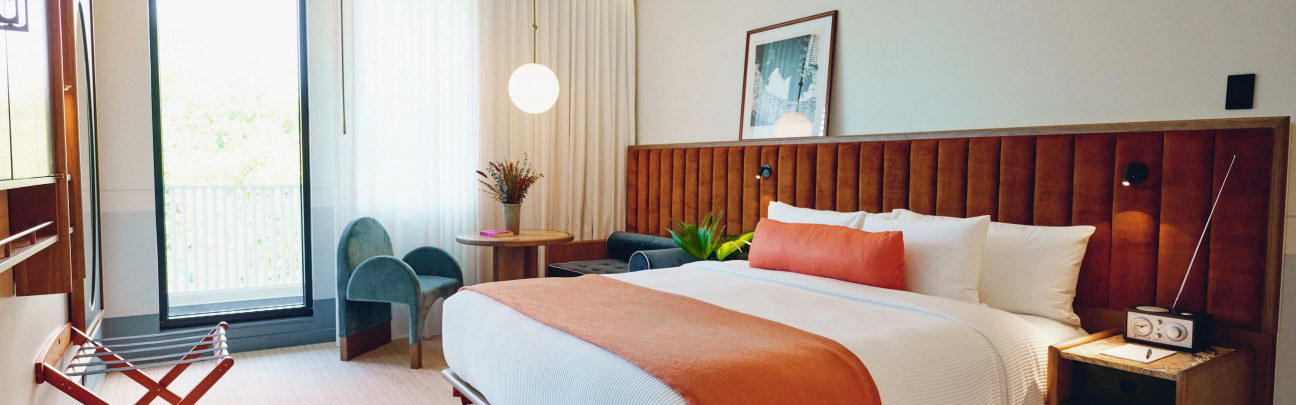
Dim lighting, warmly lit, mid-century modern decor, chic and cozy atmosphere.