Johnny's Po-Boys
At 511 St Louis Street in the French Quarter, Johnny's Po-Boys occupies a position that New Orleans dining culture has been building toward for generations: the counter-service sandwich shop as cultural institution. The po-boy format, with its split French bread and layered fillings, is as central to the city's food identity as any white-tablecloth Creole dining room, and Johnny's has long served as a reference point for that tradition.
Pearl is the En Primeur Club membership app — saves, bookings, and concierge access live there. Same editors, same standards.
- Address
- 511 St Louis St, New Orleans, LA 70130
- Phone
- +15045248129
- Website
- johnnys-po-boys.shop
- Directions
- Get directions
 Saves & bookings on Pearl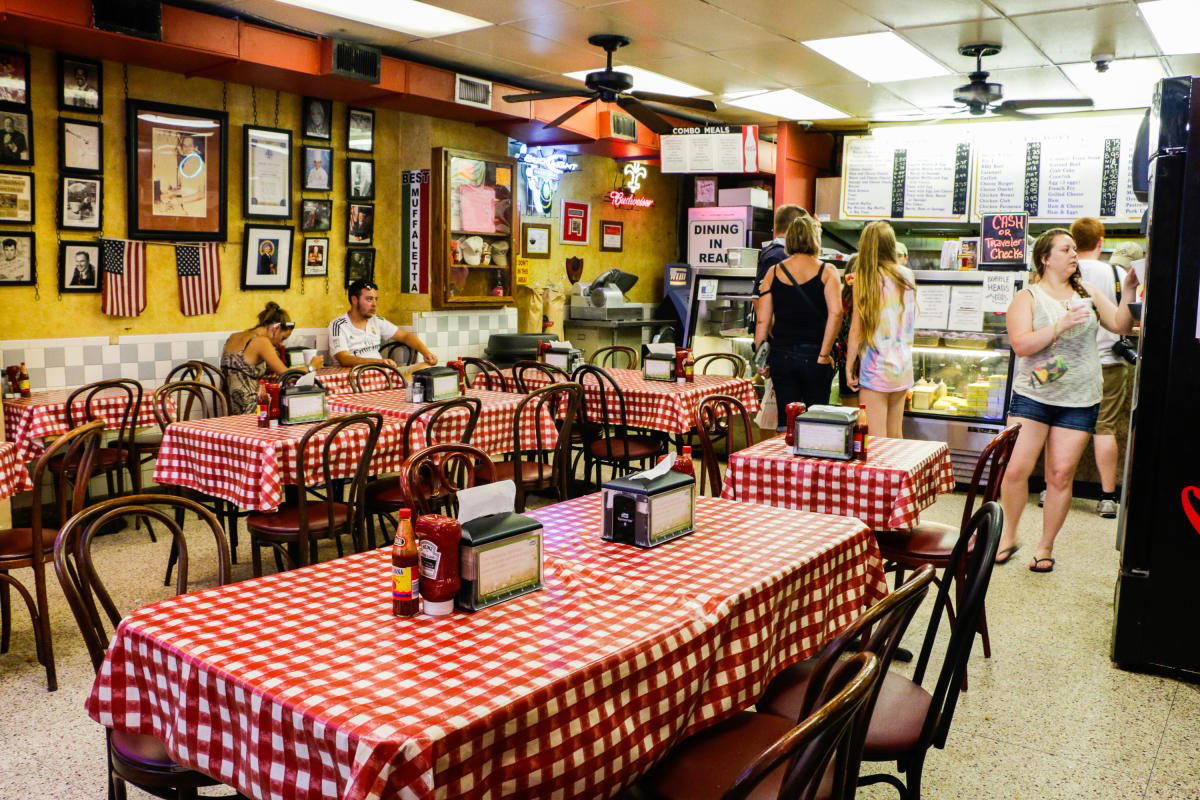
The French Quarter Counter and What It Represents
Johnny's Po-Boys is a counter-service restaurant in New Orleans’s French Quarter. St Louis Street in the French Quarter runs through among the more dining-dense corridors in American food culture. On any given block, the range stretches from full tasting-menu operations to corner counters that have been slicing French bread Johnny's Po-Boys, at number 511, sits firmly in the latter category, and that positioning is precisely the point. New Orleans has always maintained a parallel dining structure: the high-end Creole dining room on one track, the neighbourhood sandwich counter on another, and both taken seriously by the people who live here.
The po-boy format itself carries the weight of that democratic food tradition. The sandwich's origin story traces back to the late 1920s, when striking streetcar workers were fed free sandwiches by local restaurateurs, who reportedly called the hungry men "poor boys." The bread that defines the format, a local French loaf with a crisp crust and soft interior, is not interchangeable with a baguette or a hoagie roll. It is specific to New Orleans bakeries, and the quality of the loaf is as much a marker of a legitimate po-boy counter as the fillings inside.
The Physical Space as a Statement
The interior of a traditional French Quarter po-boy shop operates on principles that have nothing to do with the design-led hospitality that characterises properties like those in Re Santi e Leoni or Saint-Germain. The architecture here is functional: counter seating, formica surfaces, tiled floors, and walls that carry the accumulated evidence of decades of operation. There is no attempt to manufacture atmosphere through lighting design or curated materials. The atmosphere arrives fully formed from the activity inside, the noise of orders called across a counter, the smell of fried seafood and dressed bread, the particular energy of a room that feeds a neighbourhood rather than performs for it.
This is a meaningful distinction in a city where the dining room as theatrical space has a long tradition. Bayona operates in a converted Creole cottage that frames the meal as an occasion. Emeril's built its identity around an open kitchen as performance space. The po-boy counter inverts that logic entirely. The space exists to deliver food efficiently and without ceremony, and the absence of ceremony is not a deficit. It is the format.
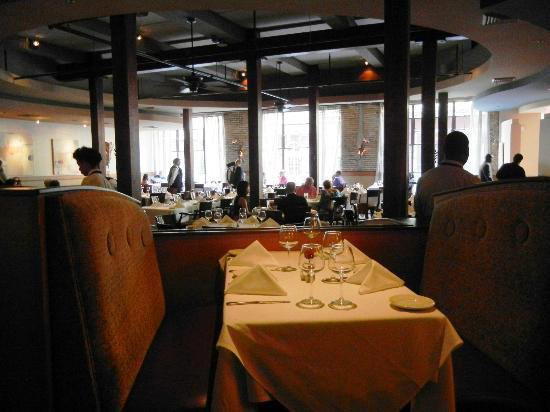
Across the broader American fine dining tier, the gap between formats like this and destination restaurants is wide and intentional. Properties such as The French Laundry in Napa, Alinea in Chicago, or Le Bernardin in New York City operate as architecture-forward experiences where the room is as considered as the menu. The po-boy counter operates in the opposite register, and New Orleans is one of the few American cities where both registers are understood to have equivalent cultural legitimacy.
Where the Po-Boy Counter Sits in the City's Food Structure
New Orleans dining has a tiered structure that visitors sometimes misread. The white-tablecloth Creole tradition, represented by Commander's Palace and its peers, occupies one layer. The mid-tier, where places like Zasu operate in the American contemporary mode, sits in the middle. And below that, in terms of price point rather than cultural standing, the neighbourhood counter serves the city's actual daily eating life. The po-boy shop is not the bottom of a hierarchy. It is a separate track entirely, one that locals navigate by reputation, bread quality, and the particular credentials of specific addresses.
On St Louis Street, Johnny's occupies a French Quarter address that places it in front of a mixed audience: tourists who have heard the name, locals who are there by habit, and visitors who have done enough research to know that the po-boy counter is where New Orleans food culture becomes legible outside the formal dining context. The French Quarter location means foot traffic is high and the clientele is diverse, which is itself a form of cultural data. A neighbourhood-only po-boy shop tells you something about a residential district. A French Quarter po-boy shop that maintains local credibility despite tourist volume tells you something different.
For comparison with other American cities where casual format institutions have become reference points, the dynamic is not unlike what certain taqueries do in Los Angeles or what specific slice shops do in New York. The format is humble, the execution is specific, and the institutional knowledge embedded in those addresses accumulates over years of consistent operation.
Reading the Menu Through a Regional Lens
The po-boy menu in New Orleans organises itself around a set of filling categories that have remained stable for decades. Fried seafood, roast beef dressed with gravy, ham, and oysters are the anchors. The dressed specification, meaning the sandwich arrives with lettuce, tomato, pickles, and mayonnaise, is a default that signals familiarity with the format. Ordering dressed without knowing what it means is a common visitor tell. The vernacular of the po-boy menu is part of its identity, and Johnny's, as a long-standing address on the French Quarter circuit, sits squarely within that vernacular rather than attempting to modernise or reframe it.
The broader New Orleans seafood tradition finds its most accessible expression in the fried oyster or shrimp po-boy. The same seafood that supports ambitious tasting menus at places like Providence in Los Angeles or Single Thread Farm in Healdsburg appears here in its most direct form, with no intervening technique between the Gulf and the table.
Know Before You Go
Address: 511 St Louis Street, New Orleans, LA 70130
Neighbourhood: French Quarter
Format: Counter-service po-boy shop
Price tier: Budget; po-boys are among the more affordable meals available in the French Quarter
Booking: Walk-in only; no reservation system for counter-service format
Ideal time to visit: Midmorning through lunch, when the French Quarter counter format operates at its most characteristic
Useful context: Part of a broader French Quarter dining circuit that also includes options across all price tiers.
- Shrimp Po-Boy
- Roast Beef Po-Boy
- Fried Catfish Po-Boy
- Oyster Po-Boy
- Alligator Sausage Po-Boy
- Gator Boudin
A Quick Peer Check
Comparable venues nearby, for context on price, style, and recognition.
| Venue | Cuisine | Price | Notes |
|---|---|---|---|
| Johnny's Po-BoysThis venue — the venue you are viewing | Classic New Orleans Po'Boys | $$ | Not listed |
| The High Hat Cafe | Southern Delta & Louisiana Comfort Food | $$ | Freret |
| Stein's Market & Deli | New York-Style Deli | $$ | Lower Garden District |
| The Joint | Louisiana BBQ | $$ | Bywater |
| Red Dog Diner | American Comfort Diner | $$ | Garden District |
| Satsuma Maple | Organic American Cafe | $$ | East Carrollton |
Continue exploring
More in New Orleans
Restaurants in New Orleans
Browse all →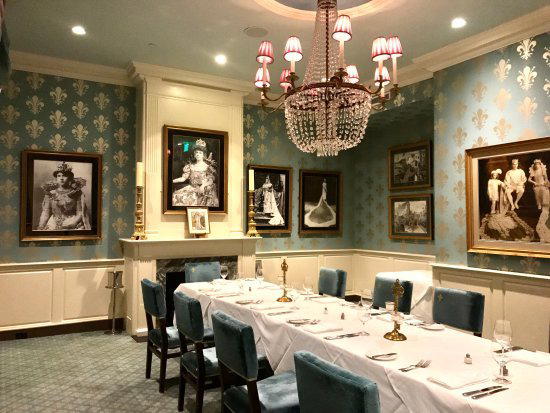
Bars in New Orleans
Browse all →

At a Glance
- Well Known
- Casual
- Rustic
- Casual Hangout
- Solo
- Historic Building
- Standalone
Current opening hours
- Monday
- Closed
- Tuesday
- Closed
- Wednesday
- Closed
- Thursday
- 8 AM–3:30 PM
- Friday
- 8 AM–3:30 PM
- Saturday
- 8 AM–3:30 PM
- Sunday
- 8 AM–3:30 PM
Hours can change for holidays and private events. Last verified .