Hotel Saint Vincent


1 Michelin Key · Fodor's Most Incredible Hotels in the World
A 19th-century red brick landmark on Magazine Street, Hotel Saint Vincent converts a Lower Garden District building into 75 rooms that balance historical detail with considered comfort. The property holds a 2024 Michelin Key and runs three distinct food and drink operations, placing it among New Orleans' more seriously programmed independent hotels.

Pearl is the En Primeur Club membership app — saves, bookings, and concierge access live there. Same editors, same standards.
- Address
- 1507 Magazine St, New Orleans, LA 70130
- Phone
- (504) 350-2450
- Website
- saintvincentnola.com
- Directions
- Get directions
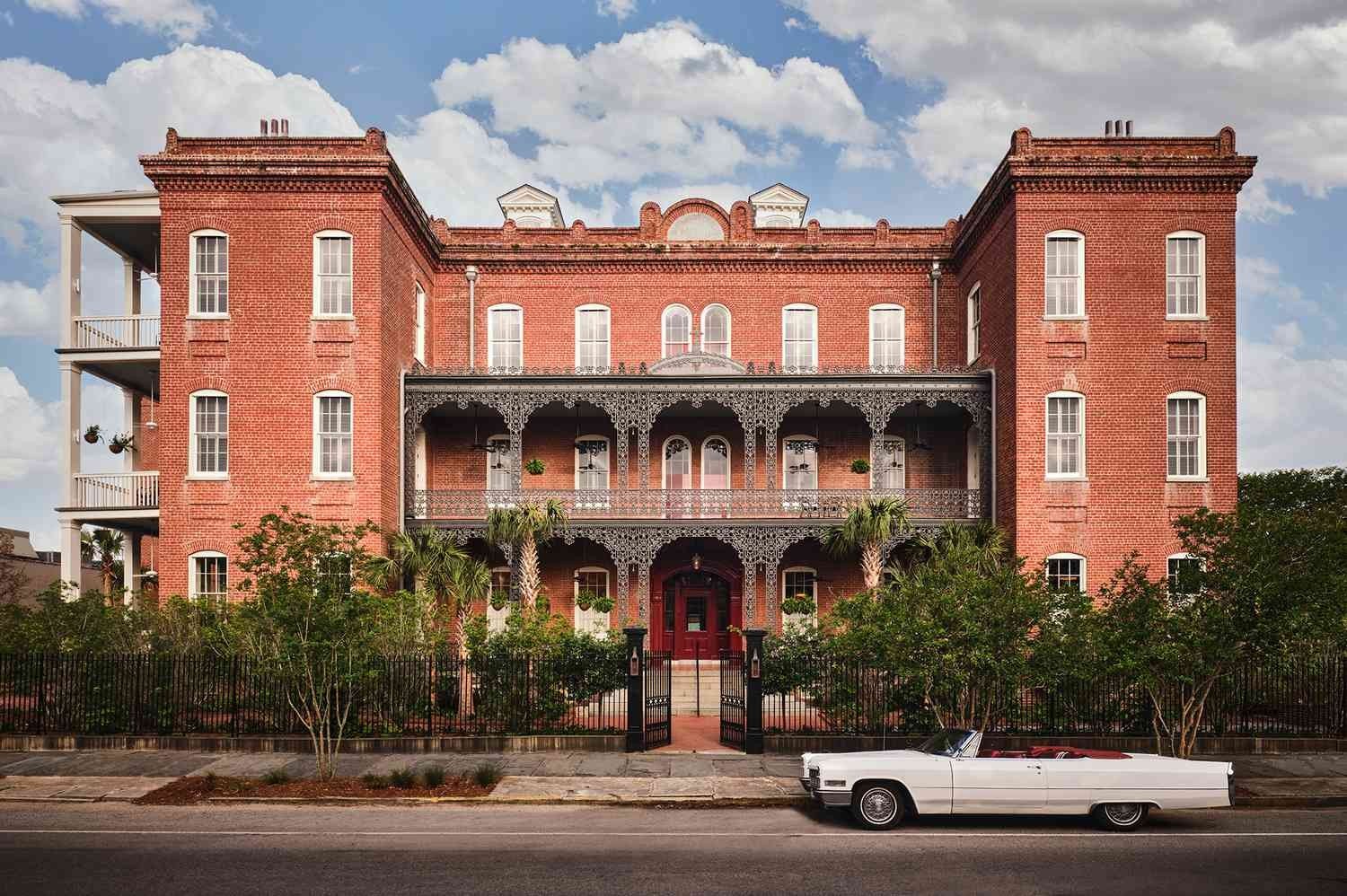
Lower Garden District, on Its Own Terms
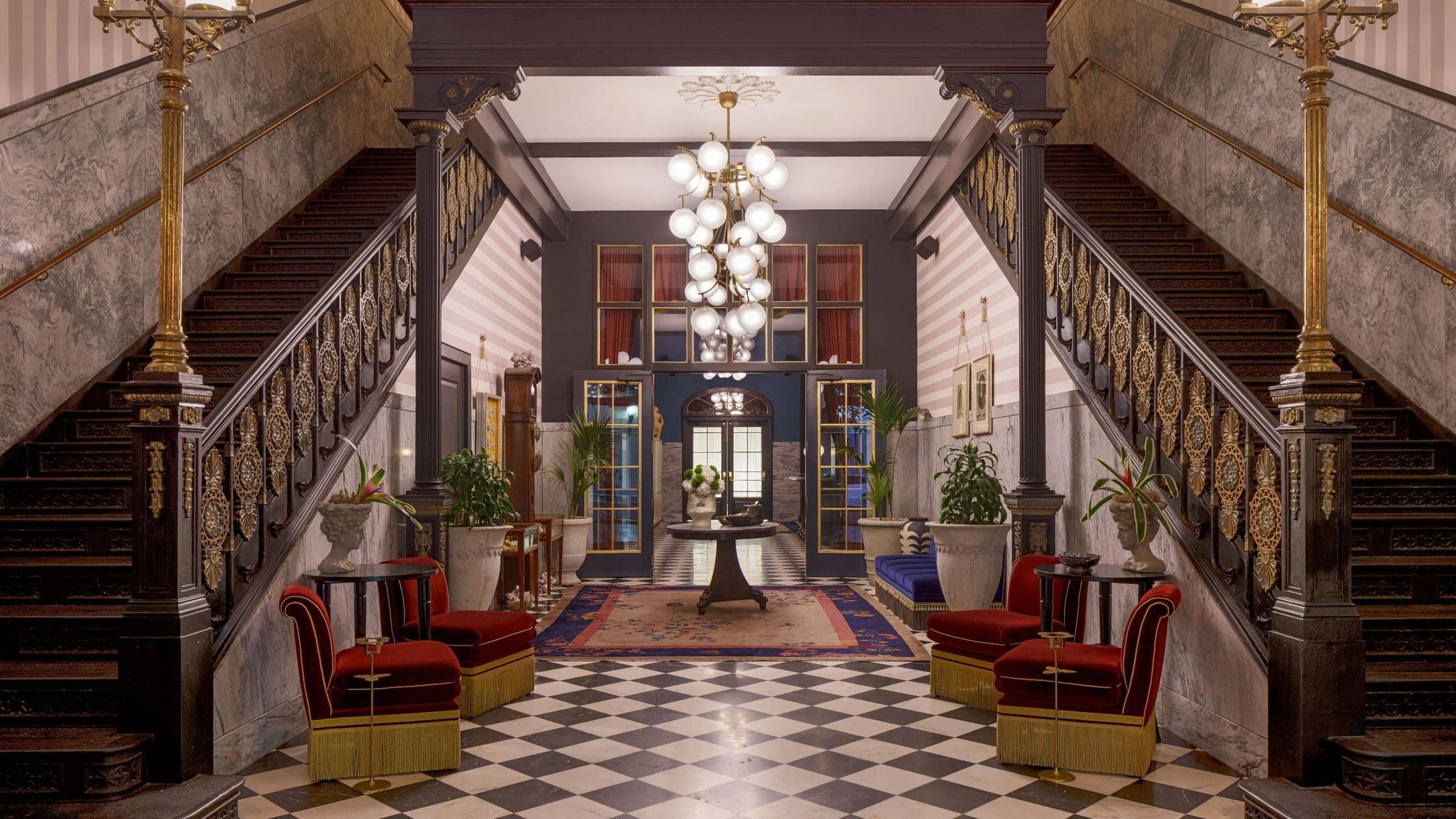
Magazine Street runs south from the French Quarter through a sequence of neighbourhoods that each have their own character, and by the time it reaches the Lower Garden District it has settled into something quieter and more residential than the blocks tourists typically traverse. That positioning matters for Hotel Saint Vincent. Arriving at 1507 Magazine St, you encounter a mid-19th-century red brick building whose scale and materiality feel rooted in the neighbourhood rather than imposed on it. The building reads as a genuine artefact of the city before it reads as a hotel, which is not a small thing in a city where the competition between authentic and performed runs through every hospitality decision.
New Orleans hotel development has split over the past decade into two broad directions: large branded properties targeting the convention and events market (the Four Seasons Hotel New Orleans being the clearest recent example at the high end), and smaller, design-driven properties converting historic structures for a traveller who wants neighbourhood context alongside comfort. Hotel Saint Vincent belongs firmly to the second category, and the Lower Garden District address is not incidental to that identity. Staying here places guests outside the concentrated noise of the French Quarter while keeping it within easy reach, and gives the hotel a physical and cultural context that an address in the Central Business District could not replicate.
What the Building Became
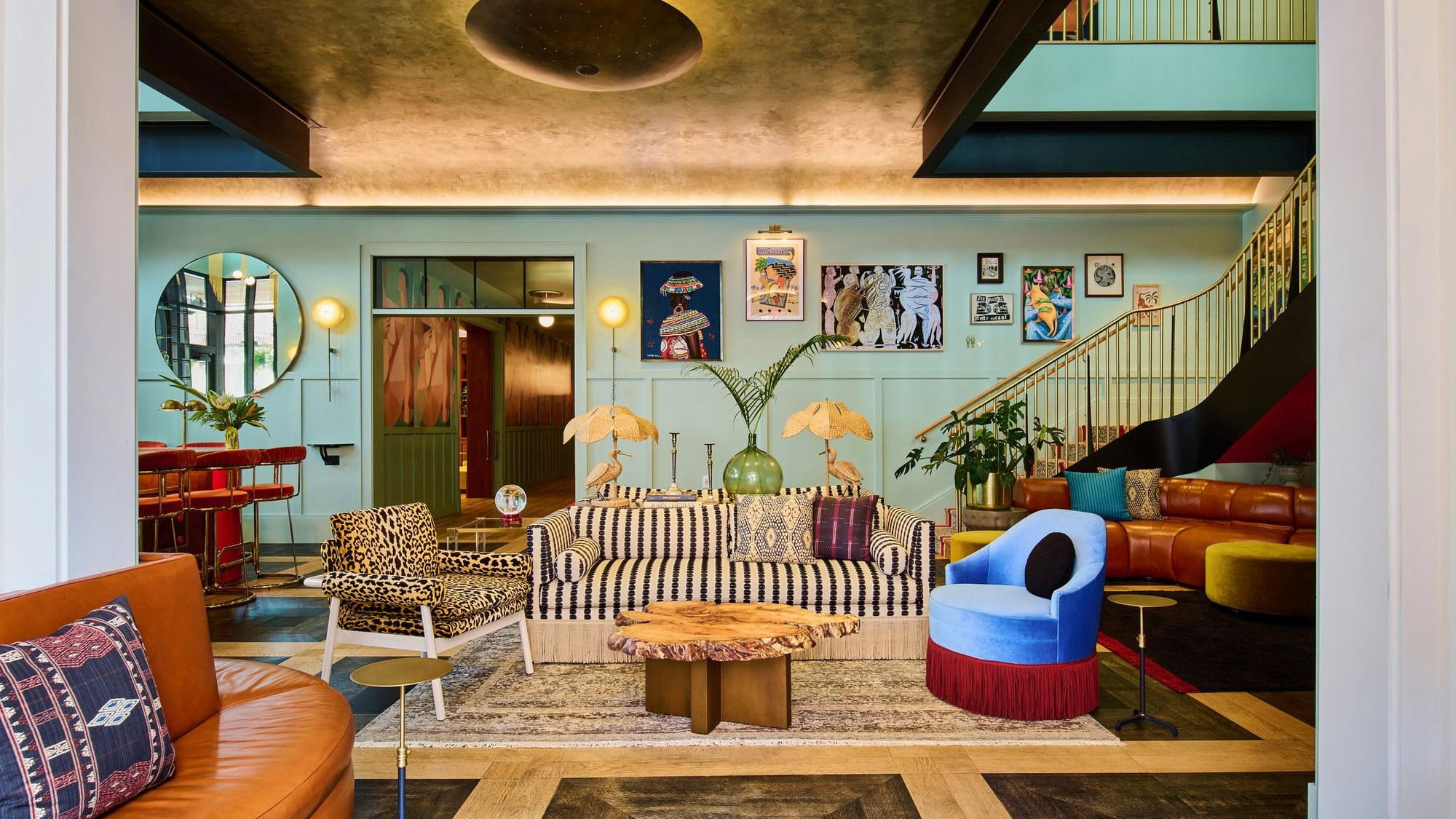
The structure itself is a 19th-century landmark, and the people who took it on have made choices that prioritise retro reference and historical texture over the kind of blank-canvas renovation that strips a building of its accumulated character. The interiors carry soft lighting and lush plants alongside details that acknowledge the building's age without fetishising it. The result sits in a register that several other New Orleans conversion properties aim for, including Hotel Peter and Paul, which converted a 19th-century church complex in the Marigny, and Maison Metier, which works with a different kind of intimate scale. What distinguishes Hotel Saint Vincent within that cohort is the combination of 75 rooms, a substantive food and drink program, and a 2024 Michelin Key, which places it in a formally recognised tier for hotel quality rather than just for design ambition.
The 75-room count puts it at a mid-scale for the independent conversion category. It is large enough to support multiple food and beverage outlets and maintain consistent service, but not so large that the building's character gets diluted by volume. That ratio matters in a city where the most satisfying hotel stays tend to come from properties that hold enough guests to feel alive without feeling anonymous. Compare that with the Columns on St. Charles Avenue, which operates at a smaller scale in a similarly residential context, or the Pontchartrain Hotel St. Charles Avenue, which sits in a different neighbourhood but shares the independent hotel sensibility.
Food and Drink as a Serious Program
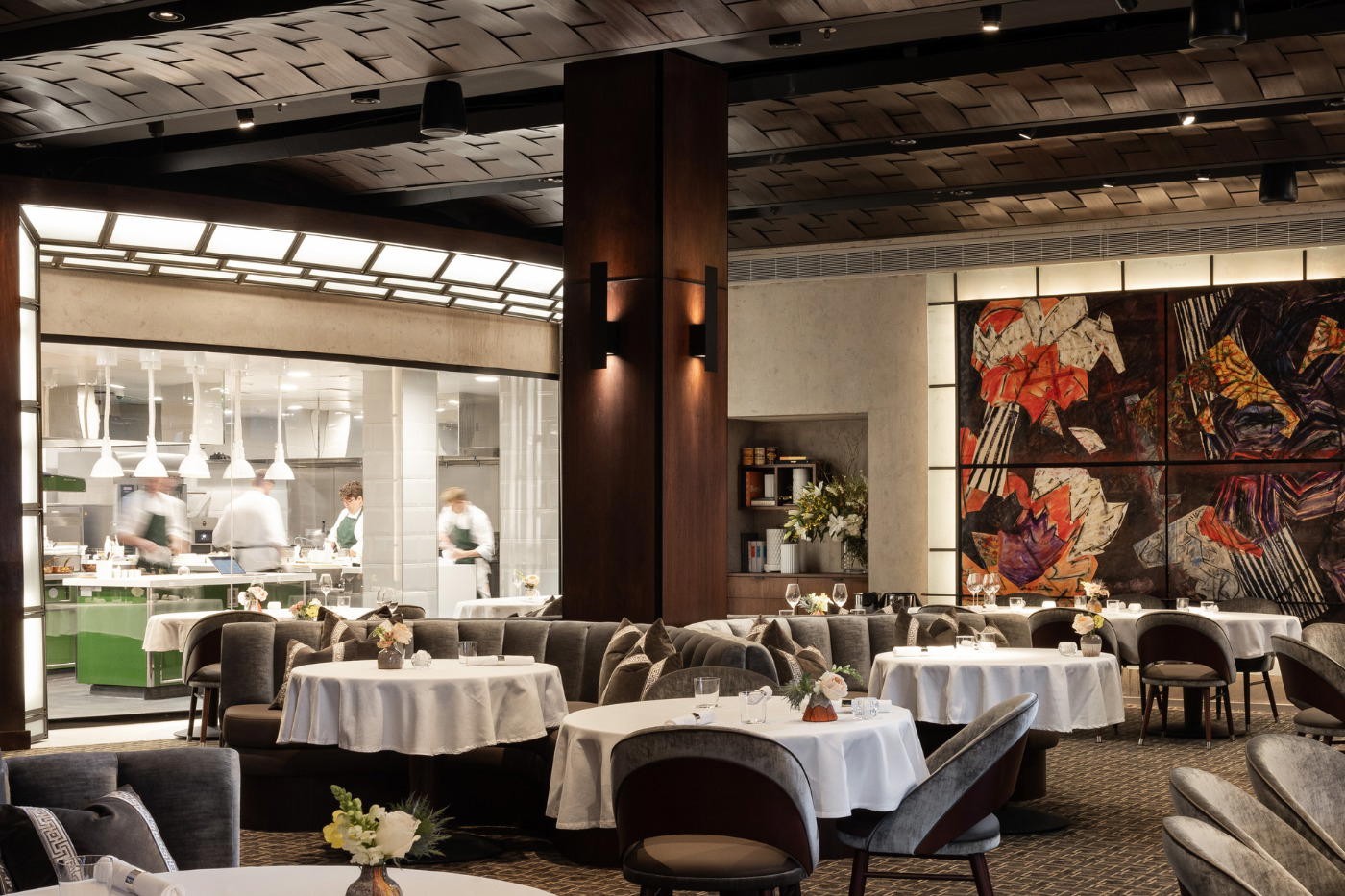
New Orleans takes food seriously in ways that are not always replicated in hotel dining, where the default is often to offer a safe all-day menu that serves guests who cannot be bothered to leave. Hotel Saint Vincent takes a different approach, running three distinct operations that reflect real culinary positions rather than hotel-dining compromise. Elizabeth Street Café handles French-Vietnamese, San Lorenzo covers Italian, and the Paradise Lounge lobby bar opens onto the patio. That combination of two full restaurant concepts plus a bar program within a single property represents a level of food and drink investment that is more consistent with what you find at larger luxury hotels than at a 75-room independent.
The French-Vietnamese pairing at Elizabeth Street Café references New Orleans' own culinary history. The city's Vietnamese community, concentrated largely in New Orleans East, has had a measurable influence on the local food ecosystem for decades, and French-Vietnamese as a category sits at a natural intersection of the two dominant colonial culinary lineages present in Louisiana cooking. San Lorenzo's Italian programming sits in different territory, less historically embedded in the city's culinary identity but well-timed relative to a broader national shift toward trattoria-style dining that has run through American restaurant culture for several years. Check our full New Orleans restaurants guide for broader context on how the city's dining scene is currently organised.
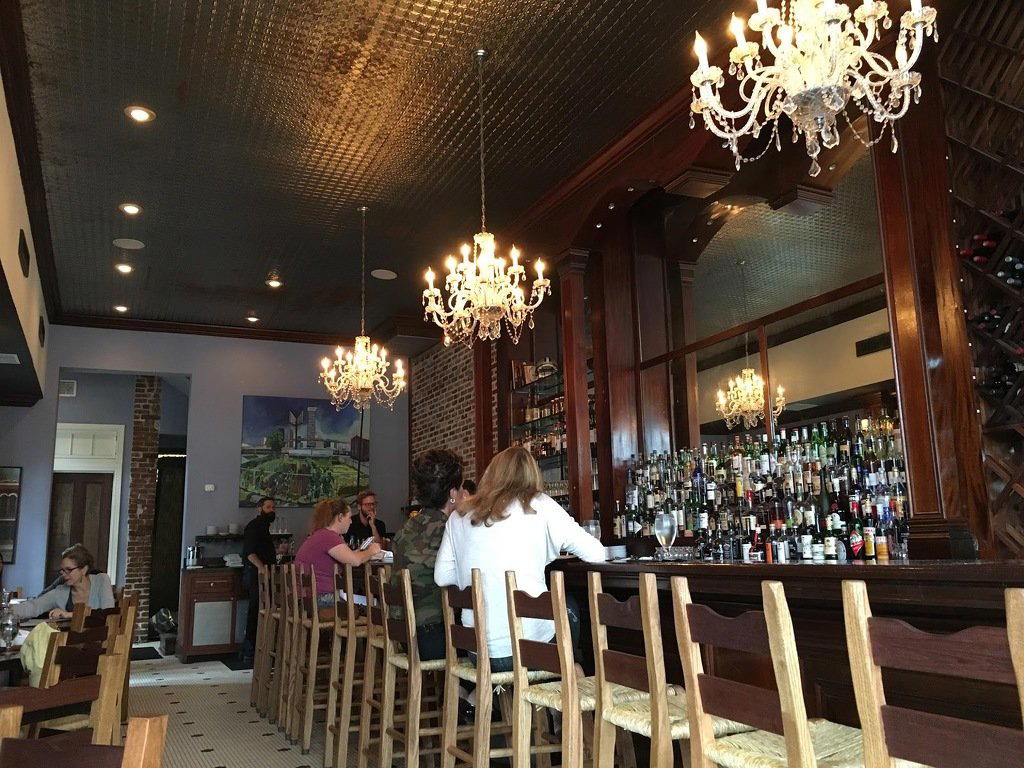
The Paradise Lounge opening onto the patio is the detail that positions the hotel correctly for the New Orleans climate. The city's outdoor drinking culture is not incidental; it is one of the defining features of how socialising works here across most of the year. A lobby bar that opens to the exterior rather than remaining sealed inside a hotel envelope is a calibration toward how New Orleans actually functions rather than toward how a generic hotel playbook says lobby bars should operate.
Where It Sits Among New Orleans' Independent Hotels
2024 Michelin Key is a meaningful signal. Michelin's hotel key program applies the same threshold approach as its restaurant stars: a key is not awarded for trying, it requires demonstrable quality across physical plant, service, and overall guest experience.
It is not a shorthand for quality in the way that Michelin recognition is, but it confirms that the guest experience is consistent rather than polarising, which matters for a property that operates multiple food and drink programs with different service rhythms.
For travellers comparing Hotel Saint Vincent against the branded luxury options in New Orleans, including the Four Seasons Hotel New Orleans or Element New Orleans Downtown at a different price and format tier, the trade is clear: less amenity infrastructure and less central address in exchange for more neighbourhood texture, more distinctive design, and a food and drink program that was built around specific culinary positions rather than broad guest coverage.
Planning a Stay
Hotel Saint Vincent holds 75 rooms and prices on request, meaning rates are confirmed through the booking process rather than published at a fixed rack. That structure is consistent with independent properties at this tier that vary pricing with demand and availability rather than holding a static public rate. Rooms book ahead during New Orleans' high-traffic periods: Jazz Fest in late April and early May, French Quarter Festival in April, and the Mardi Gras season running from January through February all compress availability across the city. Spring and fall represent the more temperate windows for visiting New Orleans, with summer carrying the city's characteristic heat and humidity. The Magazine Street address is walkable into the Garden District and accessible to the French Quarter, making the location workable without a car for most of what the city offers.
Travellers who want to understand Hotel Saint Vincent in the context of broader American design-led hospitality might draw comparisons to SingleThread Farm Inn in Healdsburg or Post Ranch Inn in Big Sur, both of which operate in the space where serious food programming and distinctive physical environments combine at a mid-key count. Within the Southeast US context, Little Palm Island Resort & Spa in Little Torch Key represents a different application of the same principle: physical setting as primary differentiator within a recognisable luxury format.
Peers You’d Cross-Shop
Comparable venues nearby, for context on price, style, and recognition.
| Venue | Cuisine | Price | Awards | Notes |
|---|---|---|---|---|
| Hotel Saint VincentThis venue — the venue you are viewing | Restored historic boutique hotel blending 1861 architectural heritage with contemporary luxury design and lively botanical aesthetics. | $200–300 | 1 Michelin Key · Fodor's Most Incredible Hotels in the World | Not listed |
| The Celestine New Orleans | Historic boutique blending French Quarter heritage with modern luxury | $200–300 | 1 Michelin Key | French Quarter |
| Hotel Henrietta | Contemporary boutique with heritage-referencing interiors and Southern charm; positioned as a sophisticated yet approachable retreat in the historic Garden District. | $200–300 | 1 Michelin Key · Mr & Mrs Smith Seal of Approval | Touro |
| Pontchartrain Hotel St. Charles Avenue | Historic luxury boutique with modern comforts in the Garden District. | $200–300 | 1 Michelin Key | Central City |
| The Windsor Court | Luxury heritage hotel offering a refined blend of English tradition and contemporary elegance in a historic downtown setting. | $300–500 | 1 Michelin Key · La Liste Top Hotels | Central Business District |
| Hotel Peter and Paul | Restored historic religious buildings with distinctive character across convent, rectory, and schoolhouse. | Not listed | 1 Michelin Key · Mr & Mrs Smith Seal of Approval | Marigny |
Recognition history
Dated appearances from independent guides and award organizations, with the underlying list record or original source where available.
Michelin 1 Key
Michelin
Fodor's Most Incredible Hotels in the World
Fodor's
Full recognition history (4 entries)
Michelin 1 Key
Michelin
Michelin 1 Key
Michelin
Continue exploring
More in New Orleans
Hotels in New Orleans
Browse all →
Bars in New Orleans
Browse all →

Details
- Elegant
- Modern
- Sophisticated
- Romantic
- Romantic Getaway
- Anniversary
- Celebration
- Weekend Escape
- Destination Wedding
- Historic Building
- Design Destination
- Garden
- Terrace
- Rooftop Pool
- Wi Fi
- Pool
- Spa
- Fitness Center
- Room Service
- Concierge
- Business Center
- Valet Parking
- Restaurant
- Bar
- Garden
- Wheelchair Accessible
- Elevator
- Accessible Restroom
- Accessible Parking
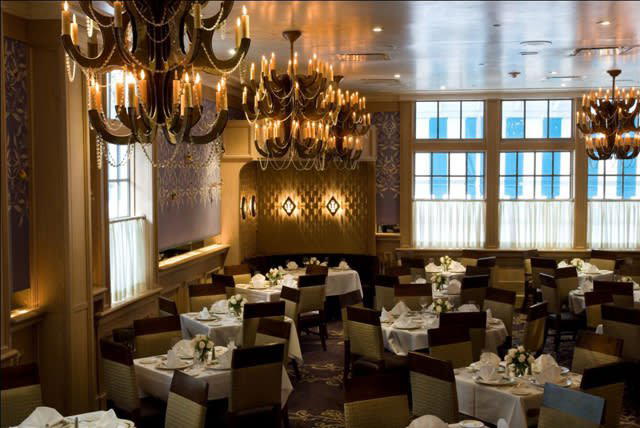
Bright, upbeat, and sophisticated with pinks, greens, and oranges throughout; natural light floods dining spaces; pool area evokes Palm Springs glamour with striped loungers and tropical plants; elegant vintage decor balanced with modern luxury.