

Tabelog Bronze #381
Our verdict
Sakagawa sits in Kyoto’s Gion kaiseki circuit, where Kansai seasonality, counter intimacy and formal restraint carry more weight than theatrical luxury. Recognition from Tabelog and Opinionated About Dining places it among the city’s serious Japanese-cuisine addresses, with a compact counter format and private rooms suited to focused dinners rather than casual drop-ins.

Pearl is the En Primeur Club membership app, where members save venues, book tables and use the concierge.
Gion changes register after dusk: lantern light, low eaves, narrow approaches, the shift from sightseeing Kyoto to appointment-only Kyoto. In that setting, kaiseki is not simply an expensive dinner category. It is a grammar of season, sequence, tableware, temperature and restraint, and the stronger rooms in Higashiyama are judged by how quietly they control those variables. Sakagawa belongs to that Kyoto register, with Chef Hirokazu Sakagawa attached to a house-restaurant format rather than a hotel dining room or large modern salon.
The regional lens matters here. Kanto Japanese fine dining often prizes sharper contrasts, stronger soy-driven lines and a metropolitan polish shaped by Tokyo’s competitive counter culture. Kyoto’s kaiseki tradition tends to work through Kansai softness: dashi clarity, seasonal reference, ceramics, fish handling, and the kind of pacing that rewards attention rather than speed. Sakagawa’s positioning is easiest to understand inside that Kansai conversation, alongside Kyoto kaiseki addresses such as Chihana, Hassun, Ankyu, Gion Suetomo and Doujin. The point is not sameness; it is shared discipline. Kyoto’s serious kaiseki rooms compete on calibration.
Gion kaiseki in the Kansai register
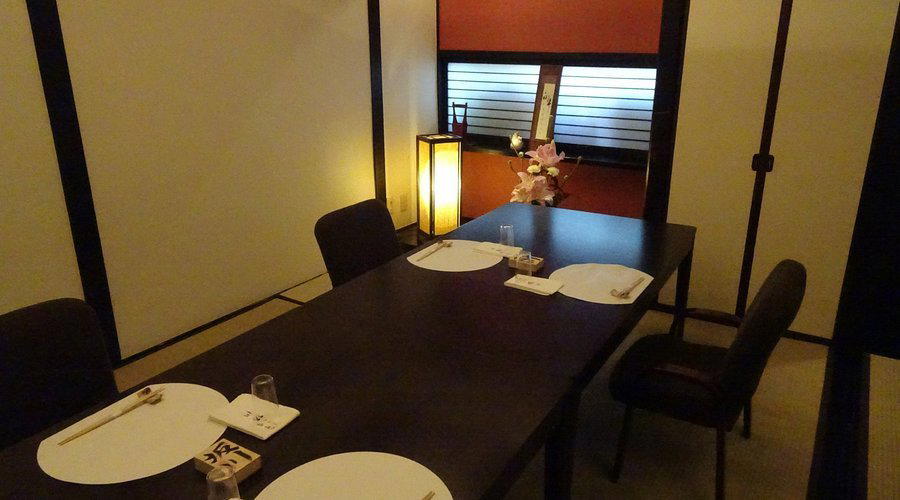
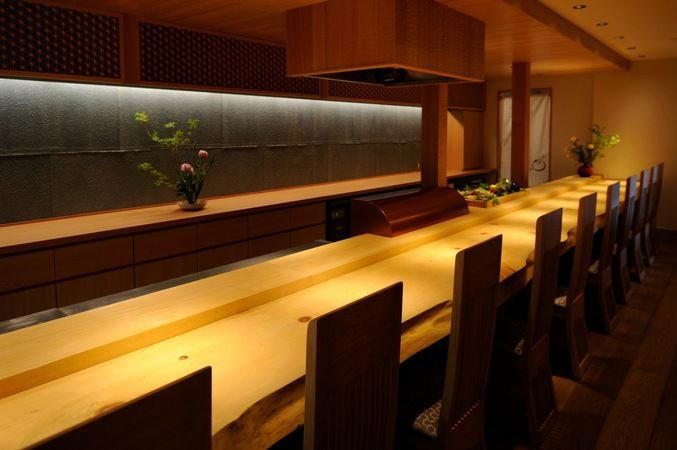
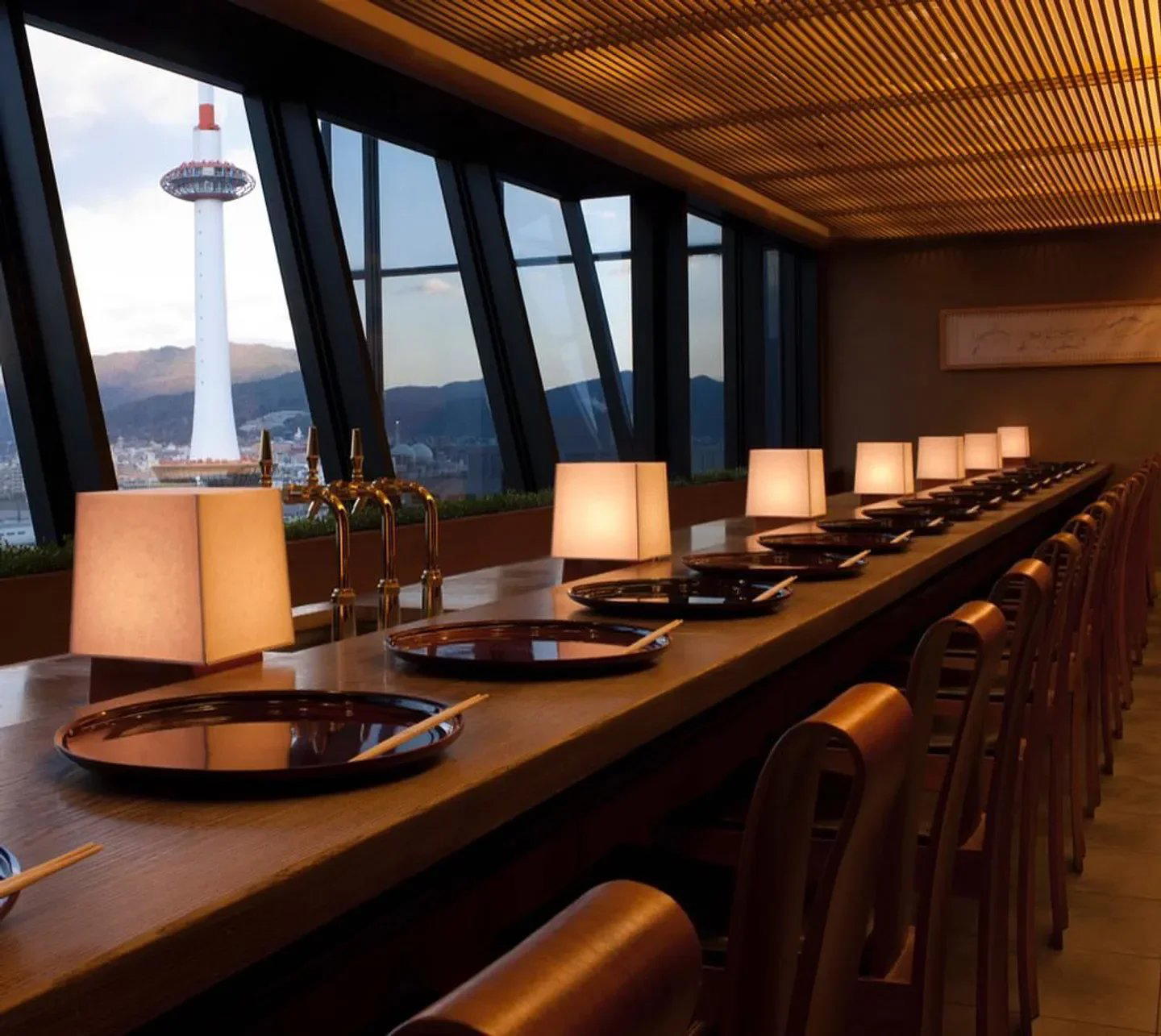
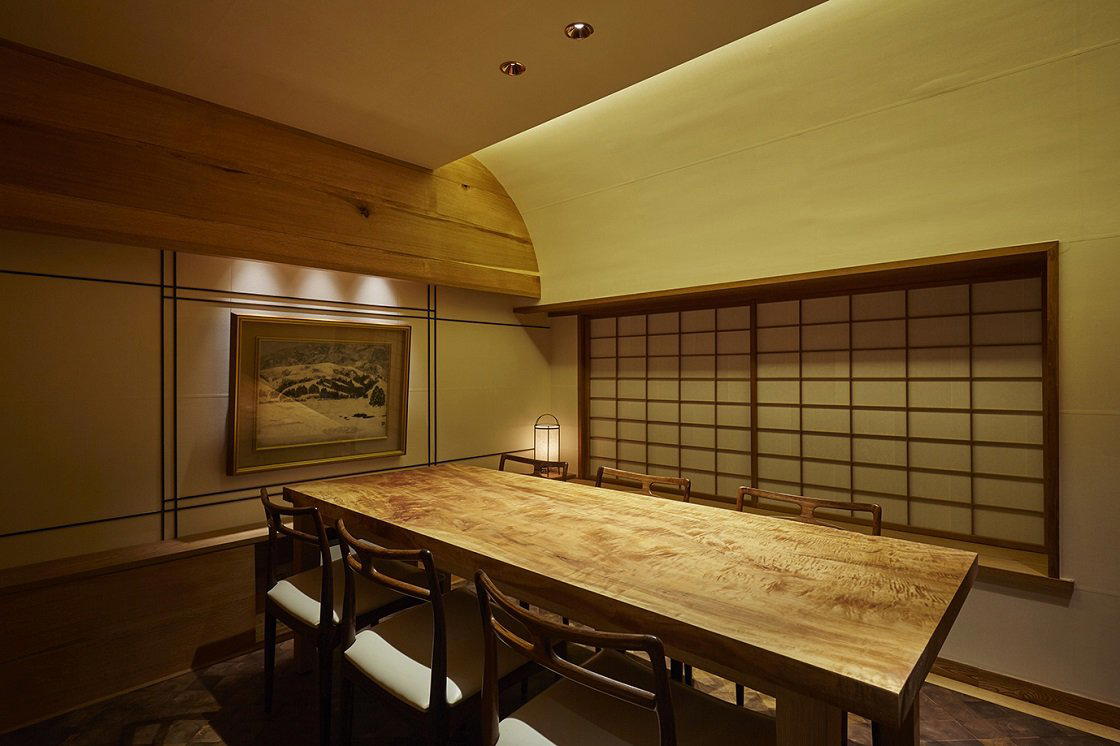
Kaiseki in Kyoto carries a heavier cultural burden than it does in many cities. It is tied to tea practice, seasonal poetry, craft economies and a local audience that can read small deviations. A room does not need spectacle to signal ambition. Nine counter seats already say plenty: the format narrows the exchange between kitchen and diner, reduces margin for drift, and places timing under scrutiny. Private rooms change the social use of the restaurant, making it viable for business dinners and small-group occasions without moving it into banquet territory.
The awards picture reinforces that this is not an anonymous Gion address trading on postcode. Sakagawa is a Tabelog Award 2026 Bronze winner with a 4.13 score, and it appears in the 2026 Opinionated About Dining Japan Recommended list. It also has repeated Tabelog Bronze recognition across recent years and selection in Tabelog’s Japanese cuisine WEST 100. For Kyoto, where many serious restaurants are small, conservative and locally known before they become internationally legible, that combination is a useful signal: user-driven Japanese recognition and international dining-list visibility are pointing in the same direction.
Compared with Tokyo kaiseki references such as Ajihiro, Kaiseki in Tokyo or Akasaka Asada, Kaiseki in Tokyo, Kyoto’s advantage is not scale. It is proximity to the language of the form. Gion, Higashiyama and the older restaurant districts keep the ceremony close to its source material: seasonal cues, fish and vegetables from Kansai supply networks, lacquer and ceramic traditions, and service rhythms shaped by small rooms. Sakagawa’s fish emphasis and sake-oriented drinks listing fit that pattern without needing a louder concept.
A compact counter, not a performance stage
The modern luxury diner often arrives trained by omakase theatre: chef-as-star, rapid-fire explanation, a seat that feels like a front row. Kyoto kaiseki can be more demanding because it withholds some of that performance. The counter is not automatically casual, and the meal is not designed around a single headline ingredient. The structure asks diners to notice progression: how a season is introduced, developed and resolved; how sake or wine supports rather than dominates; how the room’s silence and conversation levels affect the meal.
That is where the difference between a Kyoto kaiseki dinner and a generic luxury tasting menu becomes visible. A Western tasting menu often builds around invention, surprise and signature construction. Kaiseki carries a narrower but deeper mandate: season first, sequence second, technique in service of both. In Kyoto, the stronger version of that mandate avoids overstatement. A counter of this size can make the experience feel exacting, but it also leaves little distance between the kitchen’s decisions and the guest’s reading of them.
Chef Hirokazu Sakagawa’s name matters as a credential, not as a biography. The more useful editorial point is that chef-led kaiseki in Kyoto remains a small-room genre. The dining room’s scale, recognition from Japanese award systems and Gion setting place the restaurant in a serious tier where visitors should expect formality of attention rather than entertainment-driven luxury. Those looking for a louder night may find the format restrained; those interested in Kansai kaiseki will understand that restraint as the point.
How to place it within a Kyoto itinerary
Kyoto rewards sequencing. A kaiseki dinner in Gion sits differently after a day in Higashiyama than it does after a rushed transfer from another city. The area’s restaurant culture is built around arrival with intent: small rooms, limited seating, and a pace that assumes dinner is the evening’s anchor. Sakagawa fits a trip planned around Japanese cuisine rather than a broad checklist of Kyoto attractions.
For dining context beyond this address, Our full Kyoto restaurants guide maps the city’s broader restaurant field, while Our full Kyoto hotels guide, Our full Kyoto bars guide, Our full Kyoto wineries guide and Our full Kyoto experiences guide help frame the rest of the stay. Readers comparing across Japan can also use out-of-category references such as -Grilled beef Sukiyaki- KAMAKURA TANUKIAN 鎌倉 たぬき庵 in Kamakura. 鮪と炭火焼き うお炭 秋葉原店 in Tokyo.cafe in Osaka.know in Kumamoto, (Shoku) Vietnam in Kawasaki and [Curry Senmon Ten] Maruyama Kyoju. in Sapporo to see how different Japanese dining categories signal value, locality and ambition.
The editorial read is clear: Sakagawa is for travelers who want Kyoto kaiseki on Kyoto’s terms. The evidence is not a single trophy or a decorative Gion address, but the alignment of format, neighbourhood, cuisine category and repeated recognition. In a city where the genre can become opaque to outsiders, those signals help separate serious small-room kaiseki from dining that merely borrows its surface manners.
Frequently asked questions
What's Sakagawa's location?
Sakagawa is located in Kyoto.
What cuisine category does Sakagawa fall under?
Sakagawa serves Kaiseki cuisine.
What days is Sakagawa closed?
Hours at Sakagawa: Hours: Monday 5–9 pm Tuesday 5–9 pm Wednesday 5–9 pm Thursday 5–9 pm Friday 5–9 pm Saturday 5–9 pm Sunday Closed.
What is Sakagawa known for?
Sakagawa is primarily known for Kaiseki in Kyoto.
Cuisine Lens
Side-by-side context: comparable cuisine and price.
| Venue | Cuisine | Price | Awards | Notes |
|---|---|---|---|---|
| SakagawaThis venue (the venue you are viewing) | Traditional Kaiseki | $150–200 | Tabelog Bronze #381 | Not listed |
| Kappo Umetsu | Kappo Japanese Cuisine | $100–150 | Michelin Plate | Higashiyama |
| Maeda 前田 | Modern Kaiseki | $300–500 | Tabelog Bronze #245 | Higashiyama |
| Noguchi | Modern Kaiseki Counter Dining | $300–500 | Tabelog Silver #67 | Kamigyō |
| Konno | Modern Japanese Omakase | $150–200 | Michelin Plate | Higashiyama |
| Tsuroku | Kyoto Kappo | $150–200 | Michelin Plate | Nakagyō |
Recognition history
Dated appearances from independent guides and award organizations, with the underlying list record or original source where available.
Opinionated About Dining Top Restaurants in Japan Recommended
Opinionated About Dining
Tabelog Bronze #381
Tabelog
Full recognition history (7 entries)
Opinionated About Dining Top Restaurants in Japan Ranked #290
Opinionated About Dining
Tabelog 100 #57 · No. 57
Tabelog · Tabelog 100 - Japanese cuisine - WEST - 2025
Tabelog Bronze
Tabelog
Opinionated About Dining Top Restaurants in Japan Ranked #232
Opinionated About Dining
Opinionated About Dining Top Restaurants in Japan Highly Recommended
Opinionated About Dining
Continue exploring
More in Kyoto
Restaurants in Kyoto
All restaurants in Kyoto →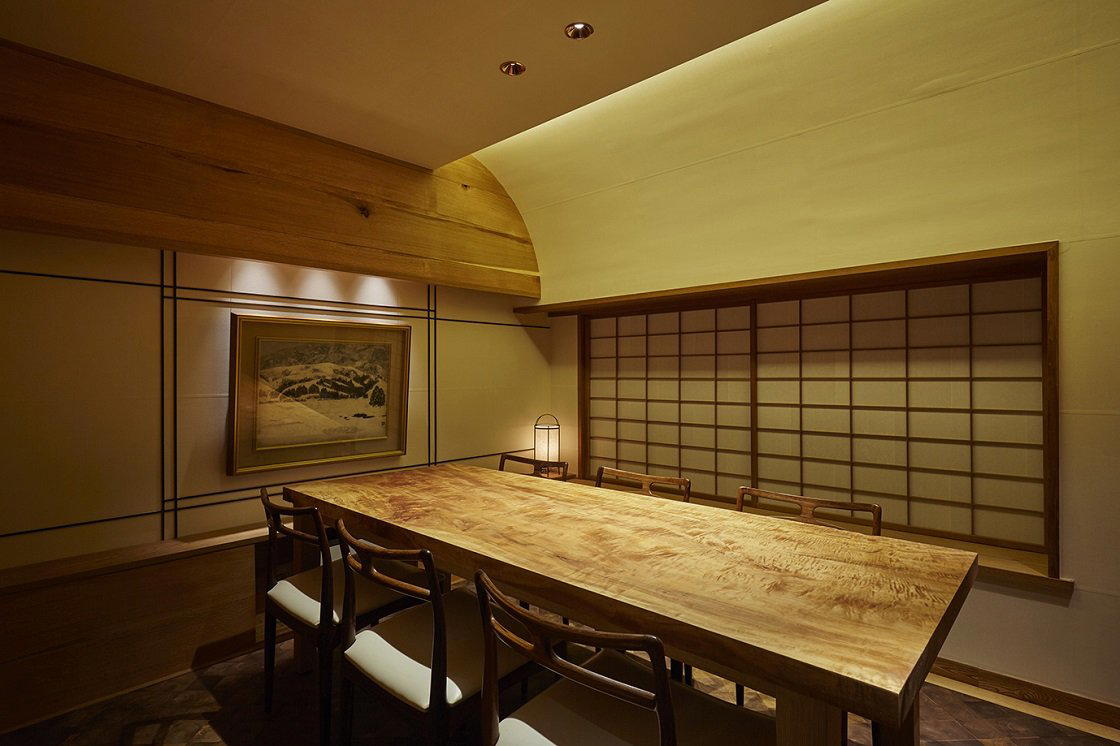
Bars in Kyoto
All bars in Kyoto →

Hotels in Kyoto
All hotels in Kyoto →

Wineries in Kyoto
Browse all →
Details
- Elegant
- Intimate
- Sophisticated
- Classic
- Special Occasion
- Date Night
- Chefs Counter
- Open Kitchen
- Sake Program
- Local Sourcing
- Tasting Menu
- Counter Dining
- Sake
- Vegetarian Friendly
Current opening hours
- Monday
- 5–9 PM
- Tuesday
- 5–9 PM
- Wednesday
- 5–9 PM
- Thursday
- 5–9 PM
- Friday
- 5–9 PM
- Saturday
- 5–9 PM
- Sunday
- Closed
Hours can change for holidays and private events. Hours as of .
Warm, welcoming traditional Japanese atmosphere with focus on the open kitchen and attentive service.