
Michelin Bib Gourmand
Our verdict
In Tanimachi's quieter residential pocket, Nikomi Kimura earns its Michelin Bib Gourmand recognition through a focused menu of home-style stews, rolled omelettes, and seasonal oden served inside a Japanese-style townhouse. Chef Tomoo Kimura's cooking operates at the warmer, more domestic end of Osaka's izakaya tradition, pairing simple technique with good sake in a format priced at ¥¥.

Pearl is the En Primeur Club membership app, where members save venues, book tables and use the concierge.
The menu
What to order
- Sukiyaki-style simmered beef and tofu
- Beef tendon with konnyaku
- Chicken tsukune meatballs
- Oden
- Fukusa Tamago
The Tanimachi Setting and What It Signals
Osaka's izakaya culture spans an enormous range, from the raucous Dotonbori strips where grilled skewers and cold draft beer define the pace, to quieter residential pockets where the format shifts toward something closer to a home kitchen with a sake list. Tanimachi, the long north-south corridor through Chuo Ward, sits in the second category. The neighbourhood carries a lower commercial density than Namba or Shinsaibashi, and the eating and drinking establishments that do well here tend to prioritise regulars over foot traffic. Nikomi Kimura fits that pattern precisely: a Japanese-style house, a menu built around slow-cooked dishes, and a register that reads as ¥¥ in a city where the distance between casual izakaya and a kaiseki counter at Taian or a high-end French room like Hajime can span three price tiers and a completely different set of expectations.
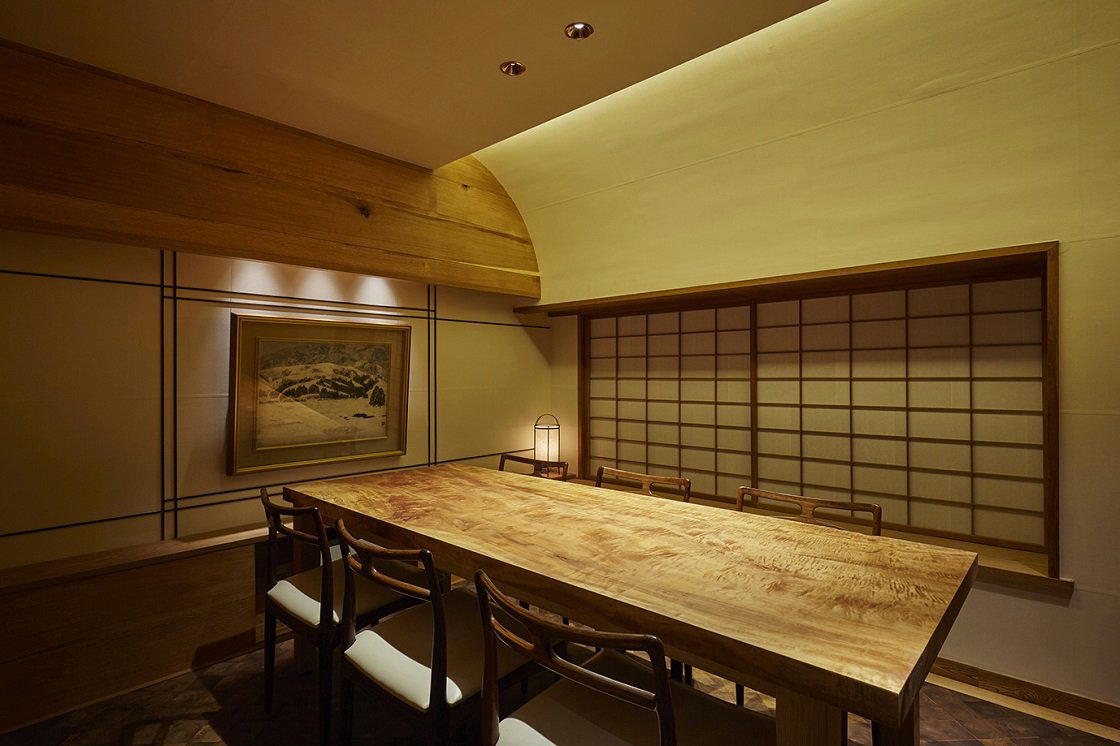
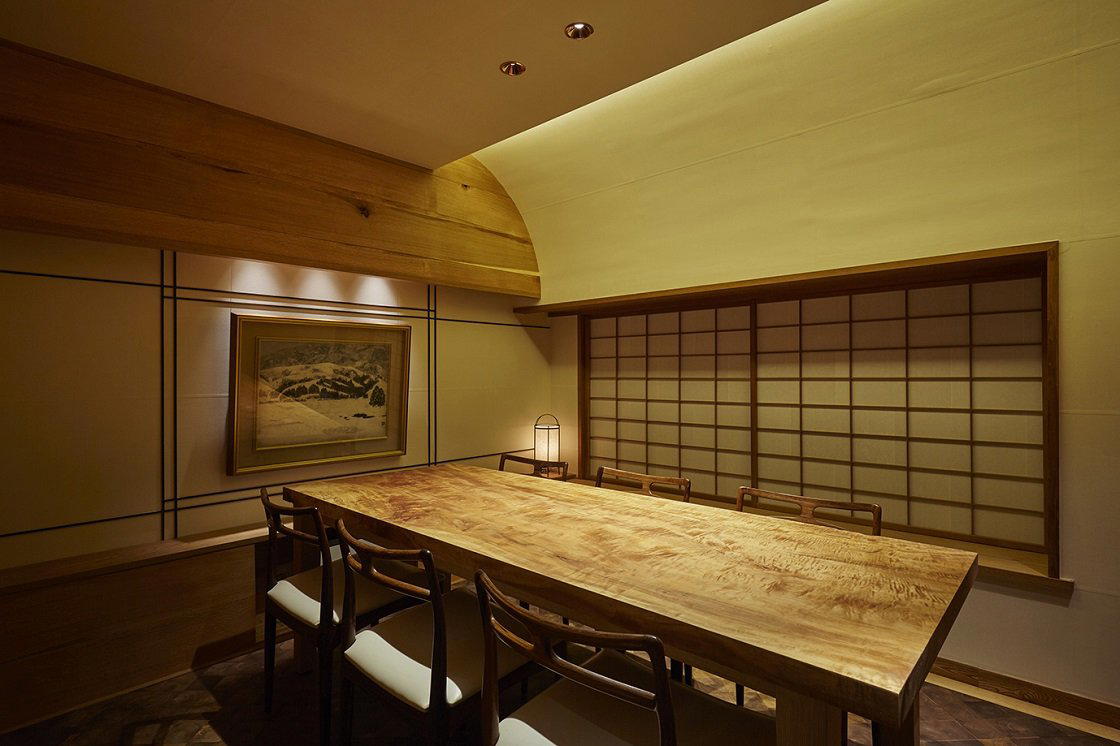
The physical form of the space matters here. Japanese-style residential architecture, with its low ceilings, wood framing, and the particular quality of light that comes through shoji screens, creates a register of warmth that is difficult to manufacture in a purpose-built restaurant. That quality of nostalgia, the sense of eating in someone's house rather than a constructed dining room, is part of what the Michelin inspectors appear to have responded to when awarding Bib Gourmand recognition in both 2024 and 2025.
Nikomi: The Cultural Weight of the Stew
The word nikomi in Japanese refers to food that has been simmered slowly, typically in a seasoned broth, until the proteins soften and the flavours concentrate. It is one of the older cooking techniques in the Japanese domestic repertoire, associated with winter eating, with communal pots, and with the kind of cooking that happens over time rather than to order. The stew's cultural position in Japan sits somewhere between the French braise and the British Sunday roast: it is food that signals care and patience rather than technical showmanship.
Osaka has a particular relationship with this style of cooking. The city's culinary identity has long been shaped by practical abundance, by the street food and working-class eating culture of the Meiji and Taisho periods, rather than by the refinement associated with Kyoto's kaiseki tradition. Oden, the cold-weather stew of fishcakes, daikon, boiled eggs, and konnyaku simmered in dashi, is an Osaka staple, sold from street carts and convenience stores as well as dedicated restaurants. The decision to build a restaurant's identity explicitly around nikomi, and to name the establishment after the technique, is a statement about where the cooking sits within the city's food culture: it is not reaching toward haute cuisine, it is going deeper into something that already exists.
For comparison within Osaka's broader izakaya range, places like Izakaya Tokitame and Jizakeya Iwatsuki represent different positions within the same broad category, each with their own emphasis on either the drinking or the eating side of the format. Nikomi Kimura's emphasis is on the food, specifically on dishes that reward slow heat and proper seasoning.
The Menu: Year-Round and Seasonal
The kitchen runs a core of dishes available throughout the year alongside a winter addition that reflects the seasonal rhythm of Japanese home cooking. The year-round lineup includes sukiyaki-style simmered beef and tofu, stewed beef tendon with konnyaku, and chicken meatballs. These are not elaborate preparations; they are dishes where the quality of the result comes from timing, seasoning, and the care applied to something that most people would recognise as comfort food. The beef tendon dish in particular is a marker of cooking confidence: tendon requires long, patient simmering to become palatable, and when it is done correctly the texture and flavour are distinct from anything achievable at shorter cooking times.
Fukusa Tamago, the rolled omelette mixed with vegetables, sits in a different register from the stews. Tamagoyaki in its various forms is a measure of technical control in Japanese cooking, and a version that incorporates vegetables signals a domesticity that aligns with the overall character of the menu. The appearance of macaroni salad and gratin alongside the Japanese dishes is worth noting: the presence of Western-influenced comfort food within an izakaya menu is a reflection of Japan's postwar culinary absorption of Western home cooking, and these dishes carry their own nostalgic associations for Japanese diners in the same way the stews do.
In winter, oden is added. The seasonal availability of oden is consistent with how the dish is understood in Japanese food culture: it belongs to the cold months, and its appearance on a menu signals that the kitchen is working with seasonal logic rather than a fixed year-round programme. This positions Nikomi Kimura alongside winter-focused eating in a city that takes seasonal menu shifts seriously.
The sake selection is described as central to the experience, which places Nikomi Kimura in a category of izakaya where the drink programme functions as an equal partner to the food rather than an afterthought. For more focused sake-led dining environments in Osaka, Jizakeya Iwatsuki offers a useful point of comparison.
Bib Gourmand and What It Means in Context
The Michelin Bib Gourmand, awarded consecutively in 2024 and 2025, is the guide's recognition of good cooking at moderate prices. It sits below the star tier and is explicitly not a ranking of ambition or technical complexity; it is a recognition that a place feeds people well for what it charges. In Osaka, that designation carries particular weight because the city has one of the densest concentrations of Bib Gourmand restaurants in Japan, reflecting the local expectation that good food should be accessible rather than expensive. Nikomi Kimura at ¥¥ price range earns its place in that tier through cooking that is consistent and honest rather than through novelty.
Within Osaka's wider Michelin-recognised dining scene, the contrast with starred restaurants in the ¥¥¥ and ¥¥¥¥ brackets, such as Kashiwaya Osaka Senriyama or the innovative formats of Fujiya 1935, illustrates how the guide maps a spectrum from domestic cooking done properly all the way to high-concept tasting menus. Nikomi Kimura sits at the accessible end of that spectrum and makes no apology for it. Other izakaya recognised in the Osaka scene include Benikurage, Daidokoro Kamiya, and Kannomiho, each occupying a distinct position within the format.
For travellers moving through the Kansai region, Nikomi Kimura fits naturally into an itinerary that also includes Gion Sasaki in Kyoto or akordu in Nara, where the contrast between Osaka's practical eating culture and Kyoto's more ceremonial approach to the table becomes apparent. For those travelling further, Harutaka in Tokyo and Goh in Fukuoka represent comparable Michelin-recognised quality in different regional registers. The izakaya format itself travels internationally, with Berangkat in Kyoto offering an interesting regional variation and Cube by Mika in Schwerin showing how the format adapts beyond Japan entirely.
Know Before You Go
- Address: 6 Chome-18-6 Tanimachi, Chuo Ward, Osaka, 542-0012, Japan
- Price range: ¥¥
- Cuisine: Izakaya, home-style Japanese stews and sake
- Awards: Michelin Bib Gourmand 2024, Michelin Bib Gourmand 2025
- Seasonal note: Oden available in winter only; the core stew menu runs year-round
- Booking: Advance reservation strongly advised for a restaurant of this size and recognition in a residential location
- Nearest area guides: Our full Osaka restaurants guide | Our full Osaka hotels guide | Our full Osaka bars guide | Our full Osaka wineries guide | Our full Osaka experiences guide
- Also consider: 1000 in Yokohama | 6 in Okinawa
What to Order at Nikomi Kimura
The year-round menu anchors around three stew-format dishes: sukiyaki-style simmered beef and tofu, stewed beef tendon with konnyaku, and chicken meatballs. Of these, the beef tendon with konnyaku is the dish that most directly demonstrates the kitchen's commitment to slow cooking, since tendon's texture is entirely a product of time and proper simmering. The Fukusa Tamago, the vegetable-mixed rolled omelette, is a reasonable read on the kitchen's precision with egg cookery. In winter, oden becomes available and is consistent with the restaurant's identity as a place built around seasonal Japanese comfort food. The sake list is considered central to the experience rather than supplementary, which suggests ordering from it alongside the food rather than treating it as an option. Given the ¥¥ price point and the Bib Gourmand recognition sustained across two consecutive years, the expectation is not for elaborate presentation but for technically sound, well-seasoned home cooking served in an environment that reinforces the food's register.
At-a-Glance Comparison
A quick peer reference to anchor this venue in its category.
| Venue | Cuisine | Price | Awards | Notes |
|---|---|---|---|---|
| Nikomi KimuraThis venue (the venue you are viewing) | Japanese Nikomi Izakaya | $50–100 | Michelin Bib Gourmand | Not listed |
| HAJIME | Avant-Garde Japanese Fine Dining | $300–500 | 3 Michelin Stars · World's 50 Best #83 | French, Innovative |
| La Cime | Modern French with Japanese Ingredients | $150–200 | 2 Michelin Stars · World's 50 Best #13 | French |
| Kashiwaya Osaka Senriyama | Seasonal Kaiseki Omakase | $200–300 | 3 Michelin Stars · La Liste Top Restaurants | Japanese |
| Taian | Traditional Japanese Kaiseki Omakase | $150–200 | 3 Michelin Stars · La Liste Top Restaurants | Kaiseki, Japanese |
| Fujiya 1935 | Modern Japanese with European influences | $100–150 | 2 Michelin Stars · La Liste Top Restaurants | Innovative |
Recognition history
Dated appearances from independent guides and award organizations, with the underlying list record or original source where available.
Michelin Bib Gourmand
Michelin
Full recognition history (3 entries)
Michelin Bib Gourmand
Michelin
Michelin Bib Gourmand
Michelin
Continue exploring
More in Osaka
Restaurants in Osaka
All restaurants in Osaka →


Bars in Osaka
All bars in Osaka →
Hotels in Osaka
All hotels in Osaka →




Wineries in Osaka
Browse all →
Details
- Cozy
- Intimate
- Classic
- Date Night
- Special Occasion
- Sake Program
- Local Sourcing
- A La Carte
- Prix Fixe
- Sake
Current opening hours
- Monday
- 6–11 PM
- Tuesday
- 6–11 PM
- Wednesday
- 6–11 PM
- Thursday
- 6–11 PM
- Friday
- 6–11 PM
- Saturday
- 6–11 PM
- Sunday
- 6–11 PM
Hours can change for holidays and private events. Hours as of .
Serene, lived-in charm with tatami textures, warm wood, and softly patinated details, like a cultured townhouse.