

Michelin Plate · 50 Top Pizza Italia #94
Our verdict
A Michelin Plate holder tucked into Terni's old town alleyways, Nascostoposto runs on the logic of a tight two-person operation — front of house and kitchen as a shared project between a couple — producing regional Umbrian cooking that absorbs Italian and occasionally exotic influences.

Pearl is the En Primeur Club membership app — saves, bookings, and concierge access live there. Same editors, same standards.
- Address
- Via Sant'Alò, 10, 05100 Terni TR, Italy
- Phone
- +39 0744 608309
- Hours
- Mon ClosedTue–Fri 8–10:30 PMSat 7:30–10:30 PMSun 8–10:30 PM
- Website
- facebook.com
- Directions
- Get directions
- Booking
- Book on the venue's website
Terni's Old Town and the Restaurants That Keep It Honest
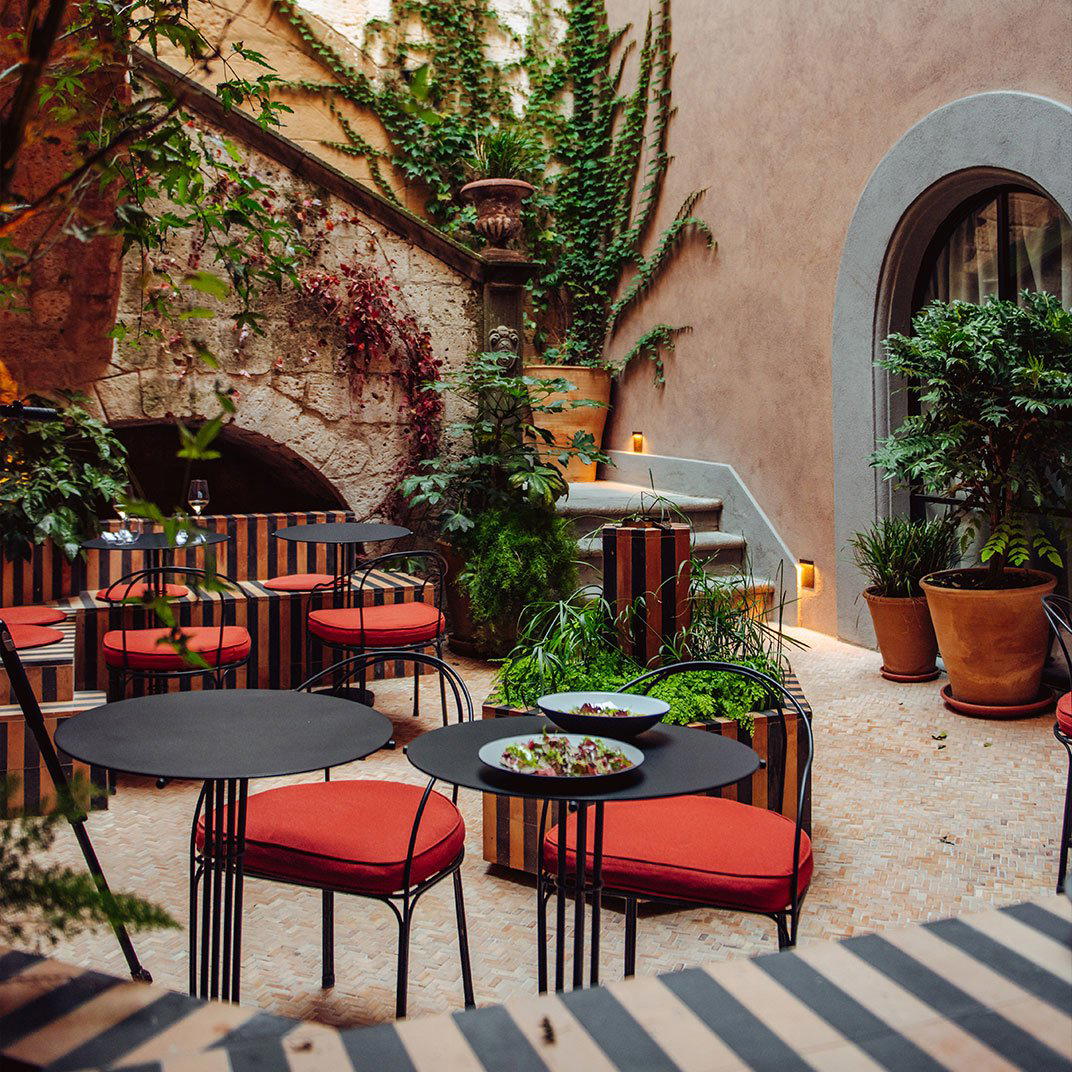
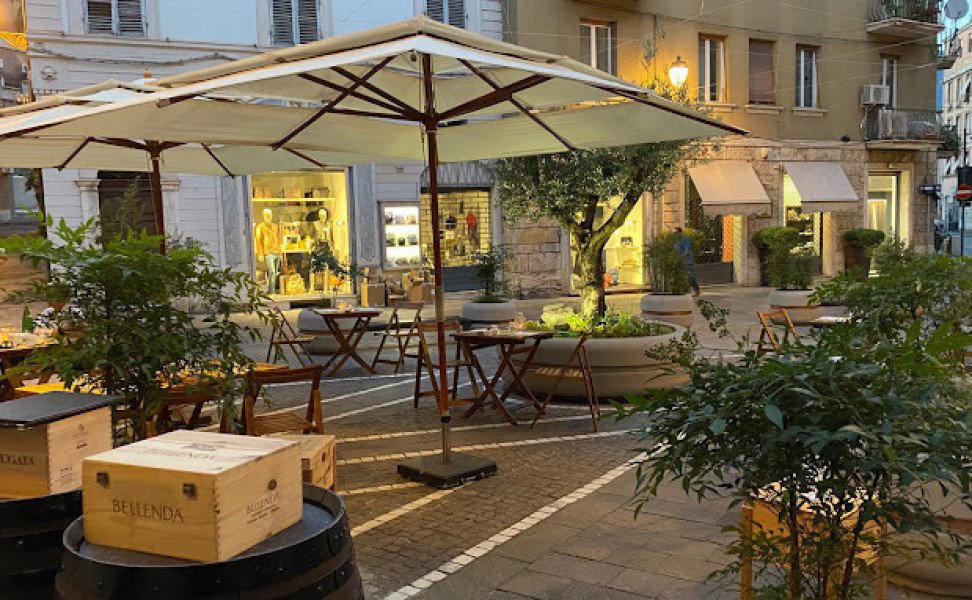
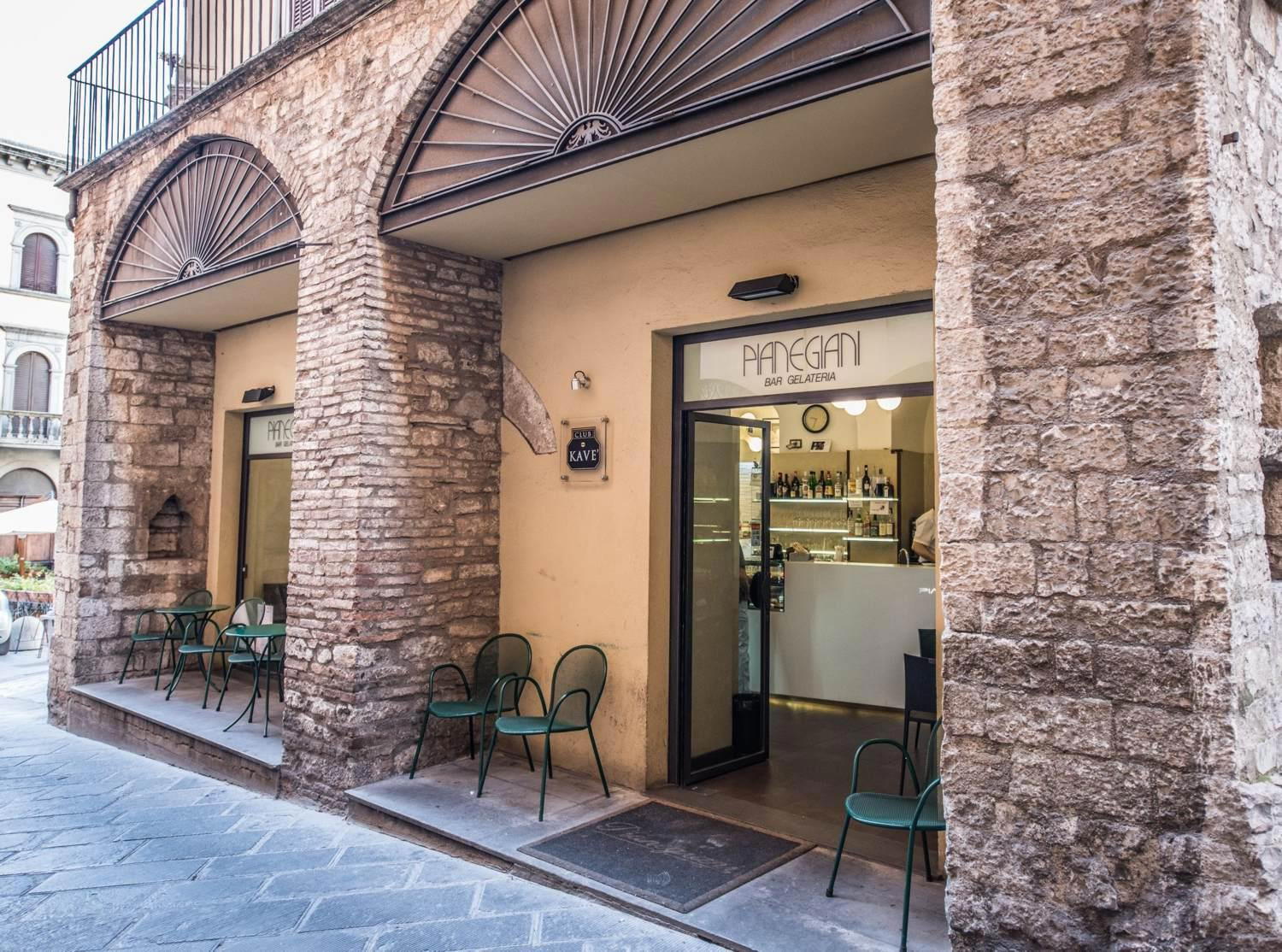
The alleyways around Terni's historic centre don't attract the same pilgrim traffic as Orvieto's cathedral square or Spoleto's festival circuit. That relative quiet has a culinary effect: the restaurants that survive here do so on repeat local custom rather than tourist throughput, which tends to sharpen kitchens and keep pricing grounded. Nascostoposto, at Via Sant'Alò 10, sits inside this logic. The name translates as "hidden place," though Michelin's 2025 inspectors note, with some dry accuracy, that it is easily found — the obscurity is atmospheric rather than geographic.
Umbrian cooking occupies a specific position within central Italy's broader culinary map. It shares the landlocked self-sufficiency of its neighbours — the preference for legumes, cured pork, black truffle from the Valnerina and Norcia, and the kind of grain-forward dishes that predate the tourist-facing trattoria format, but it carries less international name recognition than Tuscany to the north or Lazio to the south. The Plate, awarded since 2016 to signal good cooking without the full star apparatus, is Michelin's way of flagging a kitchen that executes above the local baseline. In a city without significant dining tourism, earning it requires cooking for an audience that already knows the territory.
A Minimalist Room, a Regional Starting Point
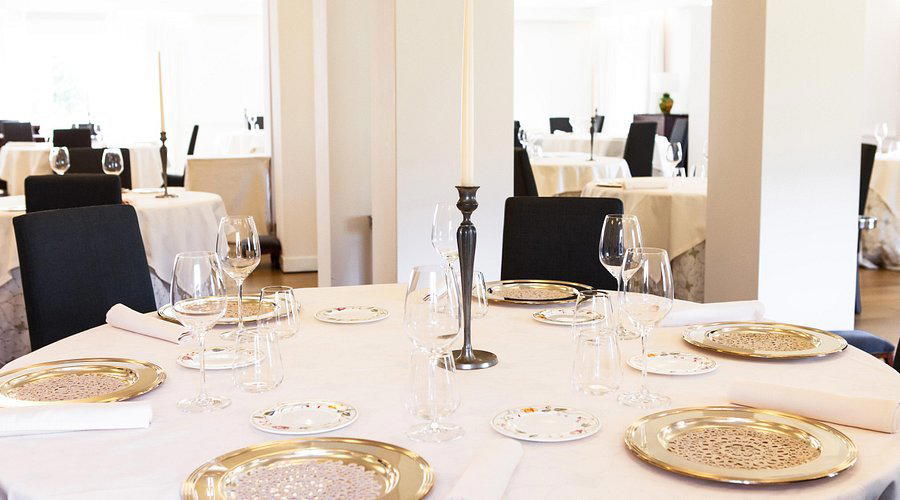
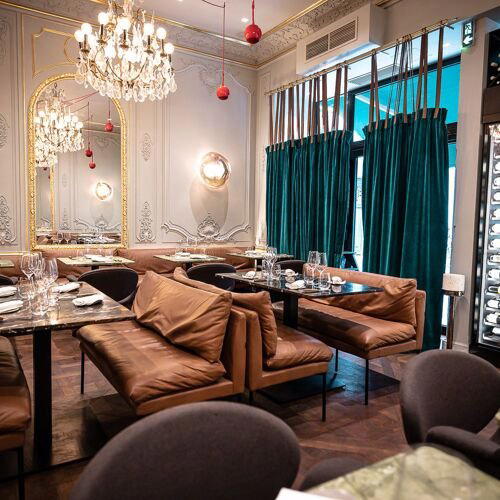
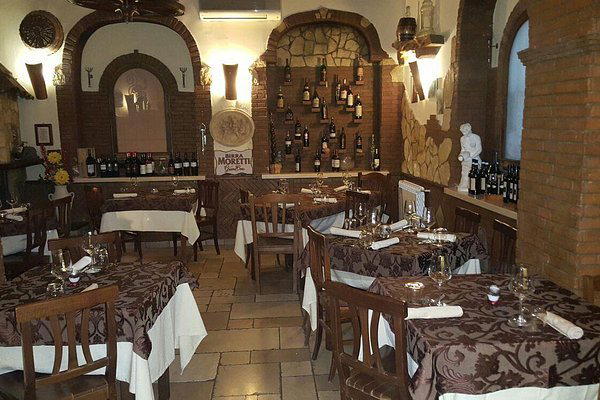
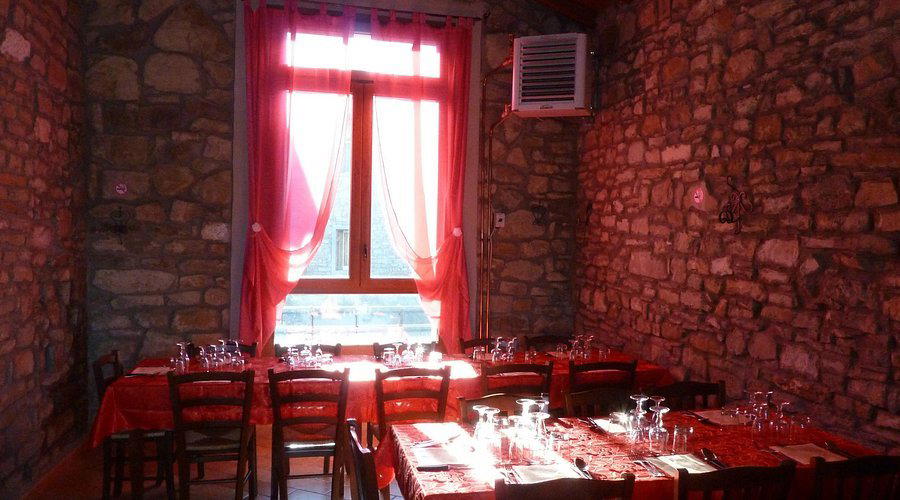
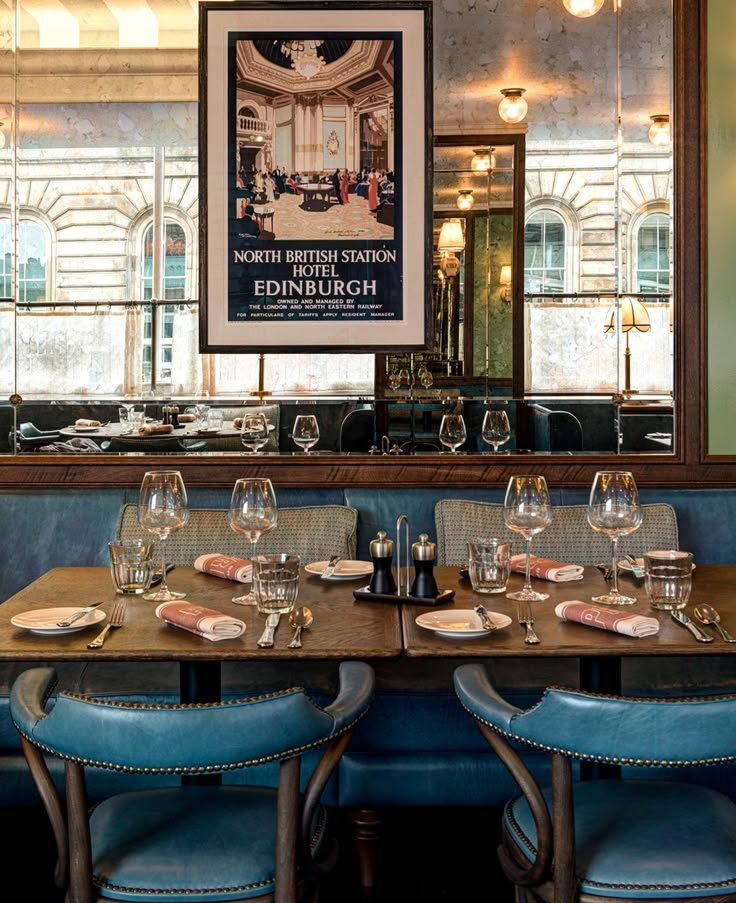
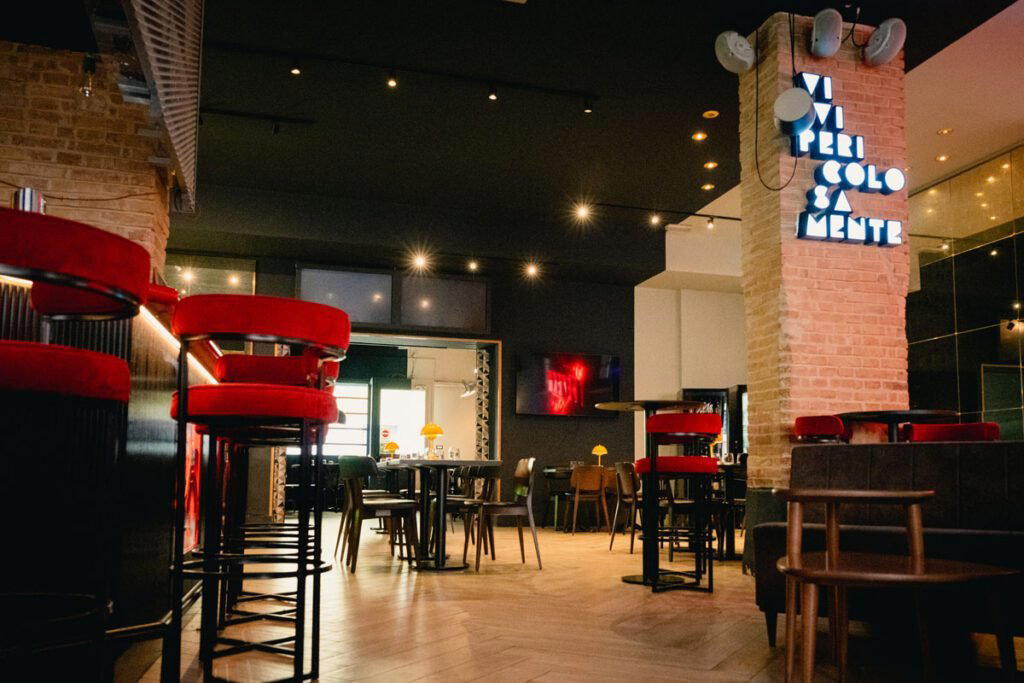
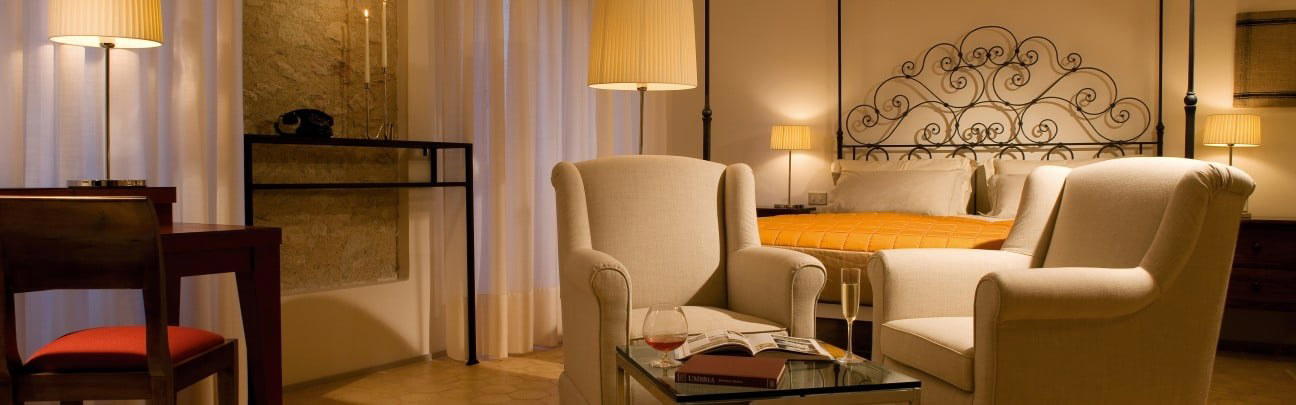
The dining room is described as modern and minimalist, a deliberate contrast to the worn stone exteriors of the surrounding streets. That kind of interior decision in a mid-price Italian restaurant usually signals an intention to let the food carry the aesthetic weight rather than rely on rustic props. At the €€ price tier, this positions Nascostoposto in a bracket where the cooking is expected to do more than the room, which is a reasonable bet when the kitchen is run by one half of a couple and the front of house by the other.
That two-person structure is worth understanding in context. Italian restaurants operating at the €€ level with Michelin recognition frequently operate as family or partner projects, the economics of small-scale fine dining in provincial cities rarely support large brigade kitchens. What this format produces, when it works, is a coherence between what arrives on the table and how it's explained. The enthusiastic front-of-house presence noted by Michelin's text is not incidental; in a room this scale, the person serving the food shapes the experience as much as the person cooking it.
Regional Identity With Deliberate Detours
The kitchen's approach, as documented in the Michelin record, takes Umbrian and broader Italian foundations and introduces what the inspectors call "unexpectedly exotic influences." This is a distinct move in the central Italian context, where the prevailing critical preference rewards fidelity to local product and technique. The decision to incorporate non-Italian reference points, whether in spice, technique, or ingredient, places Nascostoposto in a smaller subset of Italian regional restaurants that treat the local canon as a starting point rather than a boundary.
Across Italy, this tension between regional purity and outside influence has produced some of the country's most discussed cooking. Osteria Francescana in Modena built its reputation partly on introducing non-Emilian references into a deeply Emilian context. Reale in Castel di Sangro operates in similarly underpublicised territory in Abruzzo, drawing international attention to a cuisine that most outsiders would struggle to define. At the starred end of the Italian spectrum, venues like Piazza Duomo in Alba, Dal Pescatore in Runate, and Le Calandre in Rubano each demonstrate how deeply particular a sense of place can become when a kitchen commits to it over decades. Nascostoposto operates at a different scale and price tier, but the underlying question, how much outside influence a regional kitchen can absorb before it stops being regional, is the same one those larger reputations were built on answering.
The Italian instinct to export this question has produced interesting results internationally. 8 1/2 Otto e Mezzo Bombana in Hong Kong and cenci in Kyoto both run Italian kitchens shaped by the environments around them. Nascostoposto runs the experiment in reverse, Umbrian cooking shaped, in small doses, by influences further afield. It's a more modest exercise, but it plays on the same axis.
Where It Sits in the Terni Dining Picture
Terni is not a city that generates much restaurant coverage in English-language food media. The industrial history, it was heavily bombed in the Second World War and rebuilt as a steel town, left it without the Renaissance architecture that draws visitors to comparable Umbrian centres. The dining scene that exists here serves a working population rather than a tourist one, which compresses the price range and raises the bar for value. At €€, Nascostoposto sits in the middle of that range, not at the low end of neighbourhood trattorias and not approaching the pricing of Umbria's more celebrated restaurants near Norcia or Orvieto.
At the starred tier of Italian cooking, Enoteca Pinchiorri in Florence, Enrico Bartolini in Milan, Atelier Moessmer Norbert Niederkofler in Brunico, consistency is assumed and the competition is international. At the Plate tier in a provincial Umbrian city, consistency is the harder achievement. It requires an audience that comes back.
For visitors approaching Terni from the broader Umbria itinerary, the practical framing matters. The address on Via Sant'Alò puts it within the old town, walkable from the city centre. Booking ahead is sensible for a small operation of this type; tables at well-reviewed two-person restaurants in Italian provincial cities tend to fill with locals who plan ahead. Terni sits within reach of the region's other attractions, and accommodation options in Terni cover a reasonable range of categories for an overnight stop. If you're building a Umbria-wide itinerary, the full Terni restaurant guide provides broader context for the local dining options, while guides to Terni's bars, the wine producers in the area, and local experiences round out what is, for most visitors, an underexplored stop on an otherwise well-mapped regional circuit.
In the wider Italian restaurant conversation, the Umbrian interior rarely gets serious column space. Nascostoposto is not going to shift that. But it represents exactly the kind of restaurant that the Michelin Plate exists to surface: a small, committed kitchen in a city that wouldn't otherwise make the itinerary, cooking food that earns its recognition on local terms. On the spectrum that runs from Quattro Passi in Marina del Cantone to Uliassi in Senigallia to Casa Perbellini 12 Apostoli in Verona, the Italian regional restaurant scene is long and varied. Nascostoposto occupies a specific and honest point on it.
Frequently asked questions
Is Nascostoposto okay with children?
No policy is documented for Nascostoposto. At the €€ price tier, restaurants of this type in Italian provincial cities tend to run on the quieter side, prioritising a considered dining pace over a family-casual format. It is worth calling ahead to confirm, though no phone number is currently listed on public records.
What should I expect atmosphere-wise at Nascostoposto?
The dining room is modern and minimalist — a deliberate contrast to the worn stone alleyways of Terni's old town that surround it. Front of house is run by one half of the couple behind the restaurant, which gives the room a personal, unhurried tone that distinguishes it from the more anonymous trattoria model common at this price point in Umbria.
Has Nascostoposto won any awards?
Nascostoposto has received recognition including: Michelin Plate (2025); Easily found despite its name (nascosto posto means “hidden place”), this restaurant lies in the alleyways of Terni’s old town. In its modern, minimalist-style dining room, an enthusiastic couple (she runs the front o….
What do people recommend at Nascostoposto?
Michelin inspectors specifically flag the kitchen's ability to layer Umbrian and broader Italian foundations with what they describe as 'unexpectedly exotic influences' — a combination unusual enough to earn a Michelin Plate in 2025. The cooking is described as imaginative rather than conventional, so expect the menu to move beyond regional staples.
What's the pricing like at Nascostoposto?
Pricing at Nascostoposto is listed as €€.
How do I find Nascostoposto?
Nascostoposto is located at Via Sant'Alò, 10, 05100 Terni TR, Italy, Terni.
How It Stacks Up
| Venue | Cuisine | Price | Awards | Notes |
|---|---|---|---|---|
| NascostopostoThis venue — the venue you are viewing | Modern Italian with Neapolitan Pizza | Not listed | Michelin Plate · 50 Top Pizza Italia #94 | Not listed |
| Atelier Moessmer Norbert Niederkofler | Italian, Creative | Not listed | Michelin 3 Star | Not listed |
| Dal Pescatore | Italian, Italian Contemporary | Not listed | Michelin 3 Star | Not listed |
| Enoteca Pinchiorri | Contemporary Italian Fine Dining | $200–300 | 3 Michelin Stars · World's 50 Best #32 | Italian - French, Italian Contemporary |
| Enrico Bartolini | Creative | Not listed | Michelin 3 Star | Not listed |
| Osteria Francescana | Avant-Garde Italian Contemporary | $300–500 | 3 Michelin Stars · World's 50 Best #1 | Progressive Italian, Creative |
Recognition history
Dated appearances from independent guides and award organizations, with the underlying list record or original source where available.
Michelin Plate
Michelin
50 Top Pizza Italia #94
50 Top Pizza
Full recognition history (3 entries)
Michelin Plate
Michelin

Details
- Cozy
- Modern
- Intimate
- Date Night
- Special Occasion
- Open Kitchen
- Street Scene
- A La Carte
- Tasting Menu
- Small Plates
- Vegetarian Friendly
- Gluten Free Options
Current opening hours
- Monday
- Closed
- Tuesday
- 8–10:30 PM
- Wednesday
- 8–10:30 PM
- Thursday
- 8–10:30 PM
- Friday
- 8–10:30 PM
- Saturday
- 7:30–10:30 PM
- Sunday
- 8–10:30 PM
Hours can change for holidays and private events. Last verified .
Warm, welcoming, and youthful atmosphere in a modern minimalist dining room tucked in alleyways.