
Michelin Selected
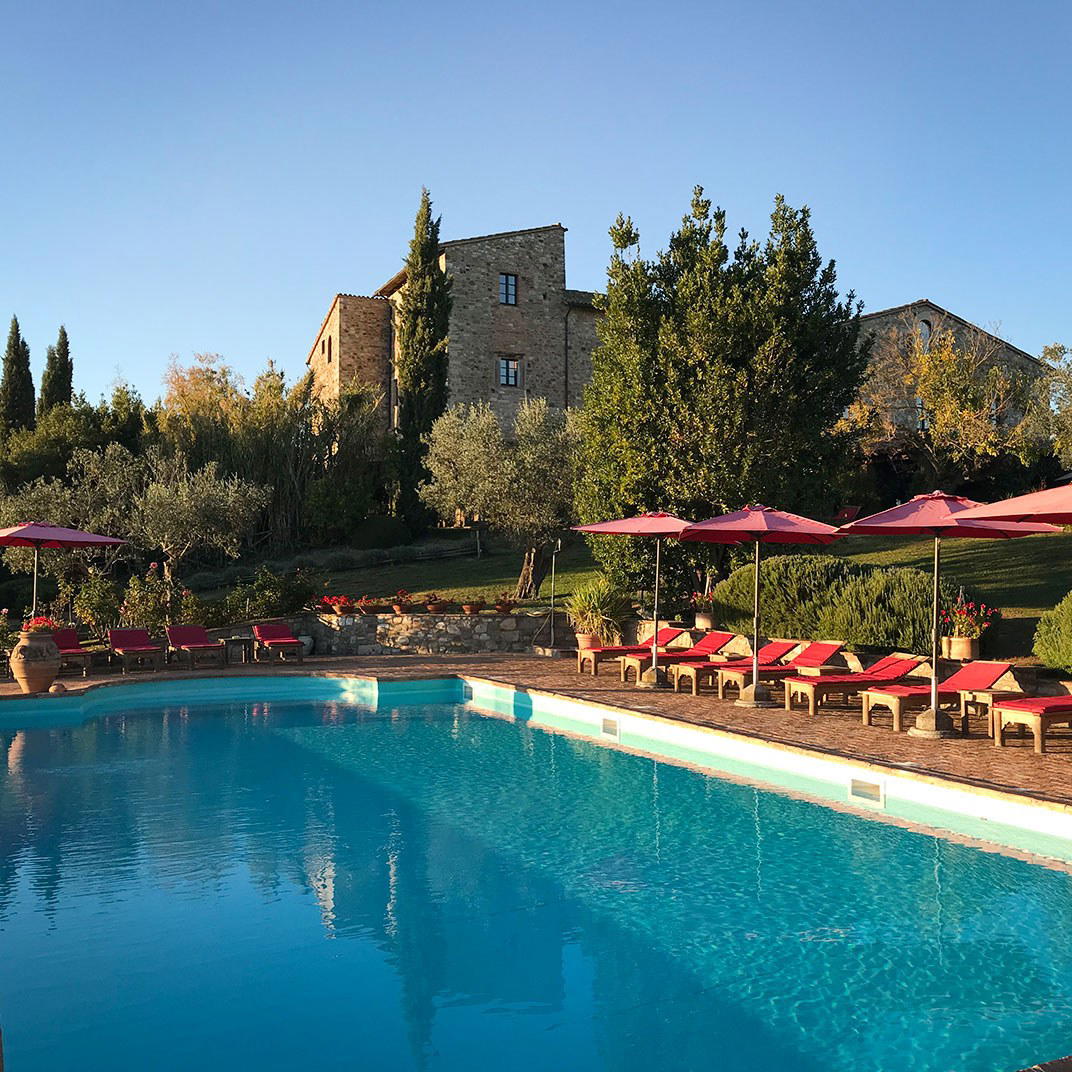
A Michelin Selected albergo diffuso in the medieval hill village of Scheggino, Torre Del Nera occupies a cluster of restored stone buildings in Umbria's Valnerina valley. The format distributes guest rooms across the historic fabric of the borgo, pairing the architecture of a working village with spa facilities. It sits in a small tier of Italian rural stays that treat vernacular preservation as the primary design gesture.

Pearl is the En Primeur Club membership app — saves, bookings, and concierge access live there. Same editors, same standards.
- Address
- Via di Borgo, 72, 06040 Scheggino PG, Italy
- Phone
- +39 0743 618013
- Website
- torredelnera.it
- Directions
- Get directions
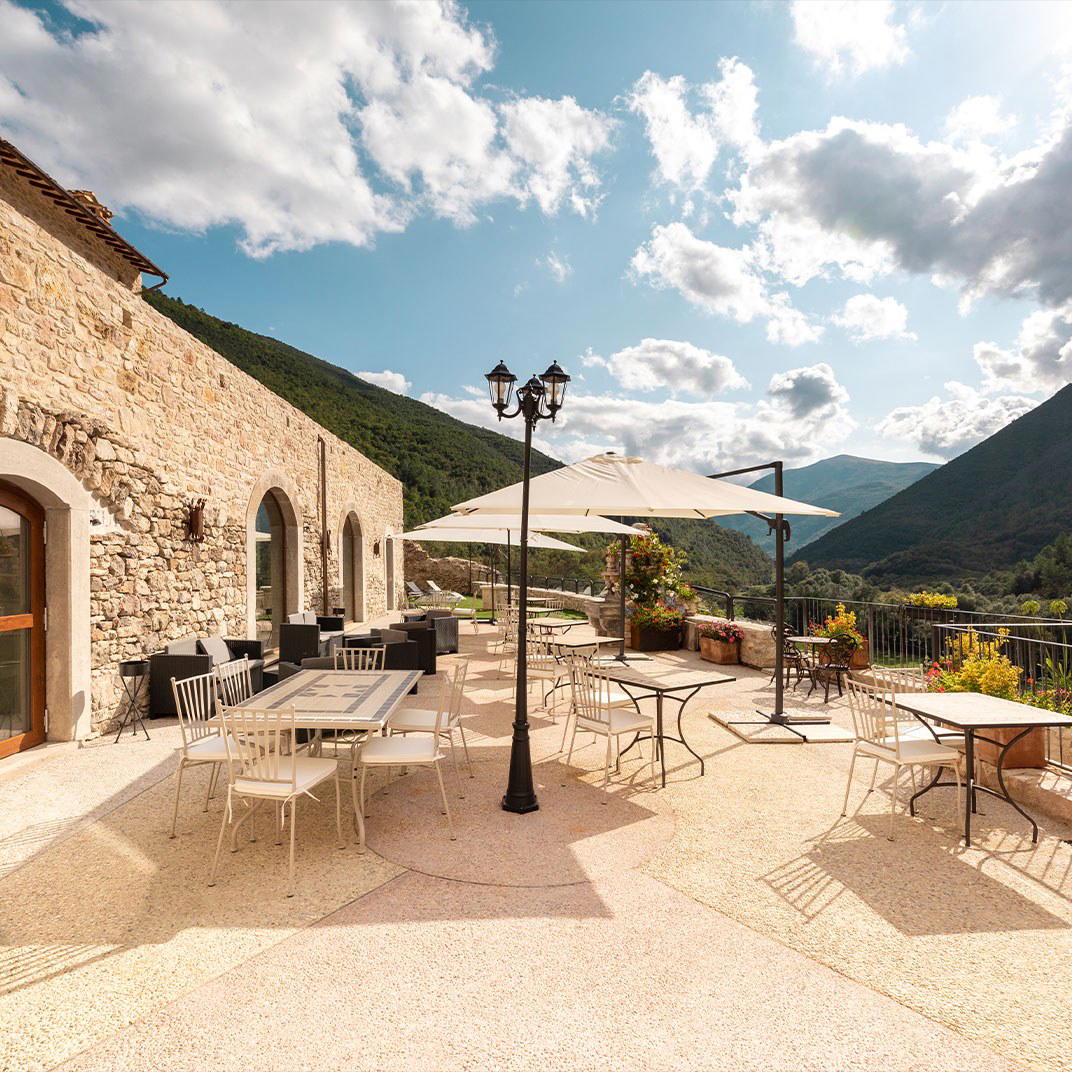
Stone, Water, and the Valnerina's Quiet Architecture
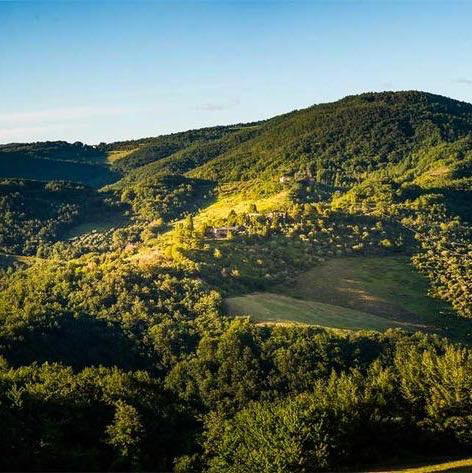
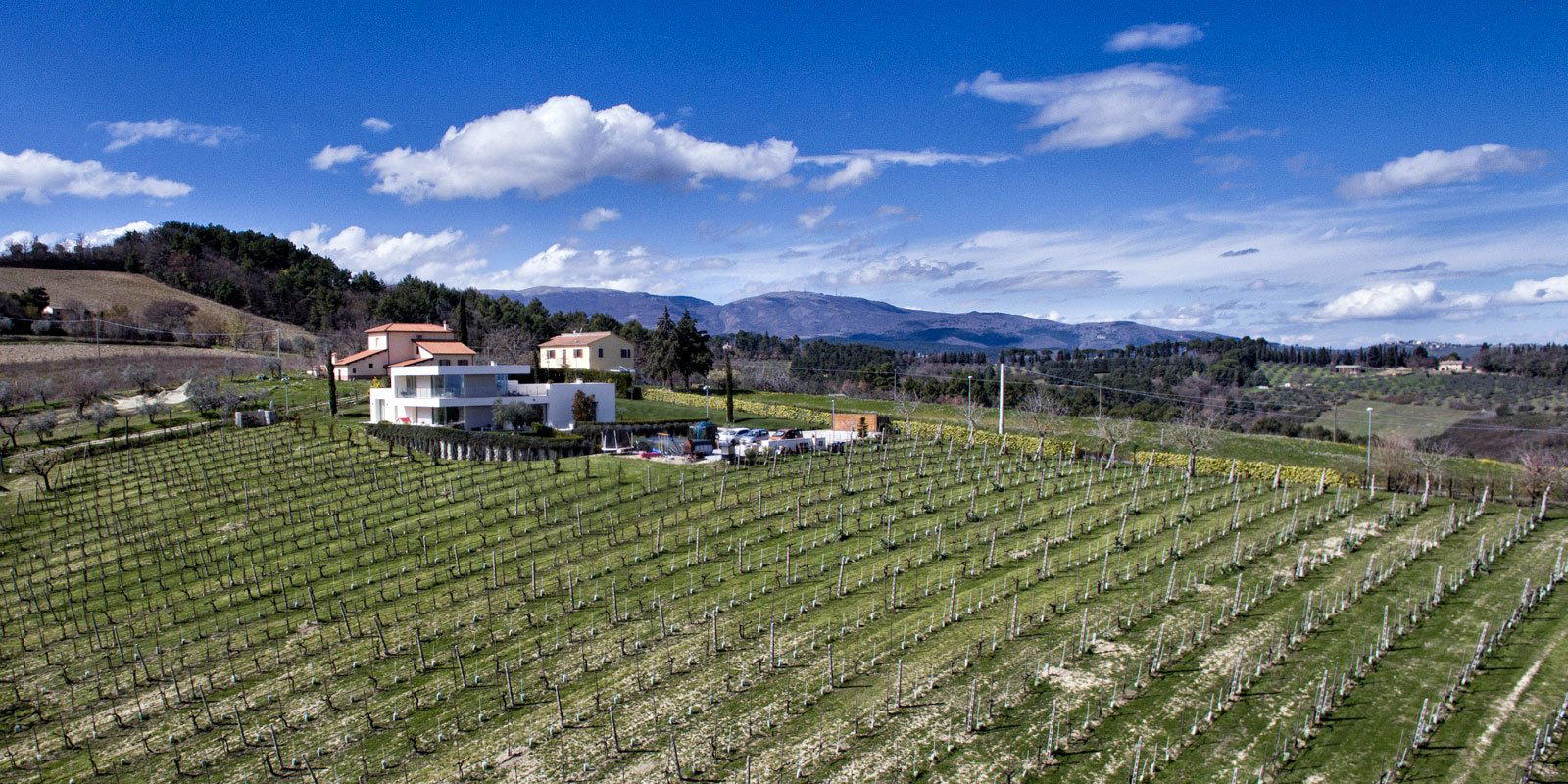
Scheggino is the kind of Umbrian village that resists easy categorisation. It sits along the Nera river in a fold of the Valnerina, a narrow green valley running through the Sibillini foothills that most visitors to central Italy pass over entirely in favour of Assisi or Orvieto. The village's medieval walls are largely intact, its lanes narrow enough that two people walking abreast fill them, and its population small enough that the arrival of a car in the main street is an event. Torre Del Nera Albergo Diffuso Spa operates inside this fabric — not beside it, but physically within it, using the village's existing stone buildings as the structural bones of a hotel.
The albergo diffuso model, developed in Italy over the past three decades as a framework for revitalising depopulated historic villages, distributes sleeping accommodation across multiple restored buildings within the same settlement. The result is a format that shares more DNA with a private residence in a medieval borgo than with a conventional hotel. Guests check in, then walk — sometimes up stone stairs, sometimes along a laneway, to reach their room in a building that may be two streets from the main reception. The model asks something of the guest: a tolerance for physical separation between facilities, an appreciation for irregular floor plans and low doorways, an acceptance that the building's age will show in the walls. In return, it offers something no purpose-built hotel can replicate: rooms that have been part of a living settlement for centuries.
What the Architecture Communicates
Italy has produced a recognisable spectrum of rurally sited luxury stays. At one end sit the large estate conversions, properties like Rosewood Castiglion Del Bosco in Montalcino or Borgo Egnazia in Savelletri di Fasano, where the scale allows for comprehensive amenity packages, multiple restaurants, and the full infrastructure of a resort enclosed within a single historic perimeter. At the other end sit small agriturismo operations where the agricultural context is the primary product. Torre Del Nera occupies a position that neither of those categories captures cleanly. It is village-integrated in a way the estate conversion is not, and it carries formal Michelin recognition, the 2025 Michelin Selected distinction for hotels, that places it above the informal agriturismo category.
The Michelin Selected designation matters here as a calibration tool. It signals that the property has passed a structured editorial assessment for quality, comfort, and character, which in the context of a small Umbrian village with limited comparison points gives the prospective guest something concrete to anchor expectations to. Properties in this tier across Italy include places like Corte della Maestà in Civita di Bagnoregio, where a similarly intimate, heritage-anchored format earns the same recognition. In both cases, the award is doing different work than it does at a Bulgari Hotel Roma or a Four Seasons Hotel Firenze: it is validating the condition of the restoration and the coherence of the guest experience rather than the breadth of amenities.
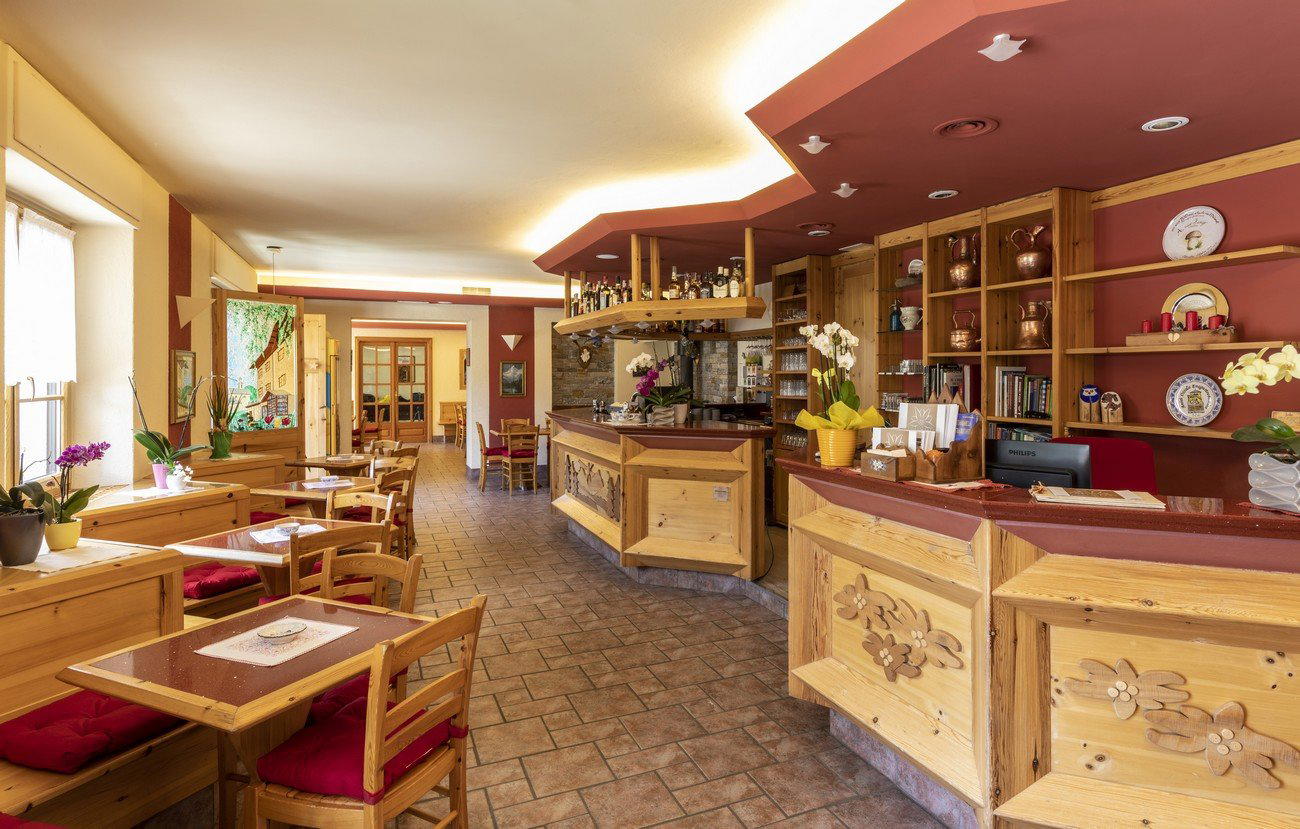
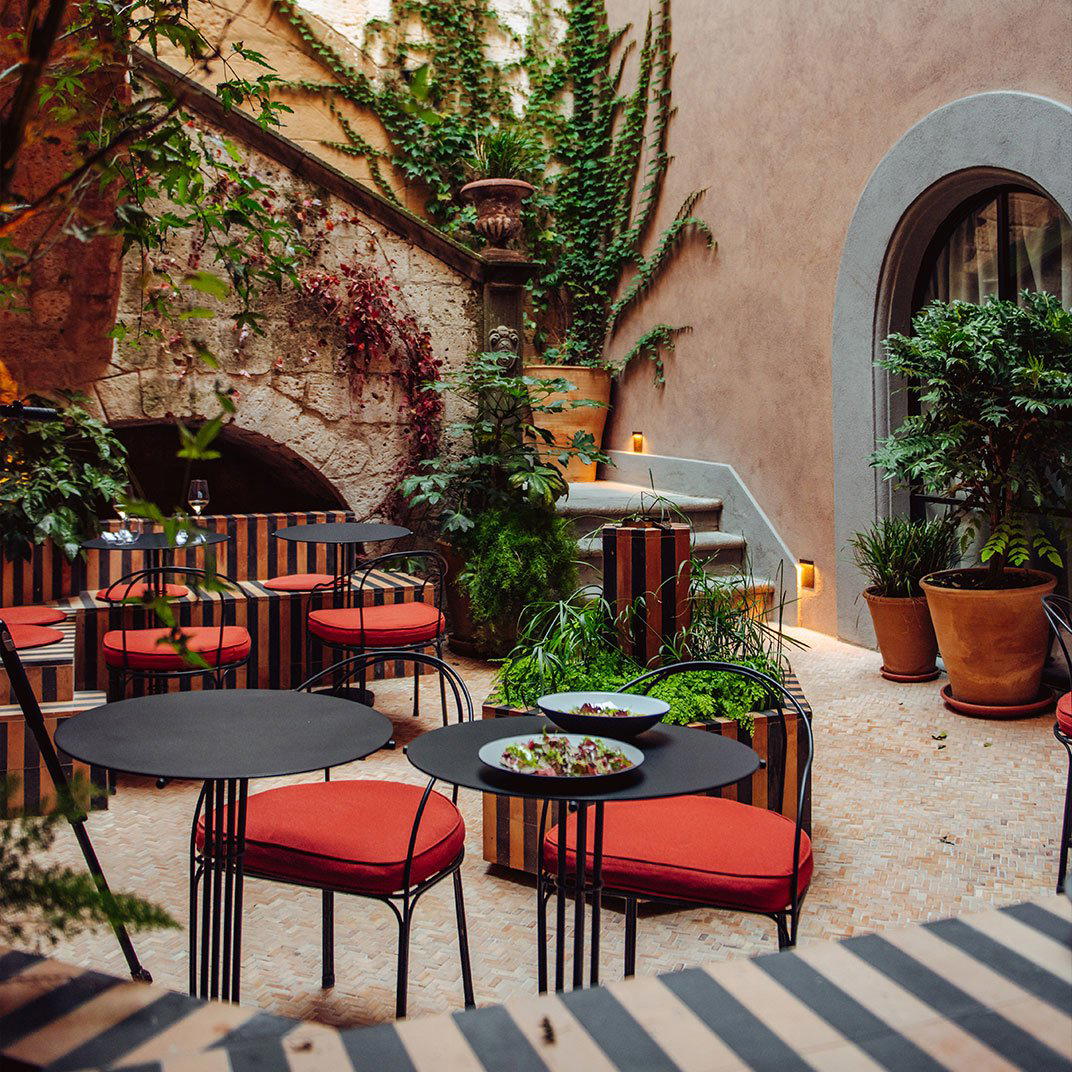
The physical character of an albergo diffuso in a village like Scheggino is shaped primarily by the existing building stock. Stone walls of considerable thickness regulate temperature. Ceilings in older sections follow the original structural logic of the medieval builders, which means heights vary and rooms carry proportions that were not designed for hospitality. Windows frame the Nera valley or the village lanes depending on which building and which floor a given room occupies. These are not deficiencies to be managed; they are the substance of the stay. The spa element, woven into the offer, provides a contemporary counterpoint to the historic shell, a pairing that increasingly defines this tier of Italian rural hospitality, visible across properties from Castel Fragsburg in Merano to Bellevue Hotel and Spa in Cogne.
The Valnerina as Context
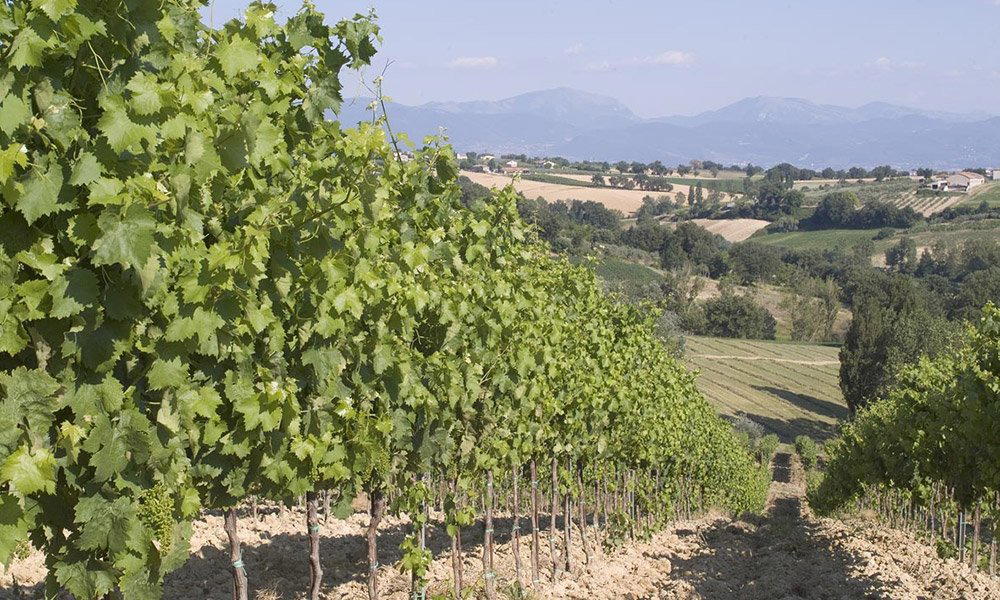
Scheggino's position in the Valnerina shapes the stay in practical terms. The valley is truffle country, specifically black truffle, the Tuber melanosporum that the surrounding hillsides produce in quantity, and the less common Tuber magnatum, the white truffle, which the Nera watershed yields in autumn. Norcia, one of the most significant cured meat and truffle towns in central Italy, sits roughly thirty kilometres to the east. Spoleto, with its Roman theatre, its Duomo, and its festival infrastructure, is accessible to the north. The valley itself is a walking and cycling corridor, with the Via di Francesco pilgrim route passing through the area. This is a landscape that rewards guests who come with an itinerary shaped around local produce and slow movement rather than a tick-list of monuments.
For guests arriving by car, the practical necessity in this part of Umbria, where train lines follow different valleys, the drive into the Valnerina from the A3 autostrada or from Spoleto is itself part of the arrival sequence. The road follows the Nera upstream through a gorge that opens periodically into wider valley floors before tightening again. By the time Scheggino appears, the sense of distance from the main tourist circuits of Umbria is already well established.
Placement Within Italian Rural Hospitality
The comparison set for Torre Del Nera is not the same as for, say, Aman Venice or Portrait Milano, where urban positioning and international brand architecture define the offer. It is closer to the cluster of small, place-specific Italian properties that have carved out reputations by treating the local vernacular seriously: Borgo San Felice Resort in Castelnuovo Berardenga, or Castello di Reschio in Lisciano Niccone, where the restoration of a historic estate is the central act. What differentiates the albergo diffuso format from both is that it cannot be contained within a single perimeter. The village is the property, and the property is the village, which means the guest's experience includes the parts of Scheggino that were never part of any restoration brief. That reciprocal relationship, between the hotel and the living settlement, is the format's defining characteristic, and its most genuine claim on the guest's attention. For a full overview of Scheggino's dining and hospitality options, see our full Scheggino restaurants guide.
Planning the Stay
Reaching Scheggino requires a car; the village is not served by rail, and the nearest significant rail junction at Spoleto is followed by a valley road that is not easily managed by taxi or transfer at scale. Spring and autumn are the most useful seasons: spring for the valley's green condition and lighter tourist pressure, autumn for truffle season and the harvests that animate the local markets and restaurant menus. Summer in the Valnerina is warm but cooled by the river, and the valley's altitude moderates temperatures compared to the Umbrian plain. Booking through the hotel's direct channel is the recommended approach for a property of this type, where room placement within the village fabric may be worth discussing in advance.
A Quick Peer Check
| Venue | Price | Awards |
|---|---|---|
| Torre Del Nera Albergo Diffuso SpaThis venue — the venue you are viewing | Not listed | Michelin Selected |
| Aman Venice | $1,000–1,500 | 3 Michelin Keys · World's 50 Best #79 |
| Cipriani, A Belmond Hotel, Venice | $750–1,000 | 3 Michelin Keys · World's 50 Best #72 |
| Four Seasons Hotel Firenze | $750–1,000 | 3 Michelin Keys · World's 50 Best #12 |
| Rosewood Castiglion Del Bosco | $1,000–1,500 | 3 Michelin Keys · World's 50 Best #62 |
| Bulgari Hotel Roma | Not listed | 3 Michelin Keys · World's 50 Best #32 |
Recognition history
Dated appearances from independent guides and award organizations, with the underlying list record or original source where available.
Michelin Selected
Michelin
Continue exploring
More in Scheggino
Hotels in Scheggino
Browse all →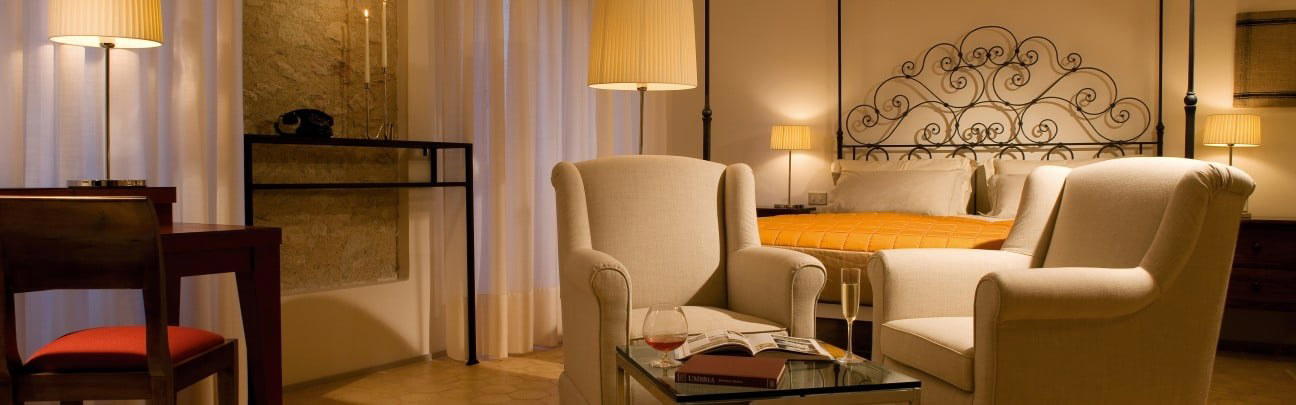
Bars in Scheggino
Browse all →
Restaurants in Scheggino
Browse all →
Details
- Quiet
- Scenic
- Cozy
- Rustic
- Intimate
- Elegant
- Wellness Retreat
- Romantic Getaway
- Weekend Escape
- Business Trip
- Destination Spa
- Historic Building
- Panoramic View
- Garden
- Terrace
- Spa
- Restaurant
- Mountain
- Garden
- Street Scene
- Elevator
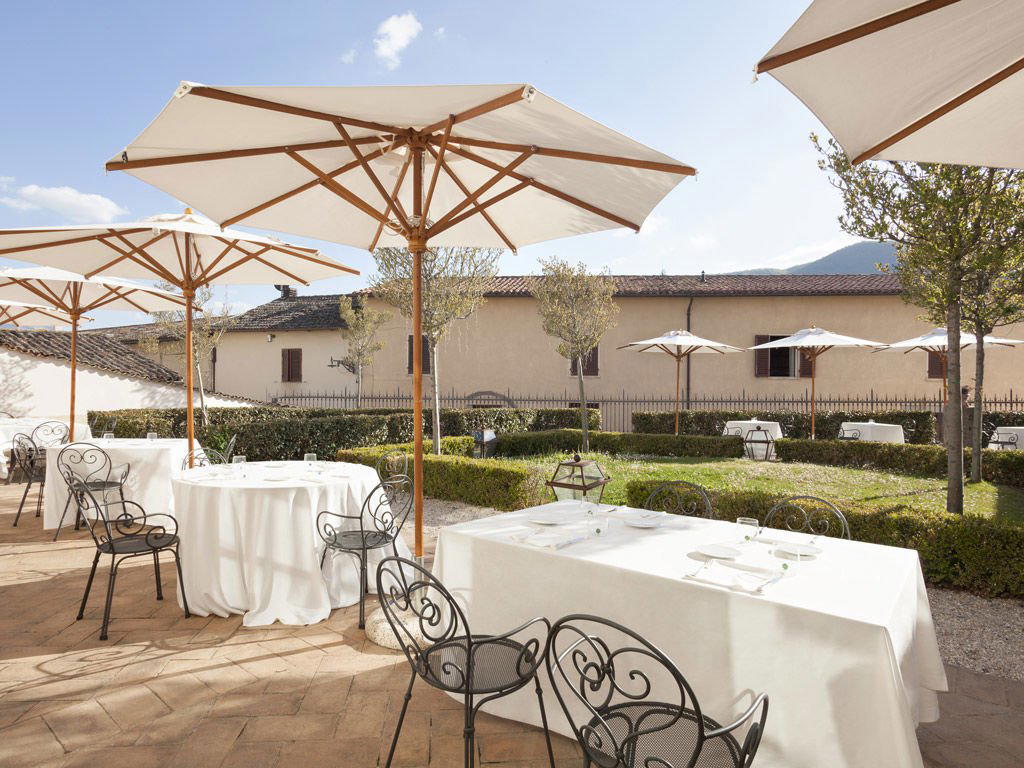
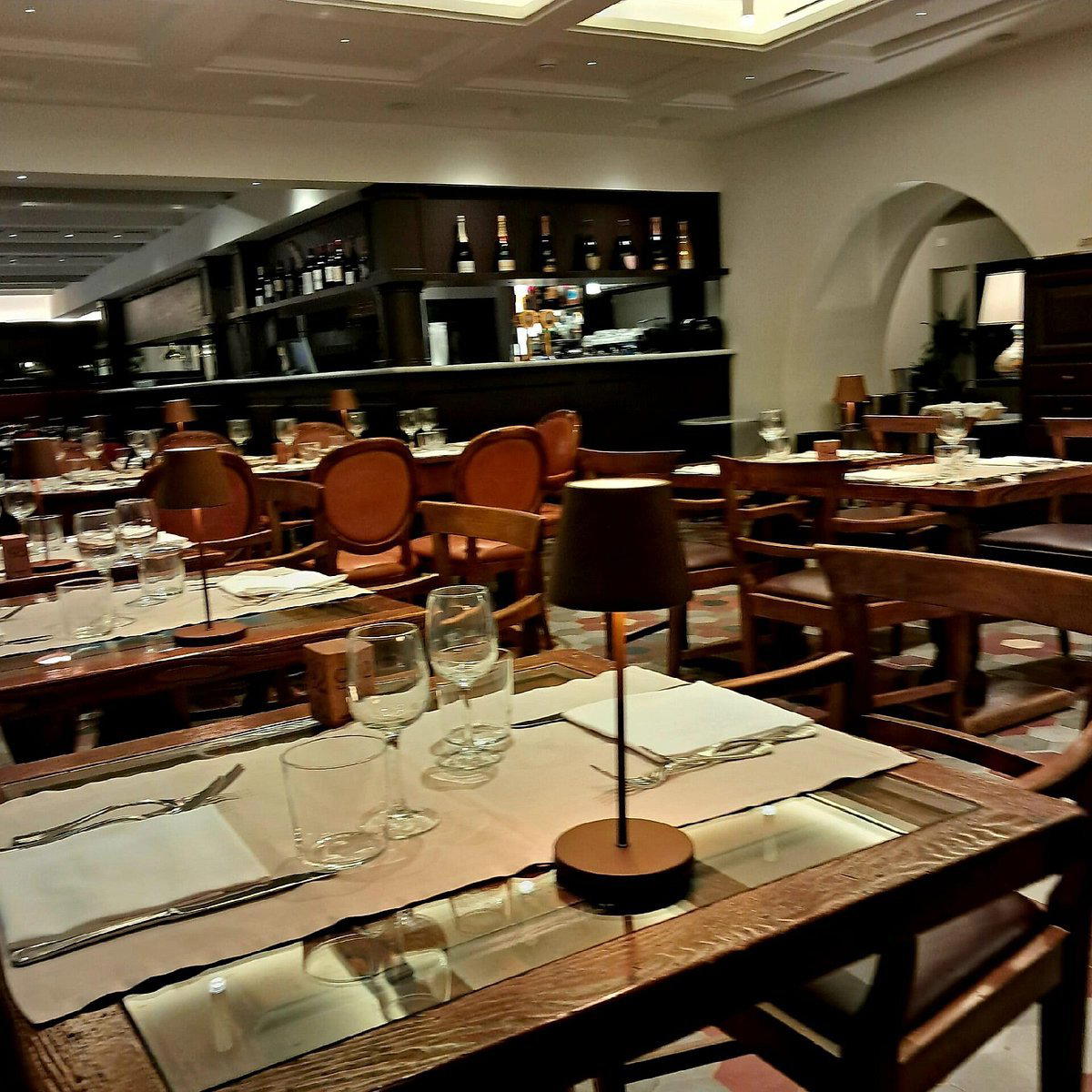
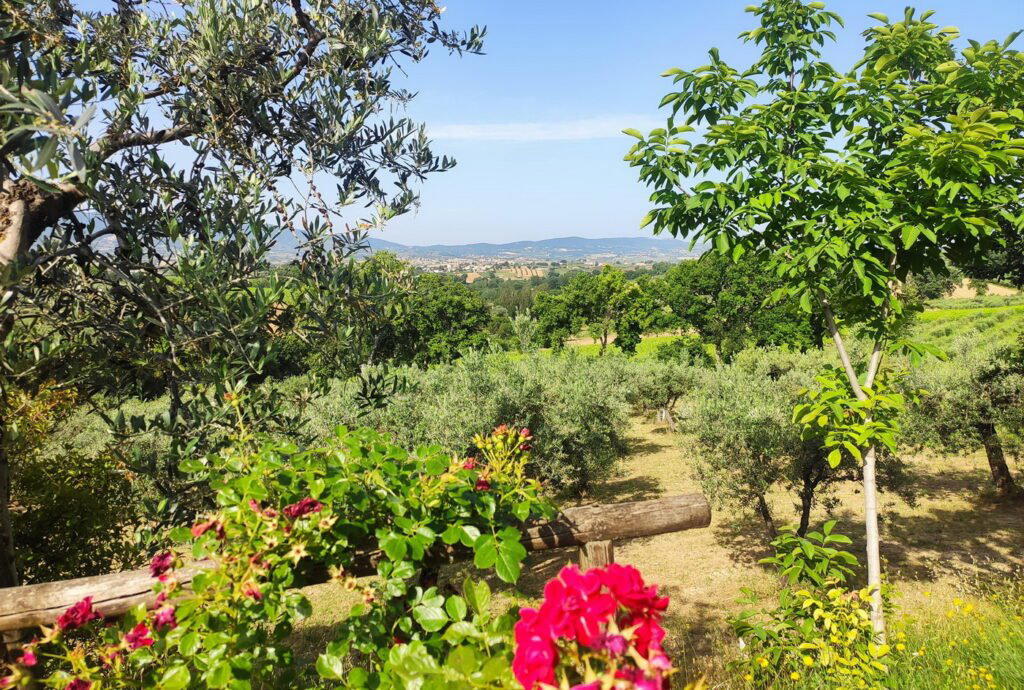
Quiet, intimate, and rustic-elegant, with stone village surroundings, cobblestone alleys, and a spa-focused atmosphere that emphasizes silence, nature, and relaxation.