
Michelin Plate
Our verdict
In a town defined by medieval stone and landlocked Umbrian cooking, Ottavi Mare makes a considered argument for the Adriatic at the table. Positioned steps from Bevagna's central Piazza Filippo Silvestri, the restaurant runs three tasting menus in full or reduced formats, weaving seafood into a regional framework that never simply transplants coastal flavours inland.

Pearl is the En Primeur Club membership app — saves, bookings, and concierge access live there. Same editors, same standards.
- Address
- Corso Amendola, 8, 06031 Bevagna PG, Italy
- Phone
- +39 389 125 7543
- Hours
- Mon ClosedTue–Fri 7:30–10 PMSat 12:30–2:30 PM, 7:30–10 PMSun 12:30–2 PM, 7:30–10 PM
- Website
- ottavimare.it
- Directions
- Get directions
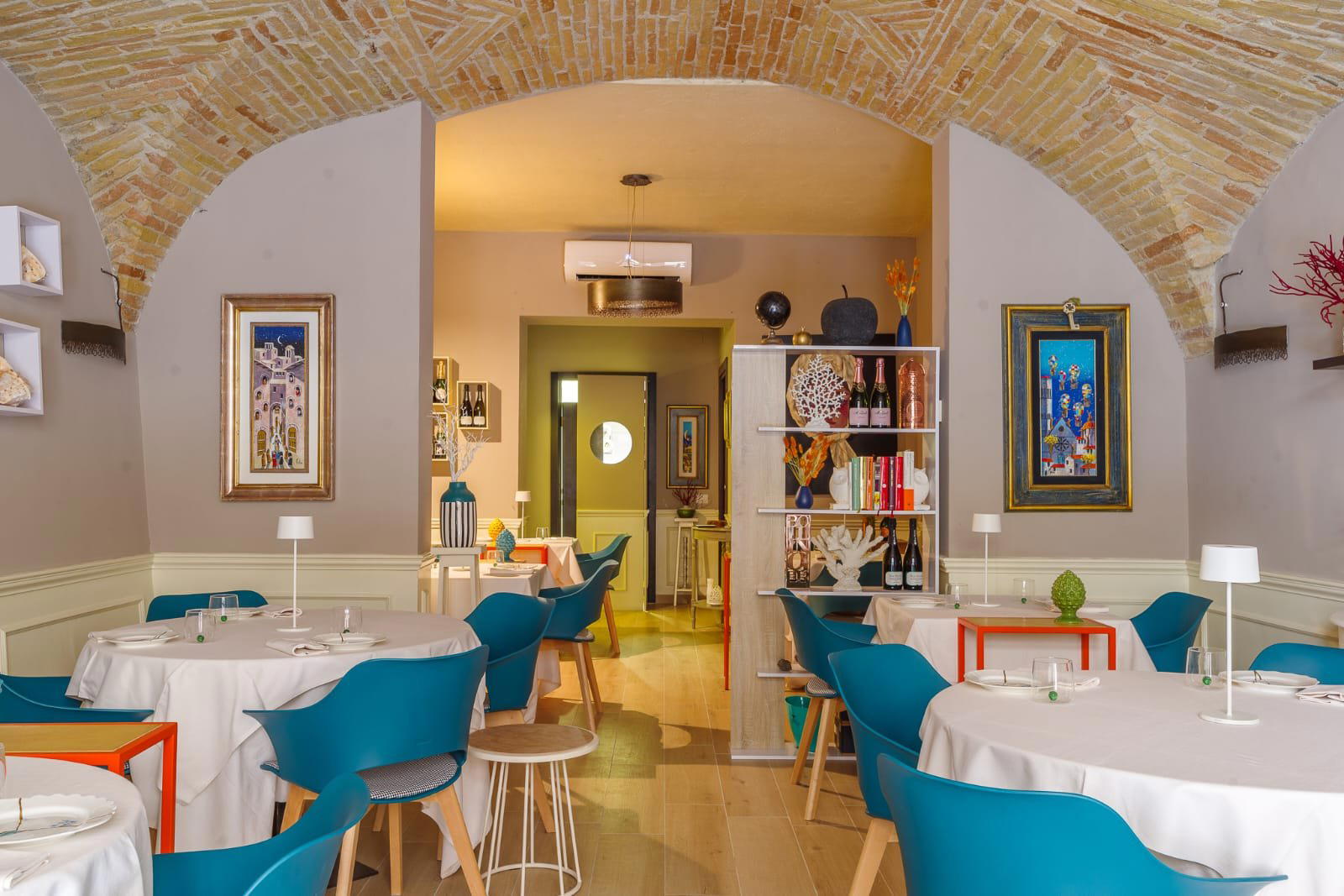
Where the Sea Arrives in a Landlocked Town
Bevagna sits deep in the Valle Umbra, roughly equidistant from the Adriatic and Tyrrhenian coasts, which makes Corso Amendola an unlikely address for a serious seafood kitchen. The town's dining tradition runs to black truffle, norcineria, and the dense, grain-forward cooking that has defined central Umbrian tables for centuries. Against that backdrop, Ottavi Mare occupies an interesting position: a small restaurant off the main medieval square that insists on fish, and does so with enough discipline to make the proposition coherent rather than incongruous.
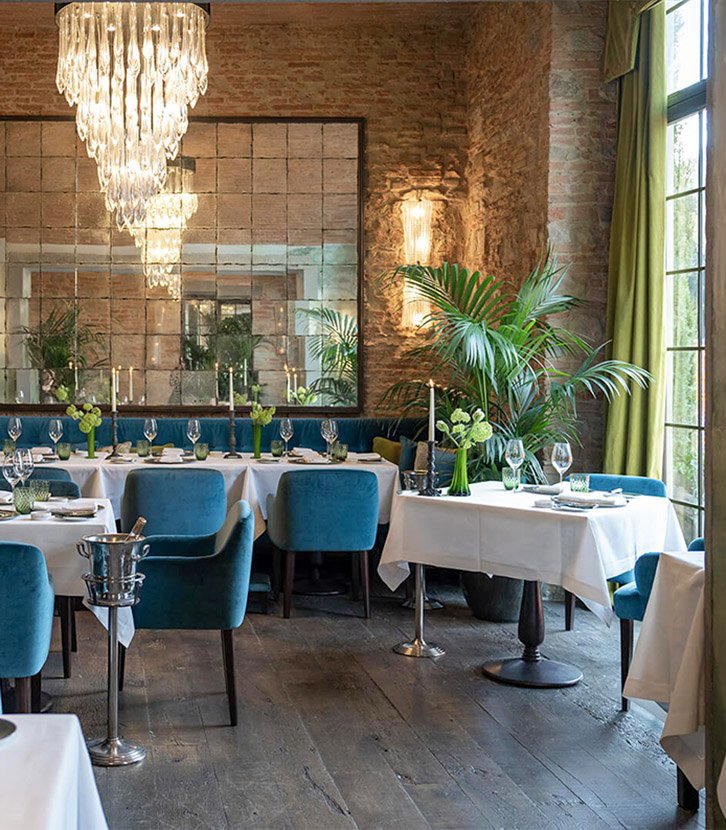
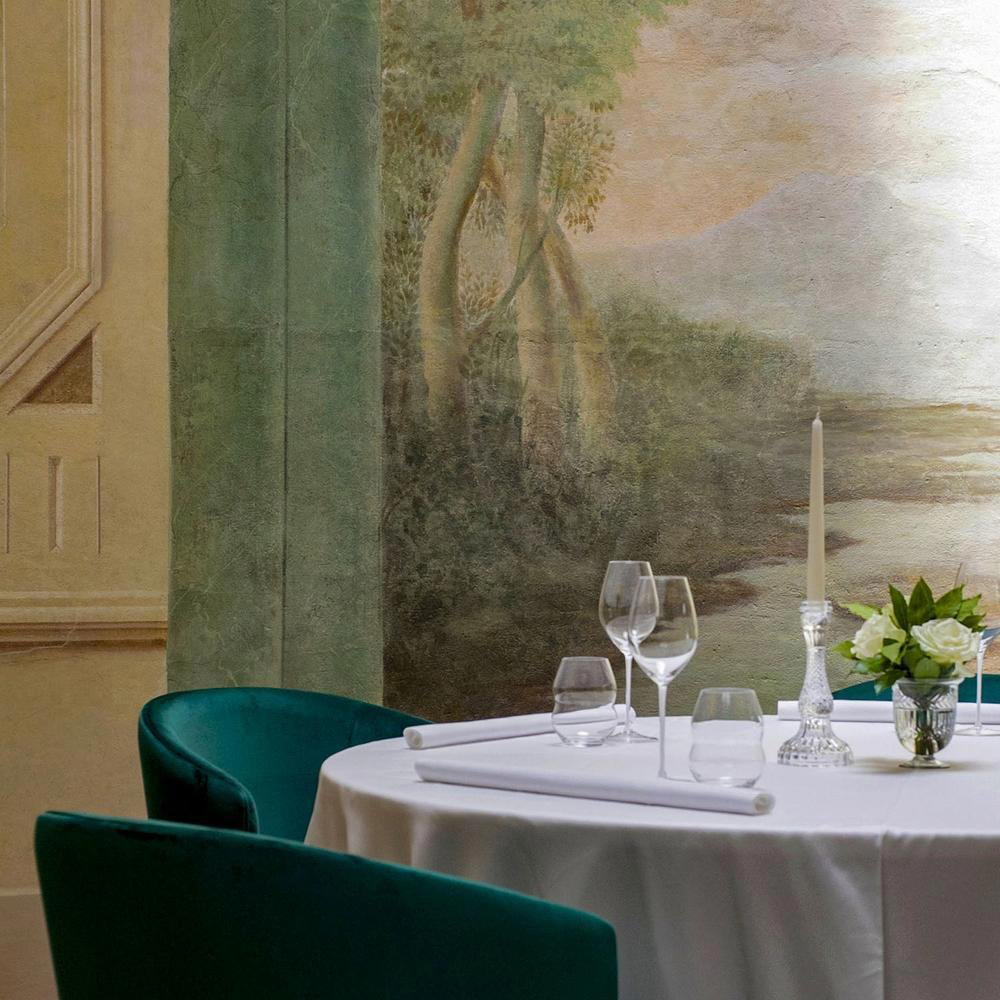
Approaching from Piazza Filippo Silvestri, one of the better-preserved Romanesque squares in the region, the shift from carved stone facades to a modest, well-kept dining room is immediate. The scale is intimate rather than theatrical, which is consistent with how the kitchen operates: there is no attempt to overwhelm, and the room's restraint signals the same editorial instinct as the menu.
The Sourcing Logic Behind the Menu
The more interesting question at a restaurant like this is not whether the seafood is good, but where it comes from and how it travels to an inland Umbrian kitchen without losing coherence. Italy's central Adriatic coast, anchored by markets in Ancona and Pescara, supplies some of the country's most consistent daily catches: red mullet, cuttlefish, clams, and the small crustaceans that define brodetto traditions from Fano south to Vasto. For an Umbrian kitchen running a fish-forward menu, those markets represent the most credible supply line, and the cooking at Ottavi Mare positions itself within that regional sourcing corridor rather than reaching further afield for prestige product.
This matters because the tension the restaurant is actually working with is geographic, not just stylistic. Umbria has its own strong flavour identity, built on olive oil from around Trevi and Spoleto, lentils from Castelluccio, and the mineral-forward whites of the region's smaller producers. When a kitchen in Bevagna blends seafood with that local pantry, the interesting results come not from coastal mimicry but from the friction between Adriatic protein and Umbrian condiment. Dishes described as balanced yet never predictable suggest the kitchen is working that tension deliberately, using inland ingredients to give coastal produce a different register rather than simply presenting fish in a neutral, anywhere-in-Italy format.
For context, the broader conversation about inland seafood cooking in Italy has produced some of its most discussed results at restaurants far from any coast. Dal Pescatore in Runate has long operated at the top end of the Italian canon from a riverine setting in Lombardy. Uliassi in Senigallia holds three Michelin stars for seafood cooking that sits at the Adriatic edge but draws on a wider regional intelligence. The Umbrian version of this conversation is less developed, which gives a restaurant like Ottavi Mare a relatively clear field in its immediate geography.
Three Menus, Six Decisions
The structure here is more considered than it might initially appear. Three tasting menus, each available in full or reduced form, produces six discrete entry points into the kitchen's thinking. That format does two things simultaneously: it allows a solo diner or a couple with mismatched appetites to calibrate the meal without departing from the tasting format, and it gives repeat visitors a reason to return with different parameters. The full-versus-reduced toggle is a pragmatic answer to a real problem in tasting menu restaurants, where the fixed-length format can feel inflexible for mid-week dining or for guests who want the kitchen's perspective without committing to a long evening.
This kind of structural flexibility appears more often at urban restaurants managing high table turnover than at small-town trattorias, which makes it a signal worth noting. It suggests the kitchen has thought carefully about who walks through the door in a medieval Umbrian town: a mix of Italian weekend travellers from Perugia and Foligno, international visitors exploring the region between Assisi and Spoleto, and local diners who know the square well enough to want variety across multiple visits.
Bevagna as a Dining Destination
Bevagna occupies a specific tier in the Umbrian tourism hierarchy. It draws fewer visitors than Assisi or Spoleto, which means its restaurant scene operates with less tourist subsidy and more dependence on regional Italian diners who understand what they are ordering. That dynamic generally produces sharper, more honest cooking than towns where the volume of passing traffic allows for lower standards. Serpillo, which runs a contemporary Italian menu from a different address in the town, represents the other end of the local culinary register, and the two restaurants between them sketch out a more serious dining scene than the town's modest scale would suggest.
For the broader context of Italian fine dining, the country's most decorated kitchens, from Osteria Francescana in Modena to Enoteca Pinchiorri in Florence and Piazza Duomo in Alba, have all built their reputations partly on the argument that regional specificity produces more interesting results than international neutrality. Ottavi Mare operates at a very different scale and price point, but the underlying logic, that placing Adriatic seafood in genuine dialogue with Umbrian ingredients produces something more specific than either alone, belongs to the same tradition.
Visitors planning time in the region will find [our full Bevagna restaurants guide]() useful for contextualising the town's full dining range, alongside guides to [Bevagna's bars](), [wineries](), [hotels](), and experiences.
Planning Your Visit
Ottavi Mare sits at Corso Amendola, 8, a short walk from Piazza Filippo Silvestri in the centre of Bevagna. The restaurant's small size means reservations are advisable, particularly on weekends when regional Italian visitors arrive from Perugia and surrounding towns. The three-menu format with full and reduced options allows for some flexibility in how you approach the meal, making it a workable choice for diners who want tasting-menu structure without a fixed, extended commitment. Bevagna itself is leading reached by car from Foligno or Perugia, and the surrounding area supports a full regional itinerary across Umbria's Valle Umbra corridor.
Frequently asked questions
Can I bring kids to Ottavi Mare?
Italian restaurant culture generally accommodates children without issue, and Bevagna is a relaxed, family-oriented town. The tasting menu format, with its set progression across six possible configurations, is worth considering when planning with younger guests who may prefer a shorter sitting.
What's the overall feel of Ottavi Mare?
Ottavi Mare is a small, carefully maintained restaurant on Corso Amendola, a short walk from Bevagna's medieval centre at Piazza Filippo Silvestri. The format is tasting-menu driven, with three menus each available in full or reduced versions. The cooking connects Umbrian culinary tradition with seafood, producing dishes described as balanced but not predictable.
What awards or recognition does Ottavi Mare have?
Ottavi Mare has received recognition including: In the heart of Bevagna, just steps from the picturesque Piazza Filippo Silvestri, this small, welcoming, and well-cared-for restaurant offers cuisine that blends seafood flavors with Umbrian tradition, serving balanced yet never predictabl….
What should I order at Ottavi Mare?
The menu is structured around tasting formats rather than à la carte, so the choice is which of the three menus to take and whether to go full or reduced length. That produces six distinct configurations, which gives the kitchen room to shape the meal's arc while giving guests some control over pace and volume.
Where do I go for Ottavi Mare?
Ottavi Mare is located at Corso Amendola, 8, 06031 Bevagna PG, Italy, Bevagna.
How It Stacks Up
Comparable venues nearby, for context on price, style, and recognition.
| Venue | Cuisine | Price | Awards | Notes |
|---|---|---|---|---|
| Ottavi MareThis venue — the venue you are viewing | Modern Italian Seafood | $50–100 | Michelin Plate | Not listed |
| Serpillo | Modern Umbrian Italian | $50–100 | Michelin Plate | Torre del Colle |
| Il Frantoio | Modern Umbrian Fine Dining | $50–100 | Michelin Plate | Assisi |
| aldìVino | Italian Contemporary Creative | Not listed | Michelin Plate | Corciano |
| NUH Osteria Contemporanea | Modern Italian Osteria | $50–100 | Michelin Plate | Tivoli |
| La Filanda | Modern Tuscan Trattoria | Not listed | Michelin Plate | historic centre |
Recognition history
Dated appearances from independent guides and award organizations, with the underlying list record or original source where available.
Michelin Plate
Michelin
Continue exploring
More in Bevagna
Restaurants in Bevagna
Browse all →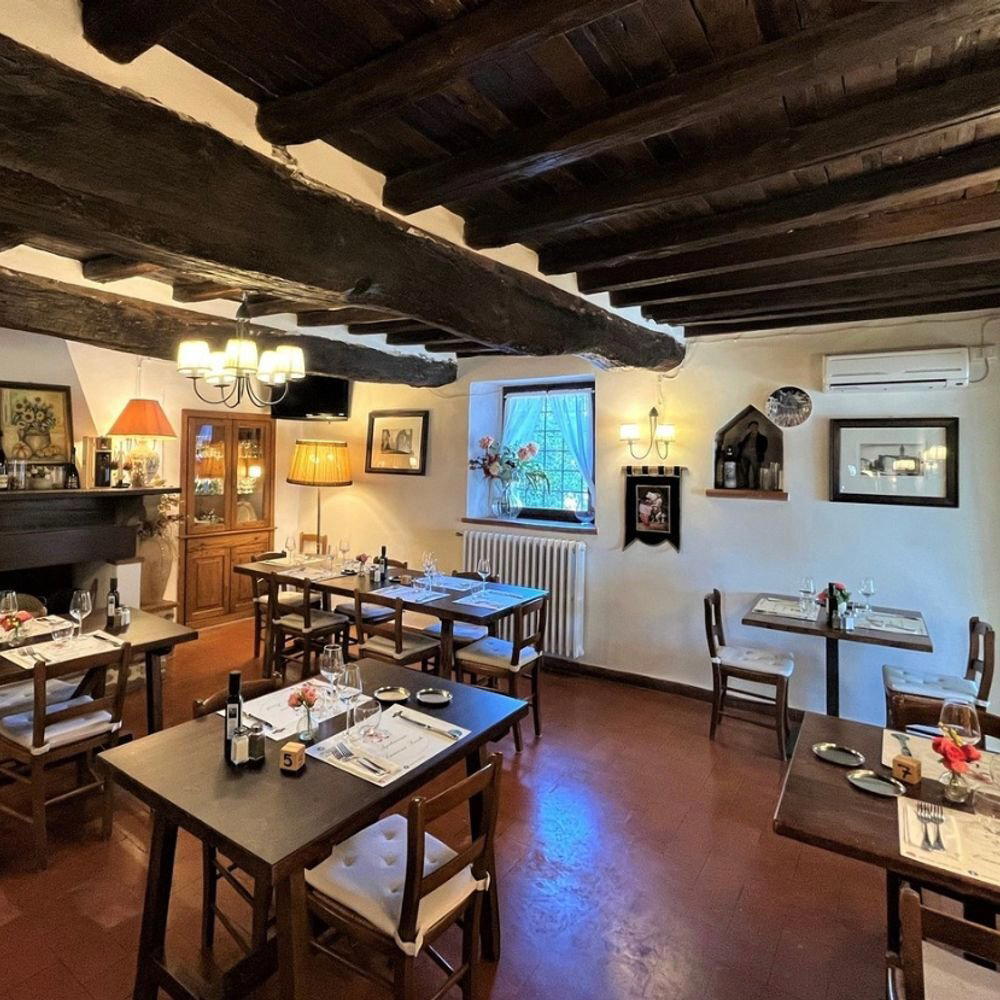
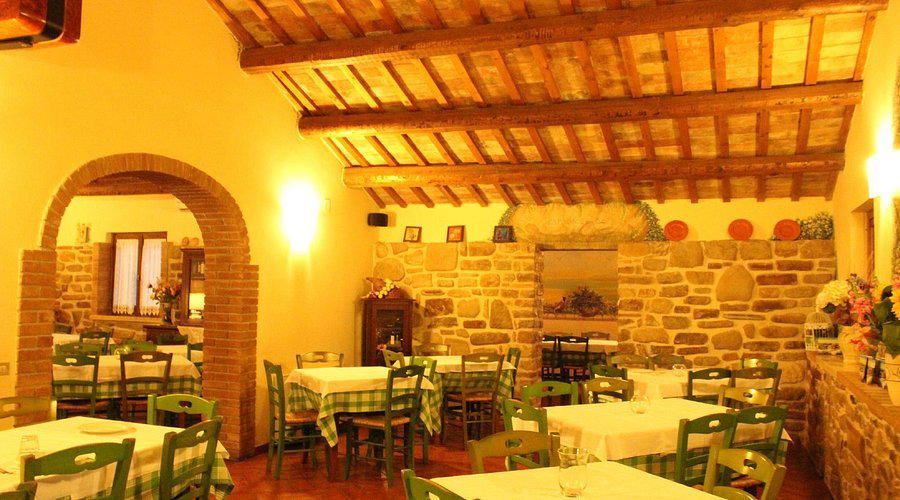
Bars in Bevagna
Browse all →
Hotels in Bevagna
Browse all →
Ottavi Mare
The wine
- Wine program
- Curated wine list
- Extensive wine list
Details
- Intimate
- Elegant
- Cozy
- Date Night
- Special Occasion
- Open Kitchen
- Extensive Wine List
- Local Sourcing
- Tasting Menu
Current opening hours
- Monday
- Closed
- Tuesday
- 7:30–10 PM
- Wednesday
- 7:30–10 PM
- Thursday
- 7:30–10 PM
- Friday
- 7:30–10 PM
- Saturday
- 12:30–2:30 PM, 7:30–10 PM
- Sunday
- 12:30–2 PM, 7:30–10 PM
Hours can change for holidays and private events. Last verified .
Small, intimate, well-kept space with relaxing background music, attentive service, and a charming, professional atmosphere.