Our verdict
AI CHEF occupies a residential address in Terni, a central Italian city better known for its steel industry than its restaurant culture. The name alone signals a contemporary posture in a region where tradition typically dominates. Details on format, pricing, and kitchen leadership remain sparse, making it one of the more intriguing unknowns in Umbria's emerging dining conversation.

Pearl is the En Primeur Club membership app — saves, bookings, and concierge access live there. Same editors, same standards.
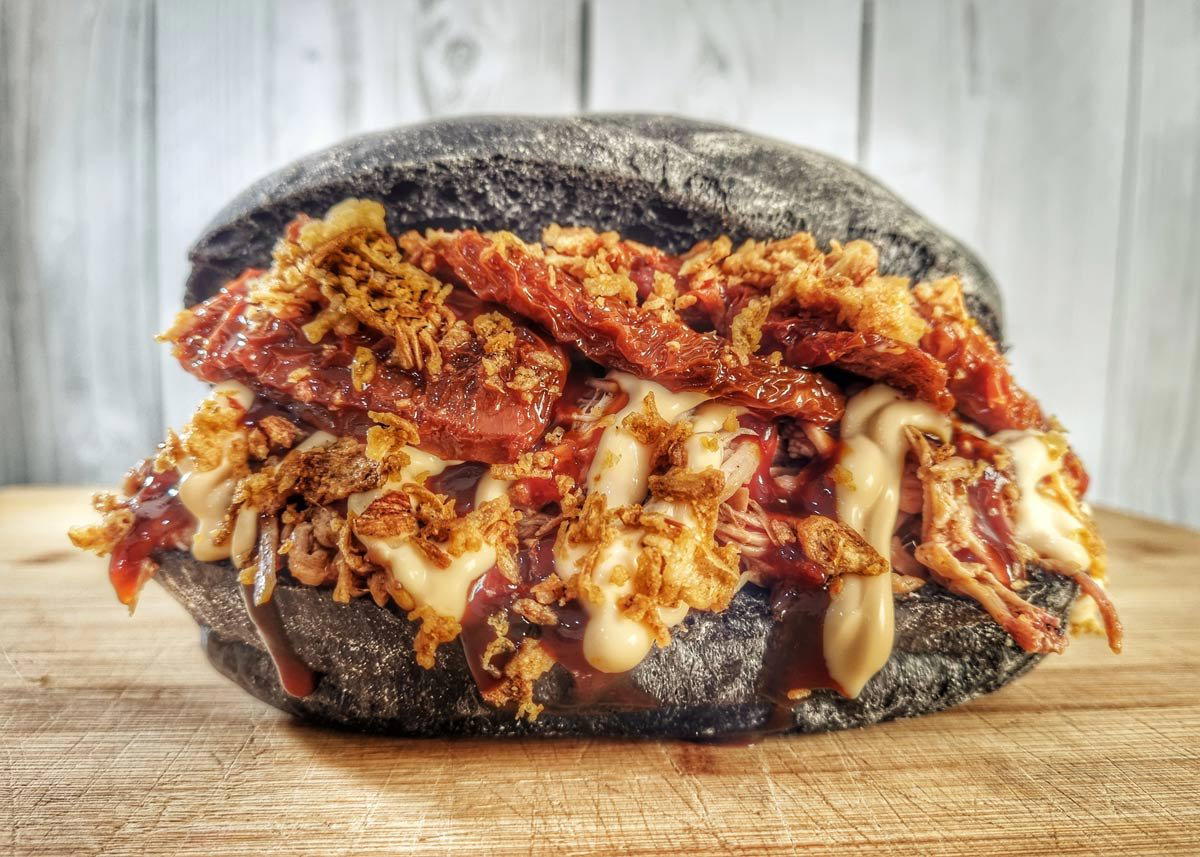
Terni's Quiet Dining Shift
Umbria has long operated in the shadow of Tuscany when it comes to culinary attention. The region's truffles, lentils from Castelluccio, and cured meats from Norcia are well-documented in Italian food literature, yet the restaurants built around them rarely attract the same international press as those across the regional border. Terni, specifically, sits even further from the spotlight than Perugia or Spoleto. It is an industrial city, the home of the Cascata delle Marmore, and a place where locals eat well without much fanfare directed at outsiders. That context matters when reading a name like AI CHEF on a street in a residential quarter of the city.
The address — Via delle Terre Arnolfe, in the TR postcode — places the restaurant away from Terni's centro storico, in a part of the city where dining venues tend to serve neighbourhood regulars rather than passing trade. This is not the geography of a restaurant chasing visibility. In Italian food culture, that positioning often signals something specific: a kitchen confident enough in its offer to rely on word of mouth and repeat custom rather than tourist footfall. Whether AI CHEF fits that mould precisely is not yet fully documented, but the address alone invites the comparison.
For readers who have covered similar territory in central Italy, the parallel worth drawing is with the generation of ingredient-led trattorias and contemporary kitchens that emerged across Le Marche and Umbria in the 2010s. Places like Uliassi in Senigallia demonstrated that serious Italian cooking at the top tier does not require a major city address. The question for a venue like AI CHEF is where it sits within that tradition: hyper-local and classically grounded, or leaning toward the progressive current represented by kitchens like Reale in Castel di Sangro, which operates in similar geographic isolation while pushing the formal boundaries of Italian cuisine.
Ingredient Territory: What Central Umbria Offers
The editorial angle that makes a Terni restaurant worth examining is not the city's profile but its larder. Umbria is one of Italy's most coherent ingredient regions. The black truffle territory of Norcia and Spoleto lies within easy supply distance. The lentils of the Piano Grande at Castelluccio, with their Protected Geographical Indication status, represent one of Italy's more distinctive pulse crops. Freshwater fish from the Nera river and Lake Trasimeno form a category of central Italian cooking that rarely receives its due outside the region. Cured meats from the Valnerina, including various forms of salumi tied to centuries of mountain preservation tradition, round out a pantry that serious kitchens in the area can draw on without reaching far.
A restaurant operating under a name that references artificial intelligence in a region this ingredient-dense sits at an interesting intersection. The name implies technology-forward thinking, yet Umbrian cooking at its most compelling is rooted in exactly the kind of slow, material knowledge that sits at the opposite end of the cultural spectrum from algorithmic thinking. The productive tension between those two orientations, if that is indeed what AI CHEF is working with, would make it an address worth tracking. Italy's most discussed contemporary kitchens, from Osteria Francescana in Modena to Enrico Bartolini in Milan, have each found their own way to hold that tension between deep Italian ingredient culture and contemporary technique. Smaller regional venues increasingly attempt the same negotiation on a more intimate scale.
Umbrian olive oil deserves specific mention in any discussion of central Italian ingredient sourcing. The DOP oils from around Trevi and the Colli Orvietani are among Italy's less-exported but technically accomplished productions, characterized by low acidity and a grassy, slightly bitter finish that pairs well with legumes and bitter greens. Any kitchen in Terni with genuine ingredient ambition would have direct access to these oils, along with the seasonal wild herbs, mushrooms, and foraged additions that define the region's table through autumn and winter.
Where AI CHEF Sits in a Broader Italian Context
Italy's restaurant map in 2024 is not short of ambition, even in its less-visited corners. The concentration of awarded kitchens in the north, from Da Vittorio in Brusaporto to Piazza Duomo in Alba and Villa Crespi in Orta San Giulio, has historically attracted the bulk of critical attention. But central and southern Italy have their own tracked kitchens: Quattro Passi in Marina del Cantone on the Amalfi coast, Dal Pescatore in Runate in the Po Valley, and Atelier Moessmer Norbert Niederkofler in Brunico in the alpine south Tyrol all represent Italian fine dining operating outside the major urban centres.
Umbria, conspicuously, lacks a venue in that conversation at the same level of documented recognition. Compared internationally, the raw material access that an Umbrian kitchen has rivals what drives the most ingredient-focused rooms globally, from Le Bernardin in New York City to Lazy Bear in San Francisco, both of which have built sustained reputations on sourcing specificity.
Closer to home, the Terni restaurant scene has at least one other address worth cross-referencing: Nascostoposto, which operates in the city with a different positioning. For a fuller picture of what Terni's dining offer looks like in aggregate, our full Terni restaurants guide maps the current field. Similarly, the work coming out of Umbria's neighbouring regions is documented through venues like Enoteca Pinchiorri in Florence, Le Calandre in Rubano, La Pergola in Rome, and Casa Perbellini 12 Apostoli in Verona, each of which illustrates a different point on the spectrum between classical Italian hospitality and contemporary technique.
Planning a Visit
AI CHEF's address at Via delle Terre Arnolfe, 44a places it in a part of Terni that is leading reached by car or taxi rather than on foot from the train station. Terni itself is on the main rail line connecting Rome to Ancona, roughly 90 minutes from Rome Termini, which makes it a feasible day or evening trip from the capital for those willing to venture beyond the standard Roman restaurant circuit. Specific booking details, hours, and pricing for AI CHEF are not yet fully documented in public records, so direct contact with the venue is advised before planning a visit. Given the residential address and the relative scarcity of information available, this is a kitchen that rewards the kind of traveller who does their own reconnaissance rather than waiting for comprehensive reviews to accumulate.
Frequently asked questions
Can I bring kids to AI CHEF?
Nothing in the available record specifies a child policy for AI CHEF. The restaurant's address on Via delle Terre Arnolfe, 44a in Terni suggests a neighbourhood setting rather than a high-volume tourist corridor, which can favour a more relaxed atmosphere. check the venue's official channels before visiting with young children to confirm.
What's the overall feel of AI CHEF?
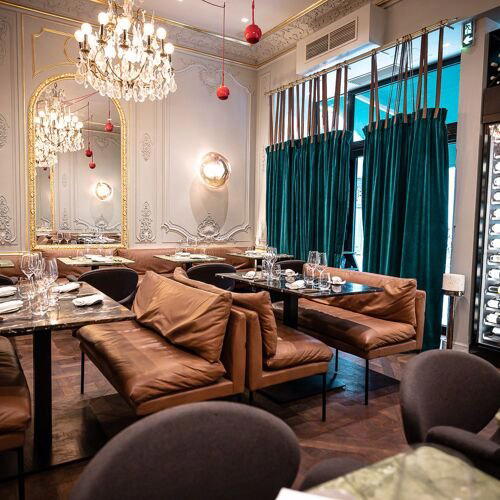
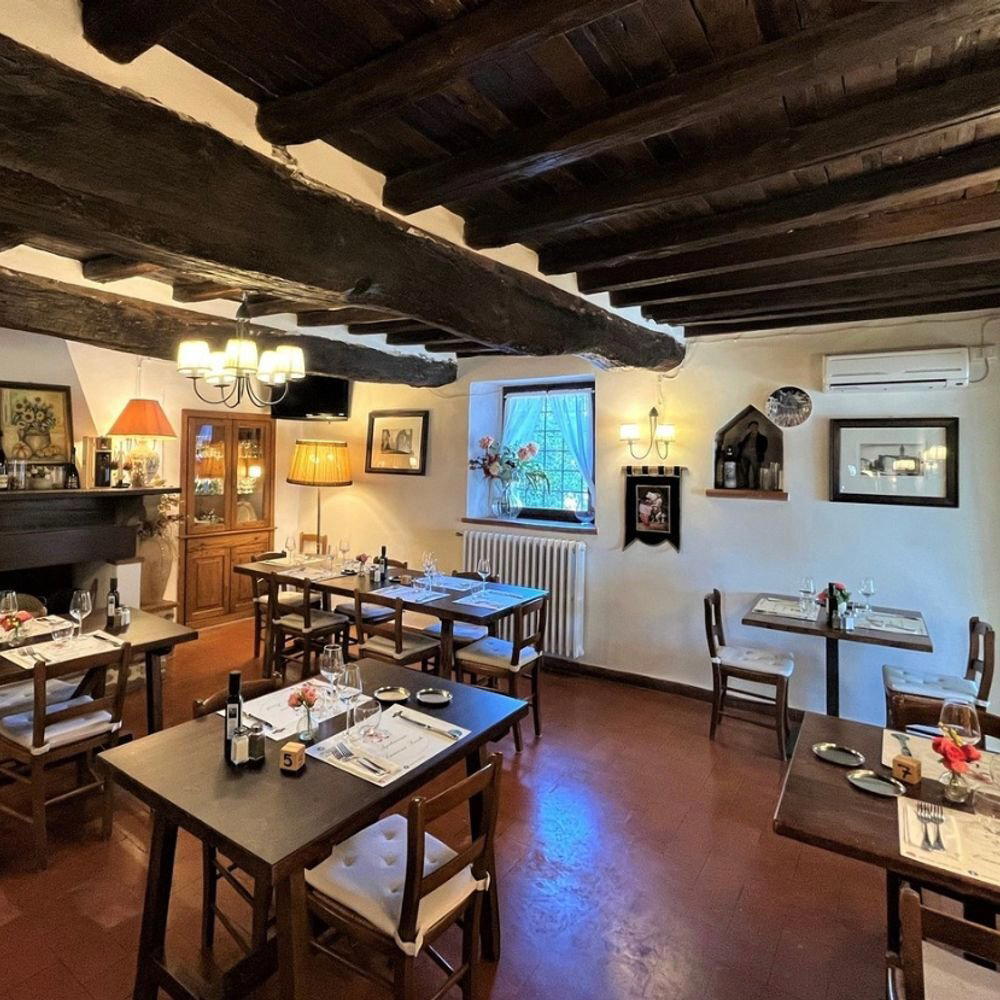
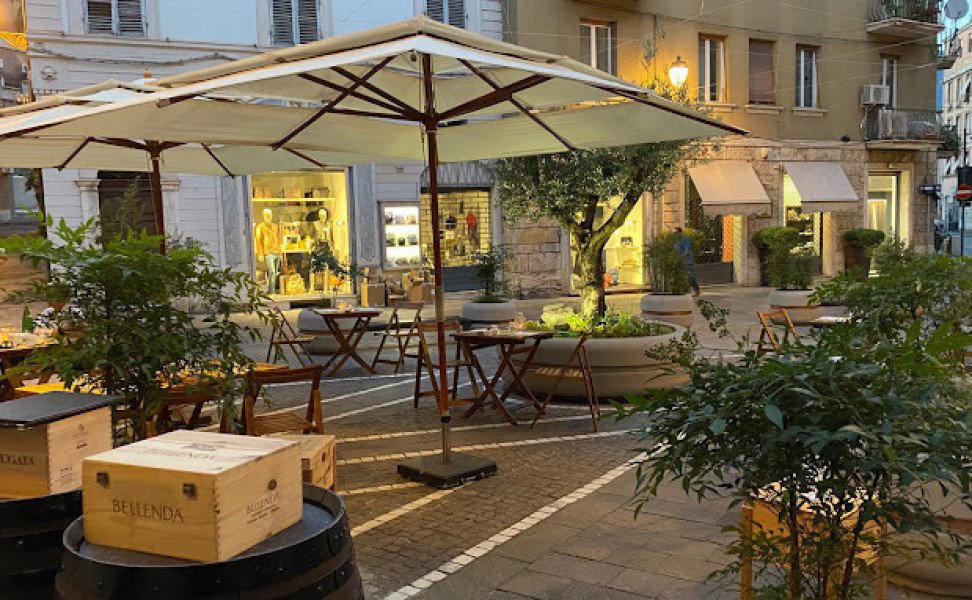
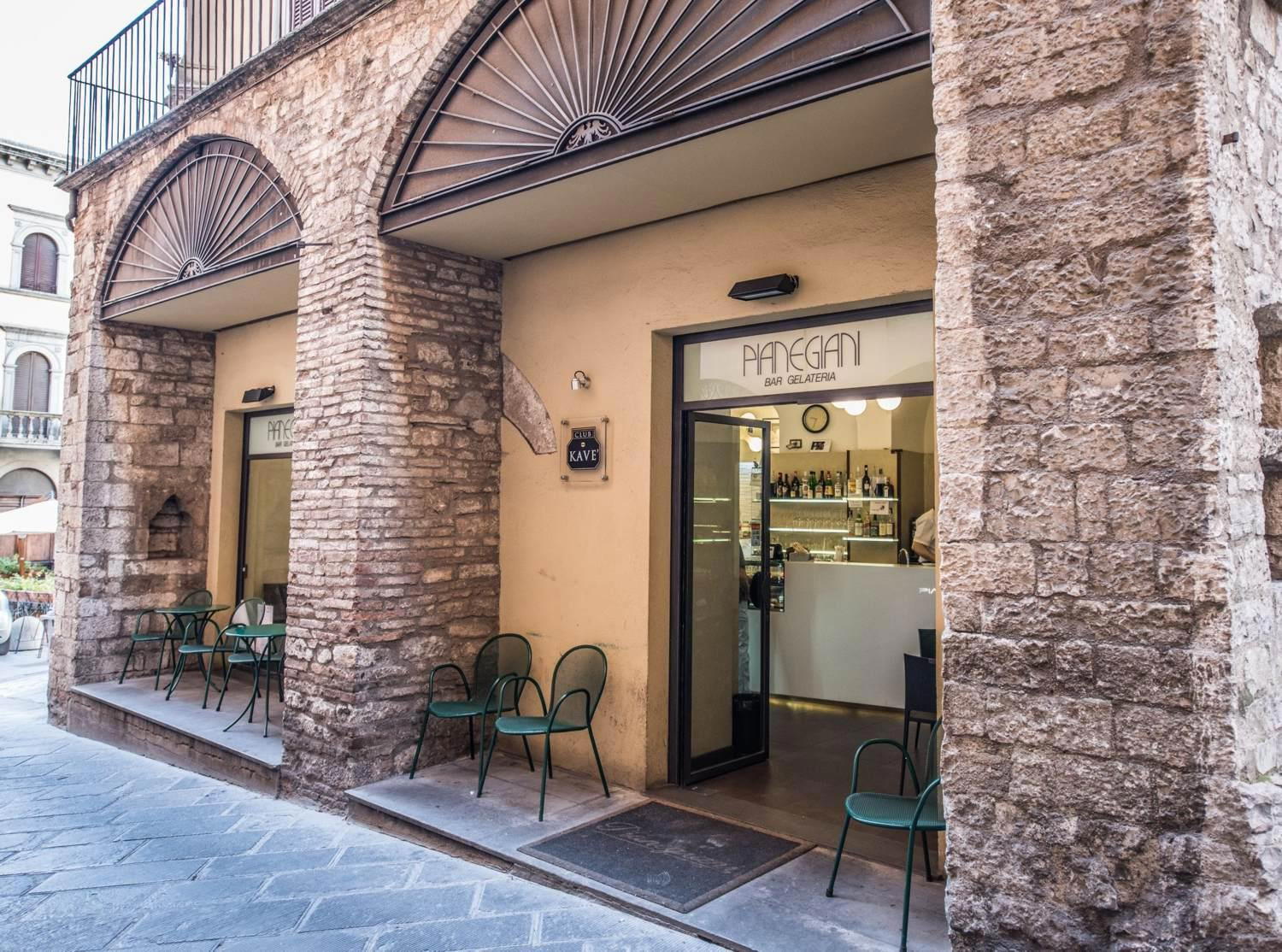
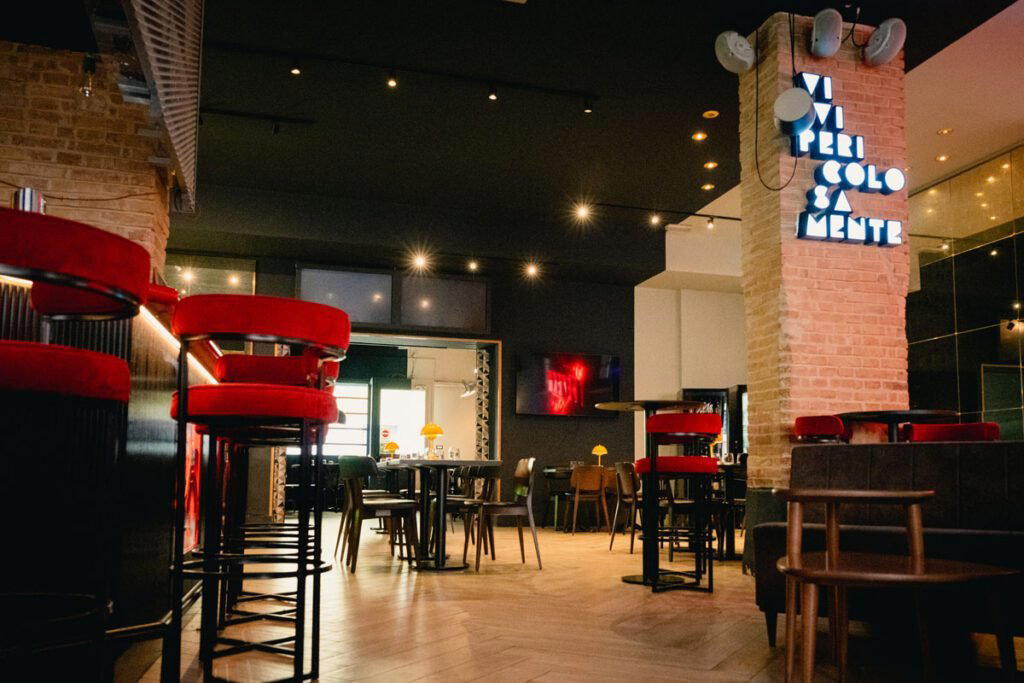
AI CHEF occupies a part of Terni that sits away from the city's main pedestrian flow, giving it a local rather than tourist-facing character. Umbria's dining culture generally leans toward unfussy, produce-driven rooms where the regional larder — truffles, Castelluccio lentils, cured meats — does the talking.
Is AI CHEF a good option for dining in Terni when visiting Umbria's interior?
Terni sits within reach of Norcia, Spoleto, and the Valnerina valley, making it a practical base for travellers moving through southern Umbria. AI CHEF at Via delle Terre Arnolfe, 44a is best reached by car or taxi rather than on foot from Terni's train station.
What dish is AI CHEF famous for?
No specific signature dish is documented in the available record for AI CHEF. Central Umbria's ingredient base — black truffles from Norcia, lentils from Castelluccio di Pienza, and locally cured meats — tends to define menus in the region, but any claim about a particular preparation at this address would be speculation. Checking the restaurant's current menu directly is advisable before visiting.
How It Stacks Up
Comparable venues nearby, for context on price, style, and recognition.
| Venue | Cuisine | Price | Awards | Notes |
|---|---|---|---|---|
| AI CHEFThis venue — the venue you are viewing | American Barbecue Street Food | $10–20 | Not listed | Not listed |
| Nascostoposto | Modern Italian with Neapolitan Pizza | Not listed | Michelin Plate · 50 Top Pizza Italia #94 | old town |
| Gelateria 5 Terre | Artisanal Italian Gelato | Not listed | Not listed | Manarola |
| Mordi & Vai | Roman Street Food Sandwiches | $10–20 | Not listed | Testaccio |
| Birdy The Bakery (Chiaia) | American Bakery & Brunch | Not listed | Not listed | Acquario |
| Trattoria Ca' D'Oro - Cucina Tipica Veneziana | Traditional Venetian Trattoria | $20–30 | Not listed | Cannaregio |
Continue exploring
More in Terni
Restaurants in Terni
All restaurants in Terni →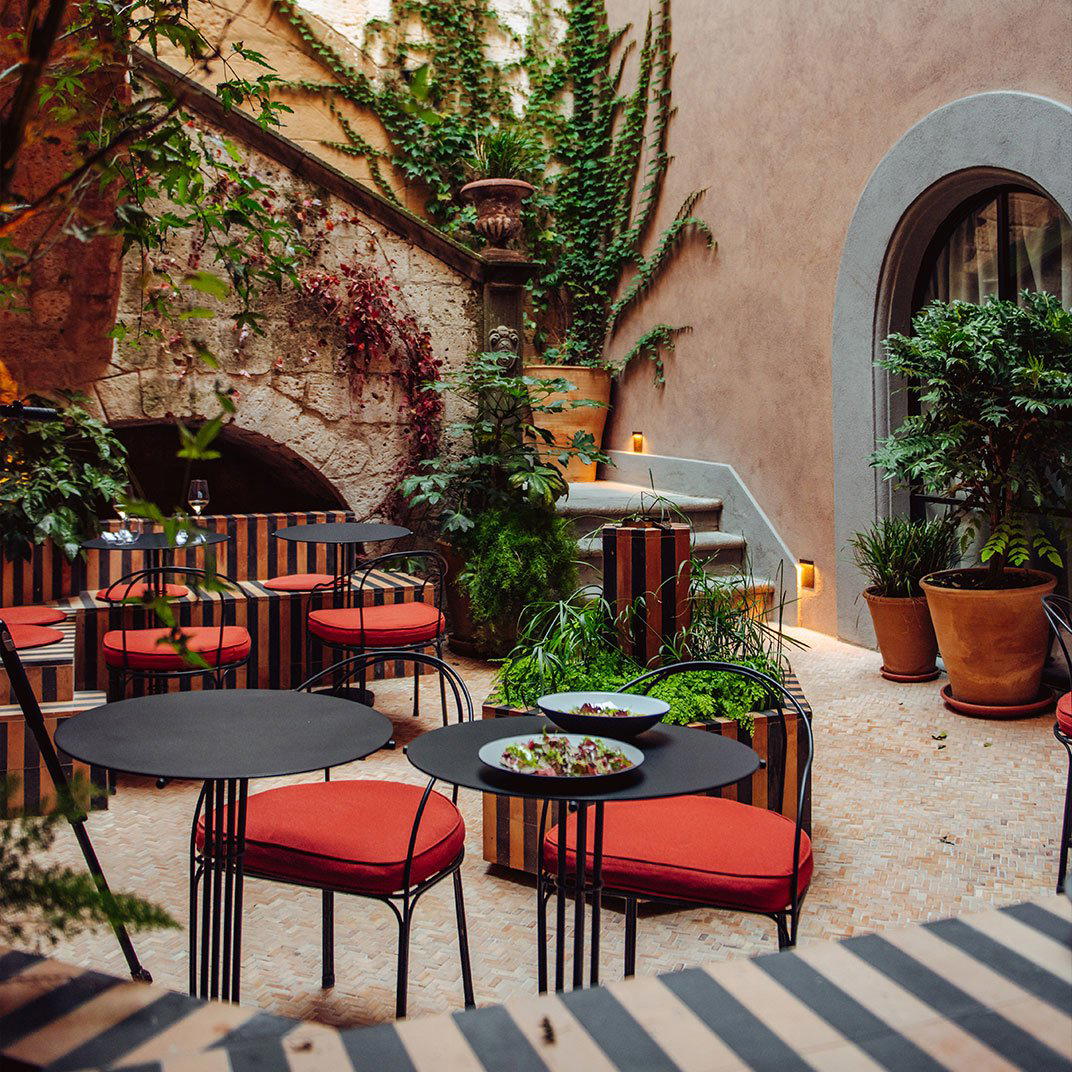

Details
- Casual
- Trendy
- Casual Hangout
- After Work
- Standalone
- A La Carte
Current opening hours
- Monday
- Closed
- Tuesday
- 12–2:30 PM, 6:30–9:30 PM
- Wednesday
- 12–2:30 PM, 6:30–9:30 PM
- Thursday
- 12–2:30 PM, 6:30–9:30 PM
- Friday
- 12–2:30 PM, 6:30–10 PM
- Saturday
- 12–2:30 PM, 6:30–10 PM
- Sunday
- 6:30–9:30 PM
Hours can change for holidays and private events. Last verified .
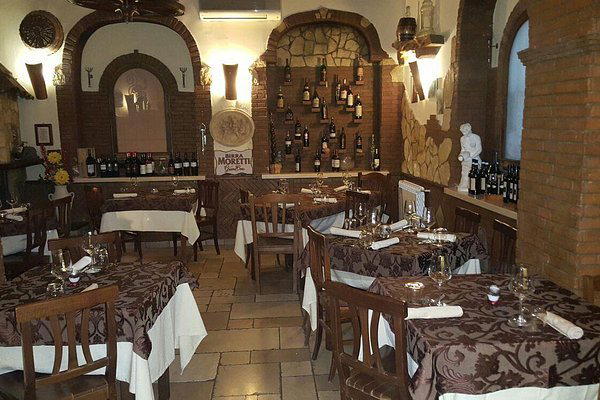
Casual street food atmosphere with limited seating, energetic and informal vibe typical of a quick-service barbecue establishment.