
Michelin Selected
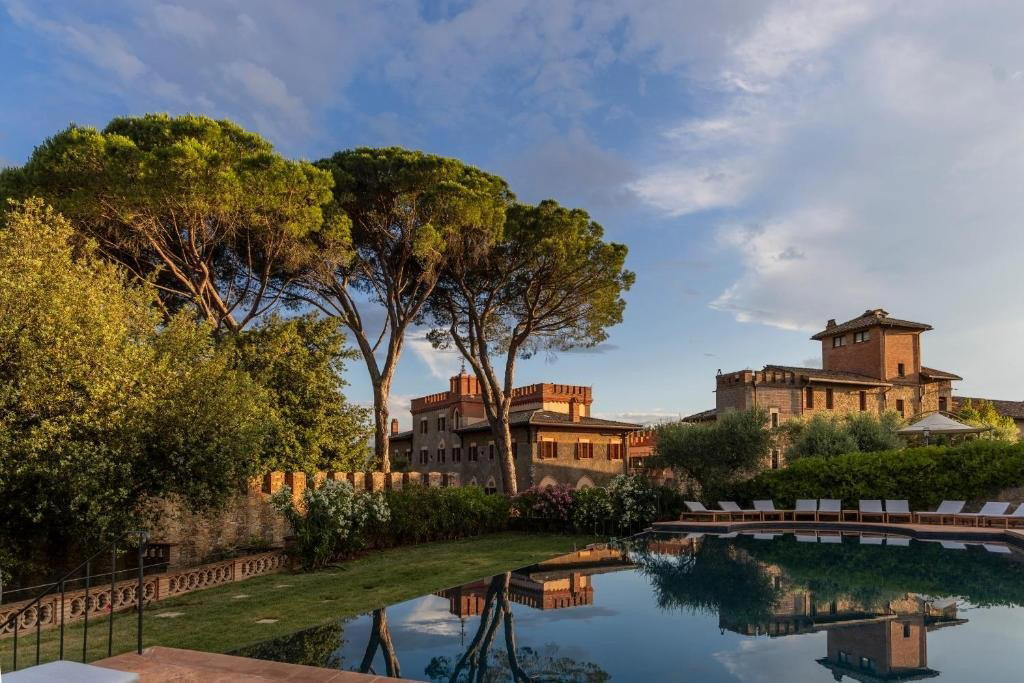
Selected by the Michelin Guide Hotels 2025, Aethos Saragano occupies a quiet corner of Umbria where the architecture does most of the talking. The property sits within Saragano's medieval fabric, placing guests at the intersection of rural Italian landscape and considered contemporary hospitality. For travelers moving between Umbria's hill towns, it represents a slower, more grounded alternative to the region's larger resort options.

Pearl is the En Primeur Club membership app — saves, bookings, and concierge access live there. Same editors, same standards.
- Address
- Via Milano, 20, 06035 Saragano PG, Italy
- Phone
- +39 0742 98636
- Website
- aethos.com
- Directions
- Get directions
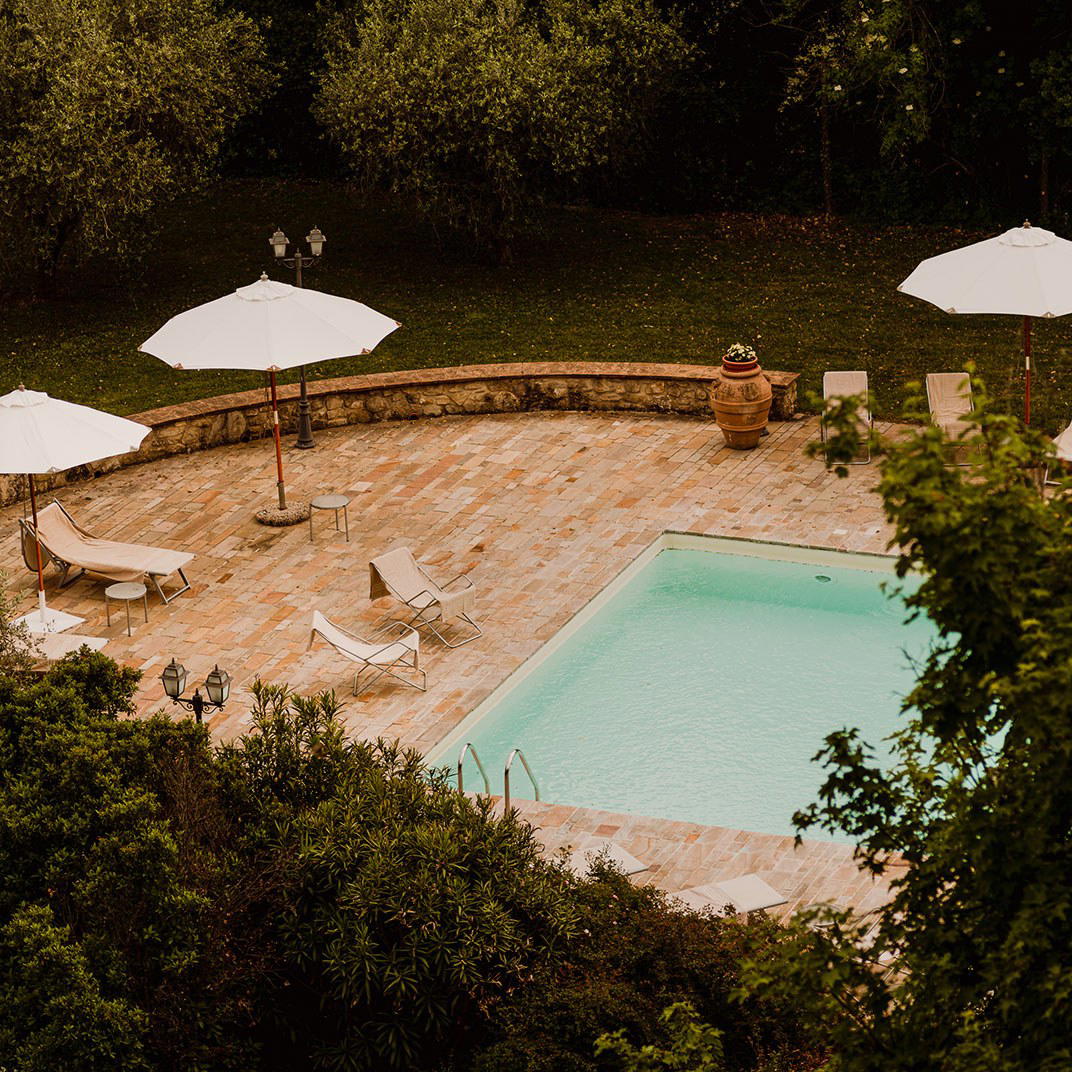
Stone, Silence, and the Umbrian Interior
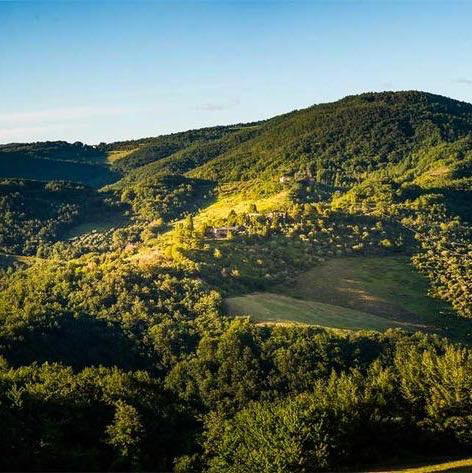
Saragano is not a name that appears on most Italian itineraries. The village sits in the province of Perugia, in the kind of Umbrian interior where the roads narrow and the signage thins before you arrive somewhere that feels genuinely removed from the tourist circuit. This is the context in which Aethos Saragano operates: not as a destination resort engineered around amenity stacking, but as a property calibrated to a landscape and a pace that most of Italy's hotel industry has stopped pursuing. The Michelin Guide's 2025 Selected Hotels list, which includes the property, tends to surface this category of place — smaller, architecturally coherent, and oriented toward guests who treat slowness as a feature rather than an inconvenience.
The Aethos brand has built its identity around exactly this positioning. Rather than operating in the high-traffic corridors of Venice or Florence, where guests shuttle between landmark visits and hotel lobbies that compete on size and service volume, Aethos has consistently placed its properties in locations where the surrounding territory is itself the program. Saragano fits that logic precisely. Arriving via Via Milano 20, the approach is one of compression and then release — the narrow medieval street giving way to a property that reads as continuous with its setting rather than imposed upon it.
Architecture as Editorial Choice
The dominant design language across Umbria's most considered small hotels tends toward a shared grammar: exposed stone, thick walls that hold the afternoon cool, materials sourced close enough to the site that the building reads as geological rather than constructed. Properties like Corte della Maestà in Civita di Bagnoregio and Borgo San Felice Resort in Castelnuovo Berardenga have established a template: historical fabric preserved, contemporary interventions restrained, the result a space that earns its age rather than performing it.
Aethos Saragano operates within that tradition. The Michelin Selected designation in 2025 signals that the property has cleared a threshold of physical coherence and guest experience that the guide applies consistently across its hotel recommendations, not a starred culinary judgment, but an architectural and hospitality one. In the Umbrian context, where the competition includes properties that have been carefully restored over decades, that inclusion carries weight.
What distinguishes the design approach of properties in this tier from the larger international footprints, compare the scale of Four Seasons Hotel Firenze in Florence or Bulgari Hotel Roma in Rome, is the absence of compensatory gestures. When a property cannot offer a rooftop pool with city panoramas or a restaurant helmed by a named chef, the architecture itself must carry the guest experience. The spatial sequence, the quality of light in the morning, the acoustic character of thick stone, these become the amenities. Aethos Saragano sits in the category of properties where that substitution works.
Placing Saragano on the Umbrian Map
Umbria's hotel geography has organized itself around a few reliable poles: Perugia for urban access, Assisi for pilgrimage and cultural tourism, Orvieto for day-trippers arriving by train from Rome. The villages between these anchors, Saragano among them, operate in a different register, drawing guests who are moving slowly through the region rather than hitting named stops on a fixed circuit. The province of Perugia contains enough material for two weeks of unhurried travel: medieval hill towns, Sagrantino vineyards around Montefalco, Etruscan sites, and a local food culture that has not yet been fully exported or reproduced elsewhere.
For guests approaching from the north, the Umbrian interior connects logically to Tuscany's southern reaches, where properties like Rosewood Castiglion Del Bosco in Montalcino operate at a larger scale with wine estate programming. Moving further south, the connection to Corte della Maestà in Civita di Bagnoregio completes a route through central Italy that stays almost entirely off the motorway. This kind of slow itinerary, two to three nights per stop, driving distances measured in atmosphere rather than kilometers, is the context that makes a property like Aethos Saragano intelligible as a choice.
The Aethos Network and What It Signals
The Aethos brand has developed a recognizable positioning across its European portfolio: locations selected for their remove from mass tourism, design approaches that reference local material culture, and a guest profile that prioritizes setting over service theatrics. Compared to properties like Castello di Reschio in Lisciano Niccone, which operates at the higher end of the Umbrian market with extensive estate grounds and a more developed amenity offer, Aethos Saragano sits in a more stripped-back tier, fewer rooms, fewer organized activities, more direct dependence on what the location itself provides.
That positioning is not a deficit. It is a commitment to a particular guest experience that other properties in the Italian premium market, Borgo Egnazia in Savelletri di Fasano, Il Pellicano in Porto Ercole, Casa Maria Luigia in Modena, have made in different regions with their own methods. In each case, the logic is similar: identify a place with inherent character, intervene with enough design intelligence to make the stay comfortable, and trust that the location justifies the room rate without needing to manufacture a program around it.
Planning a Stay
Saragano's position in Umbria makes it accessible by car from both Rome (roughly two hours north) and Florence (approximately two hours south), placing it comfortably within a central Italy itinerary that does not require the motorway. The property's address at Via Milano 20 gives guests a concrete landmark in a village where GPS routing can behave unexpectedly on the final approach. Booking through the Aethos network directly is the most reliable method, given the property's limited key count and the likelihood of constrained availability during Umbria's peak season, which runs from late April through October. The shoulder months, March and November, offer the region in a quieter register: fewer visitors, cooler temperatures, and the kind of unimpeded access to the local hill towns that is impossible in August. Guests extending into Tuscany should note the connections southward to Borgo San Felice Resort in Castelnuovo Berardenga or north toward Passalacqua in Moltrasio for a longer Italian arc. For the full picture of what Saragano and the surrounding area offer, see our full Saragano restaurants guide.
A Quick Peer Check
Comparable venues nearby, for context on price, style, and recognition.
| Venue | Cuisine | Price | Awards | Notes |
|---|---|---|---|---|
| Aethos SaraganoThis venue — the venue you are viewing | Albergo Diffuso in restored medieval village | $100–200 | Michelin Selected | Not listed |
| Relais Le due Matote | Restored 17th-century farmhouse blending heritage with discreet luxury | Not listed | Michelin Selected | Bossolasco |
| Torre Del Nera Albergo Diffuso Spa | Albergo diffuso in restored medieval village buildings | Not listed | Michelin Selected | Scheggino |
| Corte Calzaiuoli Elegant Suites | Elegant historic mansion with modern comforts | Not listed | Michelin Selected | Santo Spirito |
| The Box Hotel | Contemporary boutique hotel with modern design positioning as the stylish property in Riccione. | Not listed | Michelin Selected | Viale Milano |
| Soho House Rome | Members-only club-hotel blending industrial aesthetics with Roman elegance using upcycled materials. | $200–300 | Michelin Selected · Mr & Mrs Smith Seal of Approval | San Lorenzo |
Recognition history
Dated appearances from independent guides and award organizations, with the underlying list record or original source where available.
Michelin Selected
Michelin
Continue exploring
More in Saragano
Hotels in Saragano
Browse all →
Bars in Saragano
Browse all →
Restaurants in Saragano
Browse all →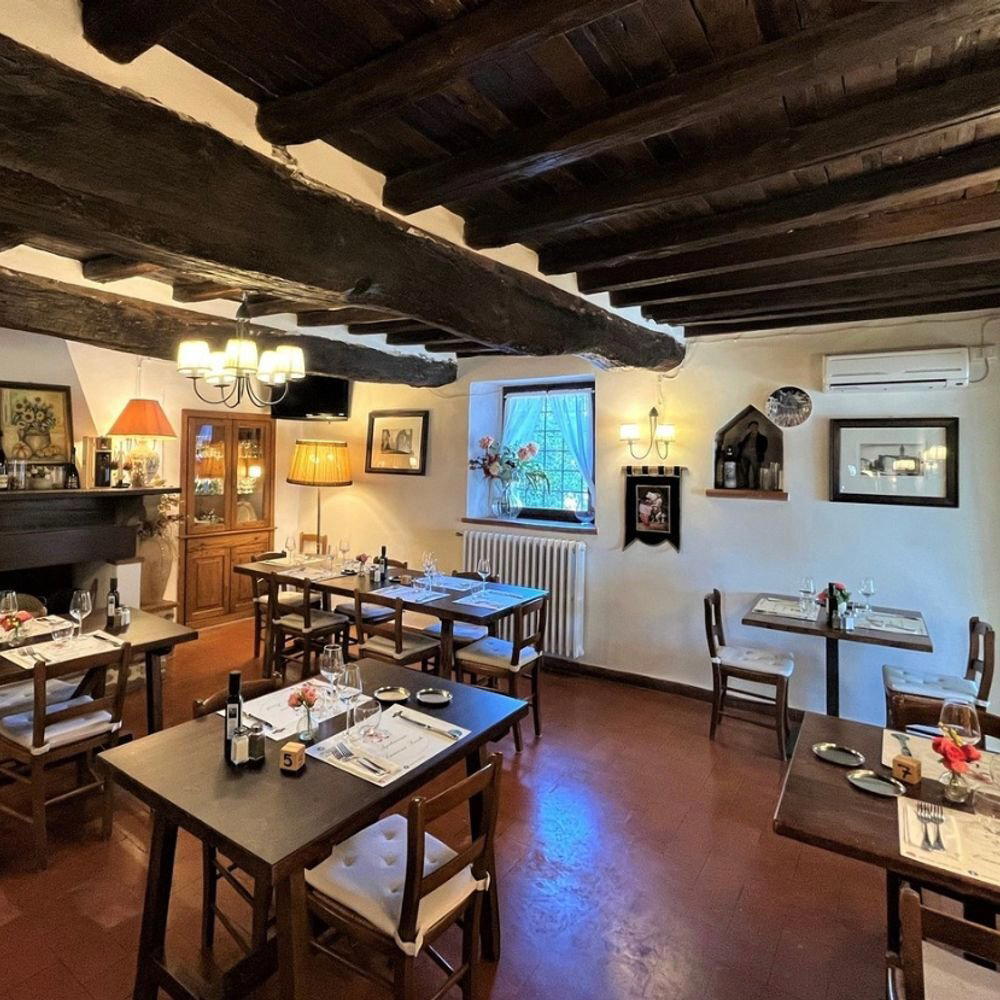
Details
- Quiet
- Modern
- Rustic
- Elegant
- Scenic
- Cozy
- Romantic Getaway
- Honeymoon
- Wellness Retreat
- Weekend Escape
- Panoramic View
- Terrace
- Garden
- Wi Fi
- Pool
- Spa
- Fitness Center
- Restaurant
- Concierge
- Garden
- Mountain
- Vineyard
- Wheelchair Accessible
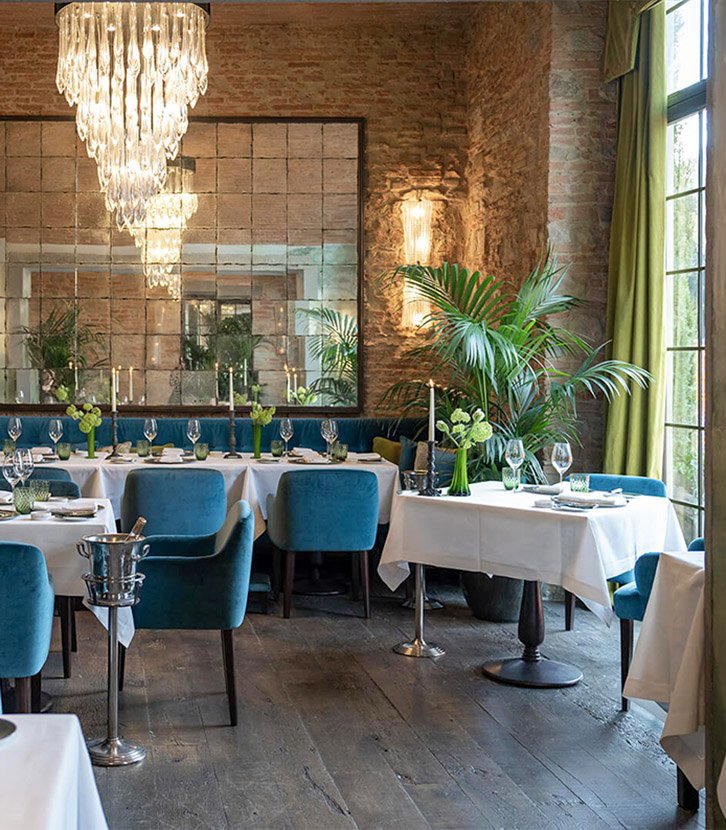
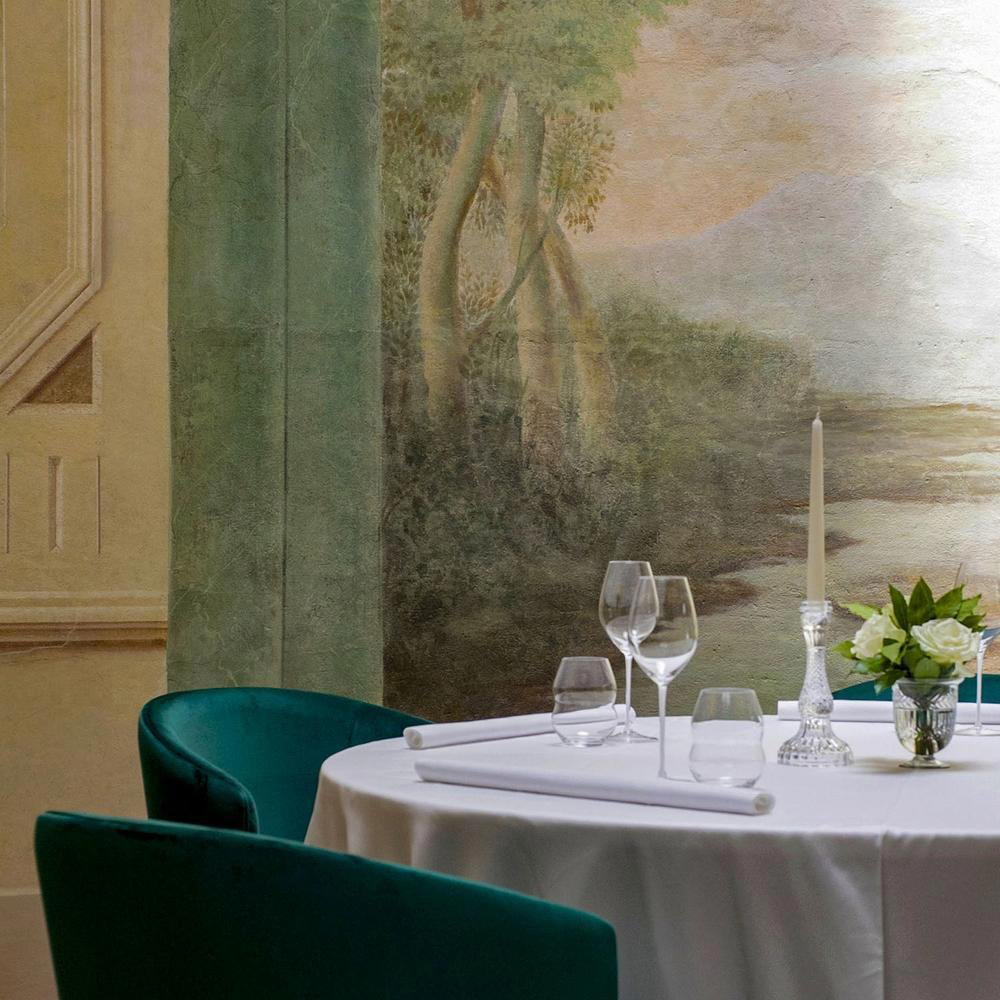
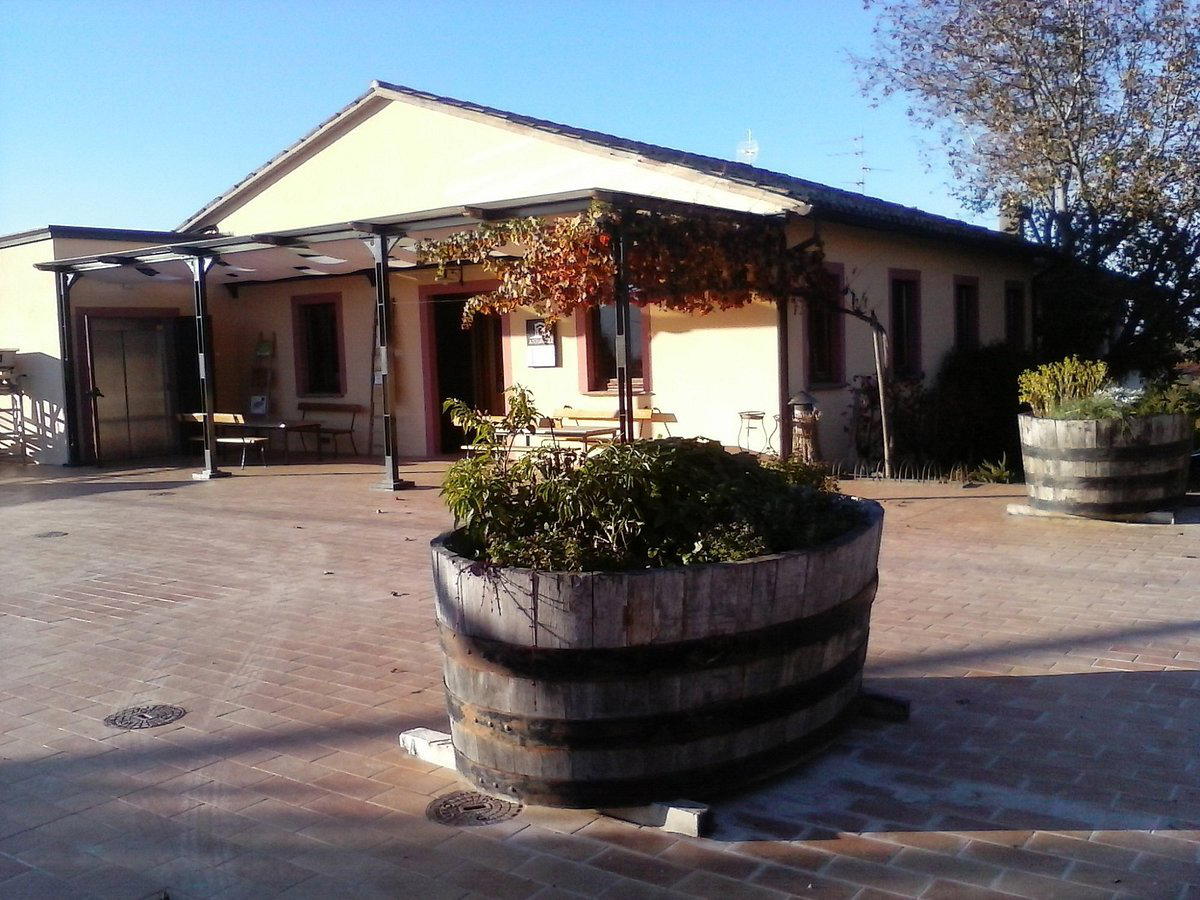
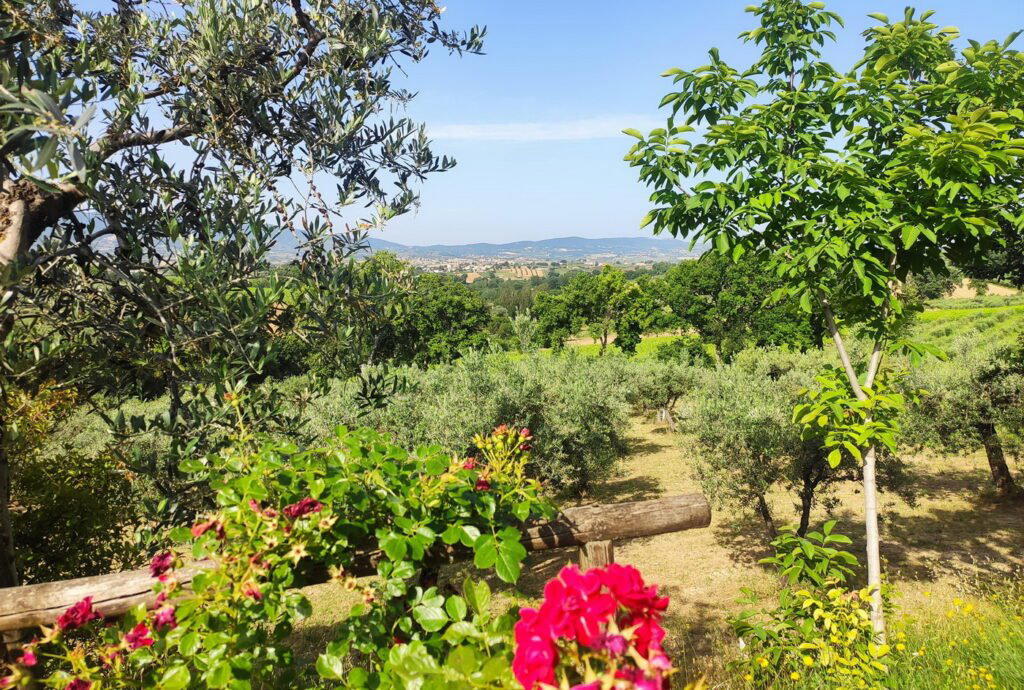
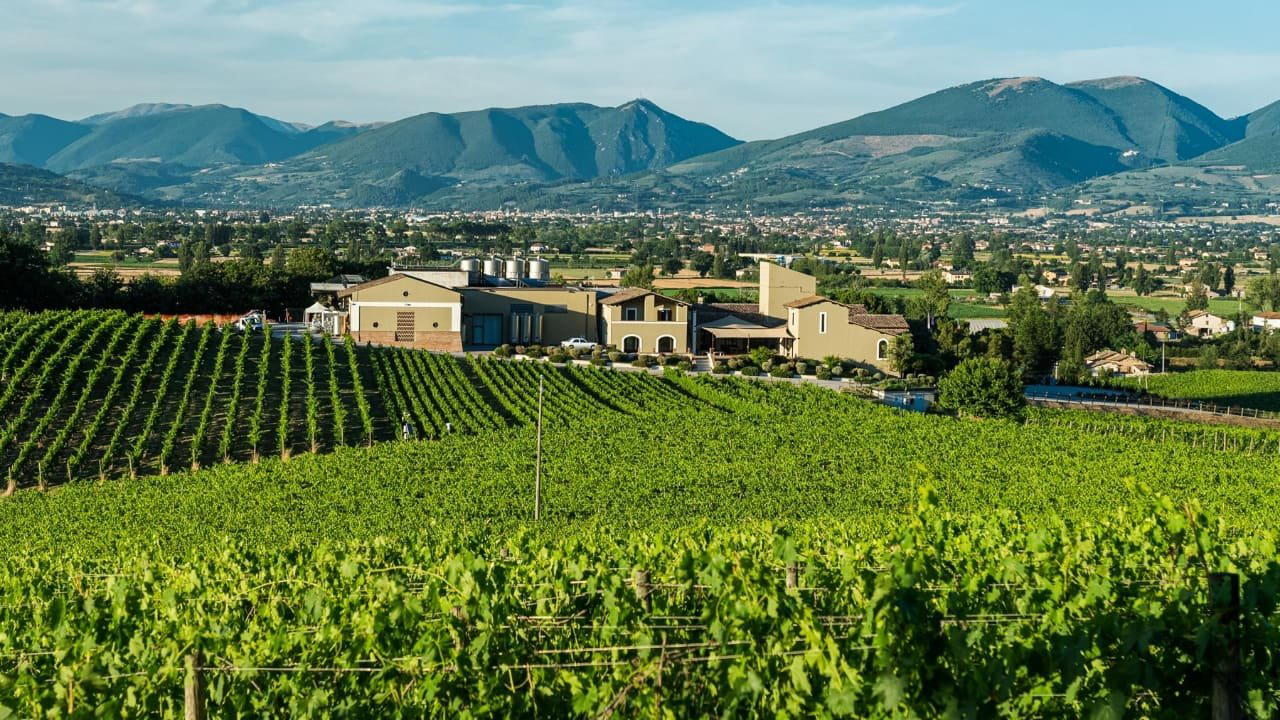
Tranquil and authentic rural charm blending rustic medieval architecture with modern, minimalist design, wood-beamed ceilings, terracotta tiles, and serene hillside views.