Delicato


Michelin Plate · We're Smart World 4 Radishes
Our verdict
In the medieval hilltop village of Contigliano, on the Lazio-Umbria border, Delicato holds a Michelin Plate for country cooking that draws on the produce of two regions without fuss or pretension. Chef Carlotta Delicato keeps the ingredient at the centre of each dish, with vegetables given particular weight and a plant-based menu available on request. At €€, it sits well below the price tier of Italy's starred destination tables.

Pearl is the En Primeur Club membership app — saves, bookings, and concierge access live there. Same editors, same standards.
- Address
- Via Umberto I, 2, 02043 Contigliano RI, Italy
- Phone
- +39 0746 249202
- Hours
- Mon–Tue ClosedWed–Fri 4–10:30 PMSat 10 AM–2:30 PM, 4–10:30 PMSun 11 AM–3 PM
- Website
- ristorantedelicato.it
- Directions
- Get directions
- Booking
- Book on TheFork
The menu
What to order
- Spaghettone_mare_e_lago
- Egg_potatoes_mushrooms
- Quail_pork_mushrooms_grapes
- Hazelnut_parsley
A hilltop village on the edge of two regions
The province of Rieti sits in a part of central Italy that most travellers pass through rather than stop in. Contigliano, a compact medieval village above the valley floor, occupies the administrative boundary between Lazio and Umbria — a geographic fact that carries real culinary consequence. Cooking in this corridor has historically drawn from both regions: the strong legume and offal traditions of Lazio, the quieter, herb-forward vegetable culture of Umbria, and a shared reliance on small producers who rarely supply anyone beyond the immediate area. Restaurants that cook seriously in this zone can source from two distinct ingredient pools, and the leading ones use that dual access without making a statement about it. Delicato, at Via Umberto I, 2, is one of those places.
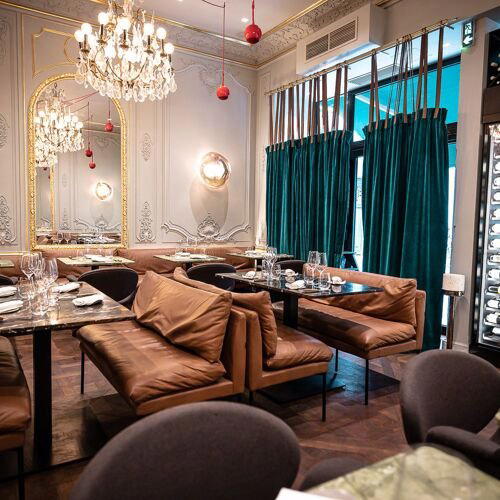
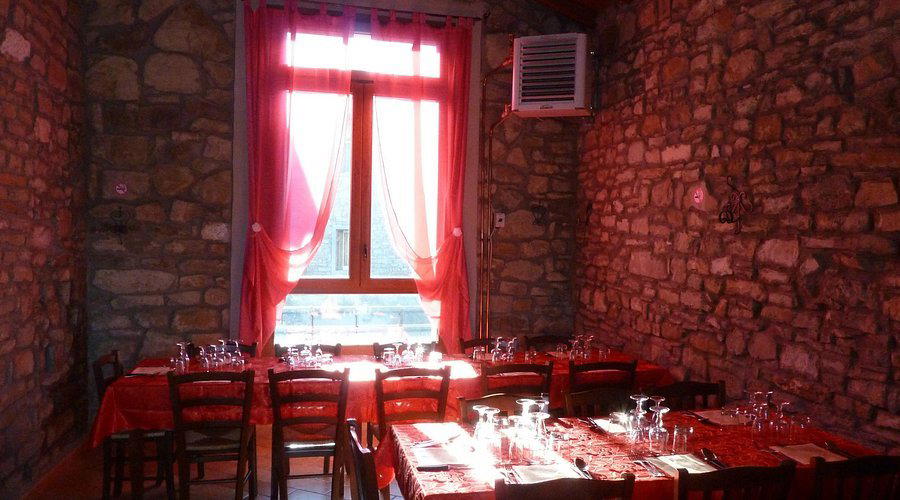
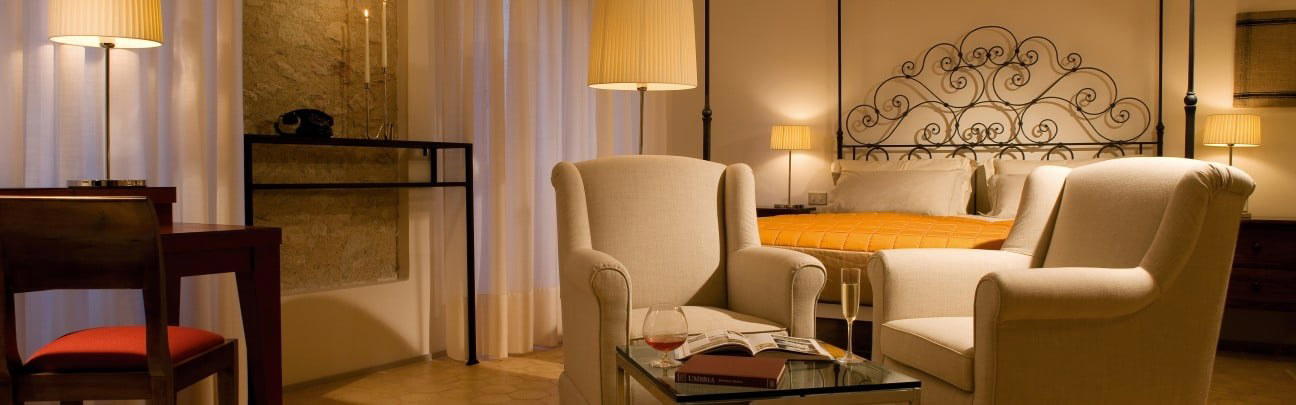
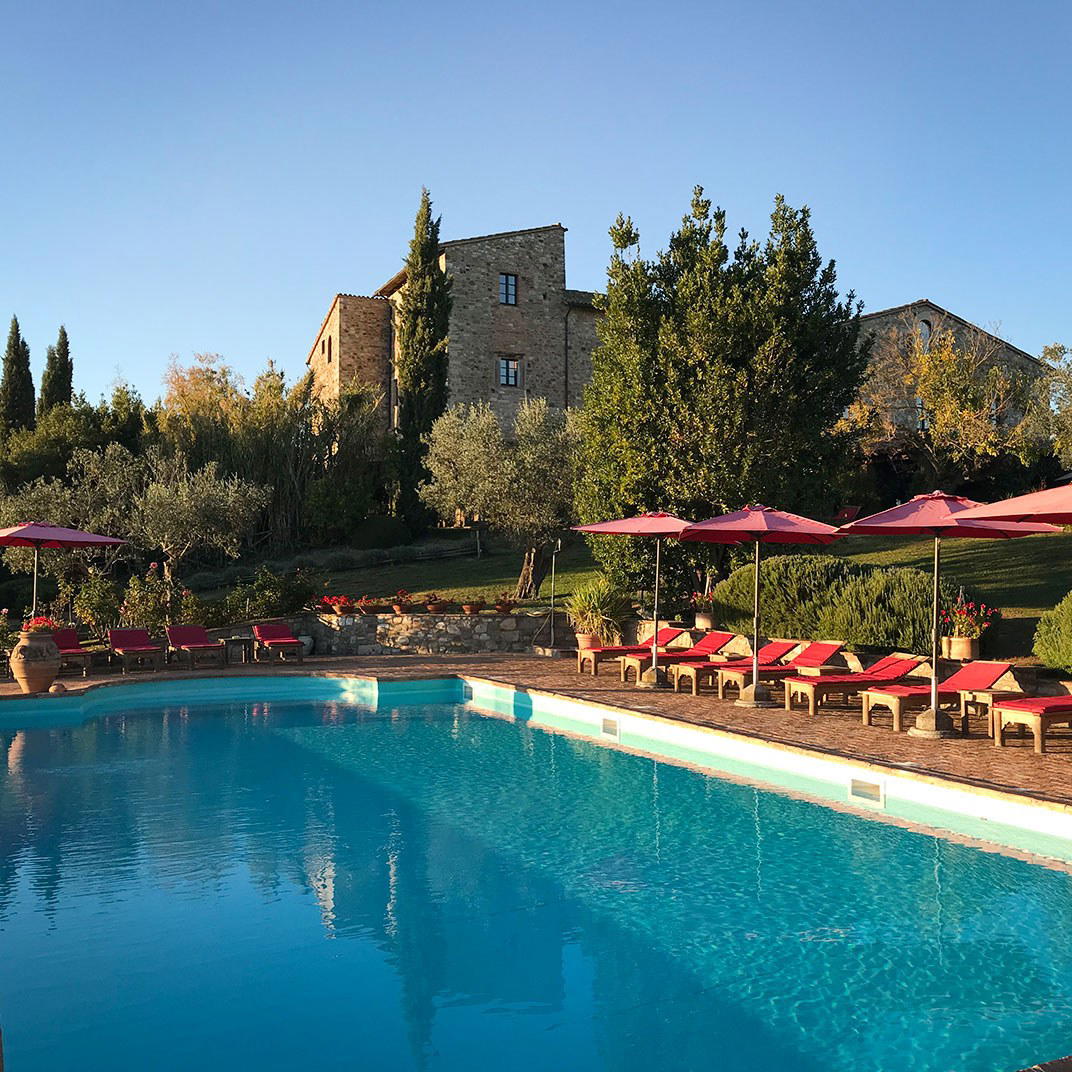
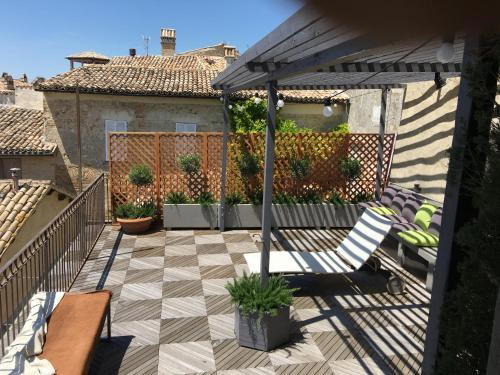
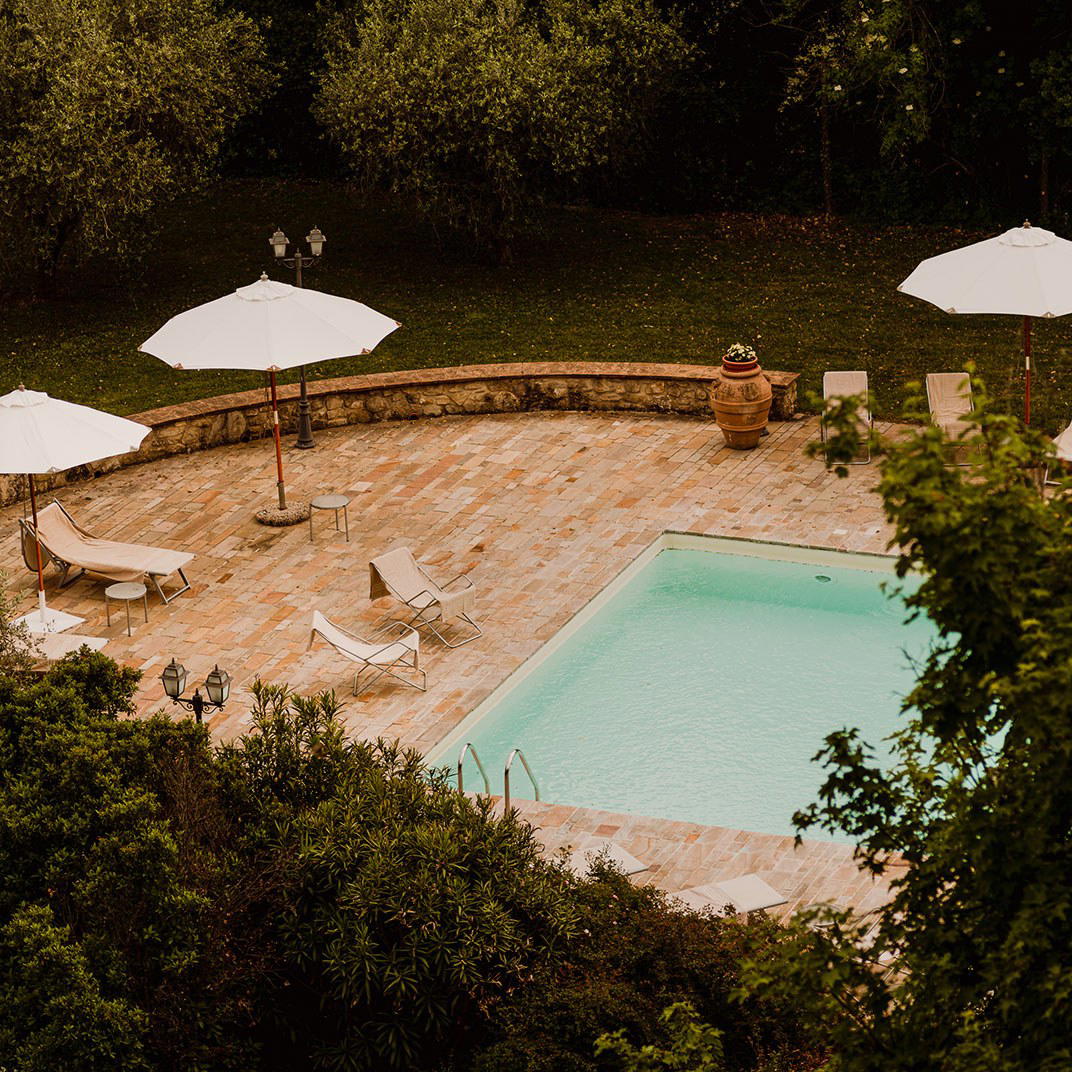
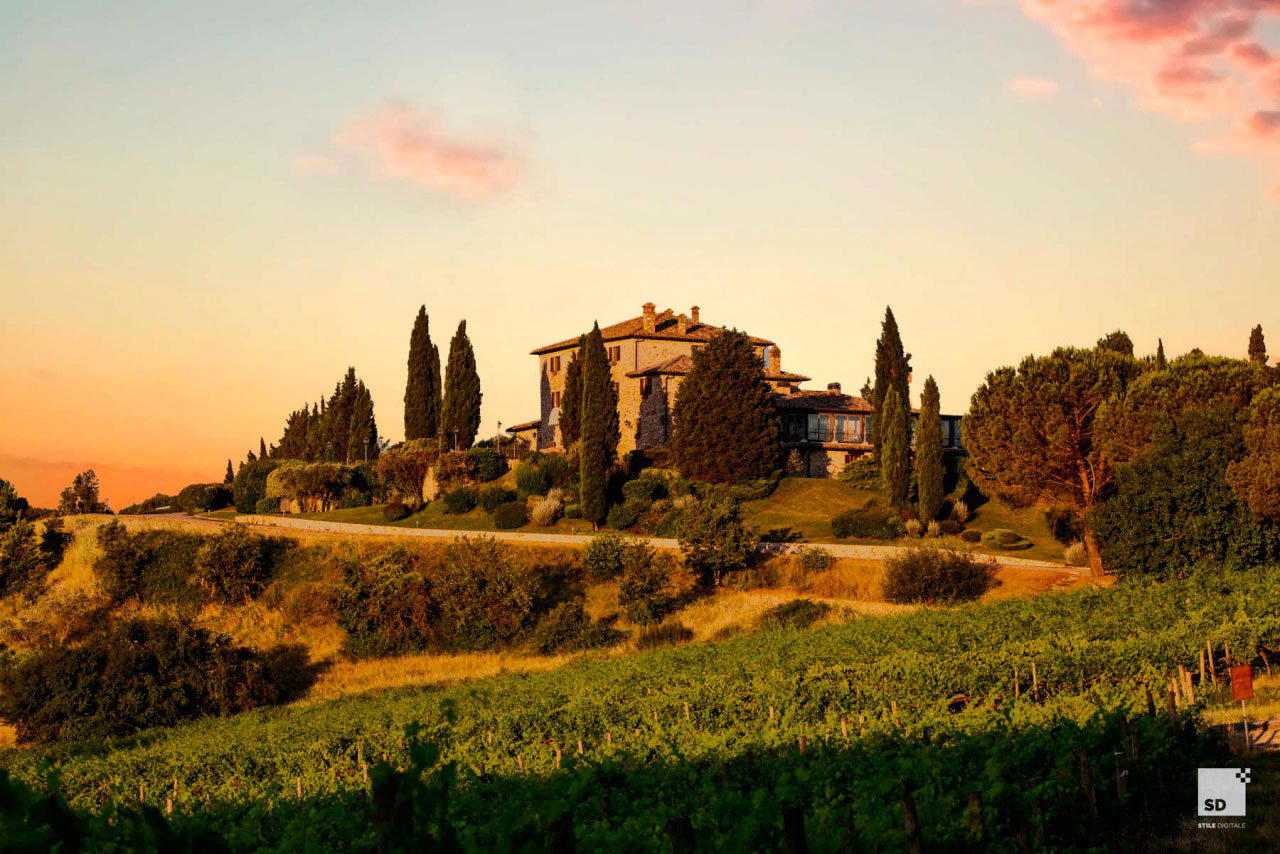
The building itself frames the experience before the food arrives. Stone walls stripped back to the original material, a minimalist interior that reads as considered rather than sparse, and in warmer months an outdoor space at the base of Contigliano's church. The setting is architectural shorthand for what the kitchen is doing: nothing added that doesn't need to be there. For the broader context of eating and drinking in the village, see our full Contigliano restaurants guide.
Where the ingredients come from, and why that matters here
Ingredient-first philosophy that defines country cooking in this part of central Italy is not a trend imported from urban fine dining. It is, rather, the original condition of regional cooking, predating the concept of seasonal menus by centuries. What has changed is the level of technical intention brought to it. Chef Carlotta Delicato works with local ingredients in a way that keeps the product in focus while applying a modern discipline to preparation: deliberate simplicity, not accidental plainness.
Lazio side of this larder contributes wine in particular. Small-scale producers in the region make bottles that rarely reach national distribution, and the list at Delicato reflects that local sourcing directly. The Cabernet Sauvignon Masseria Baroni, for instance, is described as medium intensity with broad and pronounced aromas — the kind of wine that reads as place-specific rather than internationally styled, and pairs accordingly with cooking that isn't competing for attention.
Vegetables carry particular weight in the kitchen's output. This is not a decorative emphasis, it is structural. Plant dishes are treated as primary courses, not supporting material, and a fully plant-based menu is available on request. In a region where meat-forward traditions run deep, that commitment represents a genuine editorial choice by the kitchen, one that aligns with a broader shift in how serious Italian chefs are reconsidering the vegetable. Italy's destination tables, from Osteria Francescana in Modena to Reale in Castel di Sangro, have all, in different ways, moved vegetables further forward in recent years. Delicato is doing the same thing at a different price point and on a smaller stage.
What the Michelin Plate signals in this context
The Michelin Plate, awarded in both 2024 and 2025, does not rank Delicato against starred kitchens. It signals that the Guide's inspectors found food worth noting: cooking that meets a quality threshold without the complexity or scale of a full star candidate. In a village of Contigliano's size, that recognition functions differently than it would in Rome or Florence.
The contrast with Italy's starred flagship restaurants is instructive rather than hierarchical. Enoteca Pinchiorri in Florence, Enrico Bartolini in Milan, and Le Calandre in Rubano operate at price tiers and production scales that serve a different reader need entirely. Delicato at €€ occupies a tier where value is expressed through ingredient quality and cooking intelligence rather than service ceremony or tasting menu architecture. That positioning is not a compromise; it is the point.
The spaghettone, the courgette, and the cooking logic behind both
Spaghettone mare e lago with a light brunoise of courgettes has been singled out as a reference dish. Its structure reflects the kitchen's broader logic: a pasta format with enough body to carry a sauce, a preparation that draws on both lake produce and the garden, and a technique (the fine brunoise) that subordinates the vegetable to the pasta without making it invisible. The cross-regional dimension of this dish, lake fish, coastal reference, a vegetable cultivated across central Italy, compresses the kitchen's sourcing philosophy into a single bowl.
This is not the kind of cooking that photographs as architecture or arrives under a cloche. It is cooking that requires the diner to pay attention to what is actually in the dish. That demands something from the table, which is why it tends to reward guests who came for the food rather than the occasion.
Planning a visit
Contigliano sits in the province of Rieti, within reach of Rome for a day or extended-trip excursion, placing it within a broader central Italy itinerary alongside Quattro Passi in Marina del Cantone or Uliassi in Senigallia for those building a serious eating trip through Italy's less-trafficked middle. The price range at €€ means a full meal with wine from the local producers list sits well below what the same quality of ingredient-led cooking commands at destination restaurants in Umbria's more visited towns. Booking ahead is advisable given the small-scale setting; specific hours and phone contact are best confirmed directly with the restaurant. Guests wanting the plant-based menu should request it at the time of reservation.
For those spending more time in the area, our Contigliano hotels guide, bars guide, wineries guide, and experiences guide cover the rest of the village's offer. For reference points elsewhere in northern Italy's country cooking tradition, Dal Pescatore in Runate, Piazza Duomo in Alba, Casa Perbellini 12 Apostoli in Verona, and Atelier Moessmer Norbert Niederkofler in Brunico each represent a different way the Italian tradition of cooking from place has been applied at higher price tiers.
Frequently asked questions
Is Delicato a family-friendly restaurant?
At the €€ price point and with outdoor seating available at the foot of Contigliano's church, Delicato is a reasonable choice for families. The format is relaxed and the cooking straightforward in its presentation, rooted in local Lazio ingredients rather than elaborate tasting-menu ceremony.
Is Delicato better for a quiet night or a lively one?
Delicato suits a food-focused, unhurried evening. The setting — minimalist dining rooms with exposed stone walls in a compact medieval village — draws guests interested in the cooking rather than the scene. A Michelin Plate kitchen at €€ in a village of this scale is not where you go for a noisy table.
What's Delicato known for in terms of accolades?
Delicato has received recognition including: Situated in a picturesque medieval hilltop village in the province of Rieti on the border with Umbria, this restaurant serves cuisine that is influenced by different regions and traditions. Choose between the minimalist-style dining rooms w….
What dish is Delicato famous for?
The spaghettone mare e lago with a light brunoise of courgettes is the reference dish associated with chef Carlotta Delicato's Michelin Plate recognition in both 2024 and 2025. It reflects the kitchen's logic: locally sourced ingredients, kept simple, allowed to carry the dish without embellishment.
Side-by-Side Snapshot
| Venue | Cuisine | Price | Awards | Notes |
|---|---|---|---|---|
| DelicatoThis venue — the venue you are viewing | Modern Italian Country Cooking | $50–100 | Michelin Plate · We're Smart World 4 Radishes | Not listed |
| Atelier Moessmer Norbert Niederkofler | Italian, Creative | Not listed | Michelin 3 Star | Not listed |
| Dal Pescatore | Italian, Italian Contemporary | Not listed | Michelin 3 Star | Not listed |
| Enoteca Pinchiorri | Contemporary Italian Fine Dining | $200–300 | 3 Michelin Stars · World's 50 Best #32 | Italian - French, Italian Contemporary |
| Enrico Bartolini | Creative | Not listed | Michelin 3 Star | Not listed |
| Osteria Francescana | Avant-Garde Italian Contemporary | $300–500 | 3 Michelin Stars · World's 50 Best #1 | Progressive Italian, Creative |
Recognition history
Dated appearances from independent guides and award organizations, with the underlying list record or original source where available.
Michelin Plate
Michelin
We're Smart World 4 Radishes
We're Smart World
Full recognition history (4 entries)
Michelin Plate
Michelin
Michelin Plate
Michelin
Continue exploring
More in Contigliano
Restaurants in Contigliano
Browse all →
Bars in Contigliano
Browse all →
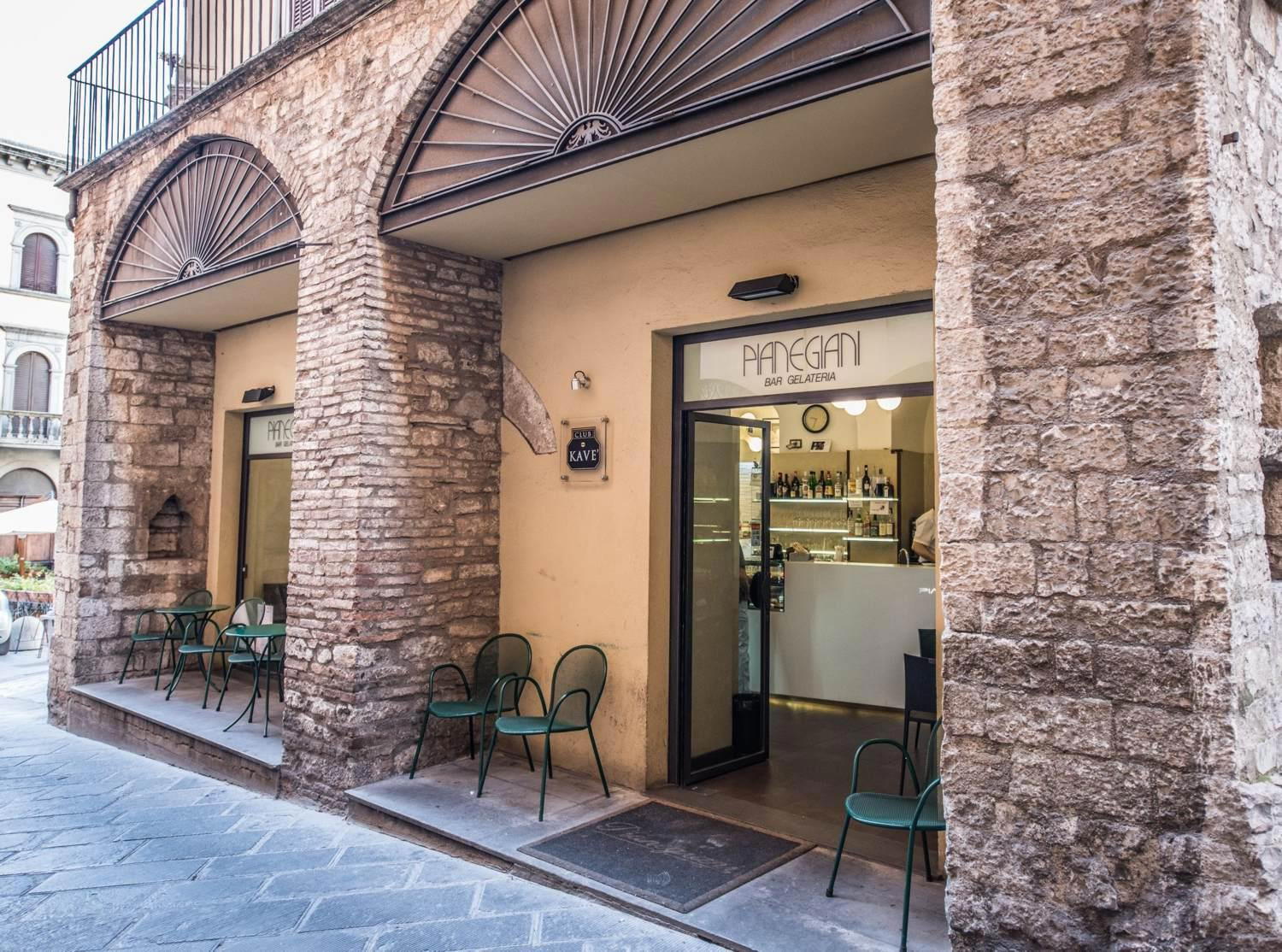
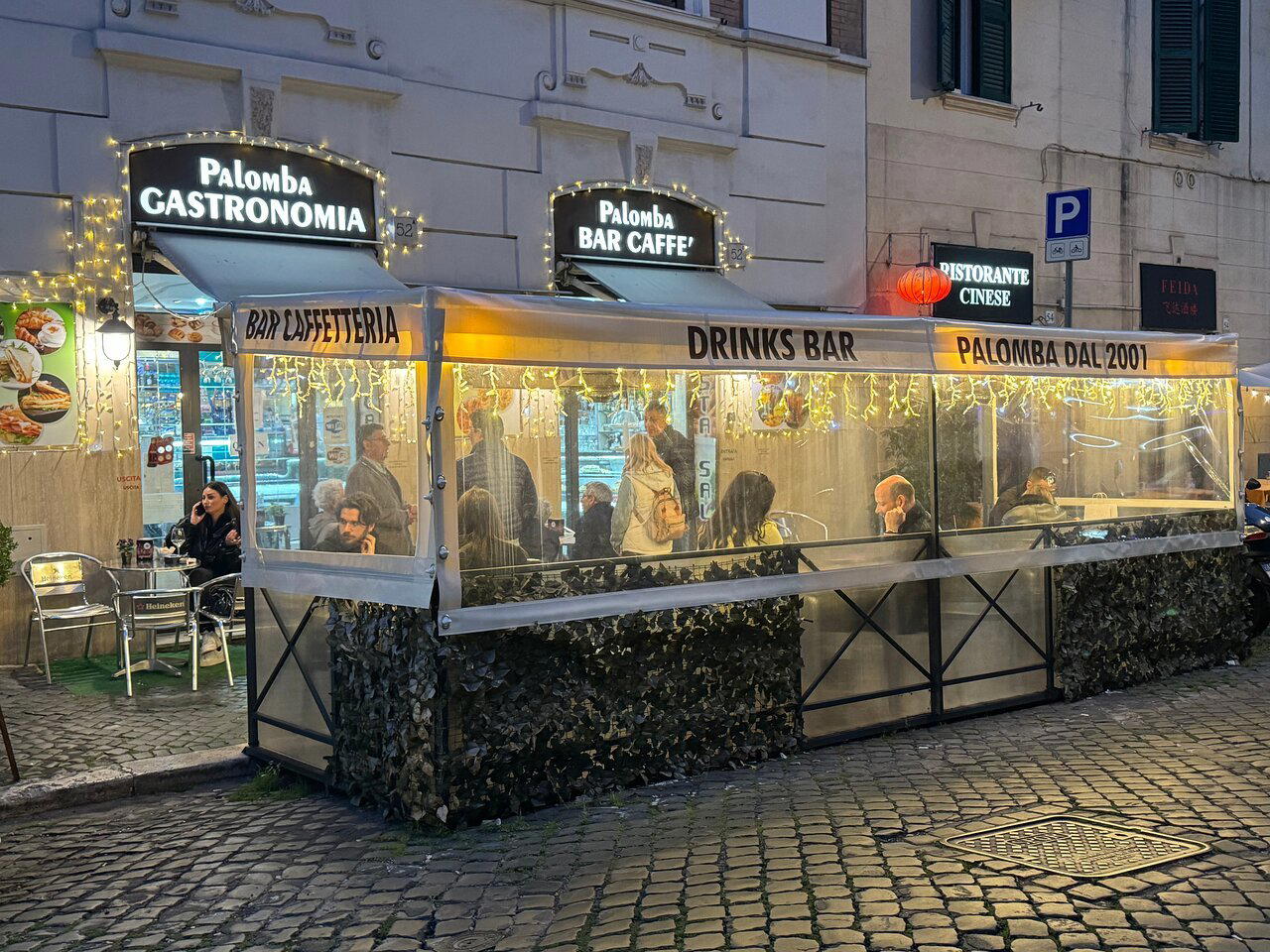
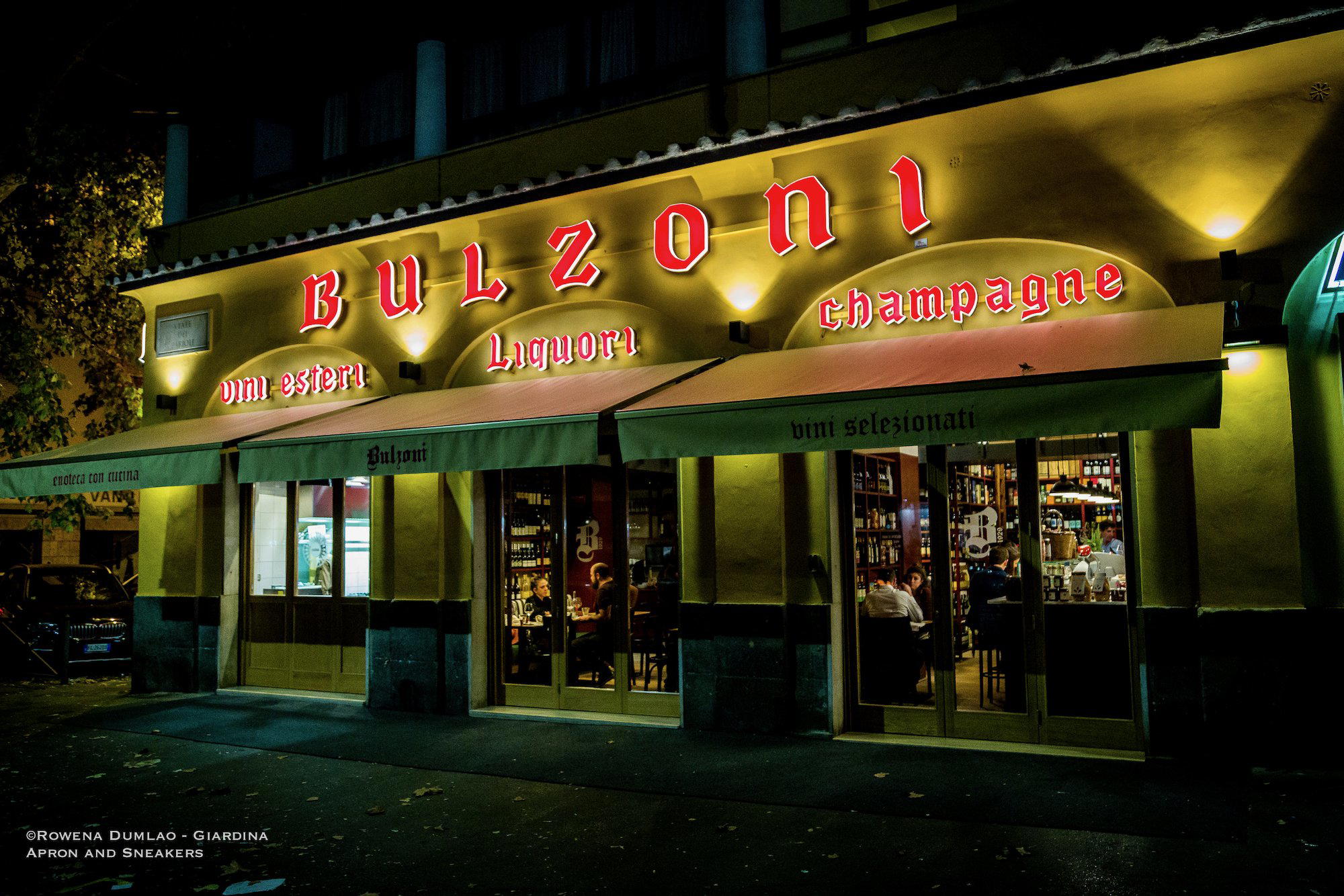
Hotels in Contigliano
Browse all →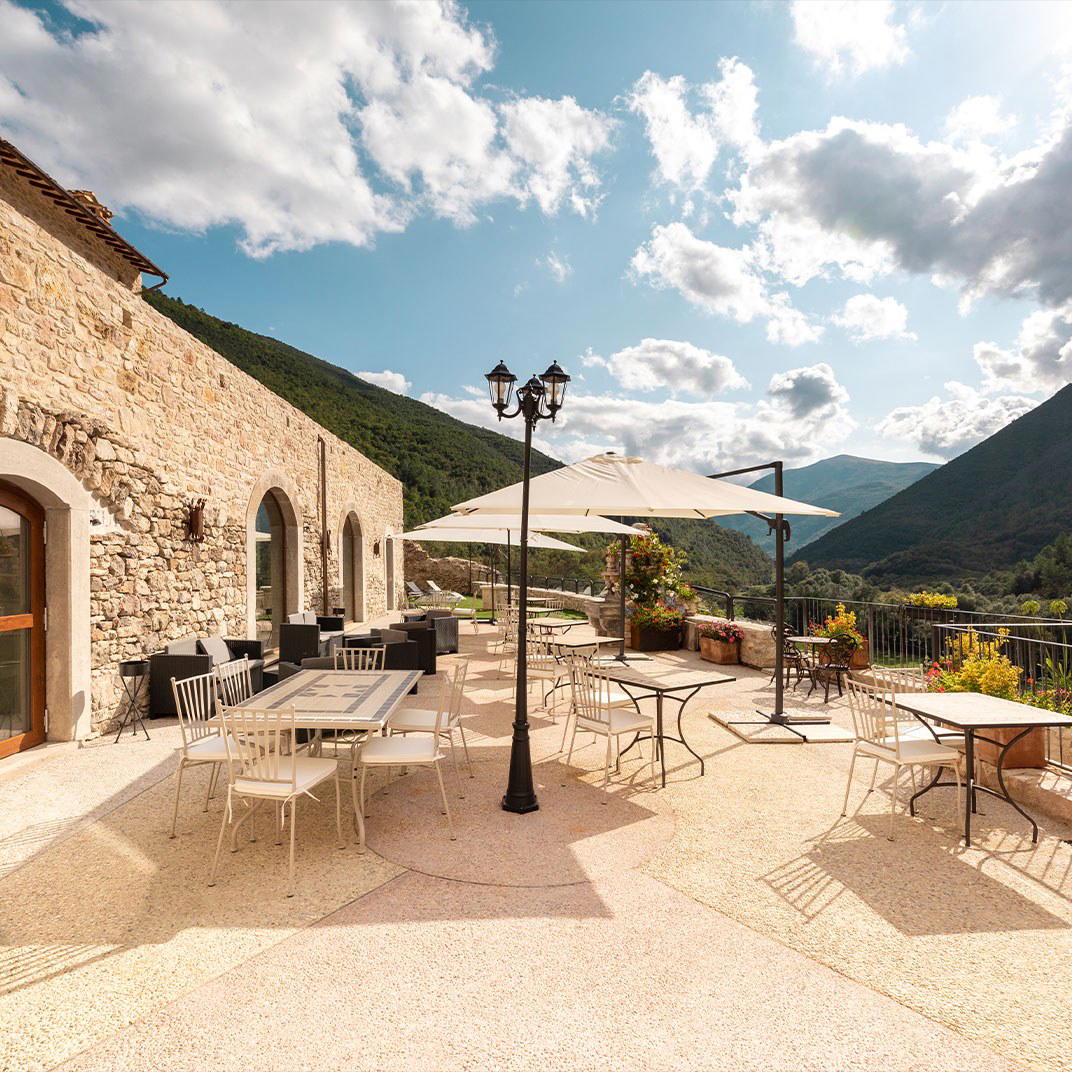

Details
- Intimate
- Elegant
- Rustic
- Cozy
- Romantic
- Date Night
- Special Occasion
- Family
- Historic Building
- Extensive Wine List
- Local Sourcing
- Mountain
- Tasting Menu
- A La Carte
- Vegetarian Friendly
- Allergy Accommodating
Current opening hours
- Monday
- Closed
- Tuesday
- Closed
- Wednesday
- 4–10:30 PM
- Thursday
- 4–10:30 PM
- Friday
- 4–10:30 PM
- Saturday
- 10 AM–2:30 PM, 4–10:30 PM
- Sunday
- 11 AM–3 PM
Hours can change for holidays and private events. Last verified .
Intimate and welcoming with stone walls, minimal historic furnishings, soft adjustable lighting, and a relaxed family-like atmosphere.