
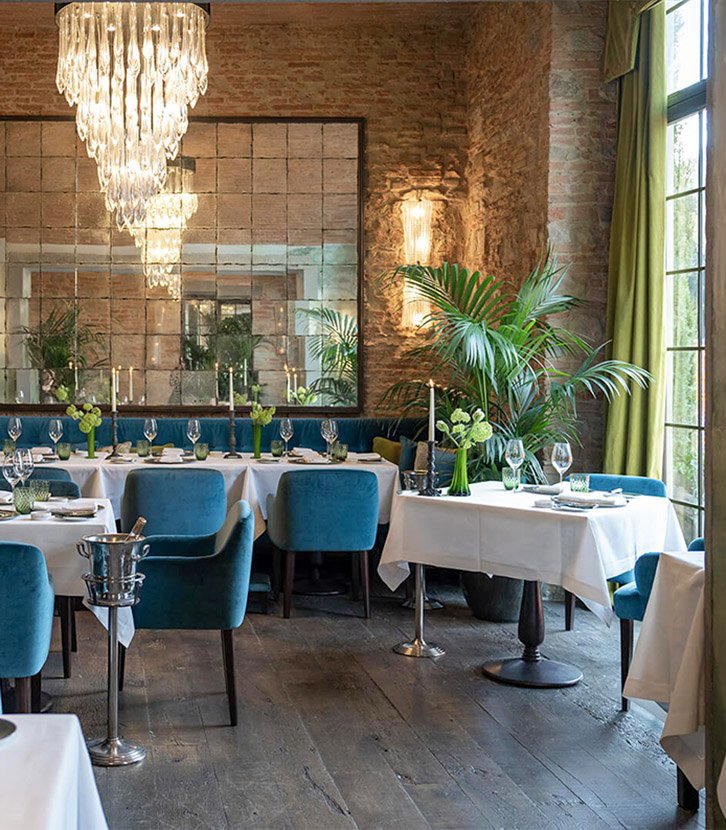
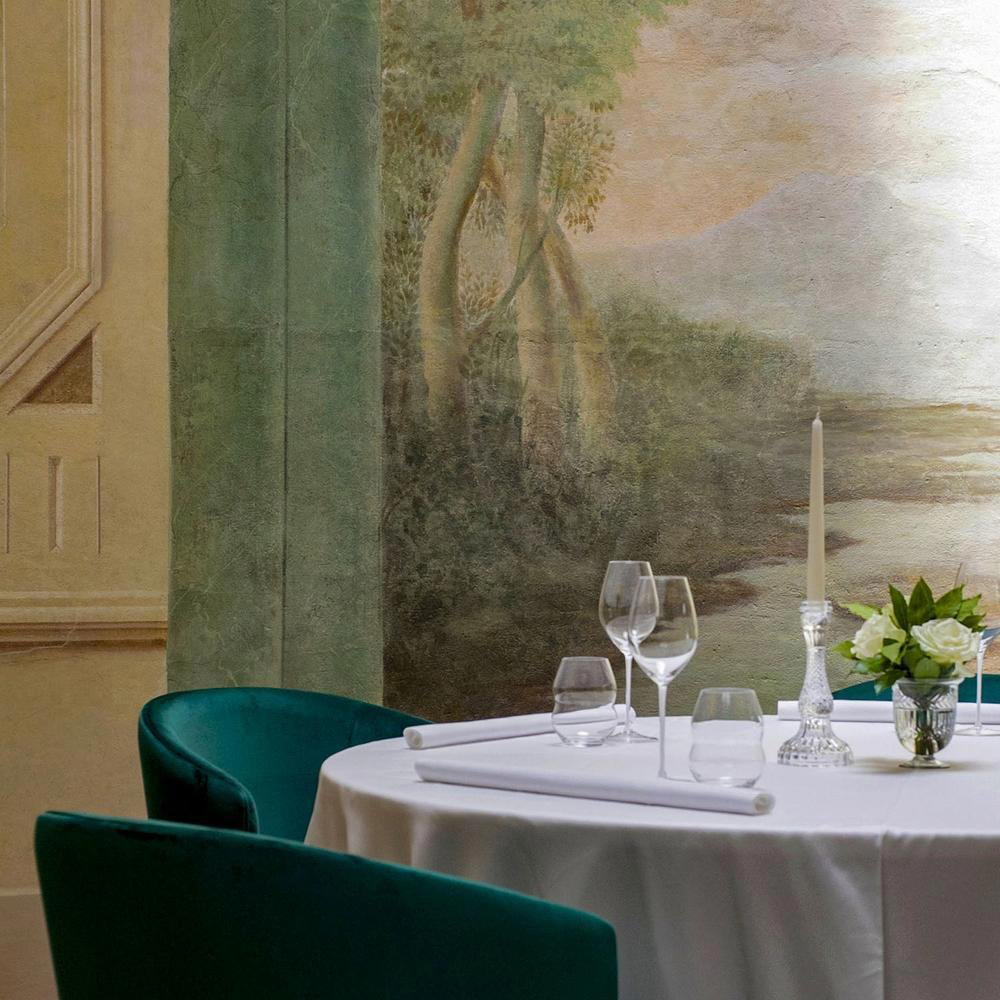
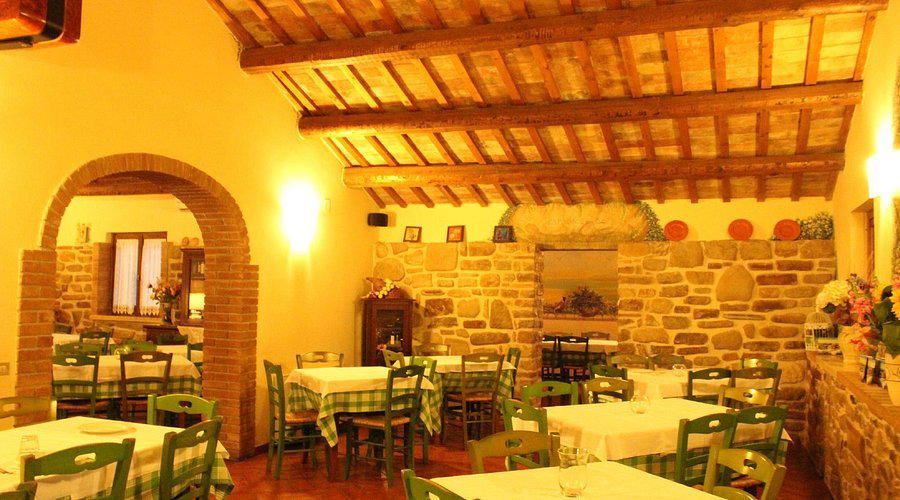
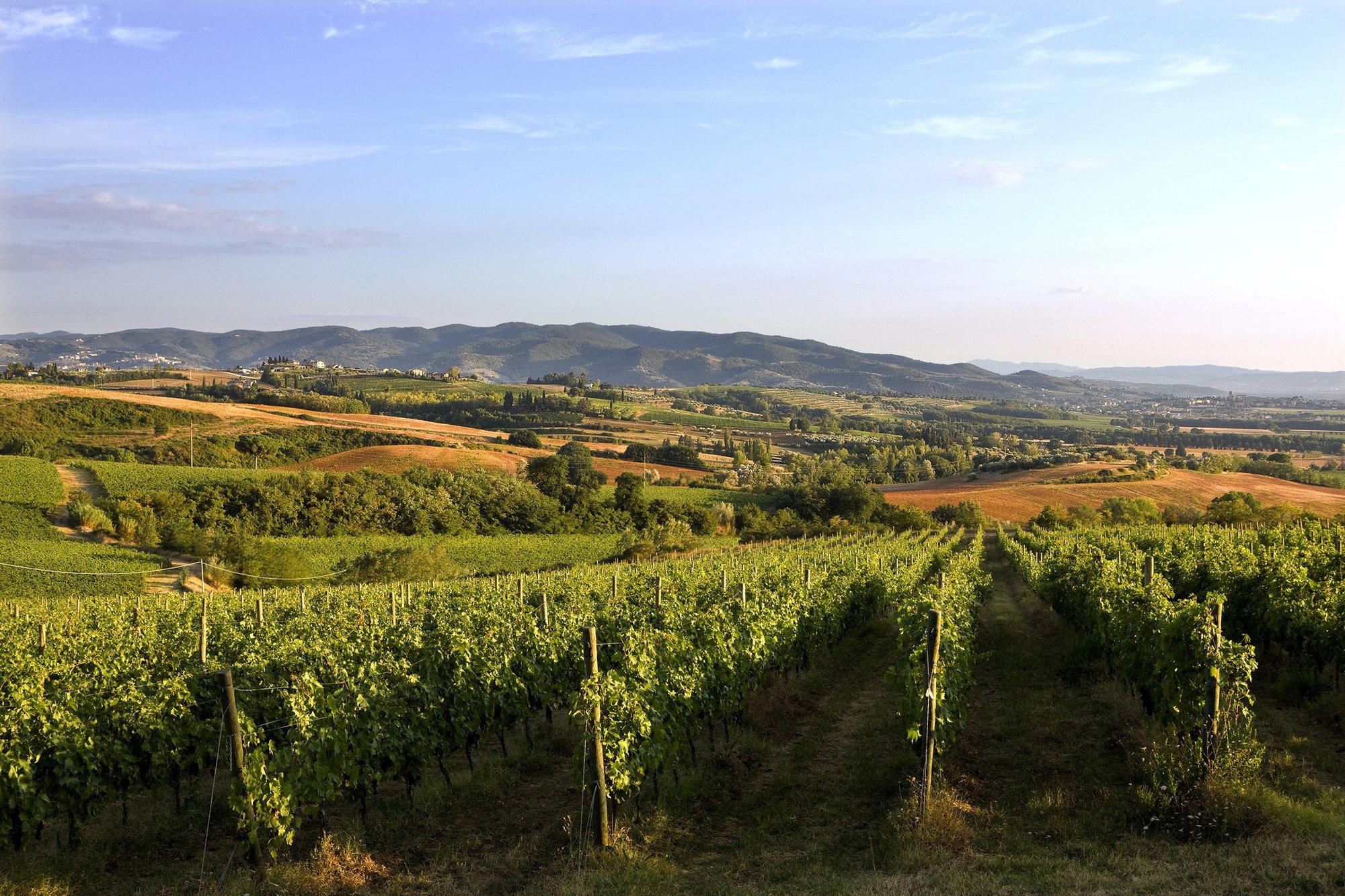
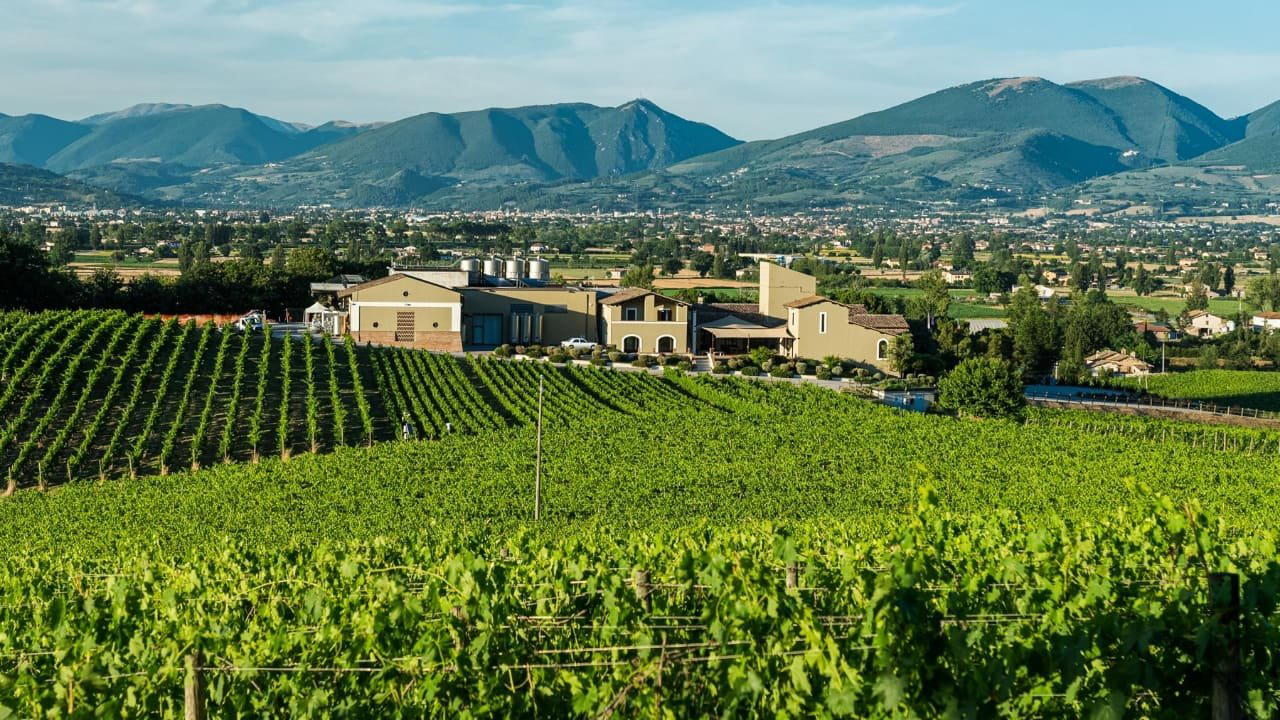
A Michelin Selected agriturisimo on the slopes below Assisi's medieval hill town, Tenuta San Masseo occupies a working estate where the architecture reads as agricultural heritage first, hospitality second. The property sits within Umbria's olive and vine country, placing it in a distinct tier of countryside retreats that trade urban proximity for landscape immersion and structural authenticity.
Pearl is the En Primeur Club membership app — saves, bookings, and concierge access live there. Same editors, same standards.
- Address
- Via Francesca, 24, 06181 Assisi PG, Italy
- Phone
- +39 370 305 4850
- Website
- sanmasseoassisi.it
- Directions
- Get directions
 Saves & bookings on Pearl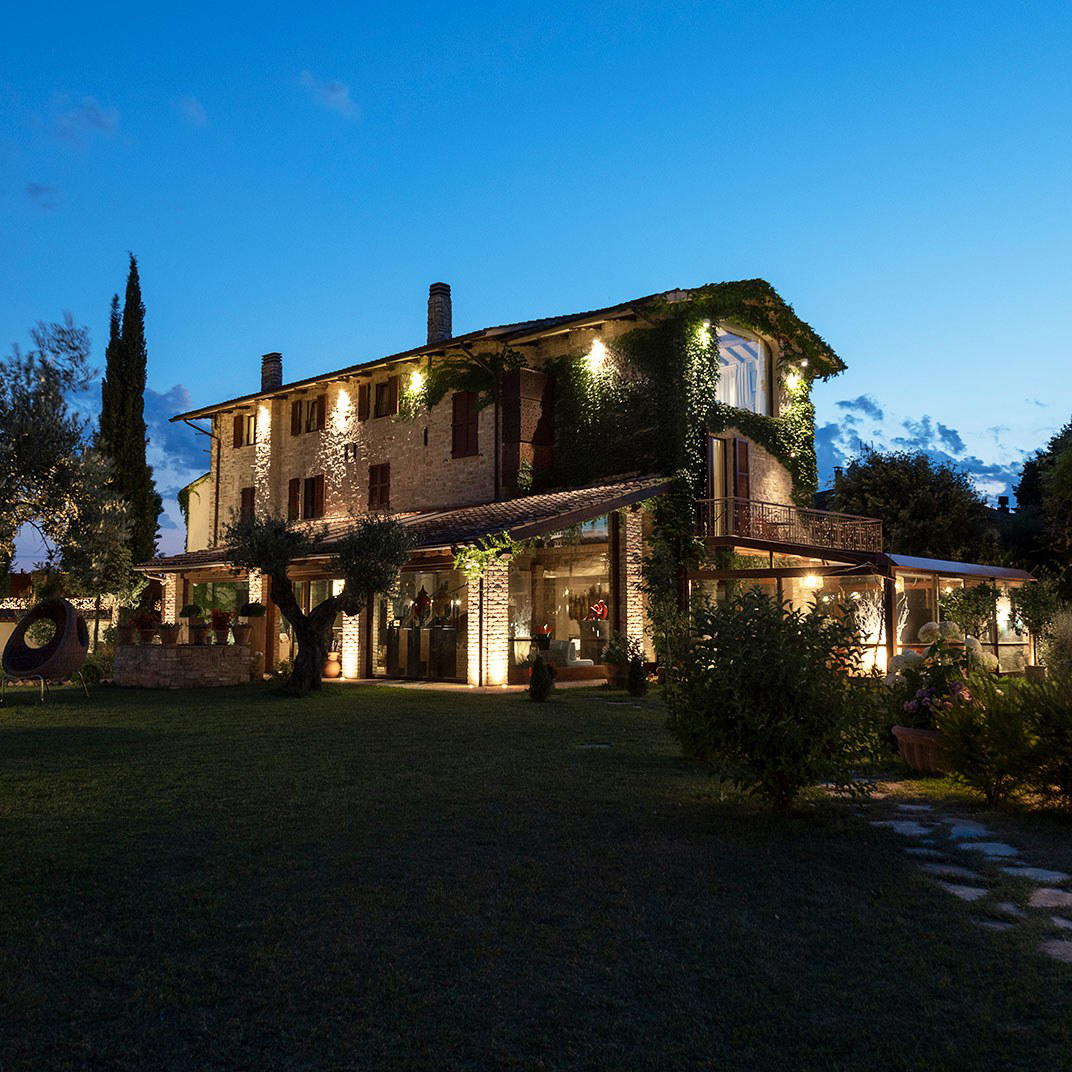
Stone, Soil, and the Architecture of Umbrian Agriculture
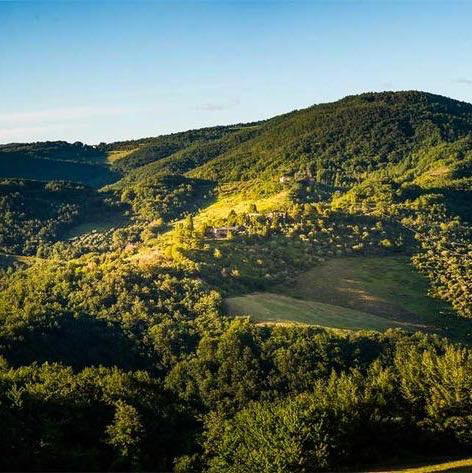
Approaching Assisi from the valley floor, the eye reads the town in layers: the pink limestone of the Basilica di San Francesco at the summit, the medieval walls below it, and further down the slope, the scattered farmsteads and olive groves that have supplied the hill town for centuries. Tenuta San Masseo belongs to that lowest, oldest layer, an agricultural estate on via Francesca 24 whose built fabric predates the hospitality economy by generations. The stonework, the proportions, the orientation toward the fields rather than toward any scenic viewing platform: everything signals a working property that has been adapted for guests rather than constructed for them. That distinction matters in a region where the agriturismo category ranges from genuinely historic farmhouses to new-builds with rustic cladding applied as an aesthetic gesture.
Where Tenuta San Masseo Sits in the Assisi Accommodation Picture
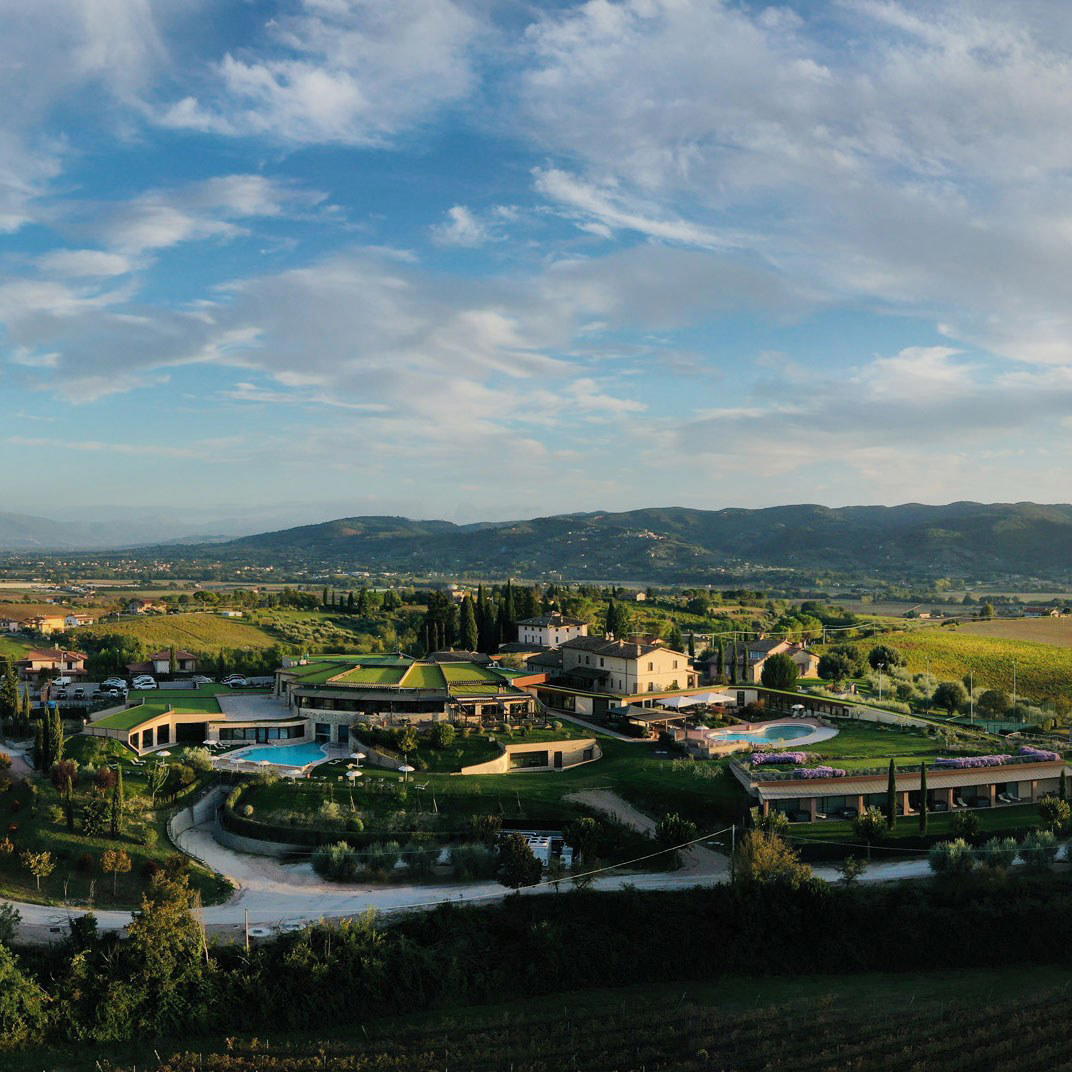
Assisi's accommodation options split broadly into three tiers. The first occupies the walled town itself, small hotels and locande within walking distance of the Basilica, priced for pilgrimage and cultural tourism. The second tier comprises larger spa and conference properties on the valley floor, oriented toward group bookings. The third, smaller tier includes countryside estates on the slopes between town and plain, where the physical environment is the primary offering rather than a backdrop. Tenuta San Masseo sits in that third category alongside properties like Borgo Antichi Orti Assisi and Le Silve, each occupying a different point on the spectrum between rustic working estate and polished rural retreat.
Within the broader Italian countryside hotel conversation, the relevant comparison set reaches beyond Umbria. Properties like Rosewood Castiglion Del Bosco in Montalcino or Castello di Reschio in Lisciano Niccone represent the heavily resourced end of the estate-hotel model, where restoration budgets run to tens of millions and the agricultural identity is largely symbolic. The Michelin Selected designation, applied through the Guide Michelin Hotels & Stays program, functions as a quality signal rather than a star rating; it indicates that the property met editorial standards for comfort, character, and hospitality without necessarily competing on scale or amenity breadth.
The Physical Logic of the Estate
Umbrian agricultural estates of this period followed a consistent spatial logic: the main farmhouse oriented for cross-ventilation, outbuildings arranged around a working courtyard, the productive land, olives, vines, grain, organized by gradient and exposure. Restoration projects that respect this logic tend to produce accommodation with a different spatial quality than purpose-built hotels: rooms with thick walls that hold temperature through summer afternoons, ceiling heights determined by hay storage rather than hospitality convention, windows positioned for the farmer's orientation toward fields rather than the guest's desire for panorama. Whether the hotel preserves all or most of this original spatial logic is something visitors assess on arrival, but the estate category and its position on the via Francesca corridor suggests a building stock with genuine agricultural provenance.
That structural authenticity is part of what separates the Umbrian countryside estate from the resort model found at properties like Borgo Egnazia in Savelletri di Fasano or Borgo Santandrea on the Amalfi Coast. Those properties offer a curated version of regional identity within a full-service resort framework. The Umbrian estate model at this scale trades amenity depth for physical authenticity, a different proposition, and one that suits a particular kind of traveller who is less interested in poolside service ratios and more interested in waking up inside a building that has a history of its own.
Assisi as a Base: What the Location Delivers
The practical case for staying on the slopes below Assisi rather than inside the walls is about rhythm as much as aesthetics. The town's central areas, particularly around the Piazza del Comune and the lower Basilica complex, absorb significant day-trip traffic from Perugia and the wider Umbrian tourist circuit. Properties outside the walls allow guests to enter on their own schedule and leave before the afternoon coach crowds. The via Francesca corridor also positions guests within easy reach of the wider Umbrian road network: Perugia is approximately 25 kilometres to the west, Spello is a short drive south, and the Spoleto valley opens up further along the same axis.
For those building an itinerary through central Italy, Assisi functions as a natural pause point between Florence and Rome rather than a terminus. The estate format suits that kind of slower, town-to-town travel pattern better than a transit hotel. Guests who want to cross-reference the Umbrian countryside experience against a more urban Italian luxury register can look at Four Seasons Hotel Firenze in Florence or Bulgari Hotel Roma in Rome at either end of the same route. Those who want to stay within the agrarian Umbrian register can extend the stay into the Tiber valley or north toward the Trasimeno lake district.
Planning a Stay: What to Know
The hotel is a Michelin Selected property on the Assisi slopes at via Francesca 24, a designation that places it in a curated but not luxury-resort tier. Rooms start at about $210 per night, and reservations are recommended. Seasonality matters significantly in Assisi: spring (April to June) and early autumn (September to October) bring settled weather and the town's key festivals, including the Calendimaggio medieval festival in May. The summer months bring higher occupancy across all Assisi accommodation categories. Booking ahead is recommended, especially in spring and early autumn.
Side-by-Side Snapshot
Comparable venues nearby, for context on price, style, and recognition.
| Venue | Cuisine | Price | Awards | Notes |
|---|---|---|---|---|
| Tenuta San MasseoThis venue — the venue you are viewing | Renovated historic country villa blending modern comfort with traditional Umbrian charm. | $$$ | 4-Star | Not listed |
| Le Silve | Historic resort blending ancient Franciscan convent architecture with modern comforts | $$$ | 4-Star | Armenzano |
| Borgo Antichi Orti Assisi | Restored 15th-century Benedictine hamlet with sustainable design and authentic historical details. | $$ | 4-Star | Assisi |
| Schwarzer Adler | Concept Living | Concept living apartment hotel fusing historic roots with modern luxury. | $$$ | 4-Star | Vipiteno main square |
| Terme di Vulci Glamping & Spa | Luxury glamping resort blending safari-camp aesthetics with contemporary Italian minimalism and thermal wellness focus. | $$$ | 4-Star | Canino |
| Villa Monty Banks | Restored 1939 historical villa with British Liberty and Art Deco influences. | $$$ | 4-Star | hills of Cesena |
Recognition history
Dated appearances from independent guides and award organizations, with the underlying list record or original source where available.
Michelin Selected
Michelin
Continue exploring
More in Assisi
Hotels in Assisi
Browse all →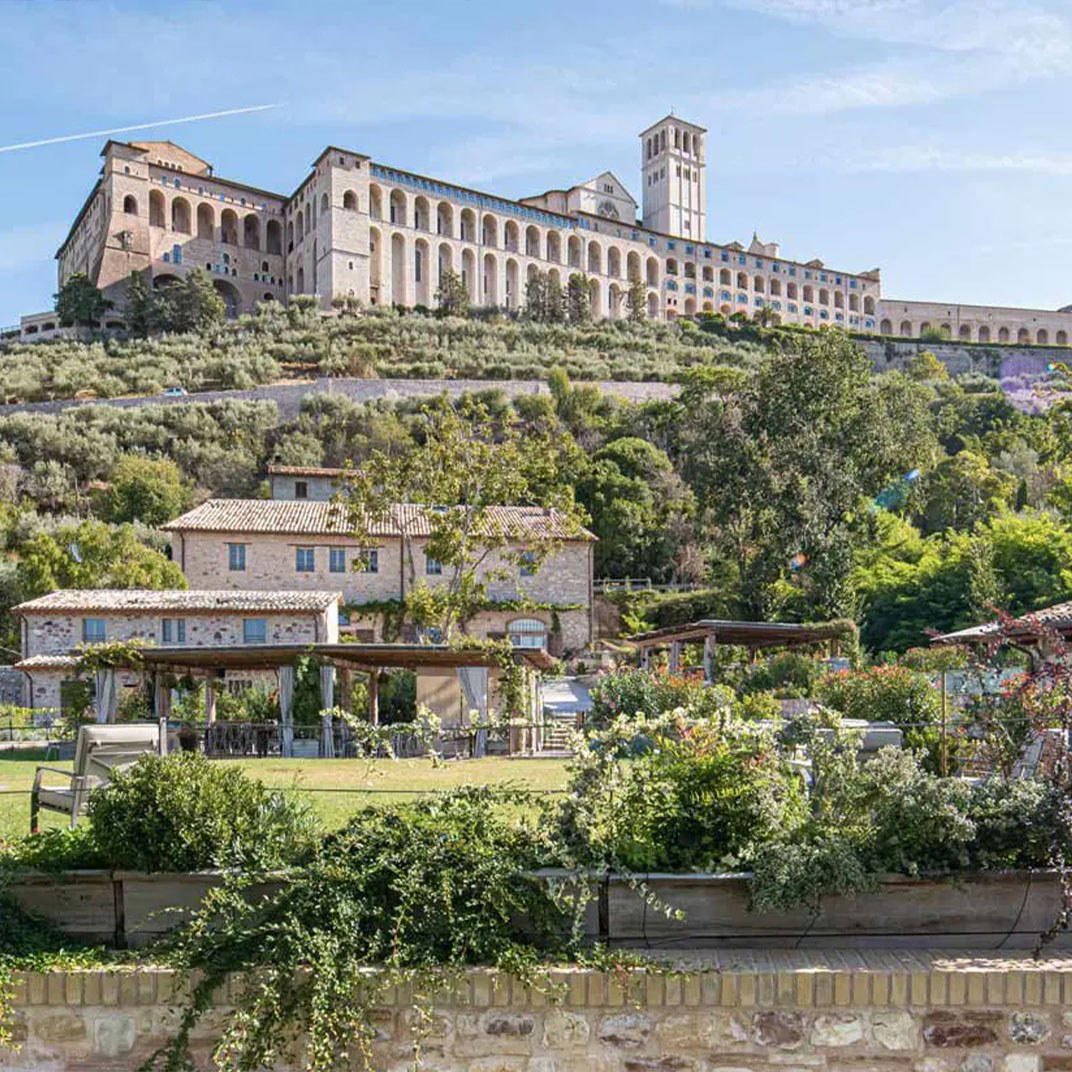
Bars in Assisi
Browse all →
Restaurants in Assisi
Browse all →

At a Glance
- Romantic
- Quiet
- Elegant
- Rustic
- Scenic
- Intimate
- Honeymoon
- Romantic Getaway
- Anniversary
- Destination Wedding
- Weekend Escape
- Historic Building
- Panoramic View
- Garden
- Terrace
- Wi Fi
- Pool
- Spa
- Parking
- Mountain
- Wi Fi
- Pool
- Spa
- Parking
Serene and relaxing oasis with natural materials, distinctive room designs, and peaceful countryside immersion.