
Nannini holds a Michelin Plate (2025), placing it among Livorno's more considered seafood addresses at a mid-range price point (€€). Set in Antignano, a residential district of period architecture south of the centre, the kitchen focuses almost exclusively on fish with a particular emphasis on matured and aged preparations. Booking ahead is advisable.
Pearl is the En Primeur Club membership app — saves, bookings, and concierge access live there. Same editors, same standards.
- Address
- Piazza Giampaolo Bartolommei, 1, 57128 Livorno LI, Italy
- Phone
- +39 324 637 2337
- Website
- nanniniristorante.it
- Directions
- Get directions
 Saves & bookings on Pearl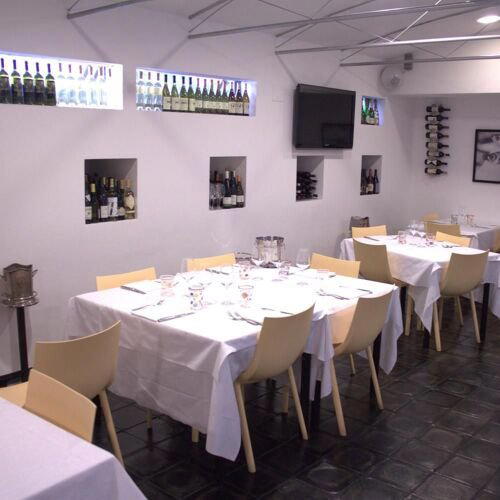
Antignano and the Livorno Seafood Tradition
Livorno has always eaten differently from the rest of Tuscany. Where Florence built its identity on Chianina beef and the Chianti hills, Livorno turned to the sea, cacciucco, the rough-hewn fish stew made from whatever the trawlers brought in, is the city's most cited dish, but the broader tradition runs deeper than one recipe. The port shaped a working-class food culture that prized freshness and economy over ceremony. What has shifted in recent years is that a small tier of Livorno restaurants has begun applying more deliberate technique to that same sea-forward raw material, producing a style that reads as modern Italian seafood without abandoning the city's blunter instincts.
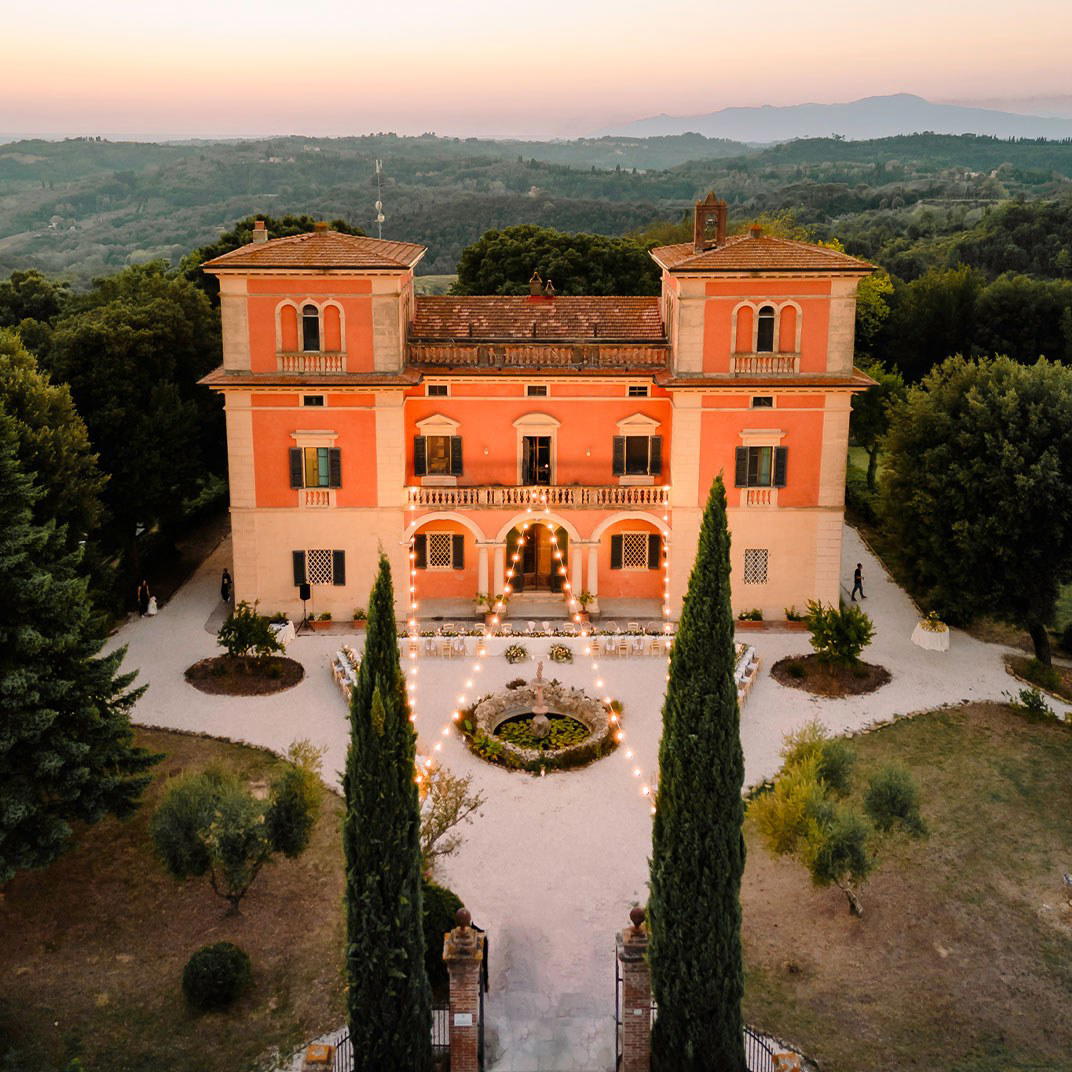
Nannini sits inside that shift. Nannini is a restaurant in Livorno, Italy, at Piazza Giampaolo Bartolommei, 1, serving modern seafood in the Antignano district. The address is Piazza Giampaolo Bartolommei, 1, in Antignano, a residential quarter south of the historic centre, defined by early-twentieth-century villas, quiet streets, and a seafront promenade that feels removed from the port's industrial scale. The building itself is among the more architecturally interesting spaces in the district. Arriving on foot through Antignano, the contrast with Livorno's rougher central neighbourhoods is immediate: the pace is slower, the architecture more considered, and the dining context that Nannini occupies feels appropriately scaled to its ambitions.
The Craft of Raw and Matured Fish
Italian seafood cookery has a long tradition of minimal intervention, crudo preparations, raw shellfish with little more than olive oil and citrus, and the quiet Italian equivalent of the Nordic aging movement, which has been gaining ground in serious fish kitchens for over a decade. Matured fish, held under controlled conditions to develop deeper umami and a softer, more yielding texture, is one of the more demanding techniques in this space. It requires precise temperature management, sourcing discipline, and the confidence to present fish at a stage that would make a conventional kitchen nervous. That Nannini has made this a speciality signals something meaningful about the kitchen's point of view.
The broader focus is almost exclusively on fish, which at €€€ pricing places the kitchen in a position that demands careful sourcing and disciplined execution. At the price points occupied by Italy's most decorated seafood tables, places like Uliassi in Senigallia or Quattro Passi in Marina del Cantone, both operating at €€€€, the kitchen has more budget for rare species and extended aging programs. At Nannini's tier, originality in technique and a clear philosophy about the ingredient become the differentiators. The kitchen's approach, described by Michelin as original yet respectful of ingredients, maps directly onto that reality.
For context, raw and semi-raw fish preparation in the Italian tradition involves a different logic than, say, the Japanese omakase counter. There is no single canonical form. Crudo might mean a thinly sliced local fish over a light emulsion, or a whole raw prawn dressed with nothing more than lemon and salt-harvested from the Sicilian coast. Matured preparations tend to arrive warm or at room temperature, the texture transformed from the firm resilience of ultra-fresh fish into something closer to aged beef's suppleness. At a restaurant that lists matured fish as a signature, the expectation is that this technique is applied with intention, not novelty.
What the Michelin Plate Signals
The Michelin Plate, awarded to Nannini in the 2025 guide, denotes a restaurant producing good cooking, a meaningful but deliberately unstarred designation. In the Michelin lexicon, the Plate sits below the star tiers but above the mass of restaurants that receive no recognition at all. For a mid-range (€€) seafood restaurant operating in a port city without Florence's or Milan's gravitational pull on fine dining investment, the recognition is a useful positioning signal. It places Nannini in a competitive peer group that includes Italy's more compelling value-tier seafood addresses, rather than in the ultra-premium bracket occupied by Enoteca Pinchiorri in Florence, Enrico Bartolini in Milan, or Osteria Francescana in Modena.
The kitchen is run by the Nannini brothers, one managing the dining room and the other cooking. That family-operation structure, common in Italy's more serious neighbourhood restaurants, typically produces a tighter feedback loop between front and back of house than larger brigade kitchens allow.
For comparison within Italy's seafood-focused Michelin landscape, it is worth noting that the coastal tradition runs strongly through addresses like Gambero Rosso in Marina di Gioiosa Ionica and Alici on the Amalfi Coast. Nannini's Tuscan context gives it a different coastal character, the Ligurian Sea here runs cooler and produces different species profiles than the southern Tyrrhenian.
Livorno in Context
Livorno receives fewer international visitors than comparable Tuscan cities, which means its restaurant scene has developed with less tourism-driven distortion than Florence or Siena. Restaurants here largely answer to a local clientele with genuine expectations about seafood. That is a more demanding audience in some respects: there is no tourist-menu buffer, and a restaurant in Antignano is not surviving on passing trade. Among Livorno's serious seafood addresses, Azzighe represents the Tuscan end of the spectrum, while Nannini occupies a more technique-forward position.
Italy's wider creative dining scene, including Atelier Moessmer Norbert Niederkofler in Brunico, Dal Pescatore in Runate, Le Calandre in Rubano, Piazza Duomo in Alba, and Reale in Castel di Sangro, provides useful reference for where Italian technique is currently concentrated at the highest tier.
Planning a Visit
Nannini is located at Piazza Giampaolo Bartolommei, 1, in the Antignano district of Livorno. Reservations are recommended. Hours are Mon: 8–10 PM; Tue: 8–10 PM; Wed: Closed; Thu: 8–10 PM; Fri: 8–10:30 PM; Sat: 8–10:30 PM; Sun: 12:30–3 PM. The Antignano seafront is approximately 3-4 kilometres south of Livorno's city centre and is reachable by bus or taxi from the main rail station.
Price and Positioning
Comparable venues nearby, for context on price, style, and recognition.
| Venue | Cuisine | Price | Awards | Notes |
|---|---|---|---|---|
| NanniniThis venue — the venue you are viewing | Antignano, Modern Seafood | $$$ | Michelin Plate | Not listed |
| Azzighe | Venezia Nuova, Modern Tuscan Osteria | $$$ | Bib Gourmand | Not listed |
| Ai Torchi | Finalborgo, Ligurian Seafood | $$$ | Michelin Plate | Not listed |
| Fuor d’Acqua | Not listed | $$$ | Not listed | San Frediano, Fresh Seafood & Italian Coastal Cuisine |
| Al Capitan della Cittadella | Cittadella, Contemporary Italian Seafood | $$$ | Michelin Plate | Not listed |
| La Risacca Blu | Not listed | $$$ | Michelin Plate | Buenos Aires - Porta Venezia - Porta Monforte, Traditional Italian Seafood Osteria |
Recognition history
Dated appearances from independent guides and award organizations, with the underlying list record or original source where available.
Michelin Plate
Michelin
Michelin Plate
Michelin
Continue exploring
More in Livorno
Restaurants in Livorno
Browse all →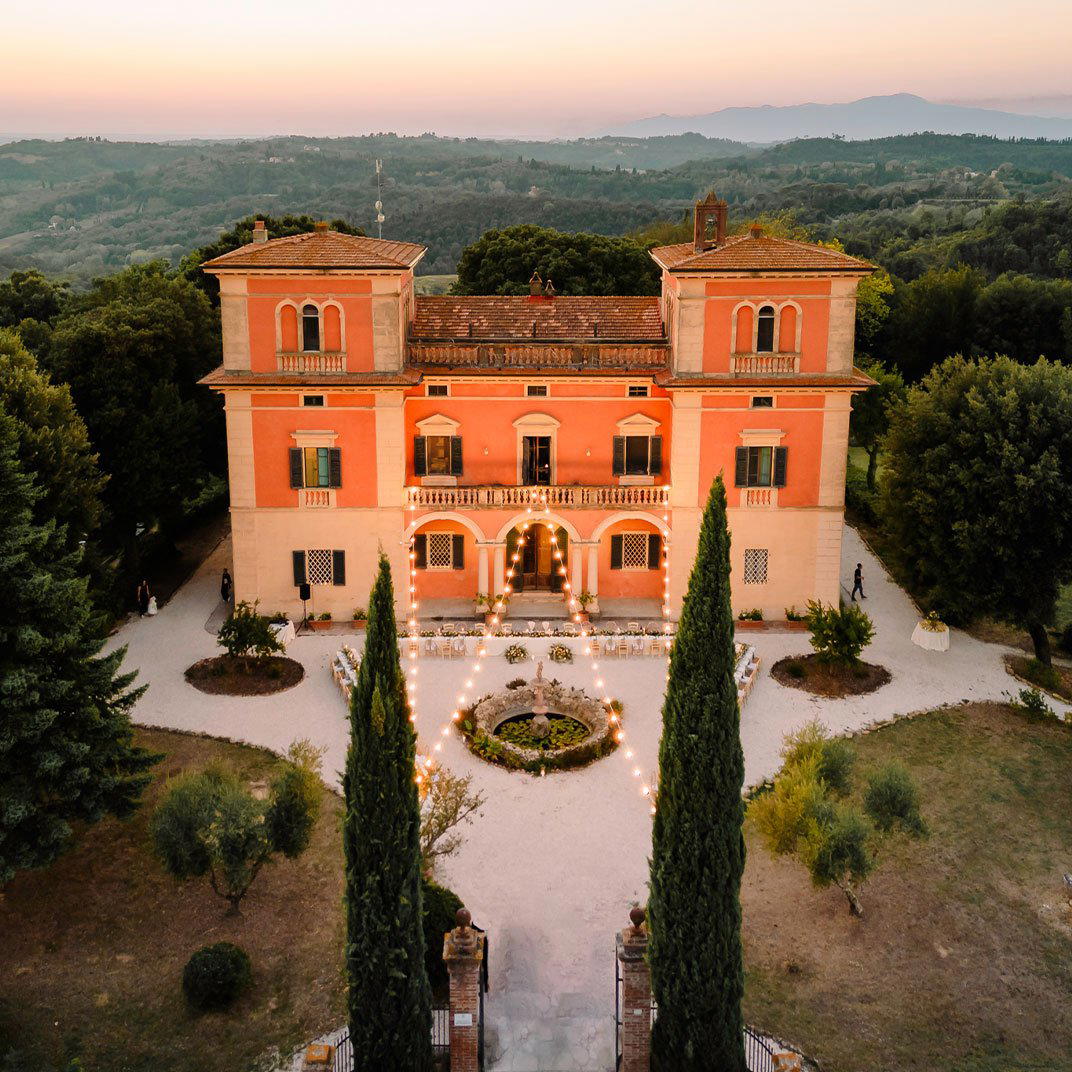
Bars in Livorno
Browse all →
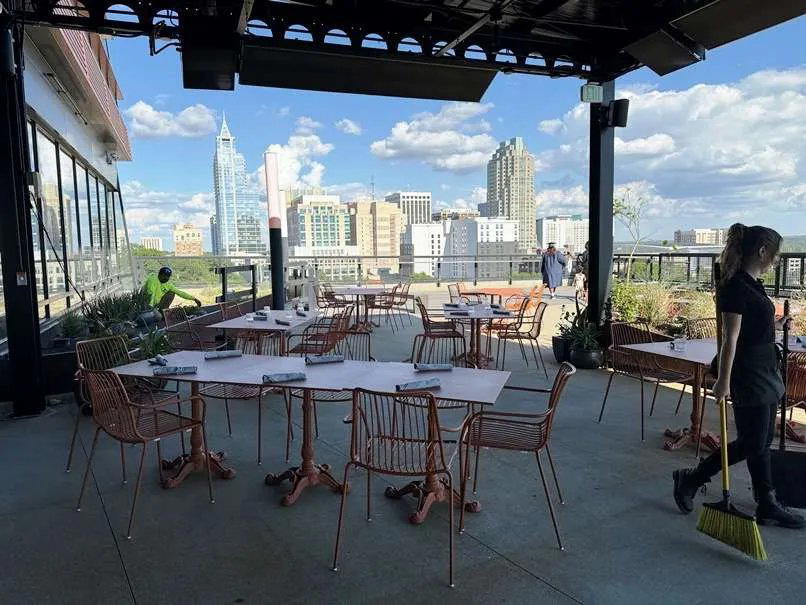
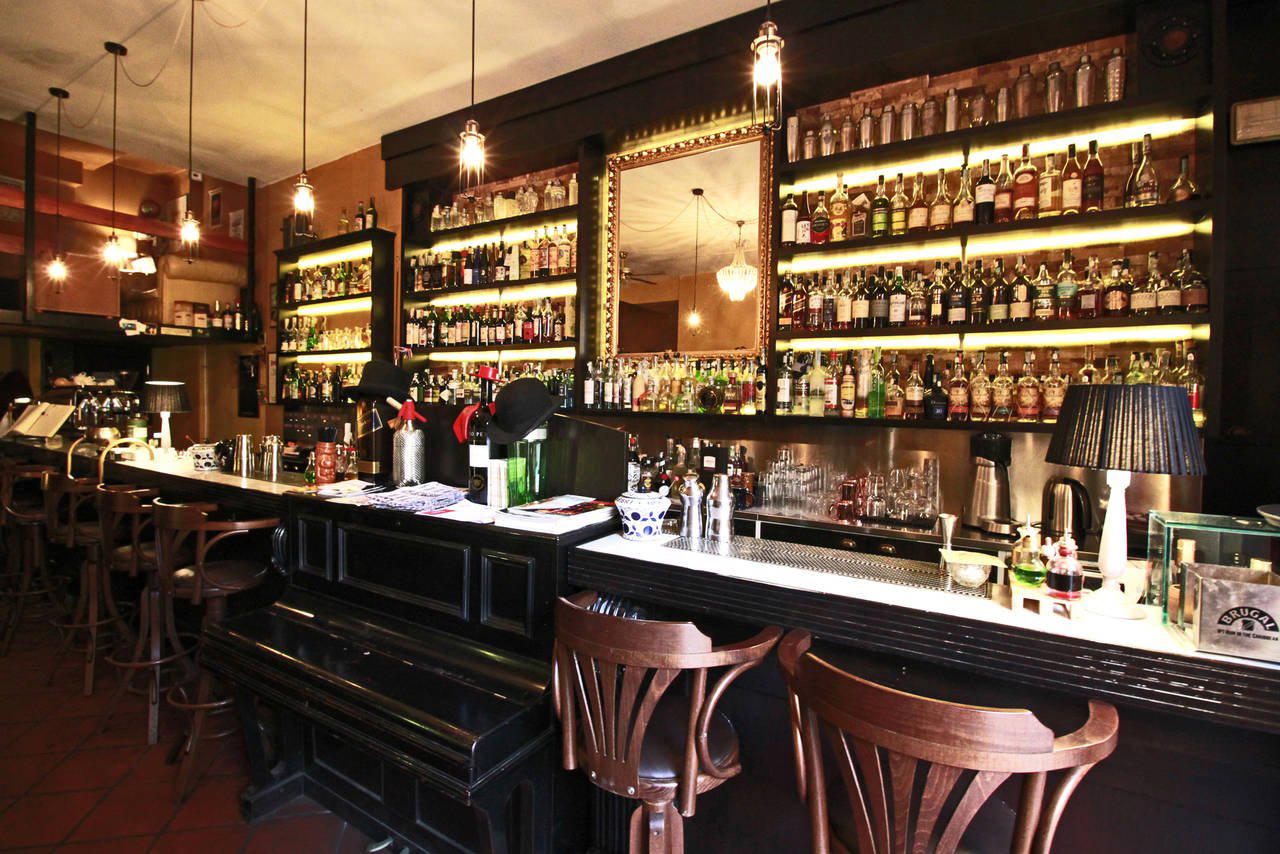
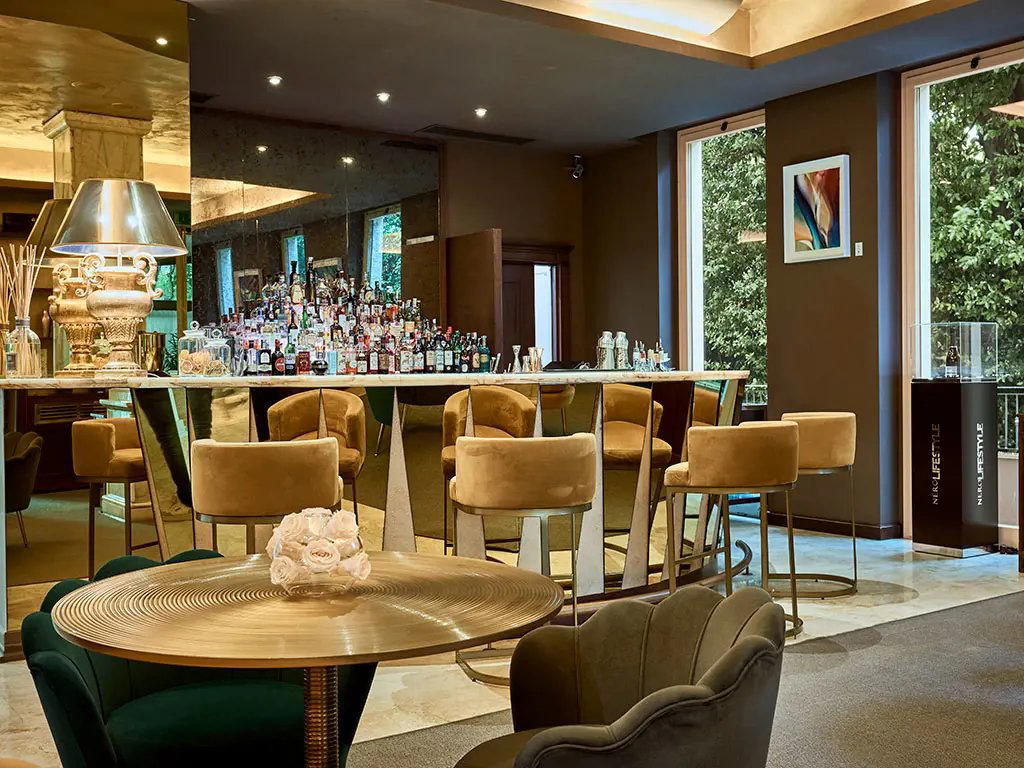
Hotels in Livorno
Browse all →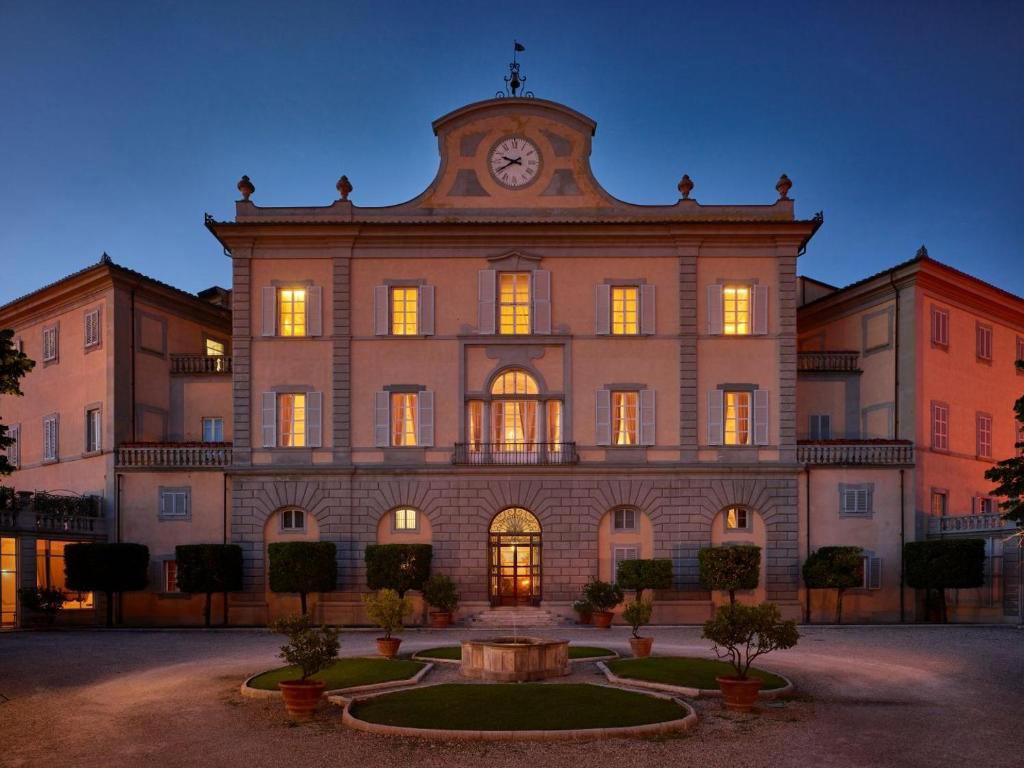

At a Glance
- Elegant
- Modern
- Special Occasion
- Historic Building
Current opening hours
- Monday
- 8–10 PM
- Tuesday
- 8–10 PM
- Wednesday
- Closed
- Thursday
- 8–10 PM
- Friday
- 8–10:30 PM
- Saturday
- 8–10:30 PM
- Sunday
- 12:30–3 PM
Hours can change for holidays and private events. Last verified .
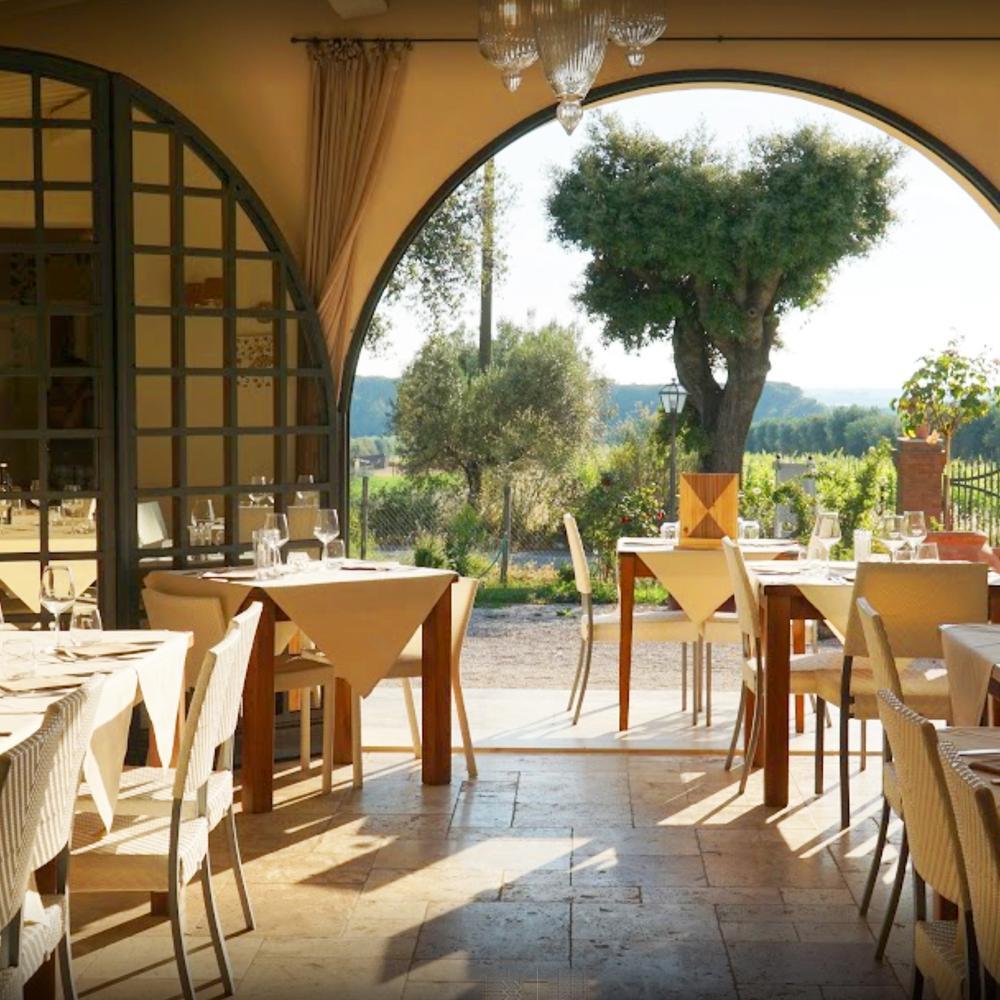
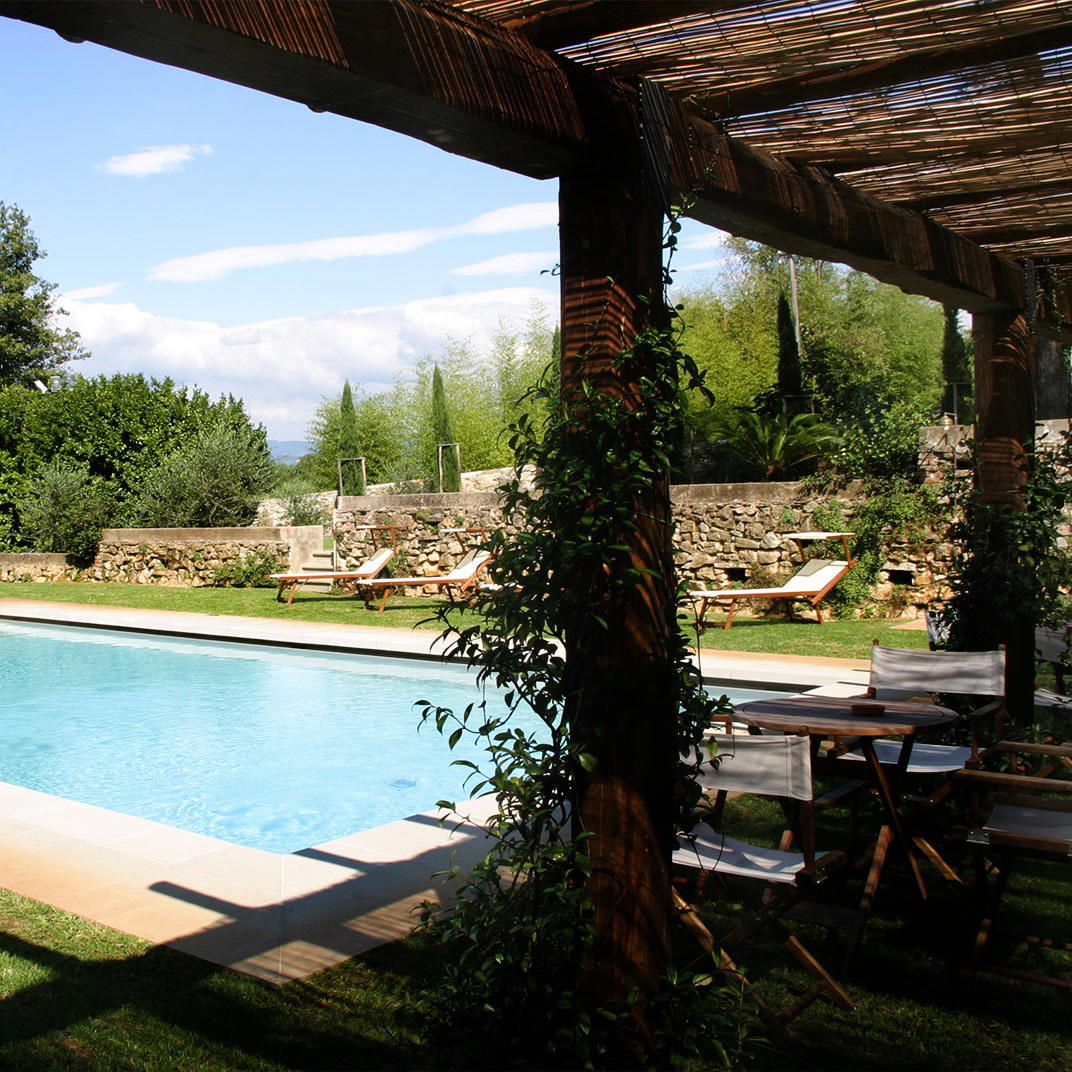
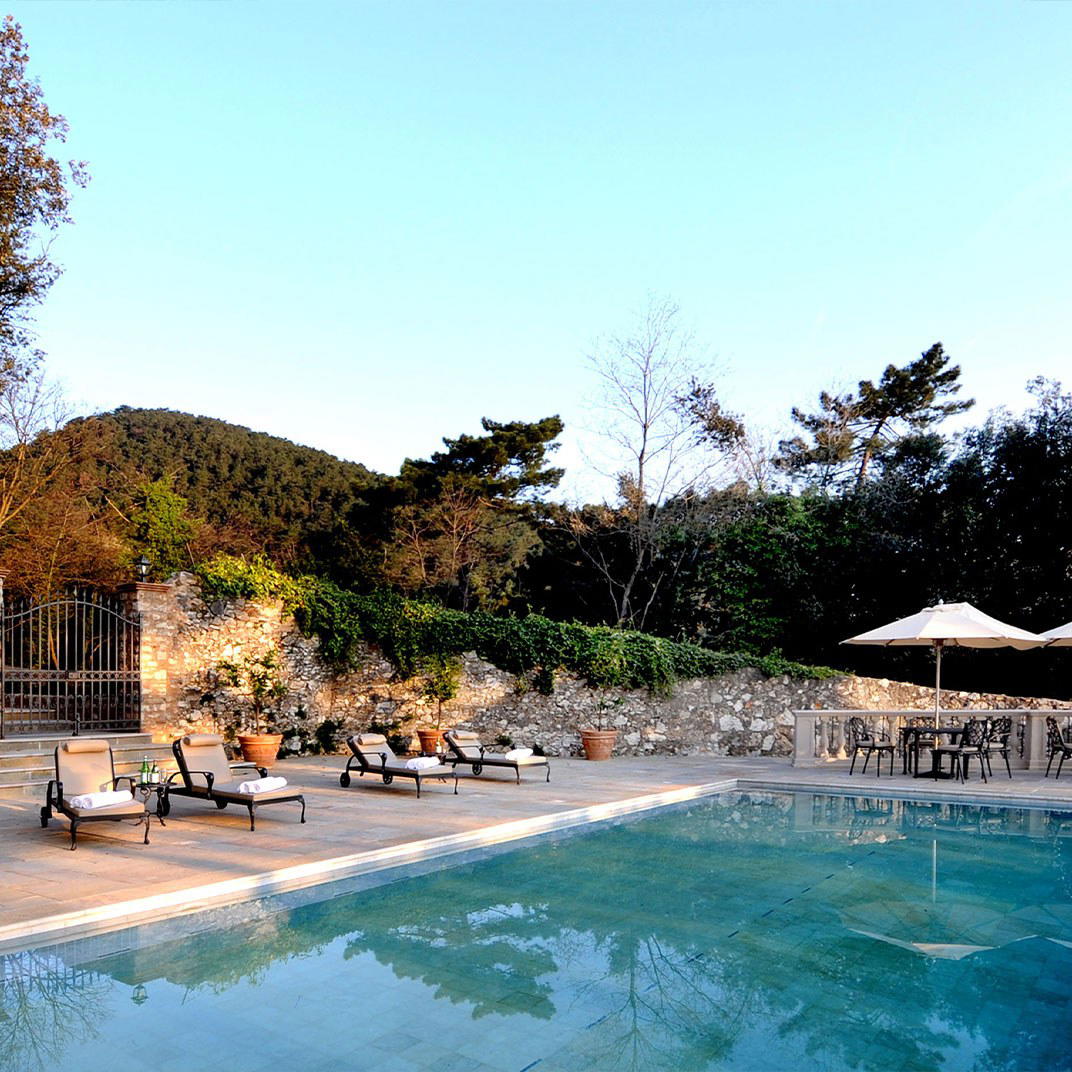
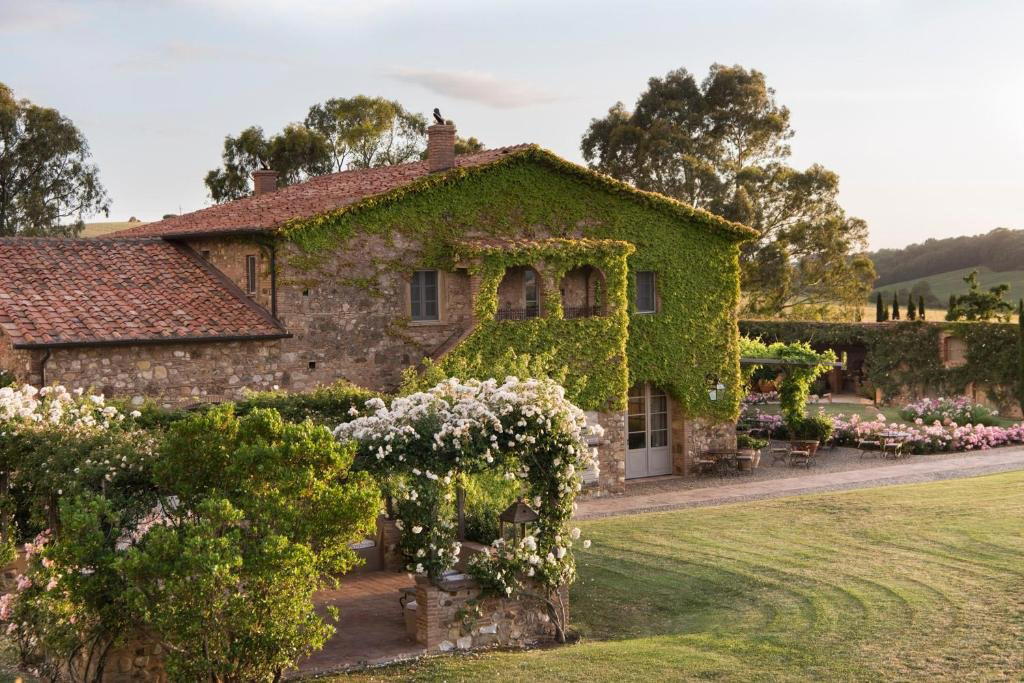
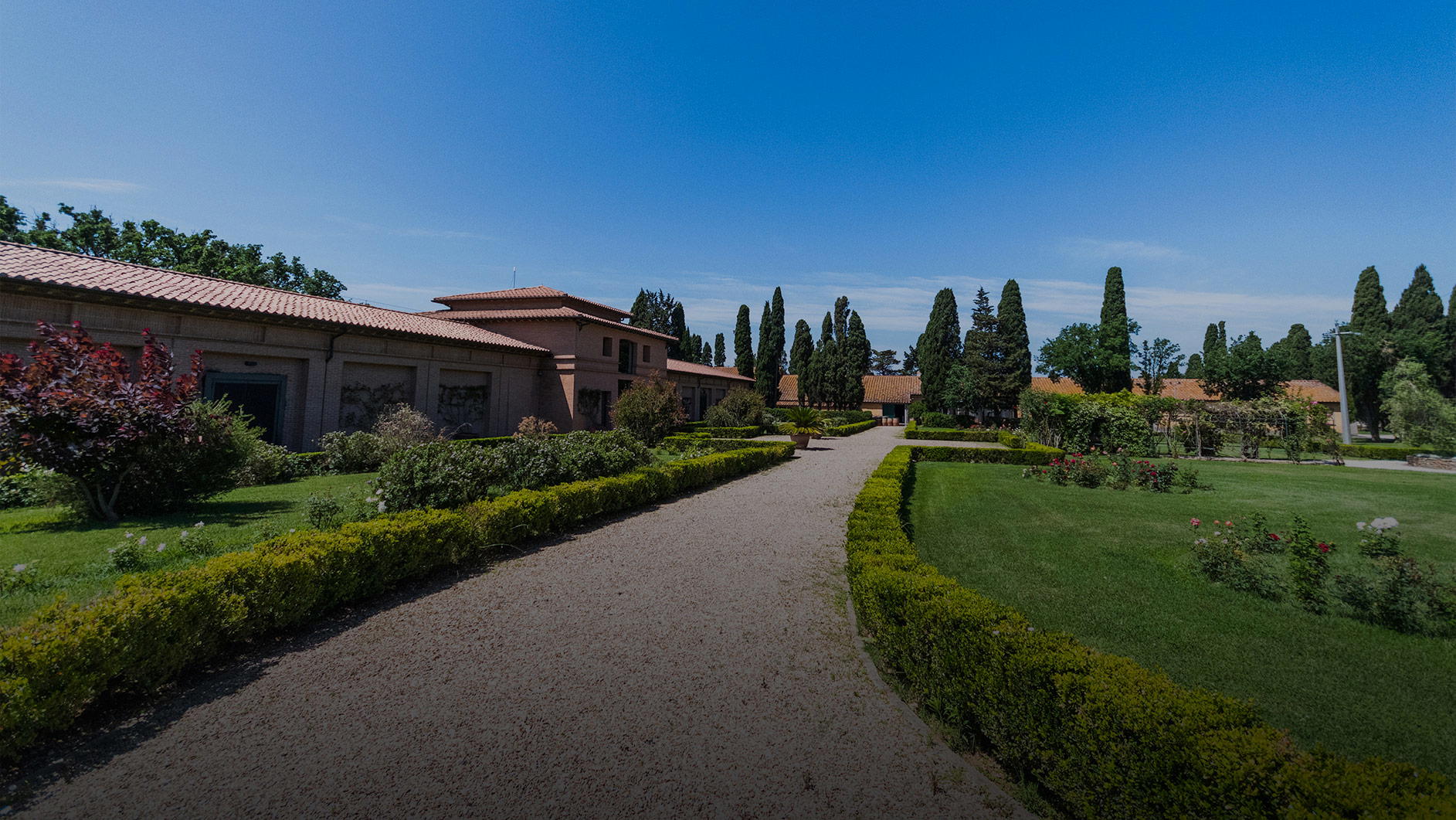
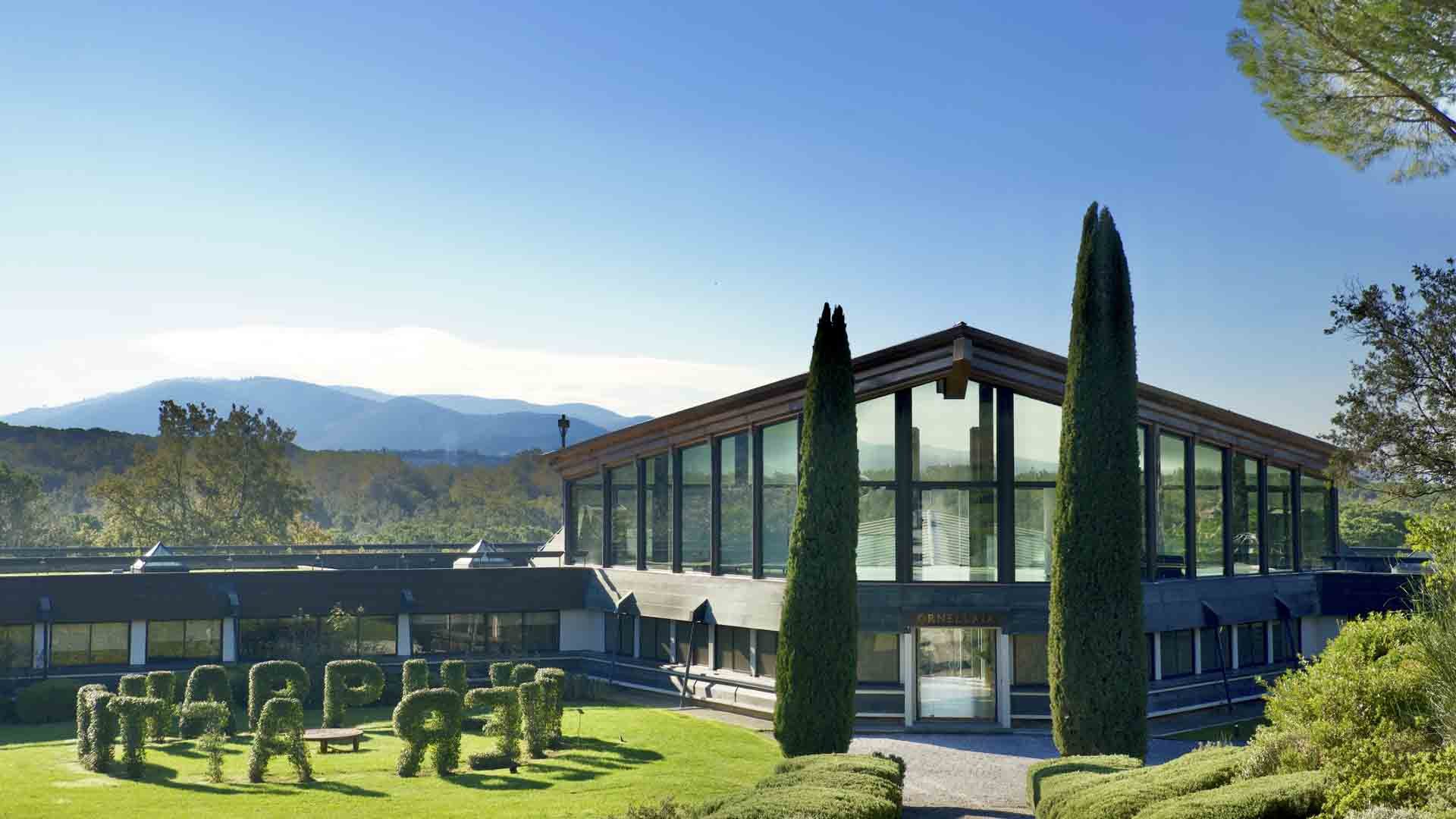
Typical atmosphere of the Antignano district with period houses, offering a high-quality dining experience.