
Michelin Bib Gourmand
Our verdict
A single convivial dining room on Livorno's canal-edged Scali del Pontino, Azzighe holds a Michelin Plate for cooking that keeps one foot in the city's deep-sea traditions and another in the broader Tuscan larder. The cacciucchino cappelletti, pasta shaped around the DNA of Livorno's famous fish stew, signals the kitchen's ambition: local reference points treated as a starting point, not a ceiling. Prices sit at the accessible end of the city's mid-range.

Pearl is the En Primeur Club membership app, where members save venues, book tables and use the concierge.
The menu
What to order
- Cacciucchino cappelletti
- Beef francesina
- Spaghettone with sea lupins and bottarga
Canal-Side Livorno and What It Asks of Its Kitchens
Livorno is a port city that has always eaten differently from the rest of Tuscany. Where Florence built a cuisine around the Arno valley's cattle and wild boar, Livorno looked seaward, absorbing the fish trade, the spice routes through its free port, and the mixed immigrant communities that gave the city its famously tolerant, outward-facing character. The result is a local canon, cacciucco, triglie alla livornese, baccalà prepared in ways that carry faint traces of North African and Sephardic influence, that resists easy categorisation within the Tuscan frame. For a kitchen on Scali del Pontino, one of the canal-side streets threading through Livorno's historic centre, that culinary inheritance is both an asset and a structural challenge: the city's dishes are well-known enough to carry expectations, specific enough to punish careless handling.
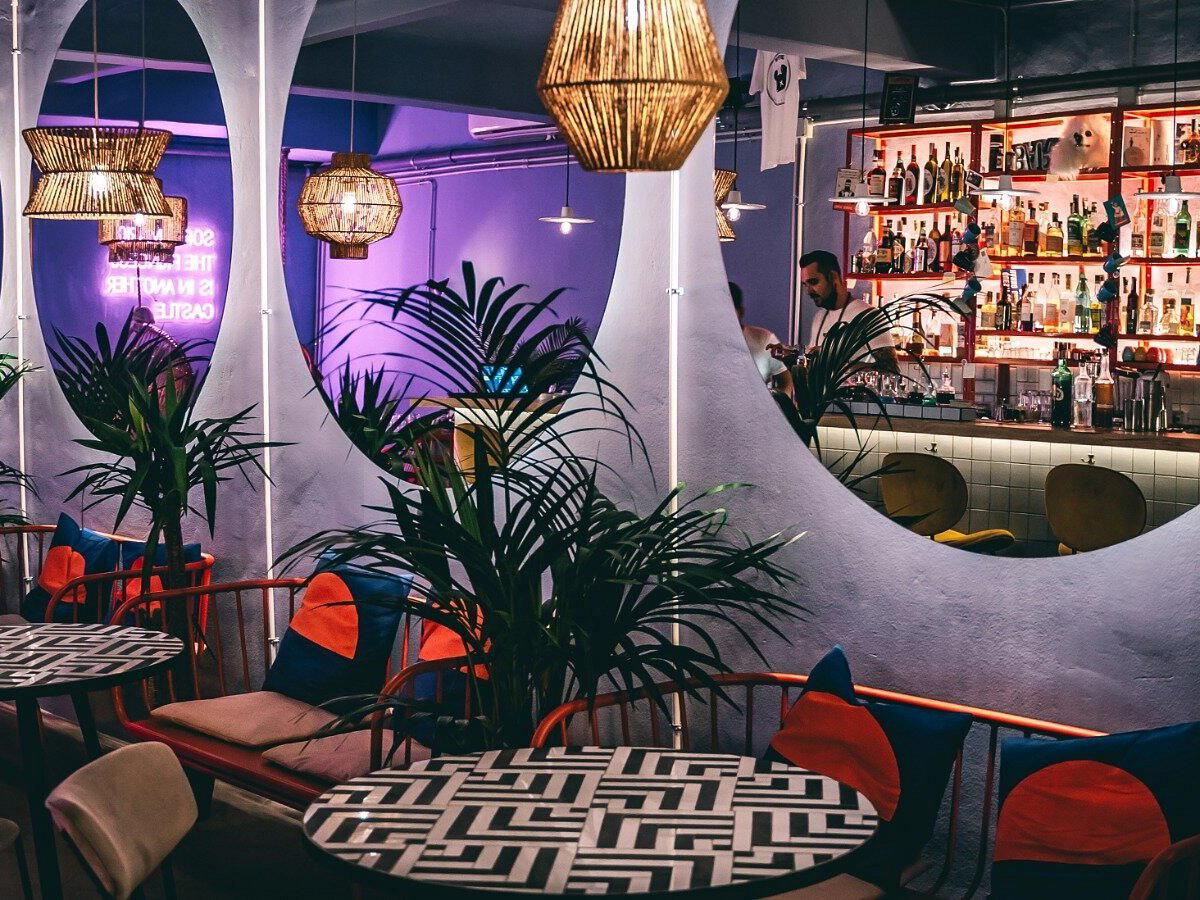
Azzighe sits on that street in a single, open dining room where the atmosphere defaults to convivial rather than ceremonial. There is no tasting-menu theatre here, no parade of amuse-bouches designed to signal technique. The room reads as a place where the cooking is the point, and the format, a menu that spans meat, fish, and a cluster of more experimental options, gives the kitchen room to move between Livorno's maritime register and the wider Tuscan tradition of braised and slow-cooked meat.
Reading the Menu as a Document of the City
The most instructive item on the menu is the cacciucchino cappelletti. Cacciucco, the dense, long-cooked fish stew that is Livorno's signature dish, built from whatever the day's catch allows, is one of those preparations that accumulates meaning over time. It is not a recipe so much as a practice, adjusted by season, catch, and the cook's own reading of proportion. Translating that stew into a filled pasta format is a considered move: it preserves the flavour logic of the original (the sweet-briny depth, the tomato and chilli undercurrent) while shifting the medium from bowl to plate. That kind of reference-driven creativity, taking a canonised local dish and asking what it would be in a different form, is a reasonable measure of what a kitchen is actually thinking about.
The beef francesina is worth equal attention. Francesina is a Livornese preparation built from leftover boiled beef, slow-cooked again with onions and tomato until the meat breaks down into something closer to a braise than a roast. It is working-class food in origin, the kind of dish that survives in family kitchens but tends to disappear from restaurant menus as a city acquires culinary self-consciousness. That Azzighe keeps it, and treats it as a main course of note, says something about the kitchen's orientation: an interest in Livorno's actual food culture rather than a curated version of it.
The range, from a pasta dish that engages technically with a complex local tradition to a braised-beef preparation that could have been quietly dropped from the menu, suggests a cook trained broadly enough to handle both registers with confidence. That kind of range, moving between creative reinterpretation and honest trattoria cooking without losing coherence, is harder to sustain than either pole alone. For context, the formal end of Italian restaurant cooking at the three-star tier, operations such as Enoteca Pinchiorri in Florence, Dal Pescatore in Runate, or Osteria Francescana in Modena, tends to resolve that tension by committing fully to the creative pole. Azzighe's choice to hold both modes simultaneously is characteristic of a particular tier of Italian regional cooking, where the local archive is too rich to abandon and the kitchen's curiosity is too active to simply reproduce it.
Where Azzighe Sits in the Livorno Restaurant Picture
Livorno's restaurant offer is not large relative to its size and culinary distinctiveness. The city has remained outside the mainstream tourist circuit that inflates restaurant density in Florence, Siena, or the Chianti corridor, which means it has fewer venues chasing the same international diner. That insularity has kept some of the city's food culture more intact than equivalent port cities that became overtouristed earlier. The consequence for a restaurant like Azzighe is a local customer base that knows the reference dishes well enough to notice when they are handled carelessly, a meaningful quality check that tourist-heavy environments often remove.
The Michelin Plate recognition in both 2024 and 2025 places Azzighe in the tier Michelin uses for cooking that merits attention without yet carrying a star: competent, consistent, with a defined culinary point of view. For comparison, the more formally ambitious Tuscan kitchens, Caino in Montemerano and L'Asinello in Castelnuovo Berardenga, operate at a higher price point with more elaborate menus. Azzighe's €€ pricing positions it as an accessible entry into Livorno's more considered cooking, not a compromise version of fine dining. Seafood-focused alternatives in the city, including Nannini, map a slightly different route through the same local ingredient pool.
Planning Your Visit
Azzighe is on Scali del Pontino 19, in Livorno's historic canal district, the Venezia Nuova quarter, where the network of waterways laid out in the seventeenth century still structures the street plan. The area is walkable from the city centre and from the main rail station. The €€ price range makes this a sensible dinner choice for multiple visits rather than a single occasion splurge, and the informal, single-room format means it works as well for two as for a small group. For the wider picture of where to eat, sleep, and drink in Livorno, EP Club's full guides cover the city's restaurants, hotels, bars, wineries, and experiences:
- Our full Livorno restaurants guide
- Our full Livorno hotels guide
- Our full Livorno bars guide
- Our full Livorno wineries guide
- Our full Livorno experiences guide
For readers moving through the broader Italian restaurant circuit, the range of what Italian regional cooking can do at different tiers is visible in venues such as Uliassi in Senigallia, Quattro Passi in Marina del Cantone, Piazza Duomo in Alba, Reale in Castel di Sangro, Le Calandre in Rubano, Enrico Bartolini in Milan, and Atelier Moessmer Norbert Niederkofler in Brunico.
Frequently asked questions
What awards or recognition does Azzighe have?
Azzighe has received recognition including: Situated near the canals of Livorno’s historic centre, this restaurant has just one convivial and informal dining room. Here, the focus is on meat and fish dishes influenced by Livorno and further afield in Tuscany, as well as a few more cr….
What do people recommend at Azzighe?
The two dishes most consistently cited are the cacciucchino cappelletti and the beef francesina. The cappelletti takes its cue from cacciucco, Livorno's dense, long-cooked fish stew, translating those flavours into a filled pasta format. The francesina, a braised beef preparation with roots in Tuscan kitchen tradition, earns a specific mention in Azzighe's Michelin Plate citations for both 2024 and 2025.
Where exactly is Azzighe?
Azzighe is located at Scali del Pontino, 19, 57122 Livorno LI, Italy, Livorno.
| Venue | Cuisine | Price | Awards | Notes |
|---|---|---|---|---|
| AzzigheThis venue (the venue you are viewing) | Modern Tuscan Osteria | $30–50 | Michelin Bib Gourmand | Not listed |
| Atelier Moessmer Norbert Niederkofler | Modern Alpine Fine Dining | $300–500 | 3 Michelin Stars · World's 50 Best #20 | Italian, Creative |
| Dal Pescatore | Classic Italian Fine Dining | $200–300 | 3 Michelin Stars · World's 50 Best #38 | Italian, Italian Contemporary |
| Enoteca Pinchiorri | Contemporary Italian Fine Dining | $200–300 | 3 Michelin Stars · World's 50 Best #32 | Italian - French, Italian Contemporary |
| Enrico Bartolini | Modern Italian Fine Dining | $300–500 | 3 Michelin Stars · World's 50 Best #85 | Creative |
| Osteria Francescana | Avant-Garde Italian Contemporary | $300–500 | 3 Michelin Stars · World's 50 Best #1 | Progressive Italian, Creative |
Recognition history
Dated appearances from independent guides and award organizations, with the underlying list record or original source where available.
Michelin Bib Gourmand
Michelin
Full recognition history (3 entries)
Michelin Plate
Michelin
Michelin Plate
Michelin
Continue exploring
More in Livorno
Restaurants in Livorno
All restaurants in Livorno →
Details
- Cozy
- Intimate
- Elegant
- Date Night
- Special Occasion
- Open Kitchen
- Natural Wine
- Local Sourcing
- Street Scene
- Tasting Menu
- A La Carte
- Natural Wine
- Vegetarian Friendly
Current opening hours
- Monday
- 7:30–10:30 PM
- Tuesday
- 7:30–10:30 PM
- Wednesday
- 7:30–10:30 PM
- Thursday
- 7:30–10:30 PM
- Friday
- 7:30–10:30 PM
- Saturday
- 7:30–10:30 PM
- Sunday
- Closed
Hours can change for holidays and private events. Hours as of .
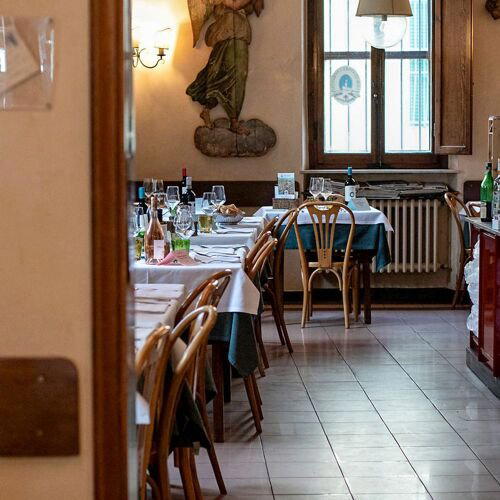
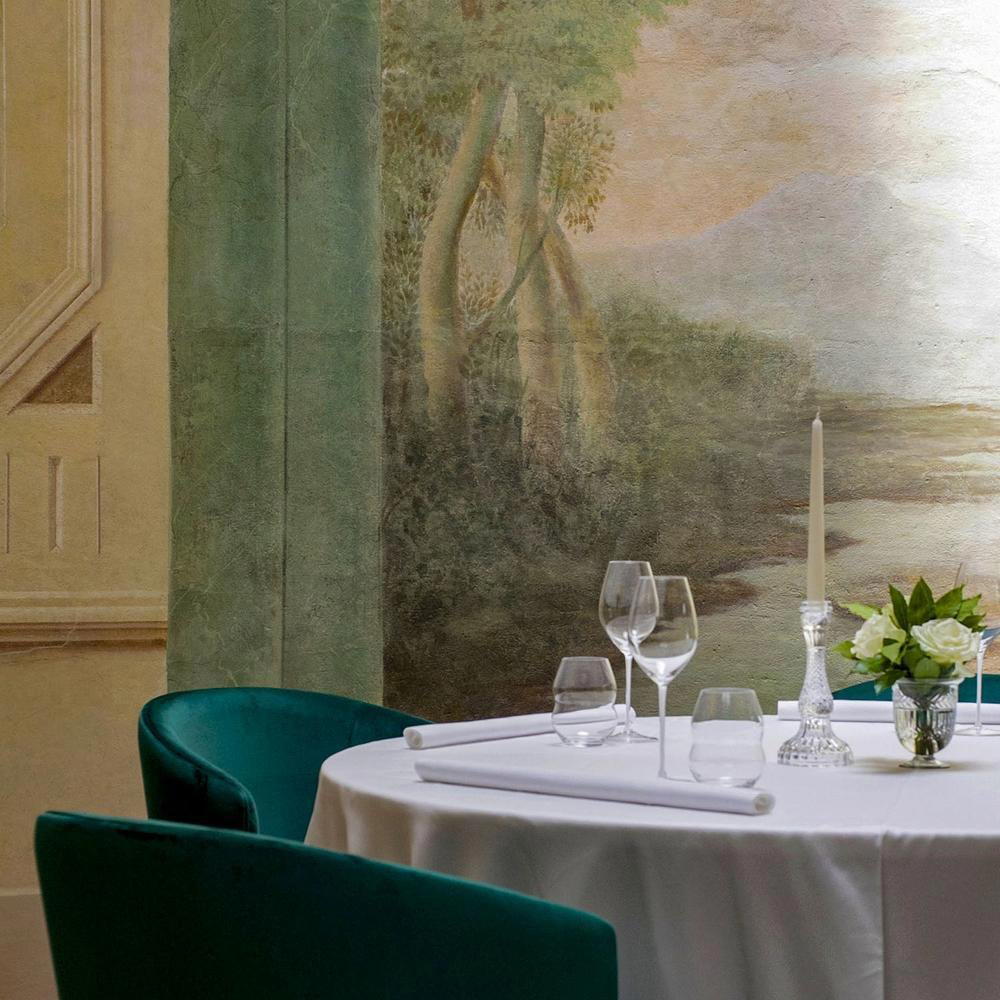
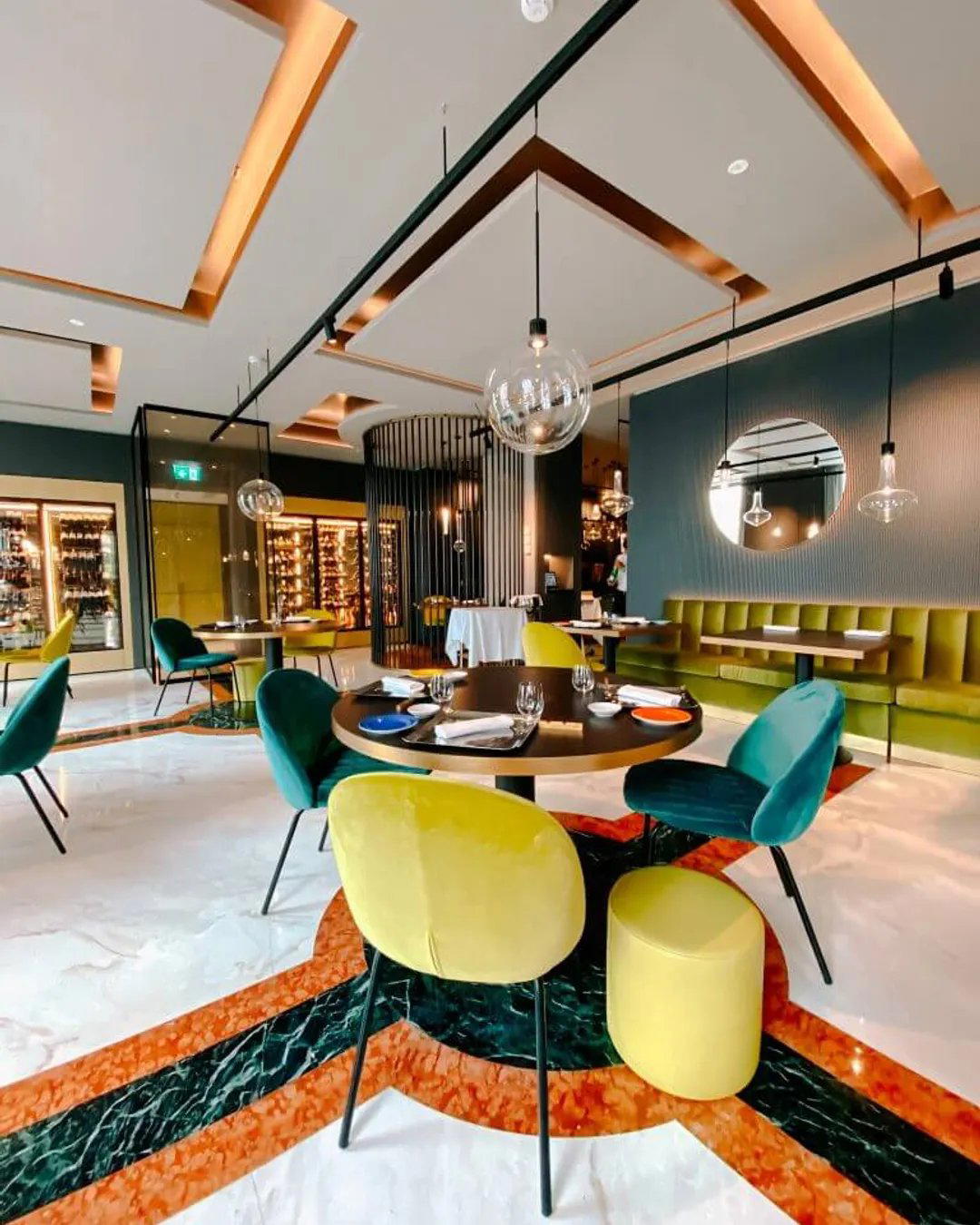
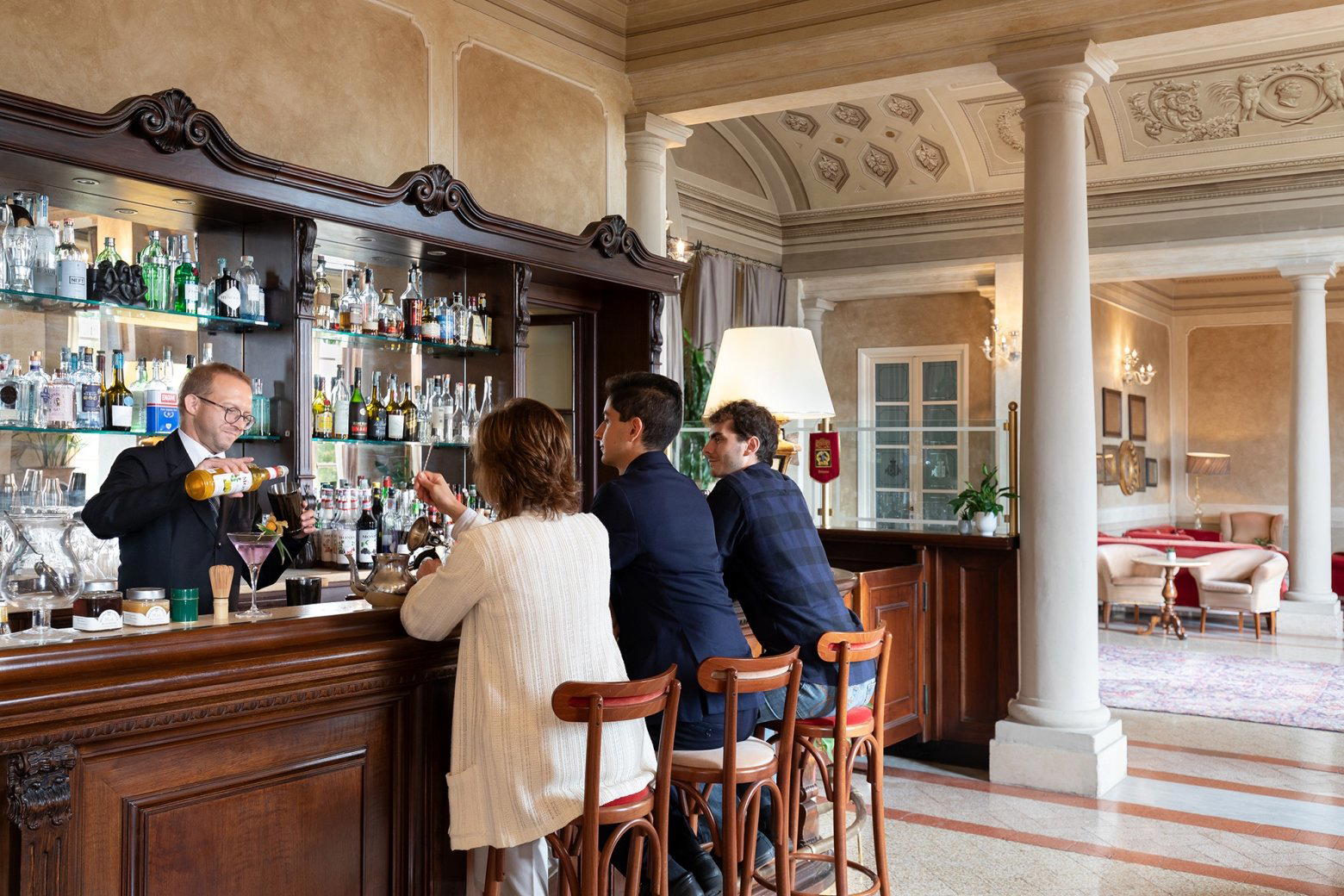
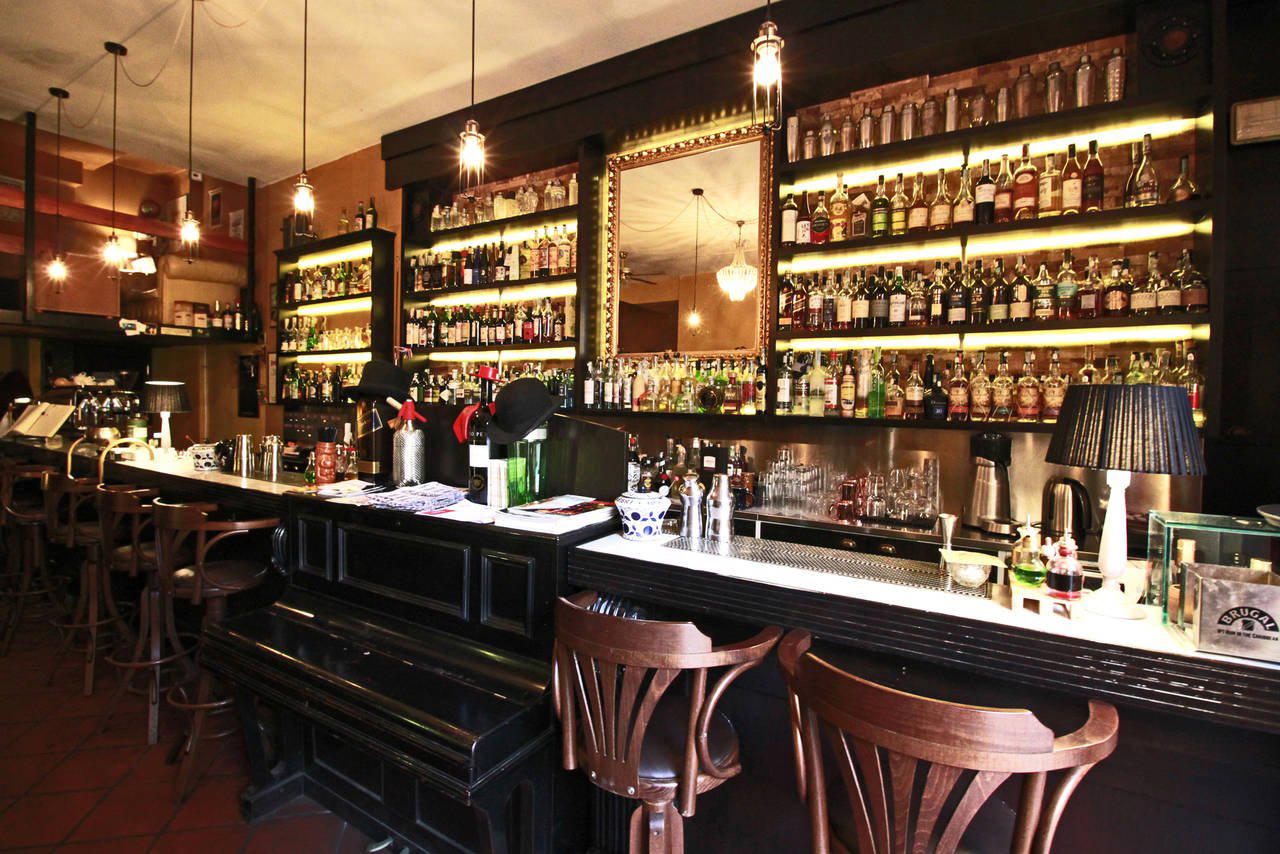
Convivial and informal single dining room with soft lighting, cozy family atmosphere, and attention to detail in furnishings.