
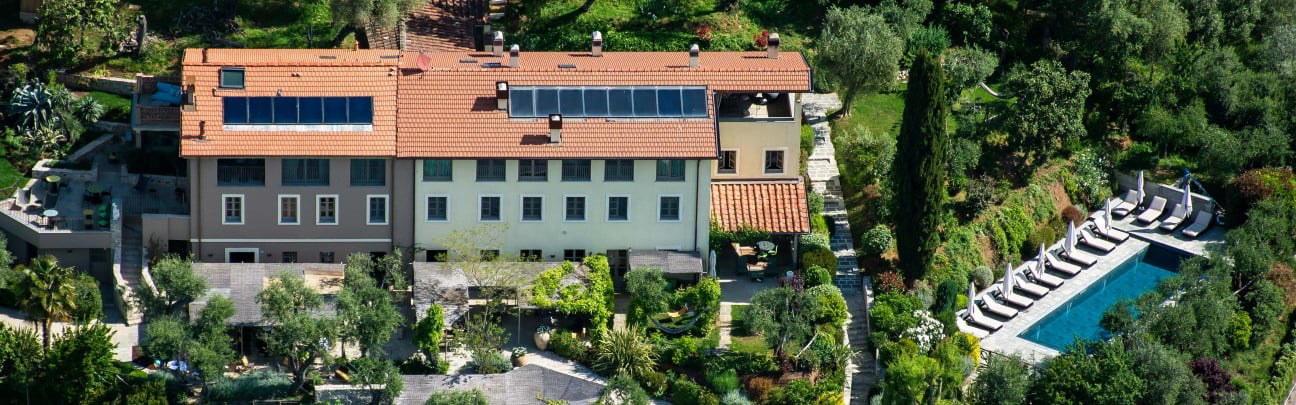
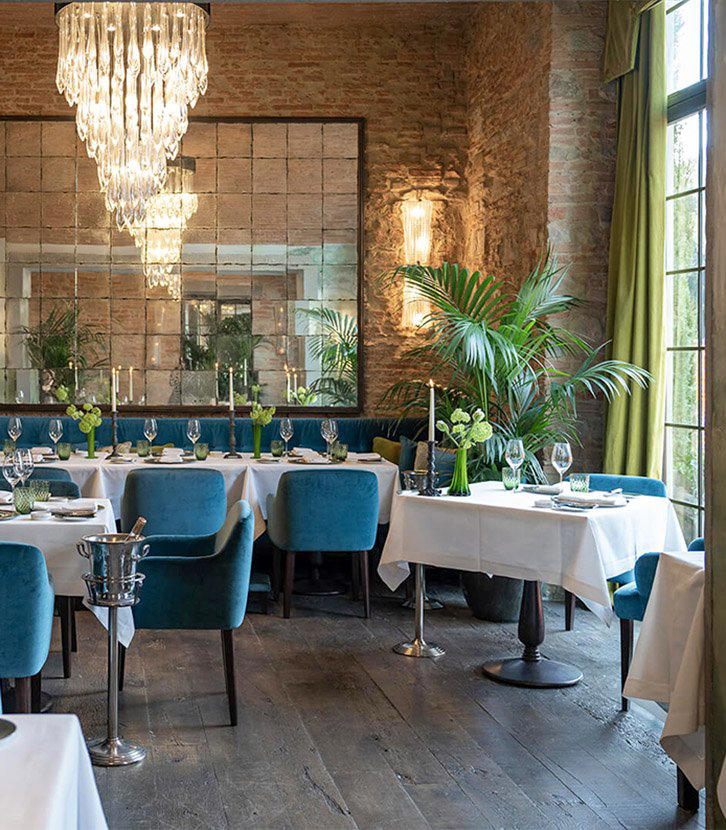
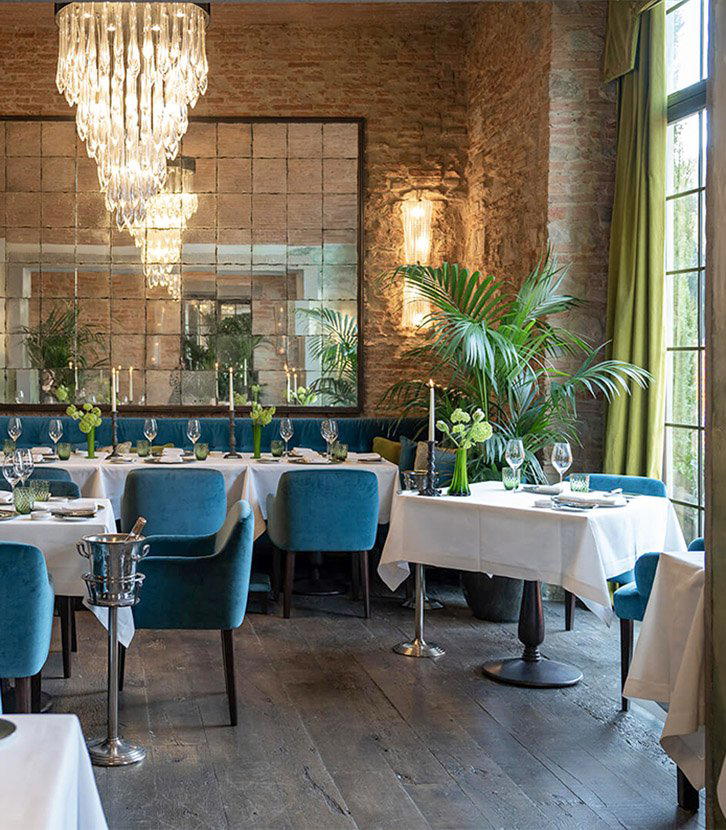
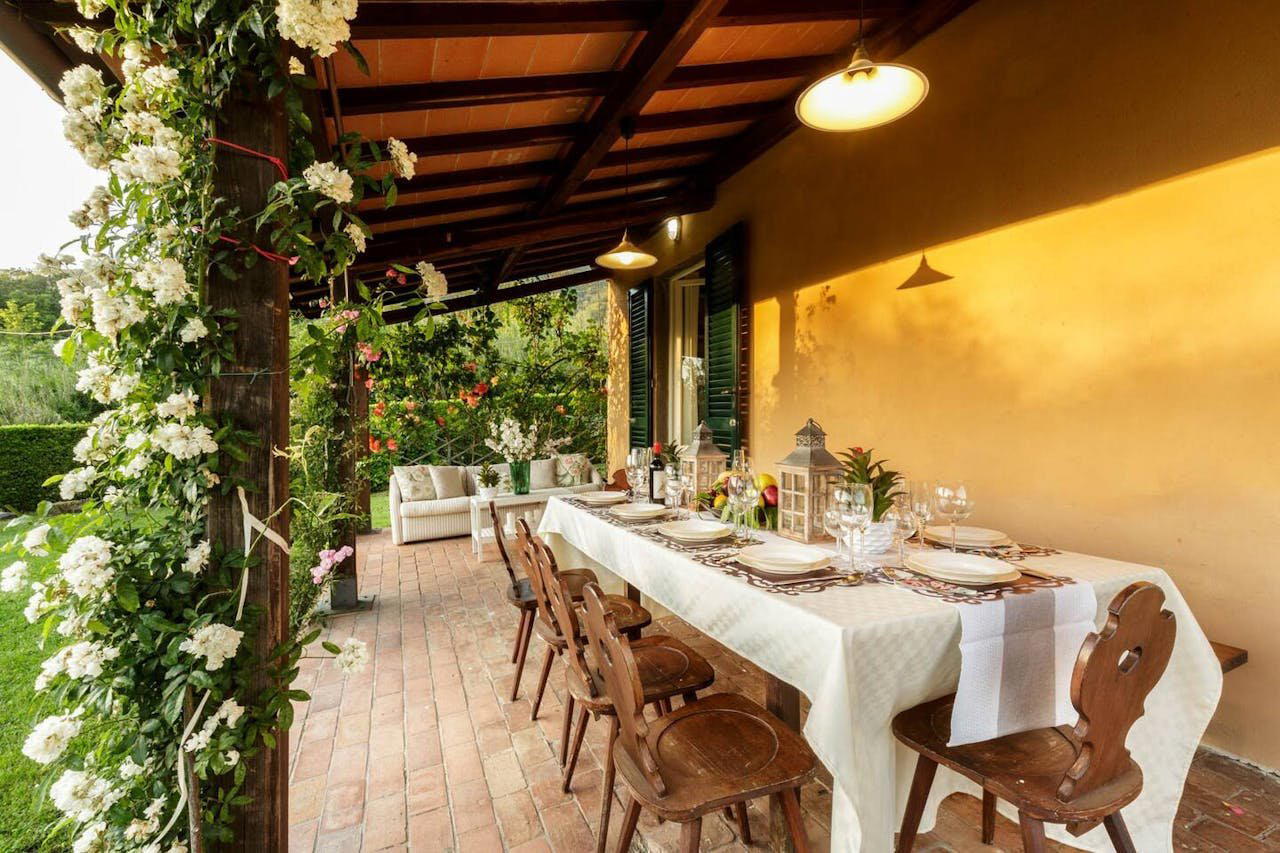
A Michelin Selected villa property set in the Lucchesia hills outside the city walls, Villa Casanova Lucca represents the quieter end of Tuscany's country-house lodging tier. The building's period architecture and rural positioning place it well outside the urban hotel grid, offering a different tempo to the walled city a short drive away.
Pearl is the En Primeur Club membership app — saves, bookings, and concierge access live there. Same editors, same standards.
- Address
- Via di Casanova I di balbano, 1600, 55100 Lucca LU, Italy
- Phone
- +39 340 383 4482
- Website
- villacasanova-lucca.it
- Directions
- Get directions
 Saves & bookings on Pearl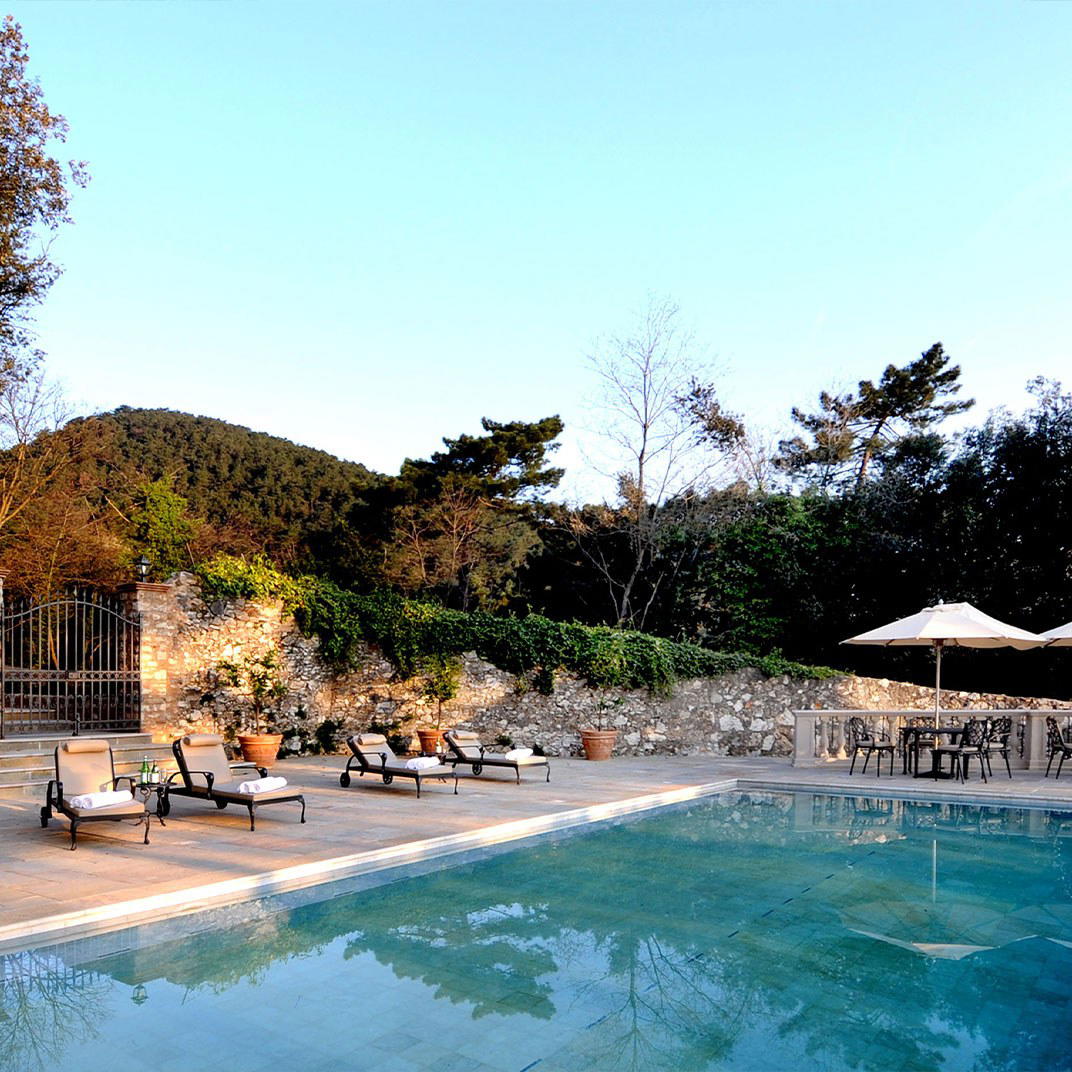
Stone, Cypress, and the Architecture of Arrival
Approaching a Tuscan villa property from the road tells you most of what you need to know before you check in. The drive along Via di Casanova through the Balbano locality, a few kilometres outside Lucca's medieval walls, follows the logic of hundreds of similar approaches across the Lucchesia: a lane that narrows as the cypress trees thicken, a gate that forces a pause, and then the facade itself. At Villa Casanova Lucca, that facade does the work that no amount of interior decoration can replicate. The stone carries centuries of weather and repair; the proportions reflect an agricultural past that predates the hospitality industry entirely. This is the architectural grammar of the Tuscan villa, and it remains one convincing argument for staying outside the city walls rather than inside them.
Within Tuscany's broader lodging market, properties of this type occupy a distinct position. They compete not on facilities count or room volume but on the integrity of the built environment and the quality of the surrounding land. That calculus differs considerably from what drives choices at, say, Four Seasons Hotel Firenze in Florence, where a Renaissance palazzo has been comprehensively restored to five-star urban standards, or at Rosewood Castiglion Del Bosco in Montalcino, where a full estate has been rebuilt around a wine and lifestyle programme. Villa Casanova operates in a quieter register, closer in spirit to the family-run agriturismo tier but positioned above it by Michelin's 2025 hotel selection, which groups it with properties judged to meet a threshold of character, comfort, and setting.
What Michelin Selection Means in the Tuscan Context
Michelin's hotel guide has expanded its Italian coverage substantially in recent years, and its Selected tier functions as a quality floor rather than a ranking ceiling. Inclusion means the property has been assessed and cleared a baseline that covers both physical condition and hospitality standard. It does not indicate a specific star count or a defined service model. For villa properties in rural Tuscany, this matters because the category is wide: the region has dozens of converted farmhouses and historic residences claiming heritage credentials, and Michelin selection provides one of the few independent filters that carries consistent methodology across the market.
Within Lucca specifically, the villa-hotel category is less developed than in the Chianti or Val d'Orcia corridors. The city's accommodation is weighted toward properties inside or immediately adjacent to the walls, with a smaller cluster of rural options in the surrounding hills and plains. Hotel Albergo Villa Marta represents another Lucca-area villa option in the Michelin-noted tier, giving travellers a genuine comparison point when choosing between in-city access and a more isolated setting. Villa Casanova's position in the Balbano locality pushes further into the countryside, which sharpens the trade-off between convenience and atmosphere.
The Case for Rural Lucchesia
Lucca's walled city is compact enough to read in a day of serious walking. The Piazza dell'Anfiteatro, the towers, the cycle path along stronger examples from the walls, the church facades along Via Fillungo: these are the fixed coordinates, and they reward repeat visits across different light and seasons. But the area around the city has its own character, one that the walls tend to obscure from visitors who stay inside them. The olive groves, the vine rows, the low hills that begin just a few kilometres west and north of the walls: this is the agricultural Lucchesia that produced the wealth that built those walls, and it is still largely intact in a way that the more heavily touristed Chianti is not.
Staying at a property like Villa Casanova places you in that landscape rather than adjacent to it. The rhythm of the day shifts accordingly. The city becomes a deliberate destination rather than the default backdrop, which tends to produce a different quality of visit. This dynamic has precedents across Tuscany and central Italy: the leading rural villa properties function as bases from which cities, wine regions, and coastal areas are visited rather than as accommodation bolted onto a city itinerary. Comparable logic applies at Corte della Maestà in Civita di Bagnoregio and, at considerably higher investment, at Castello di Reschio in Lisciano Niccone, where the estate itself becomes the primary draw.
Situating Villa Casanova in the Wider Italian Property Tier
The Michelin Selected designation places Villa Casanova in good company without placing it in rarefied company. Properties like Bulgari Hotel Roma, Aman Venice, or Passalacqua in Moltrasio operate at the far end of the Italian luxury hotel market, where per-night rates reflect both the physical asset and the service architecture surrounding it. Villa Casanova is a different kind of proposition: a historic rural property selected for character and quality rather than for comprehensive luxury delivery. That distinction matters when setting expectations. Travellers accustomed to the full-service model at properties like Borgo Egnazia or Il Pellicano in Porto Ercole will find Villa Casanova operates on different terms. The value proposition here is the physical place and its position in the landscape, not a curated programme of experiences layered around it.
For the right traveller, that is precisely the point. Tuscany's villa-hotel sector includes too many properties that have added enough infrastructure to dilute the quality that justified their existence in the first place. A property that holds its character without over-programming it sits in a smaller, more defensible niche.
Planning Your Stay
Villa Casanova Lucca sits in the Balbano locality west of Lucca, reachable by car in under fifteen minutes from the city walls. A car is effectively required for this property: the rural position makes walking into the city impractical, and the surrounding countryside rewards driving exploration toward the Garfagnana valley, the Versilia coast, and the wine estates of the Colline Lucchesi DOC. Spring and autumn are the dominant seasons for this part of Tuscany, with April through June and September through October offering the combination of workable temperatures, landscape colour, and manageable visitor volumes that summer tends to erode. Michelin's 2025 selection confirms the property meets current quality standards.
Comparable Venues
Comparable venues nearby, for context on price, style, and recognition.
| Venue | Cuisine | Price | Awards | Notes |
|---|---|---|---|---|
| Villa Casanova LuccaThis venue — the venue you are viewing | Traditional Tuscan elegance with contemporary comfort in a restored 18th-century manor house. | $$$ | 5-Star | Not listed |
| Hotel Albergo Villa Marta | Elegant 18th-century villa in Tuscan countryside | $$$ | 4-Star | Lucca countryside |
| QC Terme Bagni di Bormio Bagni Nuovi | Historic Art Nouveau luxury spa resort | $$$$ | 5-Star | Molina |
| Hilton Turin Centre | Urban 5-star flagship Hilton in a restored historic building with full-service spa and extensive meetings and events facilities in central Turin. | $$$$ | 5-Star | Centro |
| Metropole Taormina Maison D'Hotes | Historic boutique maison d'hôtes blending 18th-century architecture with contemporary luxury | $$$$ | 5-Star | Taormina City Centre |
| L'Olmo | Restored 17th-century Tuscan farmhouse with modern comforts. | $$$$ | 5-Star | Monticchiello |
Recognition history
Dated appearances from independent guides and award organizations, with the underlying list record or original source where available.
Michelin Selected
Michelin
Continue exploring
More in Lucca
Hotels in Lucca
Browse all →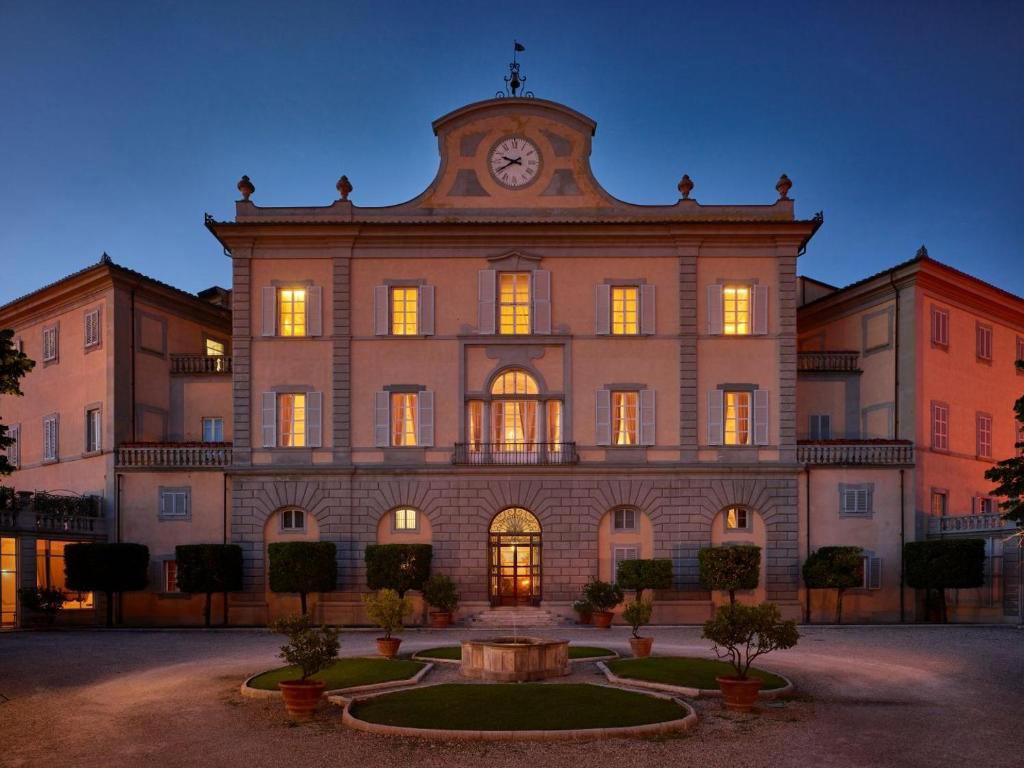
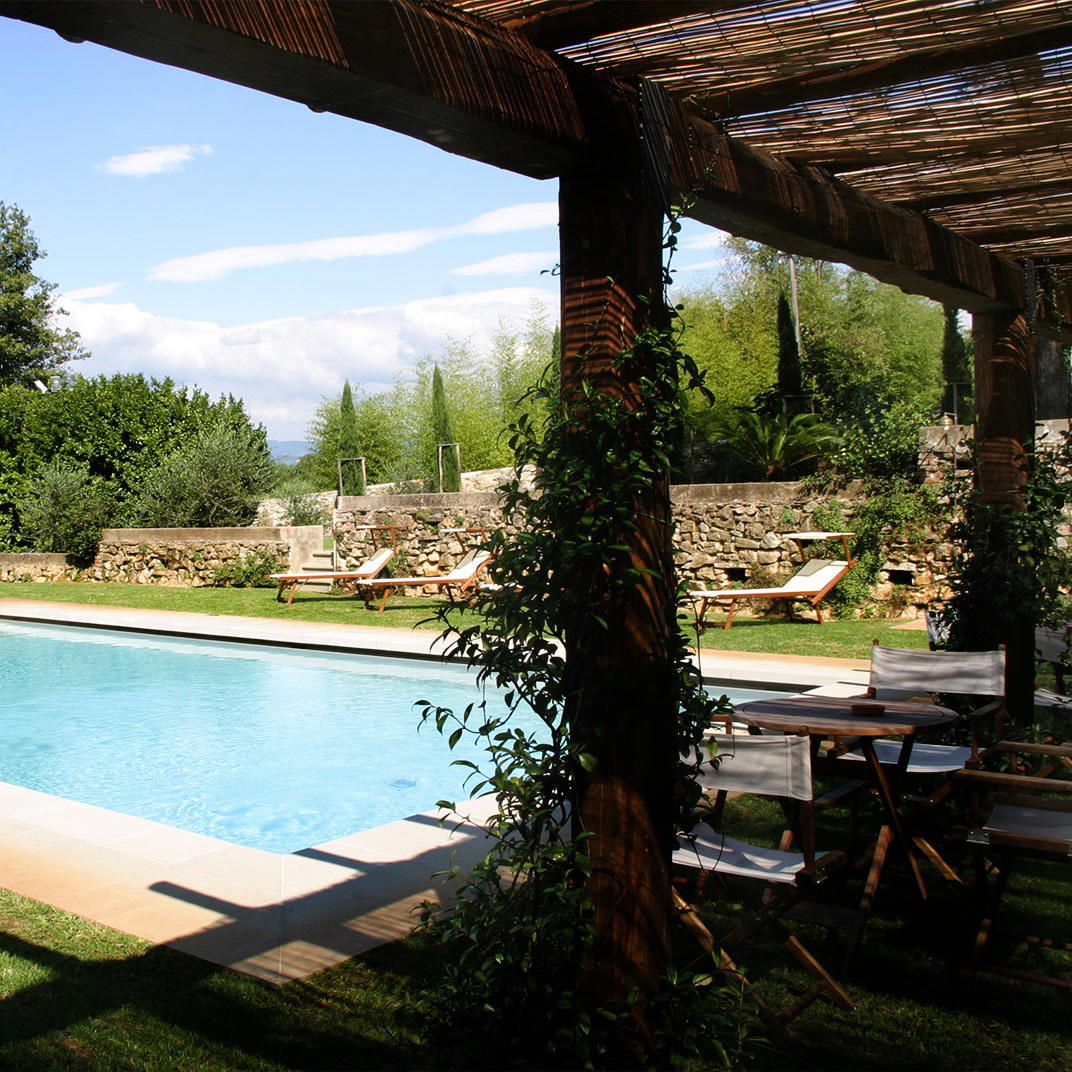
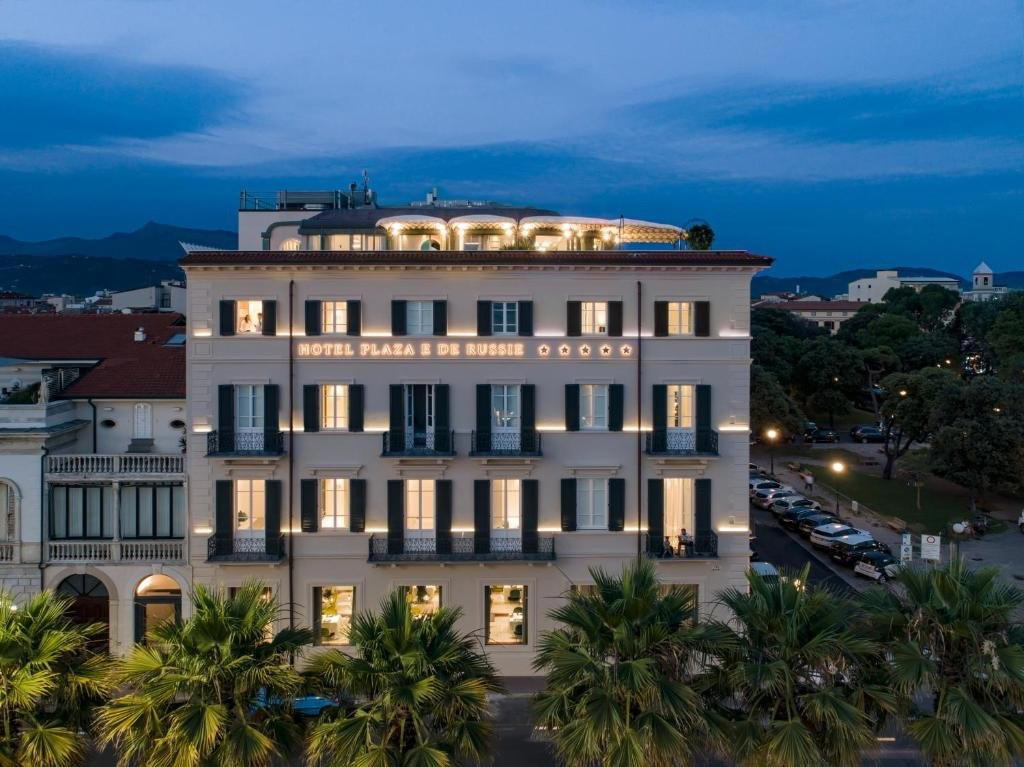
Bars in Lucca
Browse all →
Restaurants in Lucca
Browse all →

At a Glance
- Romantic
- Elegant
- Quiet
- Scenic
- Romantic Getaway
- Destination Wedding
- Anniversary
- Weekend Escape
- Historic Building
- Garden
- Terrace
- Panoramic View
- Private Dining
- Wi Fi
- Pool
- Spa
- Restaurant
- Bar
- Tennis Court
- Bicycle Rental
- Massage
- Garden
- Mountain
- Wi Fi
- Pool
- Spa
- Restaurant
- Bar
- Tennis Court
- Bicycle Rental
- Massage
Secluded and serene with historical elegance blended with contemporary comfort, surrounded by olive groves and woodlands offering peaceful woodland views.