
Naniwaya Sohonten places Tokyo’s everyday wagashi culture in a compact Azabu-Juban setting: taiyaki, obanyaki, café sweets, and take-out rather than a long tasting-menu performance. Its Tabelog 100 selection for Tokyo Japanese sweets in 2023, plus earlier Tabelog Sweets Tokyo selections, makes it a useful counterpoint to the city’s reservation-led dining scene.
Pearl is the En Primeur Club membership app — saves, bookings, and concierge access live there. Same editors, same standards.
- Address
- 東京都港区麻布十番1-8-14
- Phone
- +81335834975
- Website
- tabelog.com
 Saves & bookings on Pearl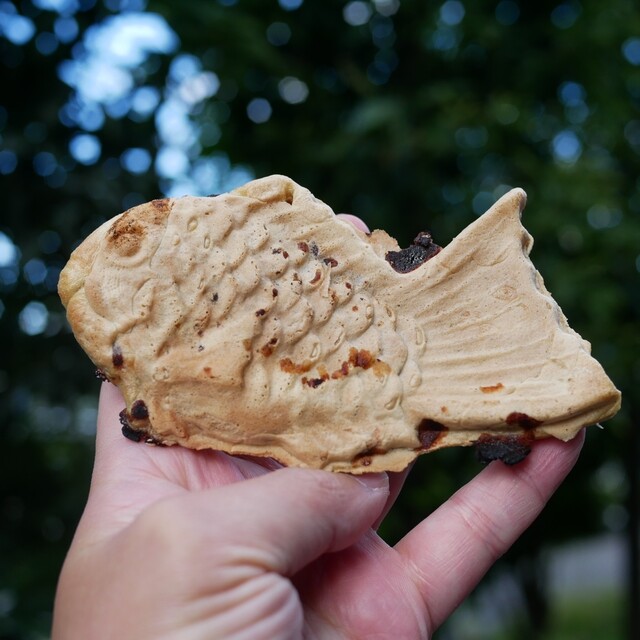
Azabu-Juban moves differently from Tokyo’s hotel dining rooms and Ginza counters. The neighbourhood rewards short, purposeful stops: a sweet bought on the way home, a table for a brief pause, a line kept moving by turnover rather than ceremony. Here, Naniwaya Sohonten belongs to the city’s older snack-and-tea grammar, where the ritual is a disciplined small decision: eat in, take out, or continue upstairs to the café attached to the same building.
Tokyo dining is often judged by scarcity: sushi-counter seats, tasting-menu releases, chef-led rooms with high fixed spend. Wagashi and taiyaki shops carry another status, built on repetition, local memory, and whether a simple category can hold attention in a city constantly upgrading its luxury vocabulary. Selection for Tabelog 100 Japanese traditional sweets and Japanese sweets café Tokyo in 2023 places this address in that more democratic but no less competitive field. Earlier Tabelog Sweets Tokyo selections in 2018, 2019, 2020, and 2022 show its reputation was not a single-season flare.
Taiyaki as a Tokyo ritual, not a dessert course
Taiyaki sits between street food and wagashi. Habit defines it: buy one, eat it fresh, and do not turn it into a plated event unless the shop offers space to linger. That matters in Tokyo, where sweets culture often splits between gift-box precision and casual counter eating. The former is formal, seasonal, and presentation-led; the latter immediate and practical. This venue sits closer to the second tradition, with café featuring Japanese sweets, taiyaki, obanyaki, and stir-fried noodles listed as its operating categories.
The distinction helps travellers planning Tokyo around high-demand meals. 124. KAGURAZAKA (Yakitori) belongs to a tradition of sequencing, smoke, and skewer pacing. 12/10 Shinjuku ten and . 鮪と炭火焼き うお炭 秋葉原店 sit elsewhere on the city’s casual restaurant map. A sweets stop asks for a shorter commitment and different etiquette: order cleanly, avoid making the room a photo set, and treat the format as the experience, not a prelude to something grander.
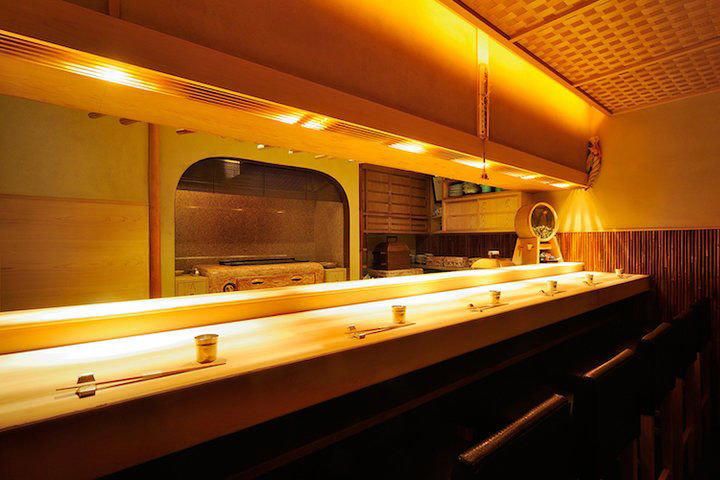
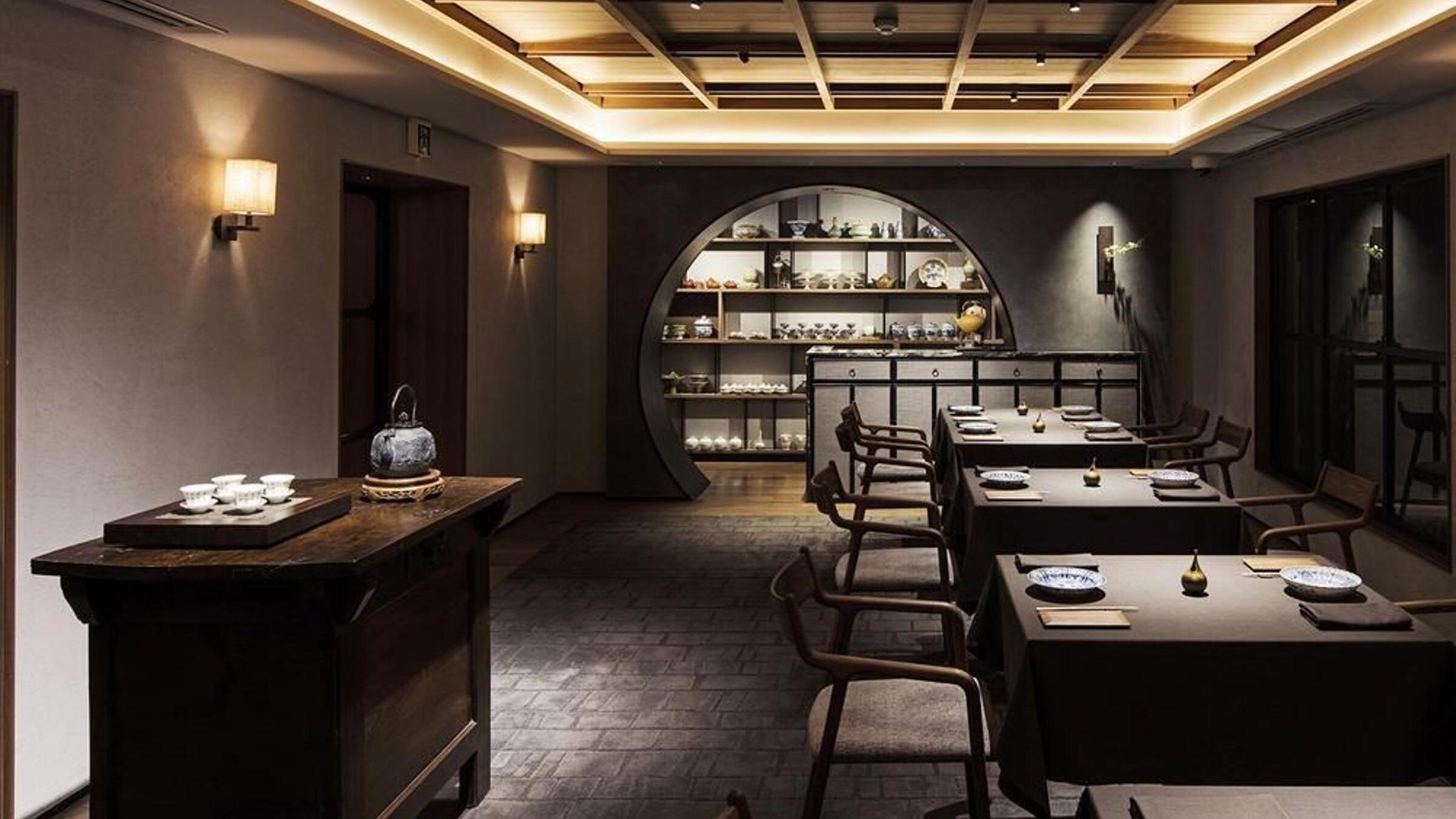
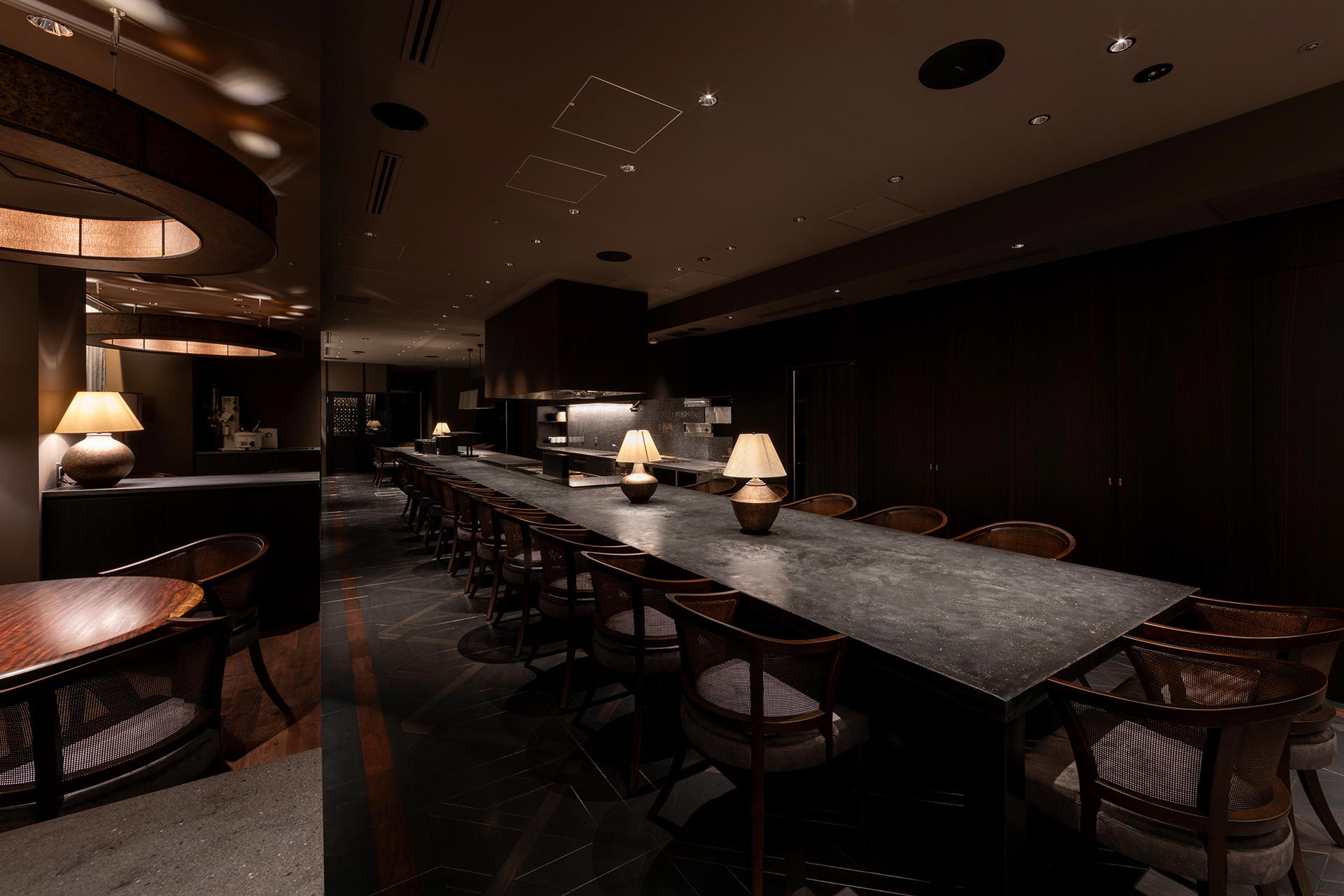
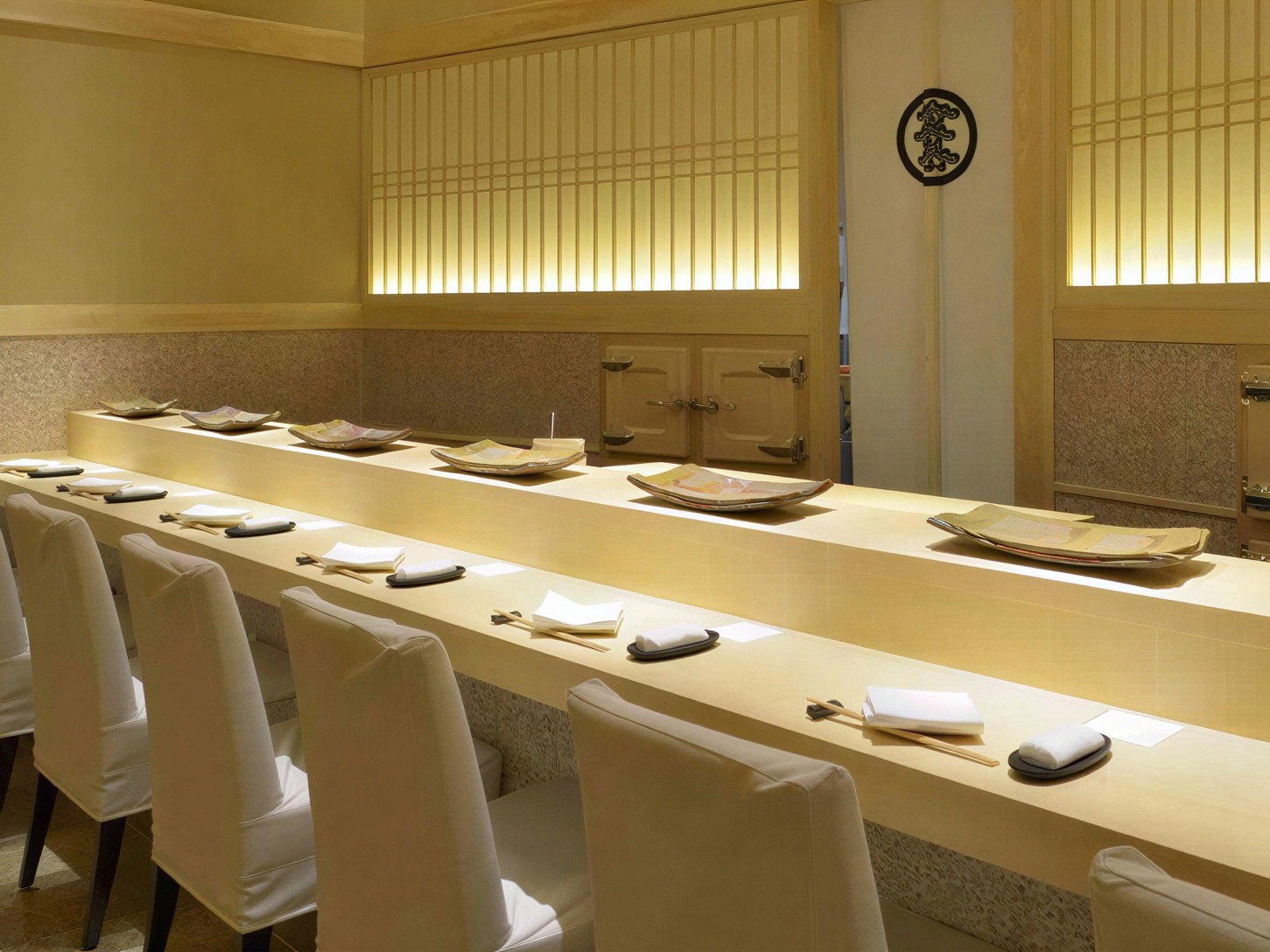
That is especially relevant here because photography is prohibited inside the store. In a city where dessert shops can become camera-first destinations, the rule changes the tempo and redirects attention to the purchase, the table, and the brief social ritual around Japanese sweets. The room is small, with 12 seats arranged as three four-seat tables, so this is not a drawn-out salon but a compact house restaurant with take-out built into service.
Azabu-Juban's sweet-shop logic
Azabu-Juban can look polished, but its strongest food identity often comes from older, category-specific addresses rather than spectacle. The area suits sweets because it sits between residential routines, embassy-adjacent foot traffic, and visitors moving between Roppongi and central Minato. That mix supports familiar products whose execution must justify repeat custom. Naniwaya Sohonten’s Tabelog score of 3.79 signals serious local traction in its category, not inflated tasting-menu fame.
Tokyo’s dining map is clearer when small rituals sit beside formal rooms. For Italian, the comparison set moves toward Serata, Piatto Suzuki, and Principio; for sushi, Sushi Hatano Yoshiki belongs to another register entirely. Gyoza Bar Chaozu represents another kind of compact urban eating. These venues do not compete directly; they show Tokyo’s category discipline. A shop can matter because it does one narrow thing in a way locals continue to reward.
For a wider day, the sweets stop fits between larger meals rather than replacing them. Readers building an itinerary can cross-reference Our full Tokyo restaurants guide, then balance the day with Our full Tokyo hotels guide, Our full Tokyo bars guide, Our full Tokyo wineries guide, and Our full Tokyo experiences guide. The value is sequencing: a quick wagashi stop can make more sense before a late dinner than another café with long dwell time.
Where it fits in a Japan sweets itinerary
Japan’s casual sweets and snack culture shifts sharply by city. Tokyo rewards precision, queue discipline, and specialization; Kyoto often frames sweets through tea culture and old-city pacing; Osaka and regional cities can feel looser and more snack-driven. For contrast beyond Tokyo, compare café and casual formats such as.cafe in Osaka.know in Kumamoto, and [ki:] in Kyoto. Even outside Japan, the same question appears differently at Jōdo Saké Bar in Los Angeles and Onigiri Time in Pasadena: how much Japanese dining culture survives when a format travels?
The answer is clearest in etiquette, not decoration. A small shop with cash-only payment, no private rooms, and a no-smoking policy asks for pace and restraint. It also reminds guests that low spend does not mean low consequence. Tokyo’s under-JPY 999 category can contain serious addresses because the city allows narrow specialties to earn loyalty without luxury pricing.
That makes this stop useful for travellers seeking Tokyo beyond dinner reservations. It pairs well with other category-led meals across Japan, from 3 Chome no Curry Ya San and [Curry Senmon Ten] Maruyama Kyoju. in Sapporo to -Grilled beef Sukiyaki- KAMAKURA TANUKIAN 鎌倉 たぬき庵 in Kamakura and (Shoku) Vietnam in Kawasaki. The common thread is format clarity. Read Naniwaya Sohonten that way: not as a grand destination, but as a concise Tokyo ritual with enough recognition to stand apart from the city’s countless casual sweets counters.
For EP Club readers, the editorial decision is simple. Do not build a whole day around it; fold it into an Azabu-Juban or Roppongi route and keep the scale modest. The reward is a better understanding of how Tokyo treats everyday sweets: with rules, repeat customers, and seriousness that does not require a white tablecloth.
Reputation First
Comparable venues in the metro at similar price points.
| Venue | Cuisine | Price | Notes |
|---|---|---|---|
| Naniwaya SohontenThis venue — the venue you are viewing | Traditional Japanese taiyaki & sweets shop | $ | Not listed |
| Kitchen Nankai (キッチン南海) | Classic Yoshoku Katsu Curry | $ | Jimbocho |
| Arry 8Bites | Japanese Small Bites | $ | Tokyo |
| Ramen Jiro Mita honten | Japanese Ramen | $ | Minato |
| Jikasei Sanuki Udon to Niku Jinza Daimon ten | Sanuki udon & meat (Jinza Daimon) | $ | Minato |
| Daitsune Udon Ginza honten | Japanese Udon and Tempura | $ | Chūō |
Recognition history
Dated appearances from independent guides and award organizations, with the underlying list record or original source where available.
Tabelog 100 #92 · No. 92
Tabelog · Tabelog 100 - Japanese traditional sweets / Japanese sweets cafe - TOKYO - 2023









At a Glance
- Classic
- Cozy
- Well Known
- Intimate
- Solo
- Casual Hangout
- After Work
- Family
- Historic Building
- Standalone
- Street Scene
A tiny, non-smoking, house-like sweet shop with just a few four-top tables, relaxed lighting, and a nostalgic, old-Tokyo atmosphere where guests quietly enjoy freshly baked taiyaki in a simple, cozy space with frequent take-out traffic and queues outside.