
Ginza’s udon culture is not built on ceremony; it runs on speed, texture, and a menu that can swing from weekday lunch to izakaya-adjacent drinking. Daitsune Udon Ginza honten sits in that practical tier, with Tabelog 100 Udon EAST recognition in 2024 and a format that treats noodles, tempura, and drinks as one compact Tokyo meal.
Pearl is the En Primeur Club membership app — saves, bookings, and concierge access live there. Same editors, same standards.
- Address
- Japan, 〒104-0061 Tokyo, Chuo City, Ginza, 7 Chome−15−17 だいつねビル 1F
- Phone
- +81 3-3541-2227
- Website
- daitsune.net
 Saves & bookings on Pearl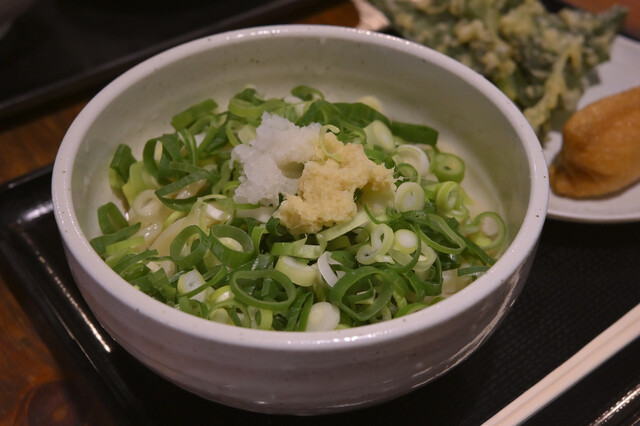
Approach this part of Ginza from Higashi-Ginza and the theatre-district polish gives way to a workaday rhythm: office workers moving with purpose, small restaurants with tight frontage, and lunch decisions made in minutes. Udon belongs naturally here. It is Tokyo dining at a lower register than the district’s sushi counters and French rooms, but it still demands attention: noodle texture, broth temperature, topping structure, and kitchen speed without flattening the meal.
Daitsune Udon Ginza honten shows how a serious udon shop can operate inside Ginza without borrowing luxury-dining language. Its recognition on Tabelog 100 Udon EAST 2024 places it in a narrow, noodle-specific field rather than the broader prestige circuit shaping much of Ginza’s dining conversation. The point is not ceremony; it is a menu built around wheat noodles, tempura, and izakaya-style drinking, broad enough for a quick lunch or a more relaxed evening meal.
Udon, tempura, and drinks form the real structure of the meal
Tokyo udon shops often reveal priorities through the menu before the bowl arrives. A narrow noodle-only list suggests speed and repetition; a wider one, especially with tempura and alcohol, signals multiple dining tempos. This kitchen sits in the latter camp. Udon anchors the meal, tempura gives it a second axis, and sake, shochu, and wine move the format toward a casual izakaya in the evening.
That combination is not incidental. Udon has always absorbed local habits: hot broth in colder months, chilled noodles in warmer weather, quick counter meals at lunch, and side dishes when drinking is part of the plan. In Ginza, that flexibility is especially valuable. The neighbourhood can punish indecision with high prices and rigid formats; a strong udon shop offers a less formal way to eat well without surrendering specificity.
The Tabelog score of 3.65 and repeated Hyakumeiten selection history, including Udon EAST 2024, 2022, and Tokyo 2020, are useful signals because noodle shops rarely depend on international award machinery. Here, local voting patterns, repeat custom, and specialist recognition matter more than spectacle. A place in the Hyakumeiten udon field means the restaurant is judged against other noodle specialists, not Ginza’s expense-account dining rooms.
Ginza context changes the value proposition
Ginza’s restaurant hierarchy is easy to misread. The district is dense with polished counters, private rooms, tasting menus, and reservations that become part of the purchase. Comparison venues such as TROIS VISAGES, Ginza Chikamitsu, Ginza Yonemura, 花蝶, and トワヴィサージュ belong to another decision set, shaped by ceremony, longer pacing, or formal occasion. Udon cuts across that hierarchy, giving the same neighbourhood a quicker, more everyday grammar.
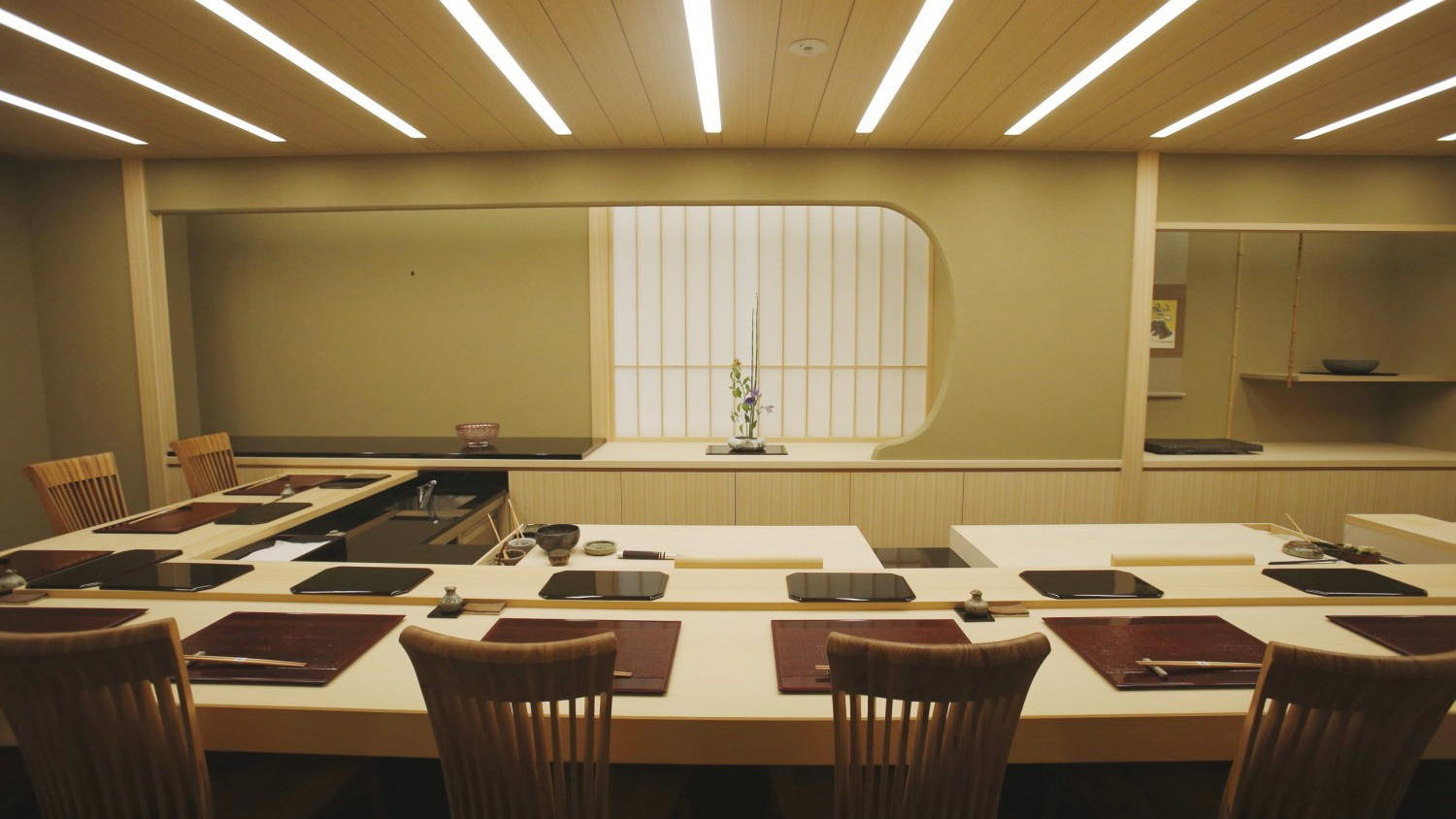
That is why Daitsune Udon Ginza honten works as a Ginza address rather than despite it. The format is not competing with premium beef, French technique, or multi-course dining. It occupies the lane where a diner wants noodles with enough support to feel intentional: tempura for texture, drinks for a second act, and a room handling both counter seating and tables. The 45-seat layout, with a small counter component and larger table section, also separates it from the tiny specialist counters that define much of Tokyo’s high-demand dining culture.
There is practical confidence in that model. No private rooms, non-smoking service, children welcome, take-out, and BYO drinks point to regular use rather than choreographed exclusivity. Wheelchair access and spacious seating also matter in a city where older buildings and compact rooms can turn casual meals into logistical negotiations. These details are not glamorous, but they shape who can use the restaurant and how often.
How to read it within a Tokyo itinerary
For travellers, the strongest use of this address is as a counterweight to Tokyo’s reservation-heavy meals. An itinerary built only around tasting menus quickly becomes monotonous: too many fixed courses, similar arrival times, and little room for appetite. Udon restores flexibility. It can sit before kabuki, after a gallery visit, between shopping and the train, or as the deliberately modest meal that makes a later bar or kaiseki dinner feel less forced.
Season also changes the reading. In summer, Tokyo’s noodle culture leans toward chilled formats and quicker meals; in winter, hot broth and tempura carry more weight. Without chasing a named seasonal dish, the category itself does the work. Udon is one of the city’s reliable temperature languages, and Ginza gives it a polished but practical setting.
Payment details deserve attention in Japan, where assumptions can fail even in central districts. Credit cards and electronic money are not accepted here, while PayPay is accepted. That small operational fact matters more than another paragraph of praise. The restaurant is close enough to Higashi-Ginza and Tsukiji Market stations to fit an east-side Ginza plan, and Sunday or public-holiday dining should be planned elsewhere.
Readers mapping a wider Tokyo food day can use this stop alongside contrasting categories rather than similar ones. For the city overview, see Our full Tokyo restaurants guide, with adjacent planning in Our full Tokyo hotels guide, Our full Tokyo bars guide, Our full Tokyo wineries guide, and Our full Tokyo experiences guide. For restaurant contrasts within and beyond the city, compare. 鮪と炭火焼き うお炭 秋葉原店, 12/10 Shinjuku ten, 124. KAGURAZAKA (Yakitori), 2D Cafe, and 3 Chome no Curry Ya San. Further Japan and overseas reference points include -Grilled beef Sukiyaki- KAMAKURA TANUKIAN 鎌倉 たぬき庵 in Kamakura.cafe in Osaka.know in Kumamoto, (Shoku) Vietnam in Kawasaki, [Curry Senmon Ten] Maruyama Kyoju. in Sapporo, [ki:] in Kyoto, Jōdo Saké Bar in Los Angeles, and Onigiri Time in Pasadena.
Local
Comparable venues in the metro at similar price points.
| Venue | Cuisine | Price | Notes |
|---|---|---|---|
| Daitsune Udon Ginza hontenThis venue — the venue you are viewing | Japanese Udon and Tempura | $ | Not listed |
| Ten mame | Japanese Traditional Sweets | $ | Chūō |
| Tonkatsu Odayasu Jounai ten | Tonkatsu and fried seafood canteen in Toyosu Market | $ | Kōtō |
| Takeya | Udon & Izakaya | $ | Bunkyō |
| Ramen Kai | Clam-focused Japanese ramen | $ | Taitō |
| Kikumaru | Traditional Japanese sweets café (anmitsu & wagashi) | $ | Taitō |
Recognition history
Dated appearances from independent guides and award organizations, with the underlying list record or original source where available.
Tabelog 100 #40 · No. 40
Tabelog · Tabelog 100 - Udon - EAST - 2024




At a Glance
- Classic
- Cozy
- Casual Hangout
- Solo
- Group Dining
- Standalone
- Beer Program
- Local Sourcing
- Street Scene
Current opening hours
- Monday
- 11 AM–2:20 PM
- Tuesday
- 11 AM–2:20 PM, 5–8:30 PM
- Wednesday
- 11 AM–2:20 PM, 5–8:30 PM
- Thursday
- 11 AM–2:20 PM, 5–8:30 PM
- Friday
- 11 AM–2:20 PM, 5–8:30 PM
- Saturday
- 11 AM–2:20 PM
- Sunday
- Closed
Hours can change for holidays and private events. Last verified .
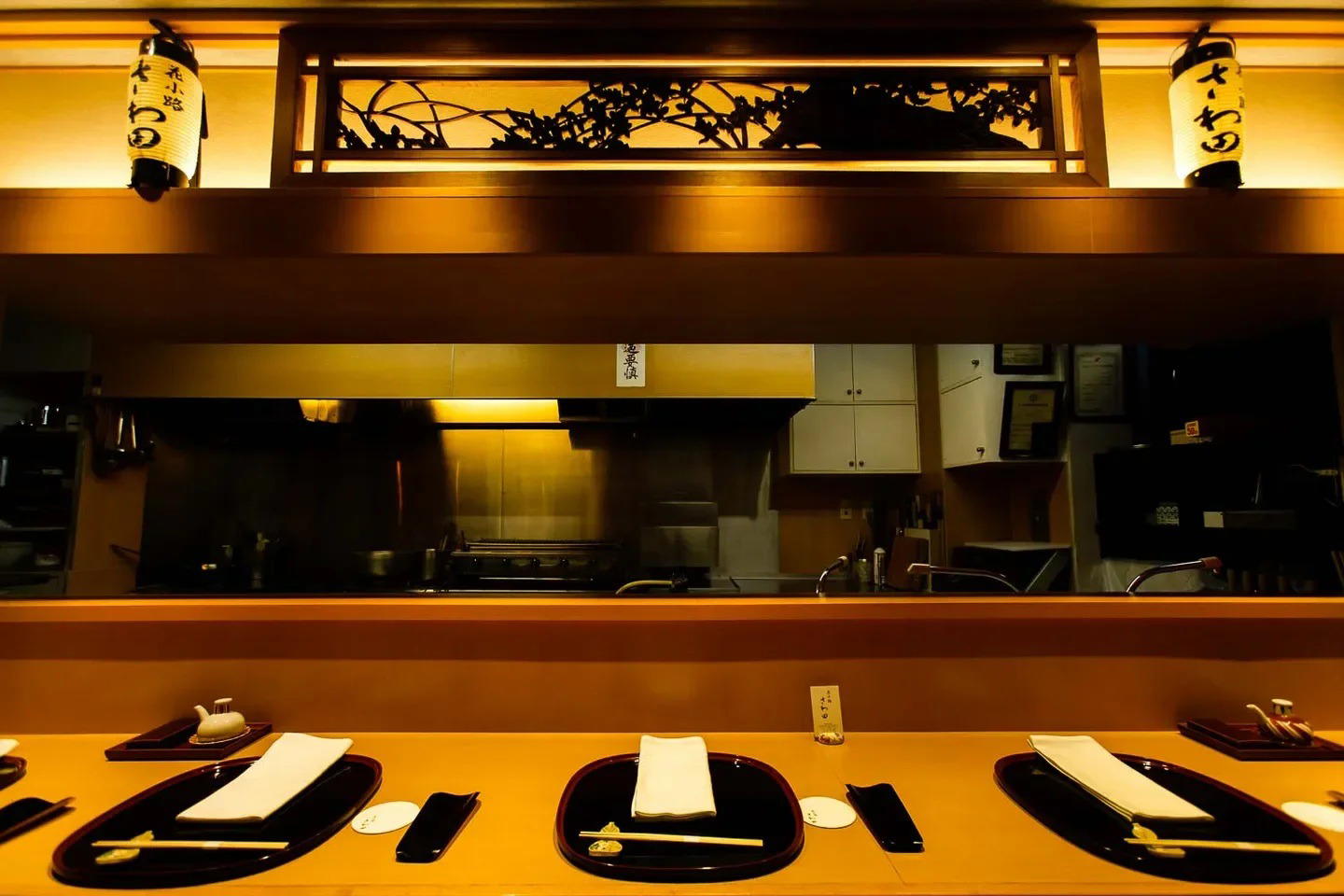
Traditional and homey, with a classic house-style interior that gives the restaurant a warm, old-school Ginza feel.