Our verdict
Arry 8Bites occupies a specific and telling position in Tokyo's dining scene: a neighbourhood-rooted address whose name alone signals a deliberate, portion-conscious format in a city where precision is the baseline expectation. For visitors working through the capital's denser restaurant districts, it sits alongside a generation of Tokyo tables where concept and place are inseparable. Details on cuisine, booking, and format remain limited, approach with curiosity and confirm directly.

Pearl is the En Primeur Club membership app, where members save venues, book tables and use the concierge.
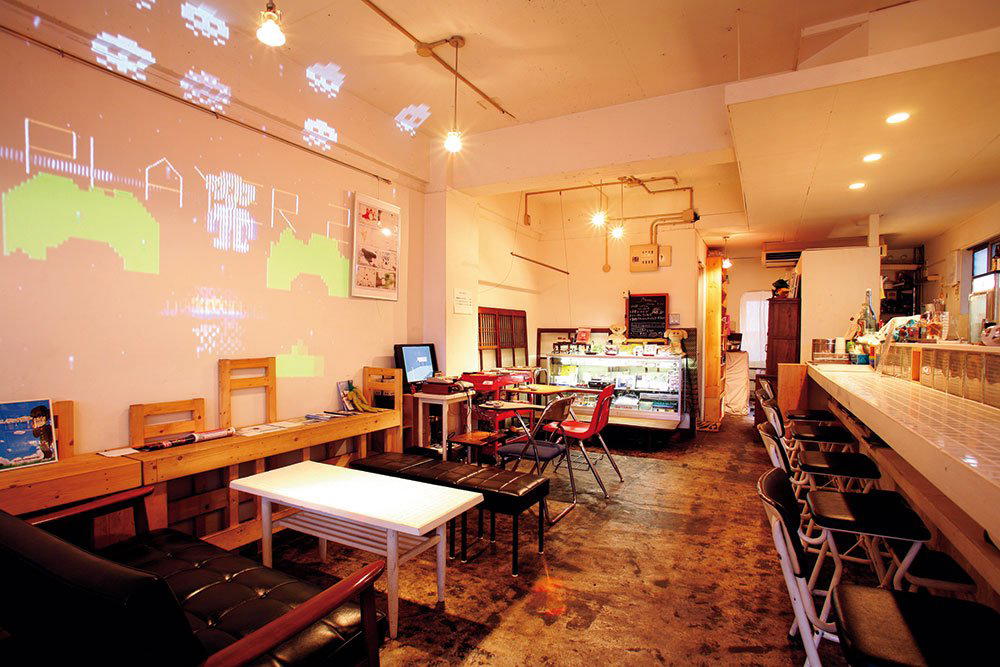
Where the Neighbourhood Does the Work
Tokyo's restaurant culture is often discussed at the level of its most decorated addresses: the multi-starred kaiseki counters of Roppongi, the omakase rooms of Ginza, the French-inflected dining rooms of Minami-Aoyama. What that framing consistently underweights is the role of neighbourhood in shaping a restaurant's identity from the ground up. In a city where postal codes carry genuine culinary meaning, where a side street in Shinjuku operates under entirely different social and aesthetic logic than a ground-floor space in Daikanyama, the question of where a restaurant sits is rarely incidental. It tends to be constitutive.
Arry 8Bites is a Tokyo address whose fuller details, cuisine category, seating count, chef background, price tier, are not yet confirmed in verified form. What the name itself communicates is worth pausing on. The "8Bites" framing suggests a portion-defined or course-limited format, a structural choice that aligns with a broader tendency in Tokyo dining toward precision and self-imposed constraint. This is a city where the discipline of less has repeatedly produced more: think of the progression from elaborate tasting menus toward tighter, more deliberate counter formats across multiple cuisine categories over the past decade.
Tokyo's Neighbourhood Dining Logic
To understand any Tokyo restaurant at the neighbourhood level, it helps to understand how sharply the city's districts differentiate themselves. Ginza and its surrounds sustain the capital's highest concentration of Michelin-starred addresses, including sushi counters like Harutaka and kaiseki rooms like RyuGin, where the expectation is ceremony, precision, and a booking lead time measured in months. Aoyama and Minami-Aoyama carry a different register: design-conscious, internationally oriented, home to French-leaning rooms like L'Effervescence and Sézanne that translate European technique through a distinctly Tokyo sensibility.
Further from those established corridors, in the neighbourhoods that don't appear in the first paragraph of most city guides, a different kind of restaurant takes hold. These are the addresses that depend less on category prestige and more on the loyalty of a specific, local audience. They tend to be smaller, more idiosyncratic, and in many cases more interesting as a result. The format implied by "8Bites" fits this register well: a defined, contained dining experience that doesn't require the theatrical infrastructure of a full omakase or the kitchen brigade of a starred French room.
Innovative format-driven concepts have gained genuine traction in Tokyo across the last several years. Crony, which operates at the intersection of French technique and Tokyo ingredient culture, is one example of a restaurant where concept clarity has driven recognition. The appetite for restaurants that communicate their premise immediately, through format, name, or structure, reflects a broader shift in how Tokyo diners engage with new openings.
The "8Bites" Format in Context
Portion-defined dining formats have a particular logic in cities where time and space are at a premium. Tokyo qualifies on both counts. The city's restaurant interiors are frequently compact, and the expectation of efficient, purposeful service is embedded deeply in how dining rooms here operate. A format anchored to a specific number of courses or portions is not a gimmick in this context; it is a commitment to a defined experience, one that sets expectations for the kitchen and the guest simultaneously.
Across Japan more broadly, the precision of format is a recurring principle. In Osaka, HAJIME operates within the logic of a fully defined tasting structure. In Kyoto, Gion Sasaki anchors its kaiseki progression to the same seasonal discipline. In Nara, akordu brings a different European influence into Japan's format consciousness. What connects them is a shared understanding that the container shapes the content: how many courses, how many seats, how much time, these are not logistical details but creative decisions.
Beyond Japan, the comparison holds. In New York, Atomix has built a reputation on a tightly controlled multi-course format that treats each element of service as a considered choice. Le Bernardin has sustained authority for decades partly through the discipline of its focus. Format is not a limitation; in the right hands, it is the argument.
Placing Arry 8Bites in the Tokyo Dining Map
Tokyo's restaurant density means that almost every neighbourhood contains at least one address operating at a level above its immediate surroundings. Fukuoka has its own version of this dynamic, exemplified by Goh, a restaurant that would command attention in any city. Japan's secondary cities and smaller destinations follow the same pattern: 一本木 奥川製 in Nanao, 古仟山乃 in Sapporo, 湖畔廚庵 in Takashima, 羽根屋 in Nishikawa Machi, each operating with a specificity that rewards the traveller who moves beyond the obvious circuits.
In Tokyo itself, the same dispersal applies. Birdland in Sakai and Bistro Ange in Toyohashi represent the kind of address that serious diners seek out specifically because they sit outside the heavily mapped zones. Arry 8Bites, based on its name and its Tokyo address, occupies a similar position of interest: a venue whose premise is clear enough to generate curiosity, but whose confirmed details remain to be gathered firsthand.
For the full picture of what Tokyo's dining scene currently offers across all price points and cuisine types, our Tokyo restaurants guide covers the city's major addresses in detail.
Know Before You Go
Frequently asked questions
How does the 8Bites format at Arry compare to other Tokyo tasting counter formats?
Tokyo's counter dining scene spans everything from elaborate kaiseki sequences running fifteen or more courses to quick standing sushi counters with under ten pieces. Arry 8Bites occupies a distinct position by naming the count explicitly, eight bites, which signals a commitment to brevity and precision over abundance. This places it closer in philosophy to Tokyo's omakase counters than to izakaya-style sharing formats, though the neighbourhood context suggests a more accessible entry point than the city's decorated multi-course addresses.
What's the must-try dish at Arry 8Bites?
The restaurant's name signals a structured, portion-defined format, eight bites per sitting, which in Tokyo's counter-dining culture typically means a tightly edited sequence where each course carries equal weight. The format itself, rather than a single dish, appears to be the point.
Can I walk in to Arry 8Bites?
Counter-format restaurants in Tokyo operating on a portion-defined model, particularly those with limited seating, tend to fill through reservations. Contacting the venue directly or checking current booking channels before visiting is advisable.
What's the defining dish or idea at Arry 8Bites?
The defining idea at Arry 8Bites appears to be structural: a fixed eight-bite format that imposes editorial discipline on the meal itself. In a city where restaurant density is among the highest in the world, Tokyo operators who build constraint into the format, fixed counts, fixed sequences, are making a deliberate statement about pace and intention. That architecture is the concept.
A small set of peers for context, based on recorded venue fields.
| Venue | Cuisine | Price | Awards | Notes |
|---|---|---|---|---|
| Arry 8BitesThis venue (the venue you are viewing) | Japanese Small Bites | Not listed | Not listed | Not listed |
| Harutaka | Edo-Style Omakase Sushi | $200–300 | 3 Michelin Stars · World's 50 Best #76 | Sushi |
| L'Effervescence | Modern French with Japanese Influences | $200–300 | 3 Michelin Stars · World's 50 Best #69 | French |
| RyuGin | Modern Kaiseki | $500+ | 3 Michelin Stars · World's 50 Best #41 | Kaiseki, Japanese |
| Crony | Modern French with Japanese Influences | $150–200 | 2 Michelin Stars · World's 50 Best #34 | Innovative, French |
| Florilège | Modern French-Japanese Plant-Based Fine Dining | $50–100 | 2 Michelin Stars · World's 50 Best #31 | French |
Continue exploring
More in Tokyo
Restaurants in Tokyo
All restaurants in Tokyo →

Details
- Casual Hangout
- Sake Program
- Small Plates
Casual and approachable atmosphere suitable for quick meals