Distilleria Zanin sits in Zugliano, in the Veneto's Vicenza province, where northern Italian distilling traditions meet the raw agricultural character of the foothills.. For those tracing the geography of Italian grappa and distillate culture, it is a deliberate stop.
Pearl is the En Primeur Club membership app — saves, bookings, and concierge access live there. Same editors, same standards.
- Address
- Via Cinquevie, 20, 36030 Zugliano VI
- Phone
- +39 0445 330105
- Website
- distilleriazanin.it
- Directions
- Get directions
 Saves & bookings on Pearl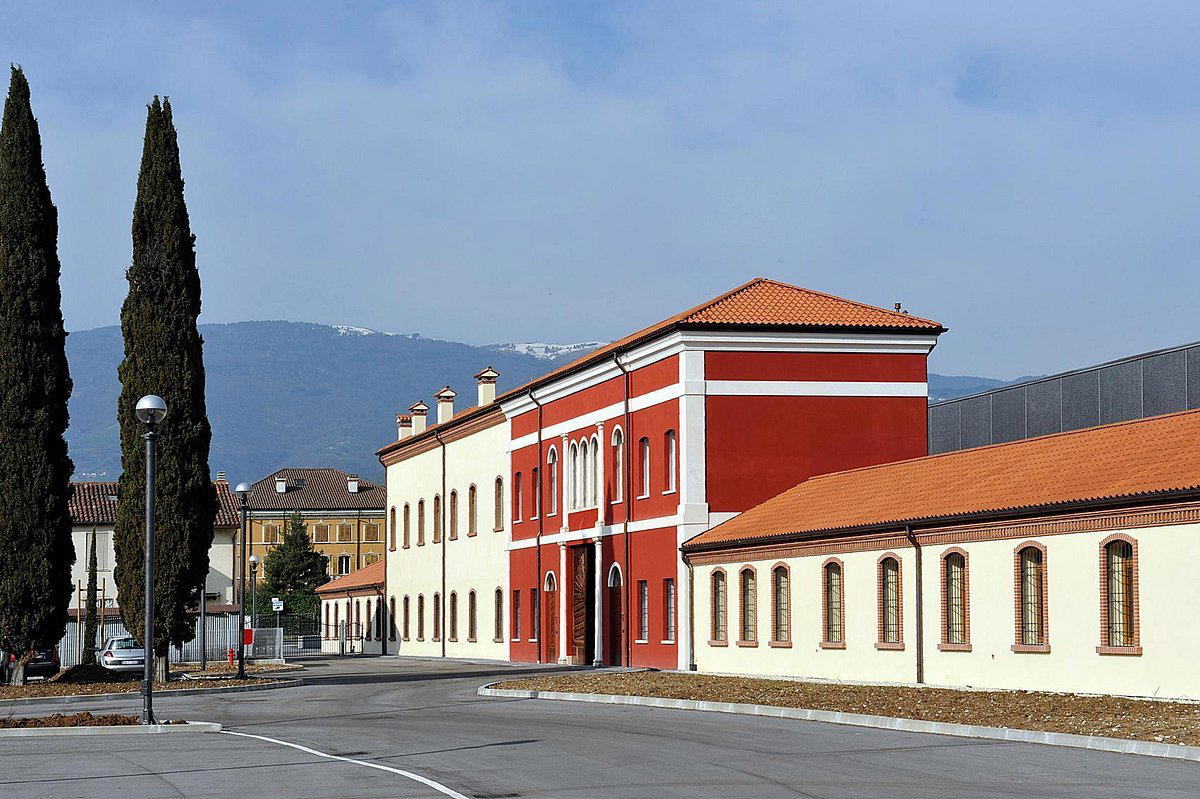
Veneto Distilling, Read Through the Land
The Veneto's relationship with grappa is older than the region's wine fame. Long before Amarone commanded international auction prices, the marc left behind from pressing Garganega, Glera, and Corvina grapes was being redistilled in copper pot stills across the Vicenza and Treviso foothills. That tradition persists in a handful of serious distilleries today, and Zugliano, a small comune tucked into the pre-Alpine terrain north of Vicenza, sits within that geographic band where distilling has always been less a luxury business than a practical, rooted craft. Distilleria Zanin, at Via Cinquevie, 20, 36030 Zugliano VI, operates from within this tradition.
That award context matters because the Pearl Prestige system evaluates producers across quality consistency and character. A 2 Star Prestige level in 2025 places Distilleria Zanin within a competitive set that includes producers who take seriously the relationship between raw material sourcing, still selection, and resting conditions. In northern Italian distilling, those decisions are largely shaped by what the land provides: the grape varieties grown in the surrounding hills, the mineral character of the soil, and the temperatures that dictate fermentation pace and flavour development.
Where the Foothills Define the Spirit
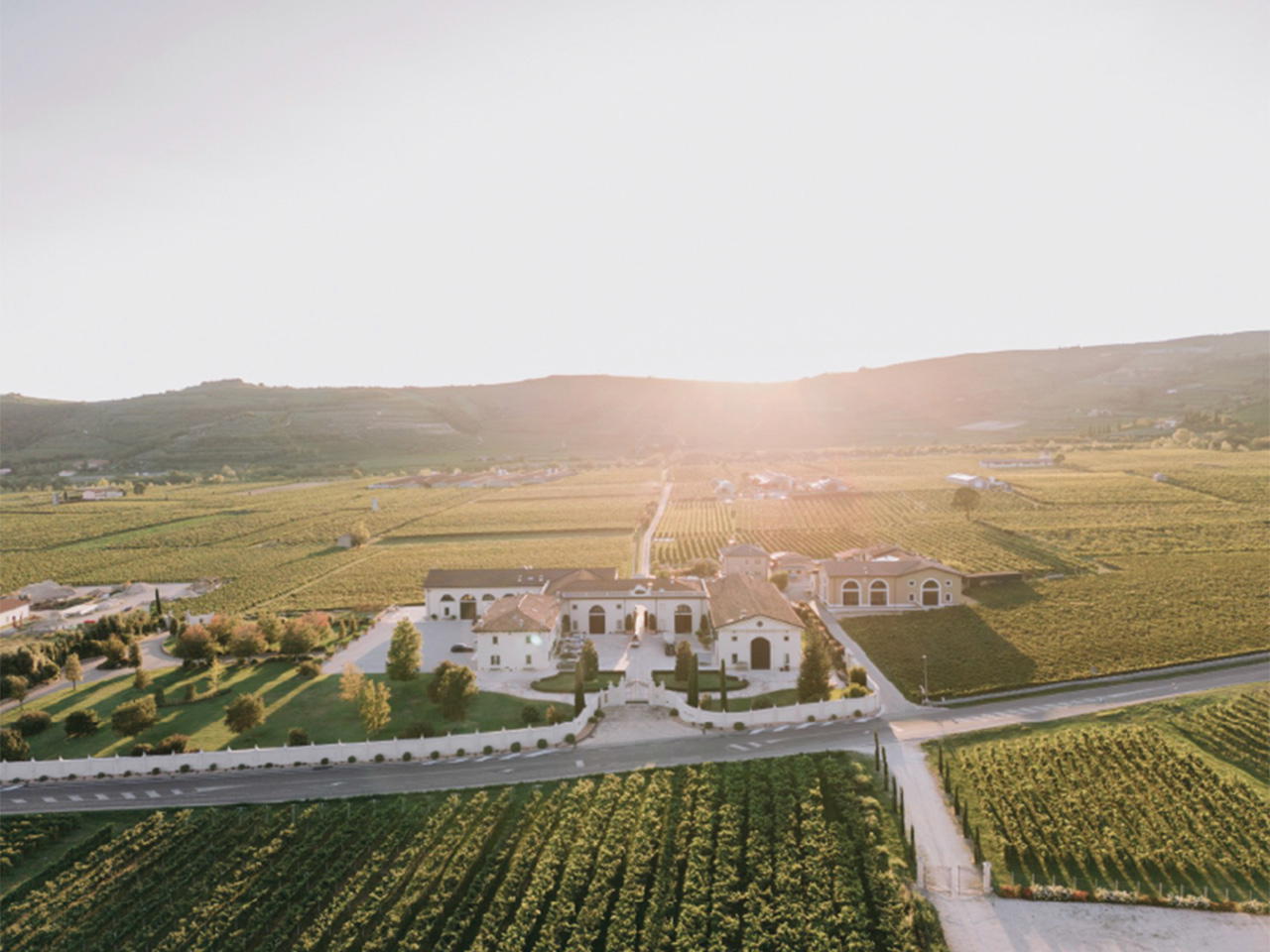
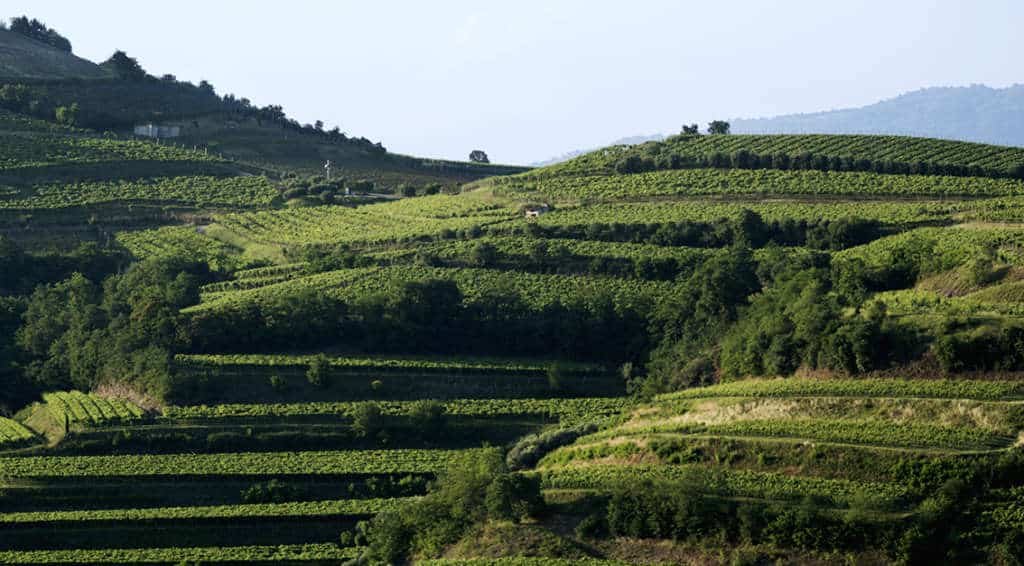
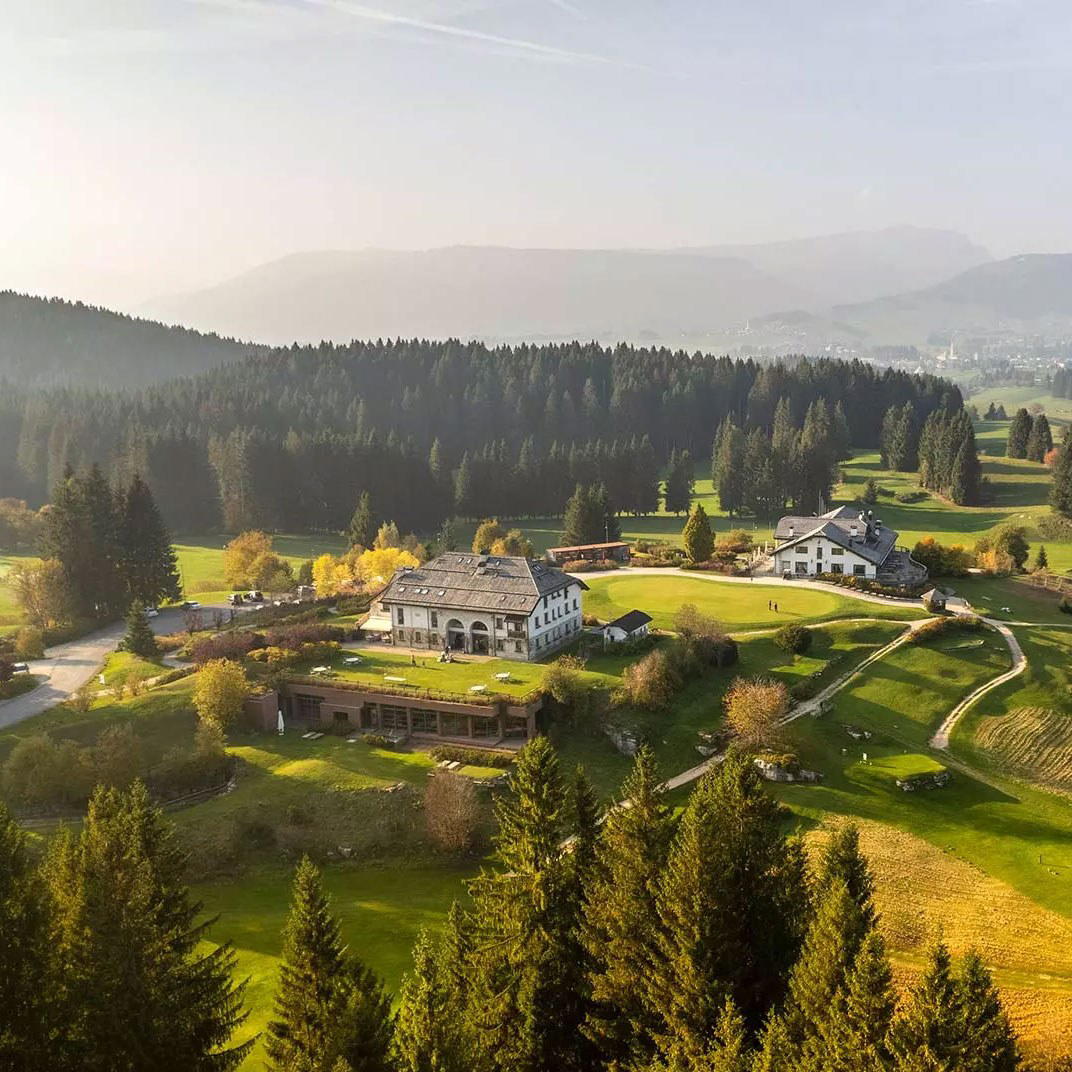
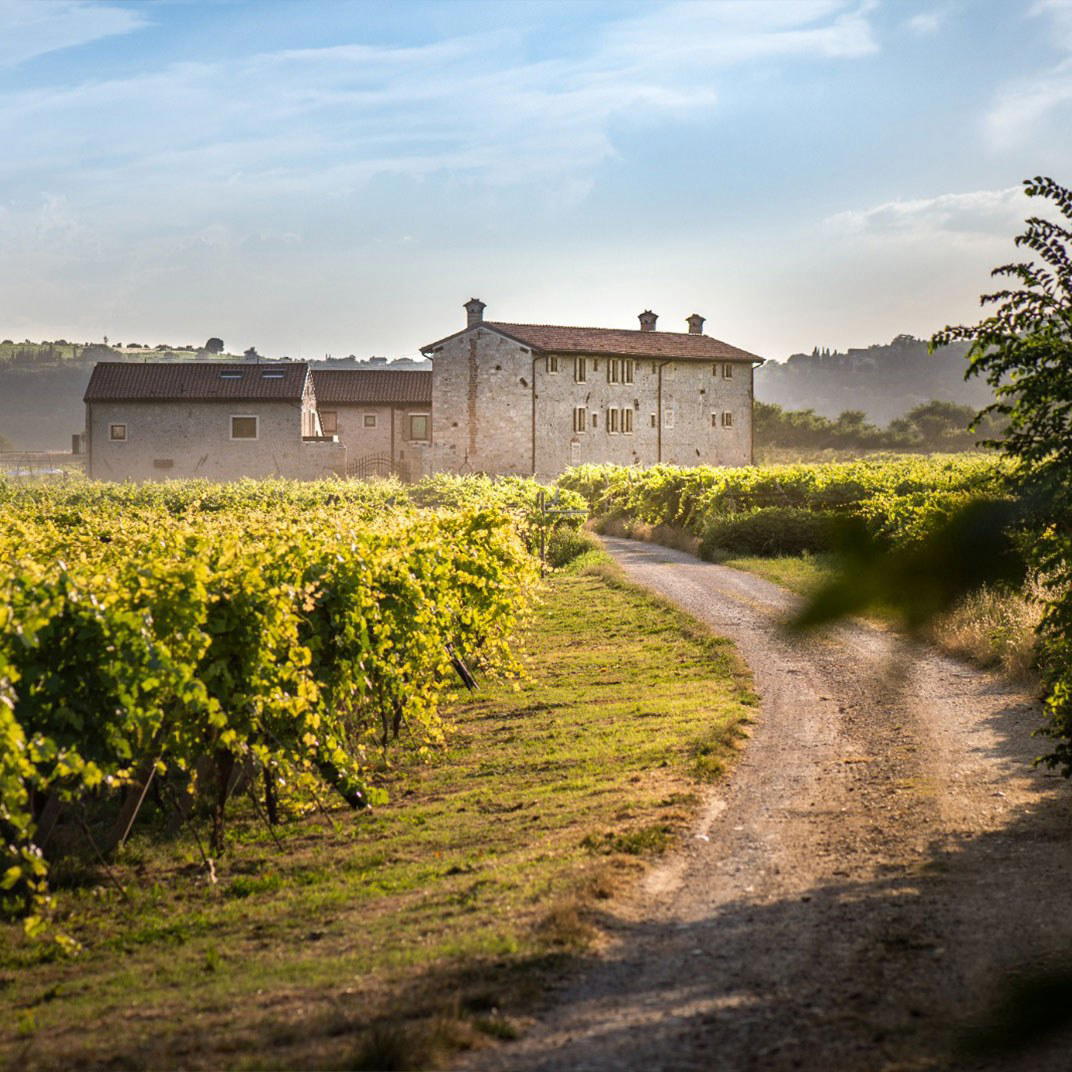
Zugliano occupies a transition zone between the Venetian plain and the Asiago plateau. This terrain is not flat agricultural land, and it is not high alpine country either. It is the middle zone where viticulture and distilling have historically coexisted with mixed farming, and where the raw materials for spirits production have been drawn from a tight geographic radius. Terroir, when applied to distillates, is a more contested concept than in winemaking, but the arguments for it are strongest precisely in regions like this, where the grape pomace arriving at the still comes from vineyards only a short distance from the facility, where the mineral content of local water influences dilution and resting, and where the ambient conditions of ageing cellars reflect the local climate rather than a temperature-controlled industrial standard.
Italian grappa houses that have made one compelling case for terroir-led distillation tend to share a few characteristics: they source marc from specific grape varieties rather than blended pomace, they work with the seasonal rhythm of the harvest rather than buying commodity material, and they treat the still as a tool for amplifying raw material character rather than correcting it. Among the reference points in this tradition, Nonino Distillery in Pavia di Udine and Poli Distillerie in Schiavon, also in Vicenza province, have set the regional benchmark for varietal-specific grappa programs. Distilleria Marzadro in Nogaredo and Distilleria Romano Levi in Neive represent contrasting regional styles from Trentino and Piedmont respectively, illustrating how differently northern Italy's distilling geography expresses itself depending on the marc, the method, and the microclimate.
Zanin's 2025 award suggests a producer where specificity of character becomes the primary measure of quality.
The Broader Italian Spirits Context
Italy's spirits industry has undergone a significant reclassification in international perception over the past two decades. Grappa, once considered a rough digestif drunk primarily by older generations in northern Italian towns, has been reframed as a product of craft and geographic specificity, in much the same way that mezcal was repositioned relative to tequila in the global market. The producers driving that shift have consistently been those with clear raw material provenance, identifiable house styles, and the willingness to hold aged product for longer than the economics of rapid turnover would suggest. Campari in Milan represents the industrialised end of Italian spirits heritage, while small distilleries across the Veneto, Trentino, and Piedmont represent the artisanal opposite. The space between those poles is where producers earning awards like the Pearl Prestige tend to operate: serious enough for recognition, small enough to maintain material integrity.
The Italian wine-distilling corridor that runs from the Langhe south through Tuscany also illuminates the broader terroir conversation. Producers like Aldo Conterno in Monforte d'Alba, Castello di Volpaia in Radda in Chianti, and Lungarotti in Torgiano have built international reputations on the argument that place shapes what ends up in the bottle. The same logic, applied to distillates made from the marc of Veneto vineyards, underlies the quality claims being made by producers in Zanin's tier. Further south, Planeta in Menfi and Ca' del Bosco in Erbusco demonstrate how Italian producers across different categories have built on geographic identity as their primary differentiator from commodity alternatives.
Visiting Zugliano and Planning Around Distilleria Zanin
Zugliano sits roughly 20 kilometres north of Vicenza, making it accessible as a half-day excursion from the city, which is itself served by frequent train connections from Venice, Verona, and Padua. The commune is small, and visitors travelling specifically to reach the distillery should treat it as part of a wider route through the Vicenza foothills rather than an isolated destination. The pre-Alpine terrain between Vicenza and Bassano del Grappa rewards slow travel, with a handful of producers and agricultural estates distributed across a landscape that shifts noticeably as you move north. Visiting in autumn, in the weeks immediately following the grape harvest, provides the clearest sense of how the production cycle connects to the agricultural calendar, which is when marc arrives fresh at distilleries and the production season properly begins.
For visitors building a broader itinerary around northern Italian distilling, the Veneto and its immediate neighbours offer a concentrated geography of producers worth comparing directly. The contrast between Venetian and Friulian approaches to grappa, for instance, is discernible at the level of raw material selection and still type, and spending time across multiple producers in a single trip sharpens the palate's ability to read those differences. Our full Zugliano restaurants guide provides further context for planning time in the area, including where to eat and what else the commune and its surroundings offer to visitors.
For those whose interest in Italian spirits extends to the finer points of terroir-led production in other categories, the comparison producers listed here provide a useful framework. L'Enoteca Banfi in Montalcino and Poggio Antico in Monte San Vito illustrate Tuscan wine production at a different register, while Aberlour in Aberlour and Accendo Cellars in St. Helena offer reference points from Speyside and Napa respectively for readers mapping their interests across distilling and wine traditions internationally.
What the 2025 Recognition Signals
Awards in the spirits category function differently from Michelin stars or wine competition medals. The Pearl Prestige system, at the 2 Star level in 2025, positions Distilleria Zanin within a cohort of producers whose output has been evaluated for consistency and character rather than novelty or packaging. For a distillery operating in a small Veneto commune, that level of recognition acts as a credential in markets where provenance and quality verification matter to buyers. It also places the producer in a reference tier that separates it from the undifferentiated mass of Italian spirits production and aligns it with the smaller group of houses that have made a specific, traceable argument about what their land and raw materials contribute to what ends up in the bottle.
Comparable Venues
Comparable venues nearby, for context on price, style, and recognition.
| Venue | Cuisine | Price | Notes |
|---|---|---|---|
| Distilleria ZaninThis venue — the venue you are viewing | Moscato, Prosecco | $$$ | Not listed |
| J. Hofstätter | Pinot Noir, Gewürztraminer | $$$ | Tramin |
| Distilleria Andrea Da Ponte | Glera, Malvasia | $$$ | Corbanese di Tarzo |
| Distilleria Schiavo | Cabernet Sauvignon, Merlot | Not listed | Costabissara |
| Tenuta Brancalupo | Sagrantino, Trebbiano Spoletino | $$$ | Montefalco |
| Antoniotti Odilio | Nebbiolo, Croatina | $$ | Casa del Bosco (Sostegno) |
Continue exploring
More in Zugliano
Wineries in Zugliano
Browse all →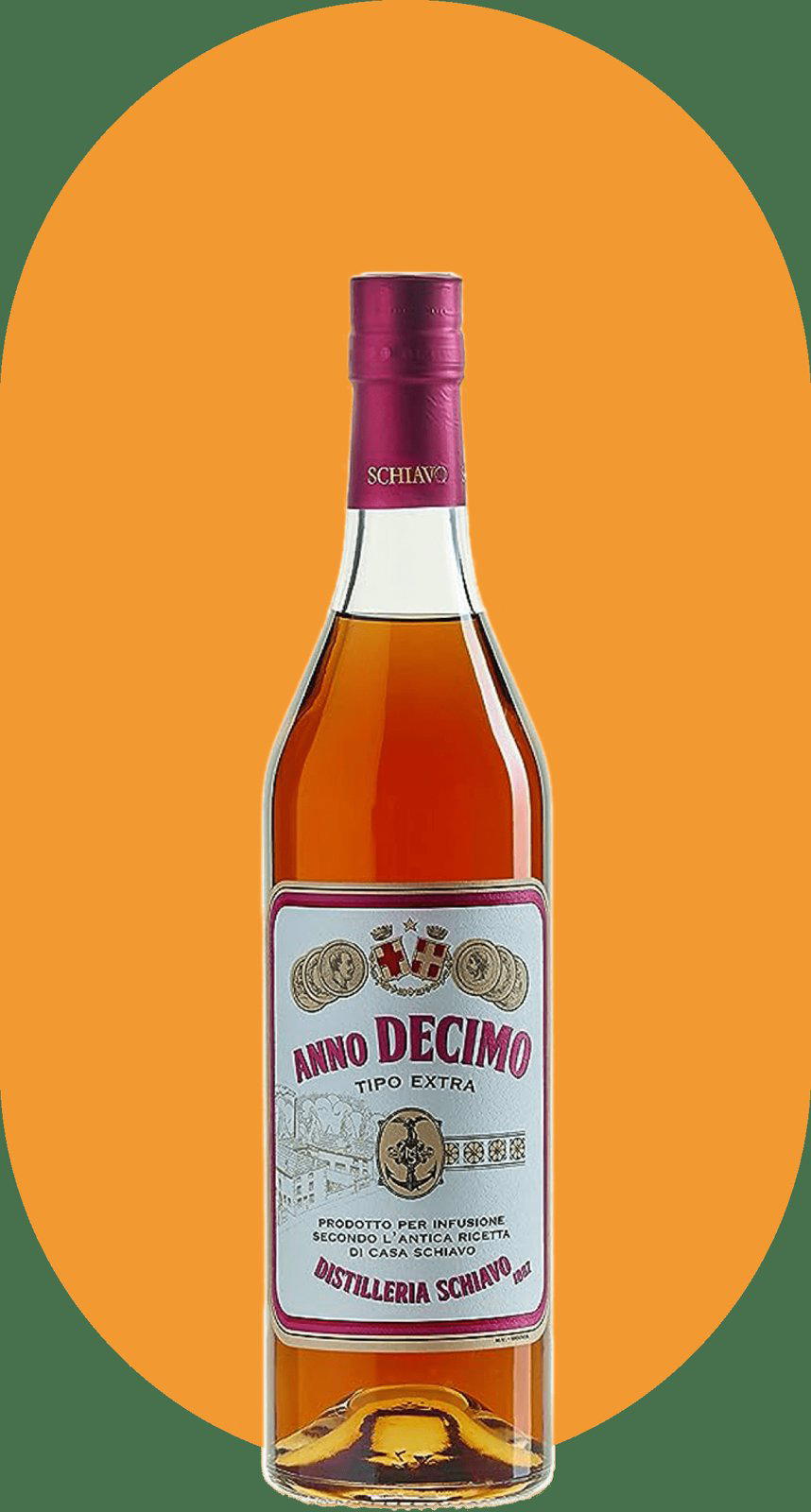
Bars in Zugliano
Browse all →
Restaurants in Zugliano
Browse all →
At a Glance
- Classic
- Rustic
- Elegant
- Historic
- Wine Education
- Special Occasion
- Group Outing
- Historic Building
- Barrel Room
- Sustainable
- Veneto
- Moscato
- Prosecco
- Amarone
- Corvina
- Molinara
- Rondinella
- Grappa Tasting
- Liqueur Tasting
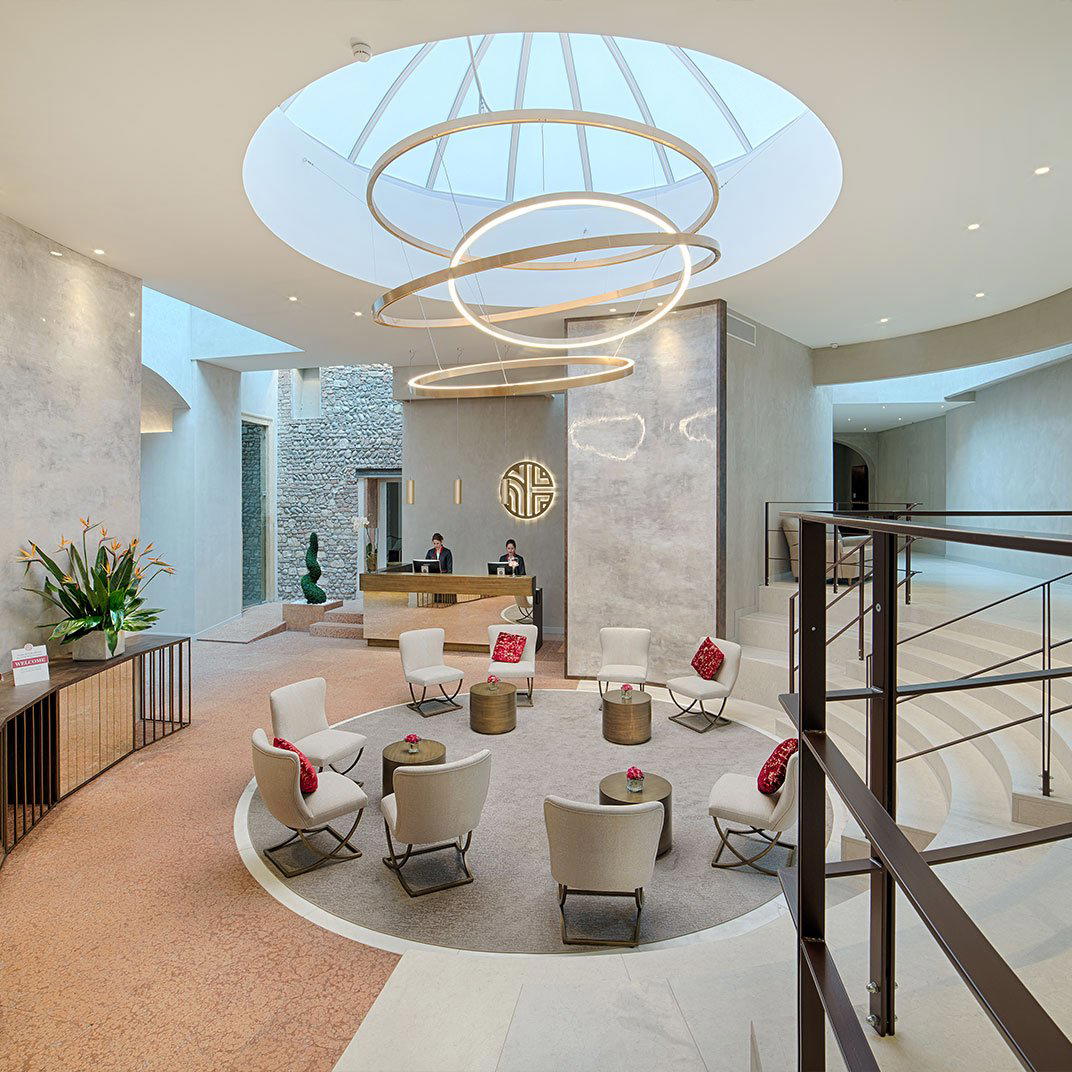
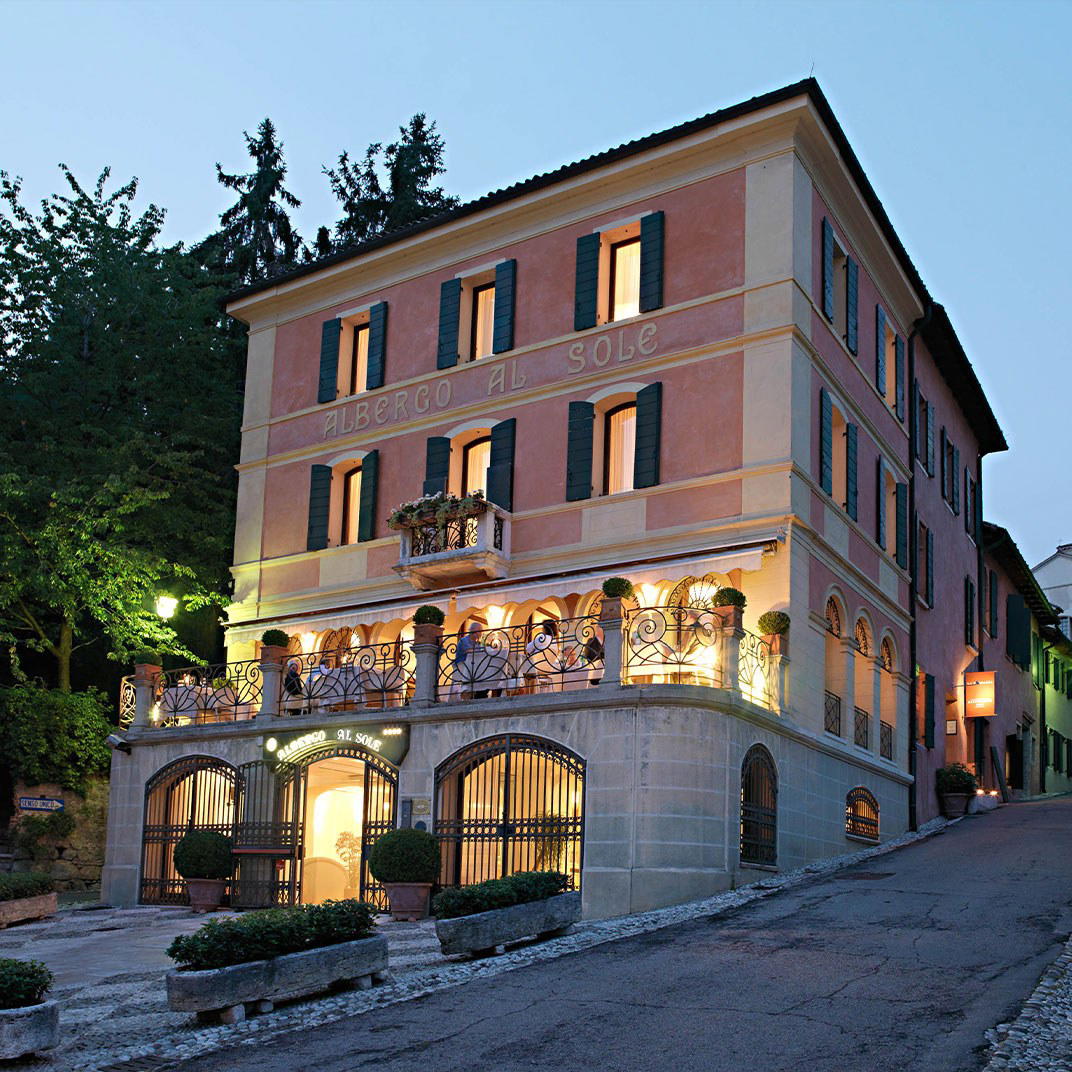
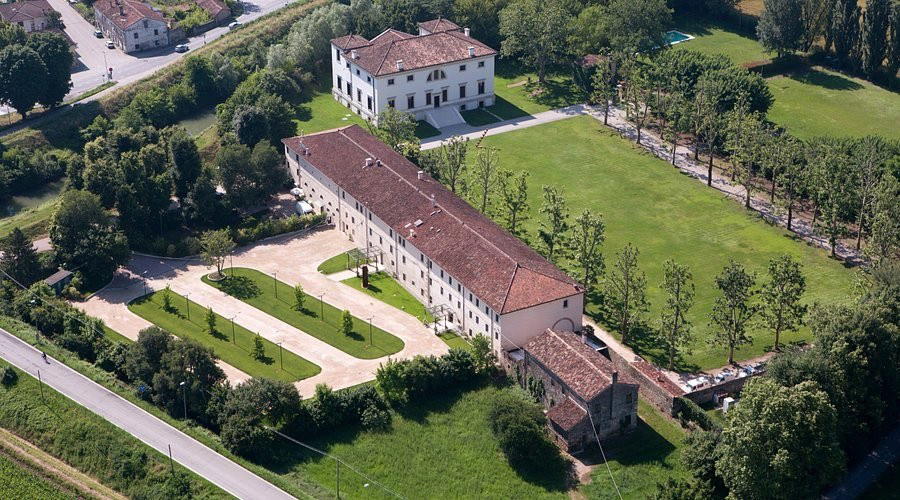
Technologically advanced yet historically evocative facility that honors its 1800s roots while maintaining contemporary production standards; described as a temple to distillation with an atmosphere that leaves visitors speechless.