In Chamberí, one of Madrid's most residential and characterful barrios, Nan Hotpot brings the communal logic of Chinese hot pot to a city better known for cocido madrileño and tapas culture. The format, which centres on a shared simmering broth at the table, sits apart from Madrid's dominant fine-dining mode. For visitors tracking Asian dining options across the capital, it offers a distinct point of difference.
Pearl is the En Primeur Club membership app — saves, bookings, and concierge access live there. Same editors, same standards.
- Address
- C. de Alberto Aguilera, 26, Chamberí, 28015 Madrid, Spain
- Phone
- +34609164457
- Website
- nanhotpot.es
- Directions
- Get directions
 Saves & bookings on Pearl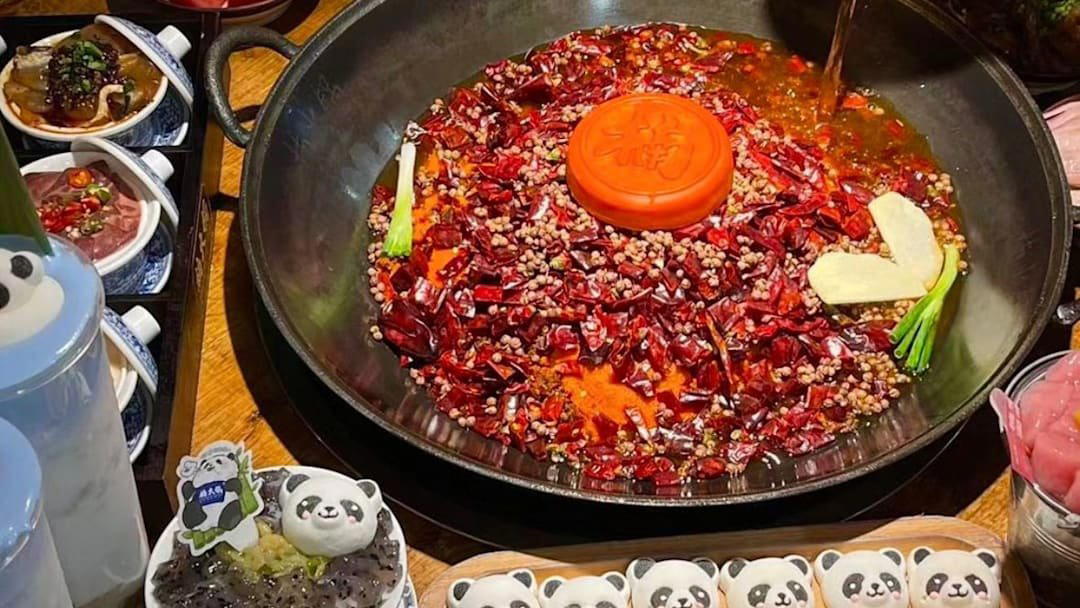
Chamberí and the Question of What Madrid Eats Now
There is a version of Madrid dining that visitors rarely plan for: the residential neighbourhood restaurant that has nothing to do with Spanish haute cuisine and everything to do with how the city actually eats today. Chamberí, the barrio that stretches north from Alonso Martínez toward Bilbao metro, has long been one of Madrid's more grounded districts, home to long-established local bars, family-run tabernas, and an increasingly international dining mix that reflects how the neighbourhood has changed over the past decade. Nan Hotpot Madrid is an authentic Chinese hot pot restaurant at C. de Alberto Aguilera, 26 in Chamberí, Madrid. Nan Hotpot, on Calle de Alberto Aguilera, sits inside that shift rather than apart from it.
The address places it in a stretch of Chamberí that runs between the commercial activity of Argüelles and the quieter streets around Quevedo, a part of the city where the dining room demographic skews toward residents rather than tourists. That context matters for how the experience reads. This is not the Madrid of DiverXO or Coque, where the meal is a structured event with a defined tasting arc. It is the Madrid of neighbourhood restaurants that draw a regular clientele and operate on the assumption that you know why you came.
Hot Pot as a Dining Format: What the Format Demands of a Room
Hot pot, in its Chinese tradition, is a communal format built around a simmering broth at the centre of the table into which diners cook their own ingredients: thin-sliced meats, vegetables, tofu, noodles, seafood. The meal moves at the pace of conversation. There is no kitchen sending out sequenced courses; the table itself becomes the cooking surface, and the dynamic shifts from service-led to guest-led. In cities like Chengdu or Chongqing, where the format originated, the broth is typically split between a fiery mala base and a milder alternative, allowing the table to calibrate heat across the meal.
What this format requires of a space in Madrid is worth considering. The room needs ventilation capable of handling sustained tabletop cooking, extraction systems that prevent the dining room from becoming oppressively aromatic after the first hour, and furniture scaled to accommodate both the induction burner and the spread of raw ingredients that arrives before cooking begins. It also requires a particular style of service: less orchestration, more restocking and timing awareness. When these elements work, the result is one of the more democratic and sociable dining formats available, one that rewards groups over solo diners and long evenings over efficient turnovers.
In the context of Madrid's broader Asian dining scene, hot pot remains a format largely absent from the city's higher-profile restaurant conversation. The capital's most discussed Asian-inflected cooking appears at the far end of the fine-dining spectrum, as at DiverXO, where Asian references operate as creative tools within a progressive Spanish framework rather than as the primary logic of the meal. Nan Hotpot operates in a different register entirely, one where the tradition is the point.
Where It Sits Among Madrid's Dining Options
Madrid's fine-dining tier is well-documented. Deessa, DSTAgE, and Paco Roncero each occupy the creative-contemporary Spanish bracket at the summit end of the price range, with tasting menus running across multiple courses and wine pairings priced accordingly. For visitors building a broader picture of what Spanish cooking looks like at its most ambitious, those restaurants provide essential reference points, as do the major kitchens outside the capital: El Celler de Can Roca in Girona, Martin Berasategui in Lasarte-Oria, Arzak in San Sebastián, and Mugaritz in Errenteria.
Nan Hotpot does not compete in that tier. Its competitive set is the neighbourhood restaurant: accessible, repeatable, occasion-agnostic. For a city that has spent the better part of fifteen years building international recognition for its fine dining, that tier is easy to overlook in favour of the headline names. It is also where most of the city's actual dining life happens.
| Venue | Format | Price Tier | Cuisine Tradition | Booking Lead Time |
|---|---|---|---|---|
| Nan Hotpot Madrid | Communal hot pot | Not confirmed | Chinese | Not confirmed |
| DiverXO | Tasting menu, seated | €€€€ | Progressive Asian/Creative | Several months |
| Coque | Tasting menu, seated | €€€€ | Spanish Creative | Several weeks |
| Deessa | Tasting menu, seated | €€€€ | Modern Spanish Creative | Several weeks |
| DSTAgE | Tasting menu, seated | €€€€ | Modern Spanish Creative | Several weeks |
Planning a Visit
Nan Hotpot is located at Calle de Alberto Aguilera 26, in the Chamberí district of Madrid (postcode 28015). The nearest metro stops are Argüelles (lines 3, 4, 6) and San Bernardo (lines 2, 4), each within comfortable walking distance. Chamberí is a walkable barrio, and the street sits on a main artery that connects easily to the surrounding neighbourhoods.
Opening hours are Monday to Sunday, 1:30 to 4:30 PM and 7:30 to 11:30 PM. Pricing is around $25 per person, and reservations are recommended. The format, communal hot pot, tends to suit groups of three or more, as the economics and the social logic of the meal work better with more people at the table.
For reference points outside the capital, Aponiente in El Puerto de Santa María, Quique Dacosta in Dénia, Azurmendi in Larrabetzu, Cocina Hermanos Torres in Barcelona, Ricard Camarena in València, and Atrio in Cáceres each represent significant points on the broader Spanish dining map.
Just the Basics
Comparable venues nearby, for context on price, style, and recognition.
| Venue | Cuisine | Price | Notes |
|---|---|---|---|
| Nan Hotpot MadridThis venue — the venue you are viewing | Arapiles, Authentic Chinese Hotpot | $$ | Not listed |
| Chun Li | Sol, Modern Chinese Dumplings | $$ | Not listed |
| Shanghai Station | Concepcion, Authentic Chinese | $$ | Not listed |
| Chun-Li Dumplings - Ópera | Sol, Modern Asian Dumpling House | $$ | Not listed |
| Café Federal | Universidad, Aussie-Inspired Brunch Cafe | $$ | Not listed |
| Semilla Tomate | Not listed | $$ | Arapiles, Traditional Spanish & Mediterranean |
At a Glance
- Trendy
- Lively
- Modern
- Group Dining
- Casual Hangout
- Open Kitchen
- Beer Program
Current opening hours
- Monday
- 1:30–4:30 PM, 7:30–11:30 PM
- Tuesday
- 1:30–4:30 PM, 7:30–11:30 PM
- Wednesday
- 1:30–4:30 PM, 7:30–11:30 PM
- Thursday
- 1:30–4:30 PM, 7:30–11:30 PM
- Friday
- 1:30–4:30 PM, 7:30–11:30 PM
- Saturday
- 1:30–4:30 PM, 7:30–11:30 PM
- Sunday
- 1:30–4:30 PM, 7:30–11:30 PM
Hours can change for holidays and private events. Last verified .
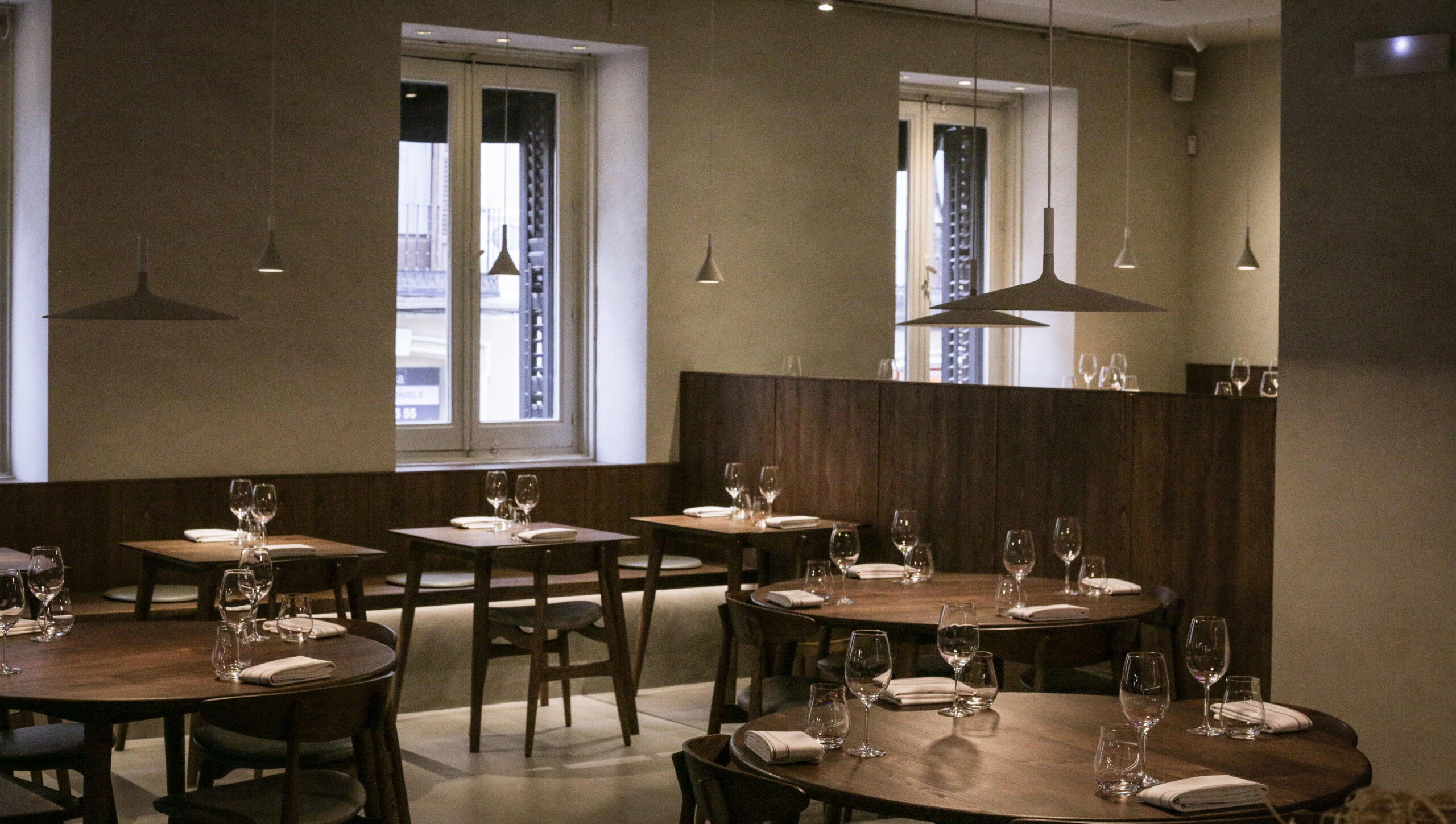
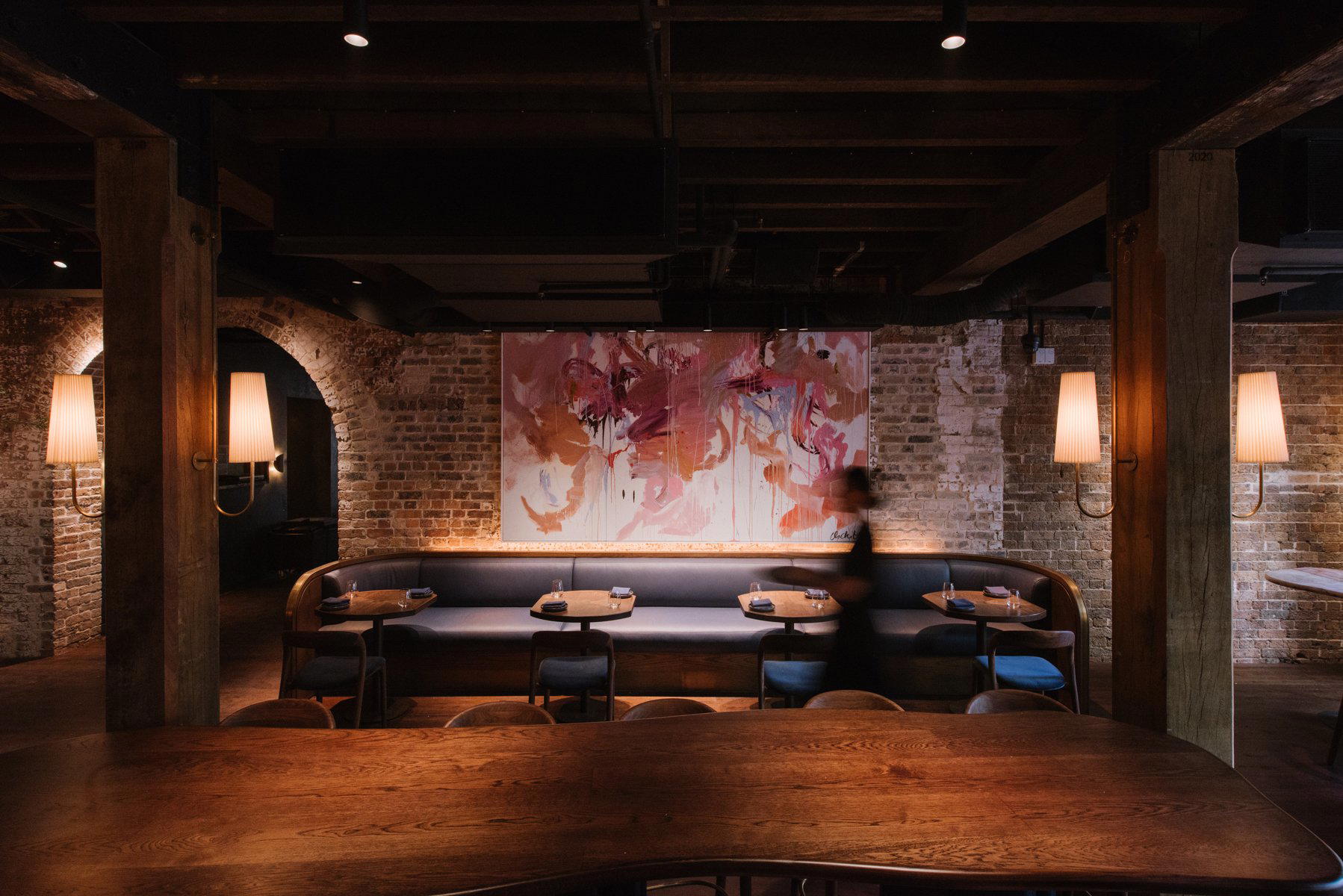
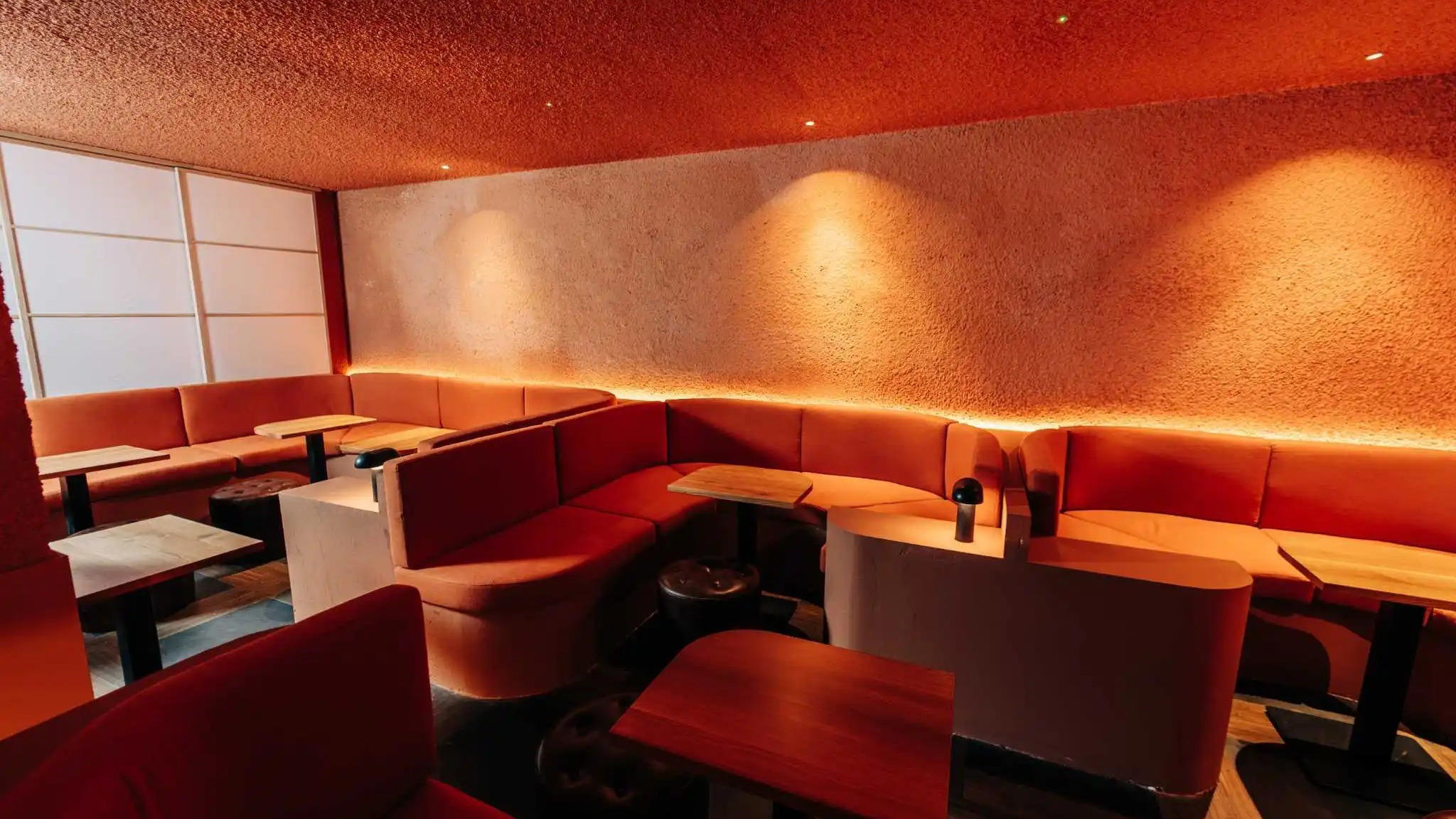
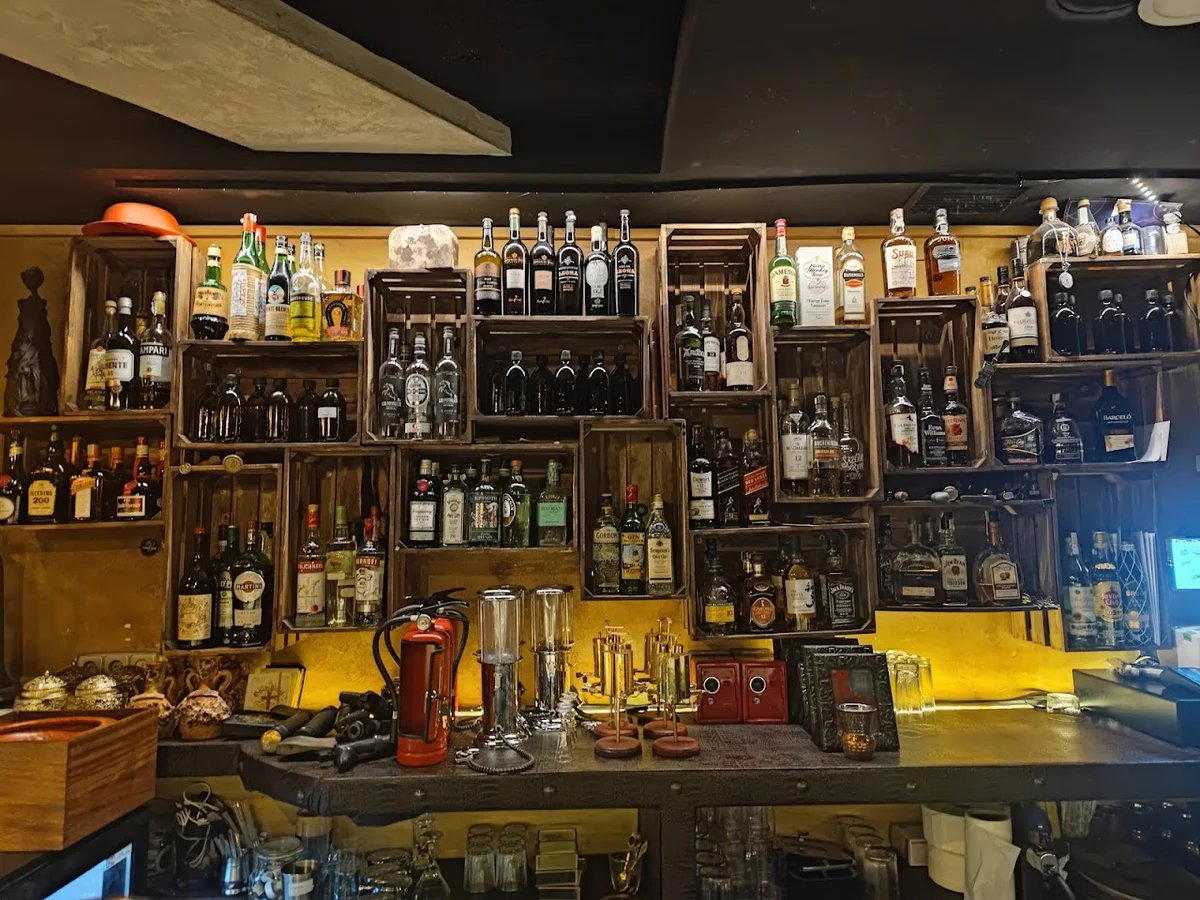
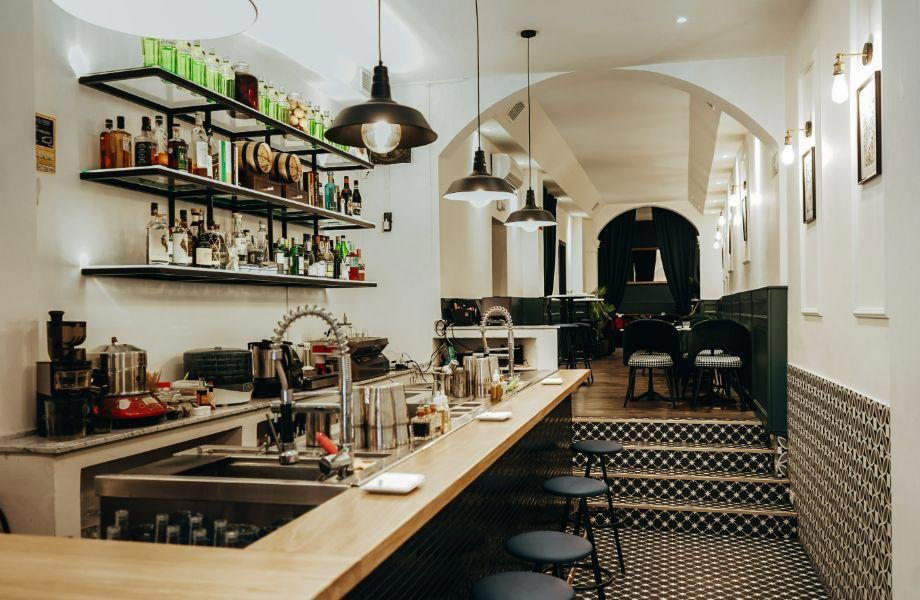
Casual and nicely decorated atmosphere with a welcoming, energetic vibe suitable for groups.