Our verdict
Bahadur occupies a quietly residential stretch of Wilmersdorf, where Berlin's dining scene operates at a remove from the Mitte spotlight. The address on Sigmaringer Strasse signals something deliberate: a restaurant that earns attention through what arrives on the plate rather than through location or fanfare. For visitors mapping the city's broader restaurant picture, it belongs on the itinerary alongside Berlin's Michelin-recognised tier.

Pearl is the En Primeur Club membership app — saves, bookings, and concierge access live there. Same editors, same standards.
- Address
- Sigmaringer Str. 36, 10713 Berlin, Germany
- Phone
- +49 30 22474610
- Hours
- Mon ClosedTue–Fri 11:30 AM–2 PM, 5–11 PMSat–Sun 12–11 PM
- Website
- princeofpunjab.de
- Directions
- Get directions
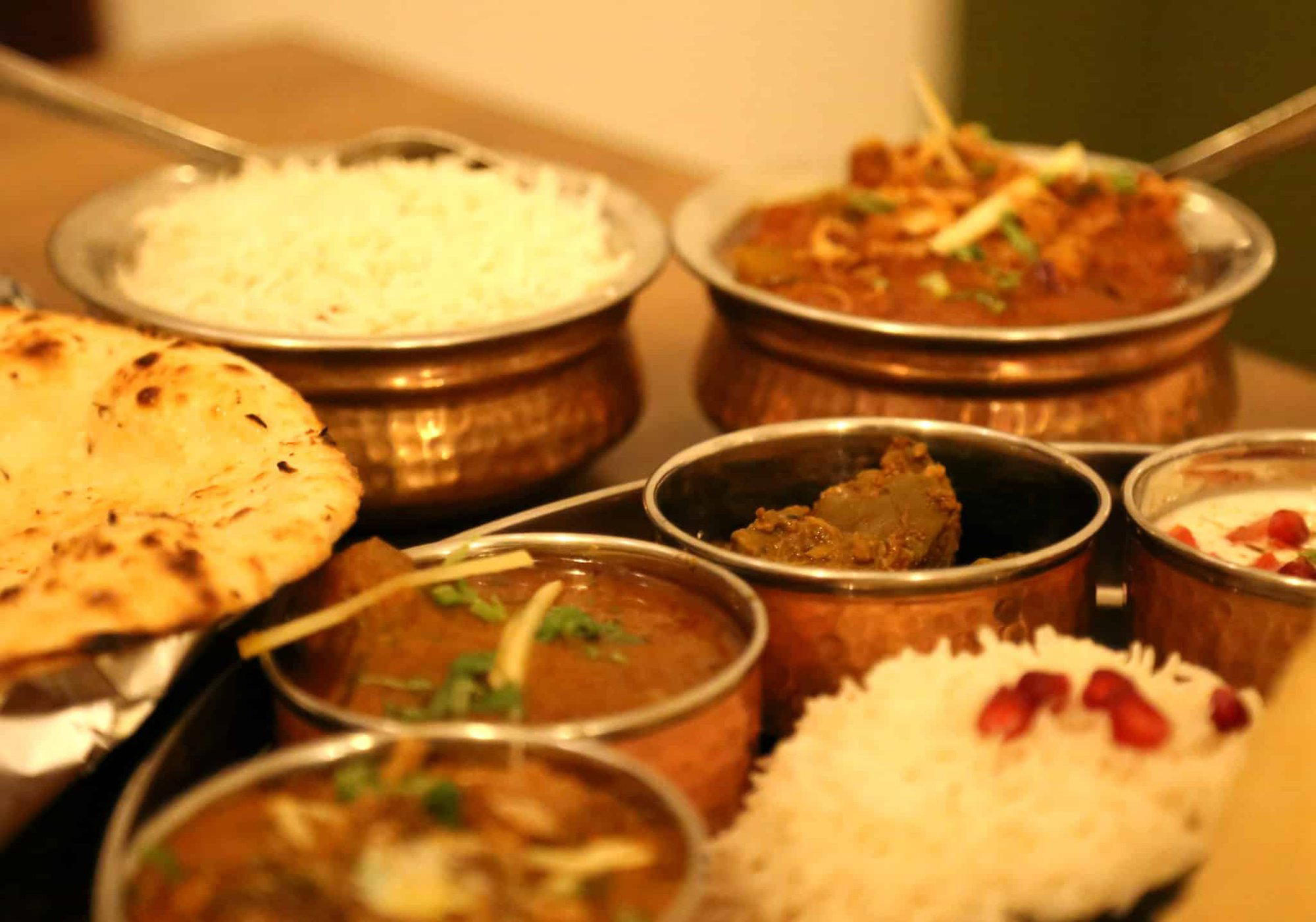
Wilmersdorf, Away from the Noise
Berlin's most-discussed restaurant addresses cluster in Mitte, Prenzlauer Berg, and Kreuzberg, where foot traffic and press attention reinforce each other. Wilmersdorf operates differently. The neighbourhood's dining character has long been shaped by residents rather than tourists, and restaurants here tend to build their reputations over years of repeat custom rather than opening-week coverage. Bahadur, at Sigmaringer Strasse 36, fits that pattern: a west Berlin address that says something about how the restaurant chooses to position itself, and what kind of diner it is primarily serving.
That geographic choice matters when thinking about how Berlin's restaurant scene is structured. The city's Michelin-recognised tier, represented by addresses like Rutz (three stars, Modern European), FACIL (two stars, Contemporary European), and CODA Dessert Dining (two stars, Creative), occupies a distinct bracket, with tasting-menu formats and price points to match. Bahadur sits in a different register, one that draws its relevance from neighbourhood presence and culinary specificity rather than award positioning.
Reading the Menu as a Document
Menu architecture is one of the more reliable ways to understand what a restaurant thinks it is doing. The structure of a menu, how many courses, whether it offers choice or dictates, how it moves between regions or techniques, reveals assumptions about the diner and the kitchen's priorities. In Berlin, the split between restaurants that dictate a single tasting path and those that offer selection reflects a broader tension in the city's dining culture: formality versus accessibility, chef authority versus diner agency.
Berlin's tasting-menu houses, including Nobelhart & Schmutzig with its rigorous local-sourcing brief, remove most of that choice deliberately. The menu becomes a statement. Restaurants operating without that framework make a different argument: that the kitchen can demonstrate range and quality across a selection, and that the diner's ability to compose their own meal is part of the experience. Where Bahadur sits on that spectrum, and what the structure of its menu communicates about its culinary identity, is worth examining on arrival.
What is observable, from the address and the neighbourhood context, is that a Wilmersdorf restaurant serving a residential clientele tends toward menus that reward familiarity: dishes that make sense across multiple visits, that build a relationship with the regular rather than staging a single performance for the first-timer. That is a different editorial proposition from the set-menu format that dominates Berlin's most-discussed fine dining rooms.
Berlin's Broader Fine Dining Picture
To place Bahadur accurately, it helps to sketch the wider field. Berlin punches below its population weight in Michelin terms compared to Munich or Hamburg, but the city's restaurant culture compensates with range and informality. The German fine dining circuit at its most decorated includes addresses well outside Berlin: Aqua in Wolfsburg, Schwarzwaldstube in Baiersbronn, and Vendôme in Bergisch Gladbach represent the country's upper tier. Within Berlin, the conversation narrows to a smaller cluster, and competition for recognition is genuinely tight.
That competitive context matters because it explains why restaurants operating outside the Michelin conversation in Berlin occupy a different kind of space. They are not necessarily less accomplished; they may simply have chosen a different relationship with the formal recognition system, or they serve a neighbourhood audience that values consistency and accessibility over the set-piece format that awards tend to reward. JAN in Munich and ES:SENZ in Grassau illustrate how German fine dining can operate at high intensity outside the major cities; Berlin's neighbourhood restaurants make a parallel argument within the city's own geography.
Internationally, the structural comparison is instructive. Restaurants like Atomix in New York or Le Bernardin operate within highly formalised systems of recognition and expectation. A Wilmersdorf address in Berlin is a deliberate step away from that system, which is not a critique so much as an observation about positioning.
The Case for Restaurants Outside the Spotlight
There is a useful argument to be made for dining at restaurants that have not been absorbed into the city's media circuit. The experience tends to be less performative. Service, when it is not calibrated for a reviewer's visit, settles into a rhythm shaped by regular customers who know what they want and kitchen teams that have found their register. Restaurant Tim Raue and the other high-profile Berlin addresses come with a specific kind of pressure on both sides of the pass; smaller Wilmersdorf rooms do not, and that changes how an evening unfolds.
For visitors building a week's itinerary across Berlin, the smarter approach is to divide evenings between the city's recognised tier and its neighbourhood restaurants. The former gives you benchmarks and bragging rights; the latter gives you a more accurate read of how the city actually eats. Bahadur, on Sigmaringer Strasse, belongs to that second category, and that is a considered editorial position, not a consolation.
For anyone building a complete picture of what the city offers, our full Berlin restaurants guide maps the range, from three-star tasting counters to neighbourhood rooms. Complementary planning resources include our Berlin hotels guide, our Berlin bars guide, our Berlin wineries guide, and our Berlin experiences guide. Restaurant Haerlin in Hamburg provides a point of comparison for visitors moving between German cities.
Planning Your Visit
Sigmaringer Strasse 36 sits in the Wilmersdorf district, accessible by U-Bahn from the city centre in under twenty minutes. The neighbourhood is quiet in the way that west Berlin residential streets tend to be, which means arriving without a reservation is a gamble rather than a strategy. Booking ahead, even for a Tuesday, is the reasonable approach for a restaurant that draws a loyal local clientele.
Frequently asked questions
Where do I go for Bahadur?
Bahadur is located at Sigmaringer Str. 36, 10713 Berlin, Germany, Berlin.
Is Bahadur a good option for dining in Berlin without the tourist circuit?
Sigmaringer Strasse 36 in Wilmersdorf places Bahadur firmly outside Berlin's tourist dining corridor, reachable by U-Bahn from the city centre in under twenty minutes. Wilmersdorf has historically supported restaurants sustained by neighbourhood regulars rather than visiting crowds, making it a different proposition from tables in Mitte or near the major sights. For travellers specifically looking to eat where Berliners eat on an ordinary Tuesday, the west Berlin address is a structural advantage.
What do regulars order at Bahadur?
What the Wilmersdorf address suggests is a kitchen oriented toward a returning local clientele rather than a rotating tourist crowd — the kind of room where the menu earns repeat visits rather than one-time curiosity. For the most reliable picture, checking directly with the restaurant before your visit is the practical move.
Do they take walk-ins at Bahadur?
The address at Sigmaringer Strasse 36 puts it in a quieter west Berlin neighbourhood where foot traffic is lower than in Kreuzberg or Prenzlauer Berg, so your odds on an off-peak afternoon are better than at a high-profile Mitte address. Contacting the venue directly before arrival is the safest approach.
What makes Bahadur worth seeking out?
Bahadur's case rests on what its location signals: a restaurant that planted itself in a residential west Berlin neighbourhood rather than a press-saturated postcode. Wilmersdorf sits away from the feedback loop of food media attention that defines dining in Mitte or Kreuzberg, which typically means a room built on repeat local custom rather than headline chasing. That geography alone filters for a certain kind of seriousness about the actual dining experience.
Recognition Snapshot
Comparable venues nearby, for context on price, style, and recognition.
| Venue | Cuisine | Price | Notes |
|---|---|---|---|
| BahadurThis venue — the venue you are viewing | Authentic Northern Indian Tandoori Grill | $20–30 | Not listed |
| Café Tschüsch | Vegetarian Indian Café | $10–20 | Neukolln |
| Fischkutter | Fresh Seafood | Not listed | Schoneberg |
| Trattoria a muntagnola | Authentic Southern Italian Basilicata Trattoria | $20–30 | Schoneberg |
| Schüsseldienst | Modern German Bowls | $10–20 | Schoneberg |
| House of Burgerz | Casual Burgers & Sides | $10–20 | Mitte |
Continue exploring
More in Berlin
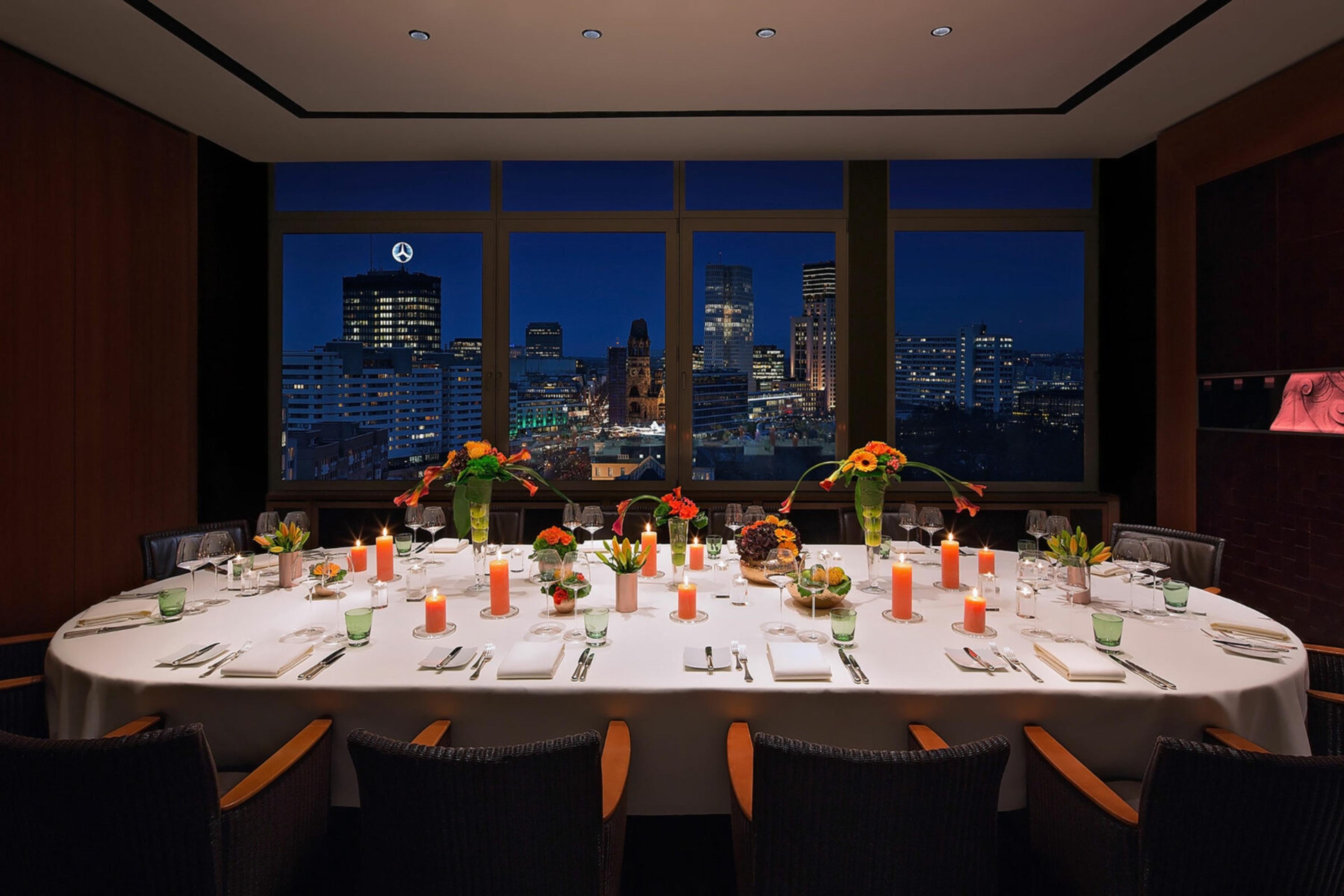
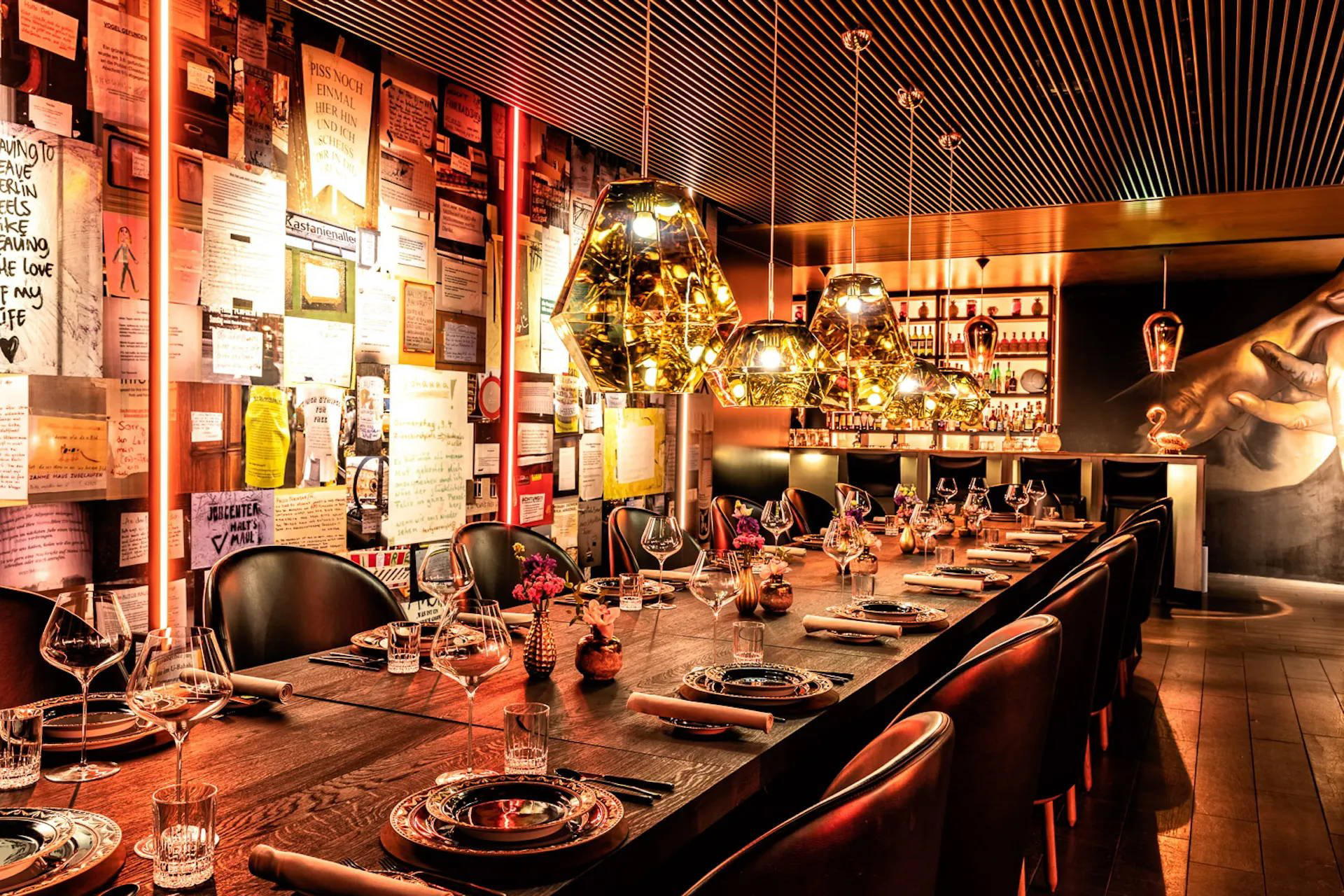
Restaurants in Berlin
Browse all →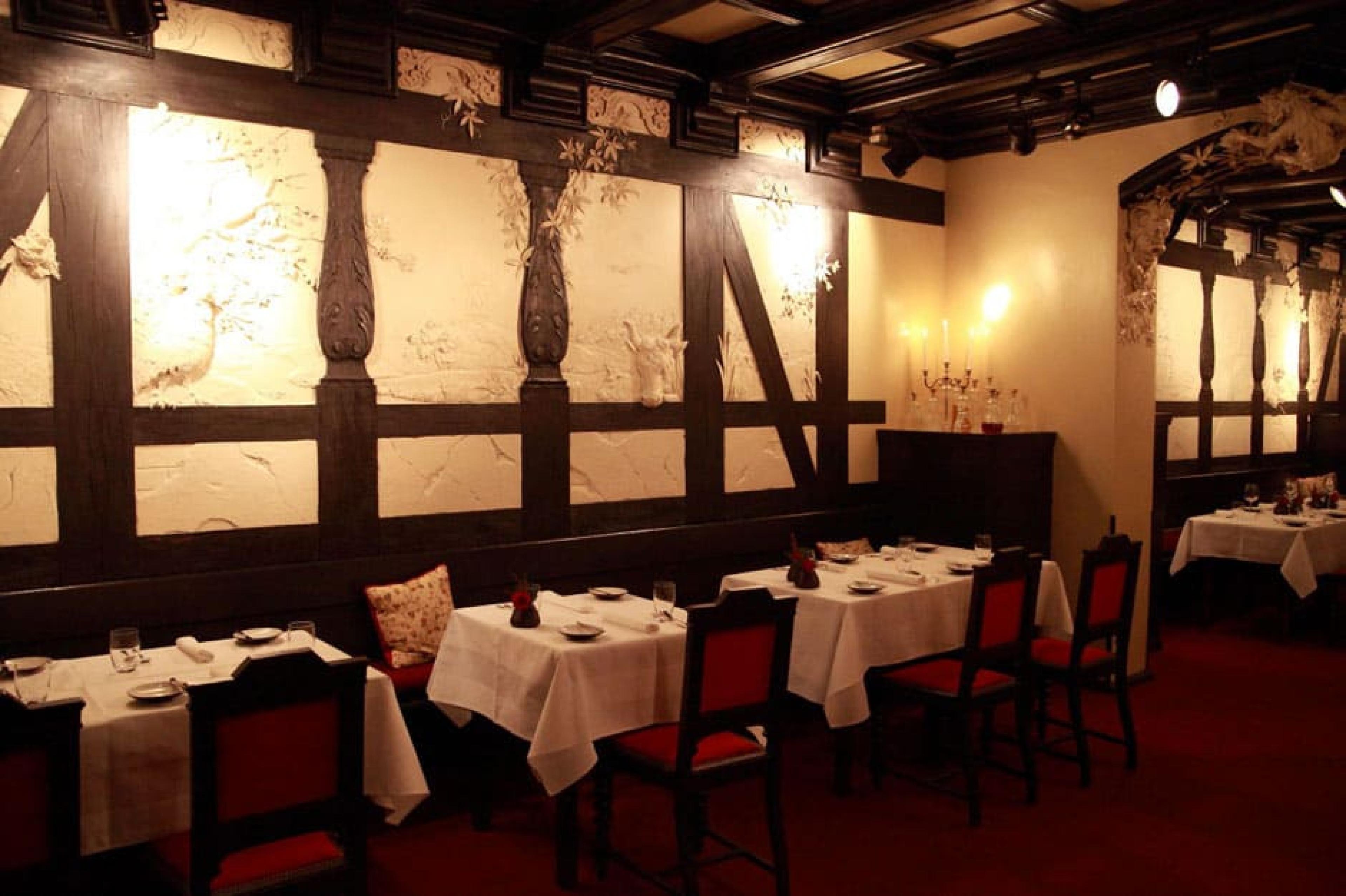
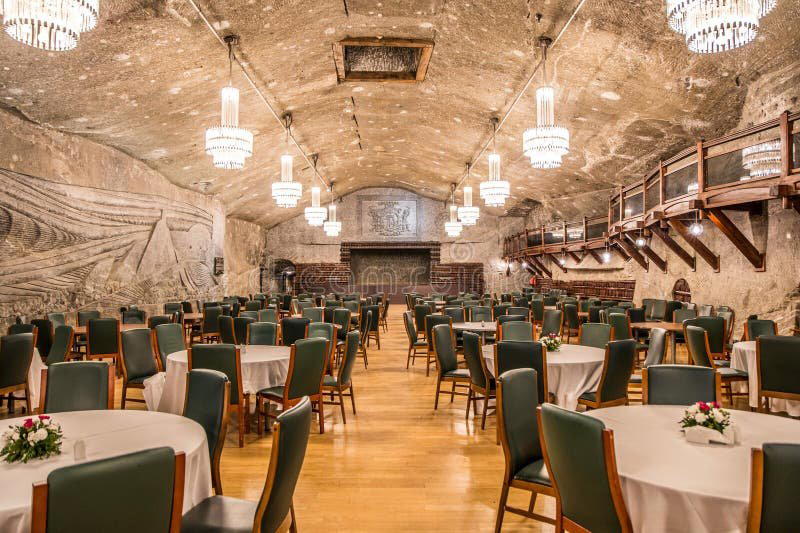
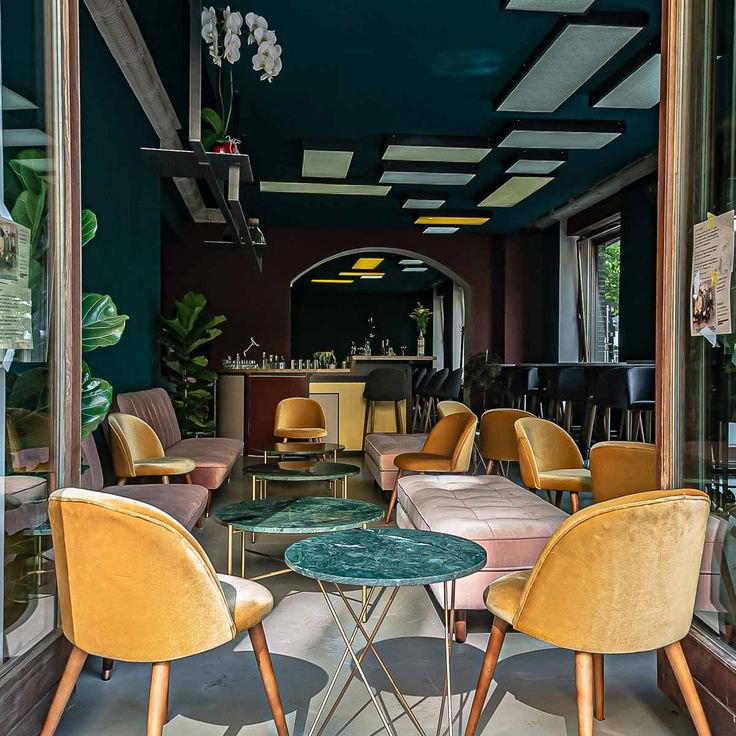
Bars in Berlin
Browse all →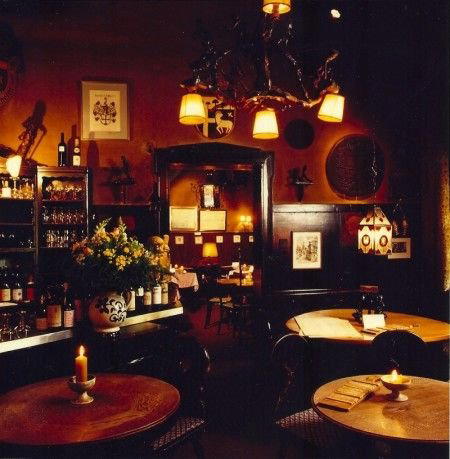
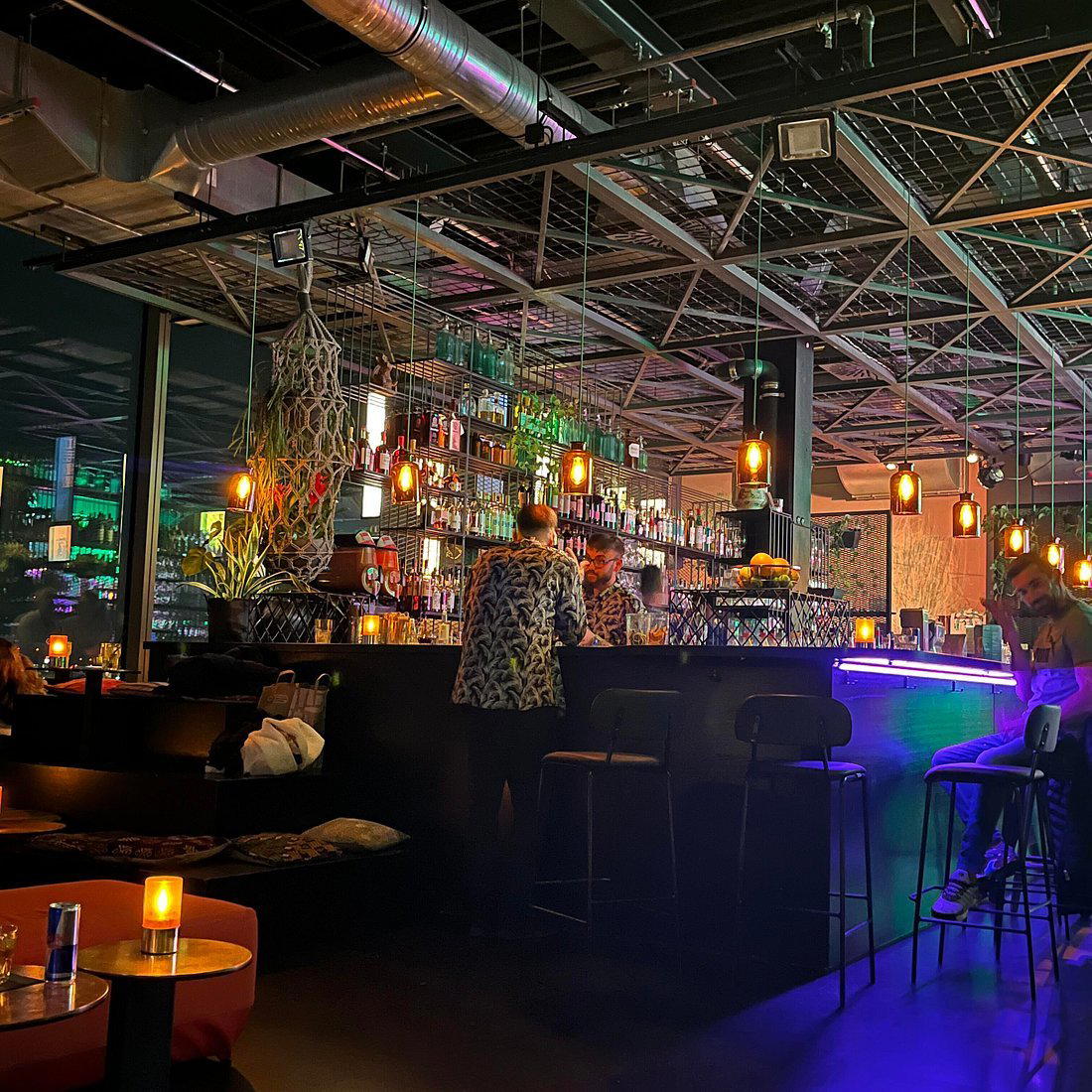
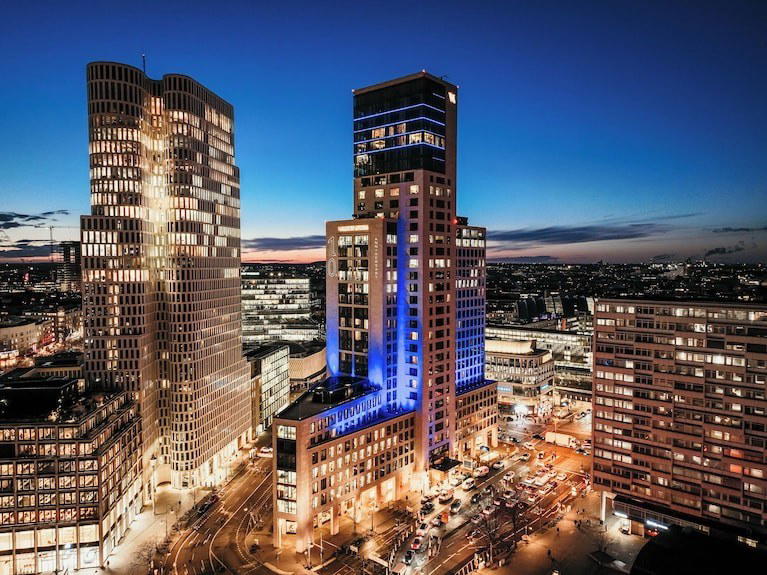
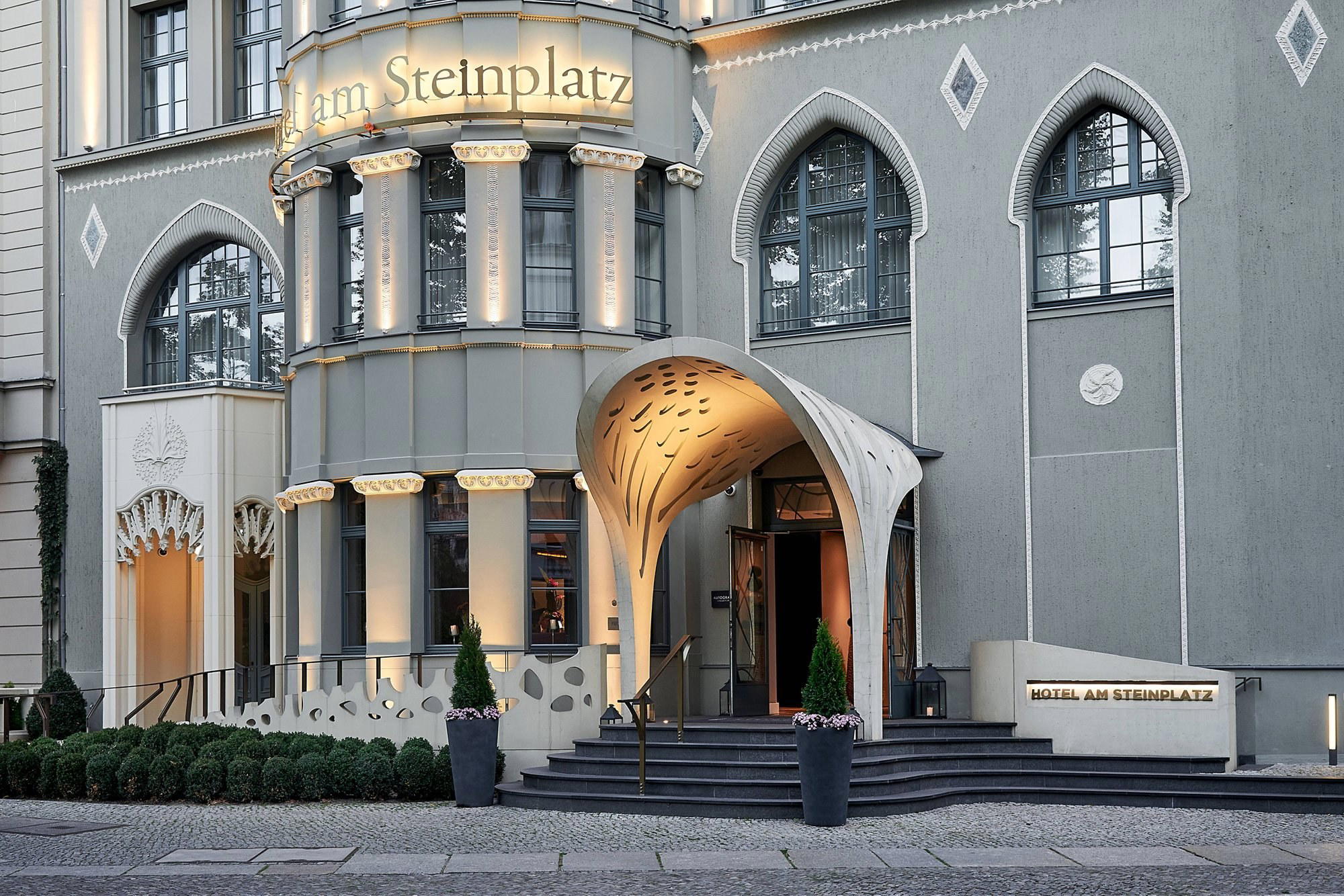
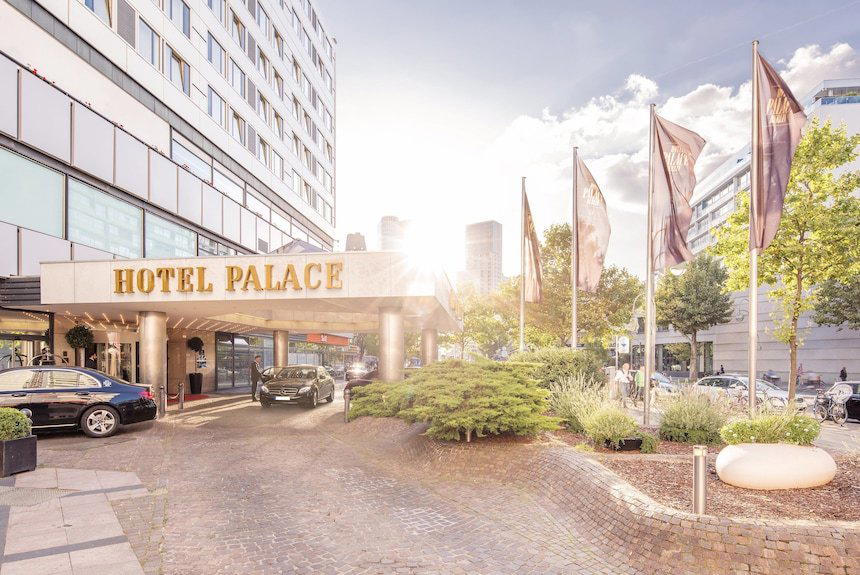
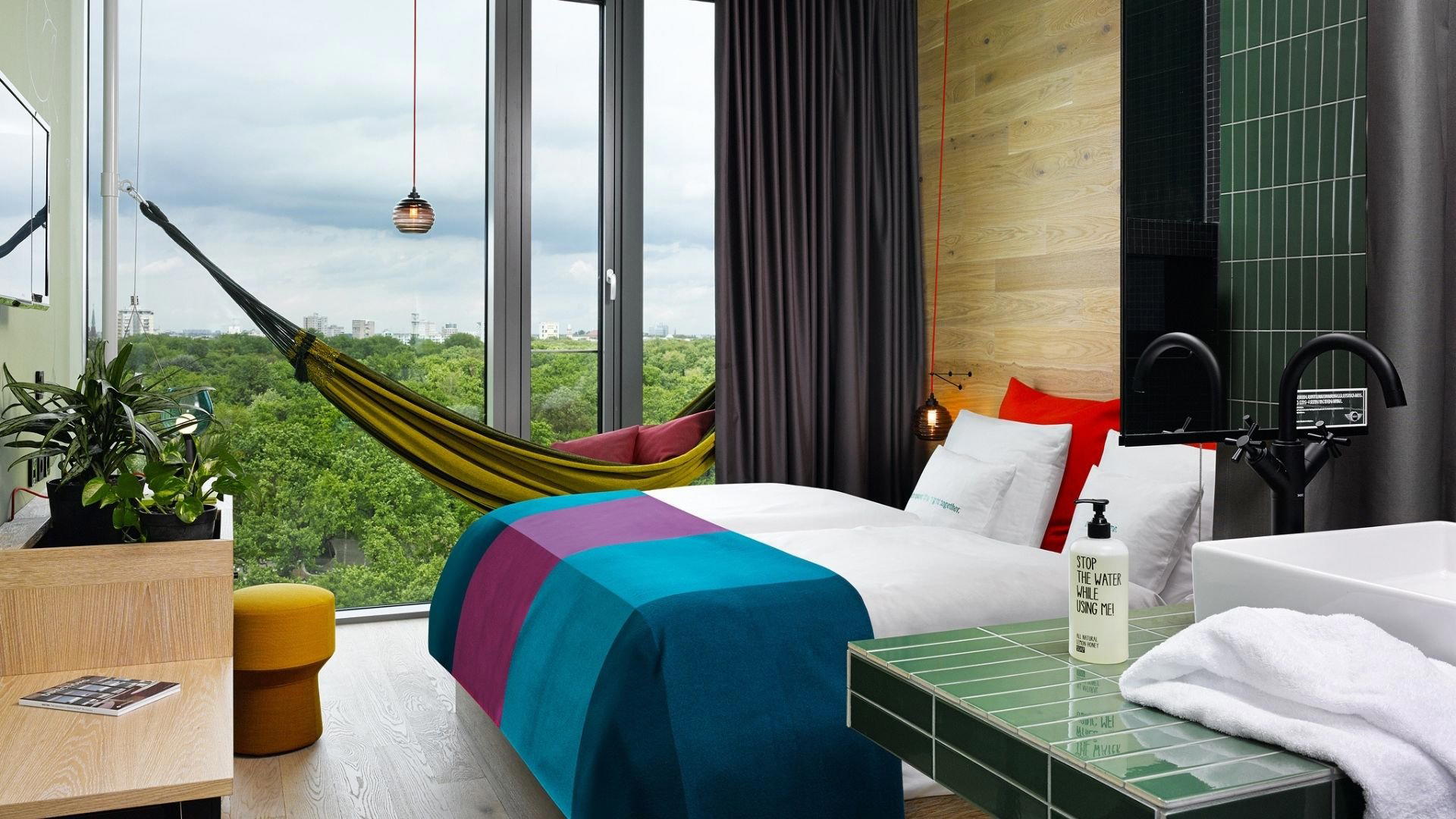
Hotels in Berlin
Browse all →

Details
- Cozy
- Trendy
- Relaxed
- Casual Hangout
- Family
- Open Kitchen
- A La Carte
- Vegetarian Friendly
- Vegan Options
Current opening hours
- Monday
- Closed
- Tuesday
- 11:30 AM–2 PM, 5–11 PM
- Wednesday
- 11:30 AM–2 PM, 5–11 PM
- Thursday
- 11:30 AM–2 PM, 5–11 PM
- Friday
- 11:30 AM–2 PM, 5–11 PM
- Saturday
- 12–11 PM
- Sunday
- 12–11 PM
Hours can change for holidays and private events. Last verified .
Bright, busy, and relaxed with tiled floors, spaced tables, and subtle Indian decor touches.