NaiNai Bao sits at Josef-Haubrich Hof 3 in Cologne's Innenstadt, bringing a bao-focused format to a city better known for its Rhineland classics. The name, combining a grandmother figure with the bao itself, signals the kind of comfort-forward, occasion-ready eating that has found a clear audience in Cologne's increasingly varied dining scene. Worth knowing before you go.
Pearl is the En Primeur Club membership app — saves, bookings, and concierge access live there. Same editors, same standards.
- Address
- Josef-Haubrich Hof 3, 50676 Köln, Germany
- Website
- nainaibao.de
- Directions
- Get directions
 Saves & bookings on Pearl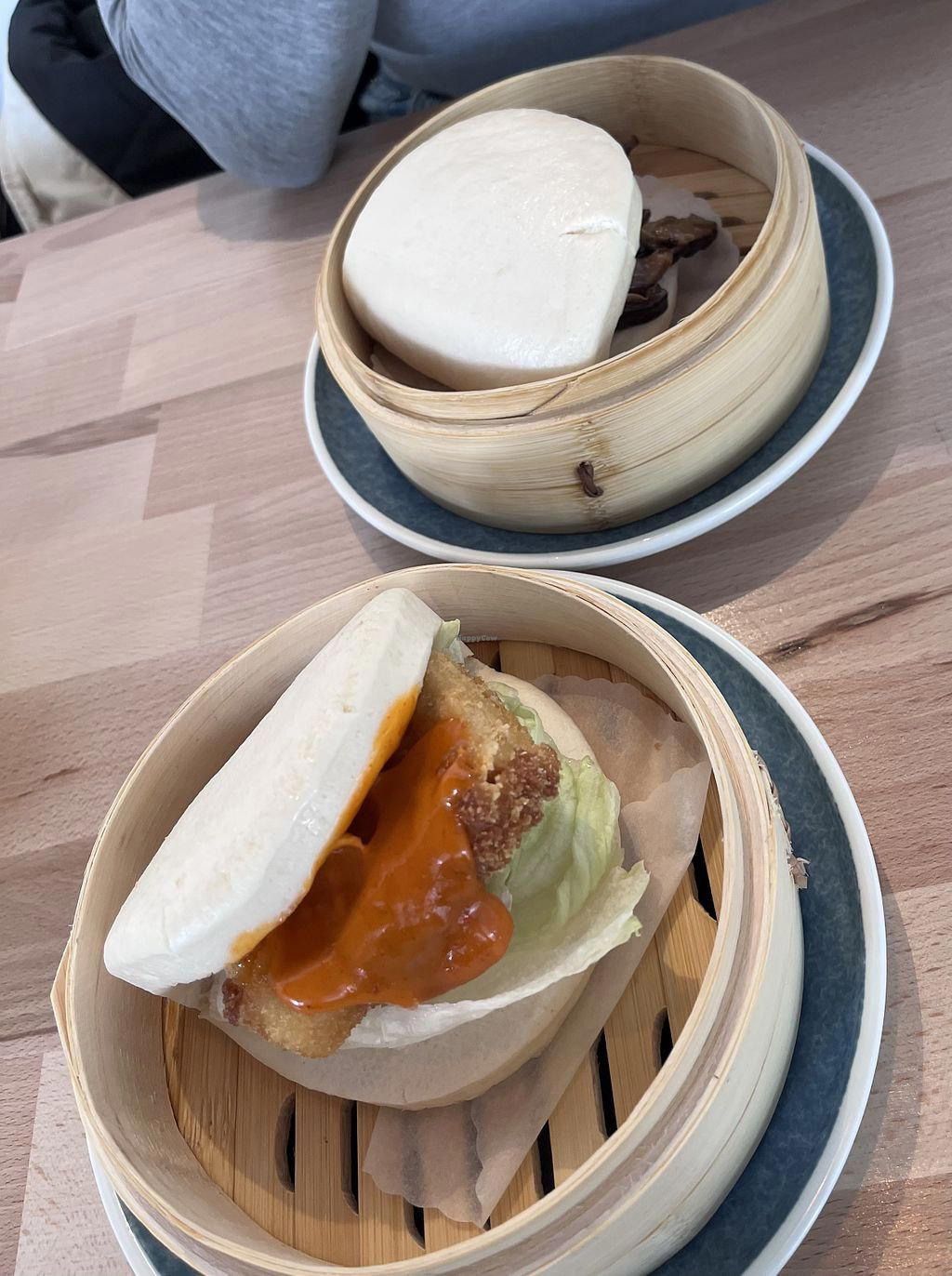
What Cologne's Bao Scene Looks Like Right Now
Cologne's dining identity has long been anchored in Rhineland tradition: Sauerbraten, Reibekuchen, and the inevitable glass of Kölsch. But over the past several years, the city's more central neighbourhoods have absorbed a steady wave of formats that sit somewhere between fast-casual and destination eating, not quite the white-tablecloth ambition of Ox & Klee or La Cuisine Rademacher, and not a simple takeaway counter either. The bao format sits precisely in that middle register: a filled, steamed bun with enough flexibility to carry bold flavour combinations while remaining genuinely approachable. It is the kind of food that works for a celebratory lunch, a relaxed birthday gathering, or a low-commitment first date where the ambition is pleasure rather than performance.
NaiNai Bao occupies this territory at Josef-Haubrich Hof 3, in the 50676 postcode that places it within easy reach of Cologne's Neumarkt-adjacent streets. The address matters: this part of the Innenstadt draws foot traffic from shoppers, office workers, and the kind of spontaneous groups looking for something more considered than a chain but less structured than a full sit-down menu. The bao format, in this context, is well-suited to the occasion.
The Occasion Case for Bao
Milestone meals in a city like Cologne tend to bifurcate sharply. On one end sit the tasting-menu rooms, La Société or the bistro warmth of Le Moissonnier Bistro, where the ceremony of the meal is part of the point. On the other end sits the informal register, where the food itself carries the occasion without the apparatus of formal service. Steamed bao sits comfortably in the latter category, but it does so with a specificity of craft that separates it from generic casual dining.
The steamed bun has a long history across Chinese regional cooking, with variations from Taiwanese gua bao to denser mainland preparations. What has emerged in European cities over the past decade is a hybridised version that borrows the structural logic of the bao, soft, slightly sweet exterior, contrasting filling, textural condiment, and applies it to locally sourced or regionally inflected ingredients. The result is a format that feels simultaneously familiar and considered, which is exactly what a celebratory meal at a non-formal venue needs to deliver.
NaiNai Bao's name reinforces this positioning. The nainai reference (a Mandarin term for paternal grandmother) places the concept within a lineage of comfort and memory rather than chef-driven innovation. That framing matters for occasion dining: people returning for a birthday dinner or a post-theatre meal are not looking for a concept to be explained to them. They want food that feels purposeful and warm. A grandmother-inflected identity, even when deployed at a city-centre restaurant, signals exactly that.
Where NaiNai Bao Sits in Cologne's Dining Picture
Cologne's restaurant scene in the upper-casual and mid-range tiers has diversified considerably, but Asian-influenced formats at this level of specificity remain relatively thin. The city has Japanese representation at venues like ZEN, and the modern cuisine bracket is well-covered by spots including maiBeck. A dedicated bao format, however, occupies a different niche: it is neither fusion-as-spectacle nor ethnic-food-as-commodity. It is a single-focus concept built around one preparation method applied with enough variation to sustain a menu.
That single-focus approach has become a credible dining model across Germany's larger cities, mirroring what has happened in London, Berlin, and Amsterdam over the past several years. CODA Dessert Dining in Berlin demonstrated that a tightly constrained format, executed with precision, can generate both critical attention and sustained bookings. The restaurant operates in a different register, but the underlying logic is the same: specificity builds identity, and identity builds loyalty.
For those planning a meal in Cologne with more formal ambitions, the wider German fine dining circuit offers clear reference points. Vendôme in Bergisch Gladbach sits close enough to be a realistic day-trip pairing. Further afield, Aqua in Wolfsburg, Schwarzwaldstube in Baiersbronn, and Waldhotel Sonnora in Dreis represent Germany's highest-tier tasting rooms. JAN in Munich, Restaurant Haerlin in Hamburg, Schanz in Piesport, ES:SENZ in Grassau, and Victor's Fine Dining by christian bau in Perl round out a national circuit worth knowing if Cologne is a base for wider German travel. For international comparison at the summit of the format spectrum, Le Bernardin in New York City and Atomix in New York City illustrate what sustained single-focus precision looks like at the highest level.
Planning Your Visit
Josef-Haubrich Hof 3 is a central Cologne address, walkable from Neumarkt and well-served by U-Bahn lines converging on that hub. The postcode places the venue in the denser commercial ring of the Innenstadt, which means it is accessible at most hours without significant logistical planning. Because specific booking details, hours, and pricing are not currently confirmed, checking current listings before firming up plans can be useful, particularly for group occasions where coordination matters.
In Context: Similar Options
Comparable venues nearby, for context on price, style, and recognition.
| Venue | Cuisine | Price | Notes |
|---|---|---|---|
| NaiNai BaoThis venue — the venue you are viewing | Chinese Hand-Pulled Noodles | $$ | Not listed |
| Da Mai | Handmade Chinese Dumplings | $$ | Altstadt/Nord |
| Chin Burger | Authentic Shaanxi Xi'an Street Food | $$ | Neustadt/Nord |
| Bai Lu Noodles | Authentic Chongqing Noodles | $$ | Altstadt/Nord |
| Boring Burger Köln | Smash Burgers | $$ | Altstadt/Nord |
| Brauerei zur Malzmühle | Traditional Rhineland Brauhaus | $$ | Altstadt/Nord |
Continue exploring
More in Cologne
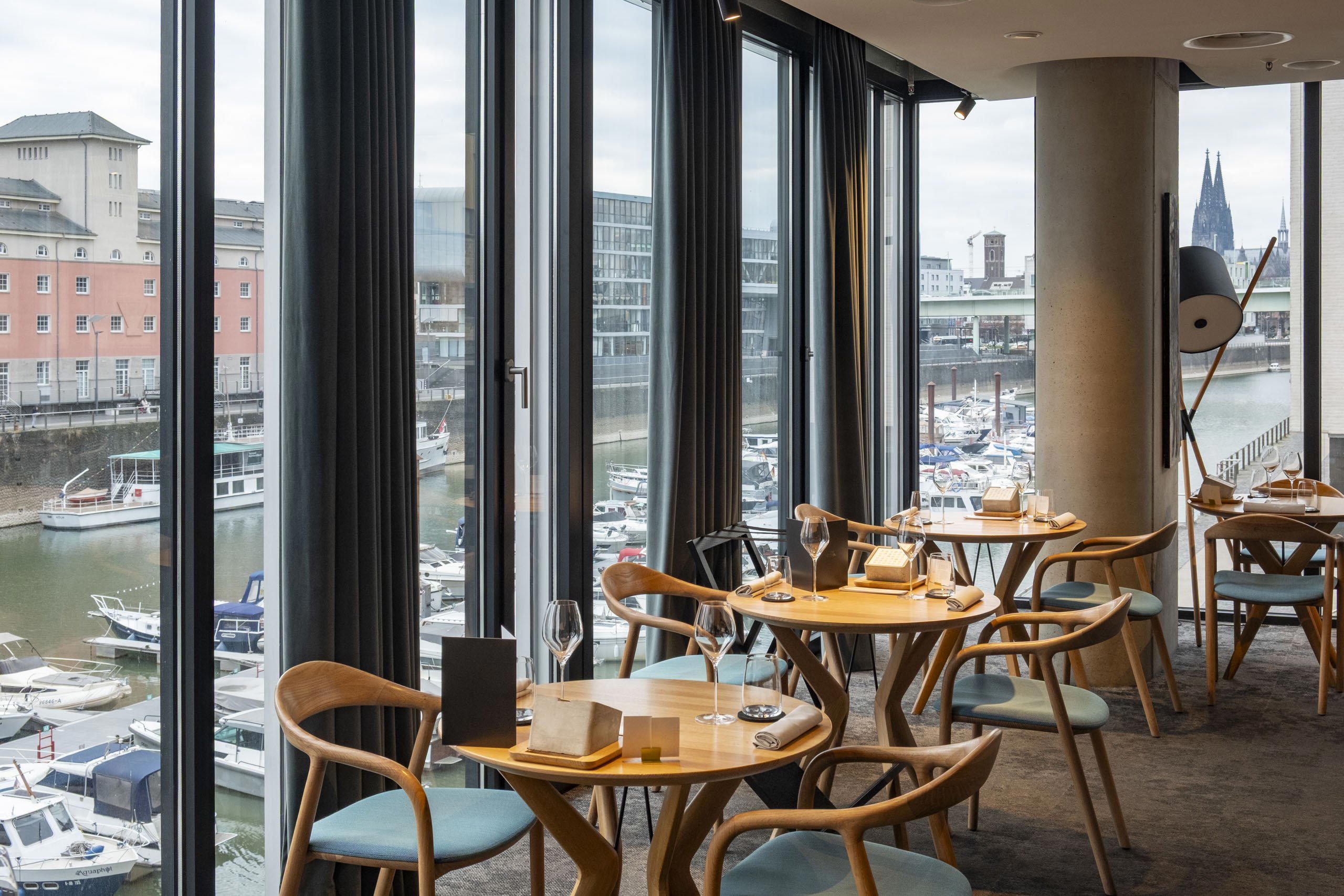
Restaurants in Cologne
Browse all →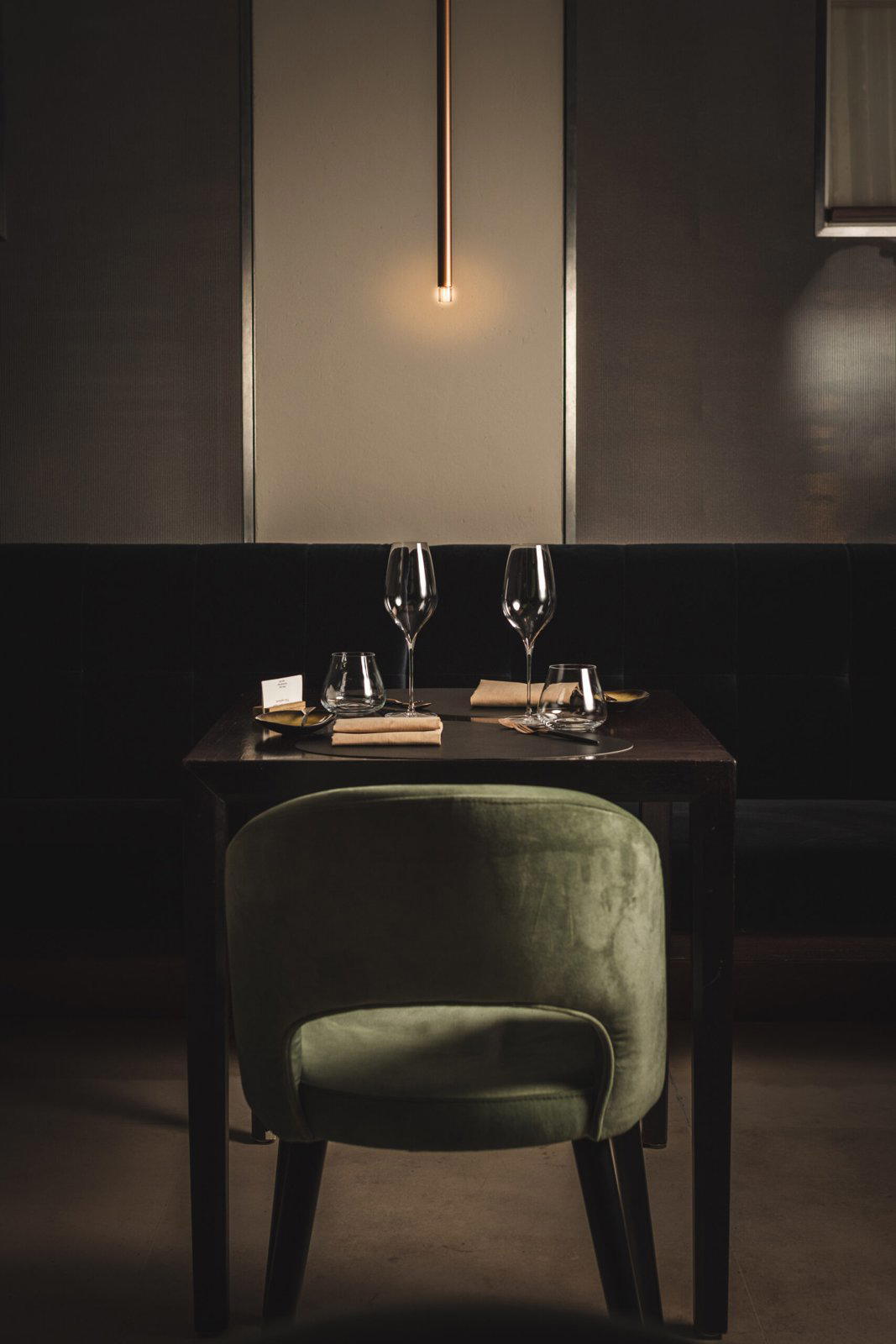
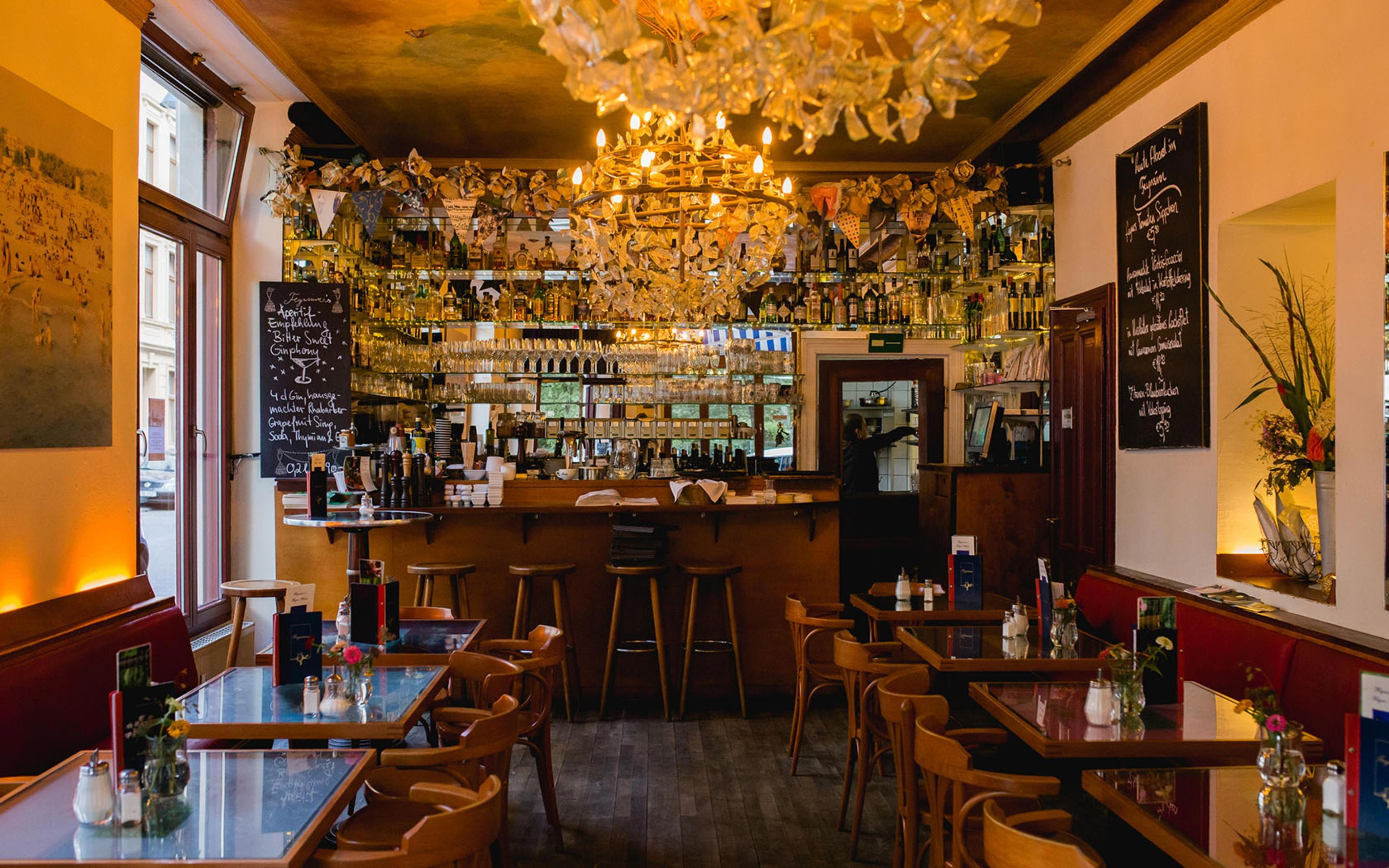
Bars in Cologne
Browse all →

Hotels in Cologne
Browse all →

At a Glance
- Trendy
- Modern
- Casual Hangout
- Open Kitchen
Current opening hours
- Monday
- 11:30 AM–9:30 PM
- Tuesday
- 11:30 AM–9:30 PM
- Wednesday
- 11:30 AM–9:30 PM
- Thursday
- 11:30 AM–9:30 PM
- Friday
- 11:30 AM–9:30 PM
- Saturday
- 11:30 AM–9:30 PM
- Sunday
- 11:30 AM–9:30 PM
Hours can change for holidays and private events. Last verified .
Casual street-food atmosphere focused on noodle preparation.