Muni Robata brings the focused discipline of Japanese robata cooking to Toronto's St. Patrick Street, occupying a corner of the city's Japanese dining scene that sits between casual izakaya and high-formality omakase. The format centers on live-fire charcoal cookery, where smoke, proximity, and timing define the experience as much as the ingredients themselves. For the city's broader roster of Japanese fine dining, it offers a distinct counter-culture alternative.
Pearl is the En Primeur Club membership app — saves, bookings, and concierge access live there. Same editors, same standards.
- Address
- 30 St Patrick St, Toronto, ON M5T 3A3, Canada
- Phone
- +14163400472
- Website
- munirobata.com
- Directions
- Get directions
 Saves & bookings on Pearl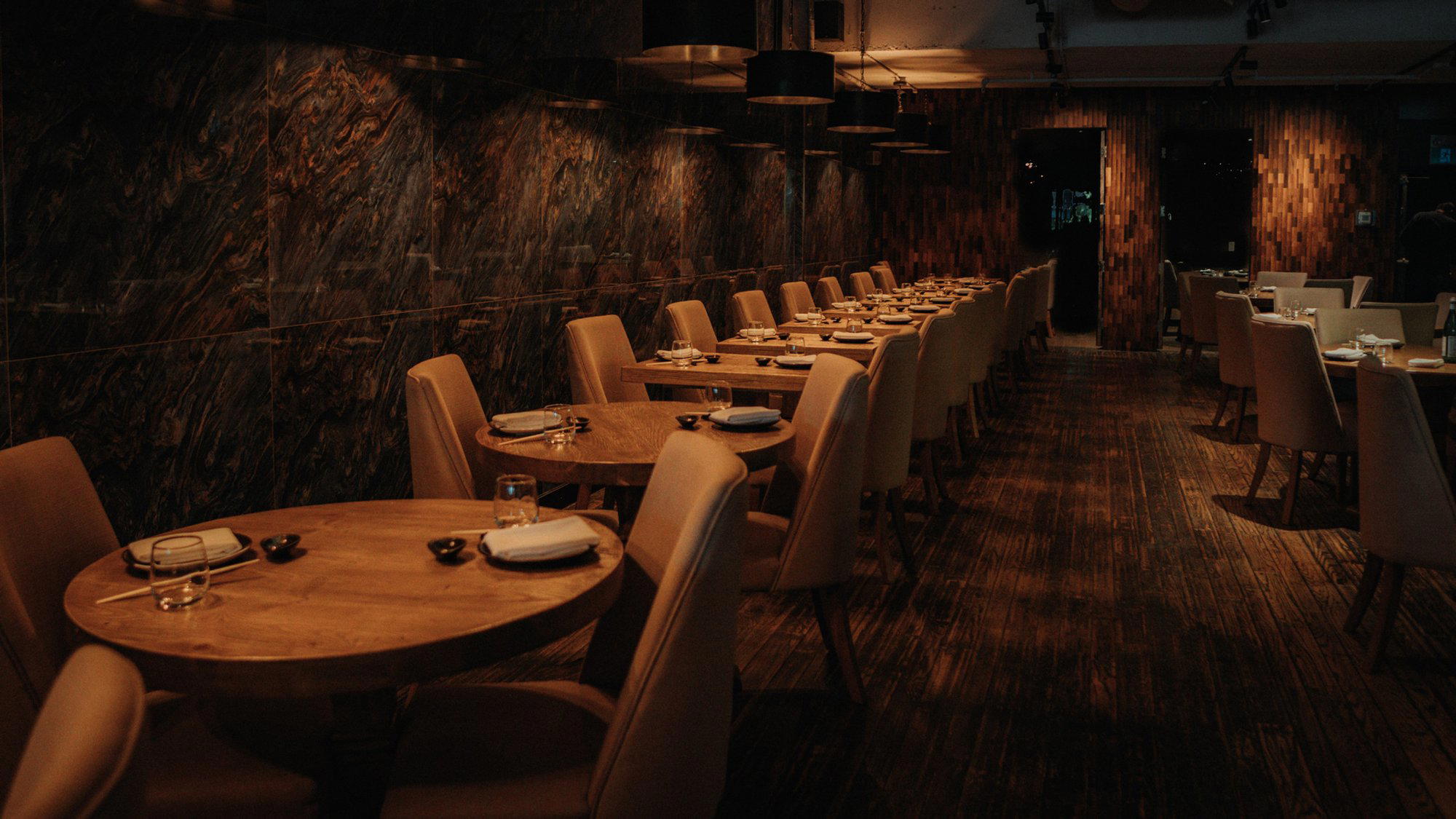
Fire, Smoke, and the Logic of Robata in Toronto
The robata format arrives in North American cities carrying a particular set of expectations: open hearths, charcoal heat, and a counter arrangement that puts the cook's hands directly in the guest's line of sight. At 30 St Patrick Street in Toronto, Muni Robata occupies that specific register of Japanese dining, one that is more kinetic and less ceremonial than omakase, but no less precise. Toronto's version of that lineage sits in a city with a serious Japanese dining corridor.
Where Robata Sits in Toronto's Japanese Dining Tier
Toronto's Japanese restaurant scene has bifurcated sharply in recent years. At one end, you have the $$$$ omakase counters, Sushi Masaki Saito and Aburi Hana both operate in that upper tier, with kaiseki or sushi-forward formats and price points that compete with comparable counters in New York's Koreatown corridor, such as Atomix. At the other end, the city's ramen shops and casual izakayas serve a different function entirely. Robata sits between those poles. It is a live-fire format with real technical demands, charcoal management, timing, heat zoning, but it does not ask guests to commit to the extended, course-locked structure of a kaiseki progression. That positioning makes it a usable weeknight option for the same demographic that books omakase on special occasions, and a strong introduction to Japanese cooking's fire-based traditions for guests coming in from contemporary fine dining rooms like Alo.
The Sensory Architecture of a Robata Counter
What distinguishes robata from other Japanese formats is almost entirely atmospheric and procedural. The charcoal, traditionally binchotan, a dense Japanese oak charcoal that burns at a controlled, sustained temperature, produces radiant heat rather than flame. That distinction matters: there is no flare, no char from fat catching fire, just steady infrared heat that cooks proteins from the outside in with a particular consistency. The result, when the cook manages distance correctly, is a surface with controlled Maillard development and an interior that retains moisture. Smoke is present but not aggressive; the scent in a well-run robata room is clean and mineral rather than campfire-heavy. The visual component of the format, skewers held over glowing coals by a cook working at close range, is one of the more legible pieces of kitchen theatre in Japanese dining, requiring no translation or program notes to appreciate.
In cities like Vancouver and Tokyo, robata counters have long been understood as a format where the quality of ingredient selection and the precision of heat management carry equal weight. That standard frames how Muni Robata positions itself on St Patrick Street, in a Toronto neighbourhood that includes galleries, mid-range hotel infrastructure, and proximity to the financial district's lunch-and-dinner circuit.
The Broader Canadian Context
Toronto's restaurant density makes it the clearest point of comparison for Canada's Japanese dining ambitions, but the country's serious food destinations spread well beyond the city. Tanière³ in Quebec City and Jérôme Ferrer's Europea in Montreal represent the French-Canadian fine dining tradition at its most ambitious. In Ontario and the surrounding region, venues like Restaurant Pearl Morissette in Lincoln, The Pine in Creemore, and Eigensinn Farm in Singhampton anchor a regional fine dining circuit built around local product and land-connected cooking. Japanese formats in Toronto, by contrast, engage with a different culinary inheritance, one that connects directly to specific craft traditions from Japan rather than local agricultural identity. Muni Robata's live-fire approach places it inside that tradition, alongside a small set of Toronto venues that take Japanese technique seriously enough to build an entire format around one cooking method.
For guests building a broader Toronto itinerary, the city's European-influenced end of the fine dining spectrum runs through DaNico and Don Alfonso 1890, both operating at the $$$$ price point. AnnaLena in Vancouver offers a useful reference point for what a tightly focused Canadian neighbourhood restaurant looks like at the serious end of the spectrum.
Planning Your Visit
The St Patrick Street address places the restaurant within walking distance of the Art Gallery of Ontario and the broader Queen West and Chinatown precincts, making it a logical dinner stop before or after cultural programming in that corridor. The robata format tends to work well for groups of two to four, where orders can be shared across multiple skewer categories without the per-person minimum logic that governs omakase counters. For guests familiar with the format from other cities, Le Bernardin in New York sets a useful baseline for how a single-technique format can sustain a full-evening dining experience.
Regional Canadian dining options worth cross-referencing include Narval in Rimouski and Barra Fion in Burlington for guests moving through the broader Ontario-Quebec corridor. Aux Anciens Canadiens in Quebec and Bearspaw Golf Club in Calgary extend the Canadian fine dining reference map further.
Know Before You Go
- Address: 30 St Patrick St, Toronto, ON M5T 3A3, Canada
- Cuisine Format: Robata (Japanese charcoal grill)
- Price Tier: $$$
- Reservations: Recommended
- Hours: Mon: 5:30–10 PM; Tue: Closed; Wed: 5:30–10 PM; Thu: 5:30–10 PM; Fri: 5:30–10 PM; Sat: 5:30–10 PM; Sun: 5:30–10 PM
- Dress Code: Smart casual
Cost Snapshot
Comparable venues nearby, for context on price, style, and recognition.
| Venue | Cuisine | Price | Notes |
|---|---|---|---|
| Muni RobataThis venue — the venue you are viewing | Not listed | $$$ | Not listed |
| Skippa | Not listed | $$$ | Palmerston-Little Italy, Seasonal Japanese Omakase |
| Omai | Not listed | $$$ | Kensington-Chinatown, Japanese Izakaya with Temaki and Sake |
| Hapa Toronto | Not listed | $$ | Palmerston-Little Italy, Modern Japanese Izakaya Tapas |
| SAKU (sushi & taco) | Queen West, Japanese Katsu & Sushi | $$ | Not listed |
| KINKA IZAKAYA ANNEX | Harbord Village, Japanese Izakaya | $$ | Not listed |
Continue exploring
More in Toronto
Restaurants in Toronto
Browse all →
Bars in Toronto
Browse all →
Hotels in Toronto
Browse all →

At a Glance
- Cozy
- Modern
- Intimate
- Elegant
- Date Night
- Special Occasion
- Business Dinner
- Group Dining
- Open Kitchen
- Sake Program
Current opening hours
- Monday
- 5:30–10 PM
- Tuesday
- Closed
- Wednesday
- 5:30–10 PM
- Thursday
- 5:30–10 PM
- Friday
- 5:30–10 PM
- Saturday
- 5:30–10 PM
- Sunday
- 5:30–10 PM
Hours can change for holidays and private events. Last verified .
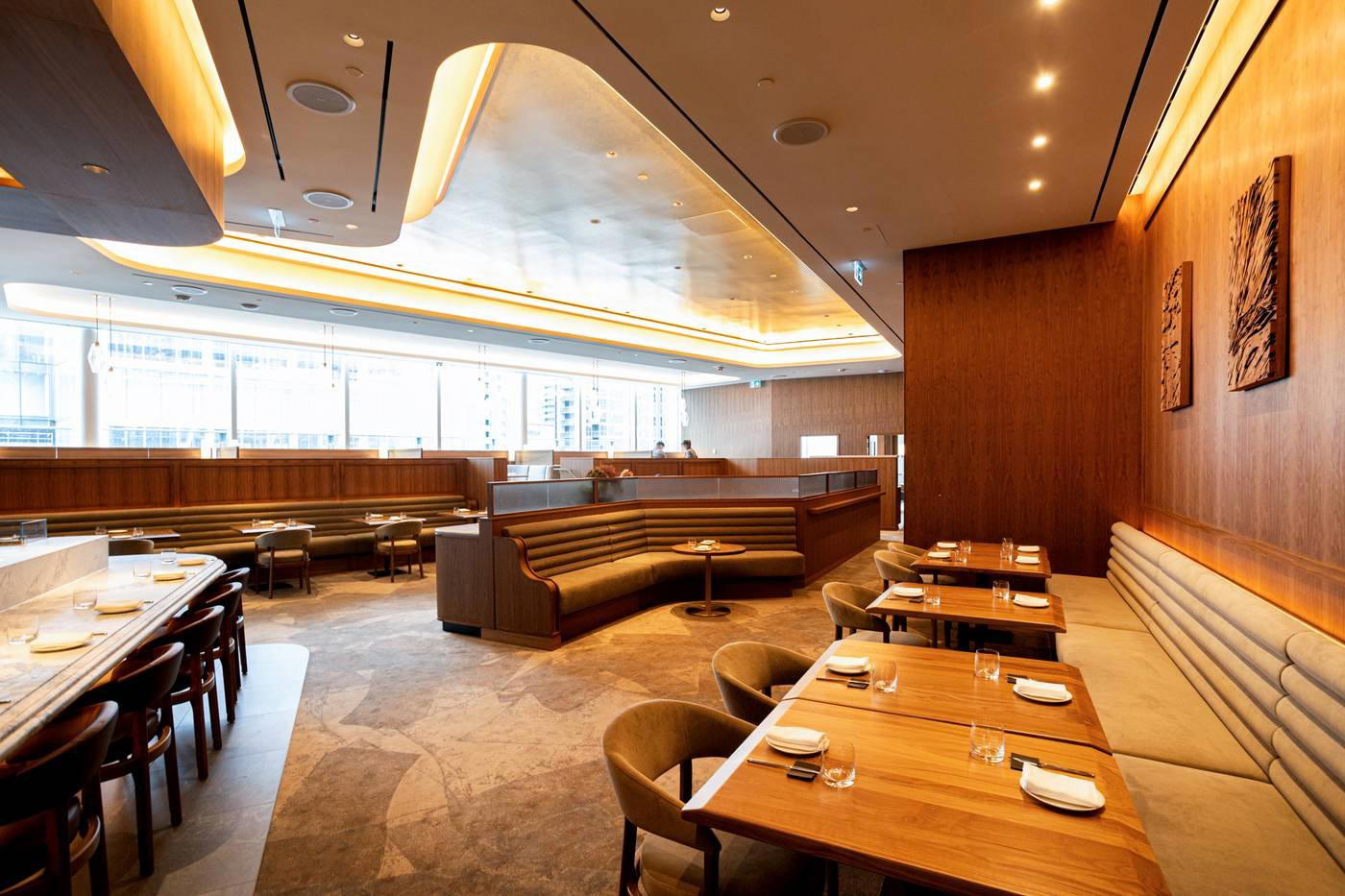
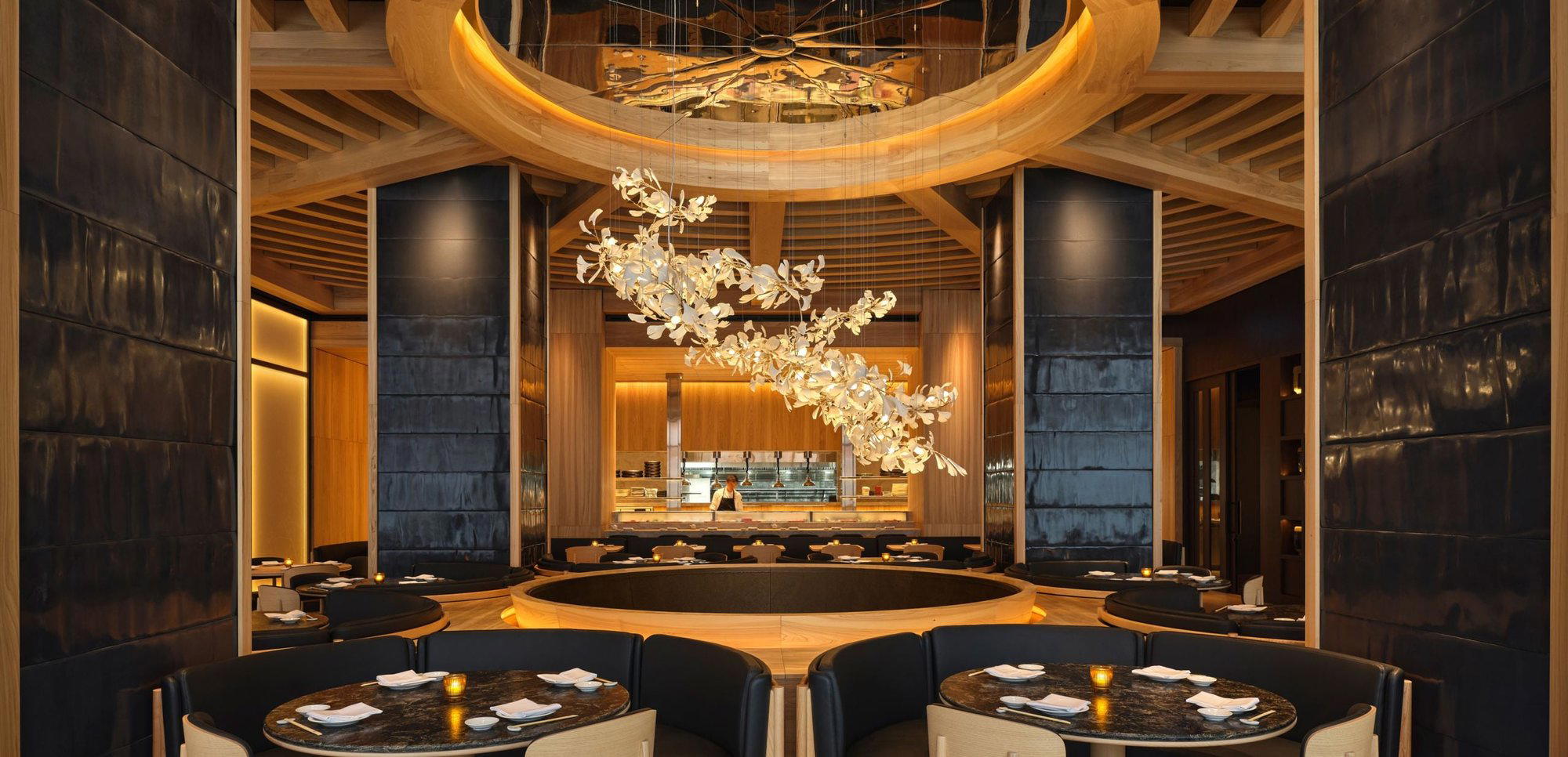
Cozy and upscale with eclectic modern interiors, warm inviting atmosphere, and views of the open kitchen robata grills.