


1 Michelin Star · Canada's 100 Best Restaurants #27
Our verdict
At 51 Colborne St in Toronto's Financial District, aKin runs a modern tasting menu that draws across Asian culinary traditions, anchored by Canadian sourcing from Nova Scotia to British Columbia. The room pairs gold-leaf finishes with a four-seat chef's counter for close-in viewing. Past highlights include lobster cheung fun and char siu bao with Iberico secreto, dishes that treat heritage technique as a creative starting point rather than a constraint.

Pearl is the En Primeur Club membership app, where members save venues, book tables and use the concierge.
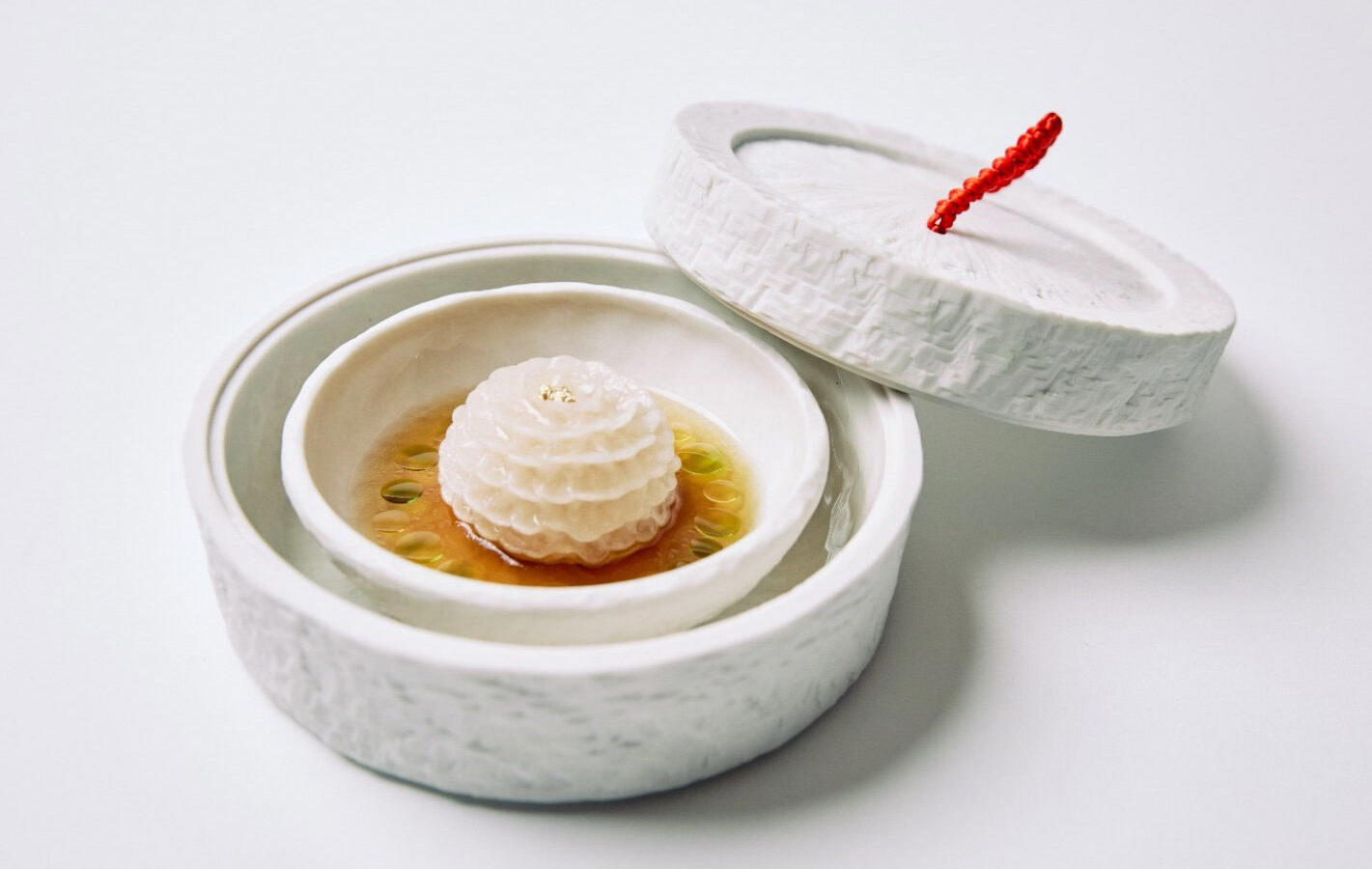
The Room Before the First Course
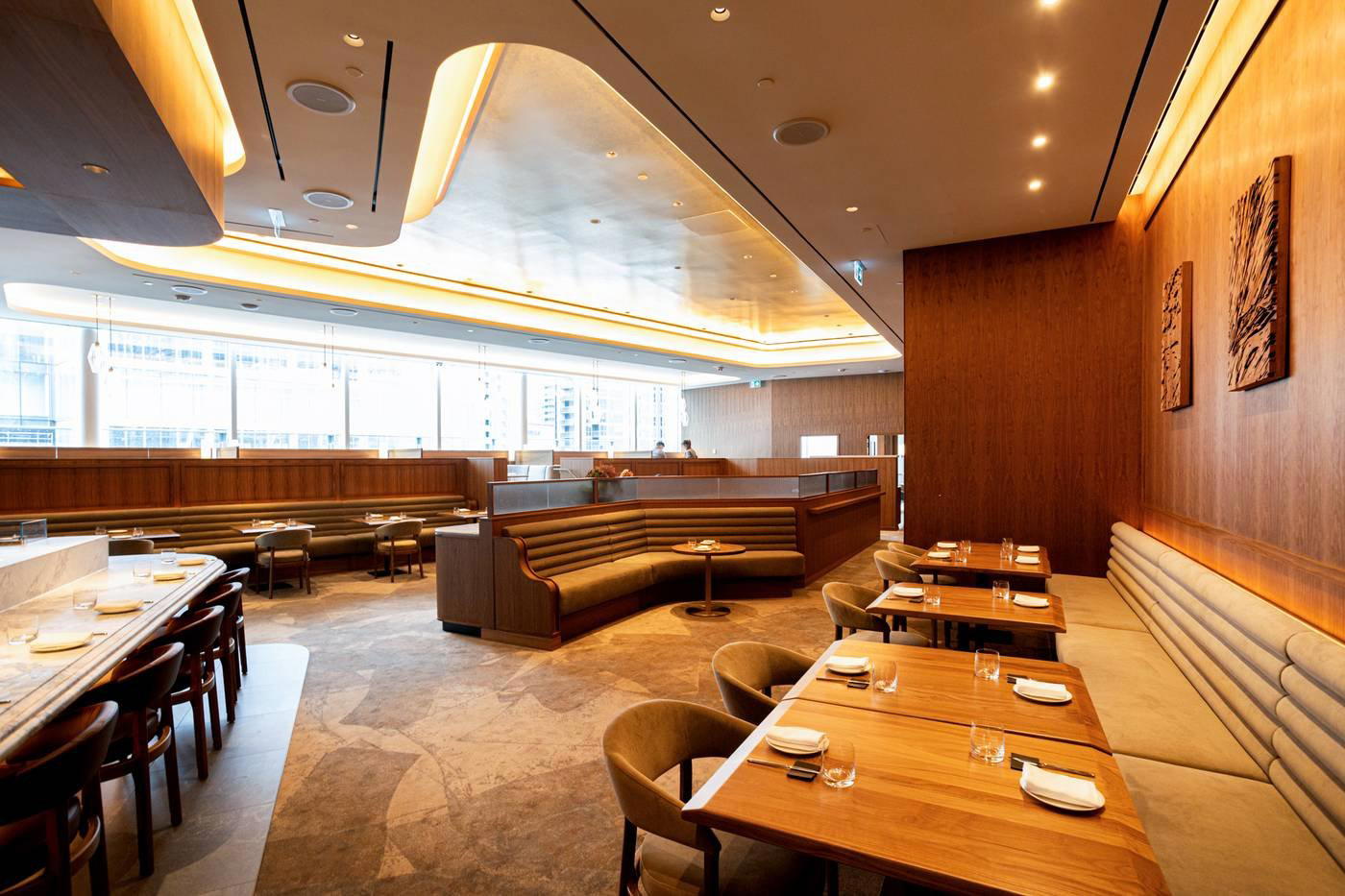
Walking into aKin on Colborne Street, the room reads as a statement of intent before a single dish arrives. Gold-leaf finishes frame a long dining room where tables run in a single procession, giving the space a deliberate, almost ceremonial quality. The four-seat chef's counter at one end compresses that formality into something closer and more immediate: plating happens in front of you, pacing becomes audible, and the kitchen's logic reveals itself course by course. It is a design arrangement that many tasting-menu restaurants attempt and few execute with this kind of proportion.
Toronto's tasting-menu tier has grown substantially over the past decade, with Alo holding a Michelin star at the Contemporary end and Japanese-rooted formats like Sushi Masaki Saito (two Michelin stars) and Aburi Hana anchoring the kaiseki and omakase side of the market. aKin sits in a different position within that tier: it is neither a single-cuisine specialist nor a European-lineage fine-dining room. Its competitive set is closer to what you find in cities like New York, where Atomix has built a sustained case for Korean-rooted tasting menus that operate at the same level of precision and sourcing ambition as any French-trained kitchen.
What the Menu Is Actually Doing
The cooking at aKin draws from across Asia without flattening regional distinctions into a generic pan-Asian register. Chef Eric Chong uses personal heritage as the editorial filter, which produces a menu where specific traditions show up as recognisable techniques, cheung fun, char siu, silver needle noodles, rather than decorative references. The distinction matters. A lobster cheung fun is not fusion in the lazy sense; it is a precise Cantonese rice noodle format applied to premium Canadian shellfish, and the success or failure of that dish depends on whether the kitchen understands both sides of the equation. By available accounts, it does.
The sourcing range is worth noting as a structural commitment, not a marketing detail. Ingredients arriving from Nova Scotia to British Columbia describe a cross-country procurement network that tracks seasonal availability across two coastlines and multiple climate zones. That kind of supply chain requires ongoing relationships with producers and a menu that can move with what is actually available rather than locking in dishes year-round. It places aKin in a similar sourcing posture to Tanière³ in Québec City and AnnaLena in Vancouver, both of which treat Canadian regional produce as primary creative material rather than local-colour garnish.
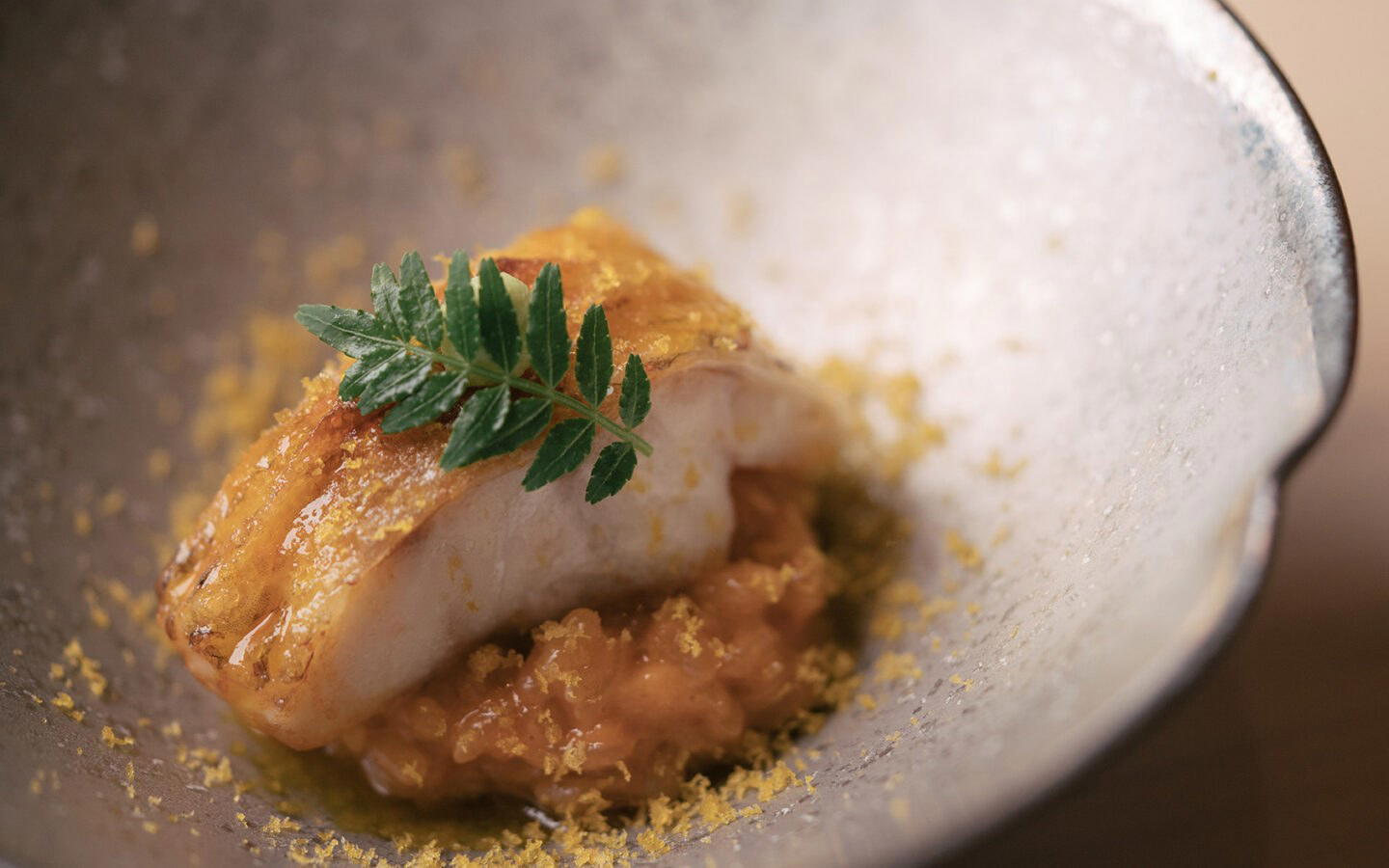
Past highlights on the menu have included char siu bao with Iberico secreto, a pairing that puts Spanish acorn-fed pork inside a Cantonese bun format, and grilled langoustine with silver needle noodles. Desserts have drawn consistent attention for their technique and composition. The cocktail program reads as deliberate rather than supplementary, with creative development that matches the kitchen's ambition. These are not details that linger at the edge of the experience; they are load-bearing parts of a menu that takes the full meal seriously from first course to final glass.
Where aKin Sits in the Broader Canadian Picture
Canada's tasting-menu scene has developed a cluster of serious kitchens over the past several years, spread across cities and formats that rarely get assessed together. Jérôme Ferrer's Europea in Montreal operates in a European fine-dining register. Restaurant Pearl Morissette in Lincoln pursues a wine-driven, farm-adjacent format in Ontario wine country. Narval in Rimouski works a remote coastal ingredient story. aKin's specific contribution to that national picture is a tasting-menu format grounded in Asian culinary traditions that treats Canadian sourcing not as an identity statement but as a quality and seasonal discipline.
Within Toronto itself, the comparison points shift. DaNico and Don Alfonso 1890 represent the Italian end of the city's fine-dining market, both at the $$$$ tier. The format at aKin, tasting menu, chef's counter option, personable service that the record specifically flags, maps more directly onto the city's omakase and kaiseki rooms than onto its European-trained kitchens, even though the cooking traditions in play are completely different. That positioning makes the chef's counter at aKin a relevant choice for diners who want the proximity and pace of an omakase format without the Japanese-cuisine framing.
Sensory Specifics and the Case for the Counter
The gold-leaf room is designed for a certain kind of attention. Tables along the length of the space create a shared formality, but the four-seat counter is the most instructive seat in the house for anyone who wants to understand what the kitchen is actually doing. At that proximity, the temperature of a plate, the sequence of garnish, and the timing between courses become part of the information the meal delivers. Very few restaurants at this price point in Toronto offer that kind of structural transparency. The service record, specifically noted as personable rather than ceremonial, suggests the counter experience avoids the clinical register that some high-technique kitchens default to when they put diners close to the pass.
At the $$$$ price point, aKin sits with the Michelin-recognised rooms in the city. The atmosphere the room creates, formal enough to signal occasion, specific enough in its design language to carry a culinary identity, positions it as a destination for celebration dinners and deliberate meals rather than casual drop-ins. Comparable international reference points for this kind of Asian-heritage tasting menu operating at a leading city tier include Atomix in New York and, at the European-trained high-technique end of seafood cooking, Le Bernardin.
Planning Your Visit
aKin is at 51 Colborne St in Toronto's Financial District, a short walk from King Station on the TTC. The restaurant operates at the $$$$ tier, consistent with the tasting-menu rooms it competes with in the city. The chef's counter seats four and is the format to request if you are coming specifically to watch the kitchen work. Reservations are advisable given the format and seat count; walk-in availability at this tier of tasting-menu dining in Toronto is generally limited, particularly on weekends. For a broader view of where aKin fits in the city's dining options, our full Toronto restaurants guide maps the scene across formats and price points. Planning around accommodation, our Toronto hotels guide covers the relevant options by neighbourhood. For pre- or post-dinner drinks, our Toronto bars guide and Toronto wineries guide cover what the city offers at that level. The Toronto experiences guide is useful for building the full visit around the meal.
Frequently asked questions
Do they take walk-ins at aKin?
aKin operates a tasting-menu format at the $$$$ tier, which at that level of Toronto dining typically means advance reservations are required. The four-seat chef's counter in particular is likely to book ahead given its size and proximity to the kitchen. Contacting the restaurant directly before arrival is the practical approach.
What's the defining dish or idea at aKin?
The defining idea is a tasting menu that places Asian culinary traditions, particularly Cantonese technique, at the centre rather than treating them as accent or influence. Chef Eric Chong draws on personal heritage while sourcing ingredients across Canada, from Nova Scotia to British Columbia, producing dishes like lobster cheung fun that connect regional Canadian produce with specific Asian formats rather than blending them into a generic fusion register.
Peers in This Market
Comparable options at a glance, pulled from our tracked venues.
| Venue | Cuisine | Price | Awards | Notes |
|---|---|---|---|---|
| aKinThis venue (the venue you are viewing) | Modern Asian Fine Dining | $200–300 | 1 Michelin Star · Canada's 100 Best Restaurants #27 | Not listed |
| Alo | Modern French Fine Dining with Asian Influences | $200–300 | 1 Michelin Star · La Liste Top Restaurants | Contemporary |
| Sushi Masaki Saito | Edomae-Style Omakase | $500+ | 1 Michelin Star · La Liste Top Restaurants | Sushi, Japanese |
| Aburi Hana | Modern Japanese Kyō-Kaiseki | $300–500 | 1 Michelin Star · The Best Chef One Knife | Kaiseki, Japanese |
| Don Alfonso 1890 | Modern Italian Fine Dining | $200–300 | 1 Michelin Star · La Liste Top Restaurants | Contemporary Italian, Italian |
| Edulis | Mediterranean Seafood Tasting Menu | $150–200 | 1 Michelin Star · World's 50 Best #25 | Canadian, Mediterranean Cuisine |
Recognition history
Dated appearances from independent guides and award organizations, with the underlying list record or original source where available.
Michelin 1 Star
Michelin
Canada's 100 Best Restaurants #27
Canada's 100 Best
Chinese Restaurant Awards — Top 50 Honouree Canada: Top 50 Honouree Canada
Chinese Restaurant Awards
Full recognition history (5 entries)
Chinese Restaurant Awards — Elite 30 Canada: Elite 30 Canada #10
Chinese Restaurant Awards
Chinese Restaurant Awards — Top 50 Honouree Canada: Top 50 Honouree Canada
Chinese Restaurant Awards
Continue exploring
More in Toronto
Restaurants in Toronto
All restaurants in Toronto →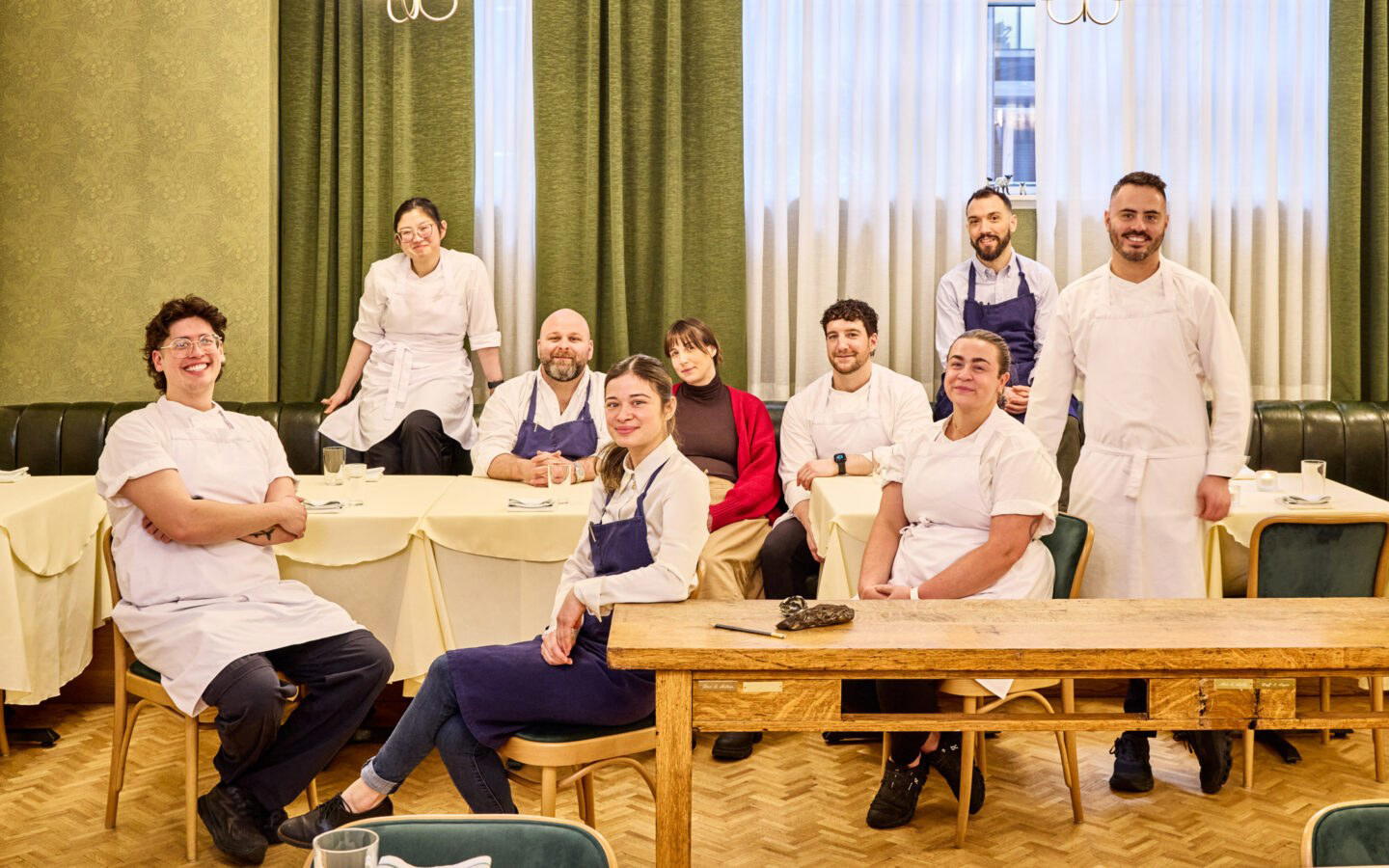
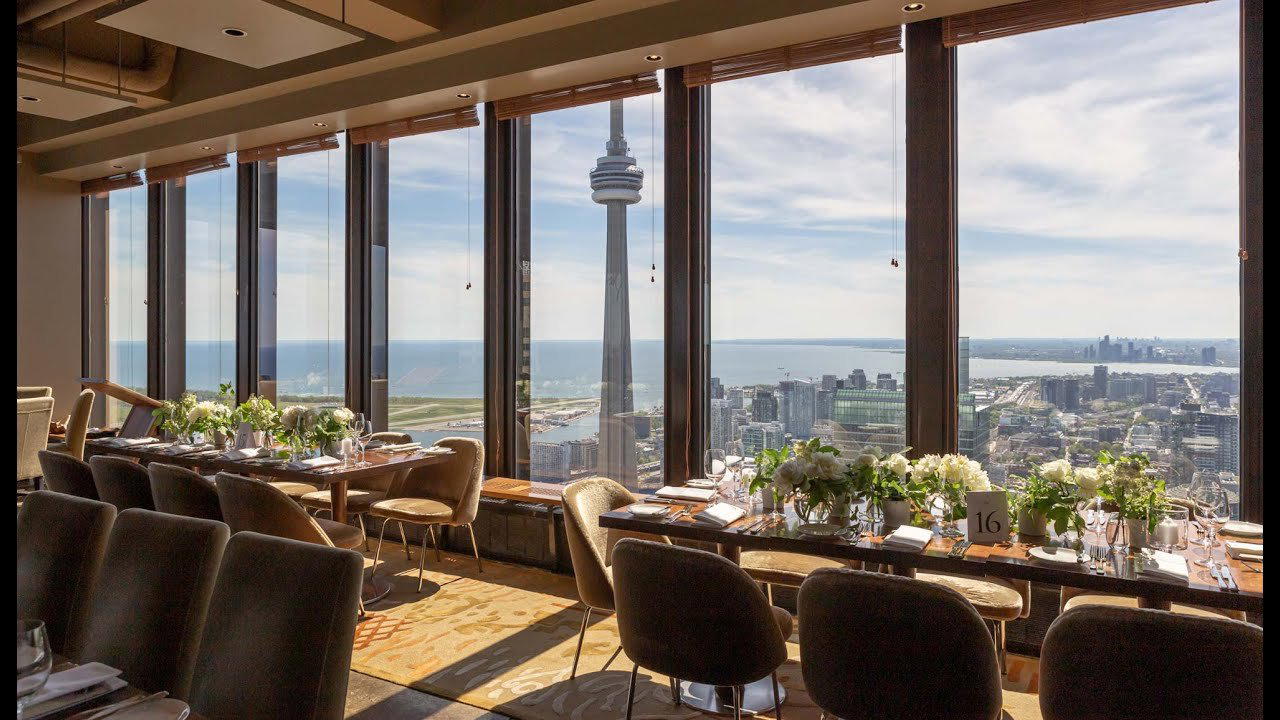
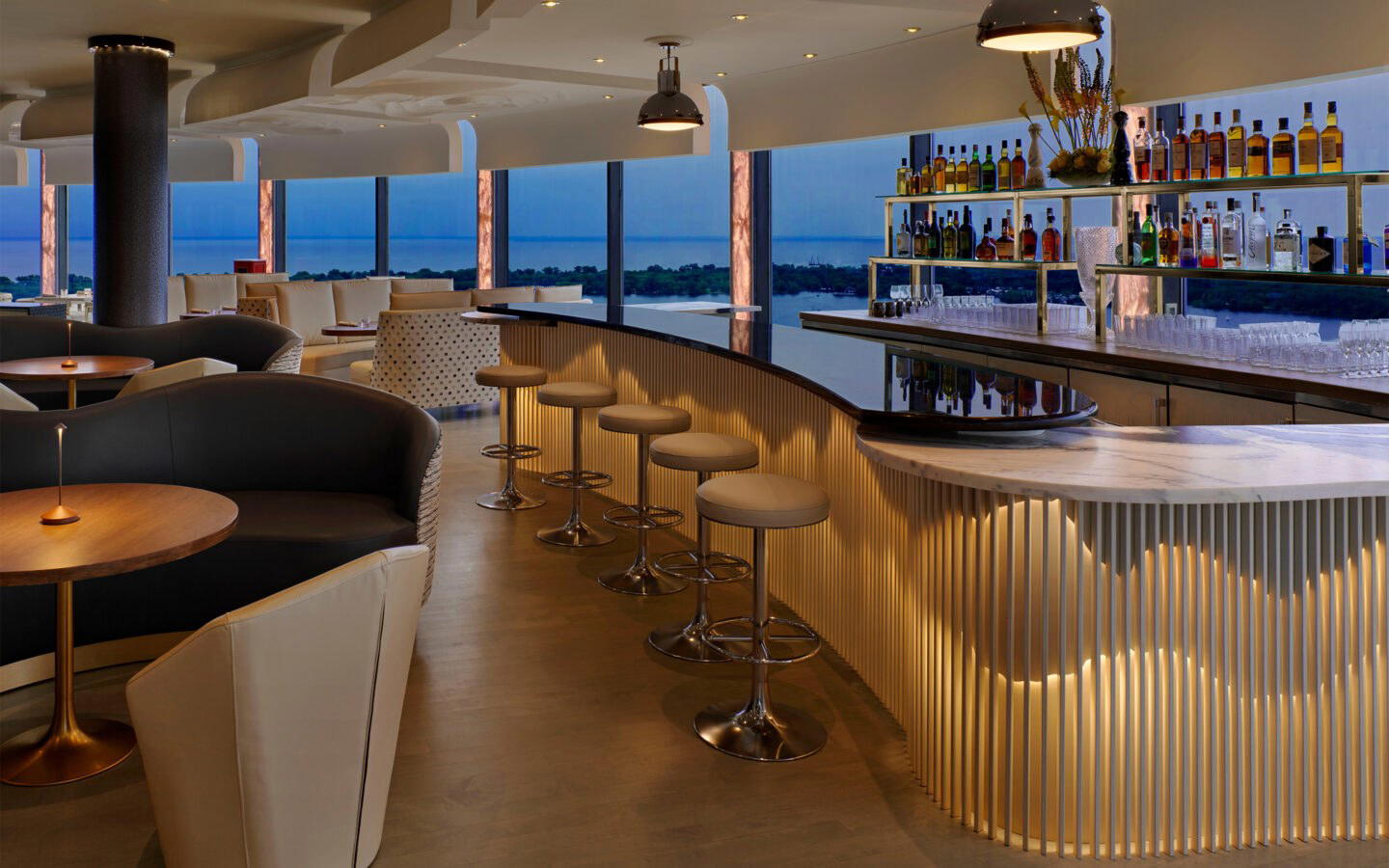
Bars in Toronto
All bars in Toronto →


Details
- Elegant
- Sophisticated
- Intimate
- Modern
- Special Occasion
- Date Night
- Celebration
- Chefs Counter
- Private Dining
- Open Kitchen
- Craft Cocktails
- Extensive Wine List
- Local Sourcing
- Tasting Menu
- Vegetarian Friendly
Current opening hours
- Monday
- Closed
- Tuesday
- 5 PM–12 AM
- Wednesday
- 5 PM–12 AM
- Thursday
- 5 PM–12 AM
- Friday
- 5 PM–12 AM
- Saturday
- 5 PM–12 AM
- Sunday
- Closed
Hours can change for holidays and private events. Hours as of .
Soft lighting, elegant decor with gold-leaf finishes and custom elements, warm and refined atmosphere.