On Baldwin Street in Kensington-adjacent Toronto, Omai occupies the quieter end of a dining strip that rewards those willing to look past the louder addresses on nearby streets. The room and kitchen together tell a story about sourcing, restraint, and Vietnamese-inflected cooking that positions it in a distinct tier from the city's high-volume Asian dining circuit.
Pearl is the En Primeur Club membership app — saves, bookings, and concierge access live there. Same editors, same standards.
- Address
- 3 Baldwin St, Toronto, ON M5T 1L1, Canada
- Phone
- +16473417766
- Website
- omairestaurant.ca
- Directions
- Get directions
 Saves & bookings on Pearl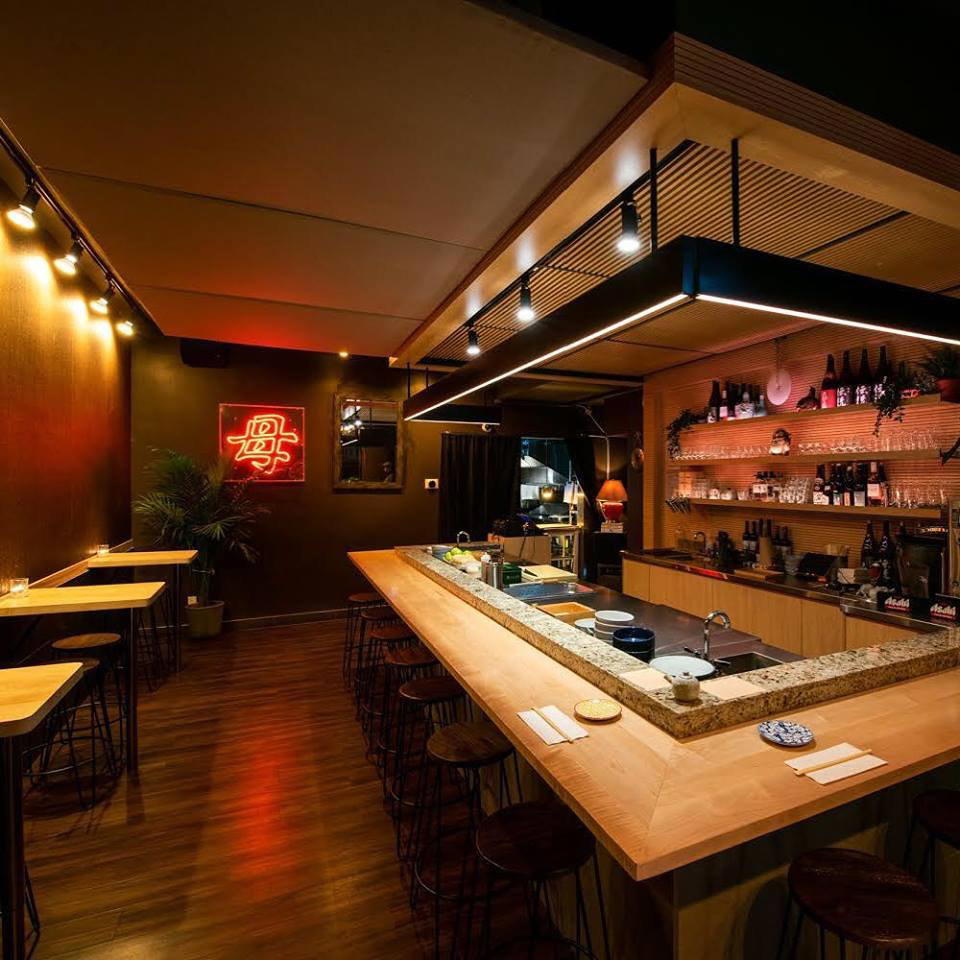
Baldwin Street and What It Signals
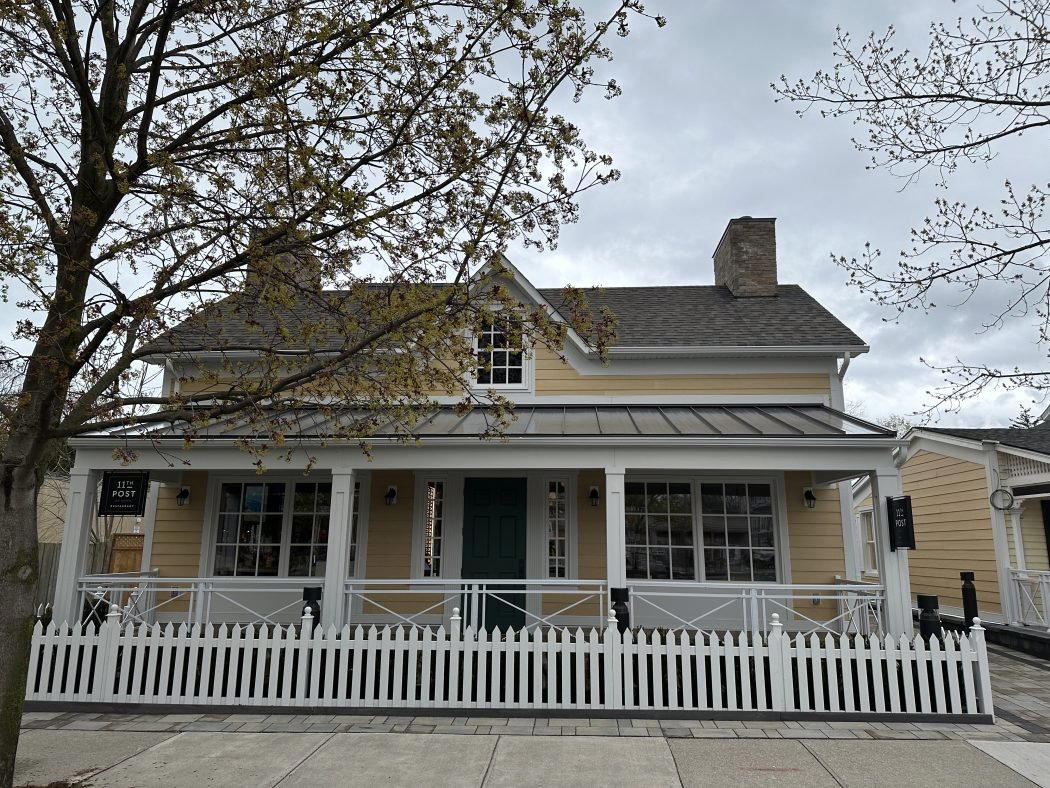
Toronto's Baldwin Street sits at the edge of Kensington Market, a block that has historically functioned as a low-key counterpoint to the city's more polished dining corridors. The street attracts restaurants that tend to operate outside the press-cycle hype that follows openings on King West or in Yorkville. Arriving at number 3, you notice immediately that the format is intimate, a narrow frontage, a room that does not announce itself through glass and neon. This is the physical register of a restaurant that is banking on what happens inside rather than what reads from the sidewalk.
That physical quietness is not accidental. Across Canadian cities, a discernible pattern has emerged over the past decade: restaurants prioritizing ethical sourcing and reduced waste tend to occupy smaller, less theatrical spaces, where the economics of tighter margins and deliberate purchasing make a compact room a structural necessity as much as a design choice. The address alone places it in conversation with Toronto's more considered end of the mid-size restaurant market, rather than with the $$$$ omakase counters and tasting-menu institutions that define stronger examples from the city's dining hierarchy.
Vietnamese Cooking in a Canadian Context
Vietnamese cuisine in Toronto spans an enormous range, from the high-volume pho houses of Spadina to the more refined, technique-conscious kitchens that have emerged in recent years. The interesting tension in the category right now is between restaurants that use Vietnamese flavour frameworks as a base and then move outward toward local Canadian ingredients, and those that maintain stricter fidelity to the source cuisine. Omai sits in the former camp, applying Vietnamese culinary logic, the interplay of acid, herb, and heat, the structural importance of broth and slow extraction, to whatever the season and supply chain make available.
This approach places Omai in a comparable set that extends well beyond Toronto's Vietnamese dining scene. The closest comparisons, at least philosophically, are restaurants like AnnaLena in Vancouver or Tanière³ in Quebec City, both of which use a regional ingredient logic to anchor otherwise globally influenced menus. Closer to home, Ontario producers and the short-season reality of a northern climate push kitchens toward preservation techniques, fermentation, and root-vegetable-heavy menus in the colder months, disciplines that align naturally with Vietnamese pantry traditions built around fermented condiments and long-cooked foundations.
The Sustainability Frame: Sourcing as a Kitchen Discipline
Sustainability in restaurant kitchens is frequently discussed in marketing terms and infrequently visible in actual kitchen practice. The restaurants that make one credible case for ethical sourcing tend to do so through menu construction rather than through language. When a kitchen is genuinely constrained by what local farmers and fishers can provide in a given week, that constraint shows in the menu's shape: shorter lists, more offal, more pickling and fermentation as a response to glut, and a willingness to serve vegetables as the primary event rather than as accompaniment.
In Ontario, the sourcing conversation has a specific geography. Producers in the Niagara Peninsula, Prince Edward County, and the farmland north of Toronto have built increasingly direct relationships with restaurant kitchens, and restaurants that commit to those relationships tend to cook differently as a result. Restaurant Pearl Morissette in Lincoln and Eigensinn Farm in Singhampton represent the furthest point of that producer-kitchen integration in the province, though both operate in rural settings where the farm-to-table logic is almost literal. Urban kitchens like Omai operate under different constraints but can draw from the same producer network, and Baldwin Street's lower rents relative to the Financial District or Yorkville make that kind of margin-sensitive purchasing more viable.
Vietnamese cooking has a structural advantage here: the cuisine's tradition of long-simmered broths, of using every part of an animal, and of building complexity through fermentation means that a kitchen working in that register already has the techniques for waste reduction built into its culinary DNA.
Where Omai Sits Among Toronto's Broader Restaurant Market
Toronto's premium dining tier is increasingly defined by restaurants with Michelin recognition or James Beard-adjacent credentials. Alo, Sushi Masaki Saito, and Aburi Hana occupy the upper bracket of that market, with price points and booking lead times to match. DaNico and Don Alfonso 1890 represent the city's Italian fine-dining strand. Omai occupies a different register: more accessible in price, less structured in format, and more closely connected to neighbourhood identity than to the city's award-circuit restaurants.
That positioning is not a limitation. Particularly interesting cooking in any city happens in the middle tier, where chefs have the freedom to experiment without the institutional weight of a starred kitchen, and where the clientele is less likely to arrive with a specific set of expectations about what a meal should deliver. The Baldwin Street address reinforces this: the room draws from Kensington Market foot traffic, from the University of Toronto community, and from repeat visitors who know what they are looking for rather than first-timers checking off a press list.
Le Bernardin in New York City, which has addressed sustainable seafood sourcing at the summit of the market, and Atomix in New York City, which handles Korean cooking with a similar commitment to precision and provenance. Jérôme Ferrer's Europea in Montreal represents the Quebec approach to the same broader question.
Know Before You Go
Nearby-ish Comparables
Comparable venues nearby, for context on price, style, and recognition.
| Venue | Cuisine | Price | Notes |
|---|---|---|---|
| OmaiThis venue — the venue you are viewing | Japanese Izakaya with Temaki and Sake | $$$ | Not listed |
| Skippa | Seasonal Japanese Omakase | $$$ | Palmerston-Little Italy |
| Hapa Toronto | Modern Japanese Izakaya Tapas | $$ | Palmerston-Little Italy |
| Hanmoto | Japanese-American Fusion Izakaya | $$ | Little Italy |
| Casa Morales | Modern Mexican | $$$ | Kensington |
| PAROS | Modern Greek | $$$ | Yorkville |
Continue exploring
More in Toronto
Restaurants in Toronto
Browse all →
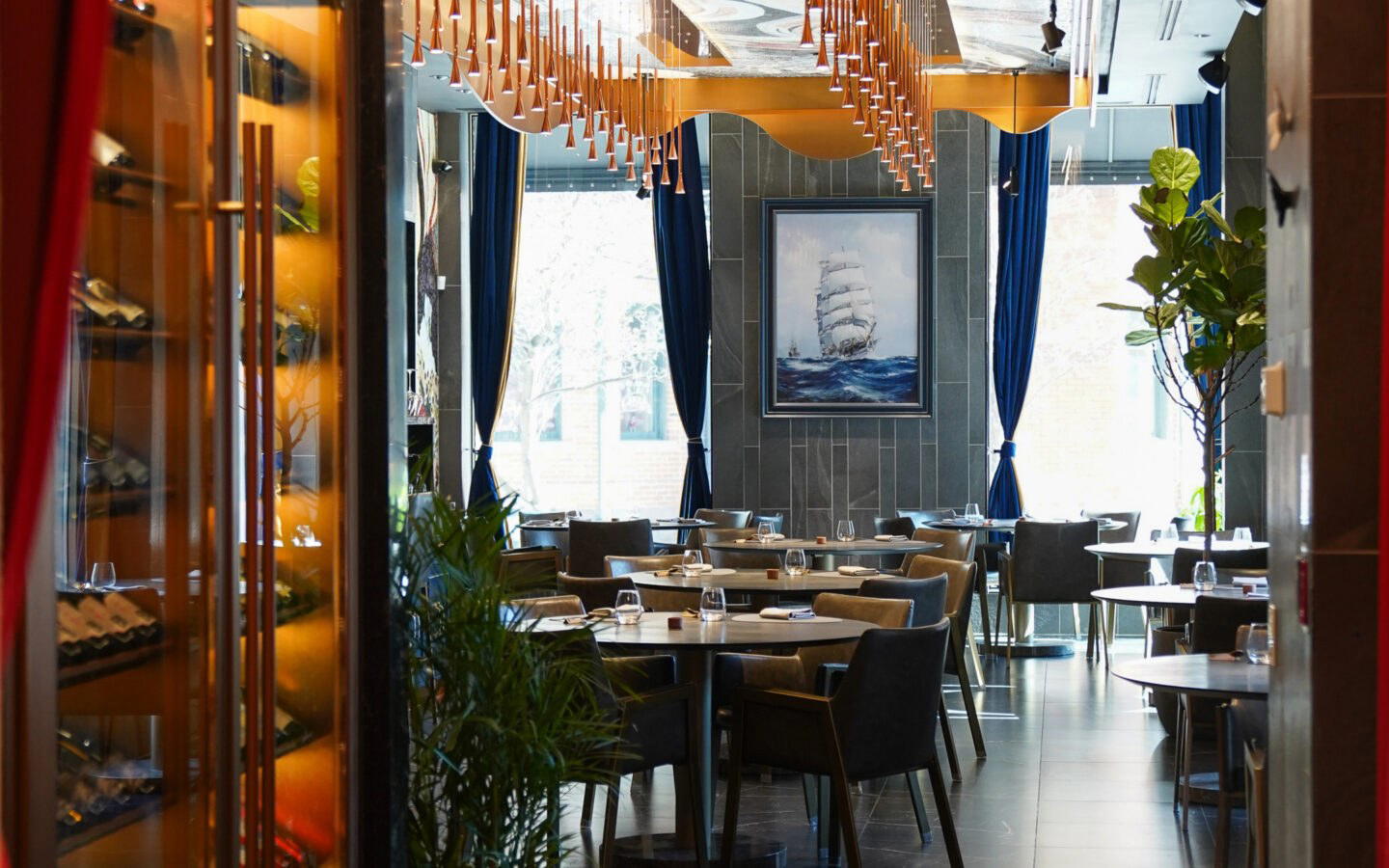
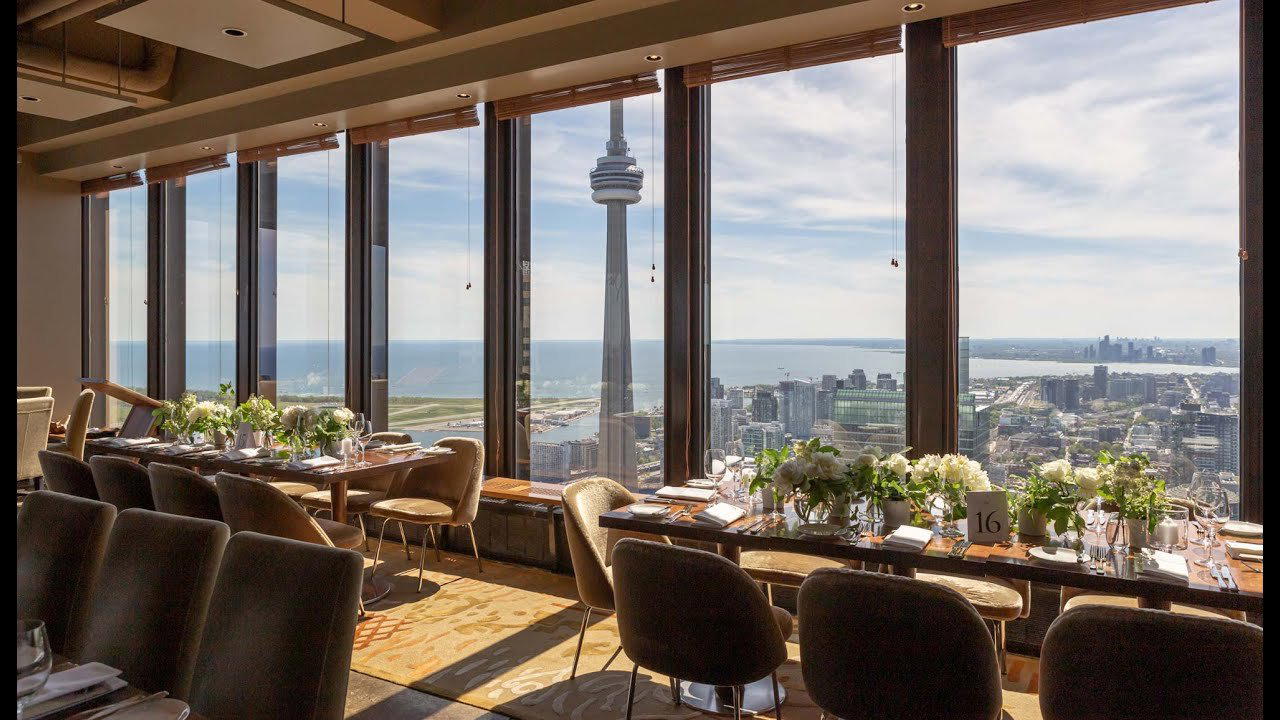
Bars in Toronto
Browse all →
Hotels in Toronto
Browse all →



At a Glance
- Intimate
- Trendy
- Modern
- Date Night
- Casual Hangout
- Open Kitchen
- Chefs Counter
- Sake Program
- Natural Wine
- Local Sourcing
Current opening hours
- Monday
- Closed
- Tuesday
- 5–10:30 PM
- Wednesday
- 5–10:30 PM
- Thursday
- 5–10:30 PM
- Friday
- 5–10:30 PM
- Saturday
- 5–10:30 PM
- Sunday
- 5–10:30 PM
Hours can change for holidays and private events. Last verified .
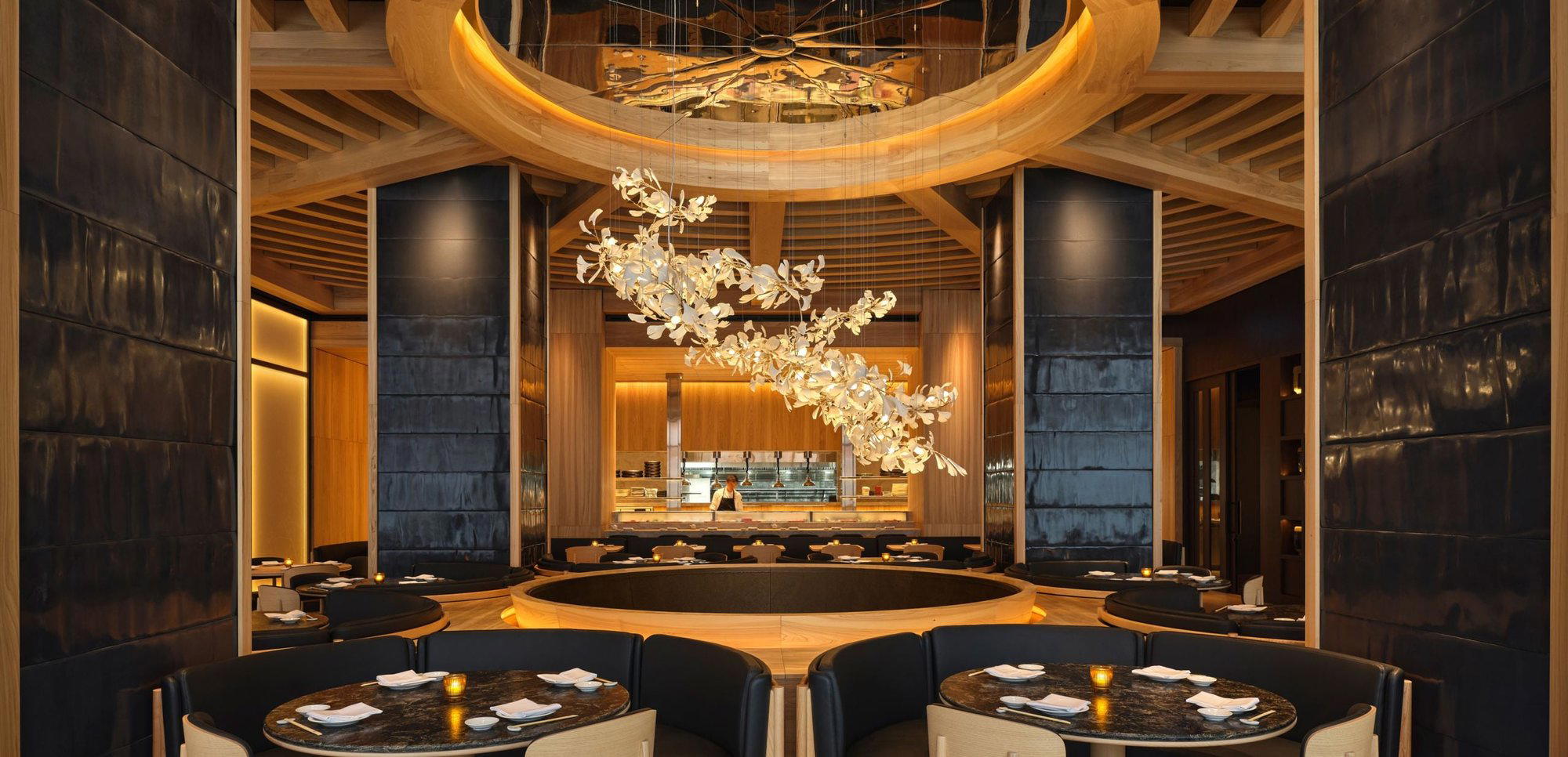
Simple yet elegant atmosphere with counter seating focused on the open kitchen.