On Harbord Street in Toronto's Annex-adjacent stretch, Skippa sits in the quieter, neighbourhood-focused tier of the city's dining scene rather than the high-ticket tasting-menu circuit. The room rewards those who distinguish between lunch and dinner service, with the two offering noticeably different rhythms and price propositions. It holds a local following that predates the city's current restaurant boom.
- Address
- 379 Harbord St, Toronto, ON M6G 1H8, Canada
- Phone
- +1 416 535 8181
- Directions
- Get directions
Harbord Street and the Neighbourhood Restaurant Question
Toronto's serious dining conversation tends to collapse around a handful of postcodes: King West, Ossington, the Financial District's expense-account rooms. Harbord Street, running through the Annex and into the Bickford Park corridor, operates at a different register. The street has long supported the kind of restaurant that a neighbourhood actually uses rather than one that requires advance planning from across the city. Skippa is a restaurant serving Seasonal Japanese Omakase at 379 Harbord St, Toronto, ON M6G 1H8, Canada. Skippa, at 379 Harbord, sits squarely in that tradition. The address places it among independent operators rather than the $$$$ tasting-menu tier occupied by venues like Alo or the omakase counters of Sushi Masaki Saito. That positioning is a deliberate distinction, not an oversight.
The question worth asking about any neighbourhood restaurant in a city that has developed Toronto's level of fine-dining ambition is whether it holds its own on culinary terms or simply survives on proximity and loyalty. Skippa has accumulated enough of a local following to suggest the former. It is the kind of place that appears in conversations about where to eat well without ceremony, which in Toronto's current climate is a more specific recommendation than it sounds.
What Lunch and Dinner Actually Mean Here
The divide between daytime and evening service is where Skippa's character becomes clearest. Across the broader Toronto dining scene, a recurring pattern has emerged: restaurants that operate a tighter, more approachable version of their program at lunch and shift toward a longer, more considered experience after dark. This is partly economic and partly cultural. Toronto's lunch hour has contracted and its dinner reservation windows have lengthened, particularly since the post-pandemic consolidation of dining habits.
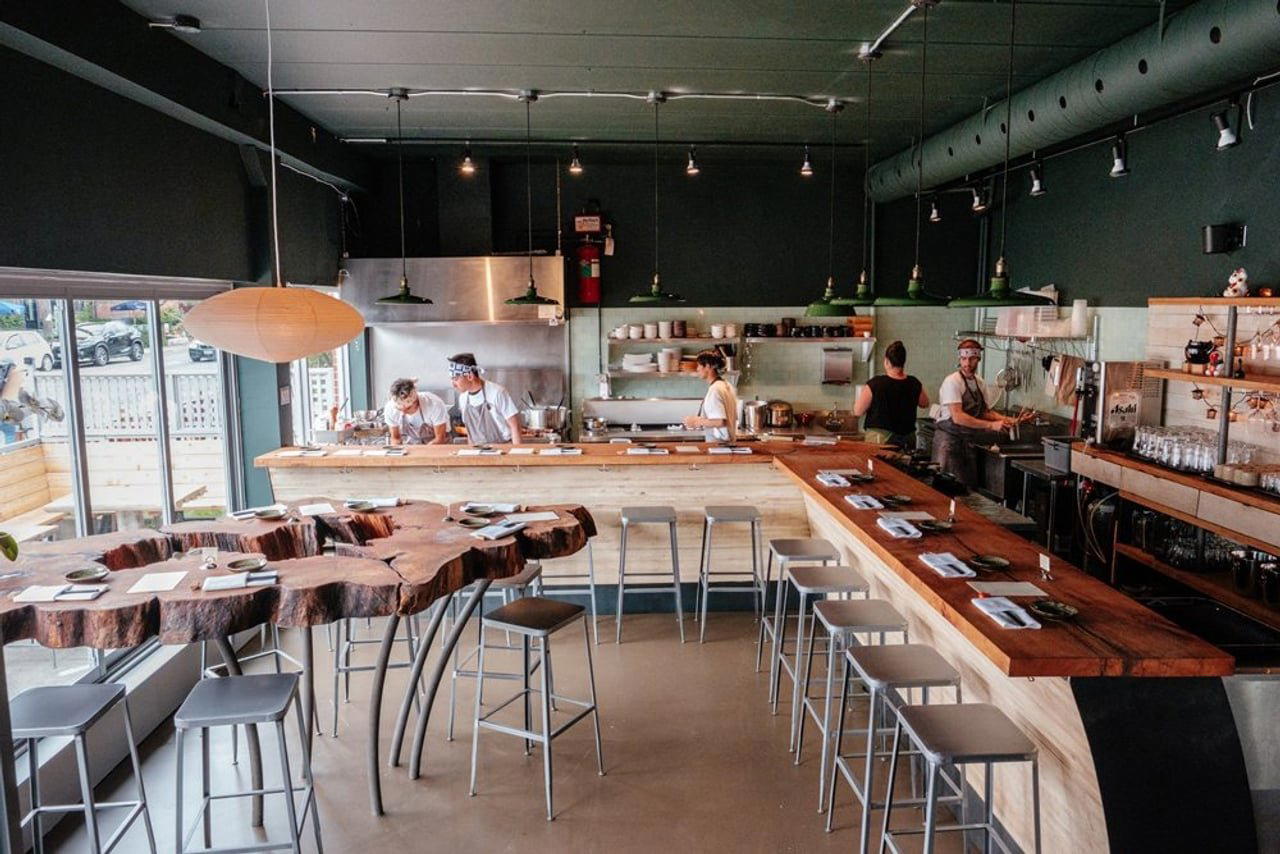
At Skippa, the lunch and dinner split tends to track that city-wide pattern. Daytime service carries a lighter footprint in both mood and expectation. The room on Harbord, with natural light from the street side, reads differently at noon than it does at eight in the evening. The practical implication for the reader is direct: if the goal is a lower-commitment version of the kitchen's output, lunch is the more efficient entry point. If the goal is to understand what the restaurant is doing at full extension, the evening service provides more room to assess it.
This is a distinction that matters more than it might initially appear. Restaurants at this tier of the market often live or die by their lunchtime regulars, who provide steady revenue against the variable economics of evening covers. The lunch crowd at a Harbord Street independent tends to be local, repeat, and less focused on the occasion than the evening clientele. That changes what the kitchen sends out and how the room is managed.
Positioning Against the Toronto Scene
Toronto's restaurant market in 2024 has sharpened its poles. At one end sit the destination rooms with Michelin recognition or 50 Best adjacency: Alo, Aburi Hana, DaNico, Don Alfonso 1890. At the other end, a large number of casual operations compete on price and volume. The middle tier, where careful cooking meets accessible price points and a room that doesn't demand occasion dressing, has been the hardest to sustain in a city with Toronto's rent pressures and labour costs.
Skippa operates in that middle tier. It is not trying to compete with the kaiseki format of Aburi Hana or the contemporary Italian ambition of Don Alfonso 1890. Its competitive set is the cluster of independent, chef-driven rooms that have held Annex-adjacent addresses for a decade or more. Survival in that cohort, through a pandemic and a significant inflation cycle in food costs, carries its own credential. It signals that the kitchen is doing something right on a basic operational level, which is a prerequisite for any critical conversation.
For readers who track the Canadian dining circuit more broadly, the neighbourhood-restaurant model that Skippa represents has equivalents in other cities: AnnaLena in Vancouver occupies a similar position in Kitsilano, and Europea in Montreal anchors a comparable role in that city's mid-to-upper independent tier. Within Ontario, Restaurant Pearl Morissette in Lincoln and Eigensinn Farm in Singhampton represent the destination end of the province's independent dining spectrum, while Skippa holds a different, more accessible position closer to everyday use.
Outside Canada, the structural comparison is to restaurants like Lazy Bear in San Francisco, which redefined the relationship between neighbourhood scale and serious cooking, or the mid-market independents that cluster below Le Bernardin in New York's tiered dining hierarchy. The analogy is not direct, but the underlying question, whether a room of modest scale can sustain serious culinary intent without destination-restaurant economics, is shared.
Canadian readers planning wider itineraries might also consider Tanière³ in Quebec City, Narval in Rimouski, Fogo Island Inn Dining Room in Newfoundland, The Pine in Creemore, Busters Barbeque in Kenora, and Cafe Brio in Victoria for a sense of the country's range.
Know Before You Go
- Address: 379 Harbord St, Toronto, ON M6G 1H8
- Neighbourhood: Harbord Village / Annex-adjacent, Toronto
- Price tier: $95 per person
- Booking: Recommended
- Hours: Not available
- Parking: Street parking on Harbord
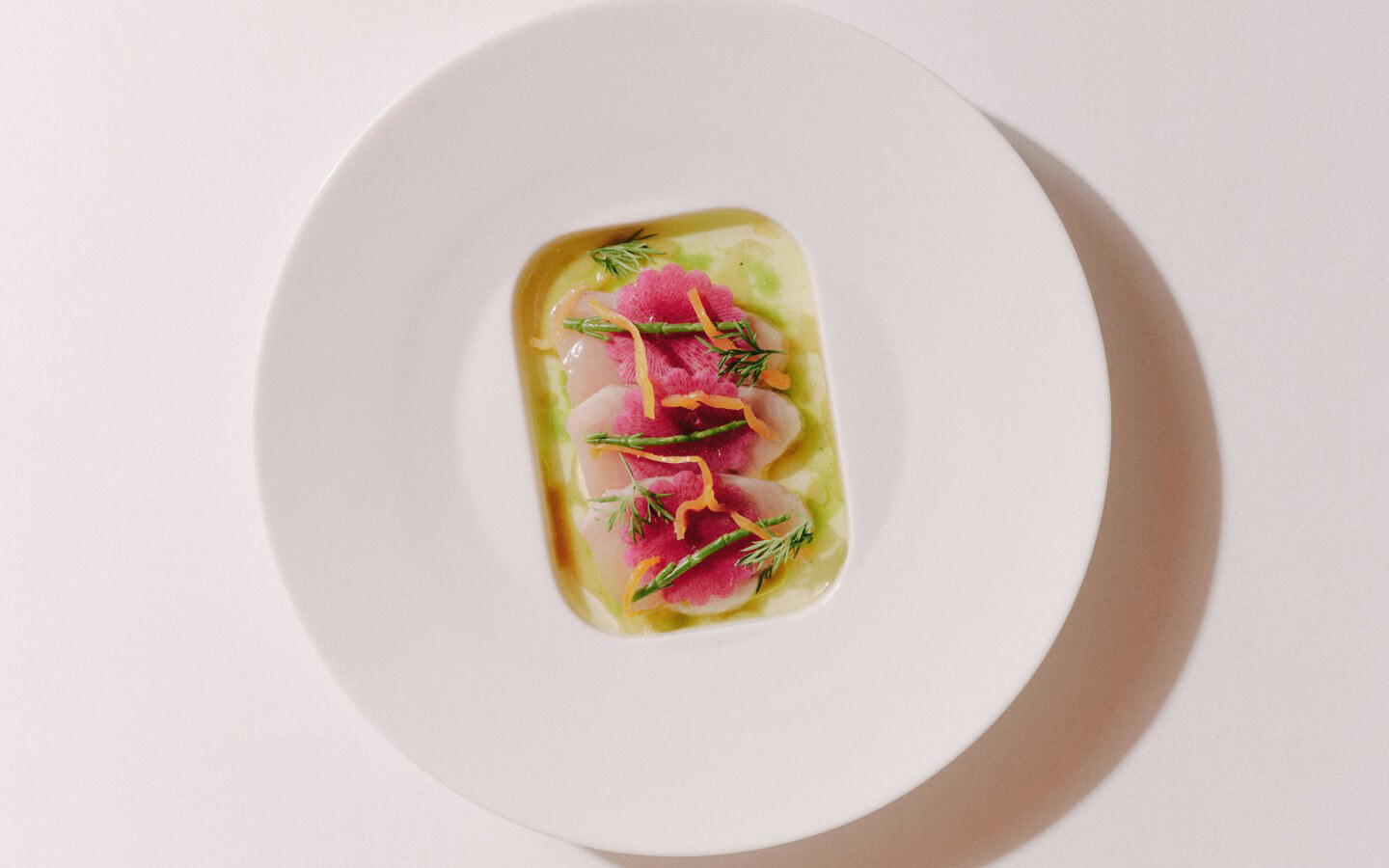
- Omakase tasting menu
- Botan Chi shrimp
- Madai seabream
- Hirame fluke
- Kinmedai golden eye seabream
- Kanpachi Japanese amberjack
The Essentials
Comparable venues nearby, for context on price, style, and recognition.
| Venue | Cuisine | Price | Notes |
|---|---|---|---|
| SkippaThis venue — the venue you are viewing | Not listed | $$$ | Not listed |
| The Onda | Humewood, Japanese Omakase | $$$$ | Not listed |
| Gonzo Izakaya | Not listed | $$ | Palmerston-Little Italy, Japanese Izakaya with Teppanyaki and Yakitori |
| Hanmoto | Not listed | $$ | Little Italy, Japanese-American Fusion Izakaya |
| Ficoa | Not listed | $$$ | Palmerston-Little Italy, Neo-Latin Fine Dining |
| Rosas | Oakwood Vaughan, Modern Latin American | $$$ | Not listed |
Continue exploring
More in Toronto
Restaurants in Toronto
Browse all →
Bars in Toronto
Browse all →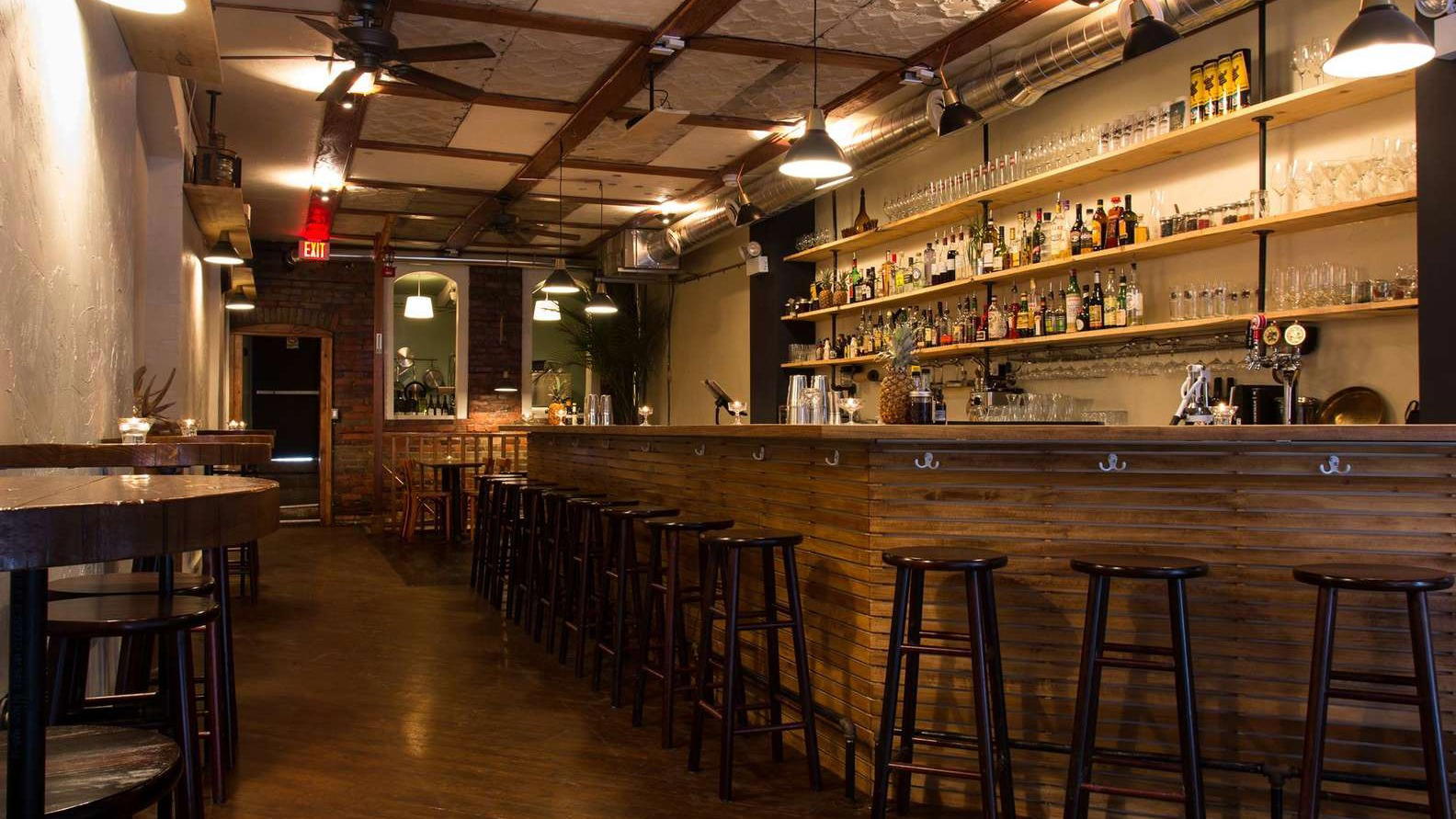
Hotels in Toronto
Browse all →

At a Glance
- Intimate
- Elegant
- Rustic
- Cozy
- Date Night
- Special Occasion
- Celebration
- Open Kitchen
- Chefs Counter
- Sake Program
- Beer Program
- Farm To Table
- Local Sourcing
- Sustainable Seafood
- Organic
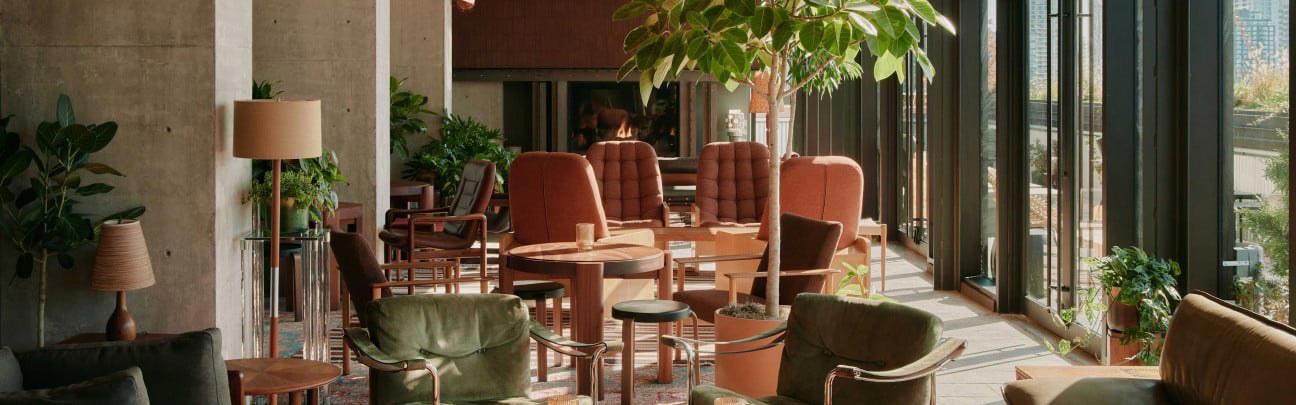
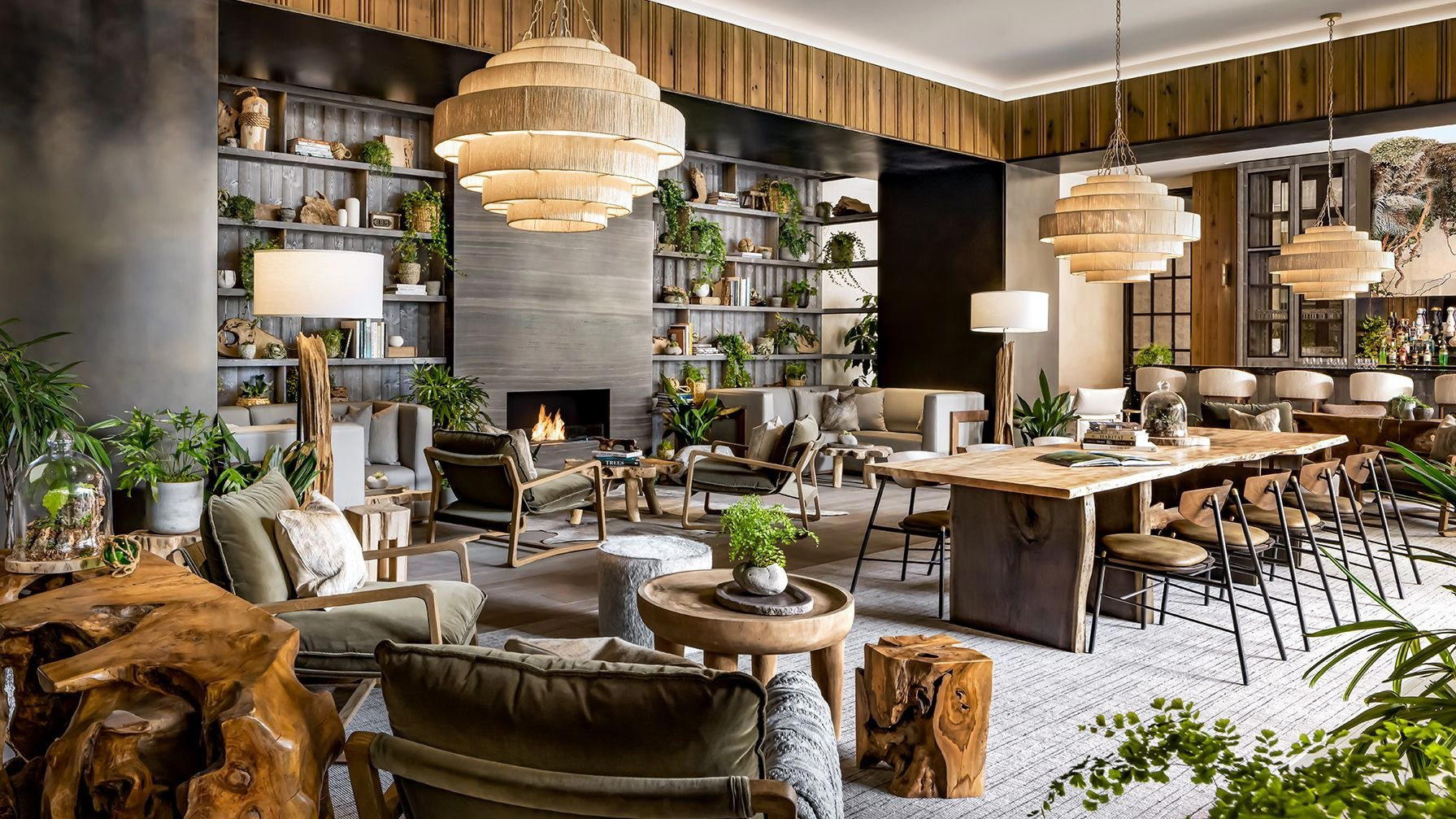
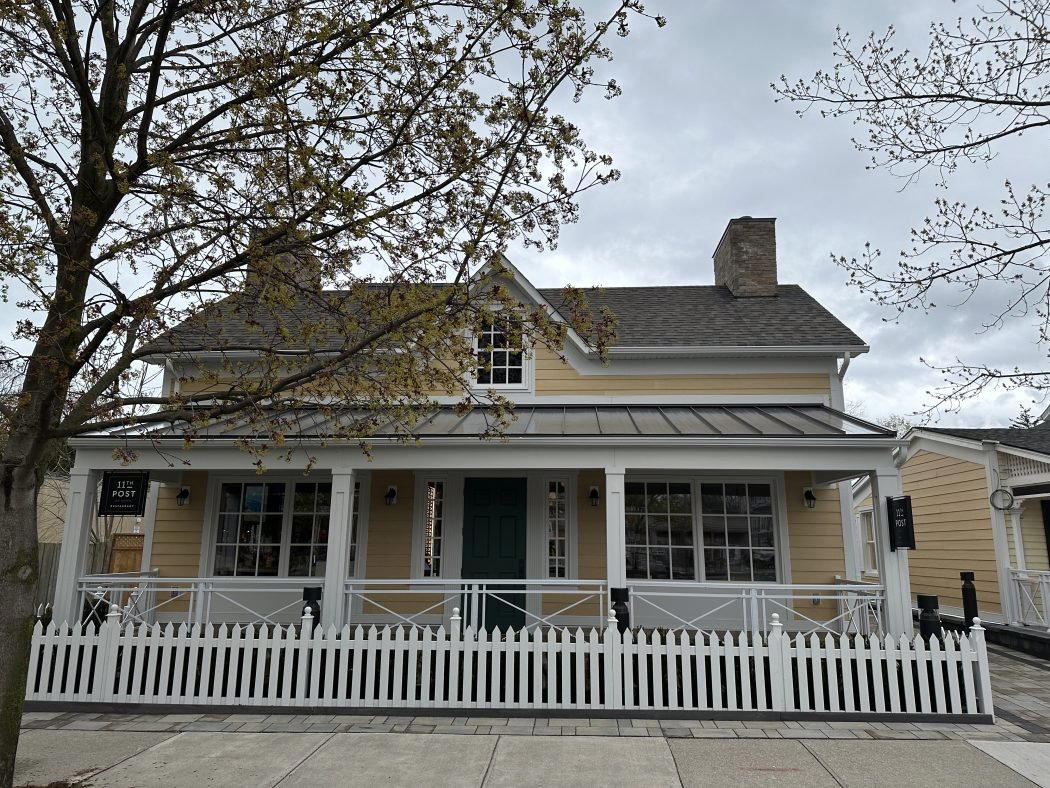
Rustic-chic interior with an open kitchen, polished wood communal table at entrance, intimate bar seating, and a 20-seat patio; warm and refined yet approachable.