On Queen Street West, where Toronto's creative energy runs thickest, SAKU trades in sushi and tacos from a single address on one of the city's most restless dining corridors. The format sits in a growing tier of casual-fusion spots that draw repeat crowds through accessibility rather than ceremony. For regulars, the pull is consistency and proximity to a neighbourhood that rewards spontaneity.
Pearl is the En Primeur Club membership app — saves, bookings, and concierge access live there. Same editors, same standards.
- Address
- 478 Queen St W, Toronto, ON M5V 2B2, Canada
- Phone
- +1 416 368 7258
- Website
- sakutoronto.com
- Directions
- Get directions
 Saves & bookings on Pearl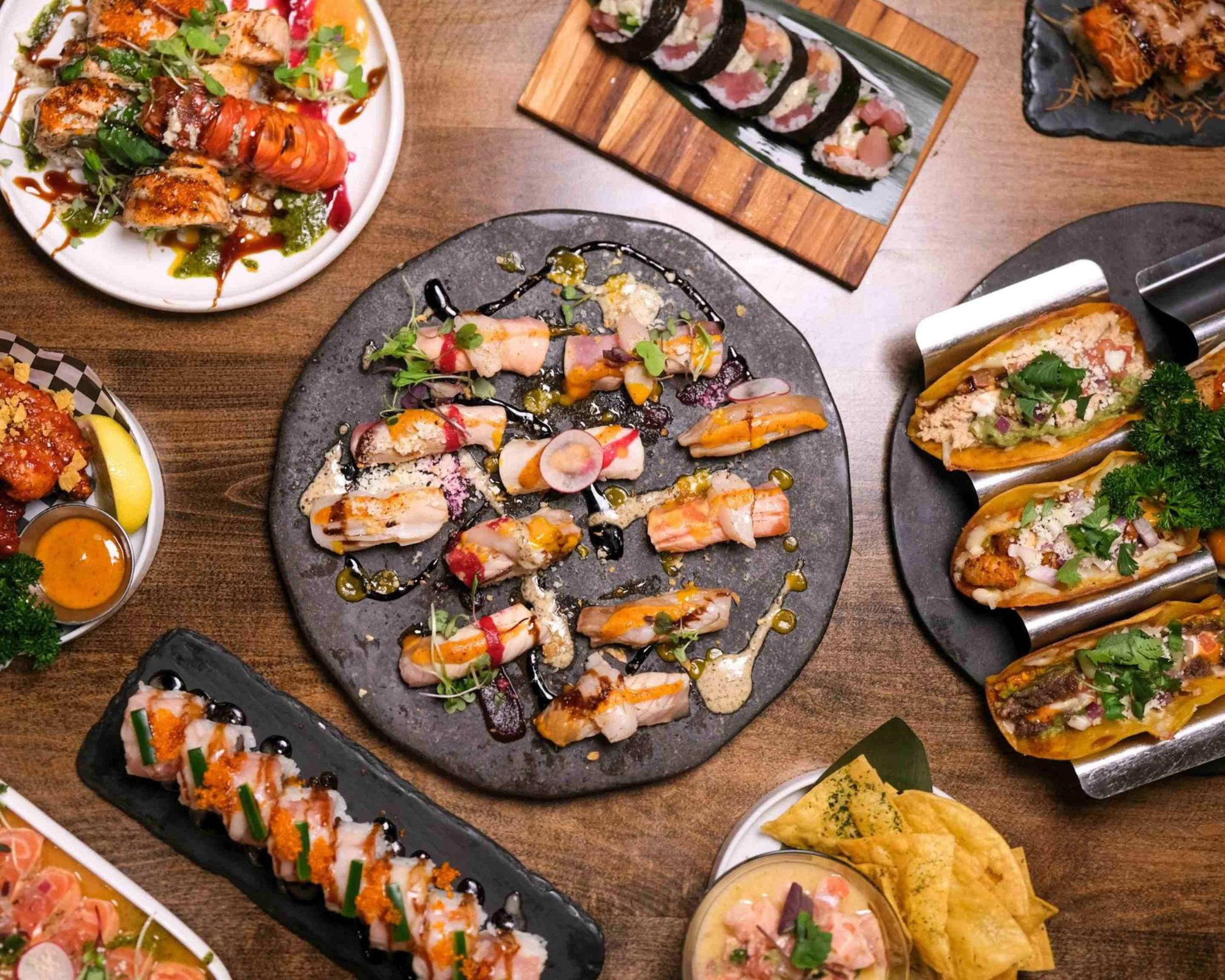
Queen West's Fusion Format in Context
Queen Street West has always attracted restaurants that treat informality as a deliberate position rather than a default. The strip between Bathurst and Ossington has cycled through waves of casual dining concepts for decades, and the current generation tends to reward formats that are easy to enter, easy to understand, and hard to stop returning to. SAKU, operating from 478 Queen St W, fits that pattern: a sushi-and-taco concept that positions itself at the intersection of two accessible, widely loved formats rather than asking diners to commit to a single cuisine identity.
That crossover approach is not accidental in a city where Toronto's dining middle tier has grown more confident. While the high-end end of the city's Japanese dining scene is represented by omakase counters like Sushi Masaki Saito and kaiseki rooms like Aburi Hana, both operating at the $$$$ price tier with formal structures and advance booking requirements, SAKU occupies a different register entirely. The sushi-meets-taco format is a category shorthand for a particular kind of casual confidence: the kitchen is not trying to replicate a Japanese tradition or a Mexican one, but to find where the two formats share logic, which is largely in fresh protein, textural contrast, and hand-held portioning.
What the Regulars Are Actually After
On a block like Queen West, regulars are not people who discovered SAKU through a review and made a special trip. They are people who live within a few neighbourhoods, work nearby, or move through the corridor on a regular basis and found something that fits the rhythm of their week without requiring a reservation weeks out or a commitment to a three-hour dinner. That is a specific and underserved value proposition in a city where the conversation about dining quality has skewed heavily toward the upper tier.
What brings them back is reliability within a format they already trust. The sushi-and-taco combination, when executed with reasonable quality ingredients and consistent preparation, creates a repeatable visit structure: you know roughly what you are getting, you trust the kitchen to deliver it, and you leave satisfied without the logistical overhead of a fine-dining booking. This is the same logic that makes strong neighbourhood Italian restaurants resilient across decades, as seen in the durability of concepts like DaNico and the city's broader comfort with accessible-but-considered dining.
The Queen West corridor specifically rewards this model because the foot traffic is high, the demographic is eclectic, and the appetite for experimentation without pretension is embedded in the neighbourhood's character. A regular at SAKU is likely also a regular at two or three other spots within walking distance, and the decision to return is often made the same day rather than planned in advance.
Where It Sits in the Toronto Picture
Toronto's restaurant scene has matured considerably in the past decade, with contemporary tasting-menu operations like Alo anchoring the city's claim to serious fine dining and Michelin-calibre attention. At the other end, casual fusion formats have proliferated across the city's dense inner neighbourhoods, and Queen West is one of the highest-concentration zones for that tier. SAKU's address puts it within reach of the creative and professional population that defines the area's daytime and evening crowd.
The sushi-taco format itself has enough precedent in North American cities to be understood on arrival but enough variation venue to venue that execution quality still matters. In Toronto's context, where Japanese dining options range from the deeply traditional to the aggressively casual, a hybrid concept like SAKU has to deliver on both sides of its identity. The sushi component needs to hold up on freshness and knife work; the taco component needs to offer something beyond novelty. Whether SAKU hits those marks consistently is the question regulars have already answered for themselves by returning.
Canada's wider dining geography extends from the hyper-local ambition of Eigensinn Farm in Singhampton and the remote-destination gravity of Fogo Island Inn to urban contemporary programs like Tanière³ in Quebec City and AnnaLena in Vancouver, with accessible neighbourhood anchors like Cafe Brio in Victoria and Narval in Rimouski doing similar work in their own corridors. Ontario's own food geography has its own depth, from the wine-table dining of Restaurant Pearl Morissette in Lincoln to the cottage-country cooking of The Pine in Creemore and the hearty regional cooking of Busters Barbeque in Kenora.
Know Before You Go
A Tight Comparison
Comparable venues nearby, for context on price, style, and recognition.
| Venue | Cuisine | Price | Notes |
|---|---|---|---|
| SAKU (sushi & taco)This venue — the venue you are viewing | Queen West, Japanese Katsu & Sushi | $$ | Not listed |
| KINKA IZAKAYA ORIGINAL | Not listed | $$ | Church and Wellesley, Authentic Japanese Izakaya |
| The Grand Indian Dining | Kensington-Chinatown, Authentic Indian | $$ | Not listed |
| KINKA IZAKAYA ANNEX | Harbord Village, Japanese Izakaya | $$ | Not listed |
| Pizzeria Libretto | Not listed | $$ | Trinity Bellwoods, Authentic Neapolitan Pizza |
| Joe Bird | Not listed | $$ | Harbourfront, American Fried Chicken & Fusion |
Continue exploring
More in Toronto
Restaurants in Toronto
Browse all →
Bars in Toronto
Browse all →
Hotels in Toronto
Browse all →

At a Glance
- Modern
- Trendy
- Casual Hangout
- Group Dining
- After Work
- Standalone
- Open Kitchen
- Beer Program
- Local Sourcing
Current opening hours
- Monday
- 4–11:30 PM
- Tuesday
- 4–11:30 PM
- Wednesday
- 4–11:30 PM
- Thursday
- 4–11:30 PM
- Friday
- 4 PM–12 AM
- Saturday
- 2 PM–12 AM
- Sunday
- 2–11:30 PM
Hours can change for holidays and private events. Last verified .
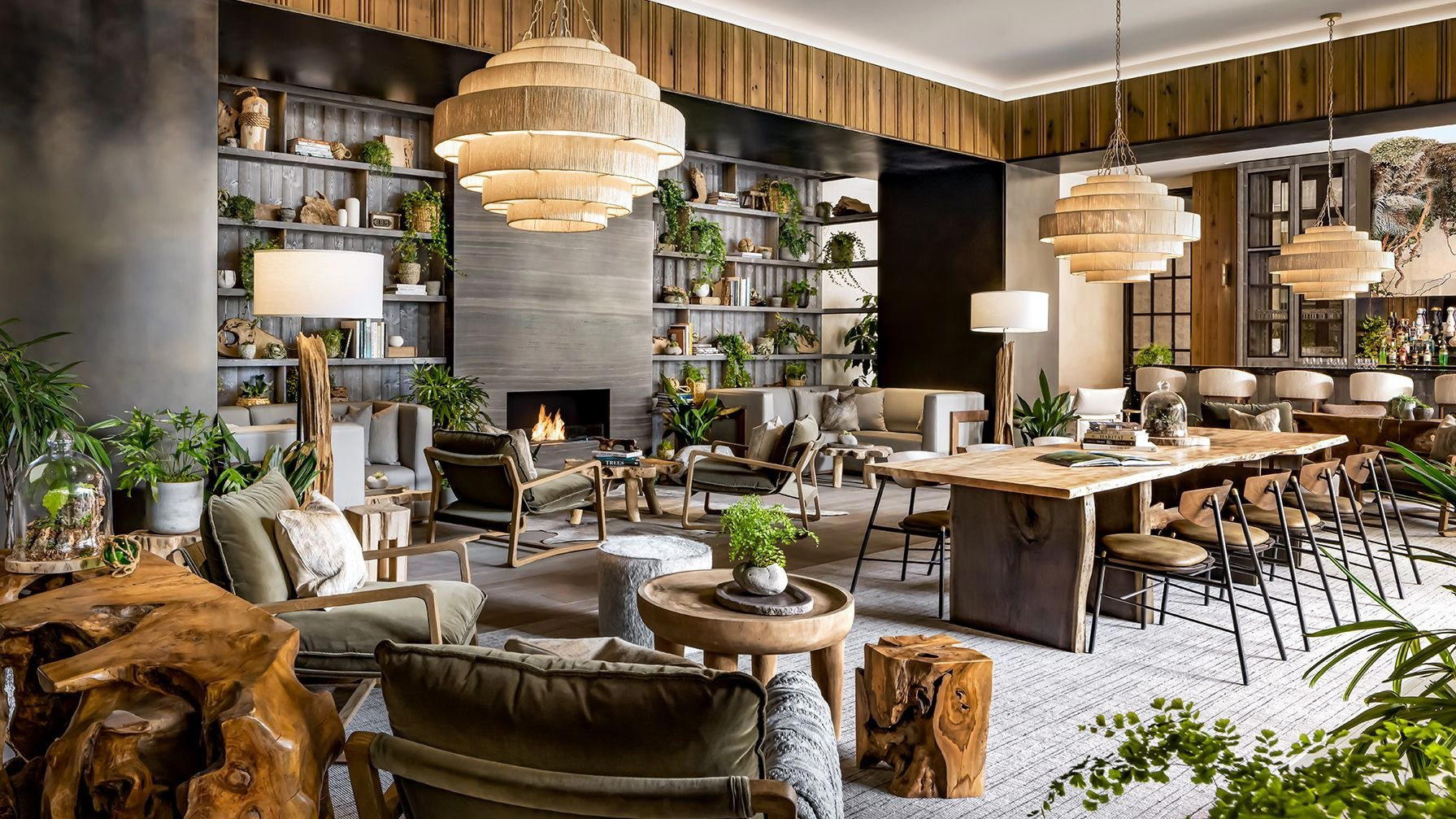
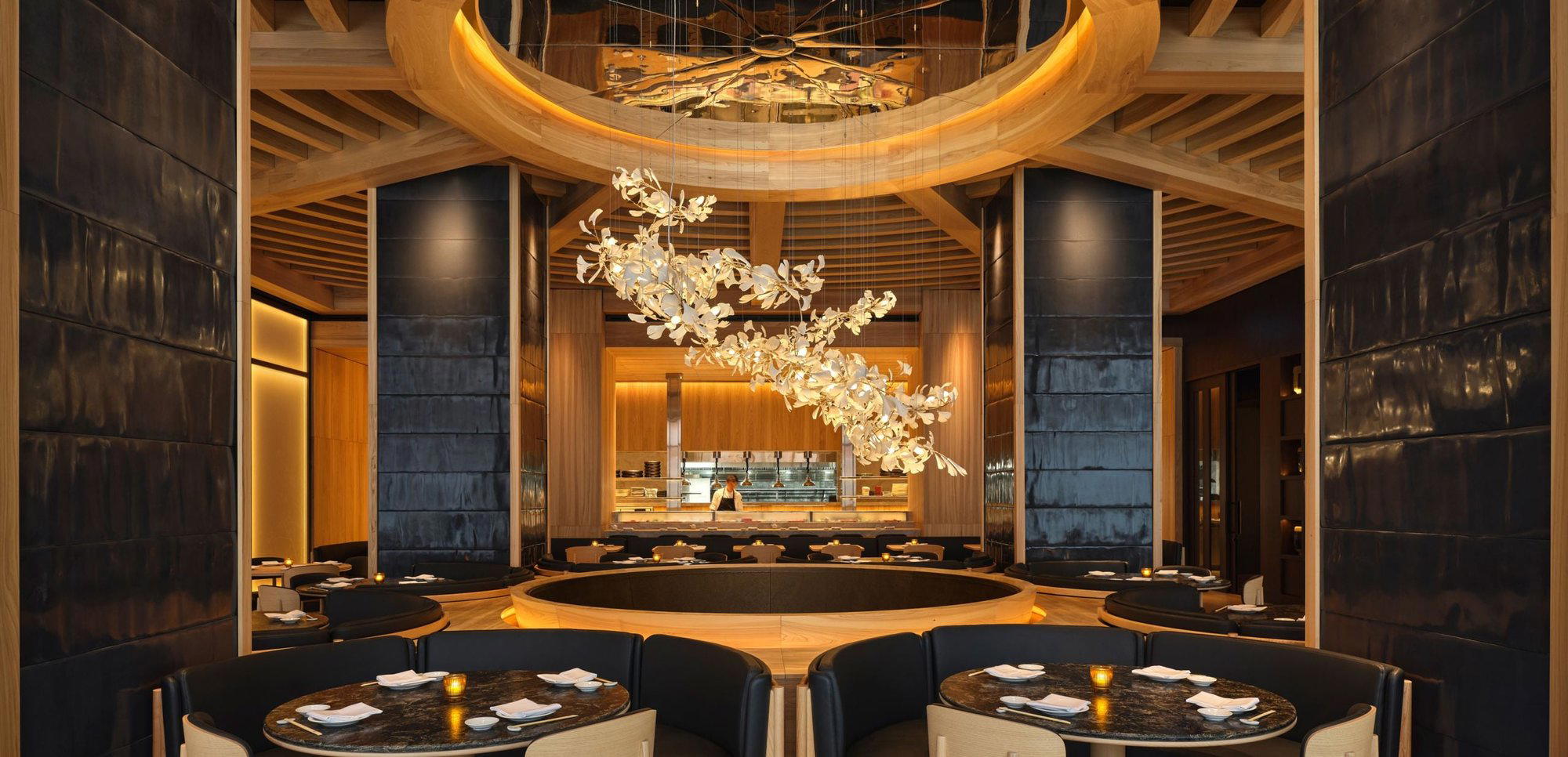
Awash in beige tones with a comfortable, modern aesthetic that celebrates the restaurant's signature katsu dish.