Our verdict
Kinka Izakaya Annex on Bloor Street West sits inside Toronto's most concentrated stretch of Japanese dining, operating as an izakaya that has tracked the neighbourhood's appetite for shareable, sake-forward formats over more than a decade. Its position on the Annex strip places it among a cluster of casual-to-mid-tier Japanese options that contrast sharply with the omakase tier forming elsewhere in the city.

The menu
What to order
- Oyster Kakimayo
- Salmon Nanban
- JFC Karaage
Bloor West and the Izakaya Format in Toronto
Toronto's Japanese dining scene has fractured into distinct tiers over the past decade. At the formal end, counter-service omakase rooms like Sushi Masaki Saito and kaiseki formats like Aburi Hana compete on credential and scarcity. At the other end, the izakaya model, rooted in Japan's after-work drinking-and-eating culture, has carved a durable middle ground: shared plates, a drinks-forward table rhythm, and a format that rewards groups over solitary omakase contemplation. Kinka Izakaya Annex occupies this second tier, operating at 559 Bloor St W in the Annex neighbourhood, where the street density of Japanese-adjacent restaurants is among the highest in the city.
The izakaya category in Canadian cities has evolved considerably since the early 2000s, when the format was largely unknown outside Japanese communities. What began as a niche offer, appealing primarily to those with direct familiarity with Japan's pub-dining tradition, has shifted into a mainstream format that competes directly with gastropubs and shared-plate restaurants across cuisine lines. That shift shapes how izakayas like Kinka Annex now position themselves: less as an education in Japanese drinking culture, more as a reliable, informal group-dining venue with a recognisable menu grammar.
The Annex Context: Where the Venue Sits in the Neighbourhood
Bloor Street West between Spadina and Bathurst is one of Toronto's more reliably active dining corridors, with a customer base pulled partly from the University of Toronto to the south and the residential density of the Annex itself. The neighbourhood has historically absorbed casual dining formats well, and Japanese and pan-Asian concepts have found particular traction here. Kinka Izakaya Annex sits in that current, positioned as the accessible counterpart to the more formally structured Japanese addresses that have opened further downtown or in Yorkville.
For readers comparing this end of the Japanese dining spectrum against the higher-investment options covered elsewhere in the EP Club Toronto coverage, the distinction is clear. Alo and the Italian fine-dining tier represented by DaNico and Don Alfonso 1890 operate in a different register entirely, where prix-fixe commitments and extended tasting formats define the experience. Kinka Annex's value is the opposite: flexibility, walk-in accessibility, and a table model that allows guests to order progressively rather than commit upfront.
How the Format Has Evolved
The Kinka brand entered Toronto's izakaya conversation as part of a broader North American wave that tried to transplant the Japanese pub format more faithfully than the pan-Asian casual chains of the late 1990s. The Annex location specifically developed as a sibling to the original Kinka address, inheriting the core format while serving a slightly different neighbourhood demographic. In the years since, the broader izakaya category in Toronto has faced pressure from two directions: upward, from refined Japanese concepts demanding more from the format in terms of sourcing and technique; and downward, from fast-casual Japanese that competes on price and speed.
Kinka Annex has continued operating within the mid-tier, which in Toronto's izakaya context means a menu structured around grilled skewers, cold appetisers, rice and noodle dishes, and a drinks programme that leads with sake, Japanese whisky, and beer. The format is consistent with what the izakaya model delivers across cities from Vancouver, where concepts like AnnaLena represent the contemporary Canadian independent dining approach, to Montreal's more formal French-influenced scene anchored by addresses like Jérôme Ferrer - Europea. The izakaya proposition is specifically calibrated for those who want neither.
What Draws Repeat Visitors
The izakaya format sustains repeat business through familiarity and group utility. The table rhythm, ordering in rounds, sharing plates across the table, anchoring the meal with a drinks order that evolves through the evening, is a durable structure that works across different group sizes and occasions. For Toronto diners who have already committed a serious evening to the kaiseki or omakase tier, Kinka Annex functions as the counterpoint: informal, lower-stakes, and built for the kind of conversation that a counter seat or prix-fixe pacing does not particularly encourage.
The Annex location on Bloor also makes it a practical option for pre- or post-event dining given the neighbourhood's proximity to transit and the concentration of other evening venues nearby. Canadian dining at this price point, in cities from Quebec City to Victoria, where Cafe Brio holds its own mid-tier position, increasingly competes on reliability and format fit as much as on creative ambition. Kinka Annex operates in that logic.
Planning a Visit
Kinka Izakaya Annex is located at 559 Bloor St W, accessible by the Spadina or Bathurst TTC subway stations on the Bloor-Danforth line. The izakaya format typically accommodates both walk-in and group bookings, with the latter requiring advance notice for larger parties. For a broader picture of where Kinka Annex sits within the Toronto dining hierarchy across cuisine types and price tiers, the EP Club Toronto restaurants guide provides comparative context across the city's full range, from casual neighbourhood addresses to the structured dining experiences at places like Eigensinn Farm and the remote coastal character of Fogo Island Inn Dining Room.
Readers planning a broader Canadian dining itinerary will find that the izakaya format, wherever it appears, serves a distinct function in a city's dining ecosystem. The commitment level is lower than a tasting menu at Lazy Bear or a formal evening at Le Bernardin, and that is exactly the point. For a Bloor Street evening that prioritises ease of access, a drinks-led table, and the flexibility to eat lightly or extensively depending on the group's appetite, Kinka Annex fits the brief. Further afield in Ontario, contrasting approaches to informal dining can be found at The Pine in Creemore, Restaurant Pearl Morissette in Lincoln, and Busters Barbeque in Kenora, each representing a different regional inflection of casual dining in the province.
Frequently asked questions
What do people recommend at Kinka Izakaya Annex?
Can I walk in to Kinka Izakaya Annex?
What has Kinka Izakaya Annex built its reputation on?
Can Kinka Izakaya Annex accommodate dietary restrictions?
Is Kinka Izakaya Annex part of a larger restaurant group, and does that affect the experience?
What It’s Closest To
| Venue | Cuisine | Price | Awards | Notes |
|---|---|---|---|---|
| KINKA IZAKAYA ANNEXThis venue (the venue you are viewing) | Japanese Izakaya | Not listed | Not listed | Not listed |
| Alo | Modern French Fine Dining with Asian Influences | $200–300 | 1 Michelin Star · La Liste Top Restaurants | Contemporary |
| Sushi Masaki Saito | Edomae-Style Omakase | $500+ | 1 Michelin Star · La Liste Top Restaurants | Sushi, Japanese |
| Aburi Hana | Modern Japanese Kyō-Kaiseki | $300–500 | 1 Michelin Star · The Best Chef One Knife | Kaiseki, Japanese |
| Don Alfonso 1890 | Modern Italian Fine Dining | $200–300 | 1 Michelin Star · La Liste Top Restaurants | Contemporary Italian, Italian |
| Edulis | Mediterranean Seafood Tasting Menu | $150–200 | 1 Michelin Star · World's 50 Best #25 | Canadian, Mediterranean Cuisine |
Continue exploring
More in Toronto
Restaurants in Toronto
All restaurants in Toronto →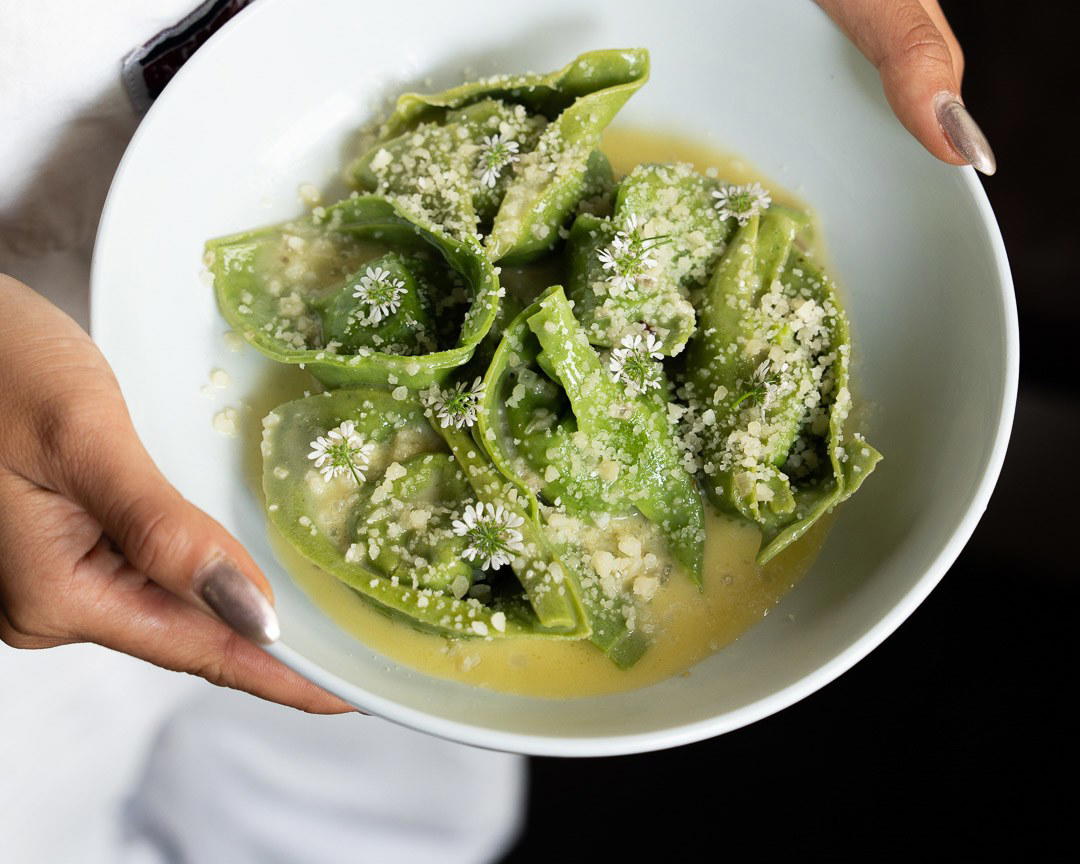
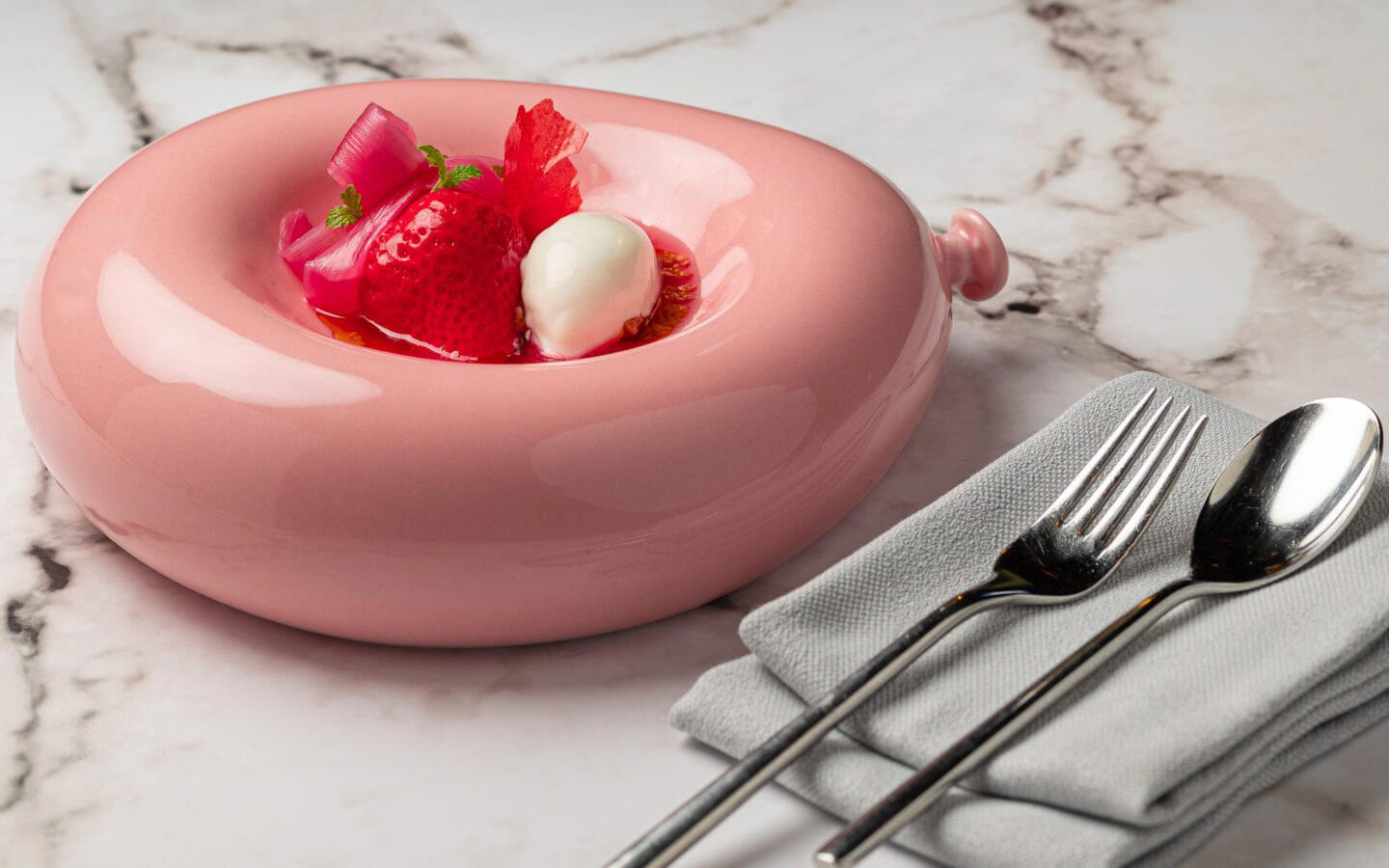
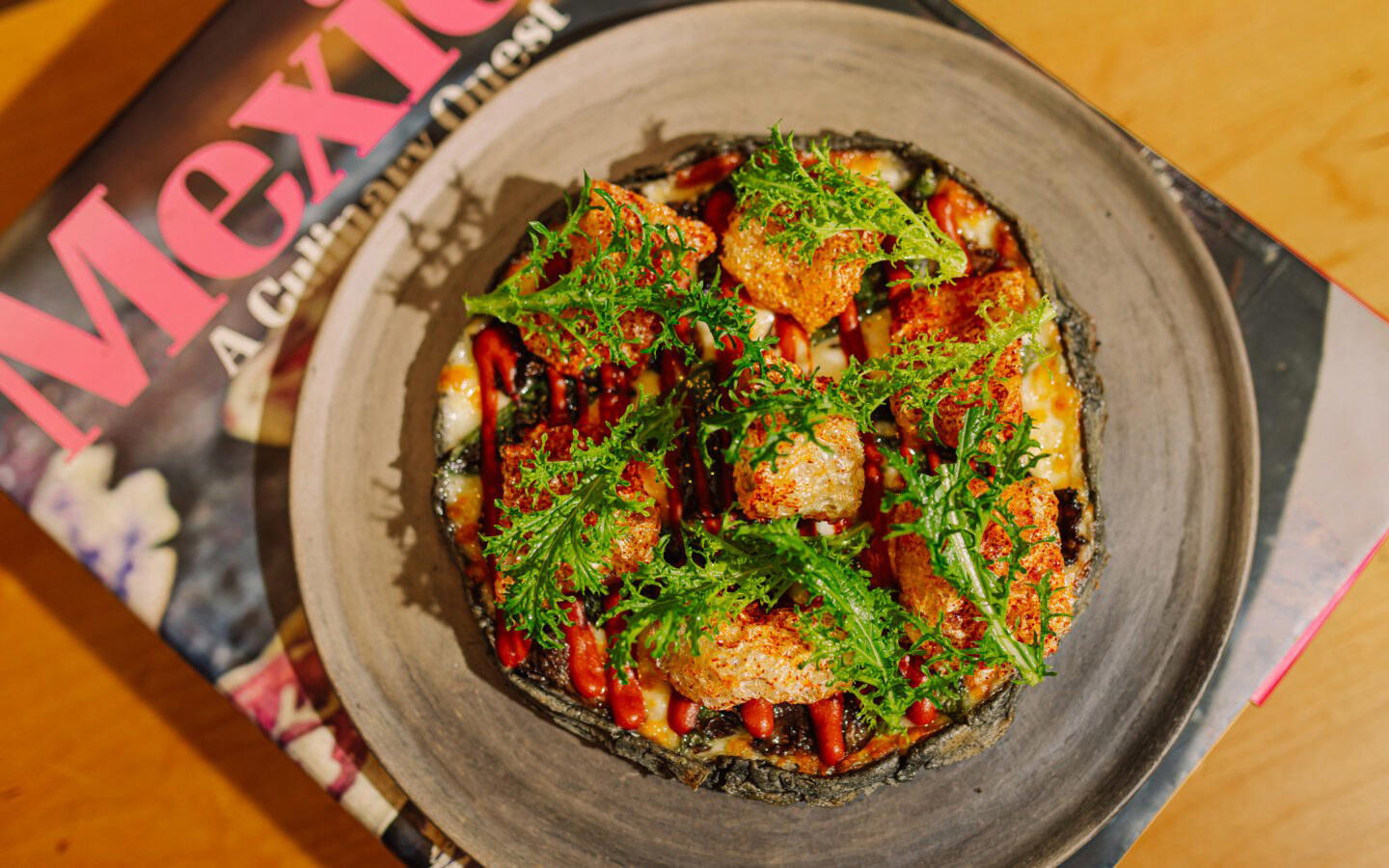
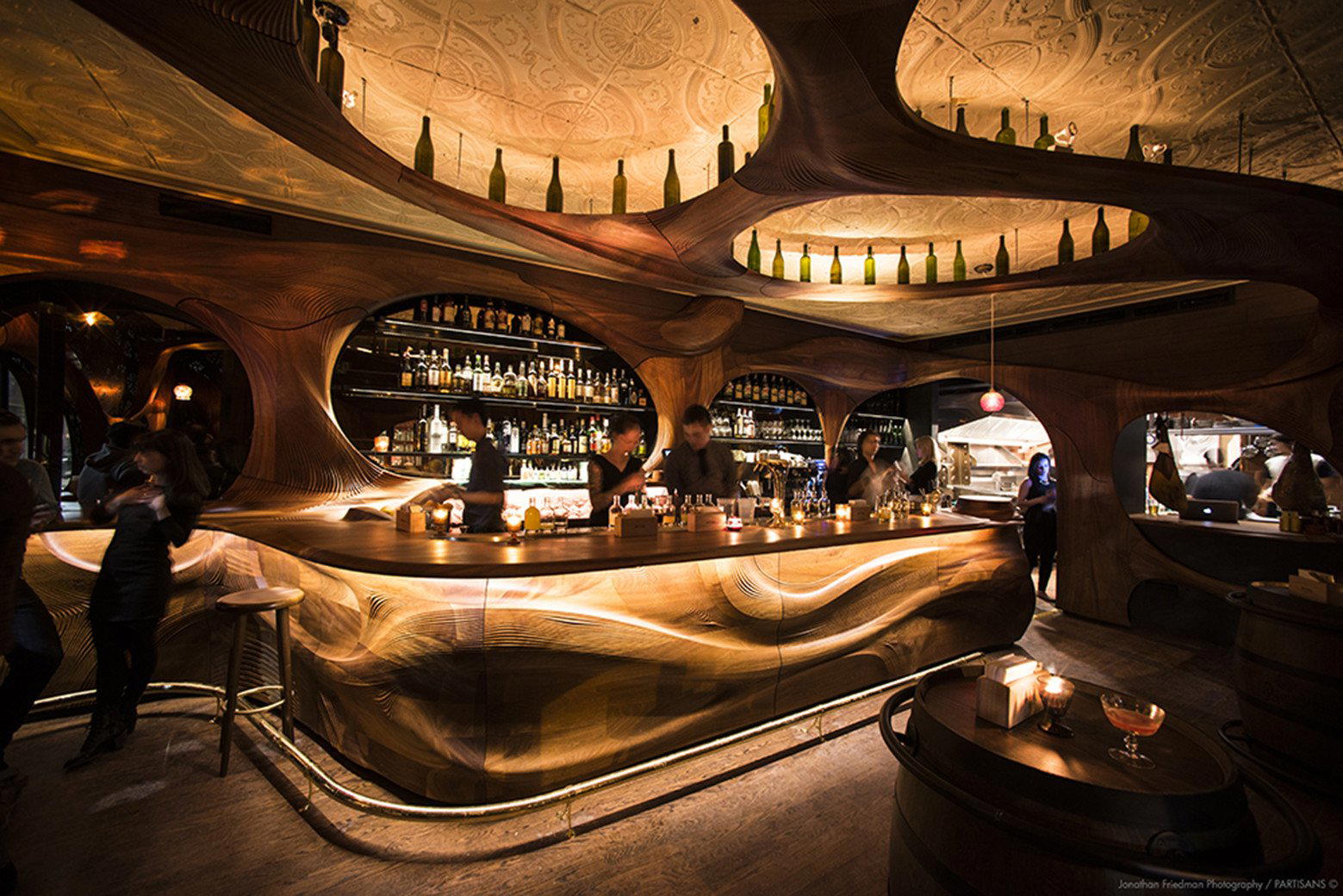
Bars in Toronto
All bars in Toronto →

Details
- Lively
- Energetic
- Trendy
- Group Dining
- Casual Hangout
- Late Night
- Sake Program
- Small Plates
- A La Carte
- Sake
Warm decor and lighting with a loud and energetic atmosphere.