
On a tree-lined block in Lastarria, Mulato makes the case that Chilean cooking has always been as much about the land as the sea. The kitchen draws on a wide sweep of domestic produce, pumpkin, quinoa, lentils, sweet corn, spinach, to balance a menu where fish and meat anchor the plate. Friendly, knowledgeable floor staff guide first-time visitors through a genuinely representative spread of what the country actually grows and eats.
Pearl is the En Primeur Club membership app — saves, bookings, and concierge access live there. Same editors, same standards.
- Address
- José Victorino Lastarria 307, Santiago, Región Metropolitana, Chile
- Phone
- +56 9 2769 1318
- Website
- mulato.cl
- Directions
- Get directions
 Saves & bookings on Pearl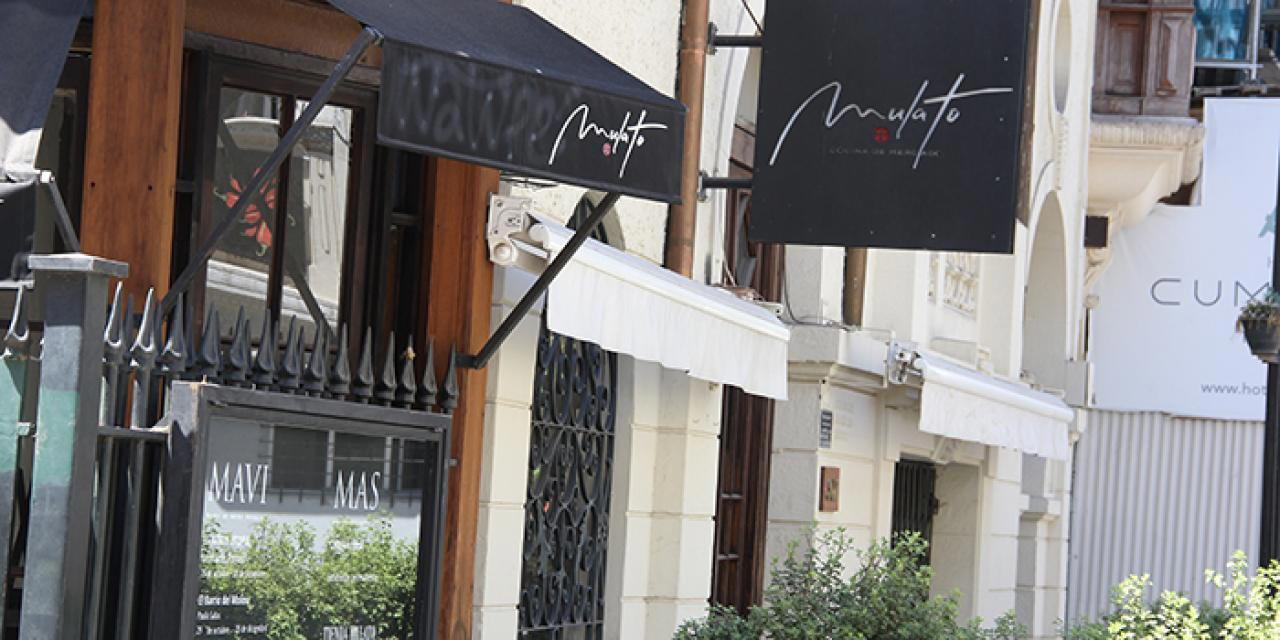
Lastarria and the Question of What Chilean Food Actually Is
Walk along José Victorino Lastarria on a weekday afternoon and the neighbourhood does the editorial work for you. Bookshops, wine bars, and mid-century apartment facades line a street that has become one of Santiago's more considered dining corridors, sitting at the edge of Parque Forestal and within easy reach of Bellas Artes. It is the kind of block where restaurants tend to have opinions about what they serve, and Mulato, at number 307, is no exception. The room signals something deliberate before the menu even arrives.
Chilean dining in the capital has long been read through two lenses: the coastal tradition of fish and shellfish, and the heavier inland cooking built around slow-braised meat. What gets discussed less often is the country's produce depth. Chile's north-to-south geography, running from the Atacama through the Central Valley to Patagonia, generates an agricultural range that few countries can match at similar latitude. Pumpkin, red onion, spinach, lentils, mushrooms, tomato, quinoa, paprika, olives, sweet corn, and a wider rotation of fruit cycle through the kitchen at Mulato in ways that reframe the meal as something more than a protein-forward exercise.
Where the Ingredients Do the Talking
The sourcing question matters in Santiago right now. A handful of restaurants, Boragó at the high end, neighbourhood spots at the other, have pushed the conversation toward what Chile's own soil produces rather than imported technique. Mulato sits in the mid-range of that conversation, less formally stated than Boragó's foraging program but consistent in its reliance on domestic produce categories that rarely feature prominently in restaurant cooking.
Quinoa, for instance, is often treated as an export crop or a wellness menu item in international restaurants. Here it appears as a functional ingredient in a Chilean context, alongside lentils and sweet corn that belong to the country's agricultural history rather than a current trend. Paprika and olives connect to the Spanish colonial period; pumpkin and certain chiles go back further. The menu, read in this light, functions as a loose inventory of what Chilean land actually yields across its agricultural zones.
Fish and meat remain load-bearing elements on the plate. Chile's Pacific coastline produces some of the southern hemisphere's more interesting seafood, and restaurants in Santiago that do this category well, including La Calma by Fredes, tend to source from specific fishing communities rather than wholesale markets. Mulato's approach to seafood sits within that broader Santiago pattern, where the distance from coast to capital requires reliable supply relationships rather than day-boat proximity.
For visitors whose frame of reference for Chilean food stops at empanadas and cazuela, the produce rotation here does genuine corrective work. The vegetables and legumes on the table are not garnish; they are the structural argument that this is a cuisine shaped by geography rather than a single culinary tradition. That framing also explains why the floor staff take an active role in guiding what you order. The menu rewards some direction.
The Floor, the Pace, and the Practical Details
Service at Mulato is a notable part of the experience. The floor manager takes an engaged, persuasive approach to the ordering process, steering guests toward combinations and specialties that represent the full range of what the kitchen is doing on a given day. This kind of guided ordering is common at the higher end of Santiago dining, where tasting menus at places like Ambrosia or Demencia do the work structurally. Here it happens through conversation, which gives the meal a more informal texture while still ensuring guests encounter the kitchen's actual range.
Lastarria's position in the city makes Mulato accessible from most central Santiago neighbourhoods and from the Bellas Artes metro stop. The street itself is compact and walkable, and the area carries enough foot traffic on evenings and weekends to feel lively without the noise levels that affect some of Santiago's busier dining districts. For wine before or after, Santiago's bar scene is well-represented in the immediate area, and Bocanáriz, the neighbourhood's dedicated wine bar, is within easy walking distance for a post-dinner Chilean bottle.
Those planning a wider Santiago trip should note that the city's hotel and dining options have expanded considerably in Lastarria and Providencia. For dining outside the capital, Awasi Atacama and Awasi Patagonia represent how Chilean ingredient provenance operates at the regional extreme, sourcing in ways that are specific to the Atacama and Patagonia landscapes respectively. Clos Apalta Residence in the Colchagua Valley connects the agricultural and wine-producing conversation to the winery setting.
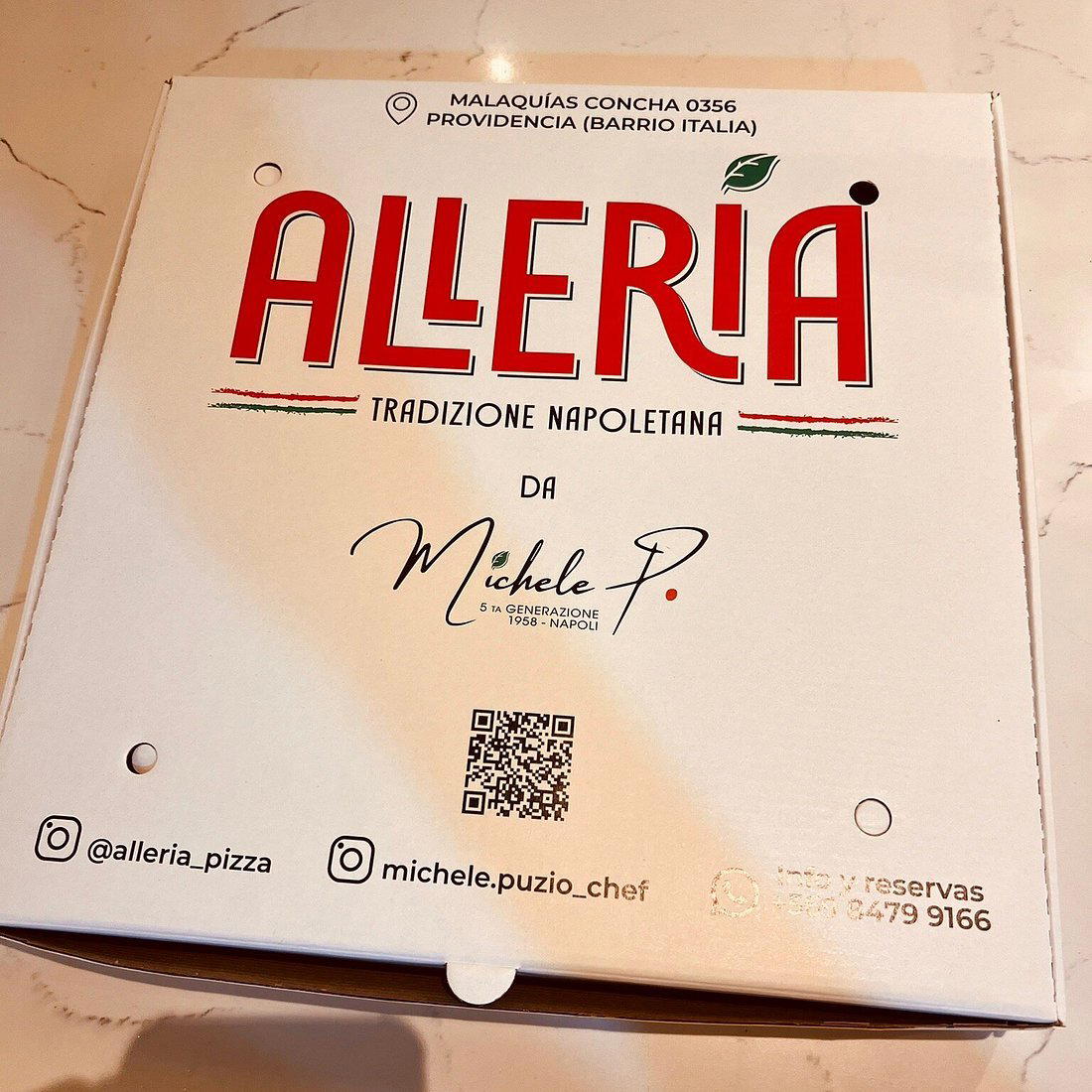
For a different angle on the city's contemporary dining, Naoki in Vitacura and Allería in Providencia each represent Santiago's parallel track of internationally influenced cooking that operates alongside the domestic-produce focus found here. CasaMolle in El Molle extends the ingredient-origin conversation to Chile's northern valleys, where the agricultural character changes substantially.
Mulato occupies a direct mid-market position that is harder to fill well than it looks. The combination of a produce-forward kitchen, attentive floor service, and a neighbourhood address that draws both locals and informed visitors gives it a practical utility beyond what the price point might suggest. It is not the place to benchmark against Santiago's modernist cooking or its fine-dining seafood, but it is a credible answer to the question of where to eat something that honestly represents what Chile grows.
Comparable Venues
Comparable venues nearby, for context on price, style, and recognition.
| Venue | Cuisine | Price | Notes |
|---|---|---|---|
| MulatoThis venue — the venue you are viewing | Chilean Seafood & Seasonal Cuisine | $$ | Not listed |
| White Rabbit | American Gastropub | $$ | Bellavista |
| Las Cabras - Fuente de Soda | Chilean Fuente de Soda | $$ | Barrio Plaza la Alcaldesa |
| Restaurante Happening | Argentine-Style Steakhouse | $$$ | Las Condes |
| Divertimento Chileno | Traditional Chilean | $$ | Providencia |
| Dominó Alameda | Chilean Fuente de Soda (Completos) | $$ | Estación Central |
Recognition history
Dated appearances from independent guides and award organizations, with the underlying list record or original source where available.
We're Smart World 1 Radish
We're Smart World
Continue exploring
More in Santiago
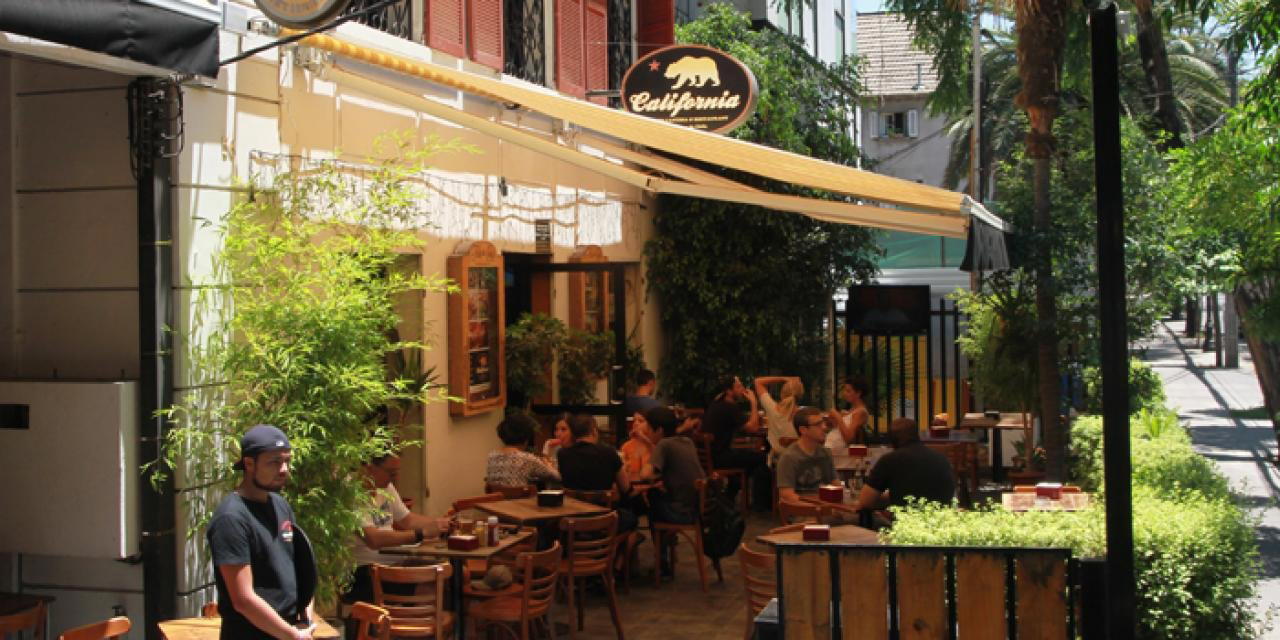
Restaurants in Santiago
Browse all →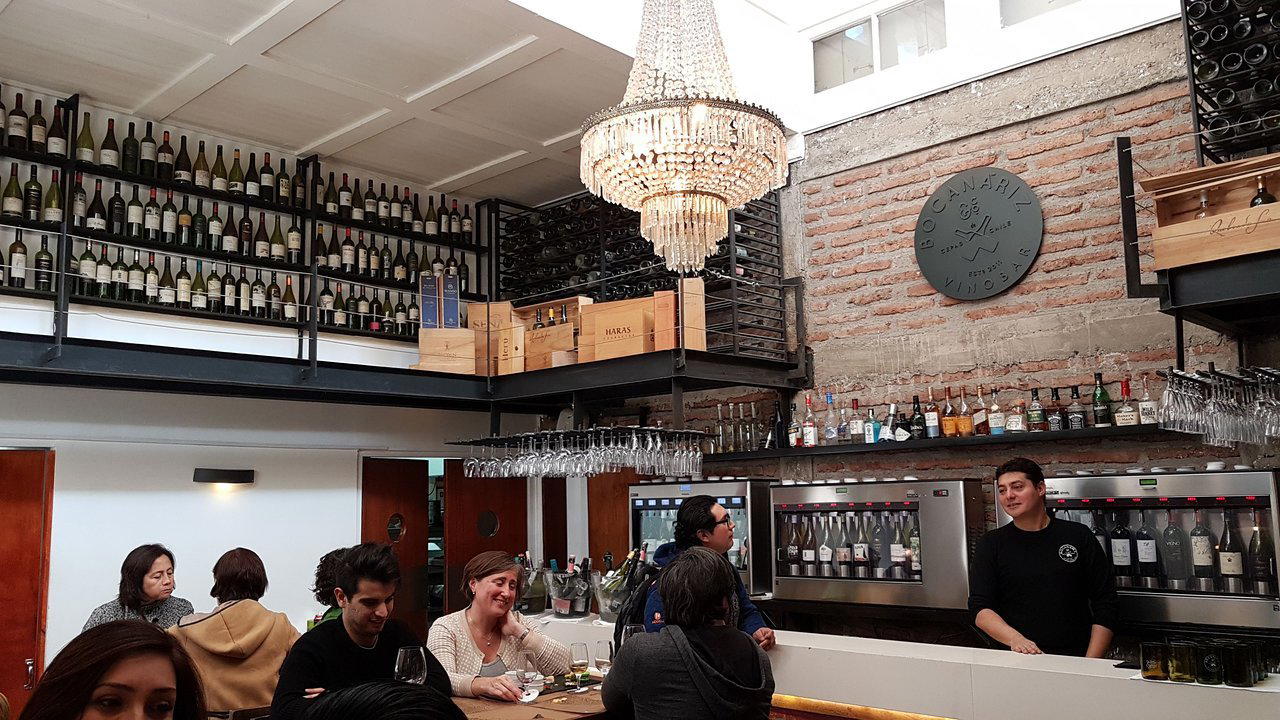
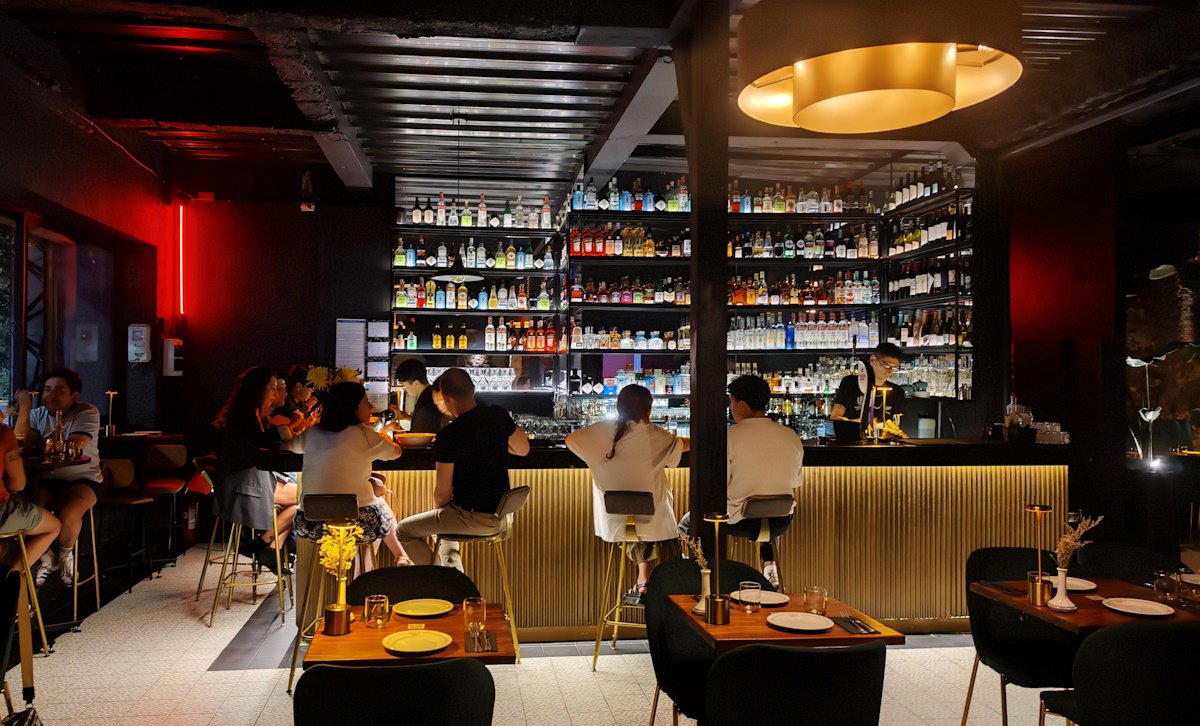
Bars in Santiago
Browse all →

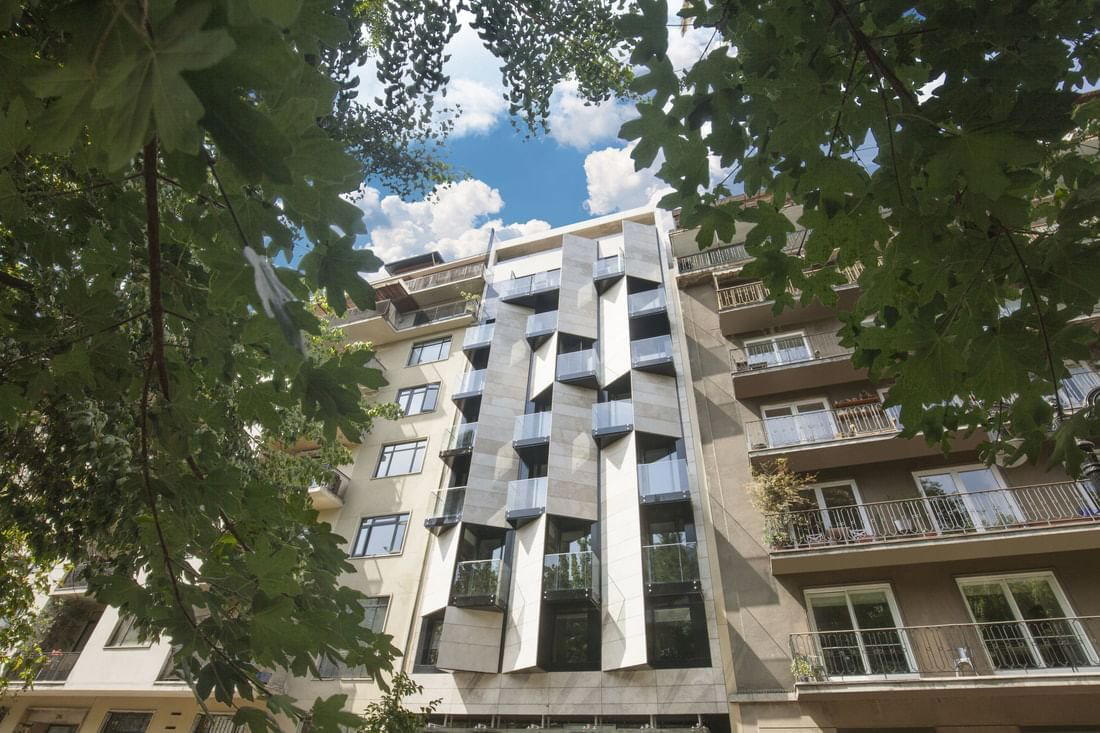
Hotels in Santiago
Browse all →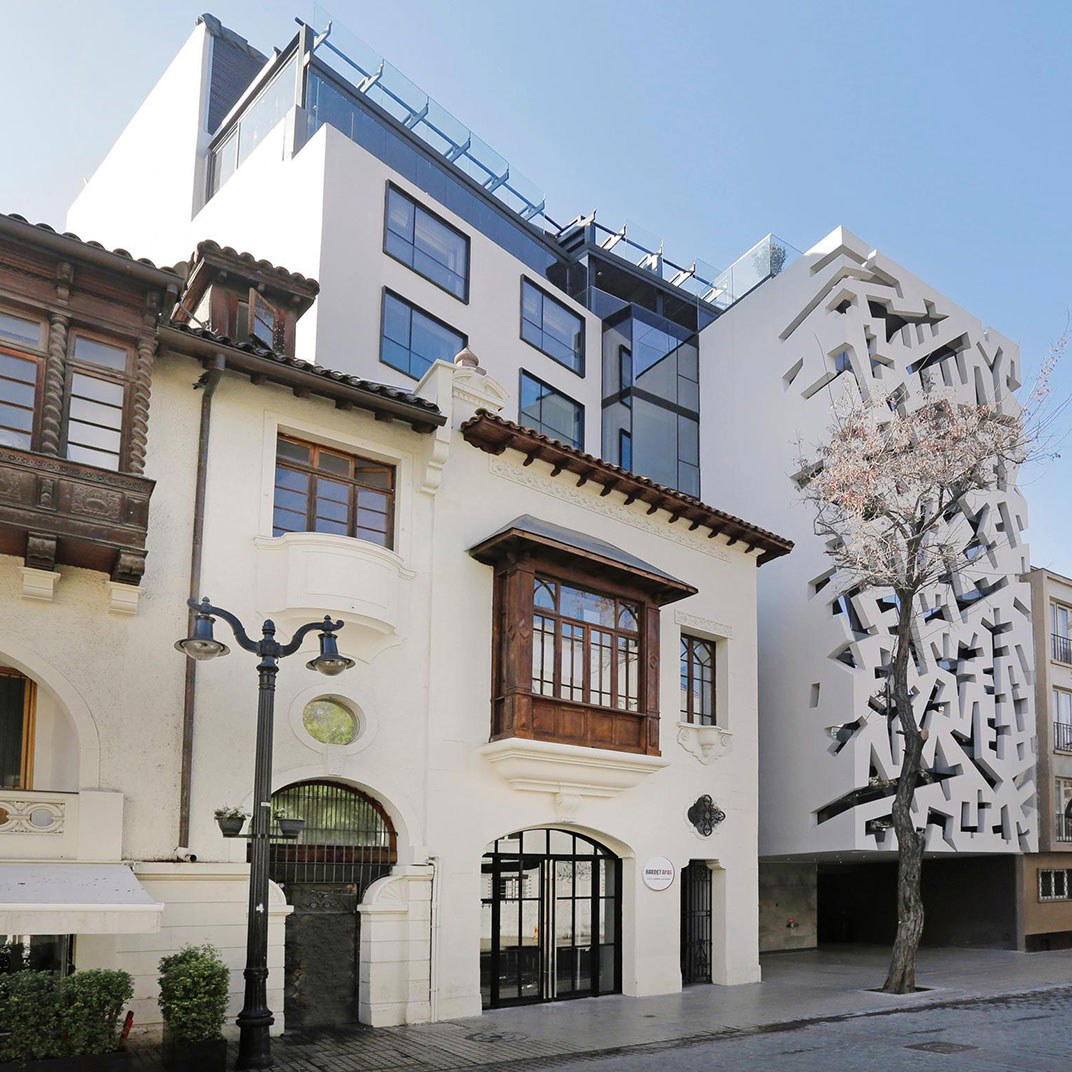





At a Glance
- Bohemian
- Cozy
- Lively
- Trendy
- Date Night
- Group Dining
- Casual Hangout
- Terrace
- Live Music
- Standalone
- Extensive Wine List
- Craft Cocktails
- Local Sourcing
- Street Scene
Current opening hours
- Monday
- 9 AM–12 AM
- Tuesday
- 9 AM–12 AM
- Wednesday
- 9 AM–12 AM
- Thursday
- 9 AM–12 AM
- Friday
- 9 AM–12 AM
- Saturday
- 9:30 AM–12 AM
- Sunday
- 1–7 PM
Hours can change for holidays and private events. Last verified .
Warm and inviting with a busy, energetic atmosphere; features jazzy background music and occasional live singers on the terrace; intimate indoor seating with cozy ambiance alongside lively outdoor dining overlooking the neighborhood market.