Mugunghwa

Michelin Plate
Our verdict
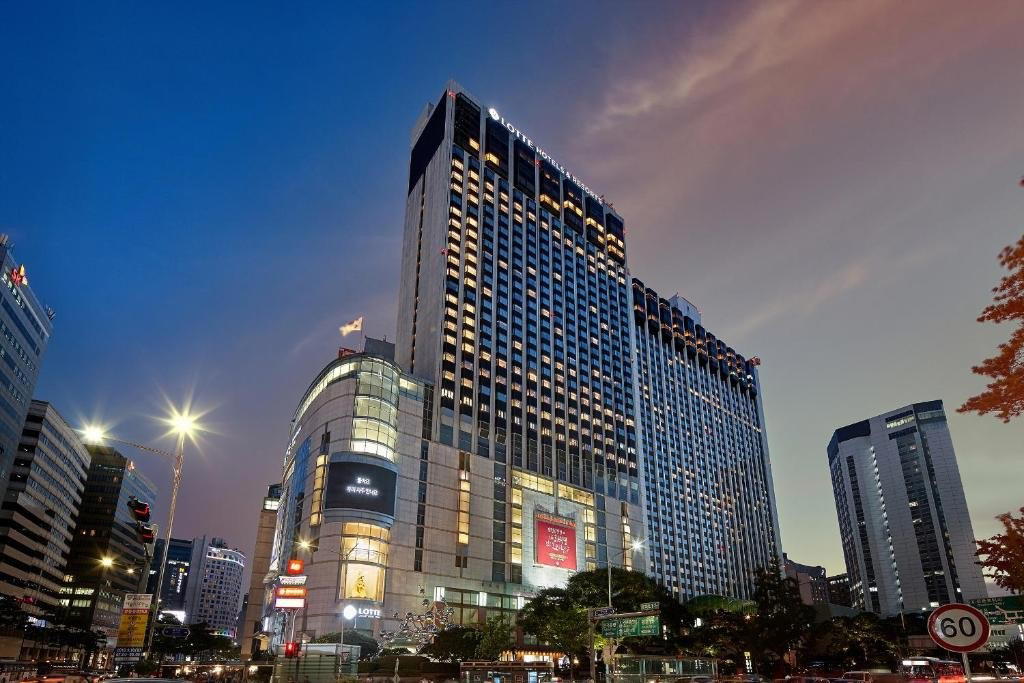
Mugunghwa occupies the 38th floor of the Lotte Hotel Seoul Main Tower in Jung District, offering formal Korean cuisine that has earned consecutive Michelin Plate recognition in 2024 and 2025. The restaurant sits in a tier of hotel dining rooms that frame traditional Korean cooking through a high-ceremony lens, with pricing at the top of Seoul's ₩₩₩₩ bracket. It draws both business travellers and those seeking a structured introduction to Korean culinary tradition at altitude.

Pearl is the En Primeur Club membership app, where members save venues, book tables and use the concierge.

The menu
What to order
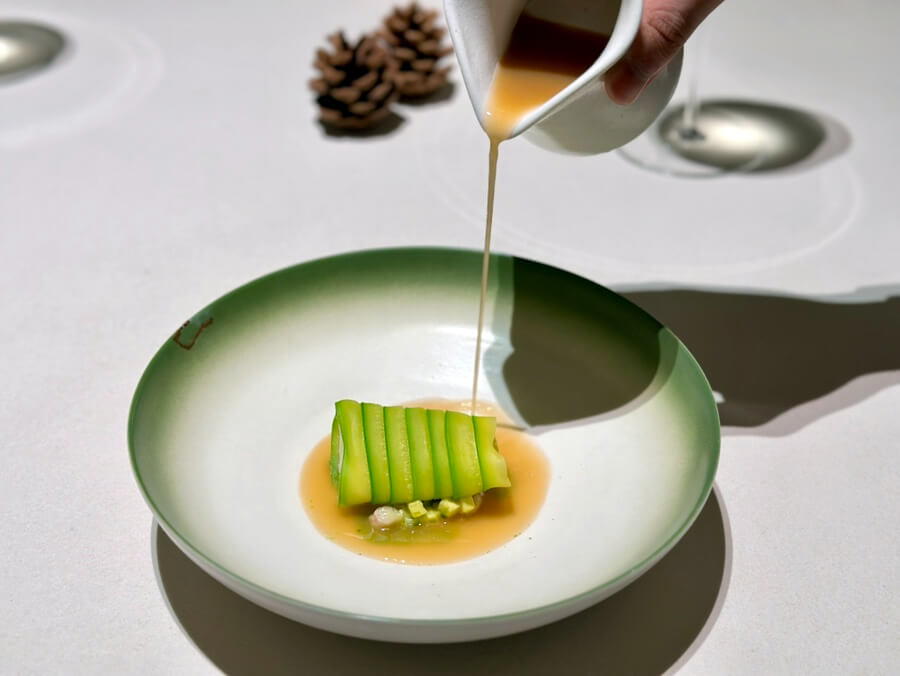
- Burdock Gangjeong
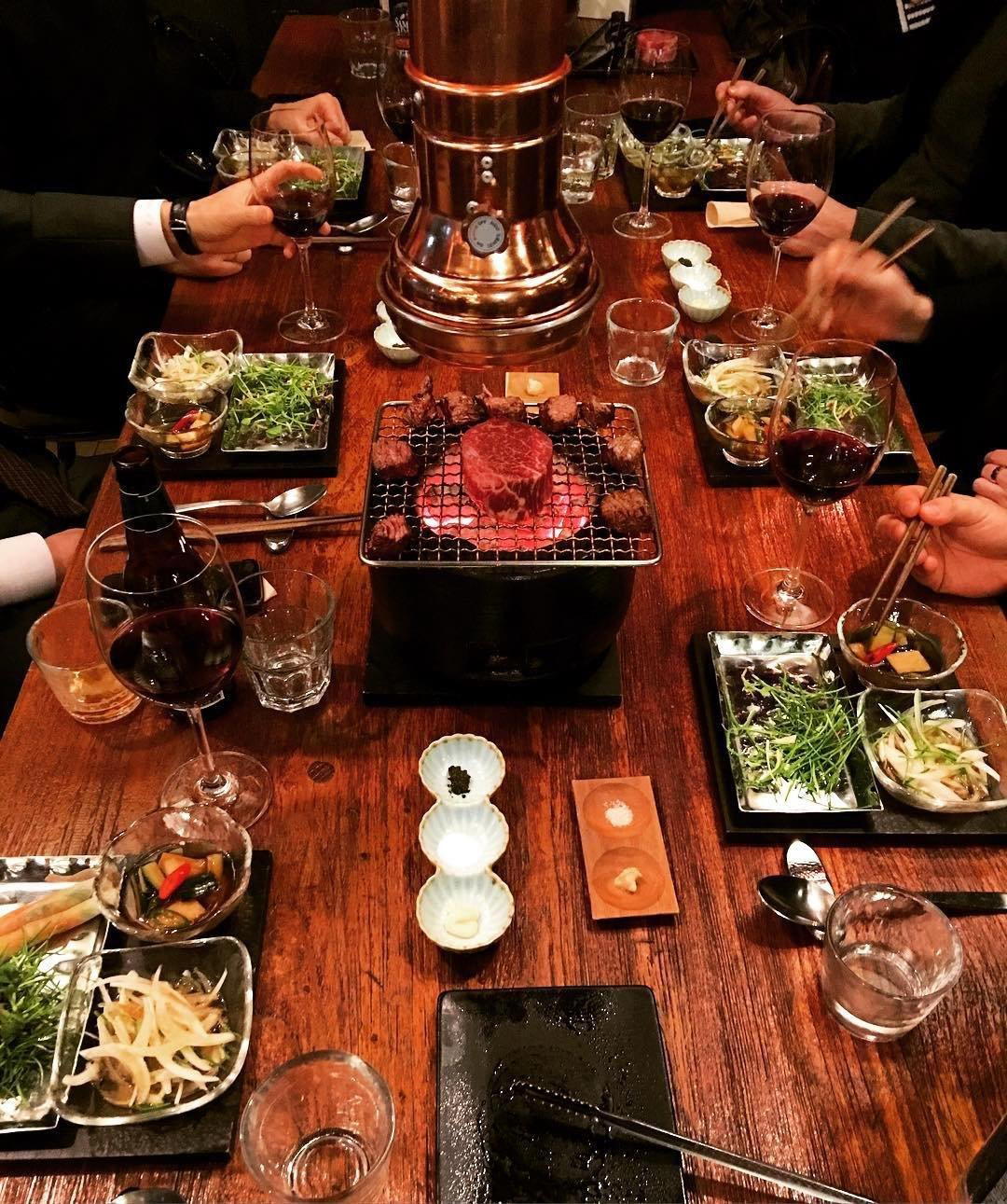
- Grilled Hanwoo Tenderloin
- Haemul Mulhoe
Thirty-Eight Floors Above the Street Food That Built Seoul's Palate
The food culture most visitors encounter first in Seoul is not the kind served on white tablecloths. It arrives in paper cups or on bamboo skewers: tteokbokki simmered in gochujang paste at pojangmacha stalls, hotteok fried in shallow oil on winter pavements, kimbap rolled and sliced at fluorescent-lit counters near subway exits. These are the flavours that Seoulites grow up eating and that define the city's culinary instincts at a foundational level. Understanding how a formal restaurant like Mugunghwa relates to that tradition, whether it departs from it, reinterprets it, or simply exists at a different point on the same continuum, is the most useful frame for deciding what kind of dining experience to expect on the 38th floor of the Lotte Hotel Seoul Main Tower.
The Hotel Dining Tier in Seoul: Where Mugunghwa Sits
Seoul's fine dining map has reorganised itself considerably over the past decade. The Michelin Guide's arrival in 2017 drew attention to a cohort of independent, chef-led restaurants that had been operating quietly outside the hotel circuit: places like Mingles, Onjium, and Kwonsooksoo. That shift made it tempting to write off hotel restaurants as a legacy format. The better reading is that they serve a different function. Mugunghwa, alongside peers such as La Yeon at the Shilla and Gaon, belongs to a category of formal Korean dining that prioritises ceremony, setting, and consistency over the kind of personal authorship that defines the newer independent wave.
This is a meaningful distinction. At a Michelin Plate level, recognition awarded to Mugunghwa in both 2024 and 2025, signifying a kitchen that meets the Guide's quality threshold without reaching starred territory, the restaurant is positioned as competent and credible rather than revelatory. The ₩₩₩₩ price tier places it among Seoul's higher-spend dining options, where it competes not with street-level Korean cooking but with other hotel restaurants and formal Korean rooms.
Korean Cuisine in a Formal Register: What That Actually Means
The distance between a pojangmacha cart and a hotel dining room is not simply one of price or table linen. It reflects a specific decision about how Korean culinary heritage is transmitted. Street food in Seoul is alive in the sense that it responds to immediate appetite: a vendor adjusts the spice level of their tteokbokki based on the crowd, kimbap ingredients shift with the season and the market. Formal Korean dining, by contrast, codifies. It takes the fermentation logic, the banchan structure, the careful balance of jeong-gwa and tang, and frames them as a considered sequence rather than a spontaneous transaction.
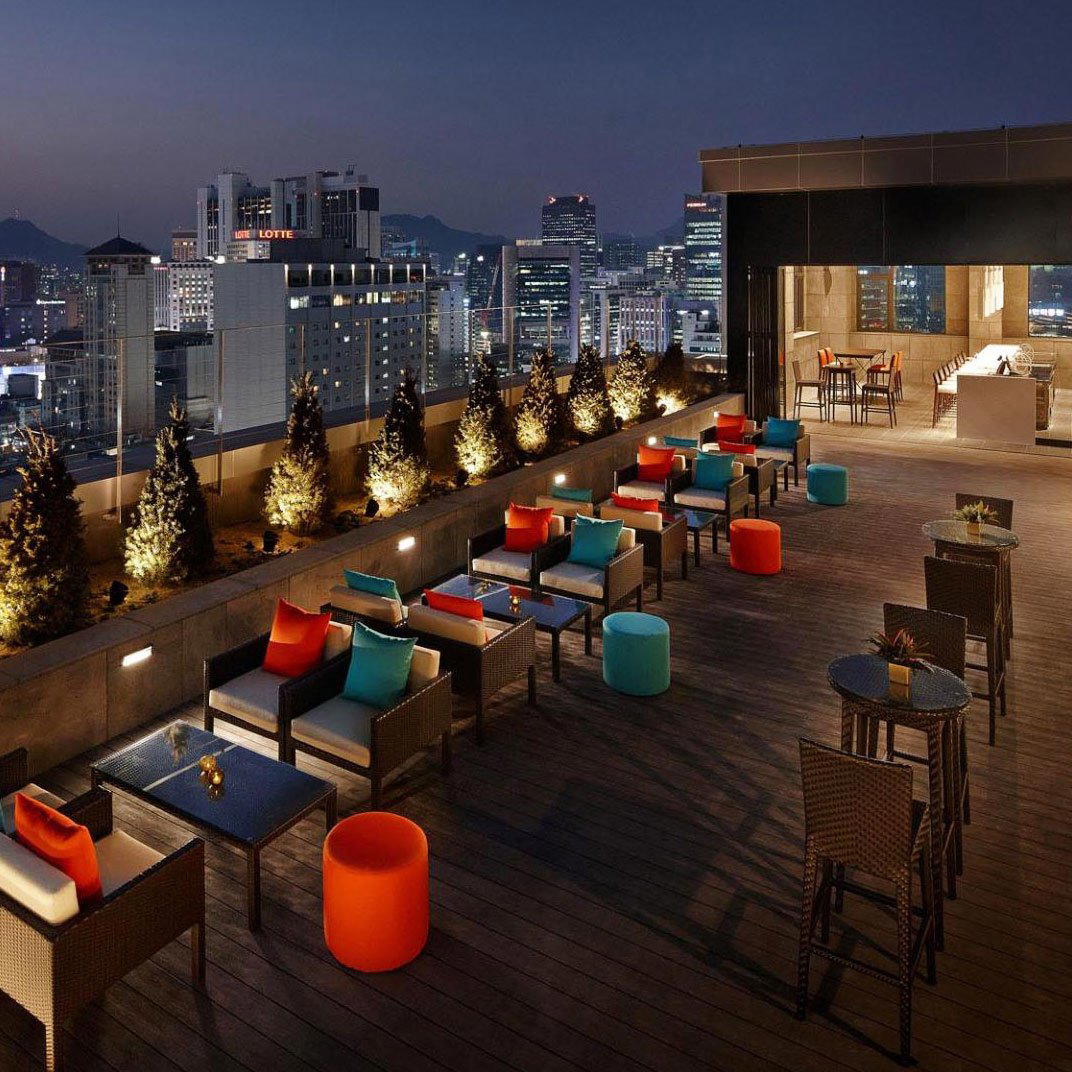
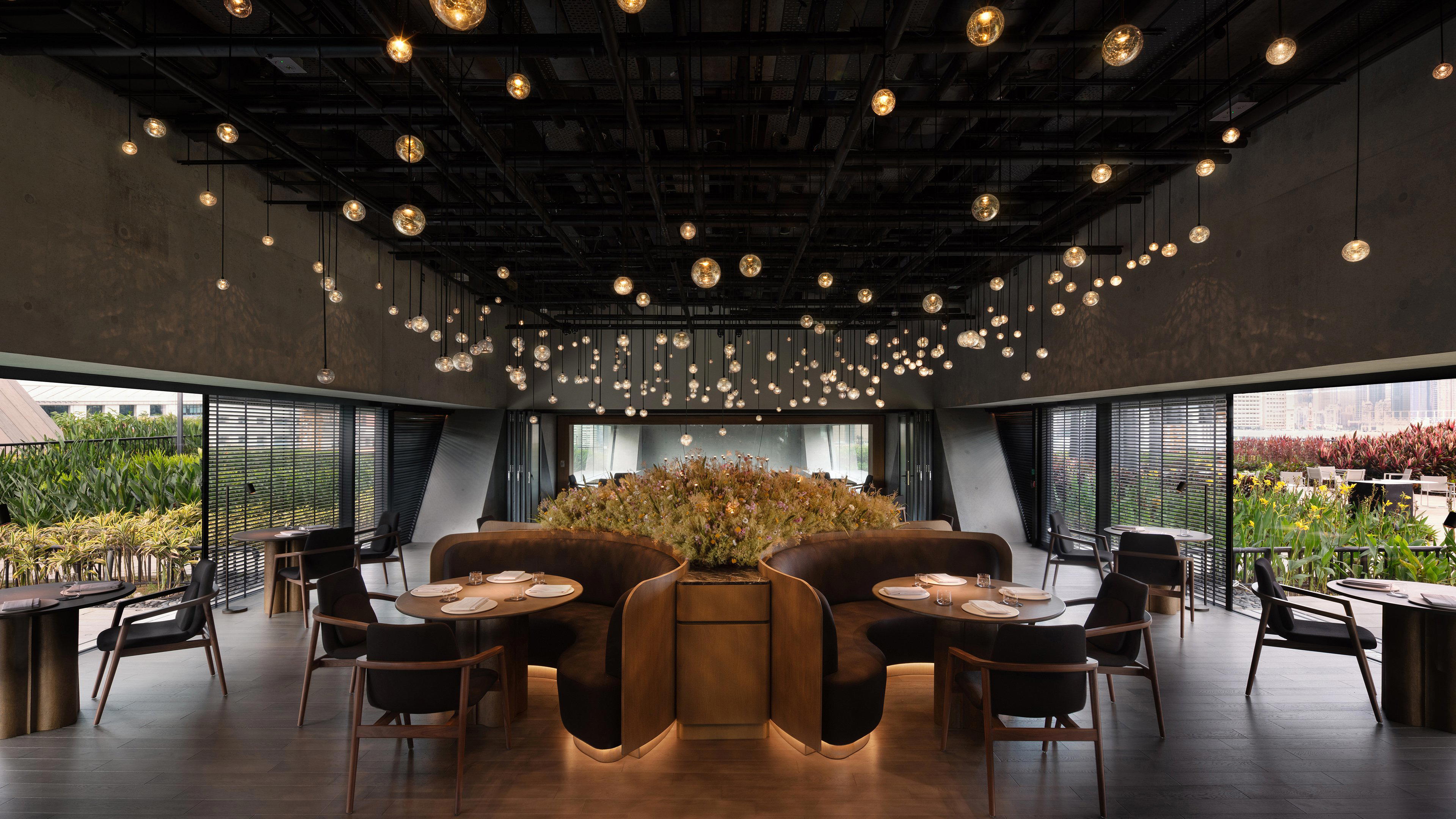
Mugunghwa operates in that codified register. The restaurant's position on the 38th floor of one of Seoul's major commercial hotel towers reinforces the ceremonial dimension of the experience, the elevation is literal as well as metaphorical. Views across Jung District situate the meal geographically even as the format abstracts it from the street-level cooking happening far below. This kind of altitude dining has a long precedent in Korean luxury hospitality, and Mugunghwa's setting is consistent with that tradition.
For context on how Korean cuisine is being interpreted beyond Seoul's borders, it is worth noting the range of approaches: bōm in New York City applies Korean technique to a contemporary American framework, while DOSA in London and Jeju Noodle Bar in New York City each take a more ingredient-focused approach to Korean identity. The spectrum is wide, and Mugunghwa occupies one of its more formal, heritage-oriented positions.
The Jung District Setting and What It Implies
Lotte Hotel Seoul's Main Tower sits in Eulji-ro, Jung District, which is the historical core of the city. The area houses major commercial infrastructure, the Lotte Department Store, city hall adjacency, Myeongdong shopping streets within walking distance, that makes it a natural base for business travellers and group tours rather than the kind of neighbourhood-exploring visitor who might gravitate toward Itaewon or Seongsu-dong. Mugunghwa's guest profile reflects that geography. The restaurant draws from the hotel's own occupancy as well as from the city's corporate dining circuit, which historically has supported formal Korean rooms at this price level.
That context matters because it shapes both the service style and the atmosphere. Formal hotel Korean dining in Jung District tends toward attentive, structured service with English-language menus available, the operational model is designed for guests who may be encountering the cuisine in its ceremonial form for the first time. Across the wider Seoul dining scene, there is a broader range of entry points: Baegyangsa Temple in Jangseong-gun offers temple food at the opposite end of the formality spectrum, and Mori in Busan provides a comparative data point for how coastal Korean dining operates outside the capital. Our full Seoul restaurants guide maps the full range of options across districts and price tiers.
The 4.6 figure aligns with peer hotel Korean restaurants at the ₩₩₩₩ tier, where execution is generally reliable and the dining experience is designed to avoid surprises rather than generate them.
Explore more of what Seoul's dining, drinking, and hospitality scene has to offer through our guides: full Seoul hotels guide, full Seoul bars guide, full Seoul wineries guide, and full Seoul experiences guide.
Know Before You Go
- Location: Lotte Hotel Seoul Main Tower, 38F, 30 Eulji-ro, Jung District, Seoul
- Price tier: ₩₩₩₩, among Seoul's higher-spend dining brackets
- Awards: Michelin Plate 2024 and 2025
- Cuisine: Formal Korean
- Access: Hotel elevator from lobby; accessible to hotel guests and external diners
- Booking: Advance reservation recommended given hotel dining room capacity norms; contact via Lotte Hotel Seoul directly
- Dress code: Smart dress is consistent with the setting; hotel formal dining rooms in this tier expect it
Frequently asked questions
Is Mugunghwa okay with children?
At ₩₩₩₩ pricing on the 38th floor of Lotte Hotel Seoul, Mugunghwa is structured around ceremony and pacing rather than flexibility. Young children are likely to find the format uncomfortable, and the setting will not accommodate the noise or movement typical of families with small kids. It is better suited to adults with a specific interest in formal Korean cuisine.
What's the overall feel of Mugunghwa?
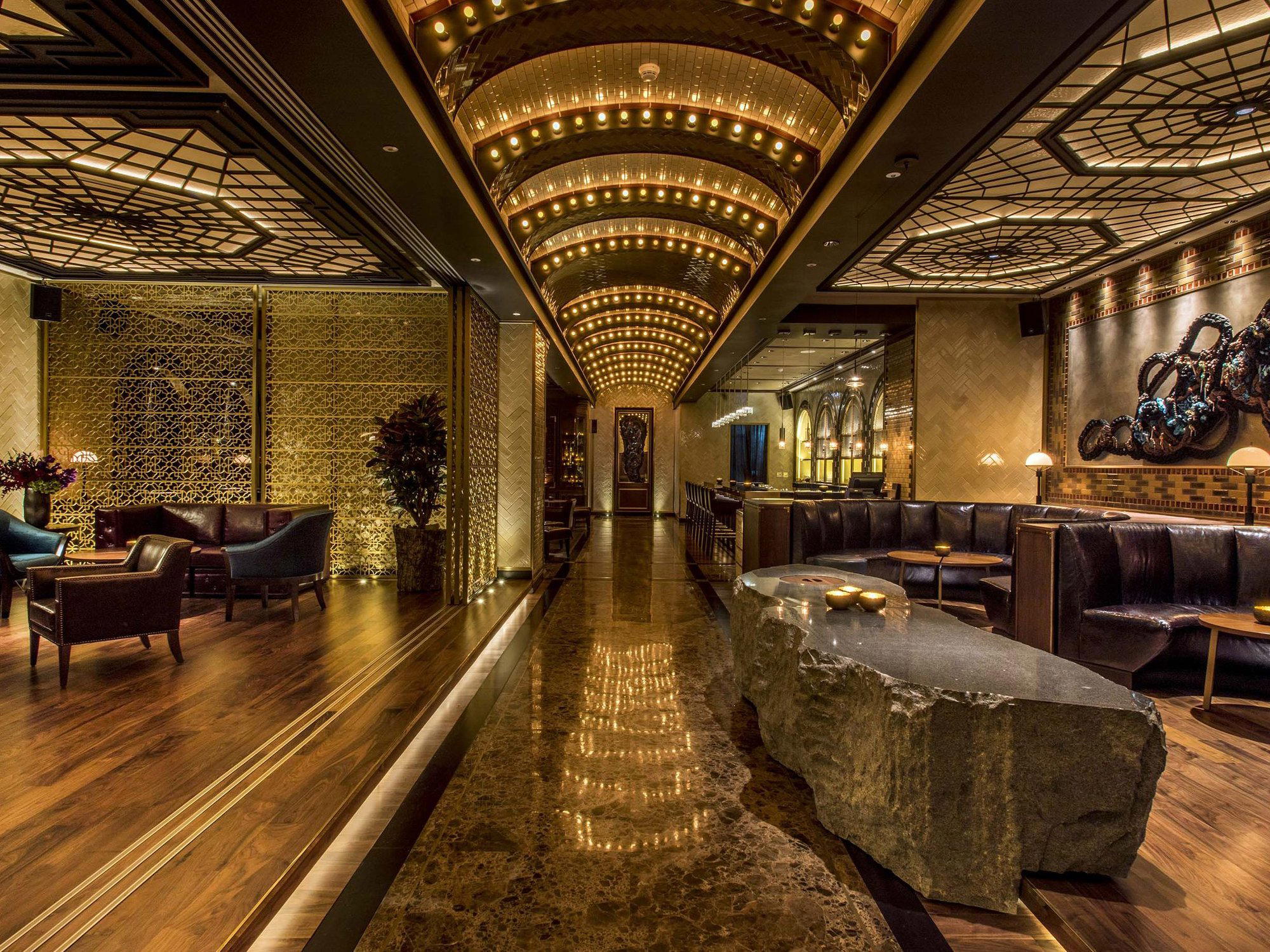
Mugunghwa operates in the ceremonial register of Korean fine dining, composed, unhurried, and calibrated to the hotel context it sits within. The 38th-floor position above Eulji-ro in Jung District adds a spatial remove from street-level Seoul. Two consecutive Michelin Plate awards in 2024 and 2025 confirm that the kitchen's consistency has held scrutiny across multiple review cycles.
Is Mugunghwa award-winning?
Mugunghwa has received recognition including: Michelin Plate (2025); Michelin Plate (2024).
What dish is Mugunghwa famous for?
Korean formal dining at this price tier typically rotates dishes seasonally, so a fixed signature is less common than in single-chef-driven tasting-menu formats. Contacting the restaurant directly before your visit is the most reliable way to understand what the current menu emphasises.
Quick Comparison
| Venue | Cuisine | Price | Awards | Notes |
|---|---|---|---|---|
| MugunghwaThis venue (the venue you are viewing) | Modern Korean Royal Court Cuisine | $150–200 | Michelin Plate | Not listed |
| 7th Door | Modern Korean Fermentation Fine Dining | $100–150 | 1 Michelin Star · World's 50 Best #49 | Korean, Contemporary |
| Solbam | Contemporary Neo-Classical Korean | $200–300 | 1 Michelin Star · World's 50 Best #55 | Contemporary |
| Onjium | Modern Korean Royal Court Cuisine | Not listed | 1 Michelin Star · World's 50 Best #14 | Korean |
| L'Amitié | Classic French Fine Dining | $100–150 | 1 Michelin Star · La Liste Top Restaurants | French |
| Zero Complex | Modern French Neo-Bistro | $100–150 | 1 Michelin Star · La Liste Top Restaurants | Korean-French, Innovative |
Recognition history
Dated appearances from independent guides and award organizations, with the underlying list record or original source where available.
Michelin Plate
Michelin
Full recognition history (3 entries)
Michelin Plate
Michelin
Michelin Plate
Michelin