Märchenwiesenhütte
Our verdict
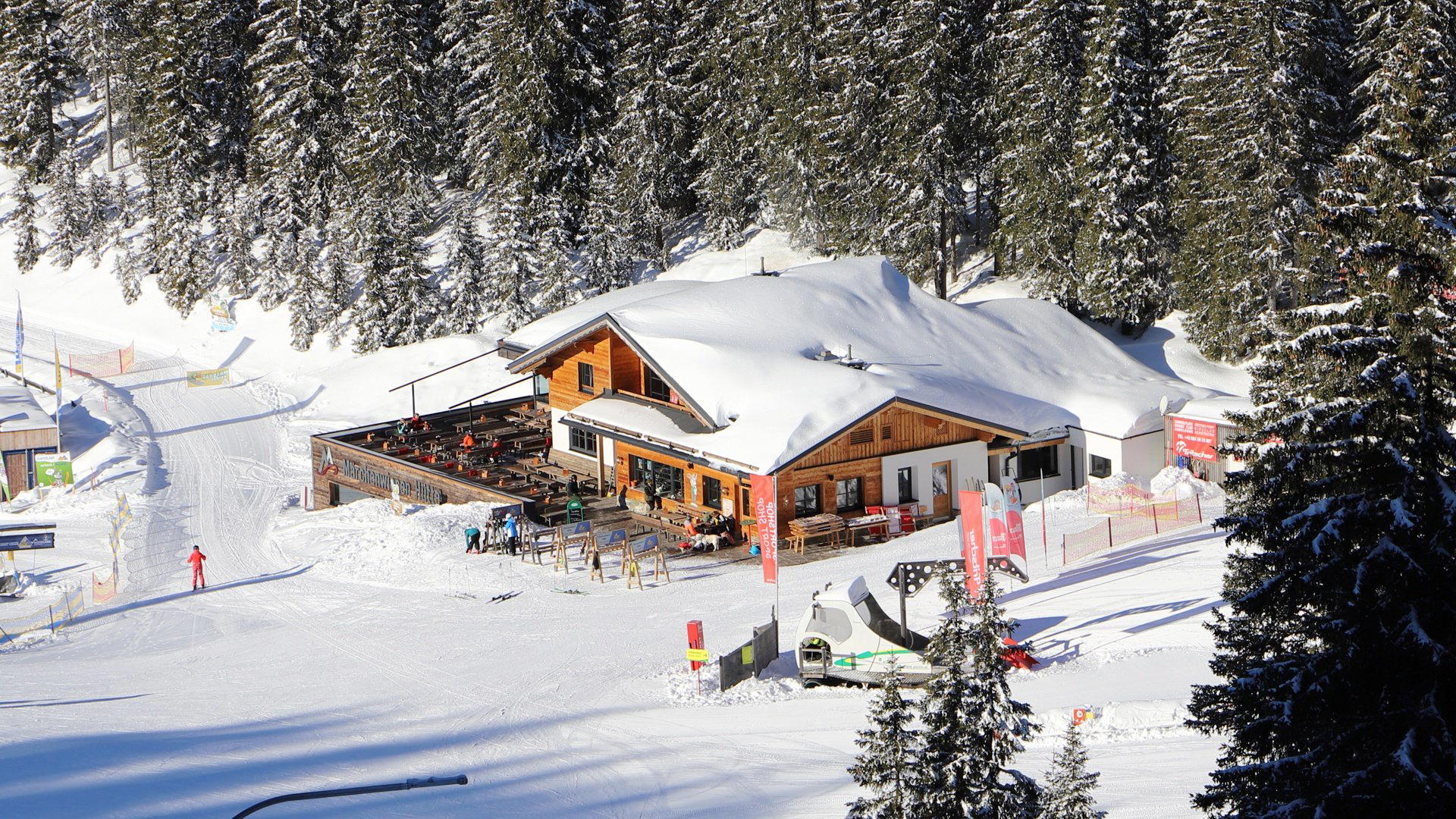
A mountain hut at Lindenweg 11 in Schladming, Märchenwiesenhütte sits within the Styrian Alps dining tradition that runs from rustic shelter stops to more ambitious alpine kitchens. The address places it in the residential fringe of Schladming town, distinct from the higher-altitude lift-served huts on Hochwurzen. Exact cuisine, hours, and booking details are best confirmed directly before visiting.

Pearl is the En Primeur Club membership app — saves, bookings, and concierge access live there. Same editors, same standards.
The menu
What to order
- Nudelsuppe
- Kasnock'n
- Frankfurter Würstel
Where the Mountain Hut Format Earns Its Keep
The alpine hut in the Austrian Styrian tradition is not a single thing. It ranges from a wind-shelter with a thermos of soup at one end to a full-service kitchen running venison ragù and Steirischer Kernöl salads at the other. Schladming, which sits at the base of the Dachstein-Tauern ski area and draws visitors year-round for both skiing and summer hiking, has a concentration of these huts across its surrounding slopes and valleys. Märchenwiesenhütte, addressed at Lindenweg 11 in Schladming, occupies the lower-altitude, town-adjacent tier of this network rather than the lift-accessed upper stations.
That positioning matters. Huts at altitude — places like Hochwurzenhütte and Hochwurzenalm on the Hochwurzen peak — tend to draw guests mid-activity, mid-mountain, often in ski boots or hiking gear. A hut closer to town, reachable without a lift ticket or significant elevation gain, plays a different role in how visitors and locals use it. It can anchor the beginning or end of a day rather than punctuate its middle.
The Schladming Dining Frame
To understand where a venue like Märchenwiesenhütte fits, it helps to map Schladming's broader dining range. The town itself supports a spectrum running from après-ski-focused brasseries to more considered regional kitchens. JOHANN GENUSSraum and da SEPP represent the more formal, ingredient-led end of Schladming's in-town offer, while ARX Restaurant brings a different register to the local table. The hut category sits alongside but separate from these, defined less by tasting-menu ambition and more by setting, immediacy, and the kind of food that makes sense eaten outdoors or just inside a timber interior after time on the mountain.
Styrian alpine cooking, even in its simpler hut form, carries a regional logic. Pumpkin seed oil appears on nearly every salad. Pork features heavily in cured and roasted forms. Dumplings, Knödel in their many variations, function as both side and main. When the kitchen is more ambitious, trout from local rivers and game from surrounding forests enter the picture. This is the culinary tradition that Austria's more decorated kitchens, from Steirereck im Stadtpark in Vienna to Döllerer in Golling an der Salzach, draw from and reinterpret. The hut format is where that tradition lives in its less mediated state.
Reading the Meal as a Sequence
In the Austrian alpine hut at its most coherent, a meal tends to follow an unhurried logic. A drink first, Sturm in season, or a local Schnapps, while you settle into the surroundings and the view does its work. Then something to anchor: a broth, a small plate of cured meats, or a bread basket that signals whether the kitchen is taking its sourcing seriously. The main course in this format is rarely a pivot point for surprise. It is confirmation, of the pork, the dumpling, the Styrian sauce, done with varying degrees of care depending on the kitchen.
What separates the better hut meals from the perfunctory ones is not ambition but attention. The difference between a Knödel that has been made that morning and one that has been reheated is not subtle. The same applies to the Kernöl, cold-pressed pumpkin seed oil from Styria is one of Austria's most distinctive agricultural products, with a deep green color and a nutty weight that bottled alternatives cannot replicate. These details define the quality ceiling of a hut kitchen more reliably than menu length or price point.
For context on what rigorous sequencing looks like at the higher end of the Austrian alpine spectrum, kitchens like Gourmetrestaurant Tannenhof in Sankt Anton am Arlberg and Griggeler Stuba in Lech have built formal tasting formats around the same alpine-regional ingredients the hut tradition handles more directly. Kräuterreich by Vitus Winkler in Sankt Veit im Pongau and Obauer in Werfen take a similar approach in the Salzburg region. The hut sits at the other end of that continuum, direct, unfussy, rooted in place.
Schladming in Season
Schladming's calendar divides sharply. The FIS Alpine Ski World Cup, which the town has hosted for decades on the Planai, brings a concentrated influx in January and February that affects everything from accommodation availability to walk-in dining chances. Summer hiking season, peaking between June and September, draws a different, often slower-paced visitor who is more likely to seek out the hut experience as part of a day's route rather than a post-race reward.
For the town-adjacent hut format, summer is generally the more accessible season. The pressure on tables is lower than during ski race weeks, and the surrounding landscape, the meadows and forested paths that give Schladming much of its character at altitude, reads differently on foot than on skis. Austria's mountain hut culture has always been as much a summer institution as a winter one, and venues in the lower-altitude, walkable tier of the network benefit most from that warmer-months traffic pattern.
Those planning a broader circuit of serious Austrian mountain dining can use the our full Schladming restaurants guide as a reference point, and extend the frame toward kitchens like Ikarus in Salzburg, Landhaus Bacher in Mautern an der Donau, Ois in Neufelden, or Restaurant 141 by Joachim Jaud in Mieming for a sense of how the regional tradition scales upward. For comparison at the international level, the multi-course sequencing discipline practiced at places like Le Bernardin in New York City and Atomix in New York City represents a formal counterpart to what the alpine hut does instinctively, a meal with a natural arc, a beginning that earns the end.
Planning a Visit
Märchenwiesenhütte is addressed at Lindenweg 11, 8971 Schladming, Austria, in the town's quieter residential fringe. This is a venue where the season and day of week are likely to matter more than a reservation system, but that should be verified on arrival or through local information before building an itinerary around it.
Frequently asked questions
Where do I go for Märchenwiesenhütte?
Märchenwiesenhütte is located at Lindenweg 11, 8971 Schladming, Austria, Schladming.
Is Märchenwiesenhütte a good base for eating after hiking the Schladming trails in summer?
Schladming draws a substantial summer hiking crowd in addition to its ski-season traffic, and the town's lower-altitude, street-address huts are among the most accessible options for post-trail meals. Märchenwiesenhütte's address on Lindenweg 11 places it in the quieter residential fringe of Schladming rather than on a high-altitude ridge, meaning it is reachable without additional ascent after descending from the area's trail network. Confirming seasonal summer hours directly on arrival is advisable, as no booking or schedule data is currently held.
What's the signature dish at Märchenwiesenhütte?
EP Club does not hold confirmed menu data for Märchenwiesenhütte. Town-adjacent huts at this address tier in the Schladming area typically anchor the menu around Styrian staples: Gröstl, Kaiserschmarrn, and seasonal soup. Those formats are the structural norm for the tradition this venue sits within, though the specific kitchen offering at Lindenweg 11 would need confirming on arrival.
Can I walk in to Märchenwiesenhütte?
Town-level huts in Schladming generally operate on a walk-in basis outside of major event weeks. The FIS Alpine Ski World Cup on the Planai runs in January and February and routinely pushes the entire town to capacity, which is the period where any venue at Lindenweg 11 is most likely to be pressed. Outside those weeks, a walk-in approach is consistent with how this category operates in Schladming.
A Credentials Check
Comparable venues nearby, for context on price, style, and recognition.
| Venue | Cuisine | Price | Notes |
|---|---|---|---|
| MärchenwiesenhütteThis venue — the venue you are viewing | Traditional Austrian Alpine Cuisine | $10–20 | Not listed |
| Mühlstodl | Traditional Austrian Ski Hut Cuisine | $10–20 | Reiteralm |
| Steireralm | Traditional Austrian Ski Hut | $20–30 | Reiteralm |
| Ursprungalm | Traditional Austrian Alpine | $20–30 | Preuneggtal |
| REITERALMHÜTTE | Austrian Alpine Hut | $10–20 | Reiteralm |
| Sattler's | Pizza, Cafe & Austrian Comfort | $20–30 | Schladming center |
Continue exploring
More in Schladming
Restaurants in Schladming
All restaurants in Schladming →
Bars in Schladming
Browse all →
Details
- Rustic
- Cozy
- Scenic
- Family
- Casual Hangout
- Group Dining
- Panoramic View
- Terrace
- Local Sourcing
- Mountain
- A La Carte
- Regional Wine
Current opening hours
- Monday
- 10 AM–5 PM
- Tuesday
- 10 AM–5 PM
- Wednesday
- 10 AM–5 PM
- Thursday
- 10 AM–5 PM
- Friday
- 10 AM–5 PM
- Saturday
- 10 AM–5 PM
- Sunday
- 10 AM–5 PM
Hours can change for holidays and private events. Last verified .
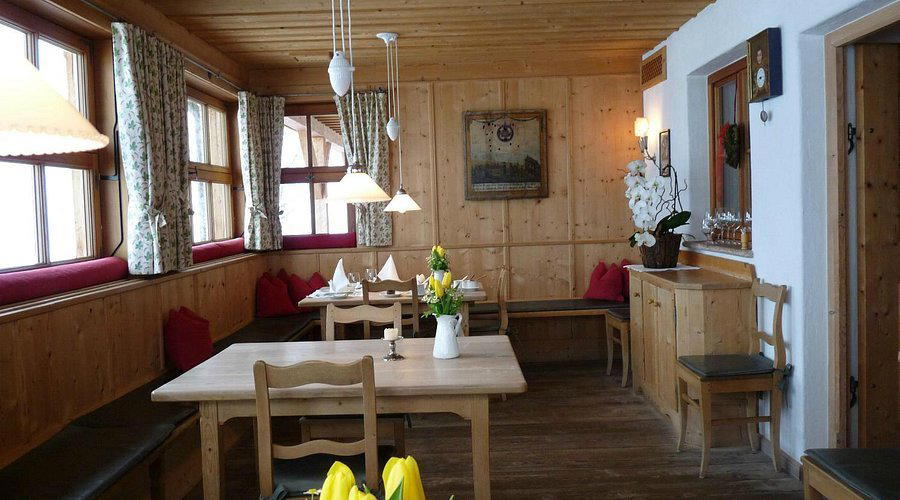
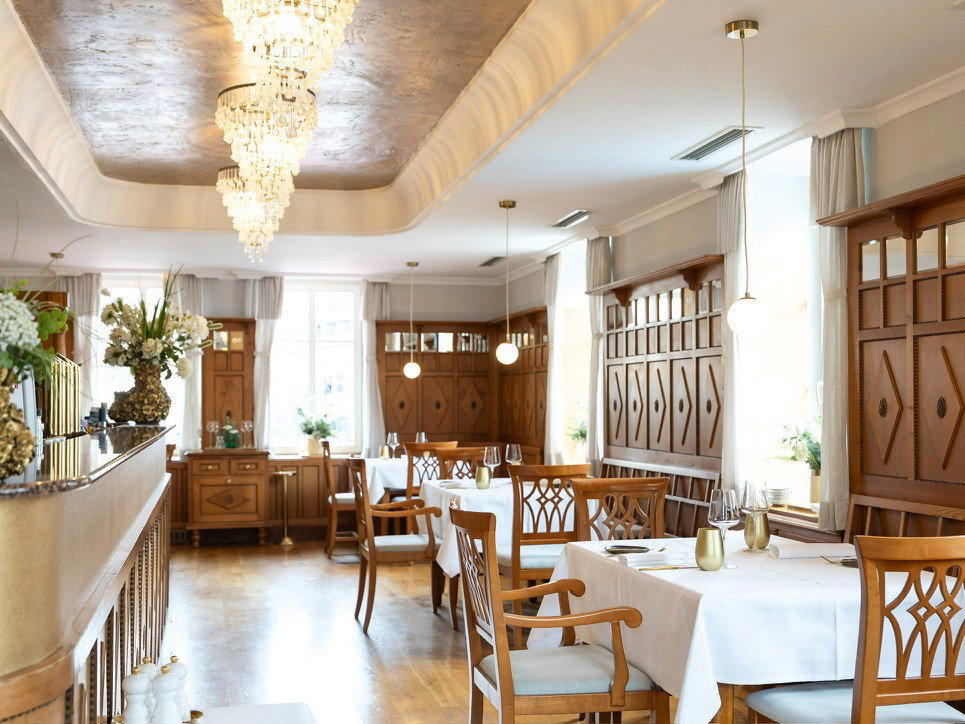
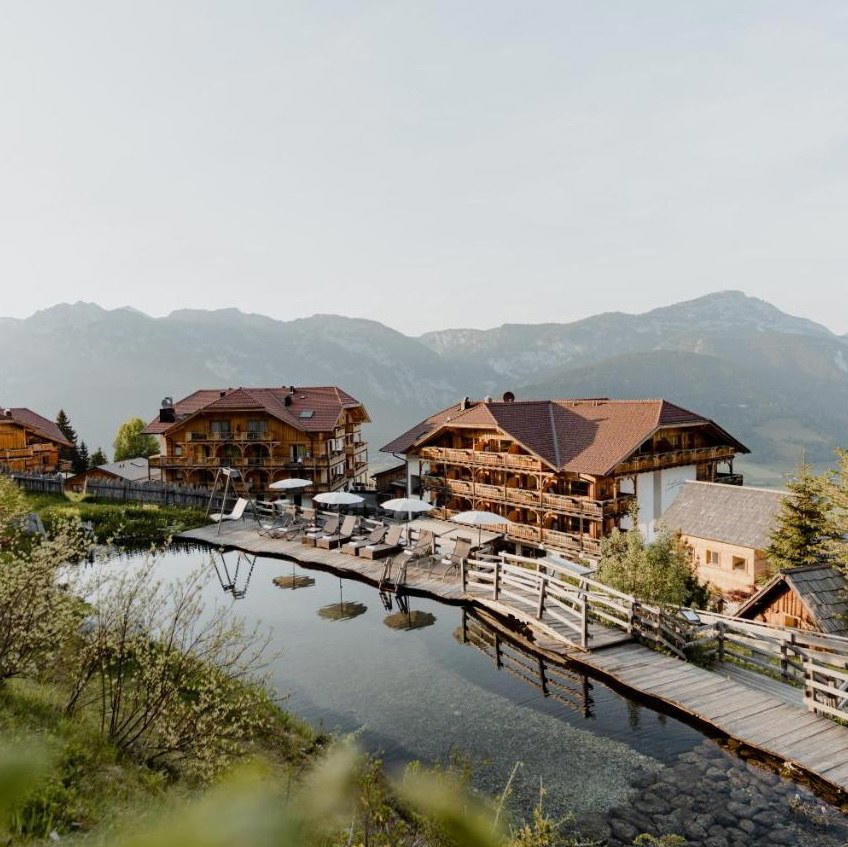
Rustic alpine hut with warm hospitality, large windows offering far-reaching mountain views, and a welcoming family-oriented setting.