Weitmoosalm
Our verdict
Weitmoosalm sits along Planaistraße in Schladming, positioned where the Planai mountain infrastructure meets the working rhythm of an Austrian ski resort. Among Schladming's mountain dining options, it occupies the alm tradition — the high-altitude hut format that defines how this region eats between runs. For visitors orienting themselves in the Dachstein-Tauern area, it represents a grounded, place-specific alternative to the valley's more formal dining rooms.

Pearl is the En Primeur Club membership app — saves, bookings, and concierge access live there. Same editors, same standards.
- Address
- Planaistraße 86, 8971 Schladming, Austria
- Phone
- +43368722187
- Hours
- Daily 9 AM–4 PM
- Website
- weitmoosalm.at
- Directions
- Get directions
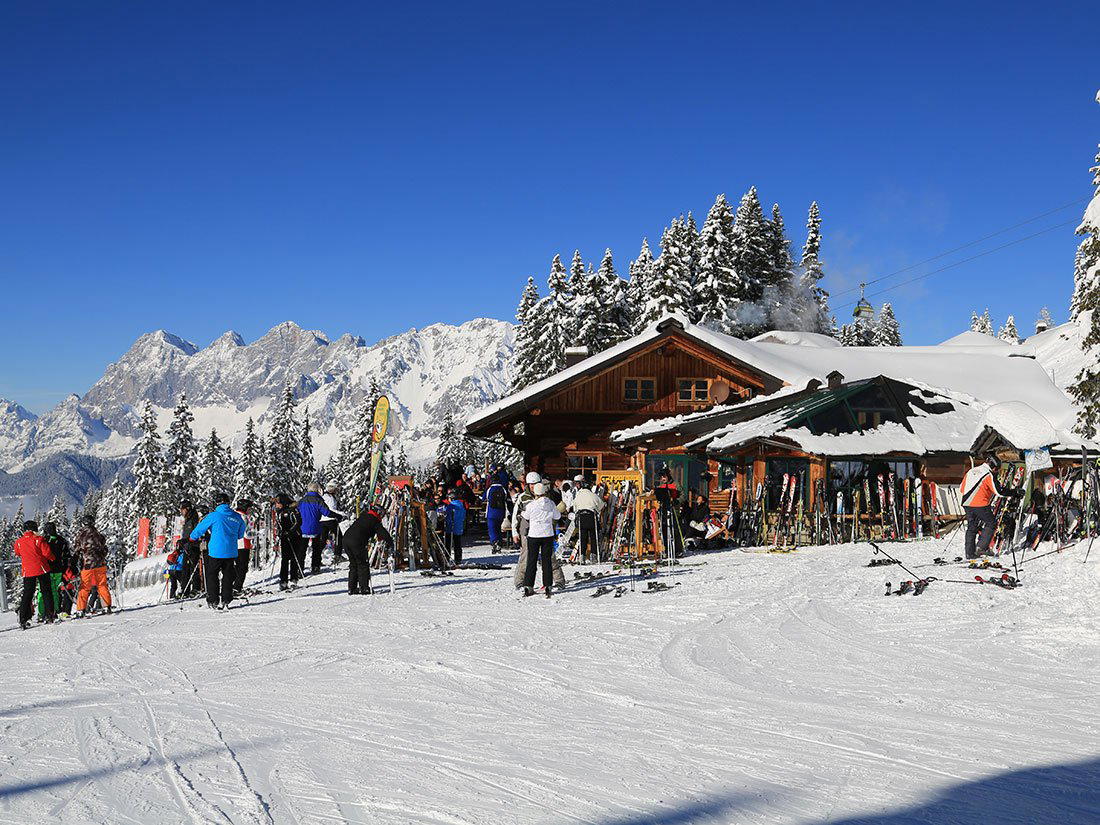
Where the Mountain Eats: Schladming's Alm Tradition
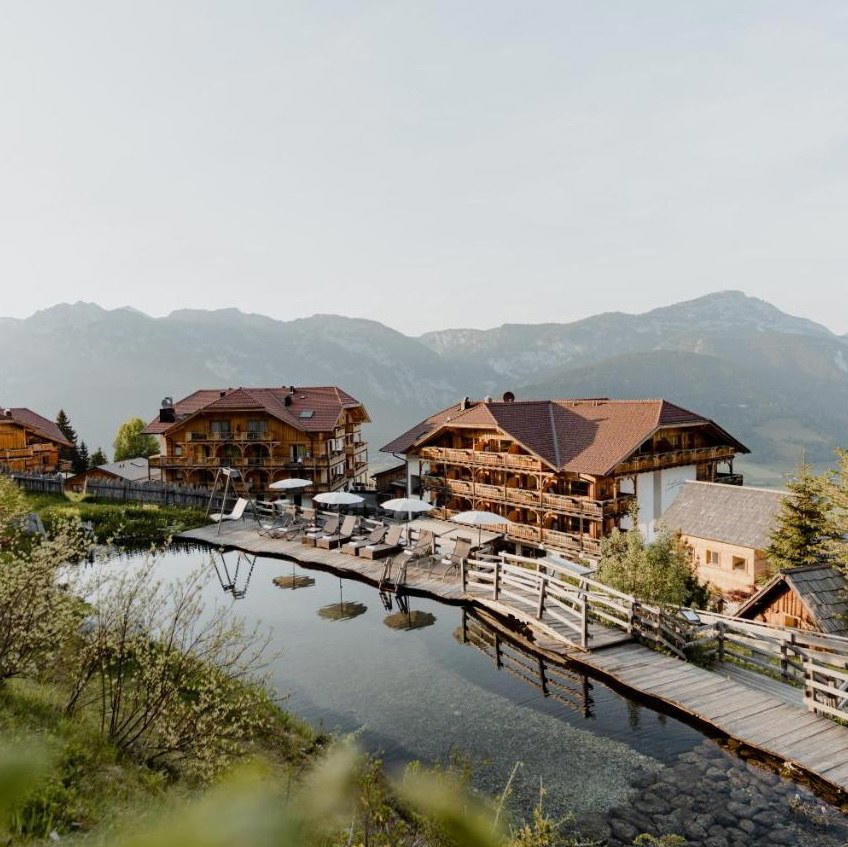
Altitude changes everything about how Austrians eat. In the Dachstein-Tauern region around Schladming, the Alm — the mountain hut positioned at elevation along ski and hiking routes — functions as both refuelling station and social anchor. These are not restaurants that happen to have views; they are institutions shaped by the mountain's schedule, the season's demands, and a food culture that draws a direct line between the landscape above and what arrives on the table below. Weitmoosalm, addressed at Planaistraße 86, sits within this tradition on one of the primary access routes up the Planai, the mountain that defines Schladming's ski resort character and serves as a World Cup downhill venue.
The Planaistraße corridor is significant because it connects the valley town to the upper mountain infrastructure, meaning traffic past this address is not casual, it moves with purpose, shaped by lift schedules and the compressed rhythms of a ski day. An alm positioned along this route operates differently from a valley restaurant: the timing of service, the density of guests at peak hours, and the character of what people want to eat all respond to the mountain's logic rather than conventional dining conventions.
The Schladming Context: A Town That Eats at Altitude
Schladming has a dining scene that splits cleanly between valley-floor restaurants and mountain-positioned huts. At valley level, places like ARX Restaurant, da SEPP, and JOHANN GENUSSraum serve the more deliberate, seated dining that follows a full day on the slopes. Up on the mountain, the format shifts: huts like Hochwurzenalm and Hochwurzenhütte hold a different function, serving skiers mid-mountain with hearty regional food and the particular pleasure of eating in cold air with mountain panoramas at close range.
Weitmoosalm belongs to this second category. The alm format across Styria and Salzburg traditionally centres on dishes built for caloric demand and regional identity simultaneously: Germknödel, Kaiserschmarrn, warming soups, and grilled meats that read as both practical and ceremonial in context. Austrian mountain food at its most sincere is not about refinement for its own sake, it is about the specific pleasure of eating something substantial and regionally honest after physical exertion at elevation, in a room that smells of woodsmoke and wet ski gear.
That positioning places Weitmoosalm in a different conversation from the more refined Austrian kitchens operating at valley level and beyond. For the context of Styrian fine dining, one looks toward addresses like Steirereck im Stadtpark in Vienna or, for Alpine-adjacent formality, Döllerer in Golling an der Salzach. The mountain hut operates in a parallel register, less formal, but no less rooted in place.
The Planai Elevation and What It Means for Dining
The Planai rises to 1,894 metres and is the centrepiece of Schladming's ski infrastructure, with the town itself sitting at around 745 metres. The elevation difference means that huts positioned along the ascent experience genuine alpine conditions, not the managed chill of an indoor ski hall, but actual mountain weather, including the quality of light and air that makes outdoor terrace dining at altitude a distinct sensory category. On clear days, the panorama across the Enns Valley and toward the Dachstein massif shapes the meal in ways no interior design can replicate.
This is what distinguishes the mountain alm from its Austrian lowland cousins. In the broader Alpine dining comparison, Schladming's mountain hut scene echoes what visitors find in Lech or Sankt Anton, places where restaurants like Griggeler Stuba in Lech and Gourmetrestaurant Tannenhof in Sankt Anton am Arlberg demonstrate that the Alps can sustain both refined formal dining and the more democratic alm format simultaneously, with the two coexisting because they serve genuinely different needs.
Planning a Visit: What to Expect on the Ground
Weitmoosalm's address on Planaistraße places it within the Schladming ski resort infrastructure, accessible via the Planai gondola system that connects the town centre to the upper mountain. In winter, the mountain operates in alignment with Schladming's ski season, which peaks during the FIS Alpine Ski World Cup events and the broader January-to-March high season. In summer, the Planai operates as a hiking and cycling mountain, meaning the alm's season extends through the warmer months when the surrounding trails draw a different but equally physical crowd.
Given the sparse publicly available data on Weitmoosalm specifically, visitors planning a stop should treat it as they would any mountain hut in a busy Austrian ski resort: arrive outside the peak lunch window (roughly 12:00 to 14:00) to avoid the density that follows the morning's first lifts, and expect the kind of informal service that prioritises throughput without sacrificing the warmth that defines Styrian hospitality.
For a fuller picture of where Weitmoosalm sits among Schladming's dining options, the EP Club Schladming restaurants guide maps the full range from mountain huts to valley dining rooms. Those interested in the broader Austrian Alpine dining circuit might also consider the refined mountain-adjacent formats at Ikarus in Salzburg, Kräuterreich by Vitus Winkler in Sankt Veit im Pongau, Obauer in Werfen, Landhaus Bacher in Mautern an der Donau, Ois in Neufelden, and Restaurant 141 by Joachim Jaud in Mieming, each operating in a different register but sharing the same fundamental Austrian commitment to regional produce and seasonal specificity.
For those arriving from further afield, it is worth noting that the Austrian Alps occupy a different position in the international dining conversation than cities like New York, where formally rated destinations such as Le Bernardin and Atomix define the high-end frame. The alm is not competing in that register, it is doing something more specific to place, and the argument for visiting one is rooted in exactly that difference.
Frequently asked questions
What's the address for Weitmoosalm?
Weitmoosalm is located at Planaistraße 86, 8971 Schladming, Austria, Schladming.
Is Weitmoosalm accessible without skis, and can I visit in summer?
The Planai gondola above Schladming operates across multiple seasons, serving hikers and mountain bikers in summer as well as skiers in winter, which means Weitmoosalm's Planaistraße location is reachable without ski equipment. Austrian mountain huts at this elevation frequently shift their hours and opening periods between seasons, so checking current gondola schedules through the Schladming-Dachstein resort is the practical first step before planning a non-ski visit.
What's the best thing to order at Weitmoosalm?
Weitmoosalm operates within the Austrian Alm tradition, where the kitchen typically centres on hearty regional staples: think Kaiserschmarrn, Gulasch, and locally sourced meat dishes that suit the physical demands of a day on the Planai. The menu aligns with what the Dachstein-Tauern mountain hut circuit does broadly — filling, warming, regionally grounded. Specific current dishes are best confirmed directly on arrival or via the resort information desk in Schladming.
Do I need a reservation for Weitmoosalm?
Mountain huts on the Planai, including those along Planaistraße, tend to fill quickly at peak ski season lunchtimes and during World Cup race events, when Schladming's visitor numbers spike sharply. Walk-ins are common in the Alm format, but arriving outside the midday rush — before noon or after 2pm — gives you better odds of a seat. Contact details for Weitmoosalm are not currently listed, so confirming reservation options through the Schladming-Dachstein resort office is the most reliable approach.
What's the standout thing about Weitmoosalm?
Its position on Planaistraße places it directly within Schladming's primary ski infrastructure, making it accessible via the Planai gondola system rather than requiring a separate journey. That integration into the mountain circuit is what separates Weitmoosalm from valley-floor dining in Schladming: you eat at elevation, inside the ski day rather than after it.
The Essentials
Comparable venues nearby, for context on price, style, and recognition.
| Venue | Cuisine | Price | Notes |
|---|---|---|---|
| WeitmoosalmThis venue — the venue you are viewing | Traditional Austrian Alpine | $20–30 | Not listed |
| REITERALMHÜTTE | Austrian Alpine Hut | $10–20 | Reiteralm, Austrian Mountain Hut |
| Onkel Willy's Hütte | Traditional Austrian Mountain Hut | $10–20 | Planai, Traditional Austrian Mountain Hut |
| da SEPP | Modern Austrian Alpine Cuisine | Not listed | Rohrmoos-Untertal, Modern Austrian Alpine Cuisine |
| Waldhäuslalm | Traditional Styrian Alpine | $20–30 | Rohrmoos-Untertal, Traditional Styrian Alpine |
| Pension Astlhof | Traditional Austrian & Styrian | $20–30 | Schladming-Vorberg, Traditional Austrian & Styrian |
Continue exploring
More in Schladming
Restaurants in Schladming
Browse all →
Bars in Schladming
Browse all →

Details
- Cozy
- Rustic
- Scenic
- Family
- Casual Hangout
- Terrace
- Local Sourcing
- Mountain
- A La Carte
- Vegetarian Friendly
Current opening hours
- Monday
- 9 AM–4 PM
- Tuesday
- 9 AM–4 PM
- Wednesday
- 9 AM–4 PM
- Thursday
- 9 AM–4 PM
- Friday
- 9 AM–4 PM
- Saturday
- 9 AM–4 PM
- Sunday
- 9 AM–4 PM
Hours can change for holidays and private events. Last verified .
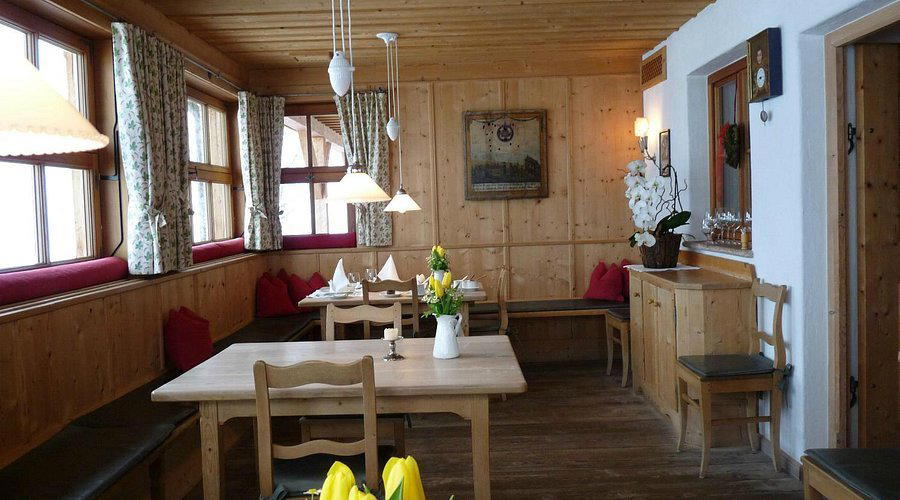
Fabulous cosy atmosphere in a traditional alpine setting.