da SEPP
Our verdict
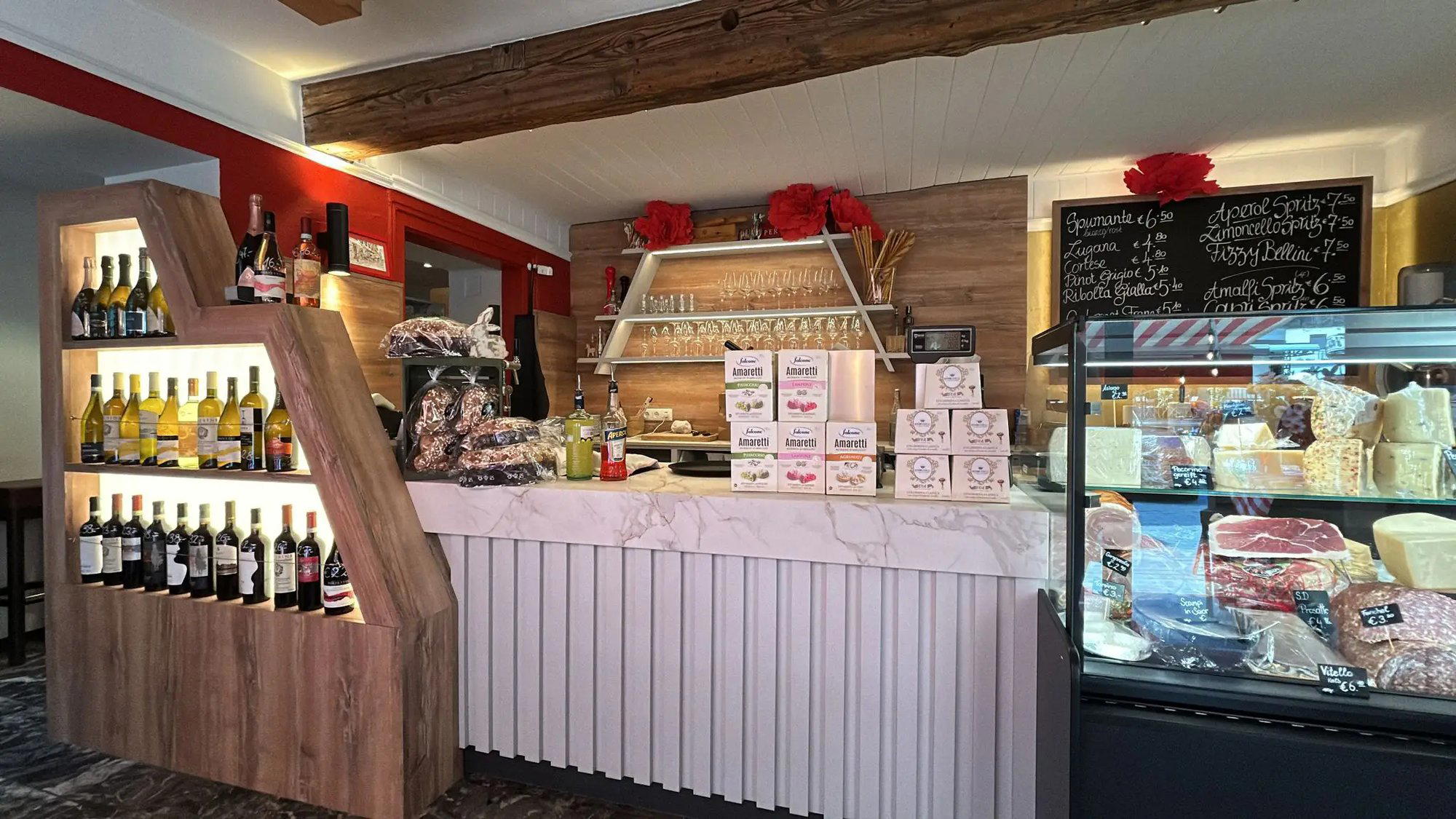
Da SEPP on Planaistraße sits at the junction of Schladming's mountain traffic and its local dining culture, oriented toward the Styrian alpine kitchen tradition rather than the cosmopolitan register found in larger Austrian cities. The address, close to the Planai lift base, draws from both the seasonal ski and summer hiking crowd and a resident catchment that gives the restaurant a durability beyond peak seasons.

Pearl is the En Primeur Club membership app — saves, bookings, and concierge access live there. Same editors, same standards.
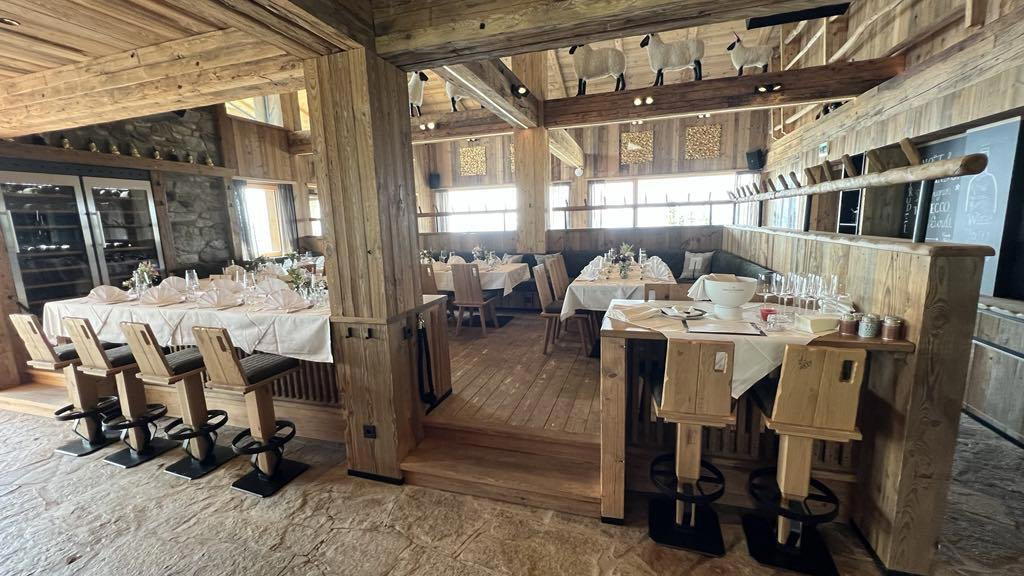
Alpine Cooking in the Enns Valley: Where Schladming Eats Local
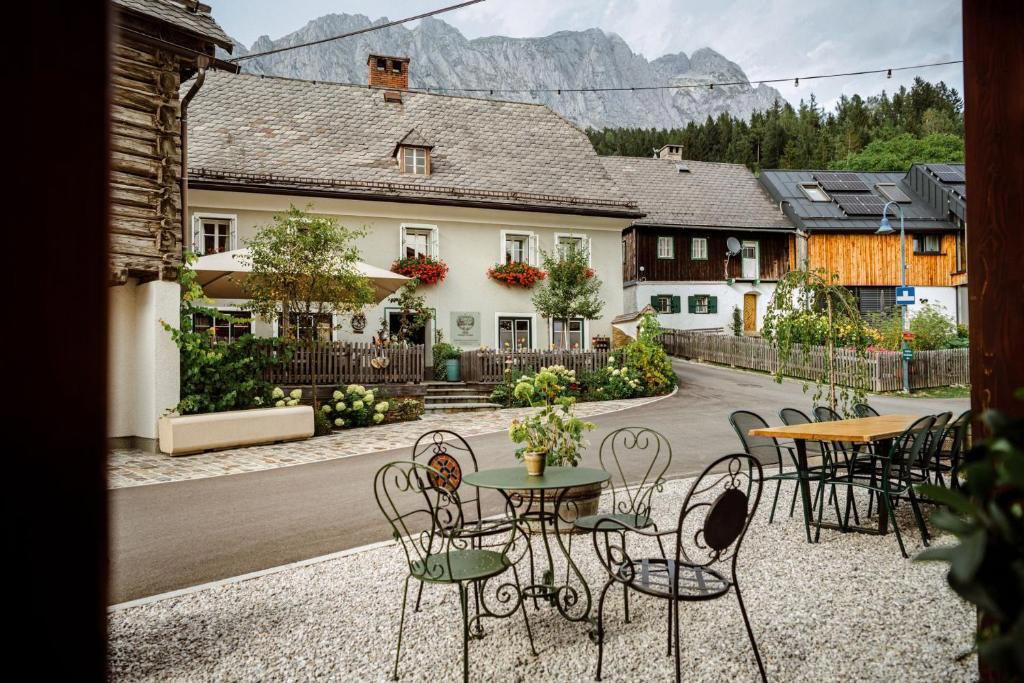
The Planai massif shapes Schladming's rhythms more than any calendar. In winter the town fills with ski traffic moving between the World Cup runs and the valley floor; in summer hikers and mountain bikers replace them, but the appetite for food that reflects this terrain stays constant. That appetite has produced a dining culture in Schladming that leans toward the regional, the seasonal, and the direct, favouring kitchens that source from the Styrian uplands rather than importing a cosmopolitan register from Vienna or beyond. Da SEPP, addressed at Planaistraße 120, sits within that local current, positioned on the approach to the Planai lift system where the address itself signals an orientation toward the mountain rather than the town centre.
Styrian Cooking and the Logic of Place
Austrian alpine cuisine is not a monolithic category. The Styrian kitchen, which governs the Schladming area, has its own distinct grammar: pumpkin seed oil over salads and soups, freshwater fish from fast-running streams, cured meats from highland farms, and a preference for sour and bitter notes that separates Styrian cooking from the cream-heavy register associated with the Tirolian west. This is a tradition rooted in self-sufficiency, shaped by mountain winters that historically demanded preservation, fermentation, and careful use of what the short growing season provided. Restaurants that engage seriously with this tradition function less as concept restaurants and more as expressions of accumulated local knowledge.
Across Austria, the kitchens that have drawn the most critical attention in recent decades tend to operate at the intersection of regional specificity and technical precision. Steirereck im Stadtpark in Vienna built its reputation partly on that combination, and further west, Döllerer in Golling an der Salzach has made Alpine provenance a full editorial position. In the Tirolian corridor, Schwarzer Adler in Hall in Tirol and Gourmetrestaurant Tannenhof in Sankt Anton am Arlberg represent the higher-end alpine dining tier. Schladming operates in a different register, one closer to the working mountain-town kitchen than to the destination fine-dining circuit, though the gap is narrowing as more visitors arrive with expectations shaped by restaurants like Stüva in Ischgl or Kräuterreich by Vitus Winkler in Sankt Veit im Pongau.
The Schladming Dining Scene and Where da SEPP Sits
Schladming's restaurant mix reflects its dual-season character. The town supports a range of formats, from mountain hut kitchens accessible by lift or foot to valley-floor restaurants serving the après-ski and summer-dinner crowd. Among the latter, ARX Restaurant and JOHANN GENUSSraum represent the more considered end of the local dining tier, while Marias Mexican marks the international-casual segment that emerges in ski towns with a large international visitor base. On the mountain itself, Hochwurzenalm and Hochwurzenhütte serve the on-piste and hiking crowd with the stripped-down, high-altitude format that prioritises warmth and sustenance over ceremony.
Da SEPP occupies a position between these poles. The Planaistraße address places it in the functional zone between the lift base and the town, which means it draws from both the mountain-traffic crowd and the local resident base. That dual catchment is characteristic of the more durable establishments in alpine towns: places that survive the off-season because they serve a community, not just a transient audience.
What Regional Cooking Means at This Altitude
In Styria's mountain towns, the seasonal calendar remains a practical constraint rather than a marketing choice. The growing season above 700 metres is compressed; what arrives in summer, from herbs and berries to cured products stored from the previous autumn, reflects genuine supply conditions rather than a curated provenance story. Kitchens working within this framework tend to produce food that reads as straightforwardly honest: the flavours are direct, the portions calibrated to appetite generated by physical activity, and the sourcing local because the alternatives are more expensive and less dependable. This is the tradition that the address at Planaistraße 120 aligns with, regardless of the specific dishes on any given menu.
For context on what this kind of regional seriousness can produce at a higher register, Obauer in Werfen and Landhaus Bacher in Mautern an der Donau have spent decades demonstrating that Austrian regional cooking carries genuine depth. At the other end of the geographic spectrum, the discipline applied to local sourcing at places like Lazy Bear in San Francisco or the technical rigour at Le Bernardin in New York City illustrates how seriously sourcing and place can be made to carry a menu, even outside the Alpine context. And in the Salzburg region, Ois in Neufelden and Restaurant 141 by Joachim Jaud in Mieming have shown that Austrian alpine towns outside the obvious capitals can sustain kitchens of serious ambition. See our full Schladming restaurants guide for a wider survey of the local scene.
Planning Your Visit
Schladming operates on two distinct seasonal peaks. The main ski season runs from late November through April, with the highest footfall concentrated around World Cup race weekends in January, when the town's restaurant capacity is under its greatest pressure and advance booking becomes necessary even for mid-range establishments. The summer season, from June through September, is quieter but growing, particularly among hiking and cycling visitors. Da SEPP's position on Planaistraße, within reach of the Planai lift base, means it sits in the active zone during both seasons. Visitors arriving by car will find Schladming on the A9 Pyhrn motorway corridor, with the town easily accessible from Salzburg (roughly 90 minutes) and from Graz (approximately two hours). The train station in the town centre is served by direct connections on the Salzburg-Graz route, making da SEPP reachable without a car for guests willing to cover the short distance from the station on foot or by local taxi.
Frequently asked questions
What's da SEPP's location?
da SEPP is located at Planaistraße 120, 8970 Schladming, Austria, Schladming.
Is da SEPP open year-round or only during ski season in Schladming?
Schladming sustains two distinct visitor seasons — winter skiing from late November through April and summer hiking and cycling traffic — and many local restaurants align their opening calendars accordingly. Da SEPP is based at Planaistraße 120, close to the Planai area, which sees footfall in both seasons. Confirming current opening periods directly with the venue before travelling is advisable, as shoulder-season hours in alpine towns frequently differ from peak-period schedules.
What do people recommend at da SEPP?
Da SEPP draws on the Styrian kitchen's defining ingredients — pumpkin seed oil, locally sourced meat, and valley produce that follows a strict seasonal calendar above 700 metres. Without a confirmed public menu on record, the safest approach is to ask staff on arrival what is running that week, as the offer tracks the season rather than a fixed card. The address at Planaistraße 120 puts it close to the Planai base, making it a practical stop after time on the mountain.
Should I book da SEPP in advance?
Schladming operates on two compressed seasonal peaks — the World Cup ski period in winter and summer hiking traffic — which means demand at local restaurants spikes sharply and then eases. Booking ahead is advisable during the main ski season (late November through April) and during peak summer weeks. Contact details are not currently listed publicly, so checking via the venue directly or through your accommodation is the most reliable route.
What makes da SEPP worth seeking out?
In a town where many restaurants pitch at ski traffic with broadly international menus, a place committed to Styrian regional cooking has a clear point of difference. The Styrian kitchen is geographically specific — pumpkin seed oil from Styria, cured meats, and alpine dairy are not interchangeable with generic Austrian fare. Da SEPP sits at Planaistraße 120 in Schladming, positioning it as a local option rather than a resort formula.
Can da SEPP accommodate dietary restrictions?
Styrian alpine cooking is built around meat, dairy, and seasonal vegetables, which means vegetarian requests are workable but vegan diets may find the menu narrower. Contacting the restaurant ahead of your visit is the practical step, particularly during busy ski season when kitchens are running at full capacity.
Cost Snapshot
Comparable venues nearby, for context on price, style, and recognition.
| Venue | Cuisine | Price | Notes |
|---|---|---|---|
| da SEPPThis venue — the venue you are viewing | Modern Austrian Alpine Cuisine | Not listed | Not listed |
| Onkel Willy's Hütte | Traditional Austrian Mountain Hut | $10–20 | Planai, Traditional Austrian Mountain Hut |
| Pension Astlhof | Traditional Austrian & Styrian | $20–30 | Schladming-Vorberg, Traditional Austrian & Styrian |
| Seiterhütte | Traditional Styrian Mountain Hut | $20–30 | Rohrmoos-Untertal, Traditional Styrian Mountain Hut |
| Waldhäuslalm | Traditional Styrian Alpine | $20–30 | Rohrmoos-Untertal, Traditional Styrian Alpine |
| Hochwurzenhütte | Traditional Austrian Alpine Cuisine | $20–30 | Rohrmoos-Untertal, Traditional Austrian Alpine Cuisine |
Continue exploring
More in Schladming
Restaurants in Schladming
All restaurants in Schladming →
Bars in Schladming
Browse all →

Details
- Cozy
- Modern
- Rustic
- Scenic
- Casual Hangout
- After Work
- Open Kitchen
- Terrace
- Panoramic View
- Local Sourcing
- Mountain
- A La Carte
- Vegan Options
- Vegetarian Friendly
Current opening hours
- Monday
- 9 AM–5 PM
- Tuesday
- 9 AM–5 PM
- Wednesday
- 9 AM–5 PM
- Thursday
- 9 AM–5 PM
- Friday
- 9 AM–5 PM
- Saturday
- 9 AM–5 PM
- Sunday
- 9 AM–5 PM
Hours can change for holidays and private events. Last verified .
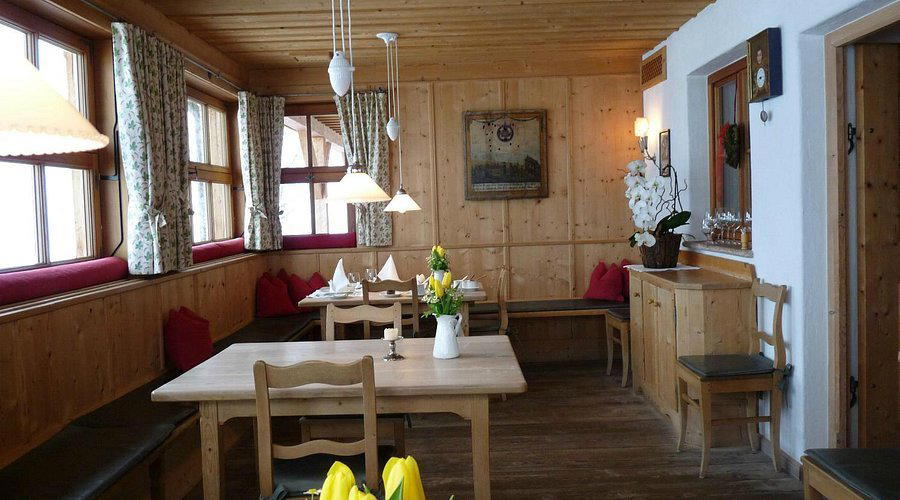
Cozy yet modern atmosphere with great vibe, music, and alpine charm.