Hochwurzenalm
A mountain hut on the Hochwurzen plateau above Schladming, Hochwurzenalm occupies a position where the Styrian alpine tradition of sourcing close to altitude becomes the entire point. Skiers and hikers arrive here for the elevation and the setting; the kitchen's logic follows the same geography. For Schladming's broader dining scene, it represents the hut-dining tier that the region does on its own terms.
Pearl is the En Primeur Club membership app — saves, bookings, and concierge access live there. Same editors, same standards.
- Address
- Hochwurzenstraße 86, 8971 Schladming, Austria
- Phone
- +43368761666
- Website
- hochwurzen.at
- Directions
- Get directions
 Saves & bookings on Pearl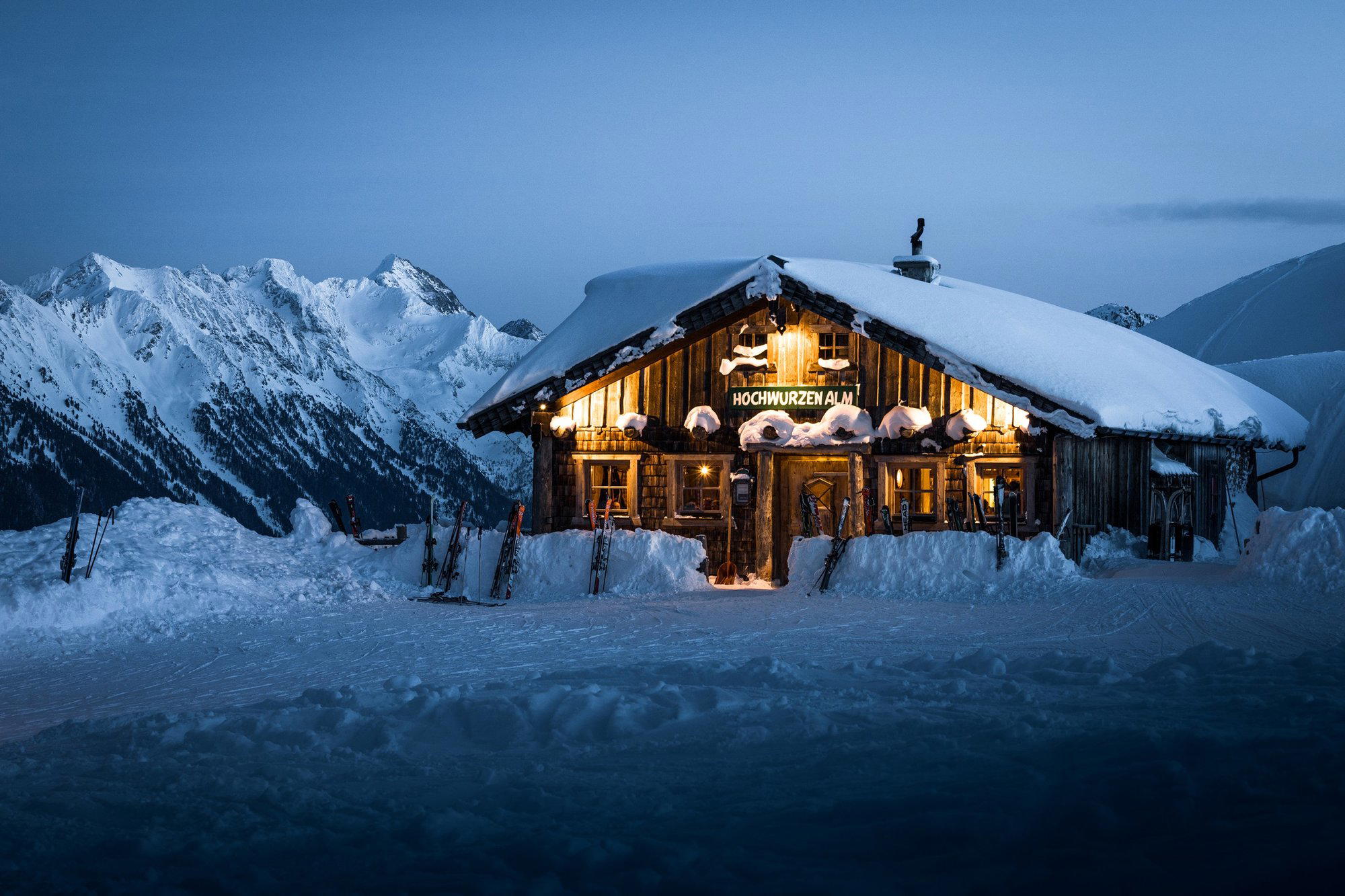
Altitude as Ingredient: What Mountain Hut Dining Means in Styria
In the Austrian Alps, the distinction between a restaurant and an Alm is not merely architectural. A hut positioned at elevation operates under a different set of constraints and, consequently, a different set of priorities than a town-level kitchen. Supply lines are shorter by necessity, menus lean toward what travels well or grows close by, and the cooking that emerges tends to read as a direct reflection of the surrounding terrain. Hochwurzenalm, sitting on the Hochwurzen plateau above Schladming, fits squarely into that tradition. The address alone, Hochwurzenstraße 86, places it on the access road that skiers and summer hikers use to reach the upper mountain, which means the guest arriving here has already made a physical commitment to the place before the first dish arrives.
The Styrian highlands that frame Schladming produce an ingredient logic that informs kitchens at every price point in the region. Dairy animals graze at altitude through the warmer months, yielding milk and cheese with a distinct mineral character. Wild herbs, mushrooms, and game come from the same forests and slopes that surround the dining room window. At the hut level, that sourcing is not a culinary program or a marketing choice; it is simply how supply works when a truck cannot make three deliveries a week. The result is a menu that tends to compress around the season with more urgency than a lowland kitchen would need to.
The Setting Before the Menu
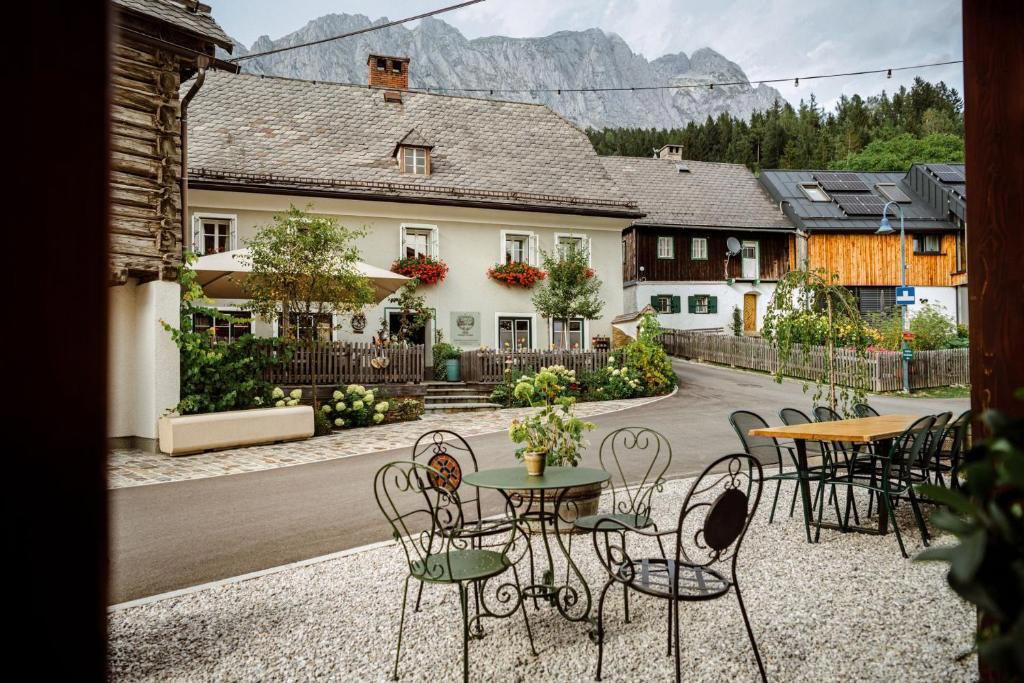
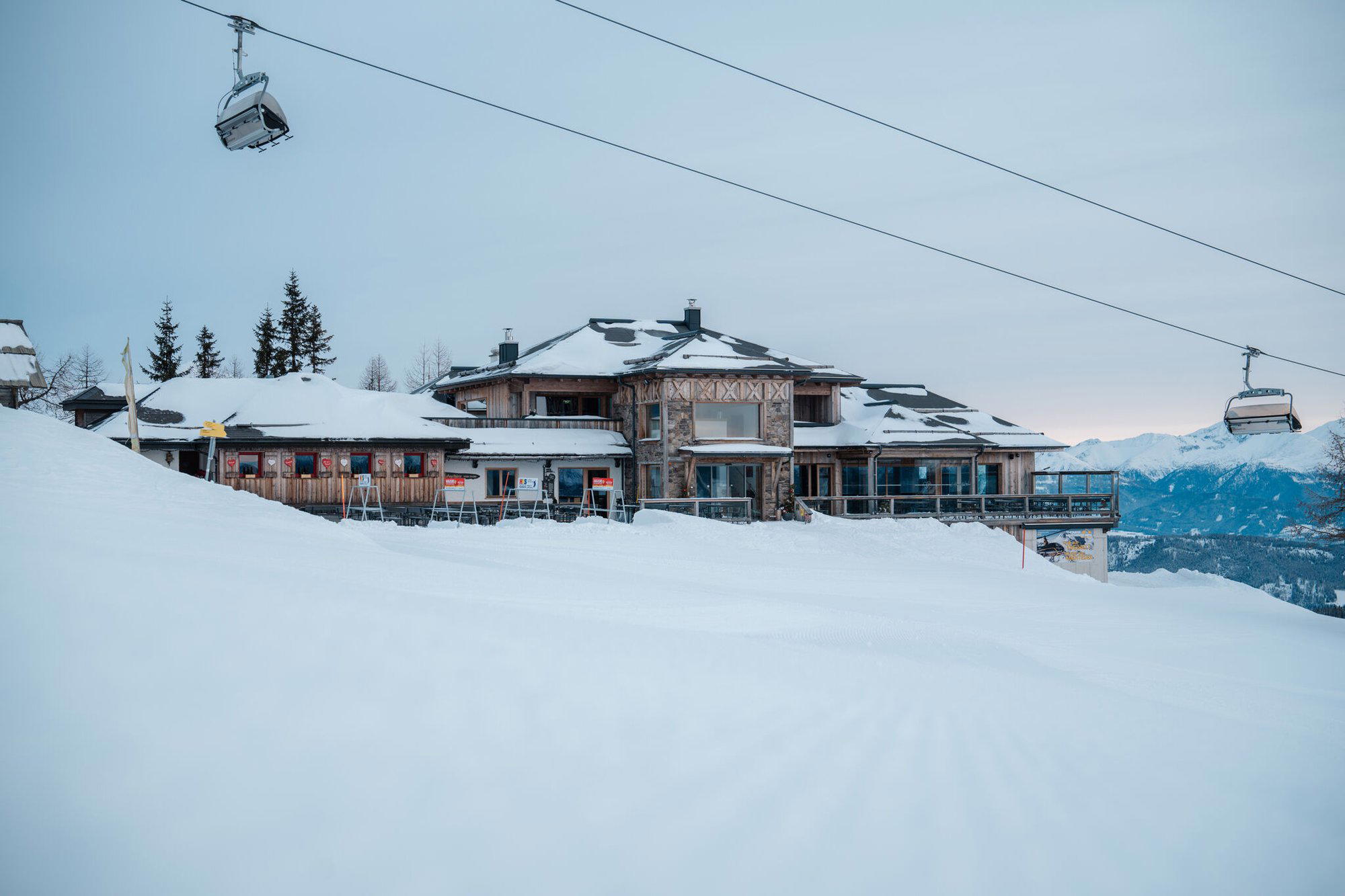
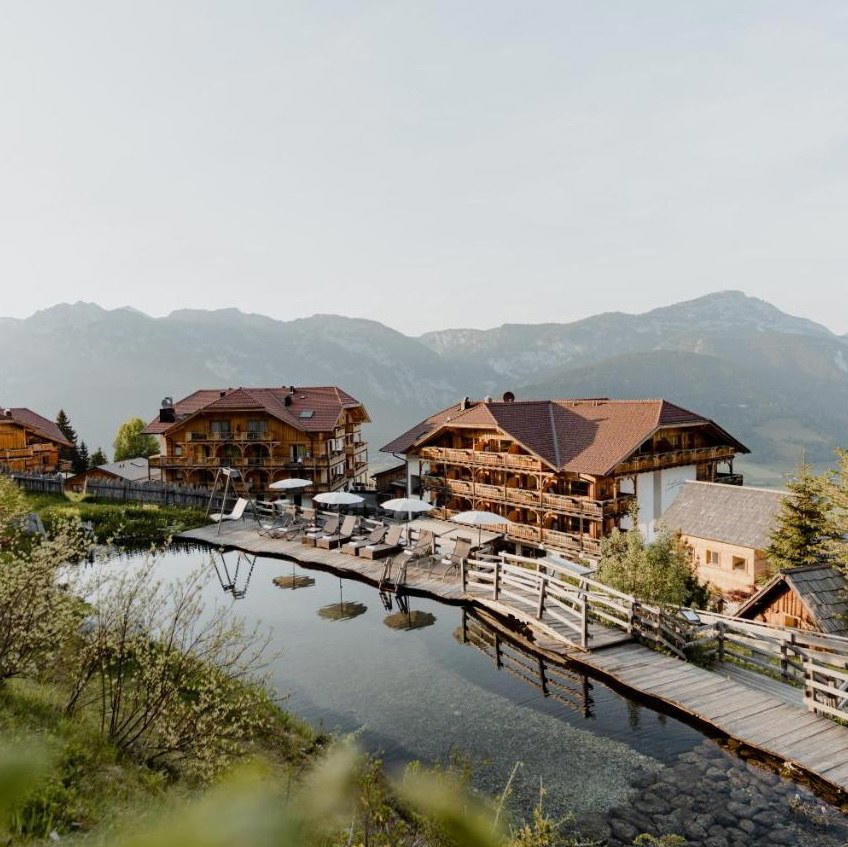
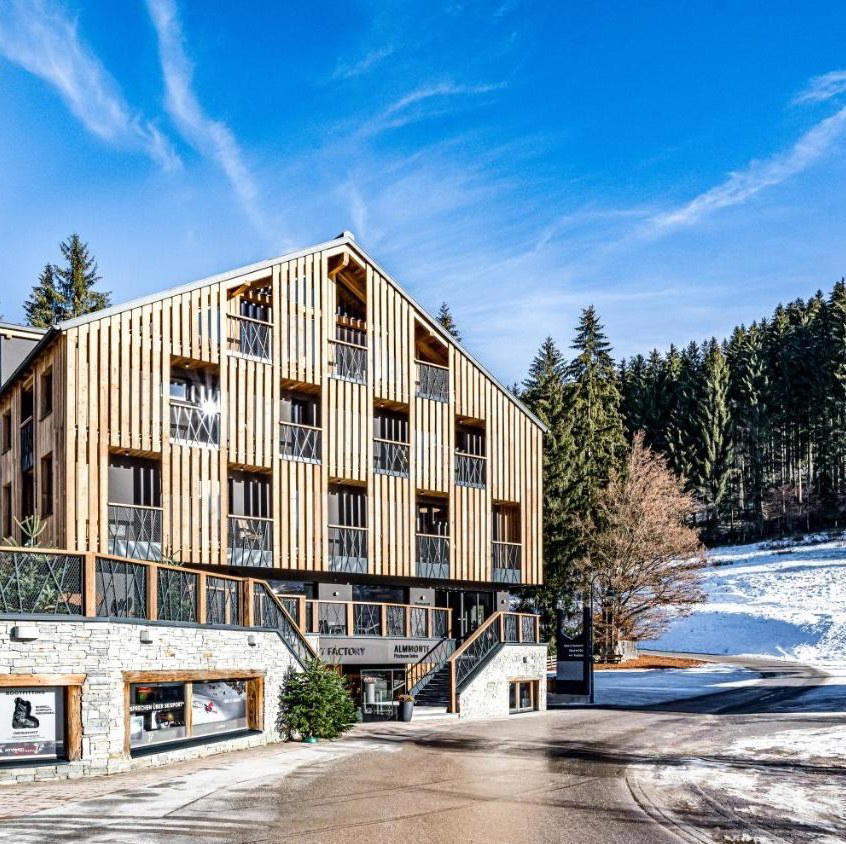
Approaching Hochwurzenalm, the shift in atmosphere is cumulative rather than sudden. The road up from Schladming climbs through pine forest before opening onto the plateau, where the Dachstein massif dominates the southern horizon. At this elevation, the light in winter arrives low and cold; in summer, it stretches late into the evening. The hut's position on the mountain places it within the Hochwurzen ski area, which feeds it a specific kind of guest: people who have been outside for hours, whose appetite has been sharpened by cold air and physical effort, and who want something that matches the directness of the environment.
That atmospheric pressure shapes what hut kitchens in this region have always done well: hearty, fat-rich preparations that deliver energy efficiently. Roasted meats, cheese-laden gratins, warming broths, and the various forms of Knödel that Styrian cooking has refined over centuries. These are not simple dishes in the sense of being careless; they are dishes where the quality of the base ingredient determines almost everything, because the technique is deliberately restrained. A Styrian Speckknödel made with local cured pork and proper alpine dairy reads entirely differently from one assembled with industrial components. The elevation enforces honesty.
Schladming's Hut-Dining Tier in Context
Schladming positions itself as one of the Styrian Alps' more accessible resort towns, with a dining scene that runs from casual mountain huts to restaurants with clear fine-dining intent. ARX Restaurant and JOHANN GENUSSraum operate in the upper register; da SEPP and Marias Mexican occupy the more casual mid-tier in town. Hochwurzenalm and its nearest on-mountain peer, Hochwurzenhütte, belong to a third category entirely: the alpine hut, where the context of arrival is inseparable from the food itself.
This tier is worth taking seriously on its own terms rather than comparing it to what the valley kitchens are doing. In the broader Austrian alpine dining conversation, places like Steirereck im Stadtpark in Vienna or Döllerer in Golling an der Salzach have built formal arguments for regional ingredient sourcing within a fine-dining frame. Obauer in Werfen and Kräuterreich by Vitus Winkler in Sankt Veit im Pongau make similar cases from the Salzburg side. The Alm format makes no such formal argument; it simply does the same thing at a different register, with a different kind of directness. The sourcing is local because it has to be, and the cooking is honest because there is nowhere to hide at this altitude.
For those building a broader understanding of alpine Austria's restaurant culture, the range extends well beyond Styria. Gourmetrestaurant Tannenhof in Sankt Anton am Arlberg, Griggeler Stuba in Lech, and Ikarus in Salzburg each represent different points along the spectrum from refined resort dining to destination fine dining. Landhaus Bacher in Mautern an der Donau, Ois in Neufelden, and Restaurant 141 by Joachim Jaud in Mieming show how the country's culinary ambition distributes across smaller towns. Even at the international level, Le Bernardin in New York City and Atomix in New York City are useful reference points for understanding how fine-dining systems around the world treat sourcing as a foundational argument. Hochwurzenalm is not in competition with any of these; it occupies a category where the terms of judgment are simply different.
Planning a Visit
Hochwurzenalm is reachable via the Hochwurzen lift system from central Schladming, making it accessible to both winter skiers and summer walkers without requiring a vehicle on the mountain road. The practical implication is that timing matters: midday during ski season sees the hut at its busiest, with the compressed lunch window that alpine operations typically run. Arriving before the main lift-side rush or extending into early afternoon tends to offer a more relaxed experience. Summer visits, when the plateau is popular with hiking groups moving through the Schladming-Dachstein trail network, follow a similar rhythm but with longer daylight and the possibility of eating outside if weather permits.
For anyone planning a multi-day stay in Schladming with serious dining intent, the practical approach is to treat Hochwurzenalm as the mountain lunch anchor of a day on the slopes or trails, and to reserve the town's more considered kitchens for evening.
How It Stacks Up
Comparable venues nearby, for context on price, style, and recognition.
| Venue | Cuisine | Price | Notes |
|---|---|---|---|
| HochwurzenalmThis venue — the venue you are viewing | Styrian Alpine Cuisine | $$ | Not listed |
| Weitmoosalm | Traditional Austrian Alpine | $$ | Planai |
| Ursprungalm | Traditional Austrian Alpine | $$ | Preuneggtal |
| Seiterhütte | Traditional Styrian Mountain Hut | $$ | Rohrmoos-Untertal |
| Schnepf'n Alm | Traditional Styrian Alpine Cuisine | $$$ | Reiteralm |
| Pension Astlhof | Traditional Austrian & Styrian | $$ | Schladming-Vorberg |
Continue exploring
More in Schladming
Restaurants in Schladming
Browse all →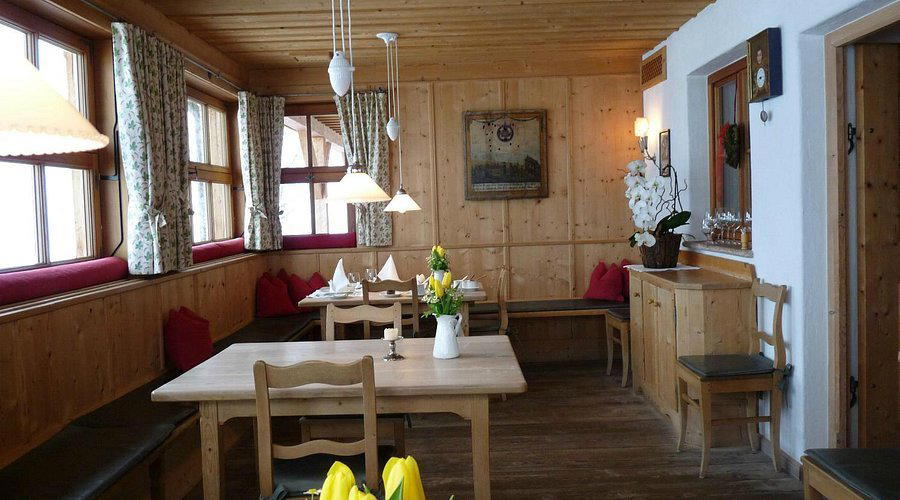
Bars in Schladming
Browse all →


At a Glance
- Cozy
- Rustic
- Scenic
- Casual Hangout
- Terrace
- Panoramic View
- Local Sourcing
- Mountain
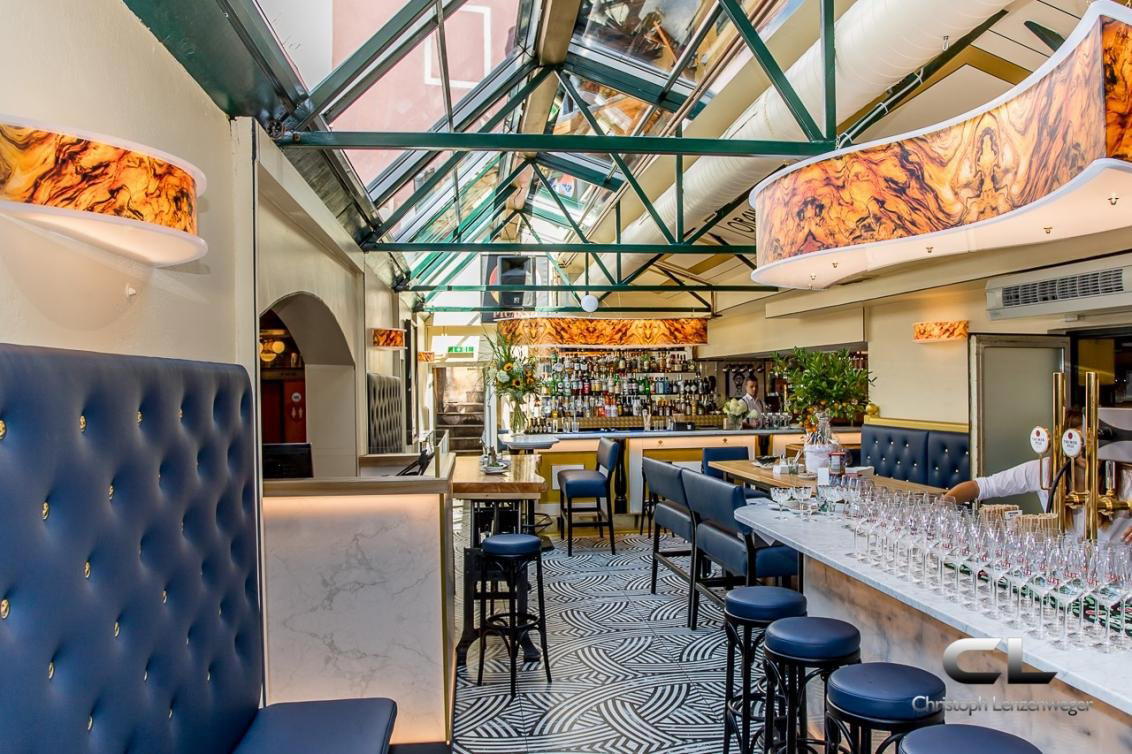
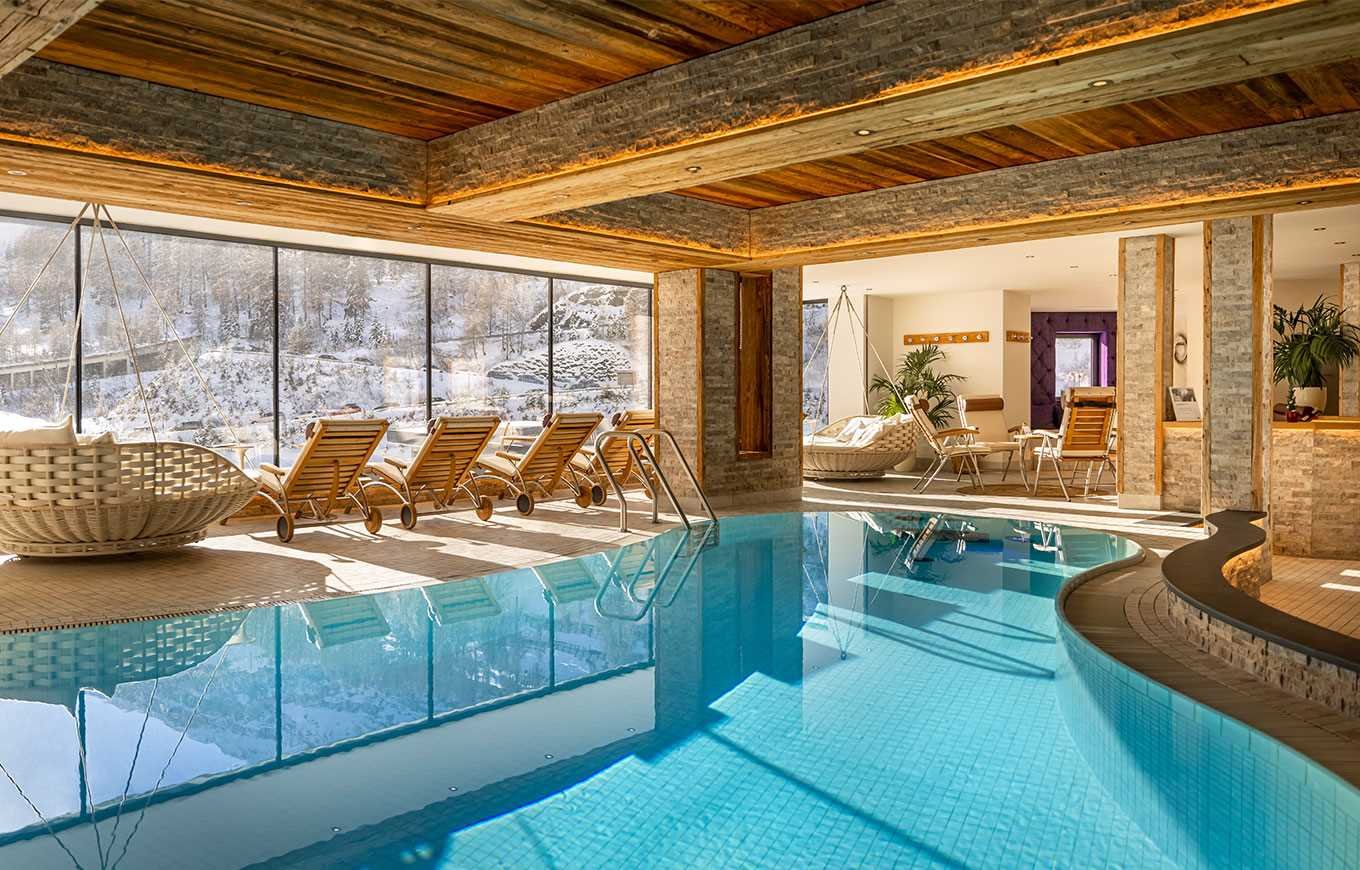
Gemütlich (cozy) atmosphere with impressive views, rustic alpine hut setting, and attentive service.