Hochwurzenhütte
Hochwurzenhütte sits on the Hochwurzen slopes above Schladming, operating within the well-established tradition of Austrian mountain huts that serve as mid-mountain dining stops for skiers and hikers alike. The hut format here follows the regional pattern of hearty alpine fare eaten communally, with the surrounding Styrian terrain shaping both the setting and the rhythm of a meal taken at altitude.
Pearl is the En Primeur Club membership app — saves, bookings, and concierge access live there. Same editors, same standards.
- Address
- Hochwurzenstraße 61, 8971 Schladming, Austria
- Phone
- +43368761177
- Website
- hochwurzen.at
- Directions
- Get directions
 Saves & bookings on Pearl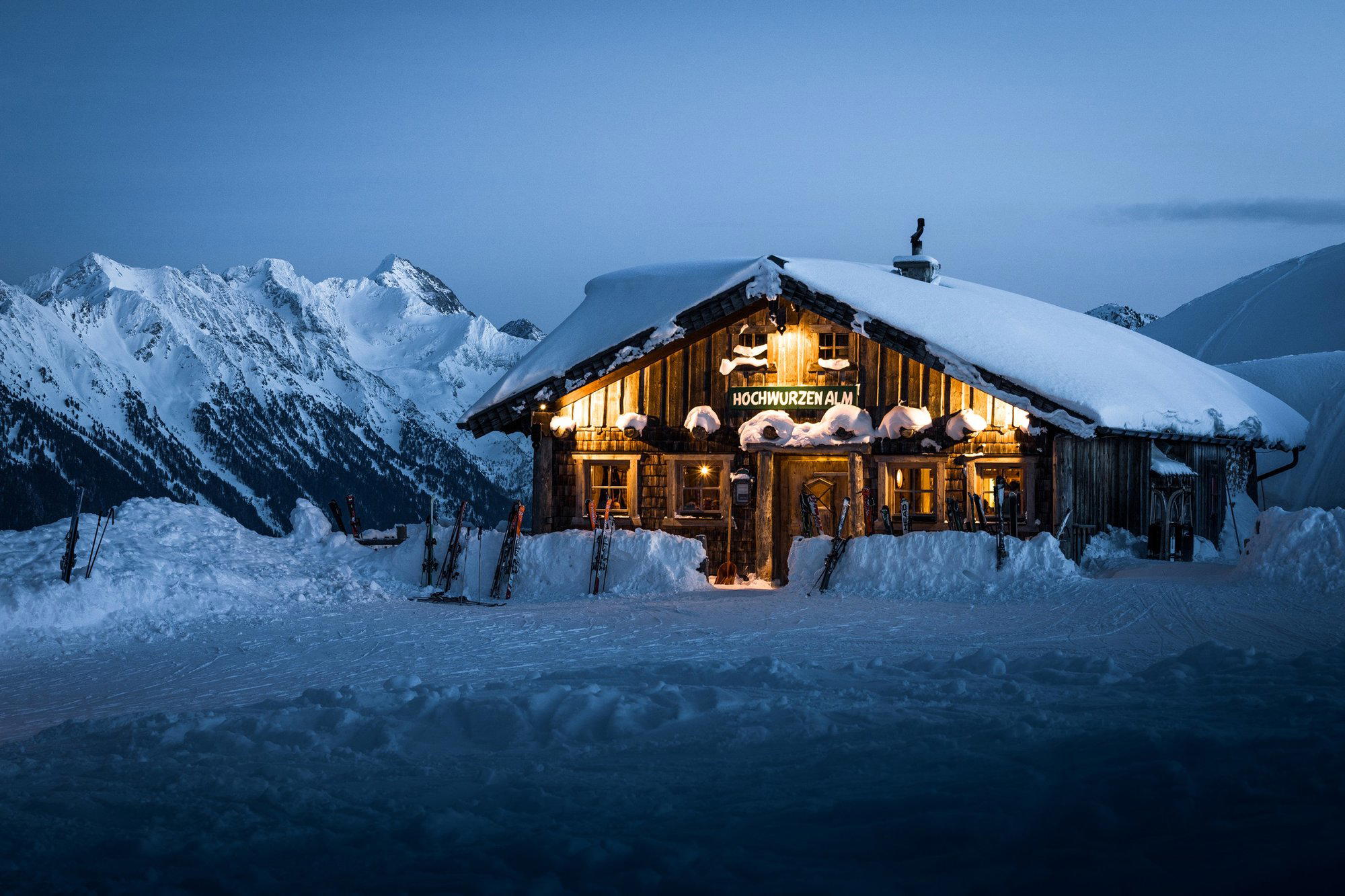
Eating at Altitude: The Alpine Hut Tradition Above Schladming
Hochwurzenhütte is a traditional Austrian Alpine Cuisine restaurant in Schladming, priced around $25 per person. The approach to a hut like Hochwurzenhütte follows a familiar sequence for anyone who has spent time in Austria's ski regions: skis racked or poles stacked outside, boots still buckled, the shift from cold outdoor air to the warmth of a wood-panelled interior. The meal that follows is not incidental to the day on the mountain, it is part of the day's architecture. Austrian mountain hut culture treats the midday stop as a ritual, not a refuelling break, and the Hochwurzen area, sitting above the Planai-Hochwurzen ski circuit in the Schladming-Dachstein region, is a well-established setting for that tradition.
Hochwurzenhütte is located on Hochwurzenstraße 61, positioned to serve skiers working the Hochwurzen sector, one of the four interconnected mountains that make up the broader Schladming ski area, a circuit that hosted the 2013 Alpine Ski World Championships. That context matters when placing the hut: this is not an isolated outpost but a mid-mountain stop within one of Austria's more consequential ski destinations, where the dining infrastructure on the slopes is correspondingly developed.
The Rhythm of a Mountain Hut Meal
Austrian alpine hut dining operates on a logic quite different from the urban restaurant. Pacing is dictated by the mountain schedule: guests arrive in clusters tied to ski runs, the sun's position on the terrace, or the turn in the weather. Tables on exposed decks fill quickly when conditions are clear; the interior absorbs the overflow when cloud drops or wind picks up. The meal itself tends to move through a recognisable structure, a warm drink to settle in, a plate of something substantial in the middle of the day, and a schnapps at the close, which in Styria often means a local fruit distillate rather than the grain-based spirits more common further west in Austria.
The culinary tradition that mountain huts in this part of Styria draw from is rooted in the same larder as the broader regional kitchen: pork in various preparations, dumplings (Knödel) in multiple forms, hearty soups built on beef or root vegetables, and the kind of Schnitzel that Austrian kitchens have been producing since the nineteenth century. These are not dishes that require explanation, they carry cultural weight and are consumed according to understood ritual. The hut format strips away formality without stripping away meaning. Eating a plate of Gulasch at a mountain hut in the Styrian Alps is an act with a cultural history behind it, even when it doesn't announce itself as such.
Hochwurzenhütte in the Schladming Dining Spectrum
Schladming's dining scene separates into a few legible tiers. At one end sit the town-level restaurants with more elaborate menus and longer service windows, places like ARX Restaurant, da SEPP, and JOHANN GENUSSraum, which operate within the town proper and pitch at guests looking for an evening meal with some intention behind it. At the other end sit the on-slope huts, which serve a different need entirely: speed, warmth, and a meal that fits between the morning and afternoon ski sessions. Hochwurzenalm occupies adjacent territory on the same mountain, giving guests on the Hochwurzen sector a small cluster of options rather than a single monopoly stop.
The hut tier in Schladming also benefits from the region's broader reputation for taking its alpine food seriously. This is not a destination where on-slope dining defaults to industrial catering. The Styrian food culture, with its emphasis on pumpkin seed oil, local cured meats, and game from the surrounding forests, filters up the mountain to some degree, even when the format is casual. For more considered alpine dining in the wider Austrian context, comparison points include Gourmetrestaurant Tannenhof in Sankt Anton am Arlberg and Griggeler Stuba in Lech, both of which demonstrate how far the alpine restaurant format can stretch when ambition and setting align. Austria's broader fine dining reference points, Steirereck im Stadtpark in Vienna, Obauer in Werfen, and Döllerer in Golling an der Salzach, occupy a different tier entirely, but they share the same foundational larder that mountain huts draw from in simpler form.
Planning the Visit
Access to Hochwurzenhütte follows the logic of the mountain rather than a town restaurant: guests arrive via the Hochwurzen cable car or on skis from the connected Planai network. The address on Hochwurzenstraße 61 locates the hut within the Hochwurzen ski sector, and the practical approach during the ski season is via the lift infrastructure rather than road access. Winter is the primary operating season, aligned with the Schladming-Dachstein ski area, which typically runs from December through April depending on conditions. A summer hiking season extends the operating window for mountain huts in the Styrian Alps more broadly, though individual hut schedules vary. Walk-in service fits the hut's casual format.
Further afield, for a sense of how other high-precision dining cultures approach the ritual of a composed meal, Atomix in New York City and Le Bernardin in New York City represent the kind of codified dining ceremony that sits at the opposite end of the format spectrum from a mountain hut, a useful contrast for understanding what the alpine hut ritual is, and what it deliberately is not.
Cuisine-First Comparison
Comparable venues nearby, for context on price, style, and recognition.
| Venue | Cuisine | Price | Notes |
|---|---|---|---|
| HochwurzenhütteThis venue — the venue you are viewing | Traditional Austrian Alpine Cuisine | $$ | Not listed |
| Weitmoosalm | Traditional Austrian Alpine | $$ | Planai |
| Sonnenstüberl | Traditional Austrian | $$ | Rohrmoos |
| Ursprungalm | Traditional Austrian Alpine | $$ | Preuneggtal |
| Sonnenalm | Traditional Austrian Alpine | $$ | Mandling |
| Waldhäuslalm | Traditional Styrian Alpine | $$ | Rohrmoos-Untertal |
Continue exploring
More in Schladming
Restaurants in Schladming
Browse all →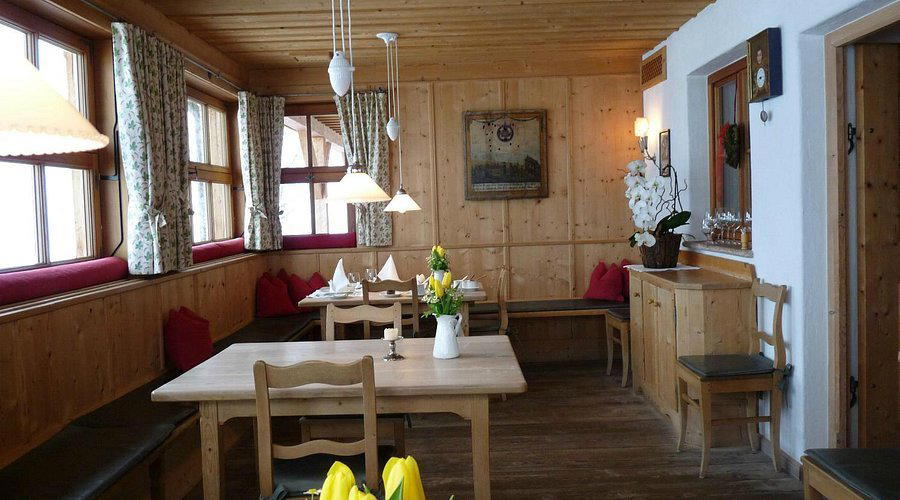
Bars in Schladming
Browse all →


At a Glance
- Cozy
- Rustic
- Scenic
- Casual Hangout
- Family
- Group Dining
- Terrace
- Panoramic View
- Standalone
- Local Sourcing
- Organic
- Mountain
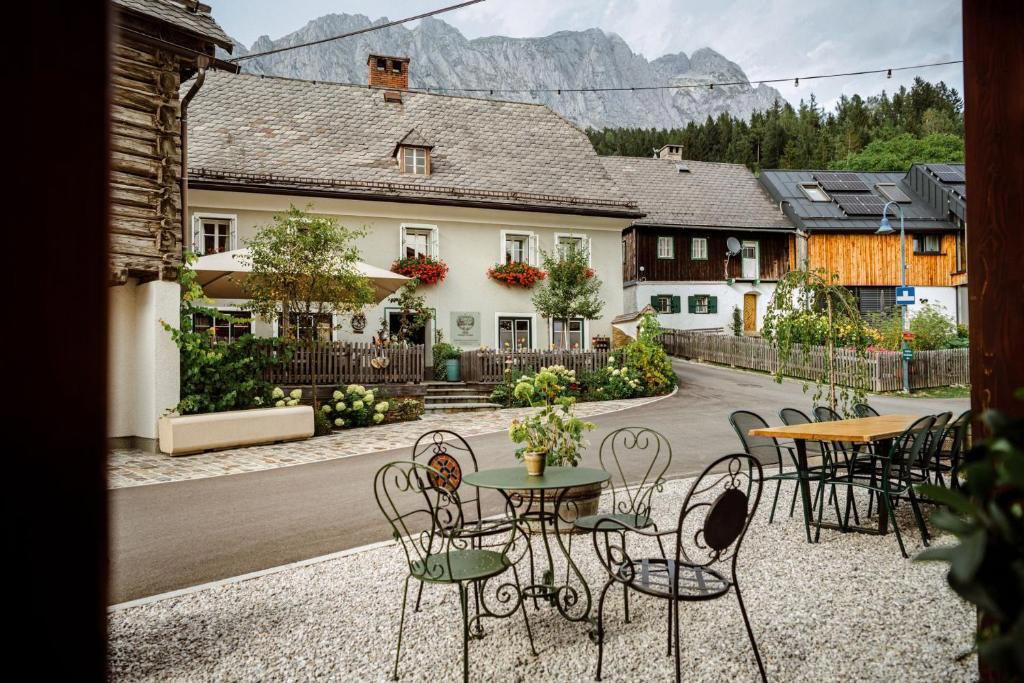
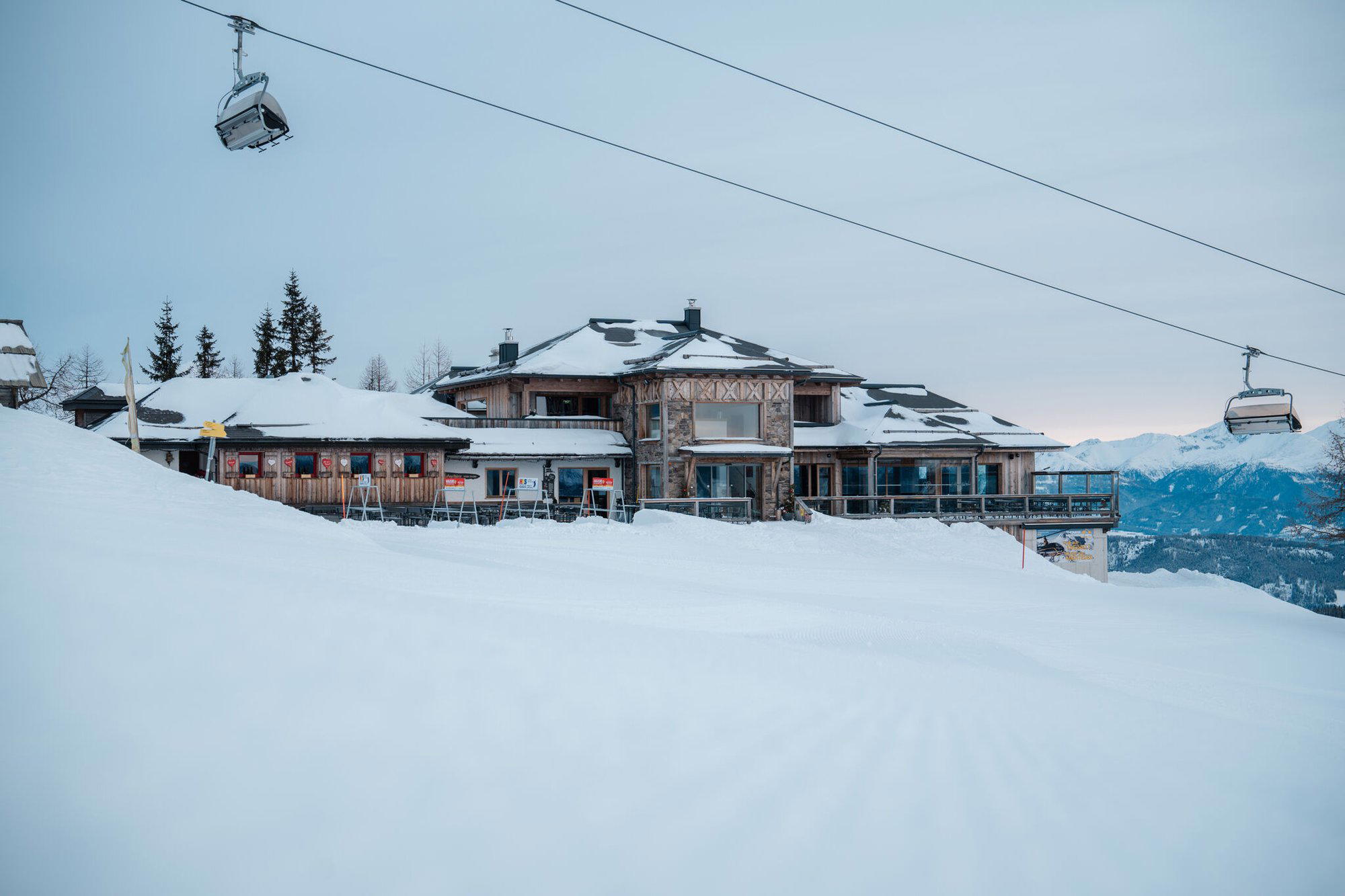
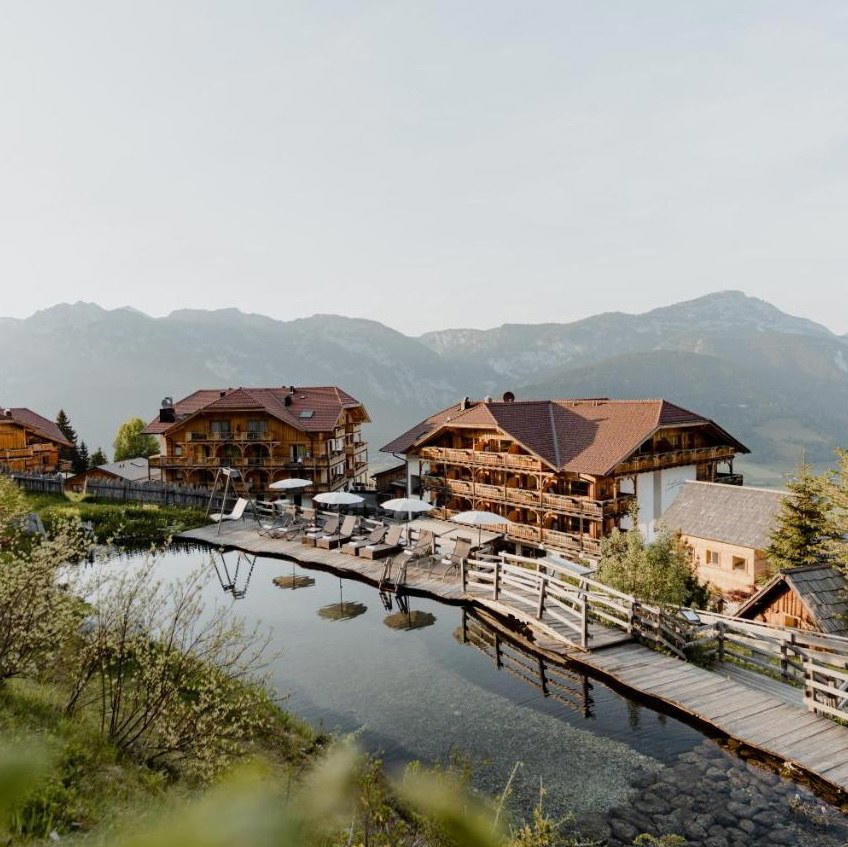
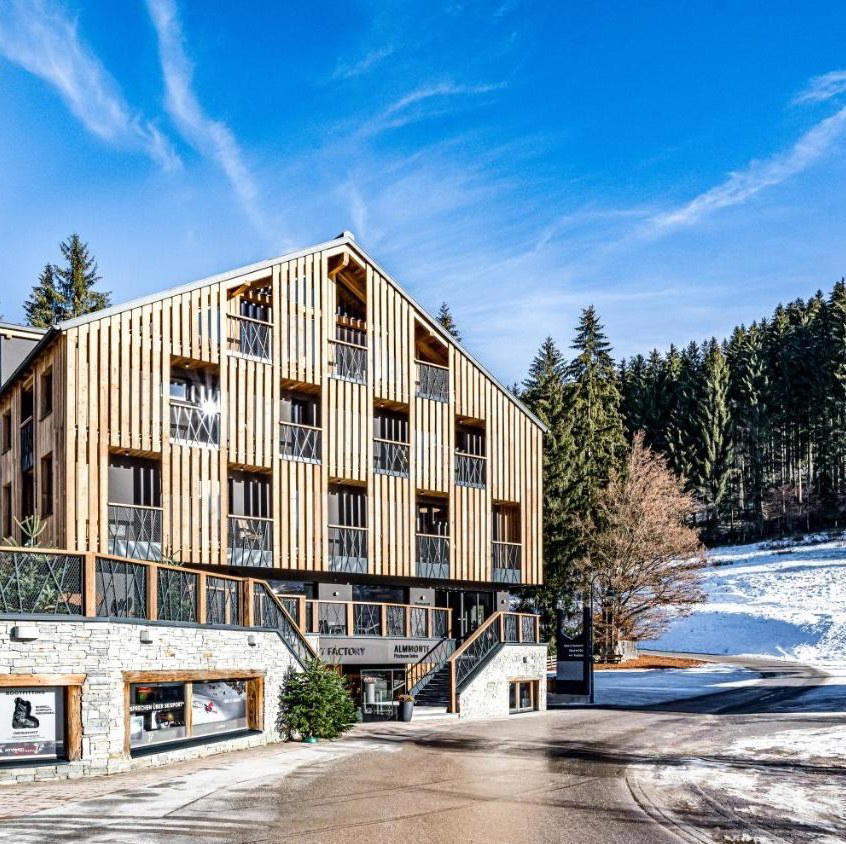
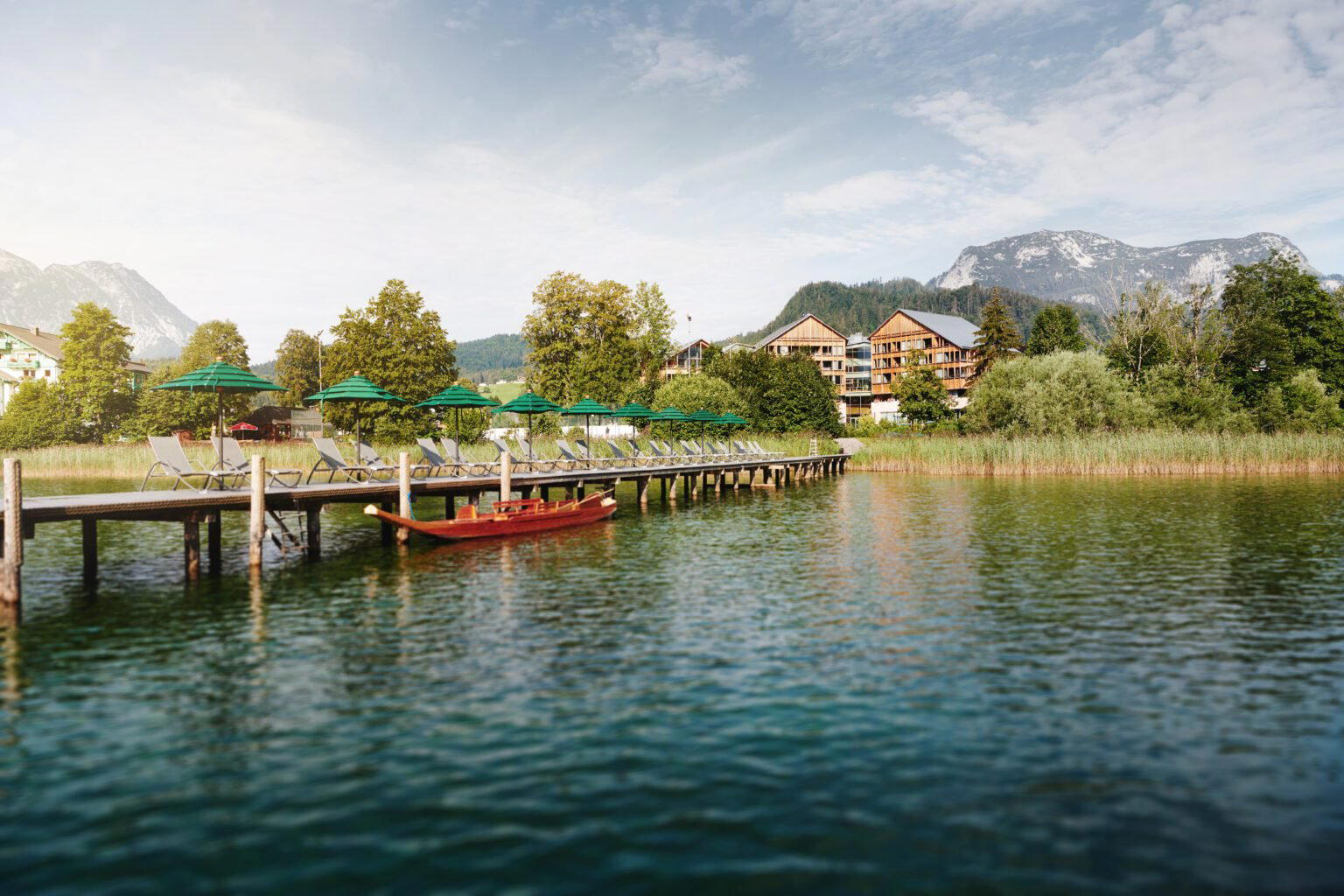
Cozy wooden-facade mountain hut with warm, welcoming atmosphere; bright and airy on sunny days thanks to the expansive terrace with far-reaching mountain views.