Mr Porter
Mr Porter occupies a prominent address on Spuistraat in central Amsterdam, positioning itself within a city dining scene that increasingly rewards ambition and architectural thinking on the plate. The address places it a short walk from the Spui square and the canal belt, putting it in reach of both the museum quarter crowd and the financial district. For Amsterdam's mid-to-upper dining tier, it represents a recognisable name with an established presence.
Pearl is the En Primeur Club membership app — saves, bookings, and concierge access live there. Same editors, same standards.
- Address
- Spuistraat 175, 1012 RR Amsterdam, Netherlands
- Phone
- +31208113399
- Website
- mrportersteakhouse.com
- Directions
- Get directions
 Saves & bookings on Pearl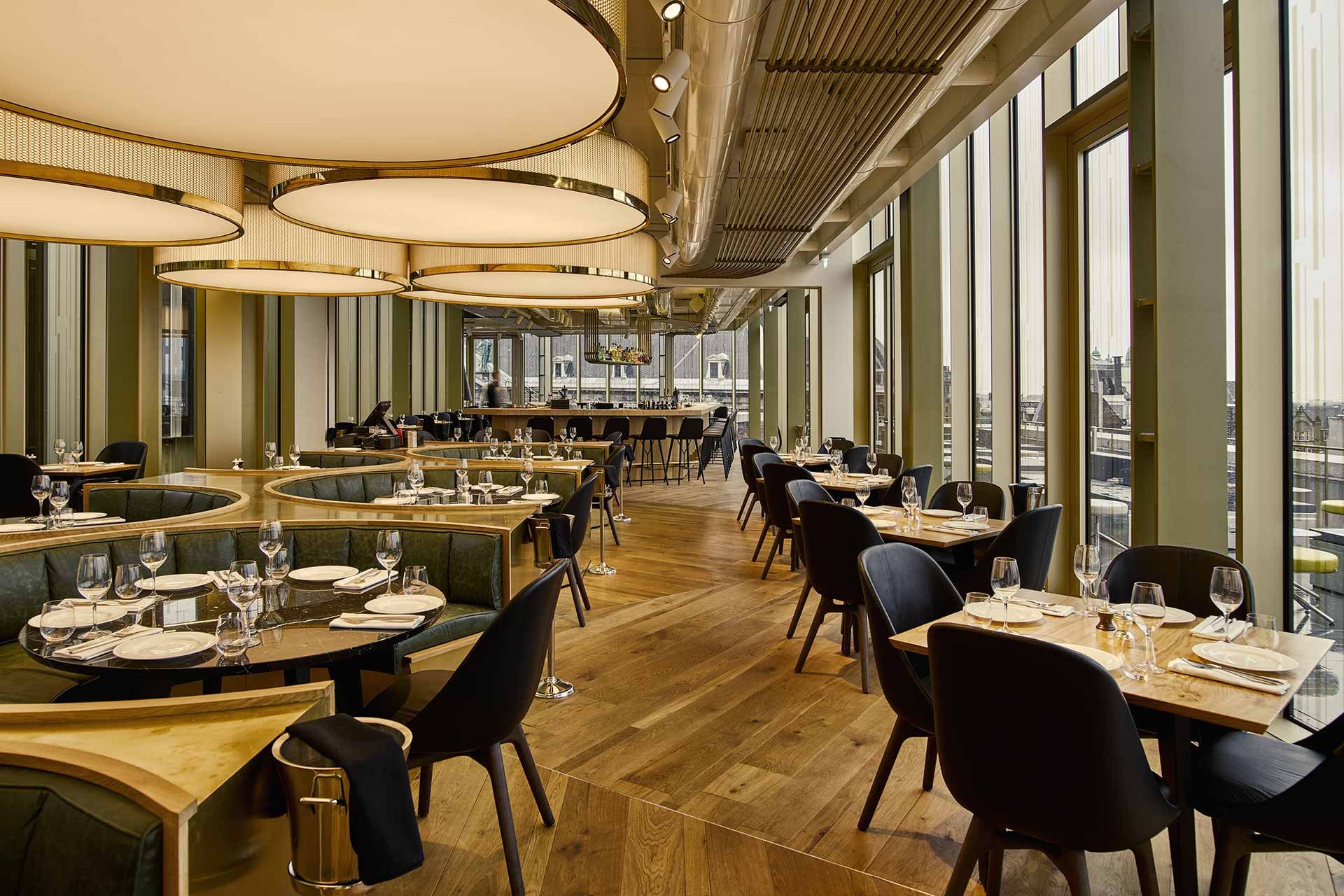
Spuistraat and the Dining Tier It Sits In
Mr Porter is a modern steakhouse in Amsterdam, priced around USD 60 per person and set at Spuistraat 175 in the old city. The city now maintains a clear upper bracket anchored by Michelin-recognised addresses: Ciel Bleu and Spectrum sit at the two-star level, while Flore and Vinkeles compete in the one-star creative tier. Below that constellation, a secondary layer of serious dining addresses has developed along the central canal streets and the Spui corridor, where Mr Porter at Spuistraat 175 holds its position. This is not the neighbourhood of quiet local bistros. Spuistraat runs through among the more commercially active stretches of the old city, which means the competition for attention is constant and the expectations of visitors arriving at this address tend to be formed by prior experience elsewhere.
The broader Dutch fine dining scene provides useful context for reading Mr Porter's place in it. The Netherlands fields an unusually dense concentration of Michelin-starred restaurants relative to its population, with addresses spread well beyond Amsterdam: De Librije in Zwolle, 't Nonnetje in Harderwijk, Aan de Poel in Amstelveen, De Bokkedoorns in Overveen, and De Nieuwe Winkel in Nijmegen each hold recognised standing. Provincial destinations like Brut172 in Reijmerstok, De Groene Lantaarn in Staphorst, De Lindehof in Nuenen, De Lindenhof in Giethoorn, and De Treeswijkhoeve in Waalre attract destination diners who would otherwise gravitate to the capital. This distributed quality means Amsterdam restaurants compete not only with each other but with the full national map.
What the Address Signals Before You Sit Down
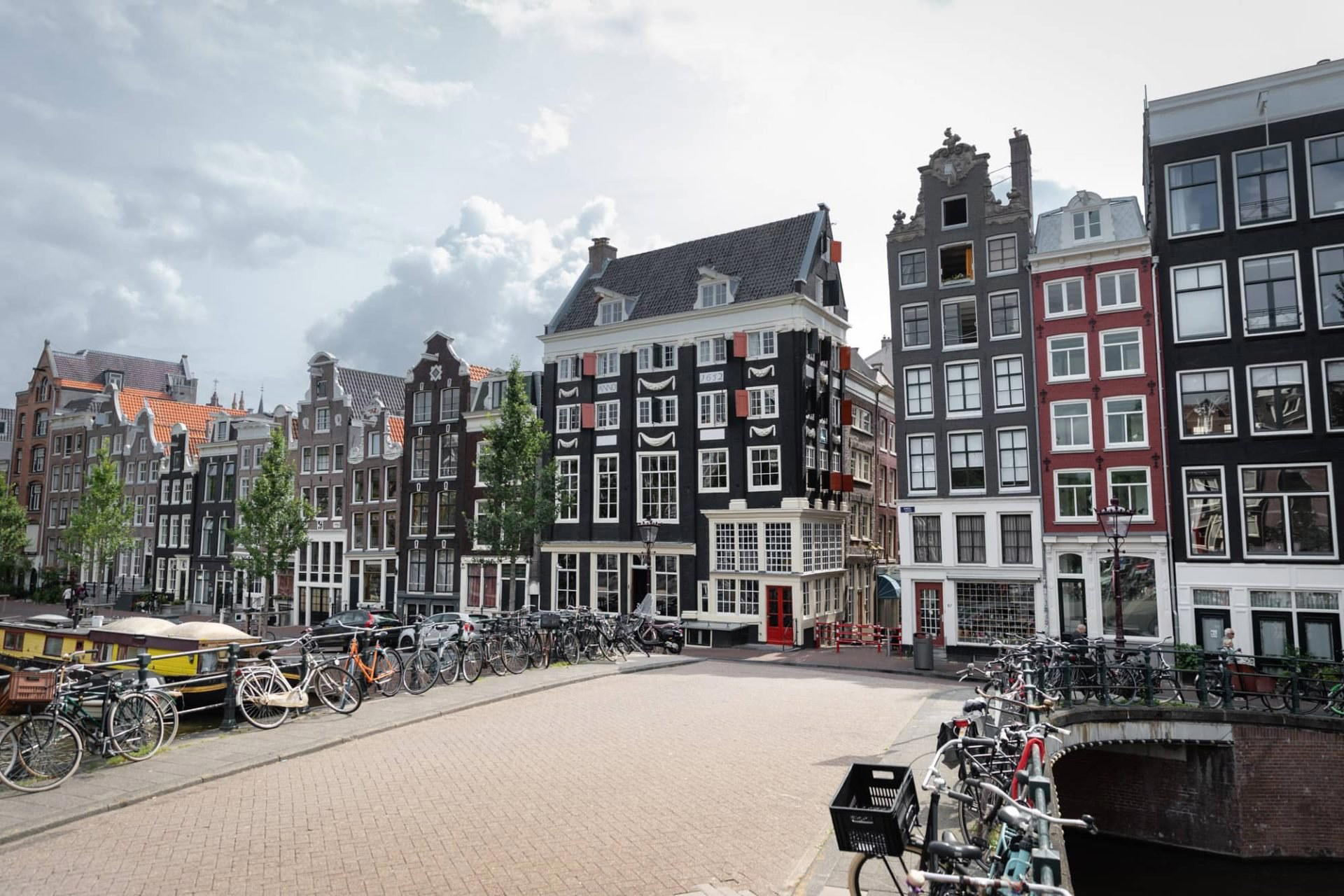
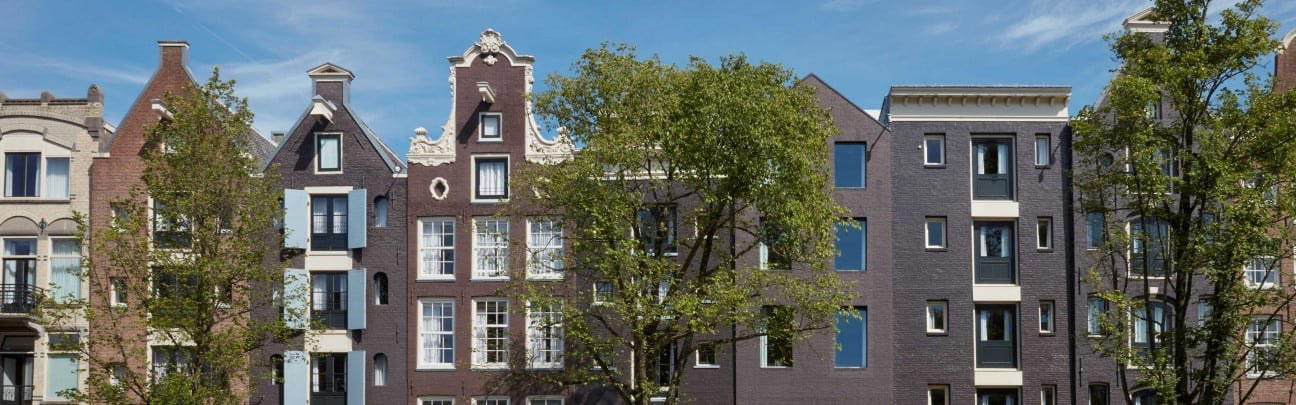
Arriving at Spuistraat 175, the urban texture is worth noting. The street sits between the Singel canal and the Nieuwezijds Voorburgwal, threading through a part of Amsterdam that blends booksellers, brown cafes, and the occasional serious restaurant without much ceremony. The building scale is typical canal-city: narrow frontages, stepped gables overhead, the sense that grandeur, where it exists, is interior rather than announced from the pavement. That compression tends to reward restaurants that understand spatial drama at a smaller scale, where the room itself must do the work that a sweeping entrance cannot.
In cities where dining culture has matured, this kind of address often correlates with a particular approach to hospitality: controlled, considered, more interested in what happens at the table than in the theatre of arrival. Amsterdam has developed that sensibility broadly, and the Spui corridor sits within it.
Menu Architecture as Argument
One instructive thing about any ambitious restaurant is not its most expensive dish but how its menu is structured, what sequence it proposes, what it leaves out, and what the architecture of the card implies about the kitchen's priorities. Amsterdam's upper dining tier has largely moved toward tasting formats that eliminate the à la carte negotiation: at Ciel Bleu, the progression is tightly choreographed over many courses; at Flore, the format reflects a contemporary Dutch sensibility that foregrounds the season rather than the technique. The question for any restaurant in this conversation is what its menu structure argues for.
A menu that offers both à la carte and tasting formats is making a different argument from one that commits entirely to the set progression. The former signals a confidence in individual dishes as complete statements; the latter prioritises the arc over any single moment. Restaurants that straddle both formats often do so because the room contains different types of diners, business lunchers who want latitude alongside destination visitors who want the full statement. The Spuistraat location, positioned between commercial Amsterdam and the tourist centre, suggests Mr Porter faces exactly this dual audience. How the kitchen resolves that tension in its card is especially revealing thing it can communicate.
For reference points beyond the Netherlands, the menu architecture debate plays out in comparable cities. At Le Bernardin in New York City, the structure is famously product-led, with the fish as the non-negotiable organising principle. At Atomix in New York City, the card is a single authored progression where the guest's role is reception rather than selection. Both represent decisive positions. Particularly interesting mid-tier restaurants are those that have identified their own equivalent commitment rather than hedging across formats.
Within Amsterdam's own comparable set, Bistro de la Mer takes a different approach entirely, anchoring its identity in classic seafood preparation with a card that makes its sourcing argument visibly. That specificity of identity, a menu that reads as a position, not a survey, is increasingly the marker that separates the memorable addresses from the competent ones in a city with Amsterdam's density of options.
The Amsterdam Dining Moment It Fits Into
Amsterdam dining in the current period is navigating a particular pressure: international visitor numbers remain high, the city's hospitality market is expensive to operate in, and the demand for serious food at the mid-to-upper tier has grown. Restaurants that have held ground over multiple years in this environment have generally done so by anchoring to something specific rather than attempting to satisfy every diner type. The city's full restaurant landscape reflects this shakeout, with the addresses that have developed a clear editorial identity tending to sustain their reputations most durably.
The Dutch dining public has also become more travelled and more comparative than a generation ago. A guest arriving at a Spuistraat address in 2025 is likely to have eaten at comparable tables in London, Copenhagen, or New York within the past year, and brings those reference points to the table. That is a demanding audience, and it is the audience that central Amsterdam restaurants at this price tier are writing their menus for.
For those working outward from Amsterdam, the provincial addresses mentioned above offer a different register: quieter rooms, shorter supply chains, and the particular focus that comes from a kitchen not competing with the noise of a major city. But for a visitor whose itinerary is Amsterdam-anchored, the Spuistraat corridor offers proximity to the canal belt, the museum quarter, and the main hotel concentrations, making it a practical as well as editorial choice.
Planning a Visit
The restaurant sits at Spuistraat 175, 1012 RR Amsterdam, in the centre of the old city within walking distance of the Spui square and the main tram lines on Rokin and Nieuwezijds Voorburgwal.
Visitors comparing options across the city's upper tier should consider how the restaurant's position on Spuistraat contrasts with the hotel-based fine dining addresses (Ciel Bleu sits within the Okura; Spectrum within the W Amsterdam) and the standalone creative addresses like Vinkeles. Each format carries different ambient conditions and service styles that shape the meal as much as the menu does.
Style and Standing
Comparable venues nearby, for context on price, style, and recognition.
| Venue | Cuisine | Price | Notes |
|---|---|---|---|
| Mr PorterThis venue — the venue you are viewing | Modern Steakhouse | $$$$ | Not listed |
| MOMO | Modern Asian Fusion | $$$$ | Leidsebuurt Zuidoost |
| até | Fusion Chef's Table (Mexican-Japanese-French) | $$$$ | Felix Meritisbuurt |
| Taiko | Modern Japanese Cuisine | $$$$ | P.C. Hooftbuurt |
| Moon | Modern French Fine Dining | $$$$ | Overhoeks |
| Restaurant Black & Blue | Modern Steakhouse | $$$ | Kalverdriehoek |
Continue exploring
More in Amsterdam
Restaurants in Amsterdam
Browse all →
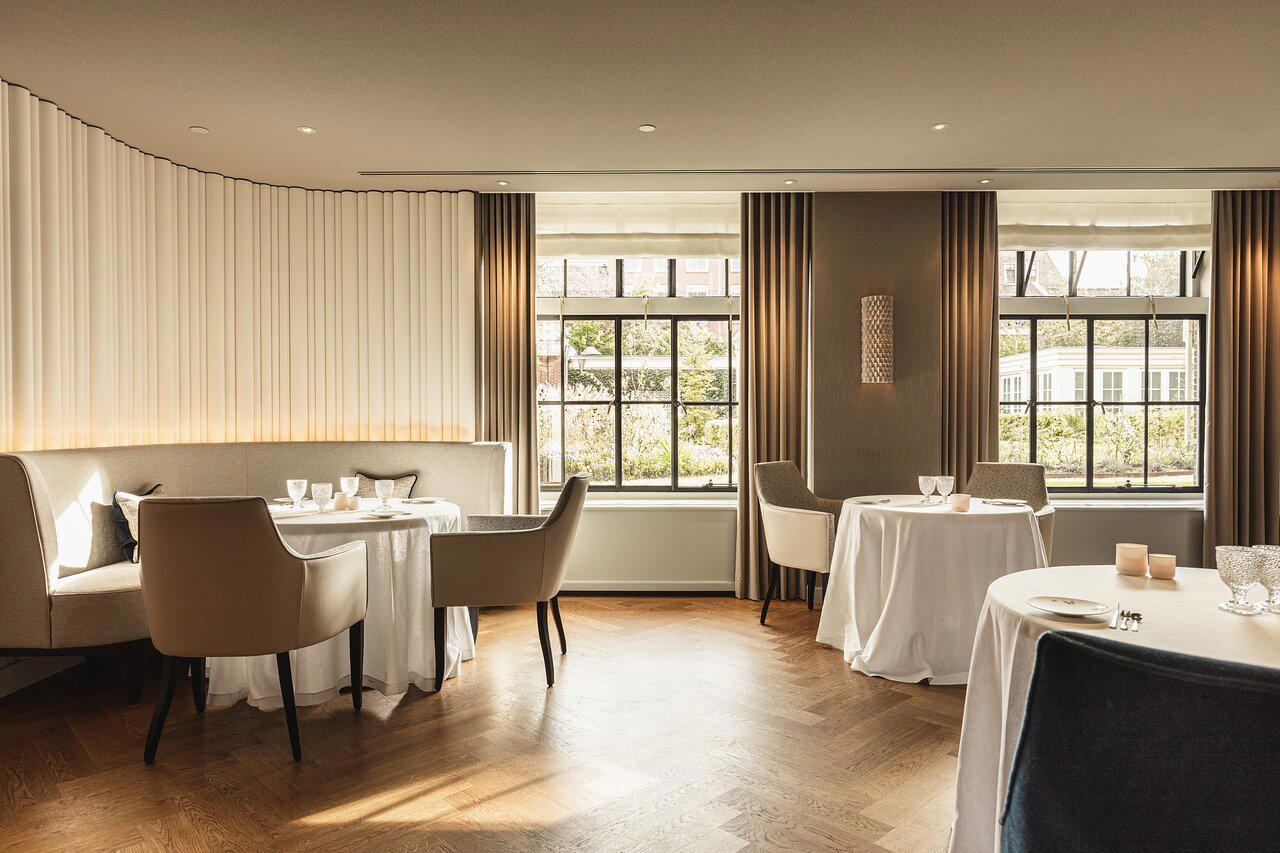
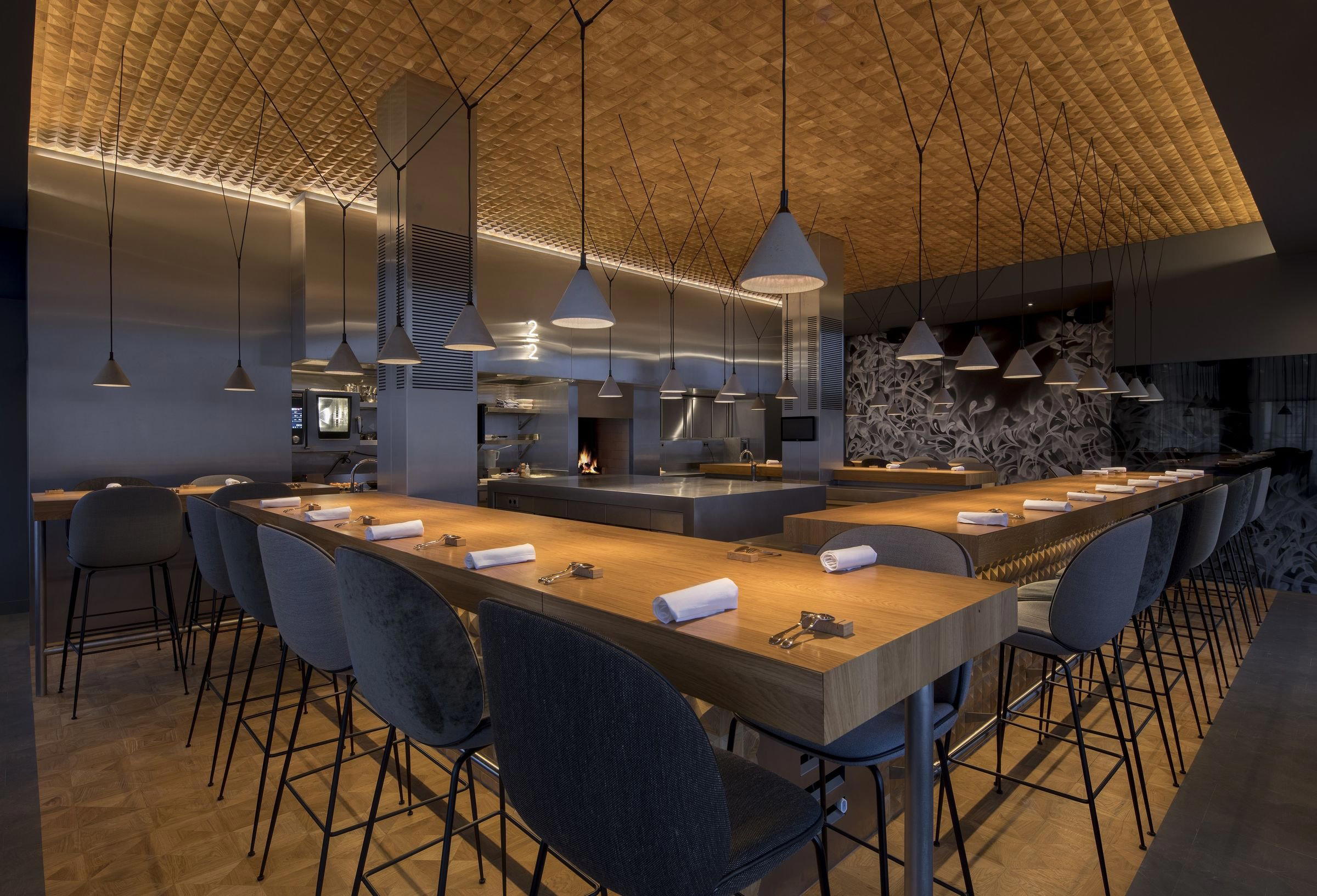
Bars in Amsterdam
Browse all →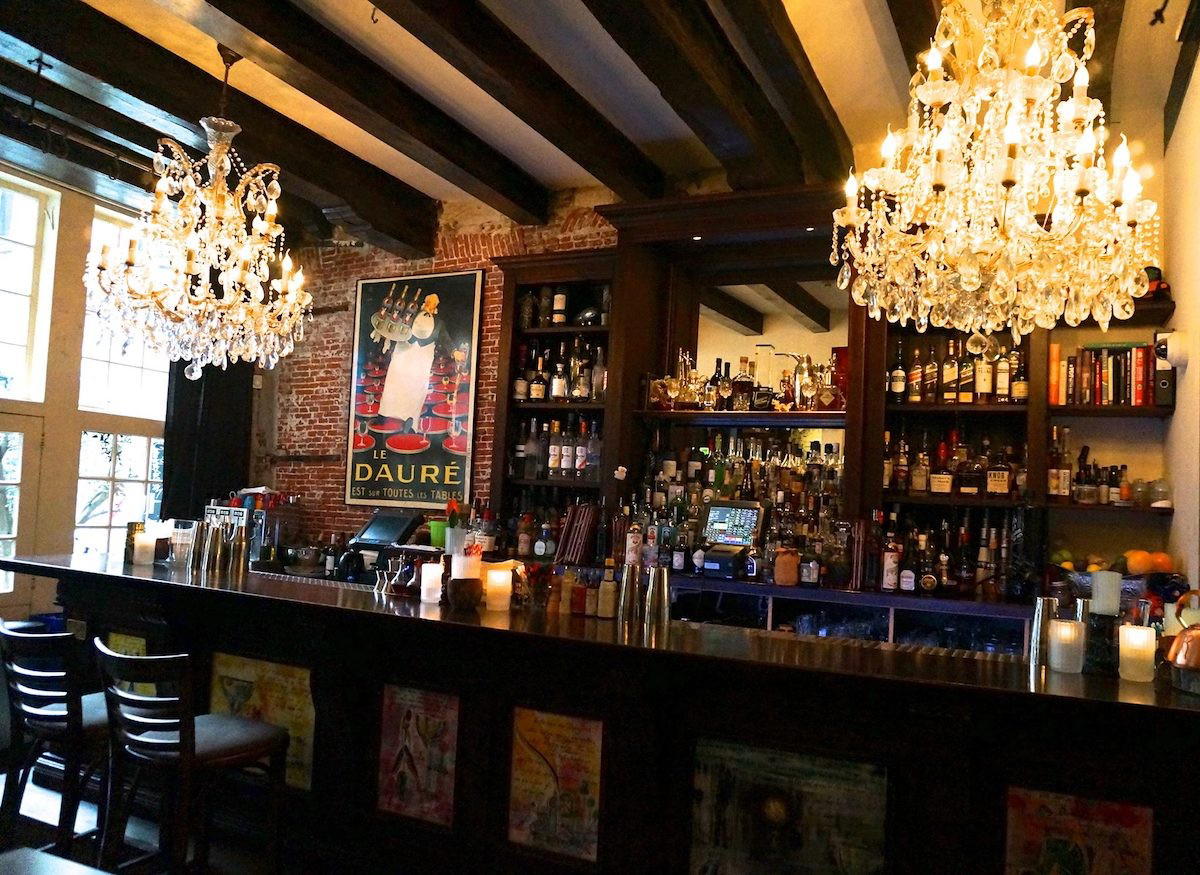
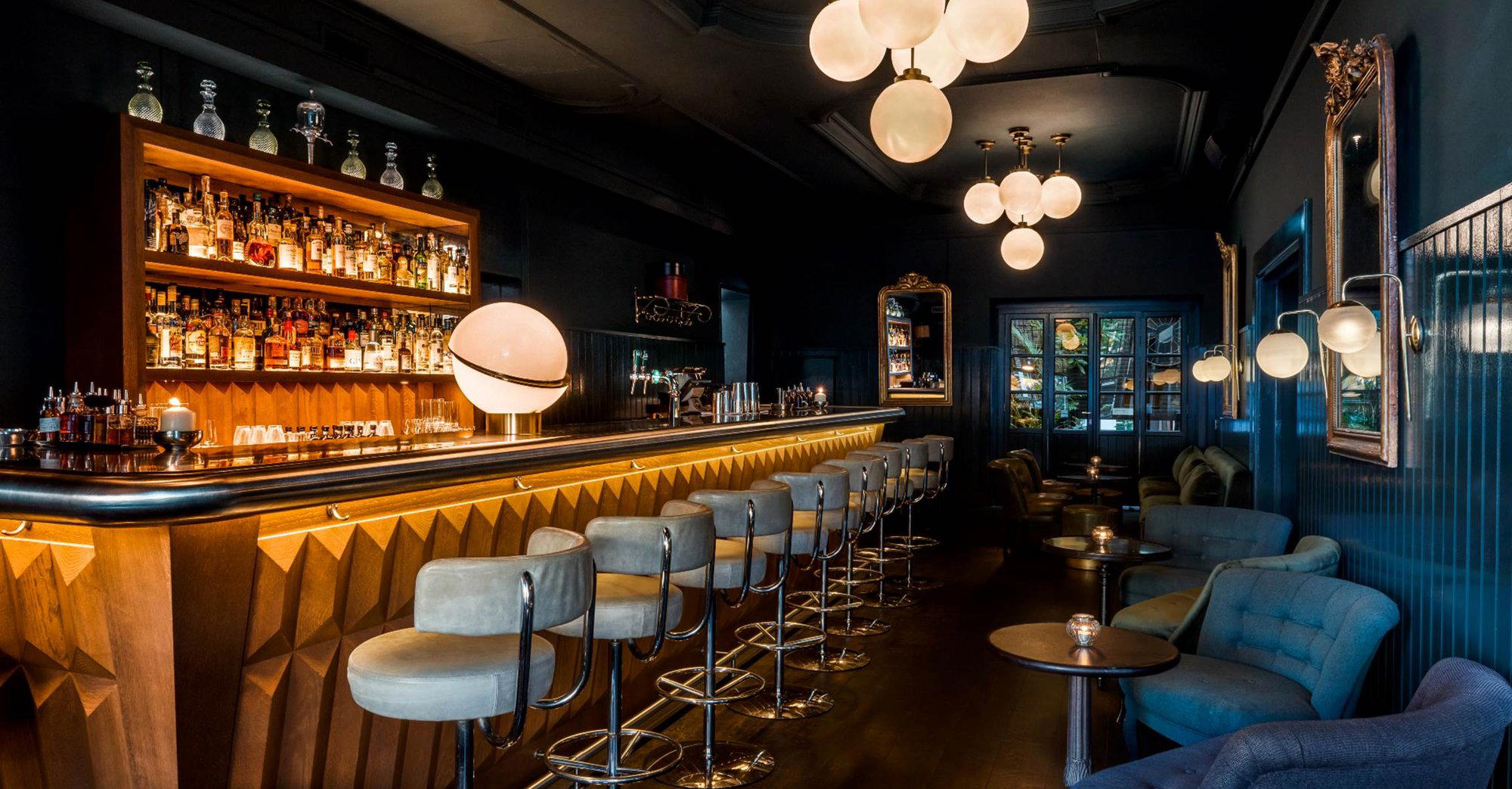
Hotels in Amsterdam
Browse all →
Wineries in Amsterdam
Browse all →
At a Glance
- Lively
- Modern
- Trendy
- Sophisticated
- Elegant
- Date Night
- Group Dining
- Special Occasion
- After Work
- Rooftop
- Terrace
- Hotel Restaurant
- Open Kitchen
- Craft Cocktails
- Street Scene
Current opening hours
- Monday
- 12 PM–1 AM
- Tuesday
- 12 PM–1 AM
- Wednesday
- 12 PM–1 AM
- Thursday
- 12 PM–1 AM
- Friday
- 12 PM–2 AM
- Saturday
- 12 PM–2 AM
- Sunday
- 12 PM–1 AM
Hours can change for holidays and private events. Last verified .
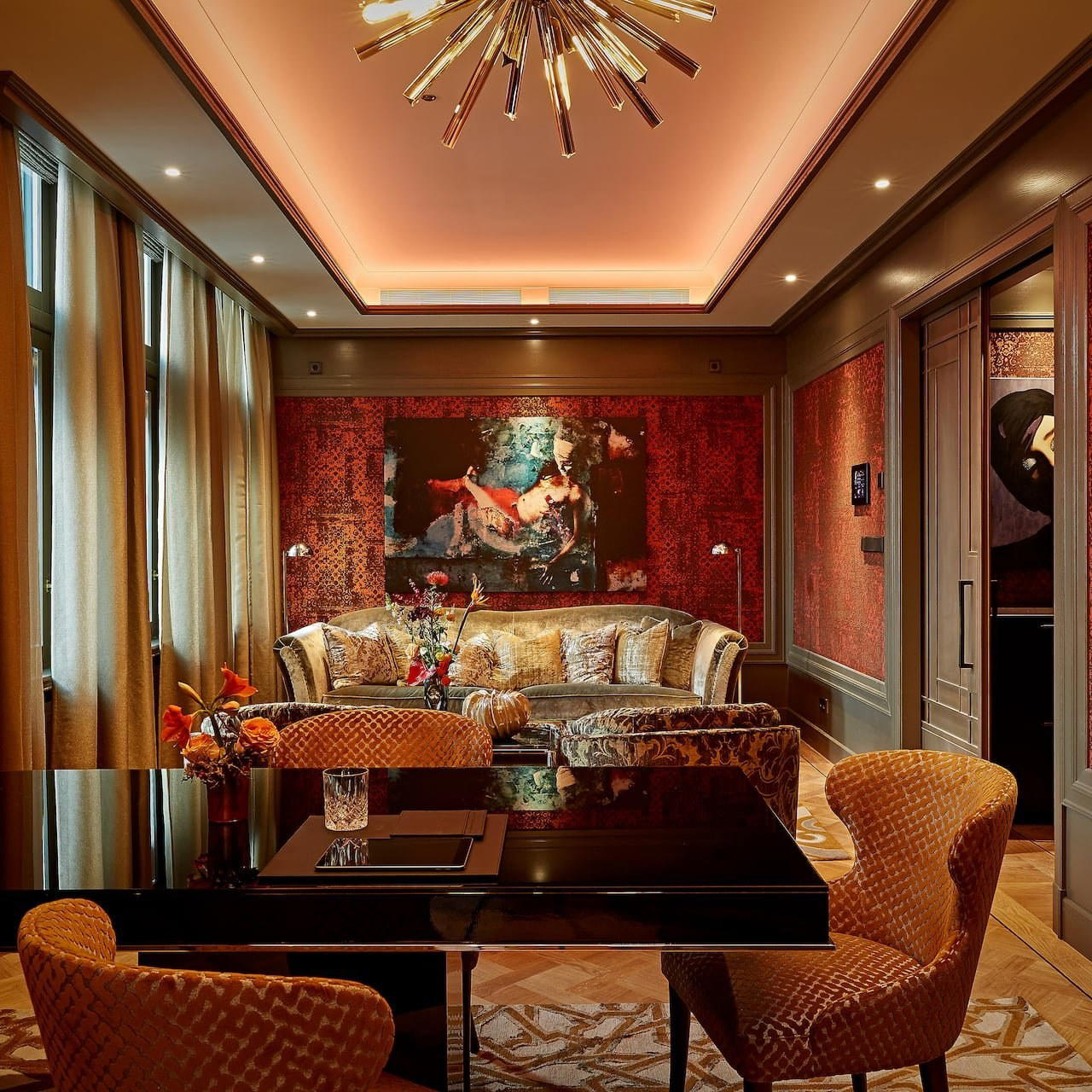
Glimmering dining room with brass accents and forest-green leather banquettes, evolving into a dynamic atmosphere with curated music and DJ performances from evening into late night.