até
This listing is retired after a June 2026 status audit found the place inactive at its stored address.
- Address
- Keizersgracht 384, 1016 GB Amsterdam, Netherlands
- Phone
- +31205302010
- Website
- ate-amsterdam.com
- Directions
- Get directions
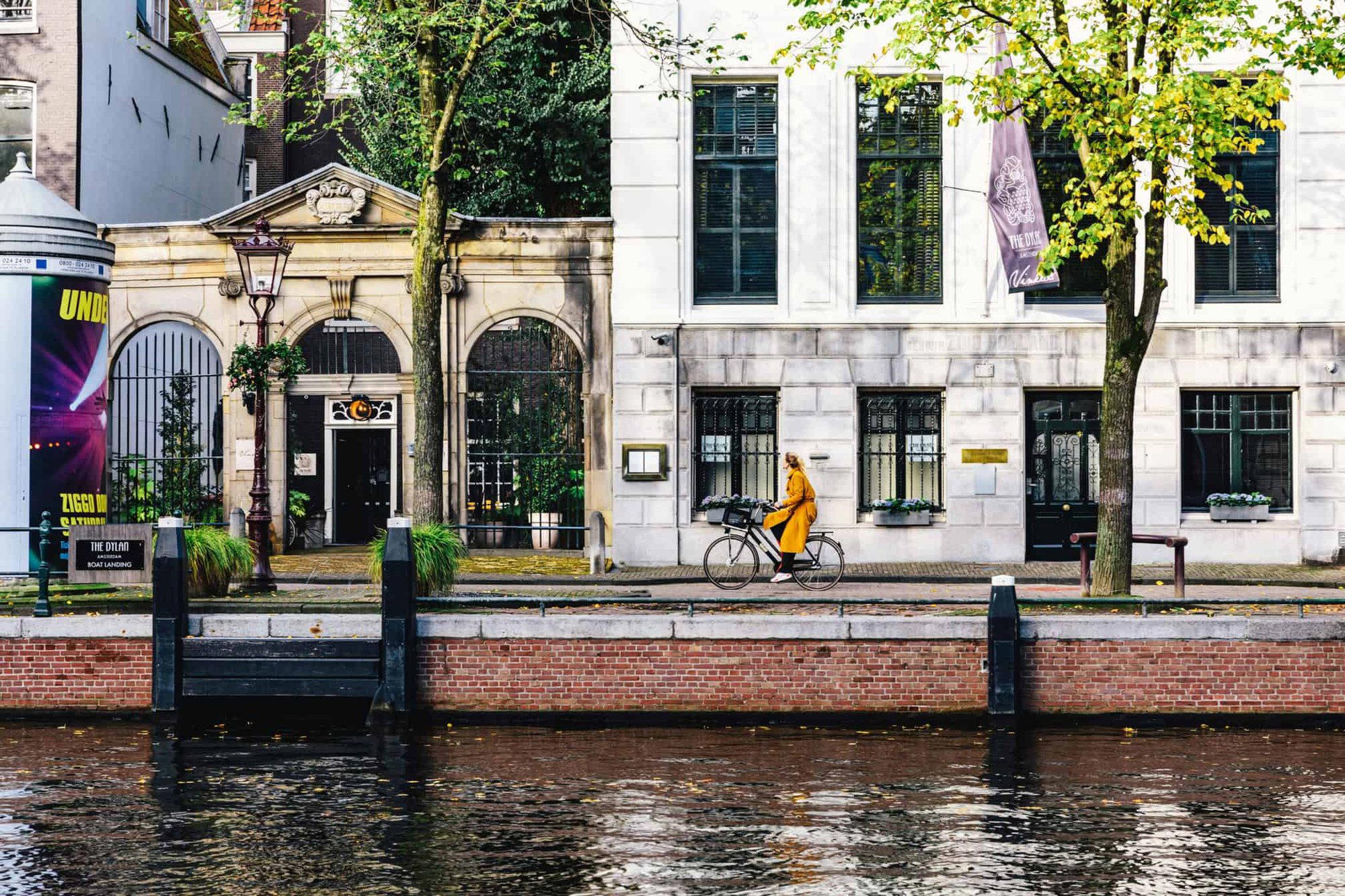
A Canal House as Dining Room
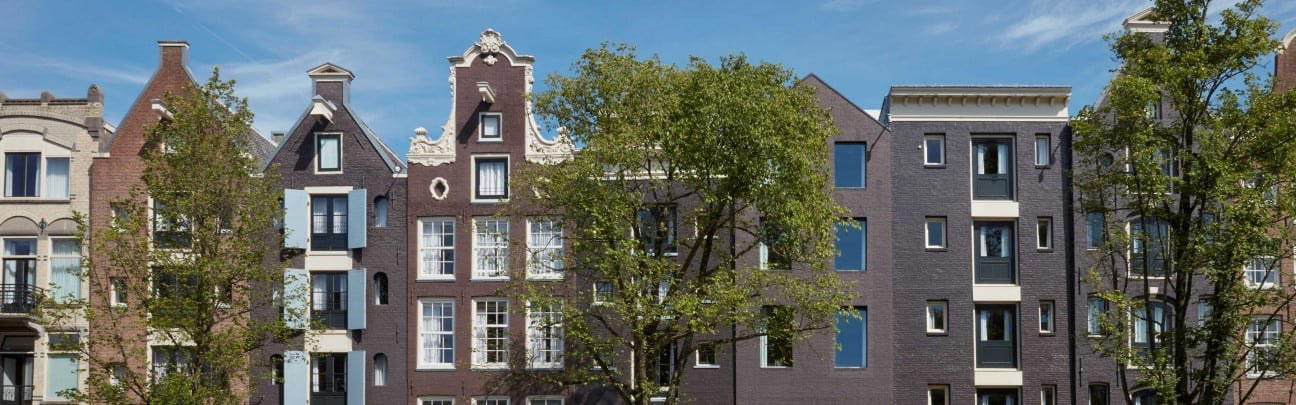
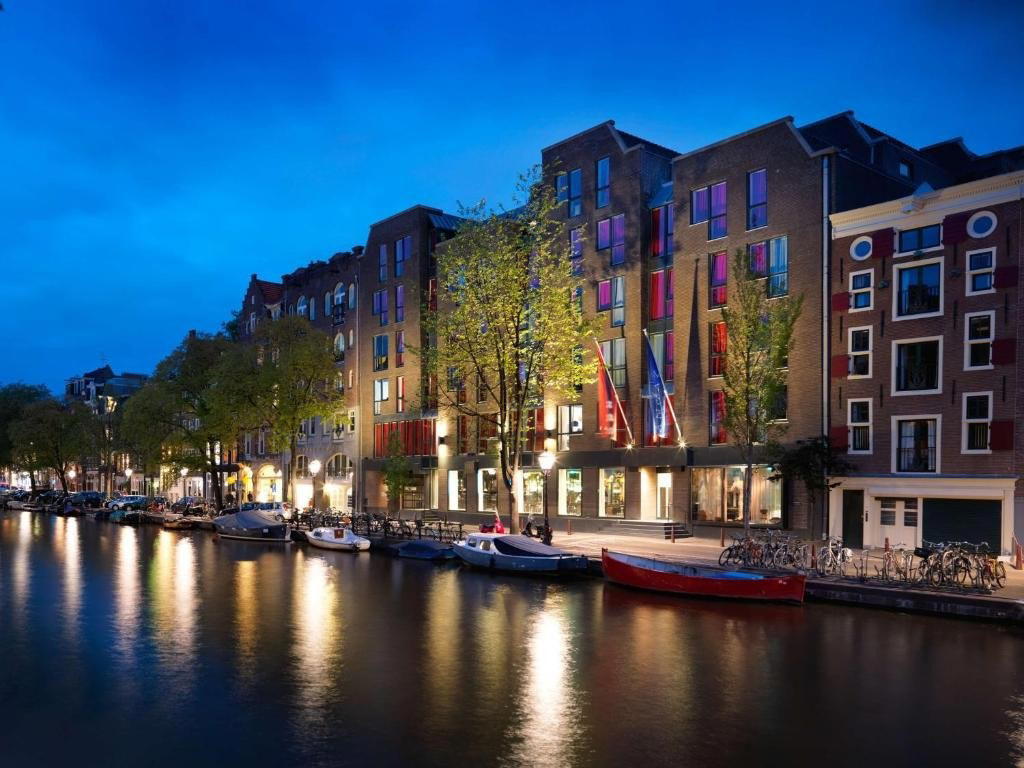
Amsterdam's canal belt was built for commerce, and the city has spent three centuries repurposing its narrow, tall-windowed merchant houses into something more contemplative. The leading of those conversions preserve the tension between the building's original logic, load-bearing walls, steep internal stairs, compressed proportions, and the demands of a modern dining room. Até is a restaurant in Amsterdam at Keizersgracht 384. The Keizersgracht is the middle ring of the three principal canals, historically the address of the prosperous merchant class rather than the aristocracy, which gives it a particular Amsterdam character: serious, understated, precise.
Canal-house dining rooms in this part of the city have a structural grammar of their own. Ceilings are lower than you expect from the exterior, light arrives laterally from tall windows rather than overhead, and the street-level facade gives little away about what happens inside. That physical restraint tends to set a tone before the food arrives. Reservations at addresses like this carry a different weight than bookings at purpose-built restaurant spaces: the building is already doing something, and the kitchen has to answer it.
Where Até Sits in Amsterdam's Fine Dining Map
Amsterdam's premium dining tier has consolidated significantly over the past decade. The city's Michelin-starred cohort now divides broadly between hotel-anchored destinations and independent addresses on the canal belt. Ciel Bleu, operating from the Hotel Okura in the south of the city, and Spectrum, inside the Waldorf Astoria on the Herengracht, represent the hotel-anchored format. Vinkeles at the Dylan Hotel and Flore operate within that same broader category. Independent canal addresses, by contrast, carry a different set of expectations: tighter operations, smaller teams, rooms that seat fewer covers.
Até's Keizersgracht address places it in the independent canal-house category. That positioning matters because it shapes the entire dining logic: the scale is smaller, the pace is set by the room's physical limits rather than a hotel's service infrastructure, and the experience is more directly tied to the specifics of the building.
At the €€€€ tier on the canal belt, addresses like Bistro de la Mer operate in a different register, classic cuisine, more accessible price point, different booking dynamics.
The Physical Container and What It Asks of the Kitchen
Canal-house dining rooms impose specific conditions on a kitchen. Prep and service spaces are typically separated by staircases or narrow corridors; the front-of-house room is rarely more than two or three windows wide. Those constraints tend to push kitchens toward tighter menus, more deliberate pacing, and formats, tasting menus, set courses, that allow the team to control timing in ways that à la carte service in a compressed space makes difficult.
Internationally, the logic is familiar. Formats like Lazy Bear in San Francisco or fish-led counter formats like Le Bernardin in New York City demonstrate how physical and conceptual constraints reinforce each other. In Amsterdam's canal belt, the same principle applies, with the added layer that the building itself is historically significant and architecturally specific in ways that newer purpose-built spaces are not.
The Dutch Fine Dining Context
The Netherlands has a deep bench of serious restaurants outside Amsterdam, which matters for understanding what the city's dining scene competes with and draws from. De Librije in Zwolle and Inter Scaldes in Kruiningen have long represented the country's highest tier. Vegetable-forward innovation is visible at De Nieuwe Winkel in Nijmegen. Regional addresses like De Lindenhof in Giethoorn, Tribeca in Heeze, De Groene Lantaarn in Staphorst, Brut172 in Reijmerstok, De Lindehof in Nuenen, De Bokkedoorns in Overveen, and De Treeswijkhoeve in Waalre form a national circuit of serious kitchens whose chefs move between positions, training networks, and supplier relationships that eventually feed back into the Amsterdam scene.
Amsterdam's premium restaurant tier benefits from that national infrastructure while operating in a different physical and commercial context: higher rents, a larger international visitor base, and a canal-belt address culture that carries its own prestige signal. Até's position on the Keizersgracht places it inside that system.
Planning a Visit
Keizersgracht 384 is on the western side of Amsterdam's canal belt, within walking distance of the Jordaan neighbourhood and reachable by tram from Centraal Station. Canal-house addresses in this part of the city tend to have limited or no adjacent parking, so arriving on foot, by bicycle, or by tram is the standard approach.
Budget Reality Check
Comparable venues nearby, for context on price, style, and recognition.
| Venue | Price | Awards | Notes |
|---|---|---|---|
| atéThis venue — the venue you are viewing | $$$$ | Not listed | Not listed |
| & moshik | $$$$ | Not listed | Oosterdokseiland, Avant-Garde Fusion Fine Dining |
| Reguliersdwarsstraat 38 | $$$$ | Not listed | Gouden Bocht, Nikkei (Japanese-Peruvian Fusion) |
| KID | $$$ | Not listed | Frederik Hendrikbuurt Noord, Asian Fusion Comfort Food |
| De Utrechtsedwarstafel | $$$$ | Not listed | Amstelveldbuurt, Seasonal French Fine Dining |
| Wolf Atelier | $$$$ | Michelin Plate | Westerdokseiland, Modern Fusion Fine Dining |
Continue exploring
More in Amsterdam
Restaurants in Amsterdam
Browse all →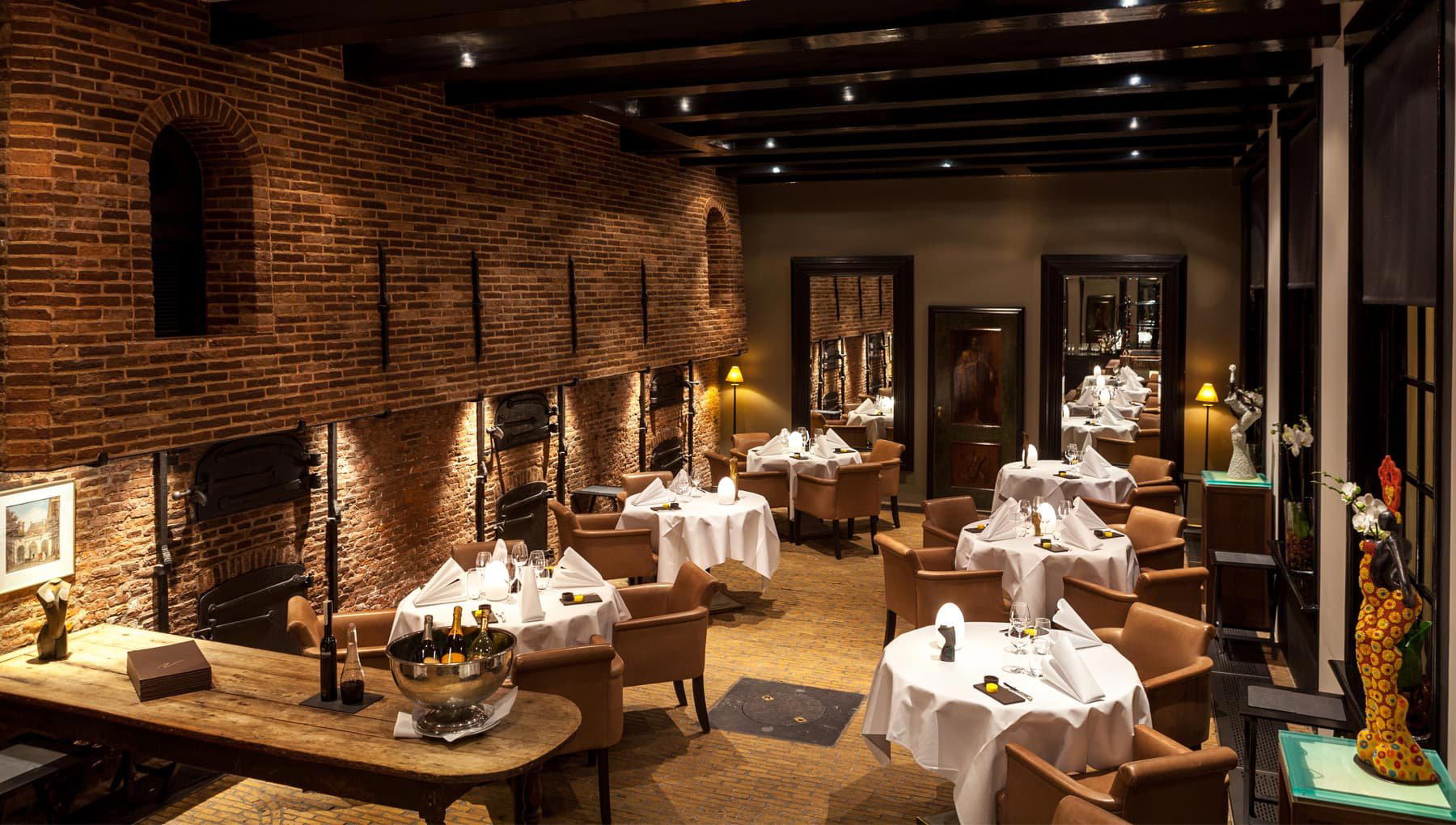
Bars in Amsterdam
Browse all →
Hotels in Amsterdam
Browse all →
Wineries in Amsterdam
Browse all →
At a Glance
- Intimate
- Modern
- Elegant
- Date Night
- Special Occasion
- Chefs Counter
- Hotel Restaurant
Intimate chef's table setting with personal interaction from the chef, focused on culinary storytelling and preparation.