Taiko
Taiko occupies a quietly serious position on Paulus Potterstraat, within reach of the Museumplein, where Amsterdam's premium dining scene converges with its cultural quarter. The restaurant draws from Asian culinary traditions while operating in a European fine-dining register, placing it alongside the city's most considered tasting-menu addresses. Reservations are advisable; the format rewards guests who arrive unhurried.
Pearl is the En Primeur Club membership app — saves, bookings, and concierge access live there. Same editors, same standards.
- Address
- Paulus Potterstraat 50, 1071 DB Amsterdam, Netherlands
- Phone
- +31205700000
- Website
- taikocuisine.com
- Directions
- Get directions
 Saves & bookings on Pearl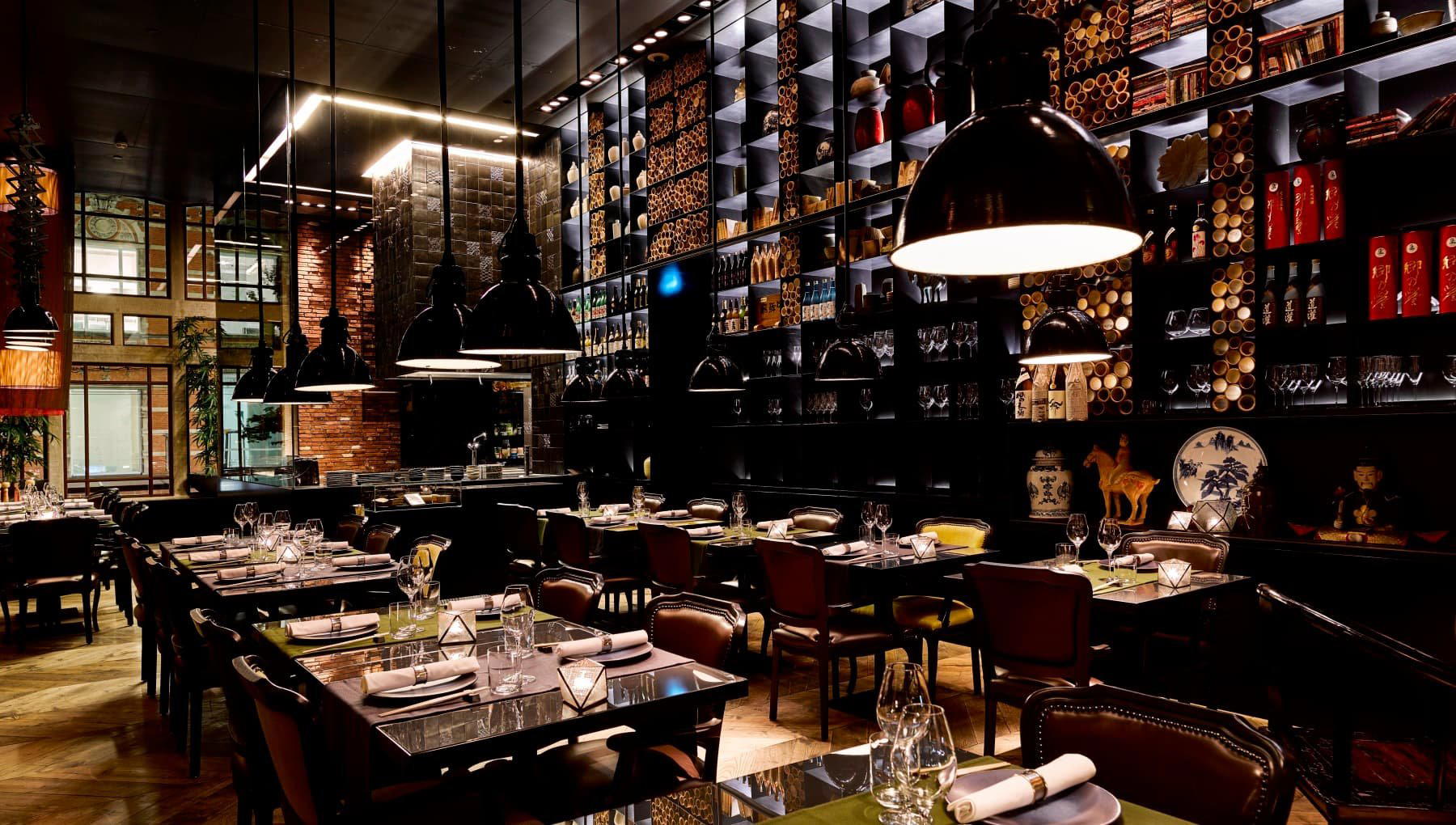
Where the Museumplein's Quiet Side Meets Serious Dining
Amsterdam's fine-dining geography has reorganised itself over the past decade. The canal-belt addresses that once defined the city's premium tier now share attention with a cluster of restaurants positioned closer to the Museumplein, where the Rijksmuseum and Van Gogh Museum anchor a neighbourhood that moves at a different pace from the centre. Paulus Potterstraat sits in that zone: unhurried, residential in character, but close enough to the city's cultural infrastructure that its restaurants attract an international audience with the patience to seek them out rather than stumble across them. Taiko is a modern Japanese restaurant in Amsterdam, at Paulus Potterstraat 50, 1071 DB. The surroundings set the tone before you reach the door.
This part of Amsterdam rewards the kind of dining that does not depend on foot traffic. The guests who find their way to Paulus Potterstraat are generally there by intention, which shapes the room's atmosphere in ways that busier central addresses cannot easily replicate. The approach to the venue, through a neighbourhood that softens as you move south from the main museum forecourt, signals that the meal ahead will be considered rather than hurried.
The Wine Program as Editorial Statement
In Amsterdam's leading tasting-menu tier, the wine list has become as much of a signal as the menu format itself. At the price point where restaurants like Ciel Bleu and Spectrum operate, the cellar is expected to carry European classics alongside a considered selection of bottles that reflect the kitchen's culinary orientation. When a kitchen draws from Asian traditions, the sommelier's task becomes more demanding: the pairing logic that works across a French tasting menu does not transpose automatically onto umami-forward preparations, fermented condiments, or dishes built around dashi rather than stock.
This is where wine programs at Asian-inflected fine-dining restaurants have had to develop genuine expertise over the past decade, across cities from London and Paris to New York, where Atomix has built a notable program around Korean-influenced cuisine, and where Le Bernardin long ago demonstrated that seafood-led menus require their own pairing logic. The leading programs in this space tend to work with high-acid whites, aged sakes presented with the same seriousness as wine, and a willingness to look beyond Burgundy and Bordeaux as default references.
Asian Culinary Traditions in a European Fine-Dining Register
The broader category Taiko occupies has become one of the more contested in European fine dining. Restaurants working across Japanese, pan-Asian, or fusion frameworks have multiplied at the premium tier across Amsterdam, London, and Paris, and the critical discourse around them has sharpened accordingly. The question is no longer whether Asian-inflected tasting menus belong in the same conversation as classically trained European kitchens, that argument was settled years ago, but rather which registers those kitchens are operating in and how rigorously they apply their source traditions.
Amsterdam's own fine-dining scene provides useful comparative context. Vinkeles and Flore anchor the classically European end of the city's premium tier, while the Dutch restaurant landscape more broadly has produced a number of kitchens with distinct identities: De Librije in Zwolle, Aan de Poel in Amstelveen, and De Bokkedoorns in Overveen represent the regional breadth of serious Dutch cooking. Taiko, by contrast, positions itself at the intersection of Asian culinary reference and European service standards, which gives it a different competitive set from its Museumplein neighbours.
That positioning has international precedents. The Dutch fine-dining scene has increasingly looked outward for reference points, and restaurants working in the Asian-European register have found receptive audiences in a city accustomed to global cultural exchange. Amsterdam's dining public, shaped by a long trading history and a cosmopolitan resident base, does not require the same degree of cultural translation that similar restaurants might need in less internationally oriented cities.
The Neighbourhood and the Room
Paulus Potterstraat's proximity to the major museums means that Taiko draws from a guest profile that includes cultural visitors with serious intentions alongside Amsterdam's own fine-dining regulars. The Stedelijk Museum sits within walking distance; so does the Van Gogh Museum. This is a neighbourhood where people arrive having spent the afternoon with Rembrandt or Mondriaan, which creates a particular kind of appetite: curious, culturally primed, and not in a rush. The pacing of a serious tasting menu fits that mood well.
For visitors working through Amsterdam's wider dining geography, the restaurant sits at a useful distance from the canal-belt addresses that dominate first-time itineraries. Those looking to cover the broader Dutch scene might also consider Brut172 in Reijmerstok, De Nieuwe Winkel in Nijmegen, or De Lindenhof in Giethoorn, each of which operates in a register distinct from an Amsterdam city-centre address. Within Amsterdam itself, Bistro de la Mer offers a different price point and format for evenings when the tasting-menu commitment feels like too much.
Planning Your Visit
- Address: Paulus Potterstraat 50, 1071 DB Amsterdam, Netherlands
- Neighbourhood: Museumplein quarter, close to the Rijksmuseum, Van Gogh Museum, and Stedelijk Museum
- Booking: Reservations are essential
- Format: Tasting menu in an Asian-inflected fine-dining register; allow a full evening
- Nearby alternatives: Ciel Bleu, Spectrum, and Vinkeles for different registers at a comparable level
Cuisine and Awards Snapshot
Comparable venues nearby, for context on price, style, and recognition.
| Venue | Cuisine | Price | Notes |
|---|---|---|---|
| TaikoThis venue — the venue you are viewing | Modern Japanese Cuisine | $$$$ | Not listed |
| Sazanka | Michelin-Starred Japanese Teppanyaki | $$$$ | Lizzy Ansinghbuurt |
| Ikkoku | Japanese Omakase & Robatayaki | $$$ | Hercules Seghersbuurt |
| Hosokawa | Modern Japanese Teppanyaki | $$$ | Leidsebuurt Noordoost |
| IZAKAYA | Japanese-South American Fusion Izakaya | $$$ | Frans Halsbuurt |
| Akitsu | Authentic Japanese Sushi & Ramen | $$ | Frederik Hendrikbuurt Zuidoost |
Continue exploring
More in Amsterdam
Restaurants in Amsterdam
Browse all →
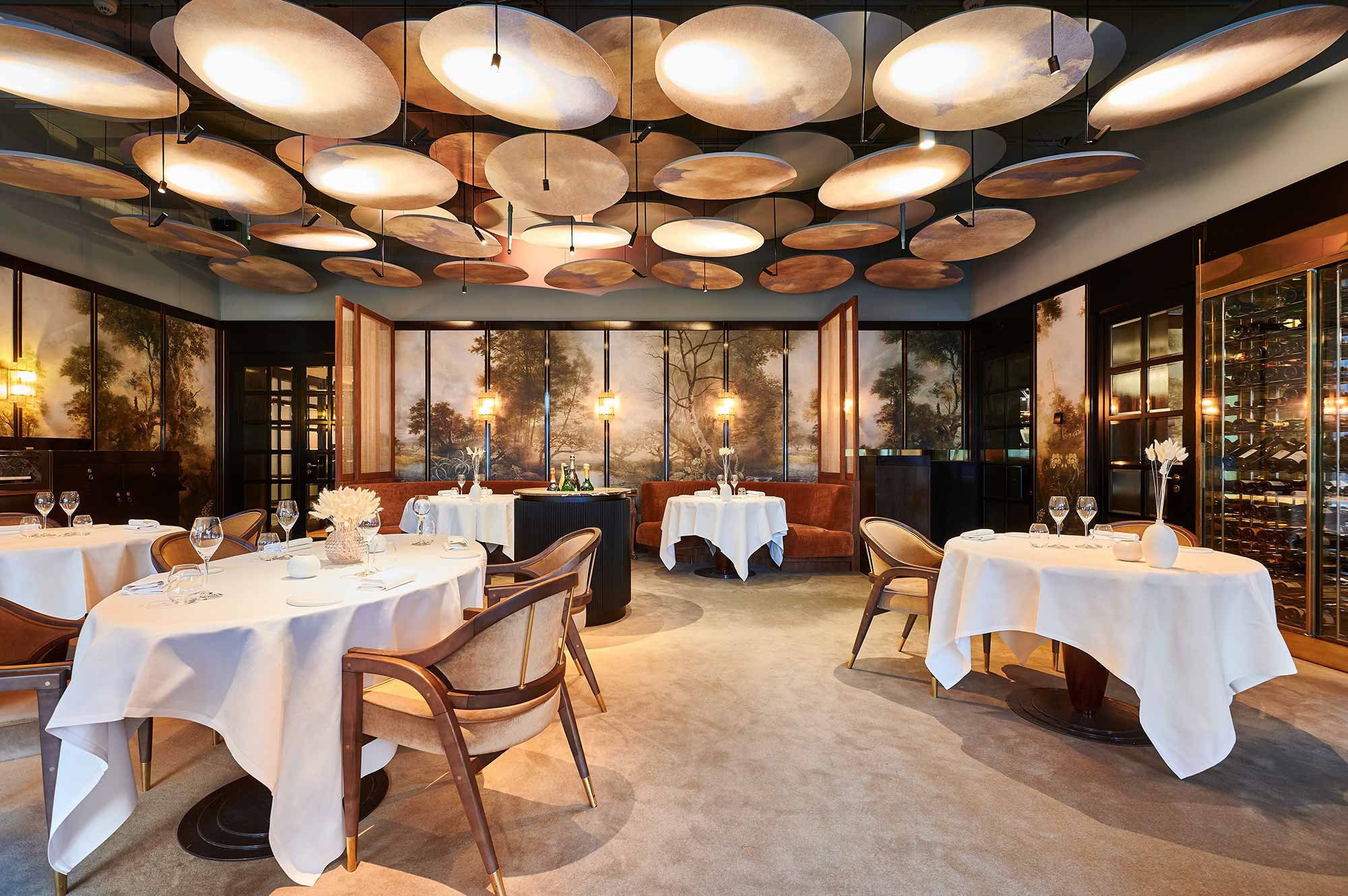
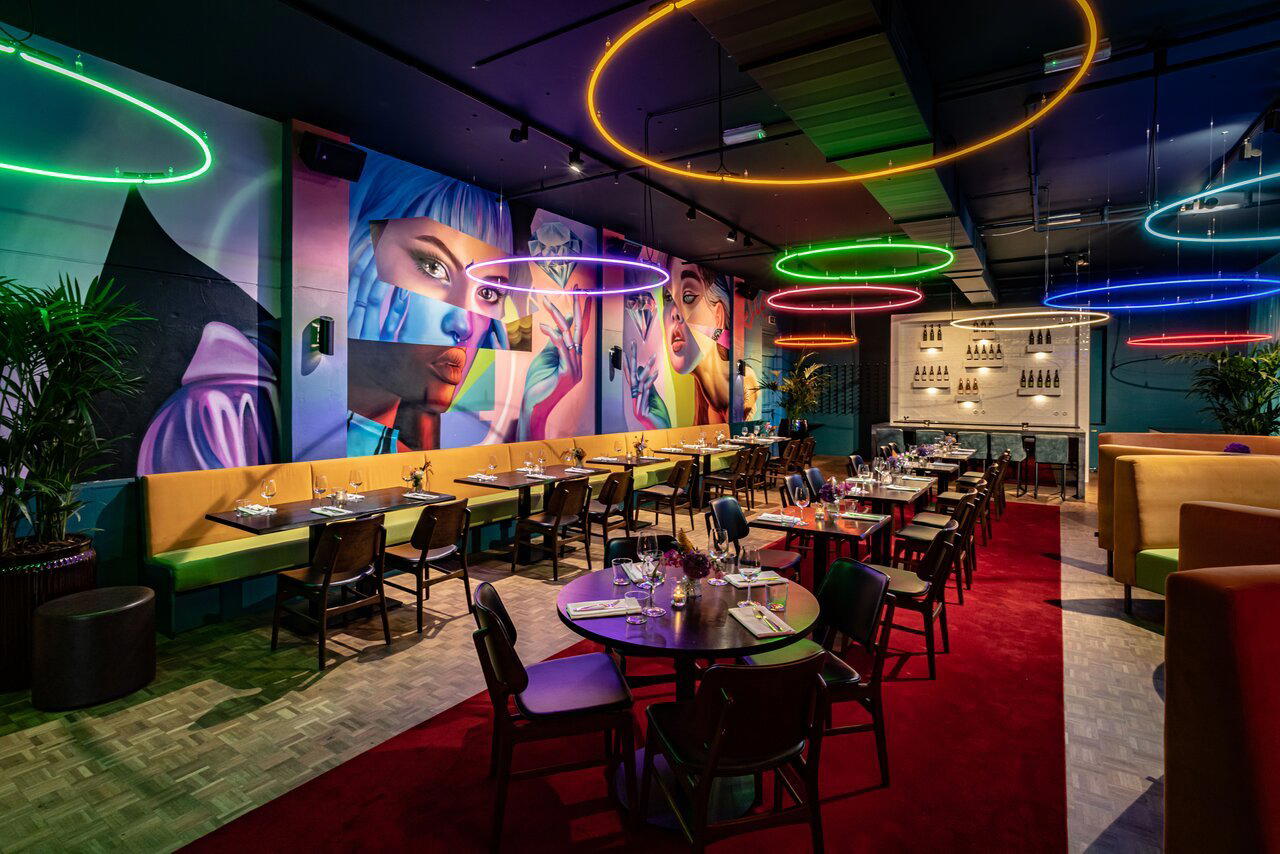
Bars in Amsterdam
Browse all →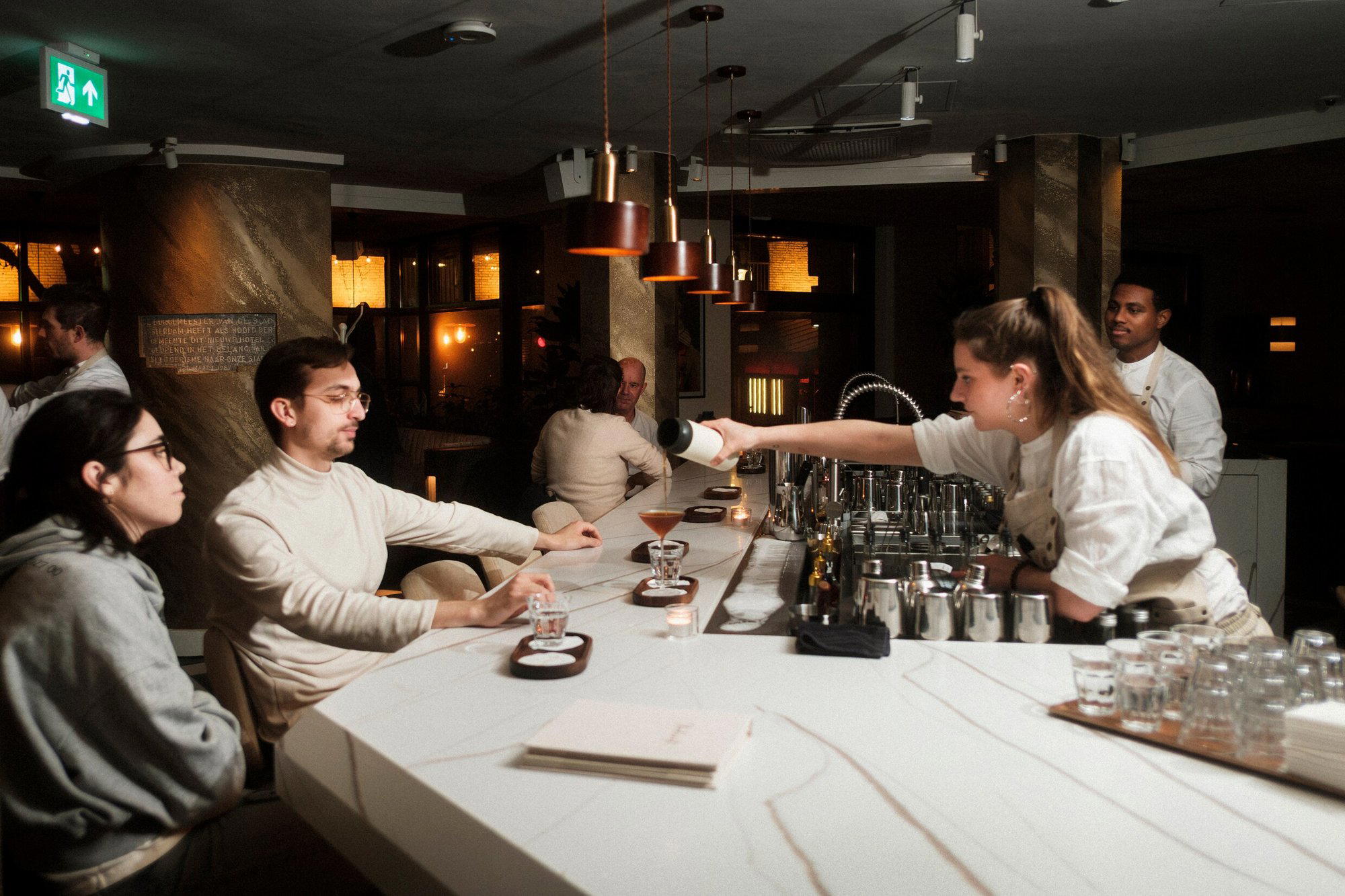
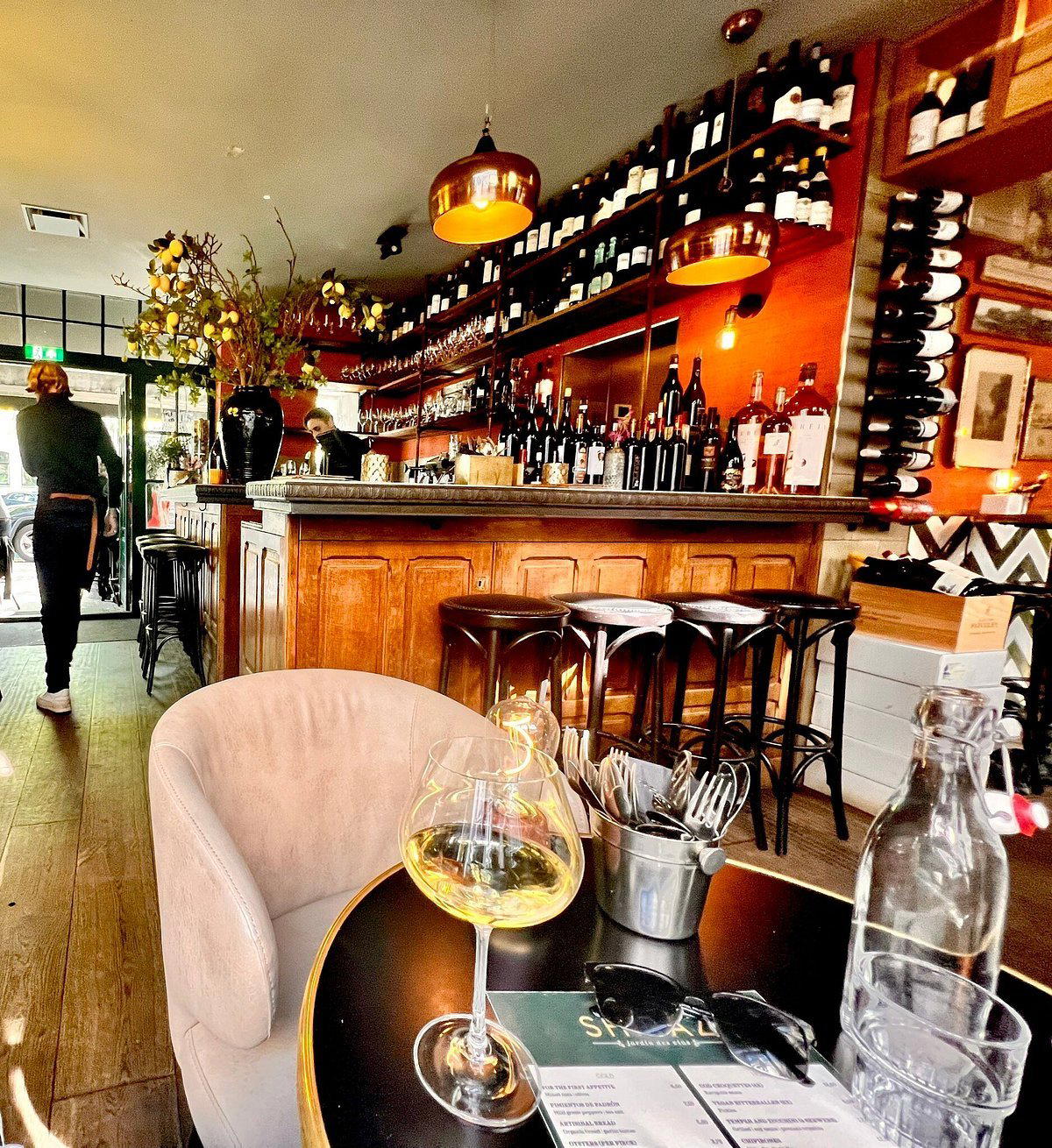
Hotels in Amsterdam
Browse all →
Wineries in Amsterdam
Browse all →
At a Glance
- Elegant
- Modern
- Sophisticated
- Intimate
- Date Night
- Special Occasion
- Business Dinner
- Hotel Restaurant
- Open Kitchen
- Design Destination
- Sake Program
- Local Sourcing
Current opening hours
- Monday
- Closed
- Tuesday
- 5 PM–12 AM
- Wednesday
- 5 PM–12 AM
- Thursday
- 5 PM–12 AM
- Friday
- 5 PM–12 AM
- Saturday
- 5 PM–12 AM
- Sunday
- Closed
Hours can change for holidays and private events. Last verified .
Contemporary elegant dining with well-suited ambience praised by guests.