MOMO
Our verdict
On the edge of the Museumkwartier, MOMO occupies a Hobbemastraat address that places it squarely between Amsterdam's museum belt and the residential south. The kitchen works at the intersection of Asian technique and European product, a combination that has given this address staying power in a city with a restless dining scene. For visitors who want something other than Dutch classical or Nordic-inflected tasting menus, it offers a credible alternative.

Pearl is the En Primeur Club membership app, where members save venues, book tables and use the concierge.

The menu
What to order
- Black Cod with Spicy Miso
- MOMO Roll with Tuna, Salmon, Sea Bass, Avocado and Tarragon Miso
- Tuna Tataki
- Sea Bass Ceviche
Where Amsterdam's Asian Technique Meets European Pantry
The Museumkwartier has long been Amsterdam's most composed neighbourhood: broad avenues, heavyweight cultural institutions, and a dining scene that skews toward the considered rather than the casual. Hobbemastraat 1 sits at that district's edge, a few minutes from the Rijksmuseum and the Van Gogh Museum, in a part of the city where the expectation is that things are done properly. MOMO fits that geography. It is a restaurant that arrived in an area already accustomed to treating a meal as an event rather than a refuel.
Amsterdam's restaurant scene has, over the past decade, sorted itself into fairly distinct tiers. At the leading end, addresses like Ciel Bleu, Flore, Spectrum, and Vinkeles operate within European fine-dining conventions, heavy on tasting-menu format and French or contemporary Dutch anchoring. Below that, the €€€ tier has diversified considerably, with kitchens drawing on wider reference points. MOMO sits in that second tier by category but operates with the confidence of the first: the room, the service register, and the kitchen ambition all signal that this is not a casual booking.
The Logic of Asian Technique on Dutch Tables
What distinguishes a subset of Amsterdam restaurants from their peers in other Northern European capitals is a willingness to treat Asian culinary technique not as a theme or a novelty but as a structural foundation. MOMO has operated within this approach across its lifespan on Hobbemastraat, applying methods with roots in Japanese, Chinese, and wider pan-Asian traditions to European produce. The result is a cooking philosophy that reads differently from the Nordic-inflection model that has dominated the region's fine-dining conversation.
This intersection of imported method and indigenous product is not without precedent globally. The model that made restaurants like Atomix in New York City and, before that, Le Bernardin so enduring was precisely this: technique applied with discipline to product selected with equal discipline. In MOMO's case, the kitchen's reference points draw from East and Southeast Asian traditions, while the ingredient sourcing stays close to the Dutch and broader European supply chain. That combination generates a menu logic that is harder to replicate than either pure Asian or pure European cooking, because it requires fluency in both.
Within the Netherlands, a number of kitchens have built reputations on comparable cross-cultural precision. De Nieuwe Winkel in Nijmegen applies technique to plant-focused menus. De Librije in Zwolle has long used global technique as a lens for Dutch product. The difference at MOMO is the urban context: this is a restaurant operating inside a major city's dining circuit, where the competitive set is international rather than regional.
The Room and Its Register
The physical environment at Hobbemastraat 1 sets a tone that the menu extends rather than contradicts. Amsterdam's better restaurant interiors tend toward one of two approaches: the stripped-back warehouse aesthetic that arrived with the city's creative-economy surge, or the more composed, material-led design that references the canal-house tradition of controlled elegance. MOMO belongs to the latter tendency. The space reads as designed for lingering, with a bar and lounge dimension that gives the address a dual identity: arrive for drinks, stay for dinner, or reverse the order depending on what the evening requires.
That dual-mode format is relevant because it positions MOMO differently from a pure tasting-menu destination. It accommodates the kind of visit where the decision about how far to commit is made at the table rather than at the booking stage. That accessibility matters in Amsterdam, where visitors navigating the museum district want options rather than obligations.
Amsterdam's Broader Dining Geography
For context on where MOMO sits within Amsterdam's full dining circuit, our full Amsterdam restaurants guide covers the city's range from neighbourhood standbys to Michelin-cited tables. Within that wider map, the Museumkwartier concentration of mid-to-upper-range restaurants is notable: Bistro de la Mer represents the classic seafood register nearby, while addresses further into the Jordaan or De Pijp lean more casual.
The Netherlands beyond Amsterdam also produces kitchens worth tracking for anyone calibrating their expectations. Aan de Poel in Amstelveen, reachable in under thirty minutes from the city centre, operates at Michelin level with a very different product focus. De Bokkedoorns in Overveen, Brut172 in Reijmerstok, De Groene Lantaarn in Staphorst, De Lindehof in Nuenen, De Lindenhof in Giethoorn, De Treeswijkhoeve in Waalre, and 't Nonnetje in Harderwijk form a broader Dutch fine-dining circuit that gives useful calibration for anyone exploring the country's kitchen ambition beyond the capital.
Know Before You Go
Neighbourhood: Museumkwartier, adjacent to the Rijksmuseum and Van Gogh Museum
Format: Restaurant and bar; accommodates both full dinner and drinks-led visits
Reservations: Booking in advance is advisable given the neighbourhood's visitor density, particularly in peak museum season (spring and summer)
Getting there: Tram lines serving the Museumplein stop are the most practical approach from the canal ring and central station
Dress code: Smart casual is appropriate for the setting and neighbourhood register
Note: Phone, hours, and website details are not currently listed in; confirm directly before visiting
Frequently asked questions
What's the address for MOMO?
MOMO is located at îHobbemastraat 1, 1071 ZD Amsterdam, Netherlands, Amsterdam.
How does MOMO's location in the Museumkwartier affect the dining experience?
Hobbemastraat 1 places MOMO within walking distance of the Rijksmuseum and Van Gogh Museum, making it a practical anchor for a cultural day in Amsterdam without the tourist-facing shortcuts that proximity to major institutions often encourages. The Museumkwartier's broader dining scene skews toward composed, considered restaurants rather than high-volume covers. That neighbourhood context shapes both the room's register and its regular clientele.
What do regulars order at MOMO?
MOMO's kitchen applies Asian preparation methods to Dutch and broader European produce, so regulars tend to gravitate toward dishes where that contrast is sharpest. The Museumkwartier crowd returns for the cooking logic as much as any single plate. Specific current dishes are best confirmed directly with the restaurant at Hobbemastraat 1 before your visit.
Do they take walk-ins at MOMO?
Walk-in availability at MOMO on Hobbemastraat 1 depends on the night and season. Amsterdam's Museumkwartier draws consistent foot traffic, which means seats at better-known addresses tend to fill early in the week. Contacting the restaurant in advance is the more reliable approach than arriving without a reservation.
What's the signature at MOMO?
MOMO's defining characteristic is the application of Asian culinary technique to a European pantry, a positioning that sets it apart from straightforwardly European or pan-Asian restaurants elsewhere in Amsterdam. That structural approach, rather than a single dish, functions as the house identity. Specific signature plates shift with the season and are best confirmed with the venue directly.
Is MOMO good for vegetarians?
A kitchen that works across Asian technique and European produce typically has the range to accommodate vegetable-forward cooking with real depth. Whether MOMO offers a dedicated vegetarian menu or can adapt dishes on request is worth verifying directly with the restaurant at Hobbemastraat 1 before booking.
Does MOMO justify its prices?
MOMO sits in the Museumkwartier, Amsterdam's most composed and culturally dense neighbourhood, where rent and produce costs are reflected in pricing across the board. The kitchen's focus on Asian technique applied to European ingredients represents a more considered approach than most mid-to-upper Amsterdam addresses.
Cuisine and Recognition
Comparable venues nearby, for context on price, style, and recognition.
| Venue | Cuisine | Price | Awards | Notes |
|---|---|---|---|---|
| MOMOThis venue (the venue you are viewing) | Modern Asian Fusion | $50–100 | Not listed | Not listed |
| Librije's Zusje | Modern Dutch Fine Dining | $200–300 | 2 Michelin Stars · La Liste Top Restaurants | Amstelveldbuurt |
| Bo Cinq | French-Arabic Fusion | Not listed | Not listed | Spiegelbuurt |
| Taiko | Modern Japanese Cuisine | Not listed | Not listed | P.C. Hooftbuurt |
| KID | Asian Fusion Comfort Food | $30–50 | Not listed | Frederik Hendrikbuurt Noord |
| & moshik | Avant-Garde Fusion Fine Dining | $150–200 | Not listed | Oosterdokseiland |
Continue exploring
More in Amsterdam
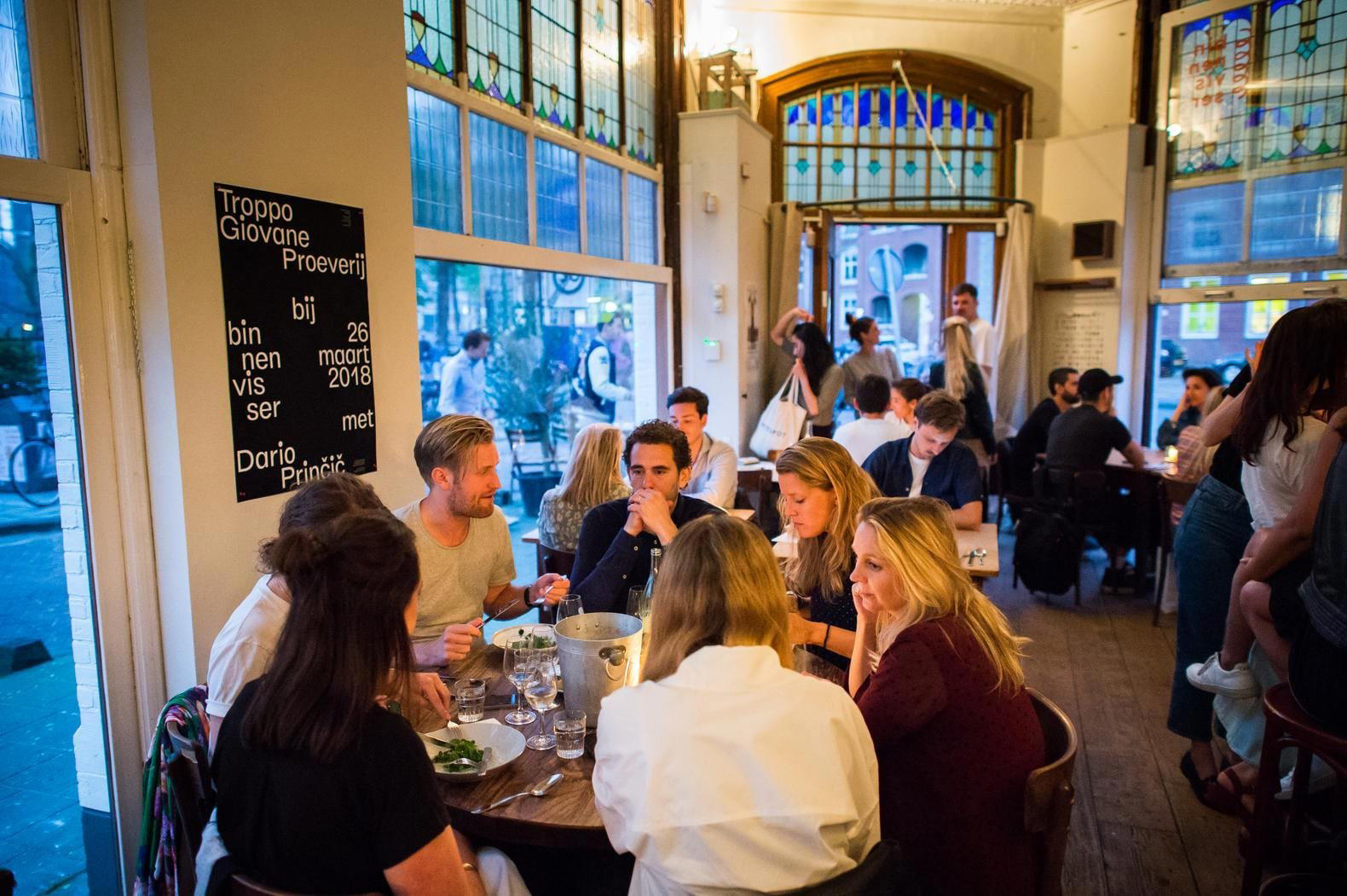
Restaurants in Amsterdam
All restaurants in Amsterdam →
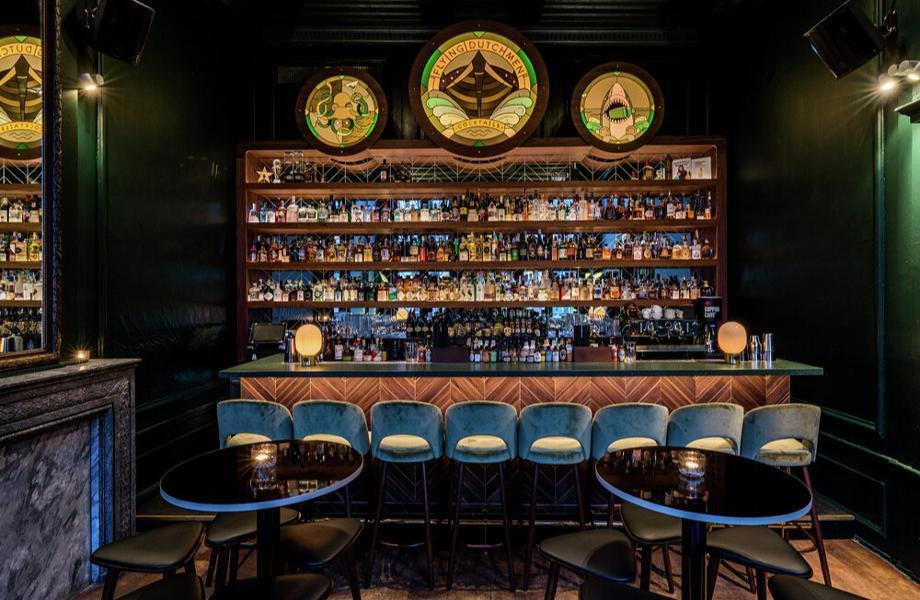
Bars in Amsterdam
All bars in Amsterdam →
Hotels in Amsterdam
All hotels in Amsterdam →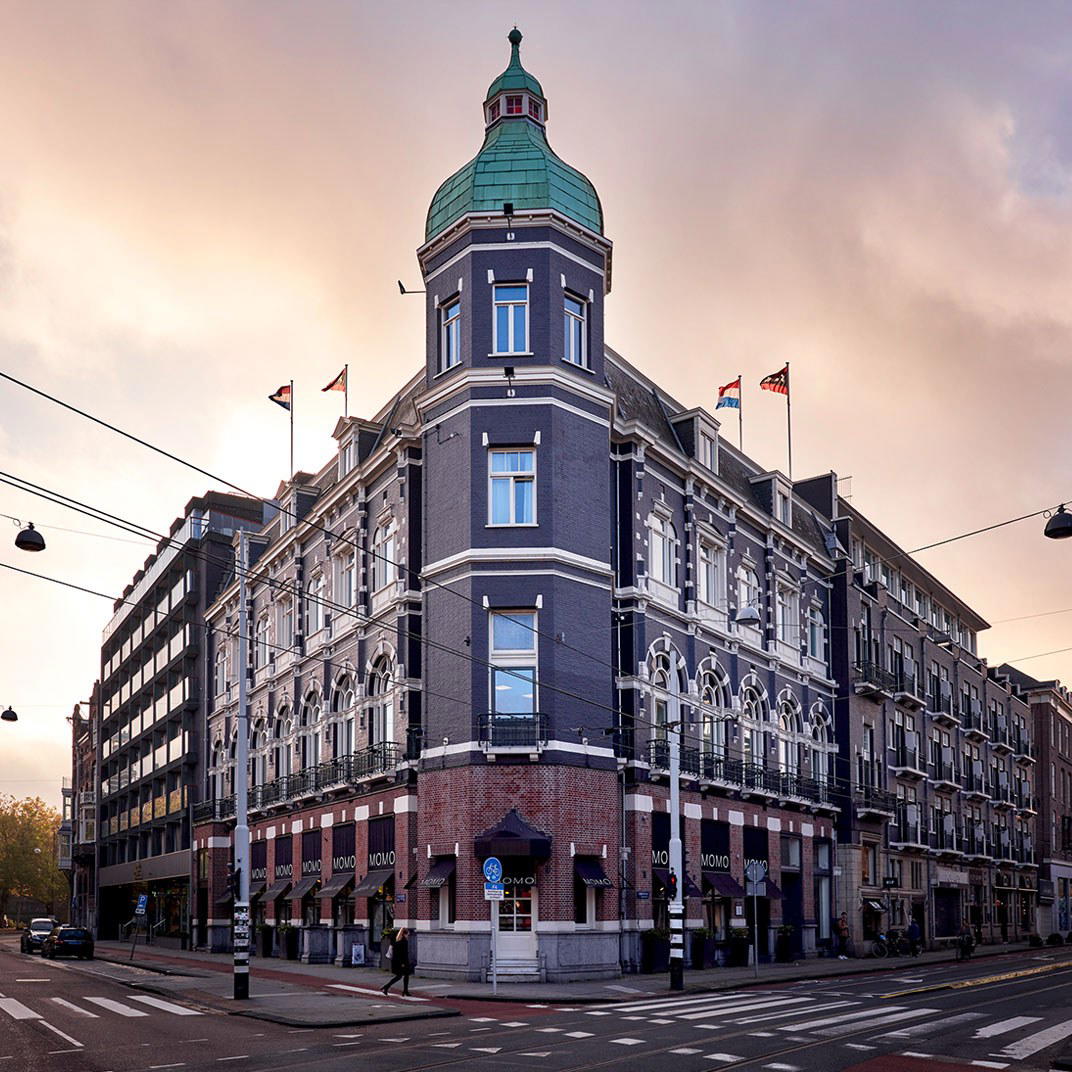
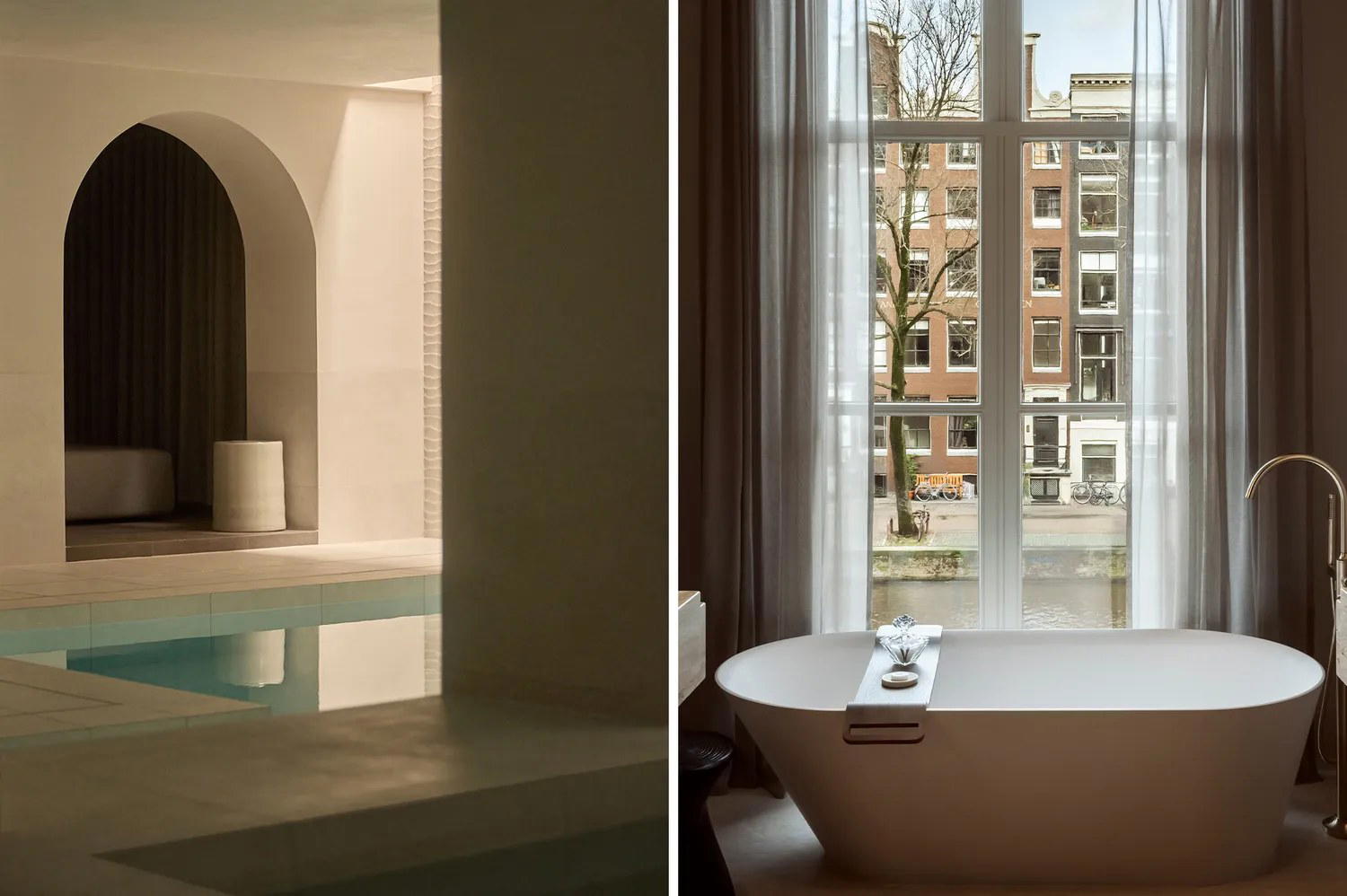
Wineries in Amsterdam
All wineries in Amsterdam →
Details
- Sophisticated
- Elegant
- Modern
- Date Night
- Business Dinner
- Group Dining
- Special Occasion
- After Work
- Late Night
- Open Kitchen
- Private Dining
- Craft Cocktails
- Extensive Wine List
- Small Plates
- A La Carte
- Family Style
- Craft Cocktails
- Wine
- Vegetarian Friendly
- Vegan Options
- Gluten Free Options
Current opening hours
- Monday
- 12 PM–1 AM
- Tuesday
- 12 PM–1 AM
- Wednesday
- 12 PM–1 AM
- Thursday
- 12 PM–1 AM
- Friday
- 12 PM–2 AM
- Saturday
- 12 PM–2 AM
- Sunday
- 12 PM–1 AM
Hours can change for holidays and private events. Hours as of .
Stylish, sleek Asian-inspired décor with an open kitchen creating an inviting and cosmopolitan environment; light, sophisticated, and spectacular setting.