Our verdict
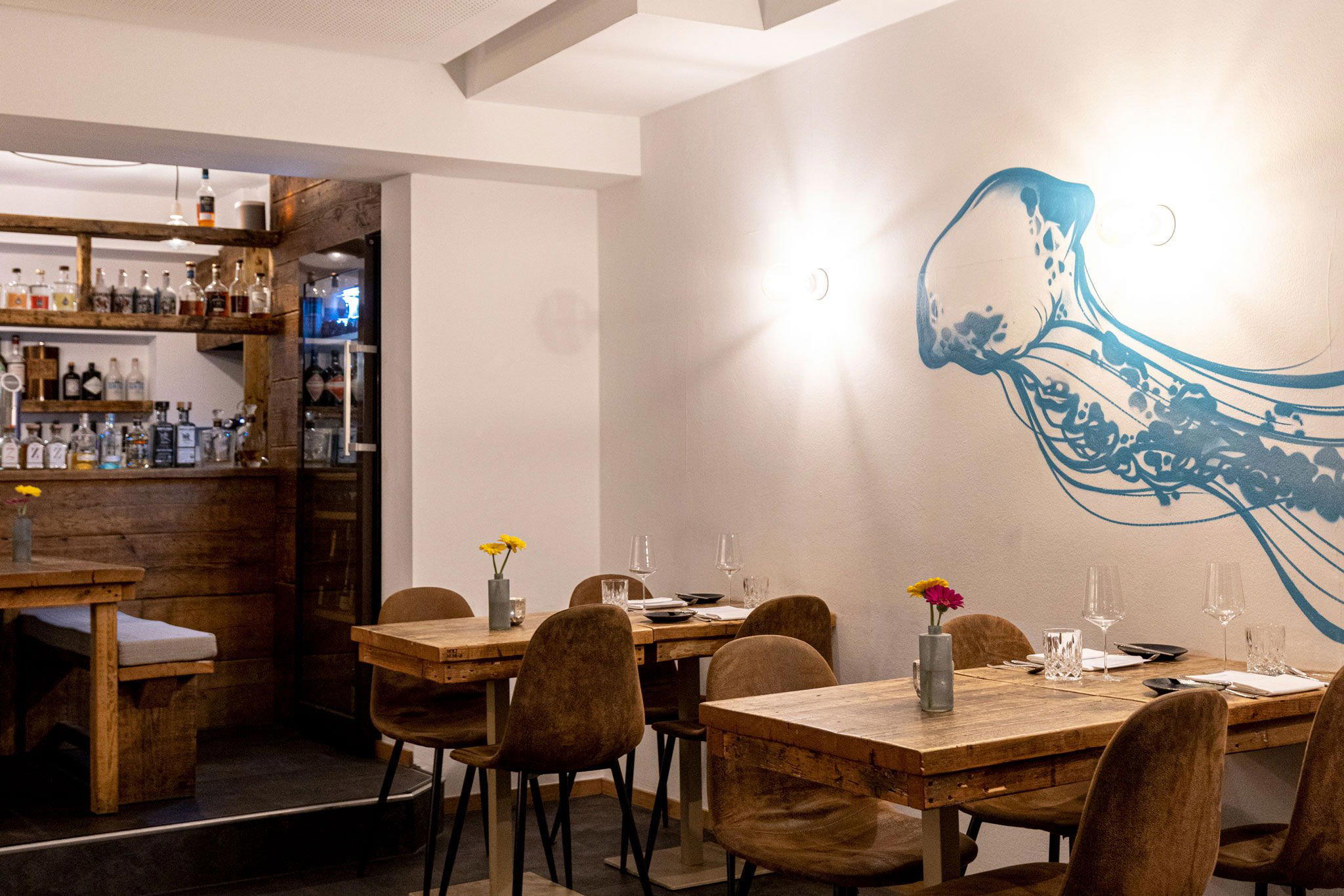
Mr. Dam occupies a address on Mottenburger Twiete in Hamburg's Altona district, placing it within a neighbourhood that has quietly accumulated serious dining credentials over the past decade. The venue sits at a tier where the meal itself functions as the primary event, sequenced and considered from first course to last. For Hamburg's upper-bracket dining scene, it represents a compelling reference point alongside the city's Michelin-recognised tables.

Pearl is the En Primeur Club membership app — saves, bookings, and concierge access live there. Same editors, same standards.
- Address
- Mottenburger Twiete 4-8, 22765 Hamburg, Germany
- Phone
- +494087603346
- Hours
- Daily 12–9 PM
- Website
- mr-dam.de
- Directions
- Get directions
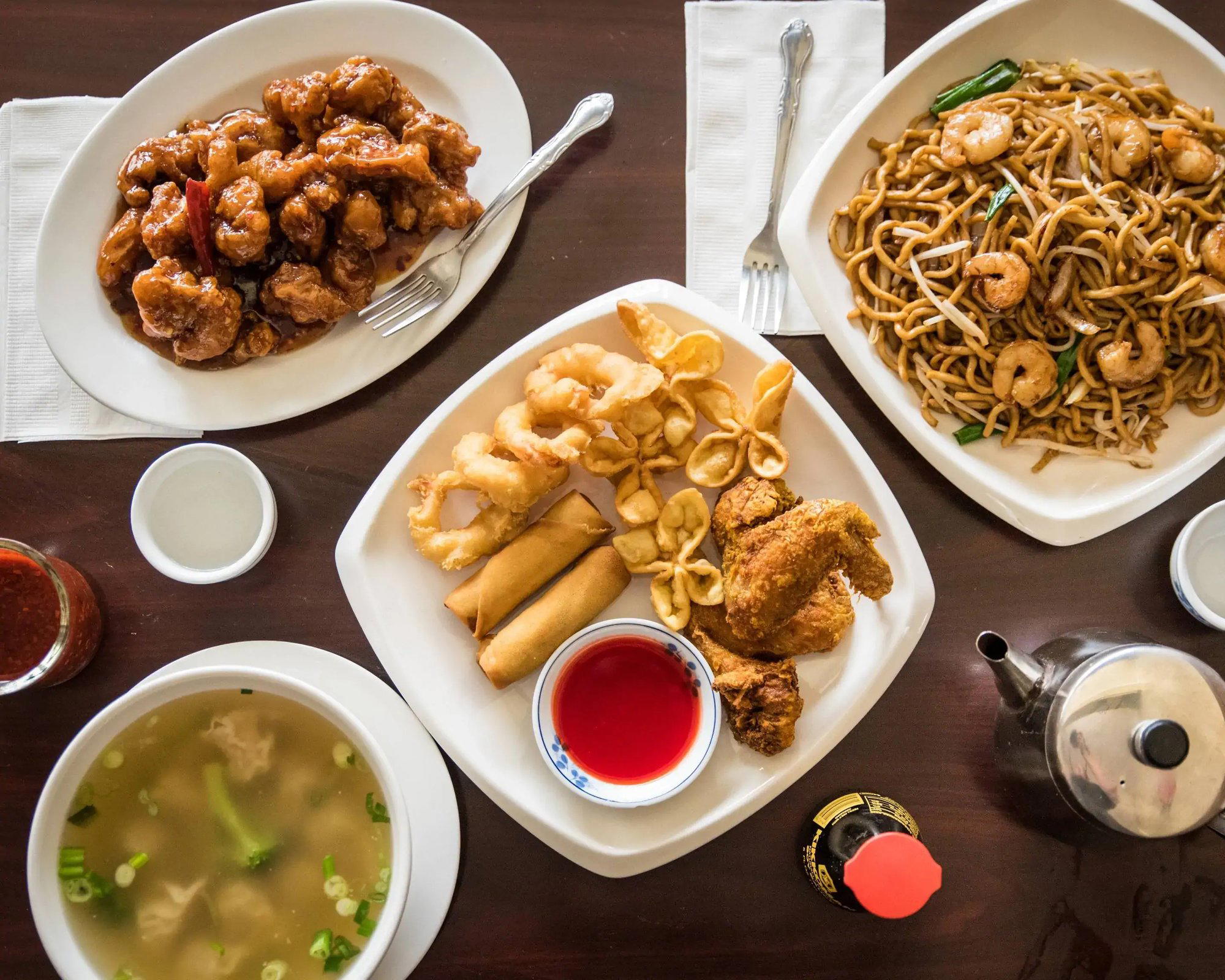
Altona's Quiet Seriousness
Hamburg's fine dining energy has never concentrated in one postcode. Unlike cities where a single arrondissement or district monopolises the starred tables, the city distributes its serious kitchens across neighbourhoods with distinct characters. Altona, where Mr. Dam sits at Mottenburger Twiete 4-8, belongs to a part of Hamburg that has shifted over the past fifteen years from a primarily residential and market-trading area into a zone with genuine culinary density. The fish market at its western edge, the Elbe riverbank, the low-slung brick architecture — all of it creates a physical context that sits at some distance from the formal grandeur associated with, say, the lakeside tables to Hamburg's east or the hotel dining rooms of the city centre.
That contextual distance matters when thinking about what a meal at Mr. Dam is likely to feel like. Altona's dining character tends toward the considered rather than the ceremonial. The neighbourhood's better restaurants operate with a confidence that does not depend on chandeliers or floor-to-ceiling views to signal seriousness. The food and its sequencing carry that weight instead.
The Arc of a Meal
Germany's upper tier of restaurant dining has increasingly organised itself around the multi-course tasting format as the primary mode of expression. This is not unique to Hamburg — you see the same logic operating at Aqua in Wolfsburg, at JAN in Munich, and at Schwarzwaldstube in Baiersbronn, but the format takes on particular meaning in a city like Hamburg, where the guest arriving for a long evening expects the kitchen to make an argument, course by course, not simply to feed.
The tasting progression model demands that each stage of a meal earn its place in a sequence rather than stand alone as a showpiece dish. The amuse-bouche tier sets expectations; the first course establishes the kitchen's register; middle courses carry the conceptual weight; and the final savoury and dessert stages either justify or undercut what came before. When this arc is managed well, the meal reads as something closer to an edited experience than a succession of plates. When it fails, the individual courses, however accomplished in isolation, feel unconnected.
Within Hamburg's upper-bracket dining, the question of how kitchens construct this arc separates the rooms worth returning to from those worth visiting once. The Table Kevin Fehling, with its three Michelin stars and its HafenCity setting, operates at the apex of this format in Hamburg. Restaurant Haerlin anchors the tradition in classical French structure. 100/200 Kitchen approaches the format with a more open, produce-led sensibility. Each represents a distinct answer to the same underlying question about how a sequenced meal should cohere.
Where Mr. Dam Sits in This Picture
Hamburg's dining tier between the three-star outlier and the straightforwardly accessible bistro contains a range of venues operating with serious intent but without the institutional weight of the city's most decorated rooms. bianc, with its Mediterranean orientation at the €€€€ price point, occupies one position in that band. Lakeside occupies another, with its German lakeside format and comparable pricing. Mr. Dam's Altona address places it in a different neighbourhood context from either, which shapes the experience before the first course arrives.
For guests who have tracked Germany's wider fine dining scene, it is worth noting that the country's most decorated tables extend well beyond Hamburg. Vendôme in Bergisch Gladbach, Victor's Fine Dining by Christian Bau in Perl, and Waldhotel Sonnora in Dreis represent the country's highest recognised tier. Closer to Hamburg's own character, ES:SENZ in Grassau and Schanz in Piesport demonstrate how Germany's regional dining scene continues to generate serious kitchens outside its major cities. Bagatelle in Trier adds another regional reference point. For context on how dessert-led format restaurants have carved out a separate niche within German fine dining, CODA Dessert Dining in Berlin is the clearest local example of a kitchen that has reorganised the tasting arc around its final act. Internationally, the sequenced tasting format reaches its most technically argued expressions at places like Le Bernardin in New York City and Atomix in New York City, both of which have made the narrative arc of a meal central to their critical identities.
The Altona Address in Practice
Mottenburger Twiete is not a street that appears on most visitors' Hamburg itineraries unprompted. That quality, the slight remove from the obvious tourist circuits, is a characteristic Altona shares with a handful of Hamburg's better dining neighbourhoods. Getting there from the central station or the HafenCity waterfront takes roughly twenty minutes by S-Bahn to Altona station, with a short walk from there. The area is navigable on foot once you have arrived, and the surrounding streets offer enough of the neighbourhood's character to make arriving early worthwhile.
Hamburg's dining calendar follows the broader northern European pattern, with the autumn and winter months drawing guests toward longer, warmer indoor experiences. A sequenced tasting dinner fits that rhythm particularly well: the format rewards the kind of unhurried evening that the shorter days of October through February naturally produce. Spring bookings, when the city's restaurant scene tends to see renewed interest from visitors, are worth planning in advance for the better Altona tables.
For a fuller picture of how Hamburg's dining options are distributed across neighbourhoods and price tiers, the EP Club Hamburg restaurants guide covers the city's broader range.
Know Before You Go
- Address: Mottenburger Twiete 4-8, 22765 Hamburg, Germany
- Neighbourhood: Altona, Hamburg
- Getting there: S-Bahn to Altona Bahnhof, approximately 20 minutes from Hamburg Hauptbahnhof
- Booking: Contact details not listed; check current availability through Hamburg dining reservation platforms or the venue directly
- Seasonal note: Autumn and winter evenings suit the tasting format; advance planning recommended for spring and summer periods when visitor demand increases
Frequently asked questions
What dish is Mr. Dam famous for?
Specific menu details and signature dishes for Mr. In Hamburg's upper-bracket tasting format restaurants, the menu tends to shift seasonally, which means any individual dish is less the point than the overall progression of the meal. For current menu information, contacting the venue directly before your visit is the most reliable approach. Comparable Hamburg tables with documented menus include The Table Kevin Fehling and Restaurant Haerlin.
What's the ideal way to book Mr. Dam?
Phone and website details for Mr. Hamburg's serious tasting restaurants at the €€€€ tier typically require advance reservations, often several weeks out during peak autumn and spring periods. Checking local Hamburg reservation platforms or visiting the venue's address in Altona to enquire directly are practical options until booking infrastructure is confirmed. The EP Club Hamburg guide covers the city's broader dining reservation landscape.
Is Mr. Dam in Altona suitable for a special occasion dinner in Hamburg?
Altona's restaurant character, including Mr. Dam's address on Mottenburger Twiete, tends to suit guests who want a considered, unhurried dinner without the formal institutional weight of Hamburg's hotel dining rooms. The tasting format, common to the upper tier of German restaurant dining, makes the meal itself the occasion rather than the setting. For special occasions in Hamburg, the autumn and winter months are particularly well-suited to this format, when longer evenings and the neighbourhood's quieter pace make the experience feel appropriately deliberate.
Similar Picks
Comparable venues nearby, for context on price, style, and recognition.
| Venue | Cuisine | Price | Notes |
|---|---|---|---|
| Mr. DamThis venue — the venue you are viewing | Thai & Asian Streetfood | $10–20 | Not listed |
| Maharani | Authentic Ayurvedic Indian | $20–30 | Anscharhoehe |
| TamTam | Italo-American Food Court | $20–30 | Neustadt |
| Salam | Lebanese Street Food | $10–20 | Hamburg-Altstadt |
| Ristorante Piccobello | Traditional Italian Trattoria | $20–30 | Barmbek |
| Buddha Kitchen | Vegan Asian Bowls & Sushi | $10–20 | Bostelbeck |
Continue exploring
More in Hamburg
Restaurants in Hamburg
Browse all →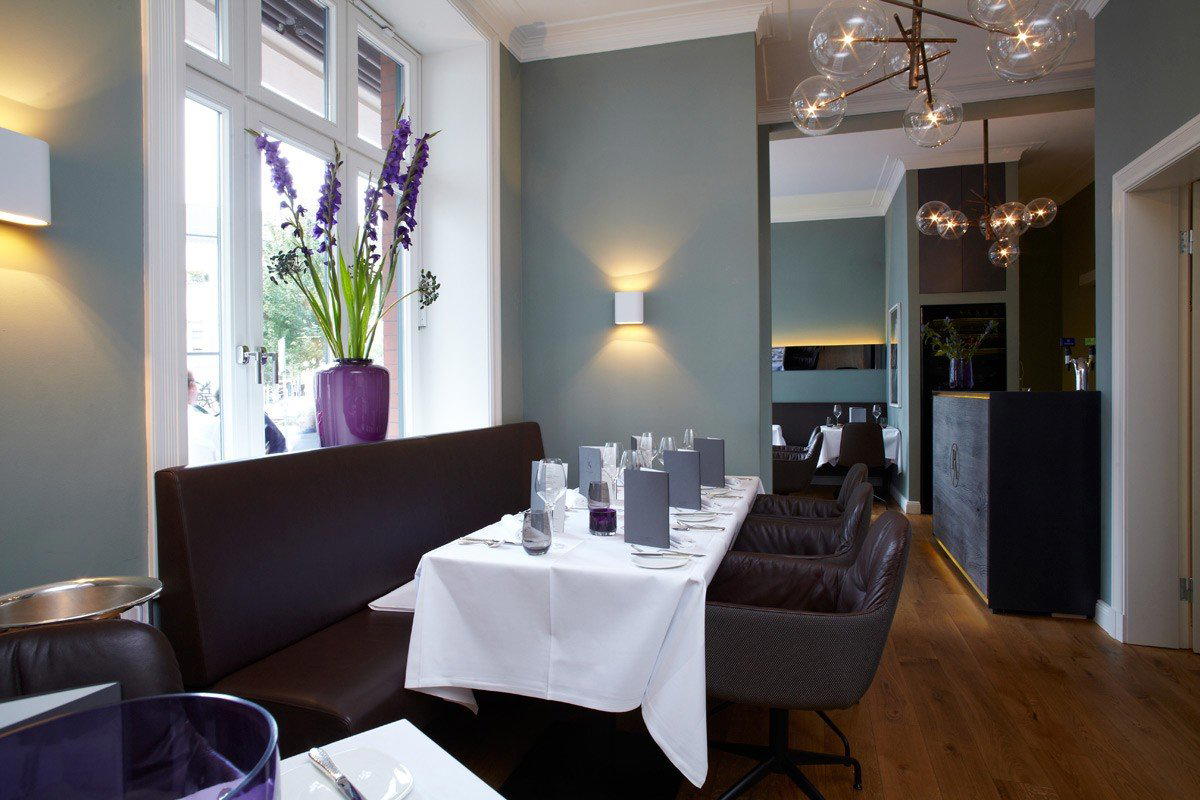
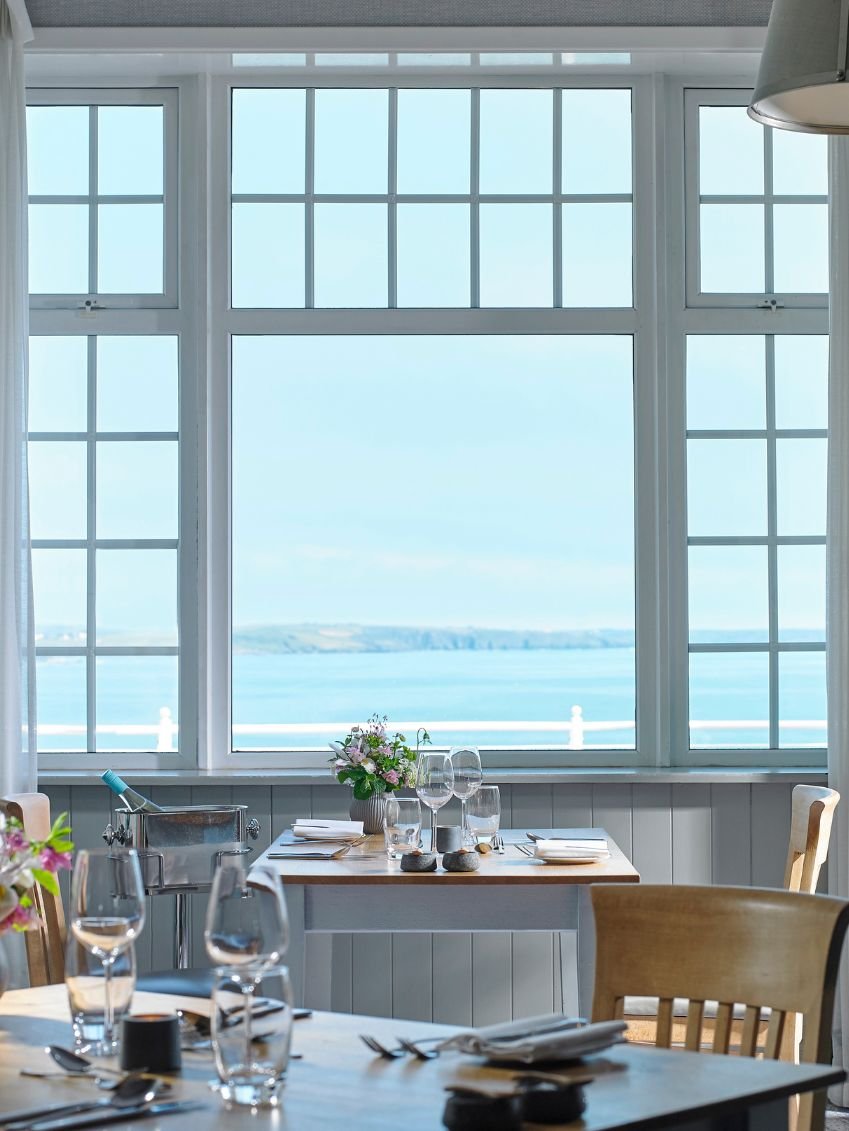
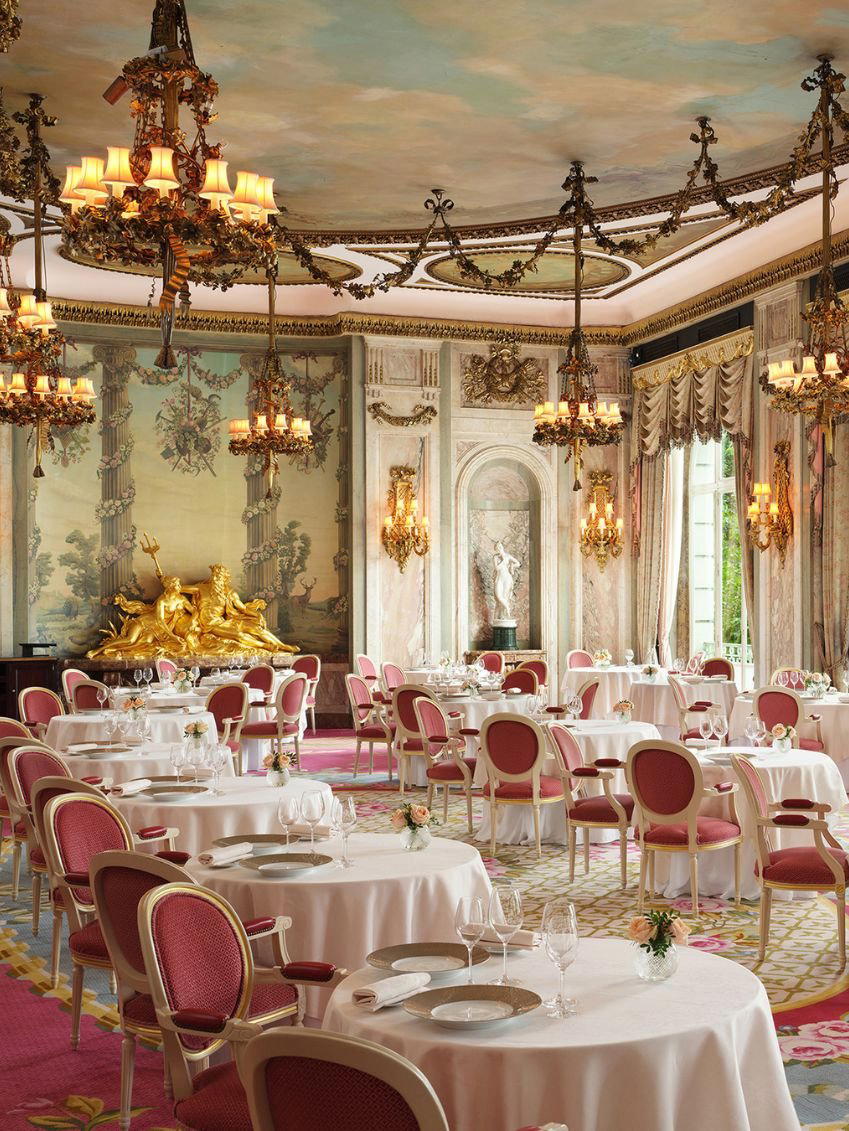
Bars in Hamburg
Browse all →
Hotels in Hamburg
Browse all →
Wineries in Hamburg
Browse all →
Details
- Cozy
- Trendy
- Casual Hangout
- A La Carte
- Vegan Options
- Vegetarian Friendly
- Gluten Free Options
Current opening hours
- Monday
- 12–9 PM
- Tuesday
- 12–9 PM
- Wednesday
- 12–9 PM
- Thursday
- 12–9 PM
- Friday
- 12–9 PM
- Saturday
- 12–9 PM
- Sunday
- 12–9 PM
Hours can change for holidays and private events. Last verified .
Cosy atmosphere with a casual Kiez charm.