Our verdict
Jardinette sits on Németvölgyi út in Budapest's quieter 11th district, at a remove from the tourist circuits that define the city's more visible dining tier. The address alone signals something about the venue's orientation: this is a neighbourhood restaurant in the fuller sense of that phrase, drawing a local crowd rather than positioning itself against the Michelin-tracked counters closer to the Danube.

Pearl is the En Primeur Club membership app, where members save venues, book tables and use the concierge.

A Quieter Corner of Budapest's Dining Scene
The 11th district of Budapest operates on a different register from the Inner City's concentrated restaurant strip. Németvölgyi út runs through a residential hillside neighbourhood where the Buda hills begin their gentle assertion, and the dining rooms along this stretch tend to serve the surrounding streets rather than the city's wider dining circuit. Jardinette, at number 136, sits within that pattern: a neighbourhood restaurant in the authentic sense, geographically and temperamentally distant from the venues competing for international visibility near Vörösmarty tér or along the Pest embankment.
That positioning matters more than it might first appear. Budapest's premium dining tier has consolidated significantly over the past decade. Costes and Stand operate at the top of that bracket, with tasting menus and Michelin recognition that place them in an international competitive set. Babel and essência occupy adjacent territory. Below that tier, a broader mid-range layer has developed, anchored by places like Borkonyha Winekitchen, which pairs modern Hungarian cooking with a serious wine program. Jardinette exists in a different conversation from all of them, one defined by the rhythms of a residential neighbourhood rather than the ambitions of a destination dining room.
The Atmosphere on Németvölgyi út
Approaching from the tram stop, the street narrows and the density of central Buda gives way to something more open. The area carries the particular quiet of a neighbourhood that has no particular reason to perform for visitors. Garden walls, older apartment buildings, a slower pedestrian pace. A restaurant called Jardinette, the name suggesting something small, garden-adjacent, diminutive in the French diminutive tradition, fits this context without irony.
That sense of scale and setting is the first thing a visitor registers. Budapest's most-discussed restaurants tend to operate in reclaimed industrial spaces, grand bourgeois interiors, or carefully designed contemporary rooms. The neighbourhood trattoria model, where the room and the street outside exist in easy continuity, is rarer in the parts of the city that attract food-focused tourism. On Németvölgyi út, the surrounding residential character does a portion of the atmospheric work without any effort from the venue itself.
Hungary's broader restaurant culture outside the capital offers useful comparison. Places like Platán Gourmet in Tata and Pajta in Őriszentpéter demonstrate how seriously regional Hungarian dining has developed outside Budapest, often in settings that foreground natural surroundings and local produce. The neighbourhood-rooted model in the capital's quieter districts shares some of that orientation, even without the dramatic rural backdrops.
Where Jardinette Sits in the Budapest Picture
Budapest's dining scene has split into recognisable tiers over the past several years. At the leading, a handful of tasting-menu restaurants compete for Michelin attention and international press. In the middle, a generation of wine-forward bistros and modern Hungarian kitchens has emerged, attracting a younger local demographic alongside visitors. And in the residential districts, particularly on the Buda side, a quieter layer of neighbourhood restaurants serves the city's actual daily eating life.
That last tier rarely appears in international editorial coverage, which tends to follow awards and social media visibility rather than local eating habits. Yet it is in these rooms that you encounter the Budapest that most residents actually inhabit: less theatrical, more consistent, priced and paced for repeat visits rather than occasion dining. For visitors spending more than a couple of days in the city, the contrast with the destination-dining tier is instructive. See our full Budapest restaurants guide for a broader map of where the city's dining energy is currently concentrated.
Comparison with Hungary's provincial restaurant culture is also useful context. BoriMami in Gyöngyös, Forst-Ház Étterem és Kávézó in Eger, and Aranysárkány Vendéglő in Szentendre each occupy the neighbourhood-anchor role in their own towns, serving consistent, locally-oriented cooking to a predominantly local clientele. The model is well-established across Hungary; its Budapest version on Németvölgyi út simply operates with a more urban backdrop.
The Broader Hungarian Table
Hungarian cuisine in its neighbourhood restaurant form tends to favour comfort over technical display: braised meats, layered stocks, seasonal vegetables treated as structural elements rather than garnish, and a relationship with paprika and sour cream that defines a particular regional sensibility. These are kitchens shaped by what Hungarian households have cooked for generations, refined enough to hold attention across a two-hour lunch but not attempting to reframe the tradition as something it is not.
That approach stands apart from the creative Hungarian cooking happening at the upper tier. At venues like Stand or Babel, classical Hungarian ingredients appear in contemporary constructions, with technique and presentation aligned to international tasting-menu conventions. The neighbourhood restaurant sits at the opposite end of that spectrum, where familiarity and reliability outrank novelty. Neither end is more legitimate than the other; they serve different needs and different moments in a visitor's time in the city.
Across the Hungarian restaurant scene, this distinction between destination ambition and neighbourhood consistency shows up repeatedly. Halasi Pince Panzió in Villány pairs its local wine region identity with kitchen cooking that serves the immediate community as much as wine-focused tourists. Classic Grill in Szeged operates within a regional culinary tradition that rarely registers in Budapest press. The pattern is consistent: Hungary's most honest eating often happens in rooms that are not trying to be anything other than what they are.
Planning a Visit
Jardinette's address at Németvölgyi út 136 places it in the 11th district, reachable by tram from central Buda. The venue's location in a residential neighbourhood rather than a high-traffic dining street suggests the kind of advance planning that applies to any restaurant without an immediately obvious tourist footfall: contact details and current hours should be verified before making the trip, as neighbourhood restaurants in Budapest tend to keep schedules calibrated to local demand rather than extended tourist-season service windows.
For visitors building a broader day in this part of Buda, the hillside neighbourhoods between the 11th and 12th districts offer a different pace from the Castle District or the central Pest streets. The combination of residential calm and the occasional well-regarded neighbourhood restaurant makes for a genuinely local half-day, at considerable remove from the itinerary that most first-time visitors follow.
Those seeking points of comparison within Budapest's mid-range and upper-mid tier might also consider Borkonyha Winekitchen for its wine-led approach to modern Hungarian cooking, or look further afield to places like Astro Tea and Kávéház in Győr for a sense of how café and restaurant culture develops in Hungary's secondary cities. For contrast with what the very best of the international dining tier looks like, Le Bernardin in New York City and Atomix represent a different scale of ambition entirely, useful benchmarks for calibrating expectations across different dining contexts.
Frequently asked questions
What's the address for Jardinette?
Jardinette is located at Budapest, Németvölgyi út 136, 1112 Hungary, Budapest.
Is Jardinette a good option for a long lunch in a quieter part of Budapest?
Jardinette's position on Németvölgyi út in Budapest's 11th district places it in a residential neighbourhood that moves at a slower pace than the Inner City. Neighbourhood restaurants in this part of Buda have historically suited unhurried midday meals better than quick-turnover dinners. If a long lunch in a non-tourist setting is what you are after, the 11th district is the right side of Budapest to be looking.
What should I eat at Jardinette?
Neighbourhood restaurants along Budapest's quieter Buda streets tend to anchor their cooking in Hungarian comfort food: braised meats, slow-cooked preparations, and dishes that follow the season rather than trend. Jardinette sits on Németvölgyi út 136 in the 11th district, a residential area where kitchens typically reflect that register. No specific menu is publicly confirmed, so arriving open to whatever is being prepared that day is the practical approach.
Do I need a reservation for Jardinette?
A residential address on Németvölgyi út in the 11th district operates under different pressure than a restaurant on a central Pest dining strip. Showing up without a reservation on a quiet weekday carries less risk than on a weekend.
What makes Jardinette worth seeking out?
The 11th district is not where visitors to Budapest typically concentrate their dining, which is precisely why neighbourhood restaurants there offer something the Inner City restaurants cannot: a room full of locals rather than tourists, and a pace set by the neighbourhood rather than a reservation system. Jardinette's address at Németvölgyi út 136 puts it firmly in that category. For anyone willing to take the tram out from central Buda, the trade-off is a more grounded reading of how the city actually eats.
What if I have allergies at Jardinette?
If you have serious dietary allergies, arriving in person before a busy service period and speaking directly with staff is the most reliable option. Hungarian kitchen staples often include dairy, wheat, and pork, so flagging restrictions clearly at the table is worth doing regardless.
Does Jardinette justify its prices?
As a general reference point, neighbourhood restaurants in Budapest's 11th district typically price well below the tasting-menu tier concentrated in Pest, making them accessible for a full meal with drinks. The value case for a place like this rests less on the price-to-dish ratio and more on what you are not paying for: theatre, tourism premiums, and central real estate.
Comparable Options
Comparable venues nearby, for context on price, style, and recognition.
| Venue | Cuisine | Price | Notes |
|---|---|---|---|
| JardinetteThis venue (the venue you are viewing) | Traditional Hungarian | $20–30 | Not listed |
| Café Kör | Traditional Hungarian Bistro | $20–30 | Varhegy |
| Gettó Gulyás | Authentic Hungarian Stews | $20–30 | Belvaros |
| Halászbástya | Modern Hungarian Fine Dining | $50–100 | Varhegy |
| Remiz | Traditional Hungarian Gourmet | $20–30 | Huvosvolgy |
| Retro Lángos Budapest | Hungarian Lángos Street Food | $1–10 | Varhegy |
Continue exploring
More in Budapest
Restaurants in Budapest
All restaurants in Budapest →

Bars in Budapest
All bars in Budapest →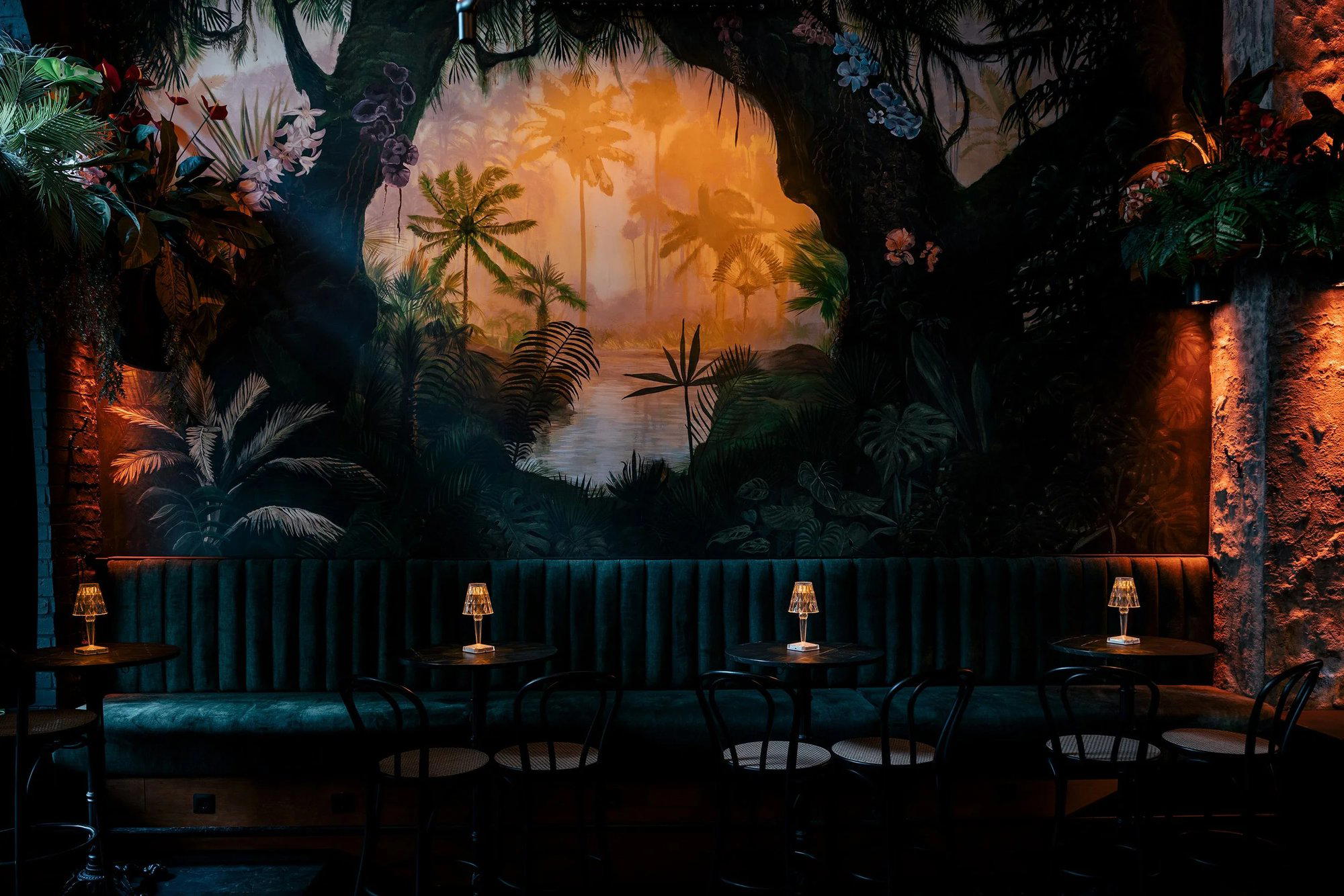
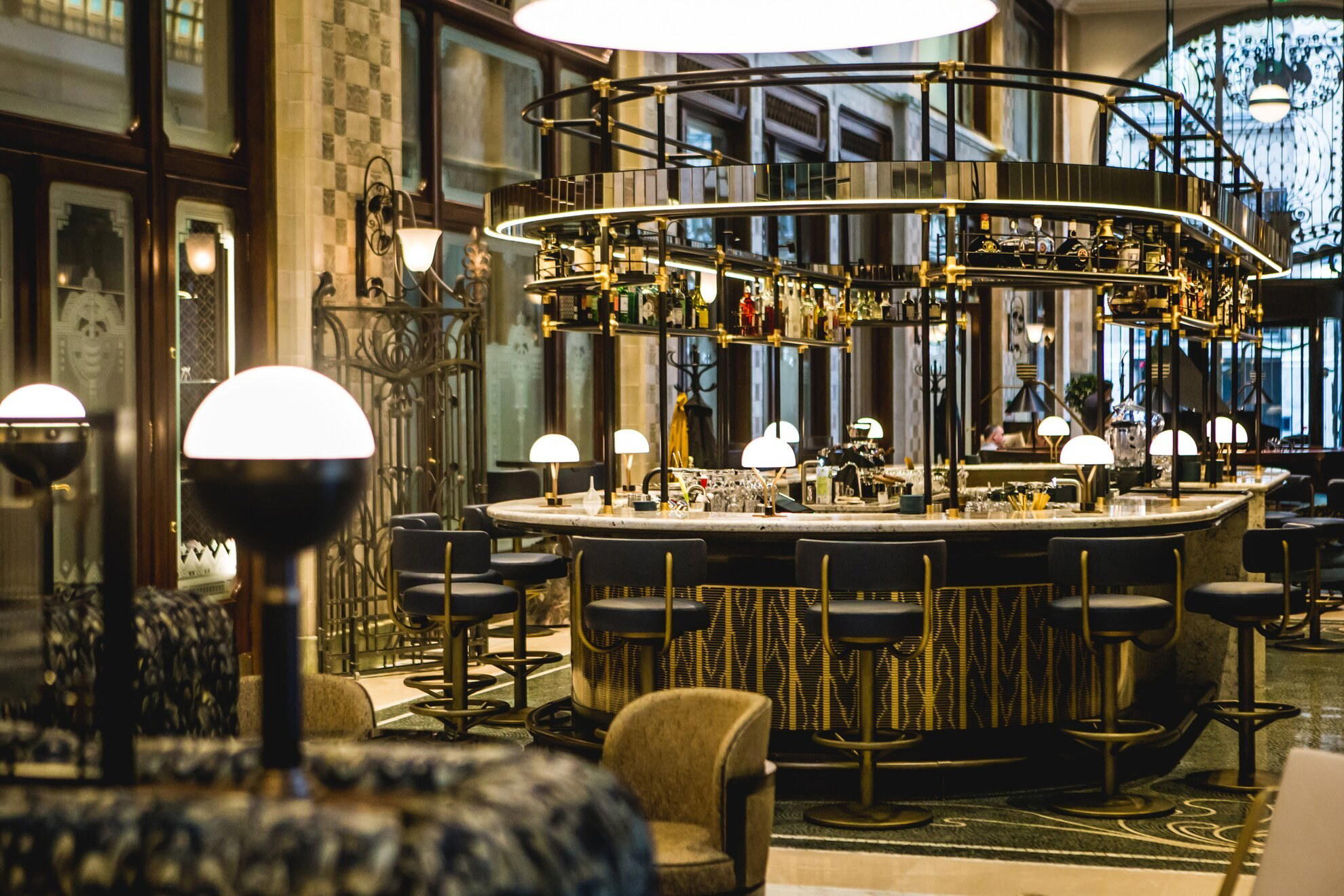
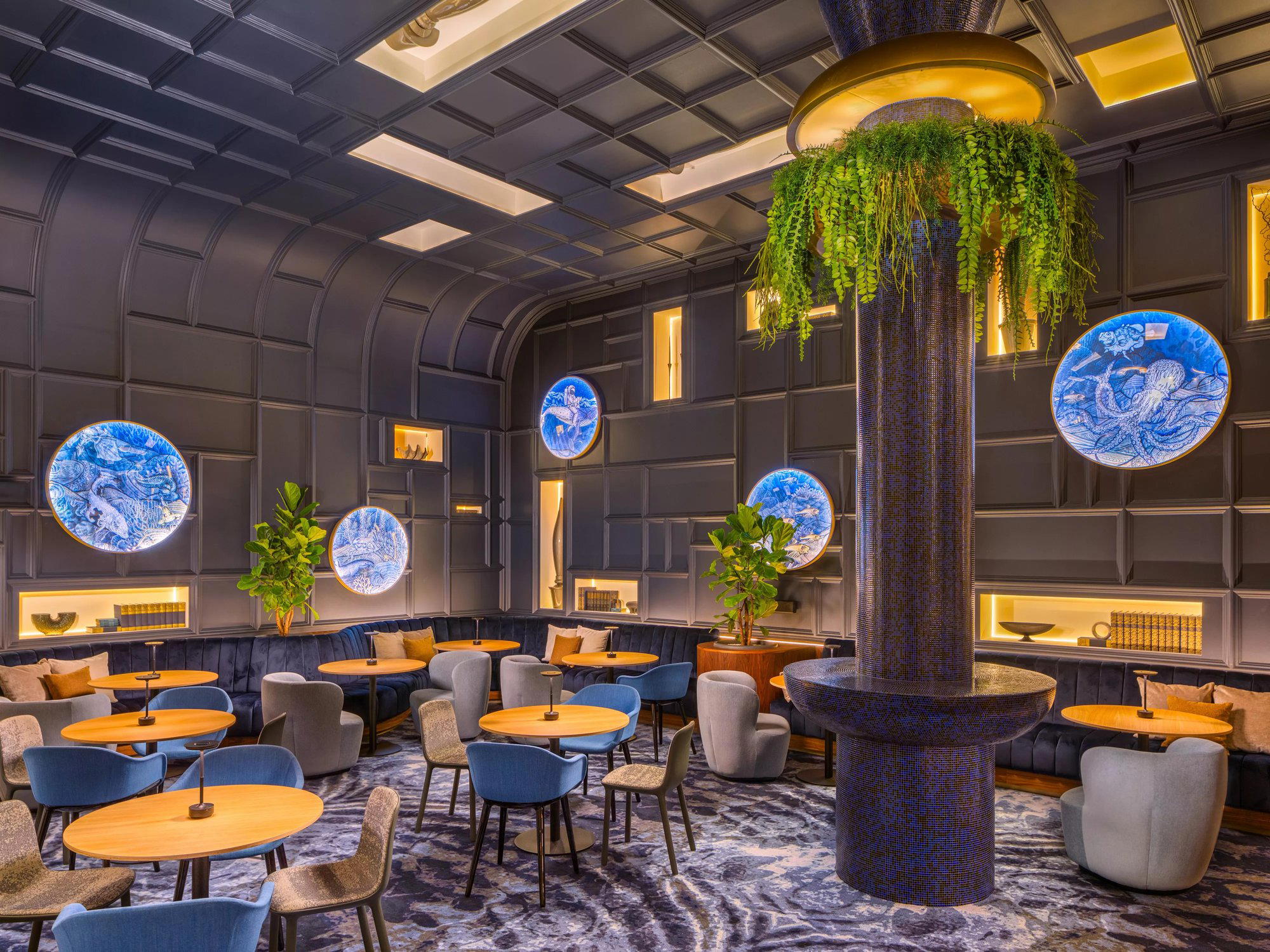
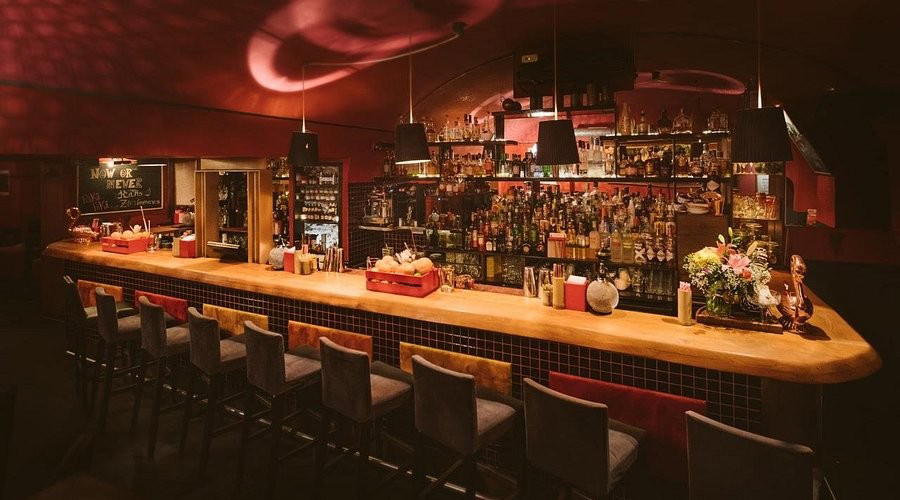


Details
- Cozy
- Romantic
- Scenic
- Elegant
- Family
- Date Night
- Celebration
- Business Dinner
- Garden
- Terrace
- Extensive Wine List
- Garden
- A La Carte
- Vegetarian Friendly
- Gluten Free Options
Current opening hours
- Monday
- Closed
- Tuesday
- 12–10 PM
- Wednesday
- 12–10 PM
- Thursday
- 12–10 PM
- Friday
- 12–10 PM
- Saturday
- 12–10 PM
- Sunday
- 12–6 PM
Hours can change for holidays and private events. Hours as of .
Cozy and romantic atmosphere in a lush garden under chestnut trees or sunny winter garden, evoking a homely feel.