Moro Restaurant sits in Venice's archipelago of trattorias and contemporary dining rooms, operating in a city where ingredient provenance and Adriatic-Mediterranean sourcing define the line between tourist-facing menus and local-standard cooking. The kitchen's approach to sourcing and its position in the Venetian dining landscape are shaped by the city's island geography and its lagoon economy.
Pearl is the En Primeur Club membership app — saves, bookings, and concierge access live there. Same editors, same standards.
- Address
- Venice, Italy
- Website
- morovenezia.it
- Directions
- Get directions
 Saves & bookings on Pearl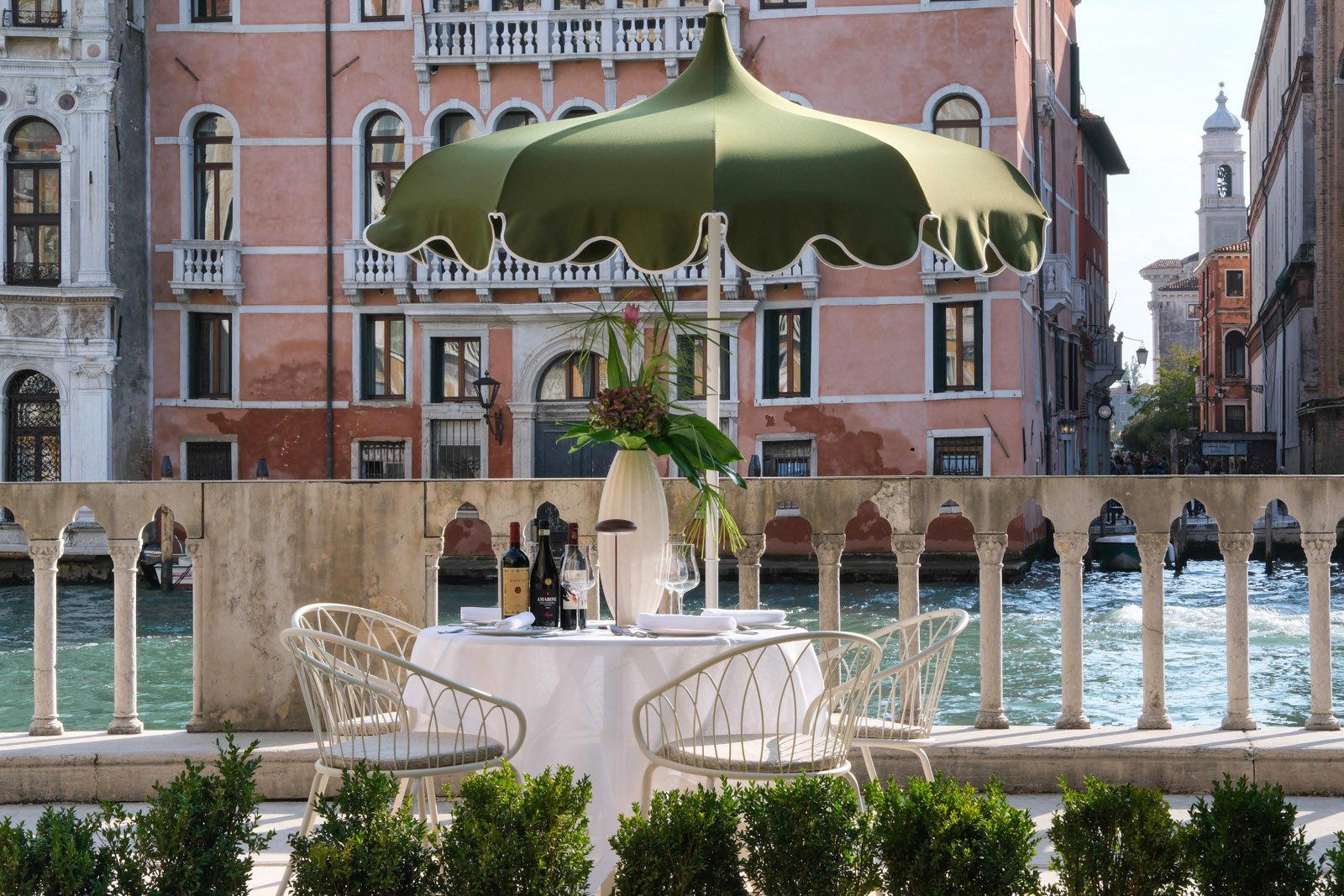
Moro Restaurant is a contemporary Venetian fine dining restaurant in Venice, priced at about $120 per person, with a Grand Canal view. Moro Restaurant operates in a city where ingredient origin, whether Adriatic fish, lagoon vegetables, or mainland produce, determines menu structure and pricing tier. The city's geography imposes strict logistical constraints: daily deliveries arrive by boat, storage is limited, and supply-chain discipline separates competent kitchens from formulaic ones.
The Venetian tradition of alla buranella and alla pescatora preparations depends on same-day fish quality, and the lagoon's clam, crab, and mollusc harvest dictates availability windows. Its menu reflects the city’s seasonal cadence, where proximity to the Rialto market or direct boat delivery from Chioggia and Pellestrina often determines whether a kitchen can offer whole branzino, soft-shell crab (moeche), or lagoon mantis shrimp. The city's island position means that kitchens without reliable sourcing partnerships default to frozen imports or prepped bases, a practice visible in price-per-dish and in how quickly offerings shift when a catch window closes.
Sourcing Network and Menu Logic
Venetian dining operates on a tiered supplier model. The top tier, servicing rooms like Alle Corone and Amo, secures first pick at the Rialto wholesale stalls and maintains boat contracts with specific fishermen. The middle tier, where Moro sits, balances daily market purchases with standing orders from mainland distributors. This hybrid approach allows for seasonal flexibility but limits the rarity of certain catches. When castraure (artichoke buds from Sant'Erasmo) or white asparagus from Bassano del Grappa appear, availability and pricing signal a kitchen's supply-chain positioning.
Its location near the Grand Canal places it within walking range of the main market district and the San Polo wholesale stalls, a logistical advantage that reduces transport lag between morning delivery and evening service. In a city where boat schedules dictate ingredient freshness, proximity to distribution nodes matters more than in most European capitals. Kitchens operating in outer sestieri or on peripheral islands face longer transport windows and narrower sourcing options, which often pushes them toward preserved or ambient-stable ingredients.
Comparative Context and Venetian Dining Tiers
Venice's dining tier system is less about formal recognition and more about price, sourcing transparency, and format. High-volume establishments like those along Riva degli Schiavoni serve 200-plus covers nightly with standardized menus; mid-tier rooms operate 50-80 covers and rotate offerings based on daily market availability; small-format osterie and chef-driven spots run 30-40 covers with tasting-menu or limited à la carte structures. Moro's positioning within this spectrum depends on its capacity, service format, and whether it operates a fixed menu or market-driven carte.
Rooms like Bistrot de Venise, priced in the €€€€ band, anchor their menus in historical Venetian recipes with documented sourcing for each component. Mid-tier venues balance tradition with contemporary plating and often source from the same Rialto suppliers but with fewer exclusive partnerships. For context, a whole branzino at a upper-tier Venetian table runs €60-75, while the same fish at a mid-tier room prices at €40-50, reflecting supplier access and kitchen execution rather than raw ingredient cost.
Other Venice venues worth cross-referencing include Antico Calice and Osteria Enoteca San Marco, both of which operate in overlapping sourcing and pricing territories.
Venetian ingredient cycles run counter to mainland Italian patterns. Lagoon crab peaks in spring and autumn; seppie (cuttlefish) runs heaviest November through March; summer brings peoci (mussels) and salt-marsh lamb from the outer islands. Menus that shift monthly or bi-weekly signal active market engagement; static year-round offerings suggest frozen stock or imported protein. Moro's sourcing rhythm, visible in menu turnover and daily specials, positions it within one of these operational models.
Related Italian dining formats, from [bu:r] in Milan to [àbitat] in San Fermo della Battaglia, offer comparative perspectives on regional sourcing discipline and market-driven menus.
Comparison Snapshot
Comparable venues nearby, for context on price, style, and recognition.
| Venue | Cuisine | Price | Notes |
|---|---|---|---|
| Moro RestaurantThis venue — the venue you are viewing | Contemporary Venetian fine dining with Grand Canal view | $$$$ | Not listed |
| La Casati | Contemporary Venetian | $$$$ | San Marco |
| Restaurant Terrazza Danieli | Venetian Mediterranean Fine Dining | $$$$ | Castello |
| Alla Rivetta | Traditional Venetian Seafood Trattoria | $$$ | Castello |
| Ostaria Boccadoro | Modern Venetian Seafood | $$$ | Cannaregio |
| Da Rioba | Creative Venetian Seafood | $$$ | Cannaregio |
Continue exploring
More in Venice
Restaurants in Venice
Browse all →
Bars in Venice
Browse all →
Hotels in Venice
Browse all →
At a Glance
- Romantic
- Scenic
- Elegant
- Sophisticated
- Well Known
- Date Night
- Special Occasion
- Business Dinner
- Group Dining
- Waterfront
- Panoramic View
- Terrace
- Historic Building
- Design Destination
- Standalone
- Extensive Wine List
- Sommelier Led
- Craft Cocktails
- Local Sourcing
- Waterfront
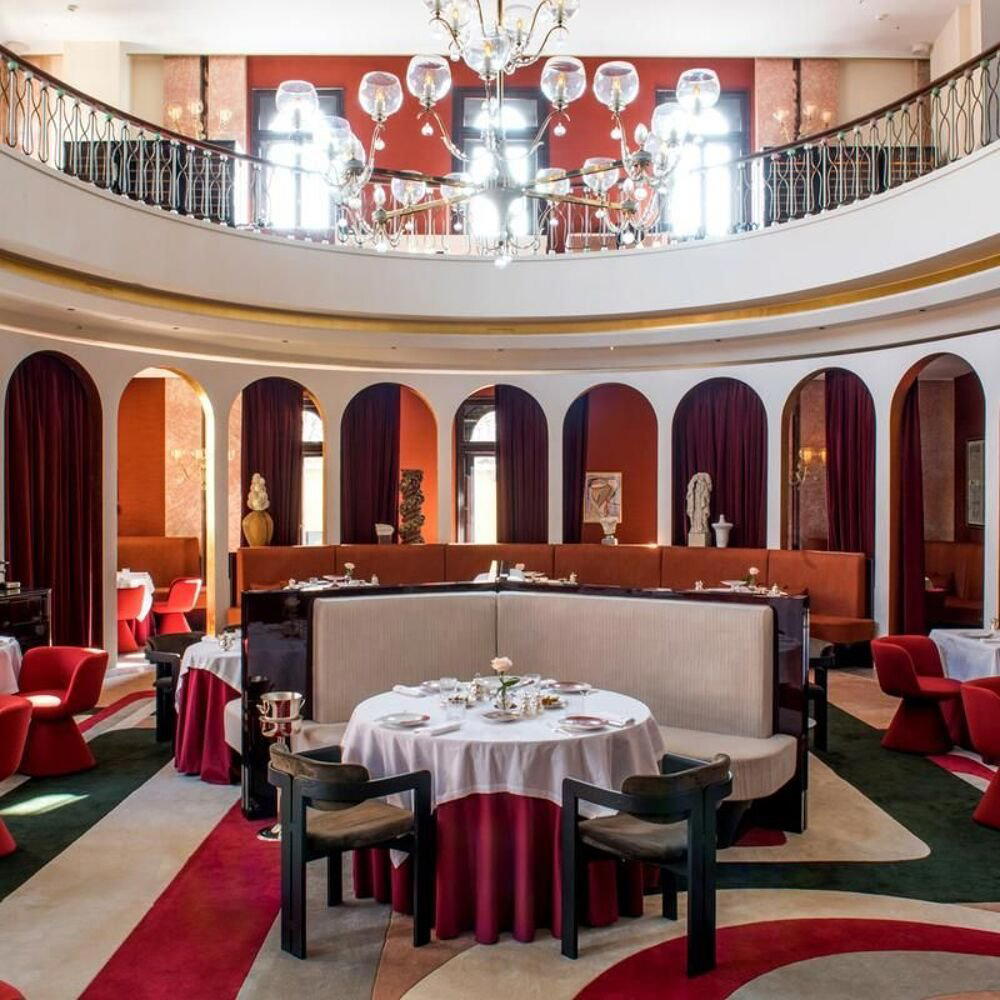
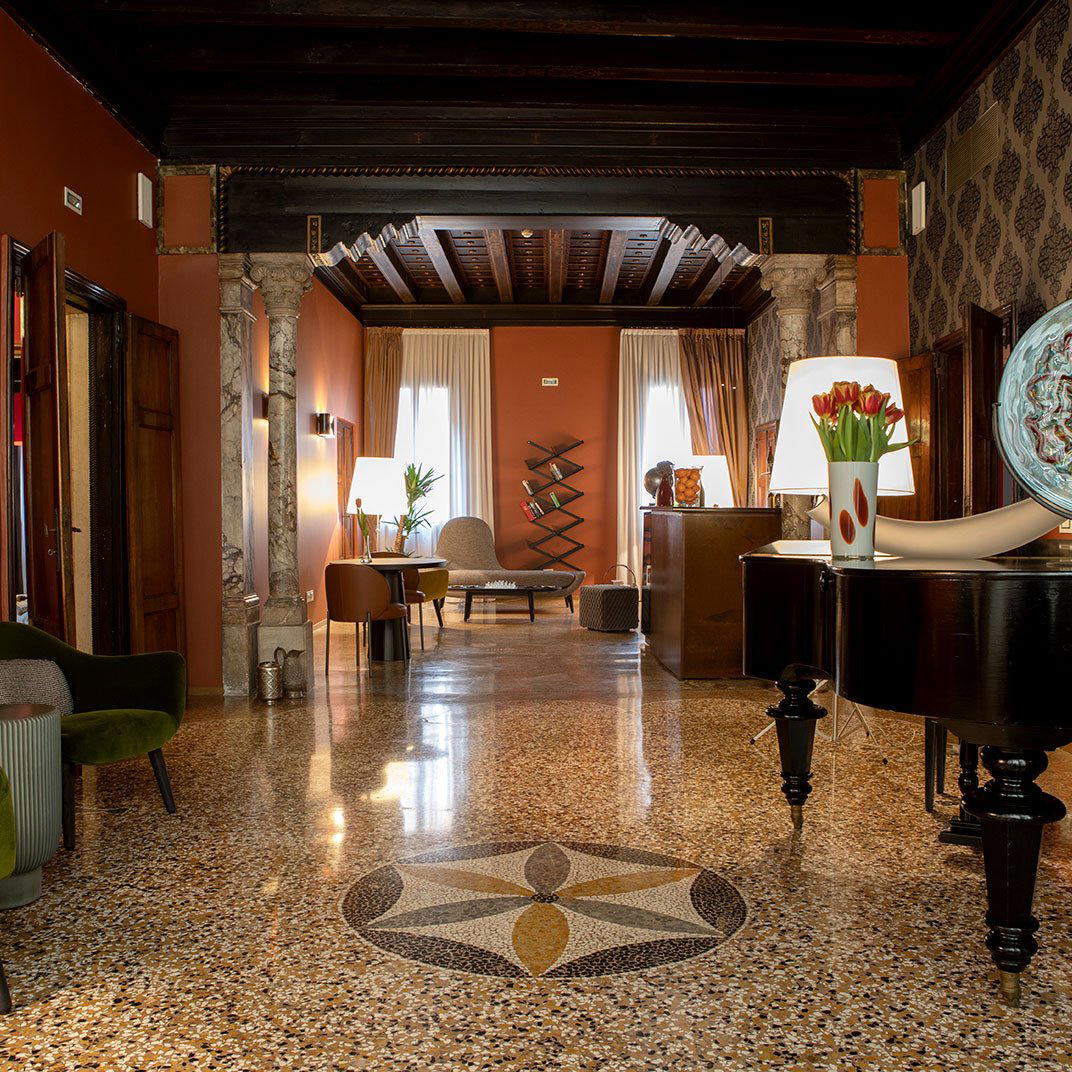
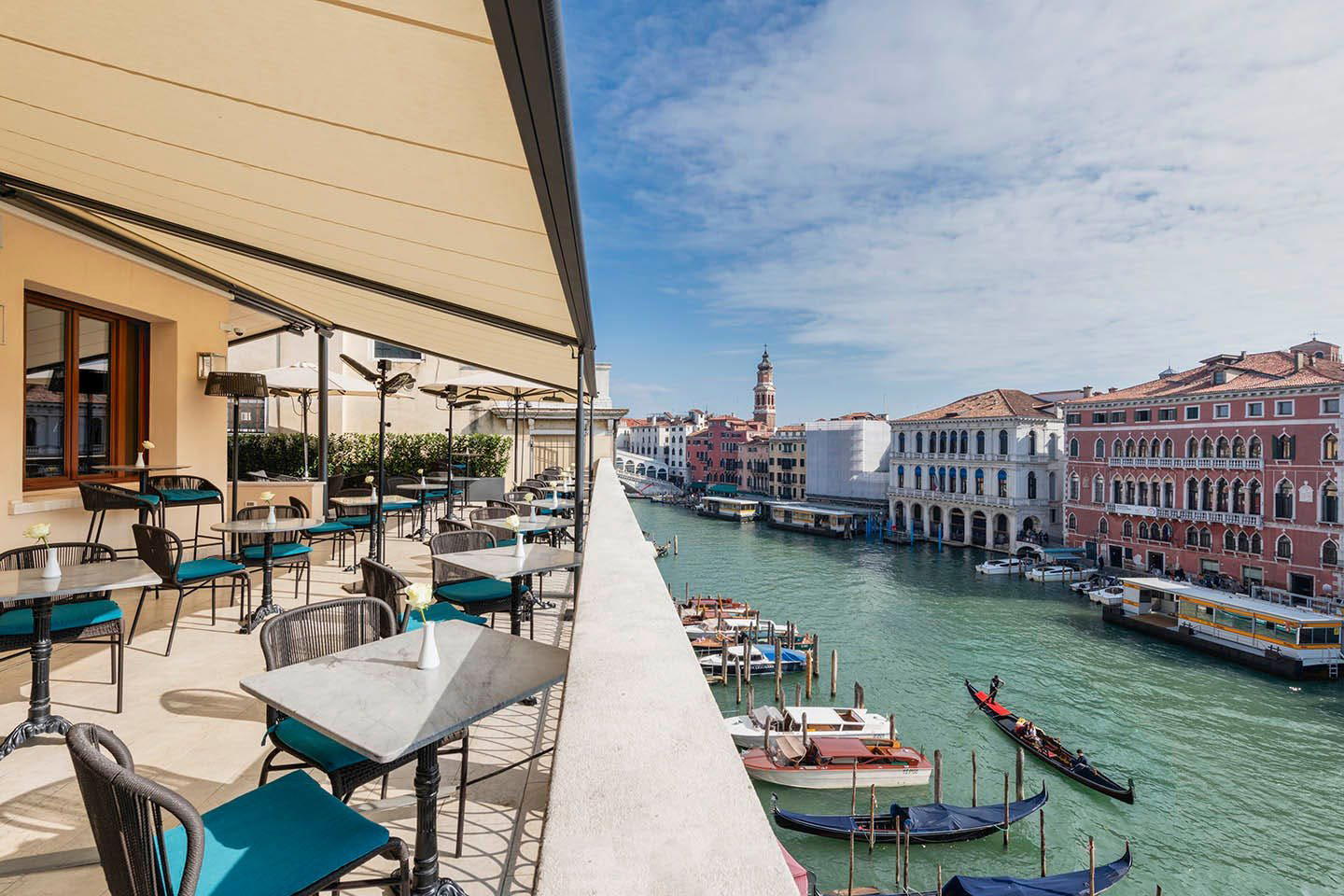
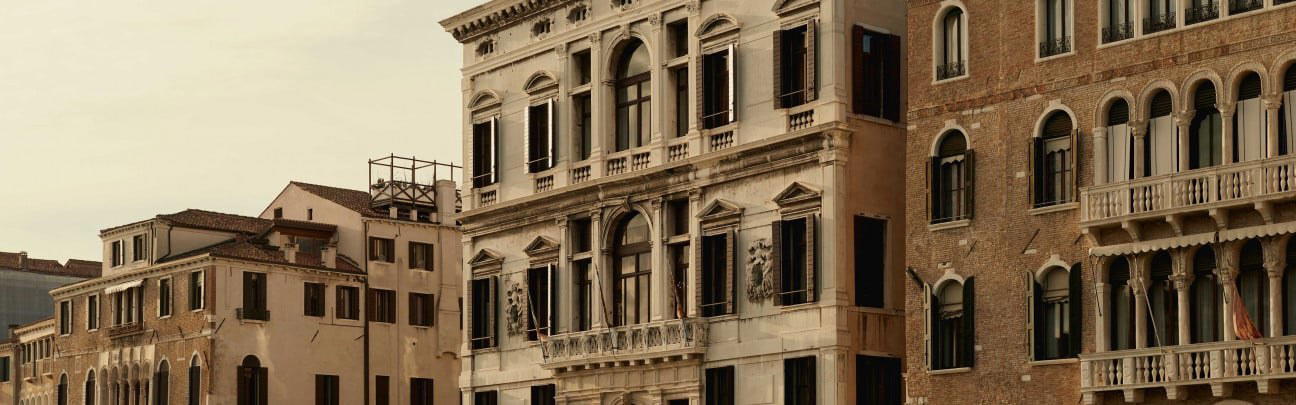
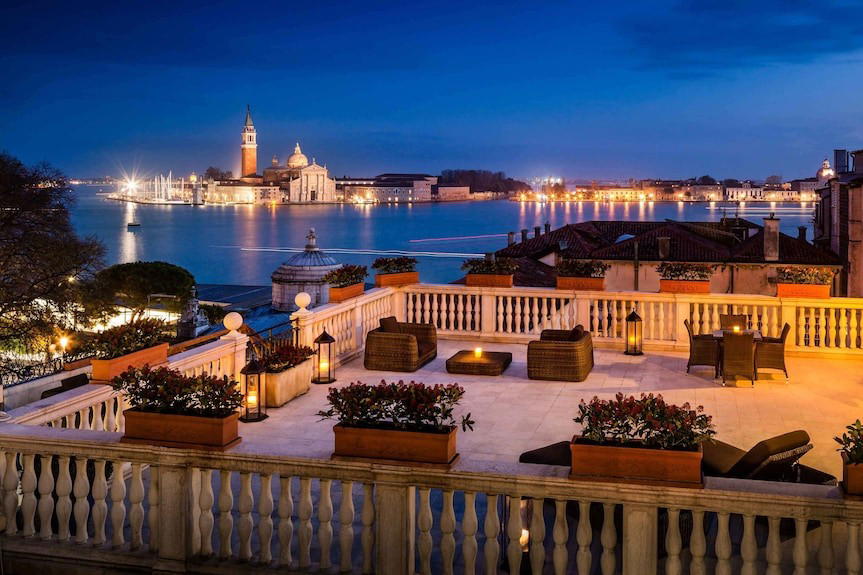
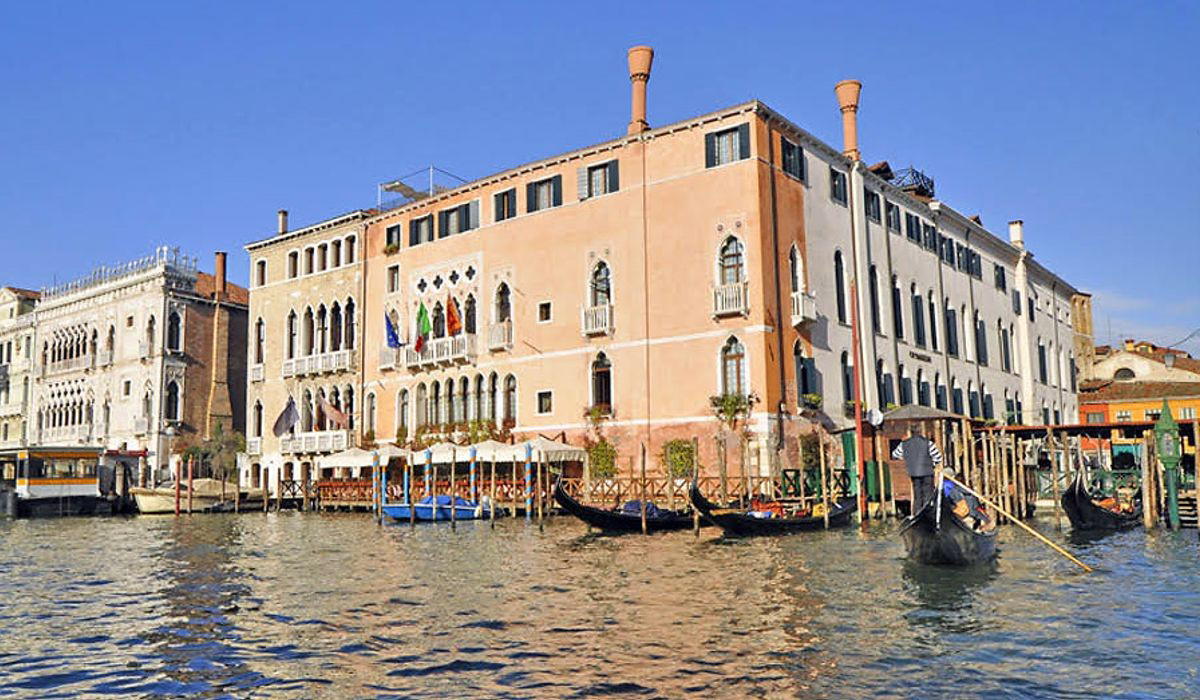
Refined and romantic atmosphere with warm colors echoing the palazzo’s neo-Gothic interiors, a surreal Grand Canal view, and a design-driven yet relaxed elegance suited to leisurely gourmet meals.