
Michelin Plate
Our verdict
Positioned steps from St. Mark's Square, Bistrot de Venise holds a Michelin Plate for its approach to Venetian cuisine that moves between historical recipes and contemporary reinterpretation. The wine list leans toward Italian rarities, making it a natural stop for those who treat the bottle as seriously as the plate. It sits in the upper tier of Venice's formal dining circuit.

Pearl is the En Primeur Club membership app, where members save venues, book tables and use the concierge.
The menu
What to order
- Risotto Crudo
- Slow Cooked Lamb
- Pasta with Scampi
- Panna Cotta
Where San Marco's Shadows Meet the Table
The streets around Calle dei Fabbri carry a particular density of history. This short corridor between the Rialto and St. Mark's Square has been a working part of Venice for centuries, its stones worn smooth by the kind of foot traffic that only a city built on commerce and ceremony can sustain. Arriving at Bistrot de Venise from either direction, you pass through one of the most compressed urban environments in Europe before stepping into a room that holds that history deliberately, rather than just decorating with it. The positioning is not incidental. Restaurants in this latitude of Venice are making a statement about which audience they are courting, and Bistrot de Venise's answer is clearly the traveller who wants serious Venetian cooking rather than a proximity premium on their plate.
Venetian Cuisine as a Living Archive
Venice's culinary tradition is one of the most layered in Italy, shaped by centuries of trade routes that brought spices, techniques, and ingredients from the Eastern Mediterranean into a lagoon kitchen. The result is a canon that feels unlike the cooking of any other Italian region: sardines in saor, bigoli in salsa, risi e bisi, and a broader bivalve-and-lagoon vocabulary that is inherently local. The challenge for any serious Venetian restaurant is how to engage that canon without freezing it. The less interesting path is strict reproduction. The more demanding one is genuine reinterpretation, where historical dishes are interrogated rather than simply replated.
Bistrot de Venise operates on the second track. The kitchen works across both historical Venetian recipes and contemporary reinterpretations, a dual register that requires the brigade to understand the original well enough to know what they are changing and why. This is a different proposition from the modernist Italian cooking at venues like Enrico Bartolini in Milan or the mountain-rooted precision of Atelier Moessmer Norbert Niederkofler in Brunico. The reference point here is specifically Venetian, and the ambition is to make that reference point feel alive rather than archival.
The Arc of a Meal Here
At the price point Bistrot de Venise occupies (the upper bracket of Venice's restaurant market, equivalent to the €€€€ tier that also includes Michelin-starred addresses), the expectation is a structured meal rather than a la carte grazing. The natural rhythm runs from something that engages the lagoon's produce early, through a middle section where pasta or risotto carries the regional argument, and on to a protein course that either continues the seafood logic or pivots to the Veneto's meat traditions. At each stage, the kitchen's stated approach of pairing tradition with contemporary reinterpretation gives the progression a kind of editorial coherence: each course is in conversation with its historical precedent.
The wine selection is integral to that arc. Italian rarities are the explicit focus here, which in a Venetian context means the possibility of encountering Soave and Lugana at serious depth, or Valpolicella in styles that go well beyond the export-facing mainstream. This is the kind of list that rewards diners who arrive with questions rather than certainties. Comparisons with the more tourist-facing addresses in the same postcode are instructive: at the lower end of the San Marco dining circuit, wine lists tend to run toward safe Pinot Grigio and Prosecco. At Bistrot de Venise, the list is part of the restaurant's identity claim.
Where It Sits in Venice's Dining Structure
Venice's restaurant market operates on a fairly clear stratification. At the leading, Michelin-starred addresses like Ristorante Quadri hold the formal prestige position. A tier below, venues holding the Michelin Plate recognition (awarded to restaurants the guide considers worthy of attention but not yet at star level) occupy the serious-without-ceremony register. Bistrot de Venise has held the Michelin Plate in both 2024 and 2025, which places it in that second tier alongside a peer group of addresses the guide tracks year on year.
The neighbourhood comparisons are worth drawing out. At the €€€ level in Venice, seafood-focused trattorias like Osteria alle Testiere and Antiche Carampane offer tighter, more ingredient-focused formats where the cooking is less about interpretation and more about product. Ai Gondolieri makes a different argument, building a menu around meat in a city that defaults to seafood. Anice Stellato and Alessandro Borghese offer their own angles on what contemporary Venetian cooking can mean. Bistrot de Venise, operating at the higher price tier with Michelin recognition, is making a different bet: that the dual-register approach (historical and contemporary together) and a serious wine program justify the premium over those alternatives.
For those wanting to understand what this style of Venetian cooking connects to across Italy, the lineage includes addresses like Dal Pescatore in Runate and Le Calandre in Rubano, or further afield the authoritative Italian fine dining of Osteria Francescana in Modena and Enoteca Pinchiorri in Florence. Venetian cooking in other contexts, such as La Caravella on the Amalfi Coast or March in Houston, shows how this regional cuisine translates when stripped from its lagoon context, a useful reminder of how much the sourcing and geography underpin what Venice's kitchens actually do.
Planning the Visit
The address on Calle dei Fabbri puts Bistrot de Venise within a short walk of St. Mark's Square (the full address is 4685, Sestiere San Marco, 30124), which makes it accessible from the main vaporetto stops at San Marco or Rialto without navigating deep into the city's quieter sestieri. For a meal in this price bracket, reservations are advisable, particularly during Venice's high-density periods: Carnival in February, the peak summer weeks, and the Biennale season. The restaurant's location means it will always attract a significant proportion of first-time Venice visitors, which in turn means locals and returning travellers are often better served by arriving early in service or booking at less-trafficked times of year.
For broader planning across the city, EP Club's guides cover the full range: our full Venice restaurants guide, our full Venice hotels guide, our full Venice bars guide, our full Venice wineries guide, and our full Venice experiences guide each map the city's options with the same critical framework applied here.
Frequently asked questions
Where is Bistrot de Venise located?
Bistrot de Venise is located at Calle dei Fabbri, 4685, 30124 Venezia VE, Italy, Venice.
Quick Comparison
A quick peer list to put this venue’s basics in context.
| Venue | Cuisine | Price | Awards | Notes |
|---|---|---|---|---|
| Bistrot de VeniseThis venue (the venue you are viewing) | Historic Venetian Cuisine | $150–200 | Michelin Plate | Not listed |
| Local | Modern Italian Fine Dining | $50–100 | 1 Michelin Star · Falstaff Restaurant - 93 Falstaff Points | Modern Italian, Contemporary |
| Ristorante Quadri | Modern Venetian Fine Dining | $200–300 | 1 Michelin Star · La Liste Top Restaurants | Modern Cuisine |
| Osteria alle Testiere | Traditional Venetian Seafood | $50–100 | Michelin Plate · World's 50 Best #24 | Venetian |
| Al Covo | Authentic Venetian Seafood | $100–150 | Michelin Plate | Trattoria, Venetian |
| Corte Sconta | Traditional Venetian Seafood | $100–150 | Michelin Plate · Star Wine List | Trattoria, Seafood |
Recognition history
Dated appearances from independent guides and award organizations, with the underlying list record or original source where available.
Michelin Plate
Michelin
Full recognition history (3 entries)
Michelin Plate
Michelin
Michelin Plate
Michelin
Continue exploring
More in Venice
Restaurants in Venice
All restaurants in Venice →
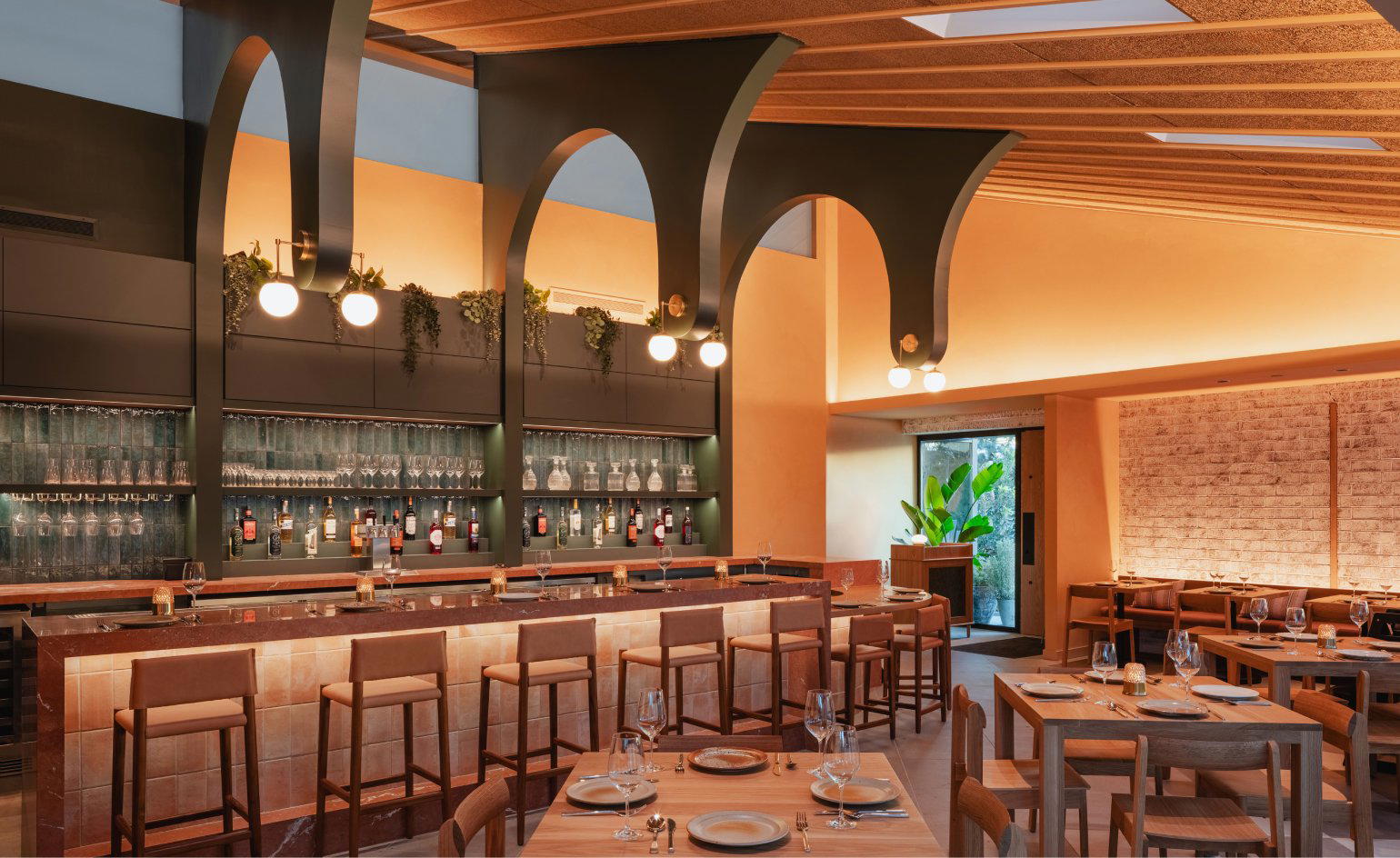
Bars in Venice
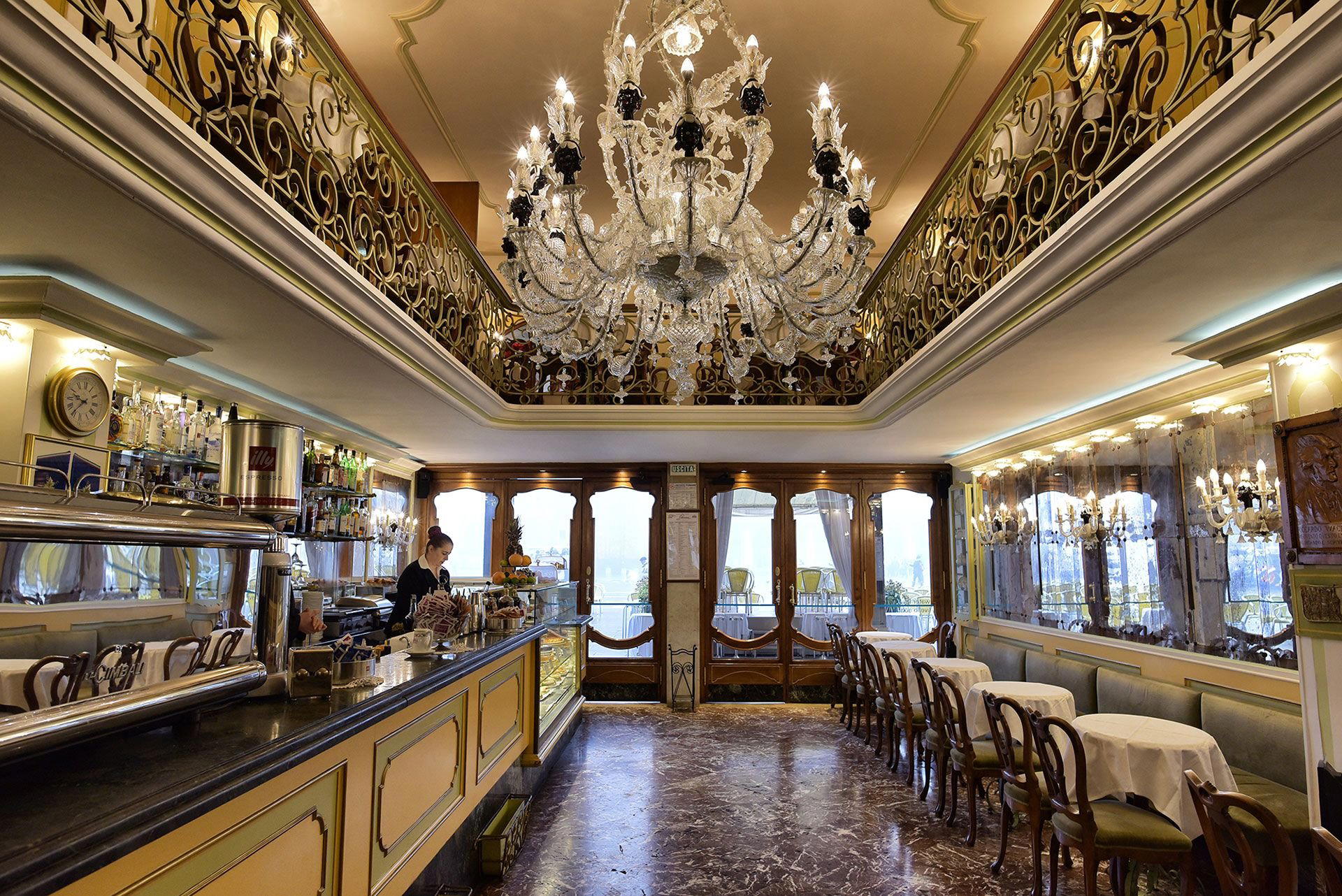
All bars in Venice →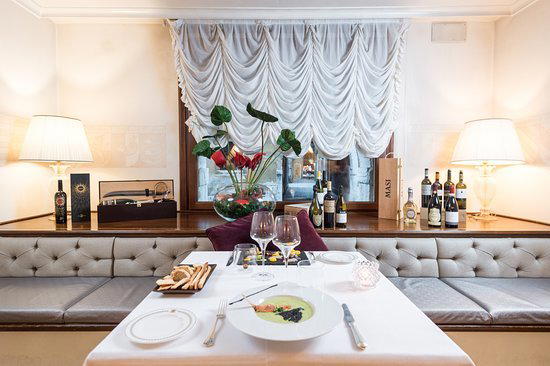
Bistrot de Venise
The wine
- Wine program
- Deep wine list
- Extensive wine list
- Sommelier-led
Details
- Elegant
- Romantic
- Classic
- Sophisticated
- Date Night
- Special Occasion
- Celebration
- Historic Building
- Private Dining
- Extensive Wine List
- Sommelier Led
- Local Sourcing
- A La Carte
- Tasting Menu
- Set Menu
- Wine
- Prosecco
- Gluten Free Options
- Vegetarian Friendly
- Allergy Accommodating
Current opening hours
- Monday
- 12–2:40 PM, 6–11 PM
- Tuesday
- 12–2:40 PM, 6–11 PM
- Wednesday
- 12–2:40 PM, 6–11 PM
- Thursday
- 12–2:40 PM, 6–11 PM
- Friday
- 12–2:40 PM, 6–11 PM
- Saturday
- 12–2:40 PM, 6–11 PM
- Sunday
- 12–2:40 PM, 6–11 PM
Hours can change for holidays and private events. Hours as of .
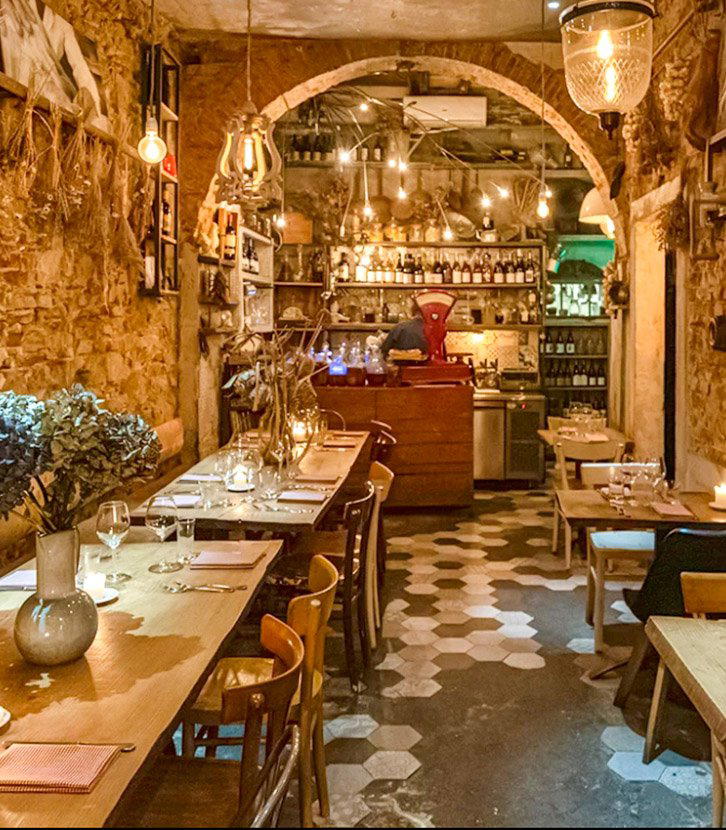
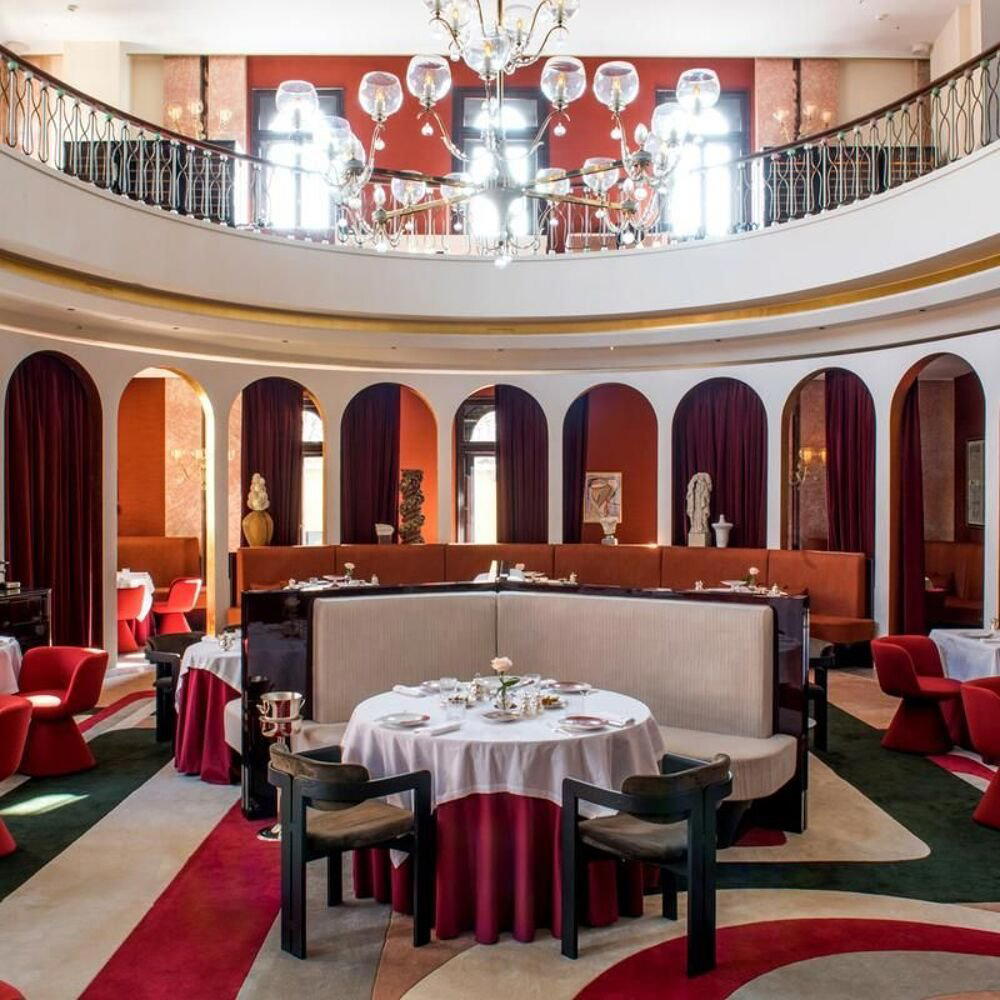
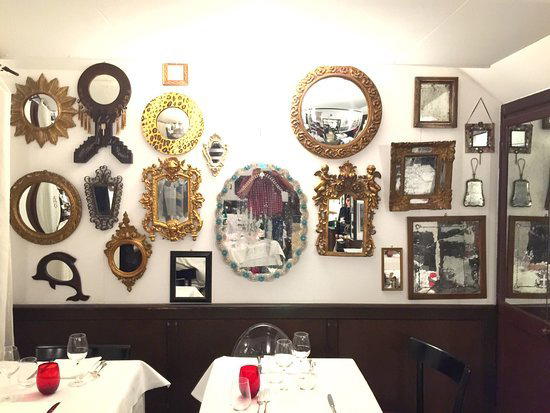
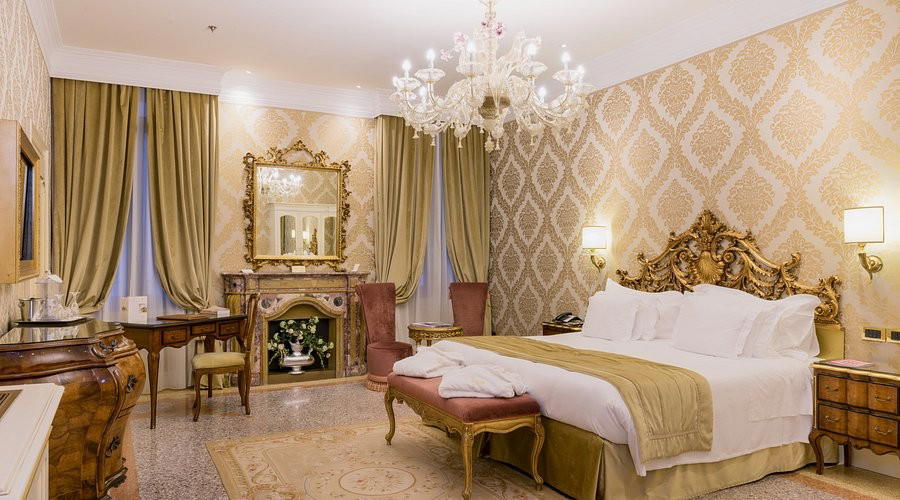
Warm, elegant baroque-inspired interior with classical Venetian music, lush decor, and attentive service creating an upscale yet welcoming atmosphere.