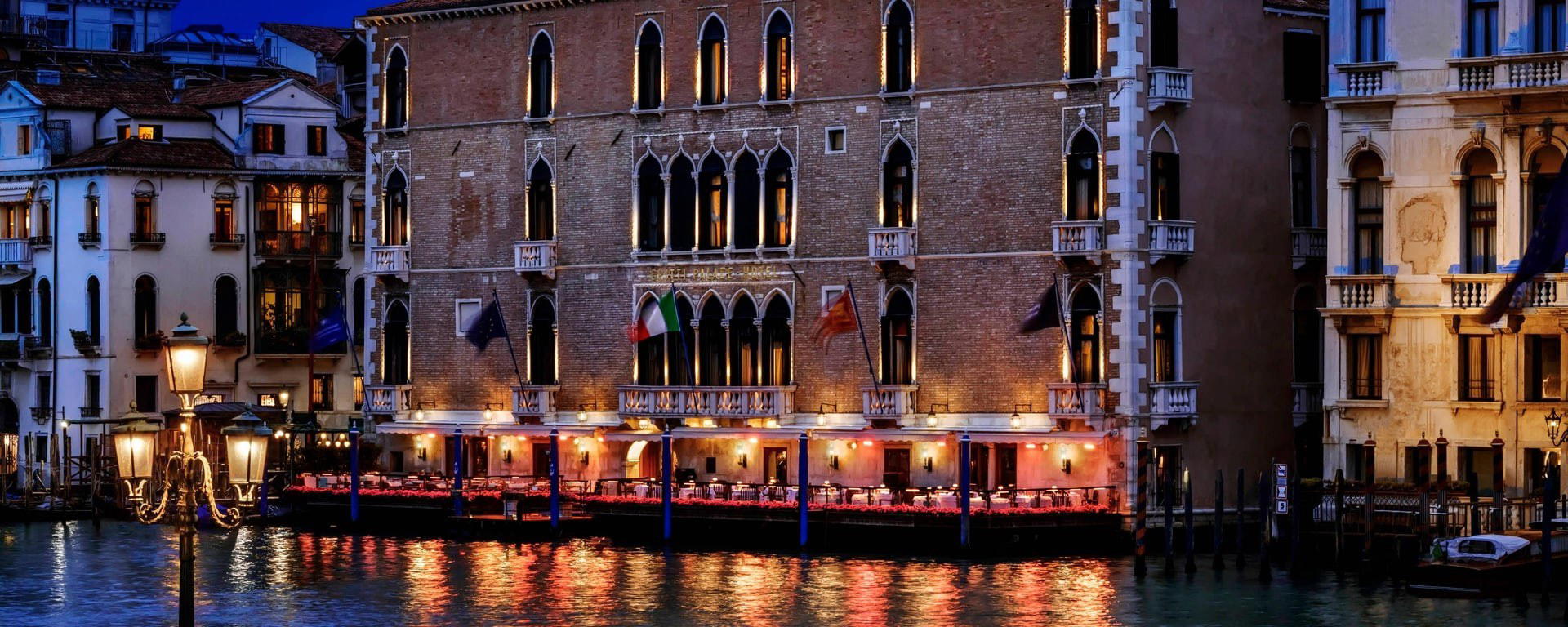
An all-day dining address in Venice working from Venetian-rooted ingredients and a format that suits the city's unhurried rhythms. La Casati sits in the mid-register of the Venice dining scene, where kitchen sourcing and canal-side atmosphere carry more weight than formal ceremony. A useful reference point for visitors who want grounded Venetian cooking without committing to a full tasting-menu occasion.

Pearl is the En Primeur Club membership app — saves, bookings, and concierge access live there. Same editors, same standards.
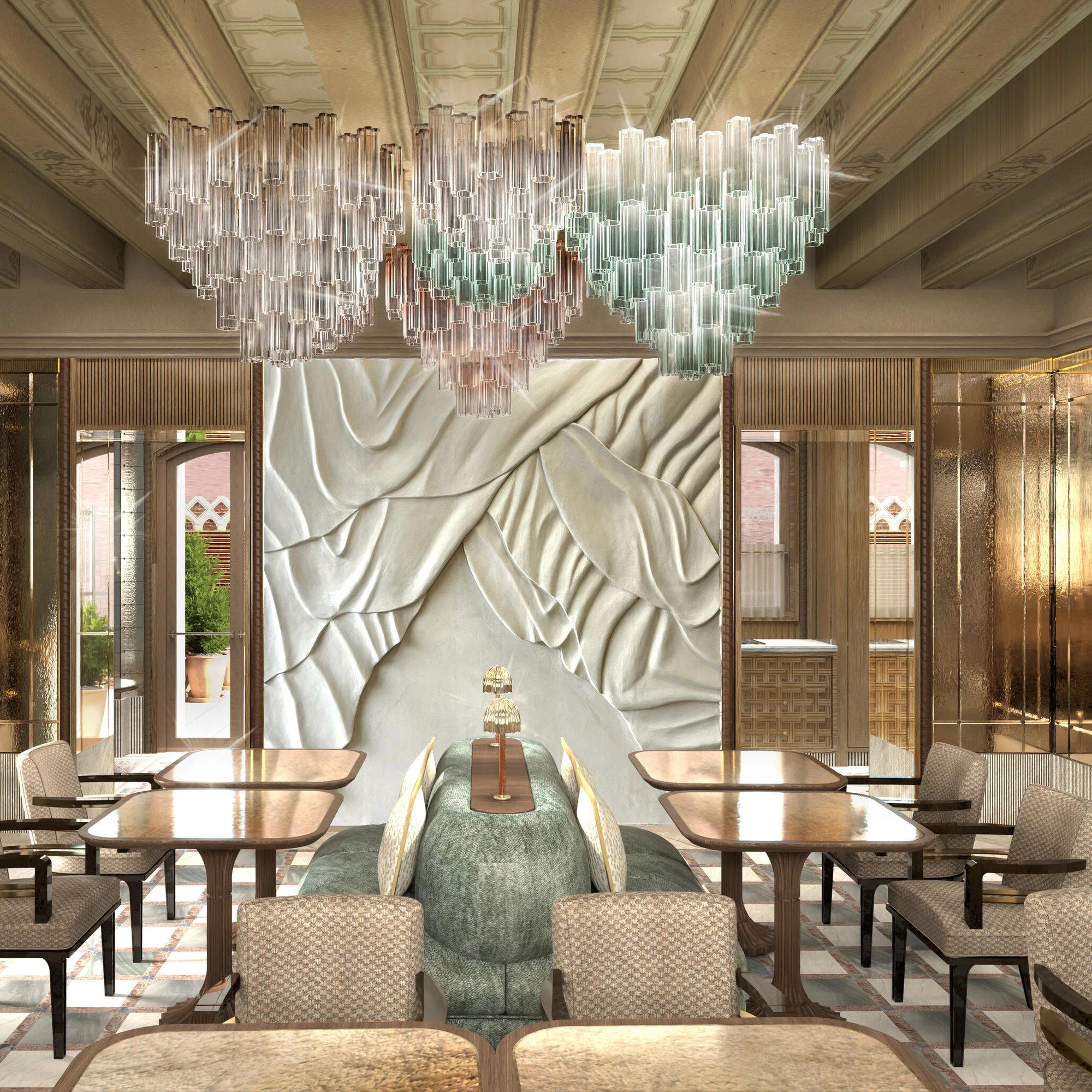
Where Venice Eats Between Meals
All-day dining in Venice operates differently than in most European cities. The lagoon city has always had its own food clock: a morning espresso at a campo bar, a mid-morning bacaro stop for cicheti, lunch somewhere that opens onto water or courtyard, and an evening that lingers longer than it should. La Casati fits inside that rhythm rather than working against it. La Casati is a Venice restaurant serving Contemporary Venetian cuisine, with a price tier of 4 and a recommended reservation policy. The format, Venetian-inspired cooking available across the broader arc of the day, reflects how the city's residents and more patient visitors actually eat here.
Venice's dining scene includes a handful of formally ambitious kitchens, including Glam Restaurant by Enrico Bartolini and Ristorante Quadri, where tasting menus carry Michelin weight and the experience is structured as a full evening. A tier below, places like Local and Oro Restaurant offer contemporary Italian frameworks with serious wine lists and a la carte flexibility. La Casati occupies a different register: the all-day table that gives visitors a grounded point of contact with Venetian cooking across multiple occasions in a single stay.
The Ingredient Logic of Venetian Cooking
The term Venetian-inspired, applied to the restaurant's cuisine, signals something specific about sourcing geography. Venice and its surrounding lagoon have one of Italy's most concentrated local ingredient systems. The Rialto Market, which has operated as the city's primary produce hub for centuries, draws from the vegetable gardens of Sant'Erasmo island, the fishing grounds of the northern Adriatic, and the shellfish beds of the lagoon itself. Kitchens that take that supply chain seriously produce menus that change not just by season but by week, sometimes by tide.
This sourcing logic distinguishes Venetian cooking from the Italian mainland tradition in ways that matter at the table. Sarde in saor, the sweet-and-sour sardine preparation preserved in onions, pine nuts, and raisins, is a direct product of a lagoon fishing economy that required curing and pickling. Bigoli in salsa, the thick-cut pasta with anchovy and onion sauce, similarly reflects an inland grain meeting a coastal pantry. These dishes are not decorative references to tradition; they are the outcome of specific geography and specific supply. Restaurants working in the Venetian-inspired register, as the restaurant does, inherit that ingredient logic whether they flag it explicitly or not.
Italy's most geographically rigorous kitchen traditions share this quality. Uliassi in Senigallia built its Adriatic reputation on exactly this kind of coastal proximity and market discipline. Dal Pescatore in Runate demonstrates how deeply a kitchen can commit to a single river-valley ingredient system over decades. At the more ambitious end of the Italian ingredient conversation, Atelier Moessmer Norbert Niederkofler in Brunico and Piazza Duomo in Alba have turned regional sourcing into the organising principle of their menus. The restaurant operates at a more accessible register than any of these, but the sourcing logic underlying Venetian cooking connects to the same set of values.
The All-Day Format and What It Means in Practice
All-day dining as a format has expanded across European cities partly because it serves the traveller's schedule better than traditional lunch-or-dinner binaries. In Venice specifically, where museum visits, vaporetto transfers, and meandering through sestieri consume time unpredictably, a table that accommodates midday arrivals and early or late sittings without penalty matters more than it would in a city with fixed routines.
The format also tends to generate different kitchen priorities than a single-service model. Dishes need to hold quality across varying pacing, the menu needs range to serve someone arriving for a light plate as readily as someone settling in for a longer meal, and the room itself needs to sustain multiple types of occupancy across the day. These are distinct technical demands from the focused intensity of a dinner-only kitchen. Venetian all-day addresses that do this well typically lean on cold preparations, preserved ingredients, and room-temperature dishes that the local tradition already favours: cold cuts, salt cod preparations, cured fish, and braised proteins that improve with time. Whether the restaurant's kitchen leans in this direction is worth investigating on arrival.
For visitors working through Venice's dining options, the wider field includes contemporary Italian cooking at Wisteria and seafood-forward trattoria formats represented by Corte Sconta and Al Covo, both of which hold loyal followings for grounded, market-driven cooking at the €€€ tier. The restaurant's all-day format positions it as a different kind of resource: a repeat-visit address across a multi-day stay rather than a single-occasion destination.
Planning Your Visit
Venice's high season runs from April through October, with Easter and late summer generating the heaviest visitor density around San Marco and the Rialto. Outside those peaks, the city in November through February becomes a different place: lower foot traffic, more local atmosphere in restaurants, and kitchen staff with more time for individual tables. For a Venetian-inspired all-day address, the shoulder and off-season visits often produce the better experience precisely because the ingredient sourcing calendar shifts: autumn brings game and wild mushrooms from the Veneto interior, winter shellfish from the colder lagoon months.
Booking and contact details should be confirmed directly with the venue before travelling. Osteria Francescana in Modena, Le Calandre in Rubano, and Reale in Castel di Sangro illustrates the ambition ceiling of the category. For international reference points in all-day and market-led formats, Lazy Bear in San Francisco and Le Bernardin in New York City show how different geographies have resolved the sourcing-to-plate challenge at scale. Enoteca Pinchiorri in Florence and Enrico Bartolini in Milan complete the Italian frame of reference for anyone building a broader itinerary around serious Italian cooking. Quattro Passi in Marina del Cantone rounds out the coastal Italian comparison.
Peers Worth Knowing
Comparable venues nearby, for context on price, style, and recognition.
| Venue | Cuisine | Price | Notes |
|---|---|---|---|
| La CasatiThis venue — the venue you are viewing | Contemporary Venetian | $$$$ | Not listed |
| Moro Restaurant | Contemporary Venetian fine dining with Grand Canal view | $$$$ | San Marco |
| Harrys Dolci | Classic Italian Fine Dining | $$$$ | Dorsoduro |
| Ristorante Casa Cappellari | Venetian Trattoria | $$$ | San Polo |
| Harry's Bar | Classic Venetian Italian | $$$$ | San Marco |
| Trattoria Do Forni | Traditional Venetian Seafood | $$$$ | San Marco |


At a Glance
- Elegant
- Cozy
- Intimate
- Sophisticated
- Family
- Business Dinner
- Celebration
- Date Night
- Garden
- Hotel Restaurant
- Local Sourcing
- Garden
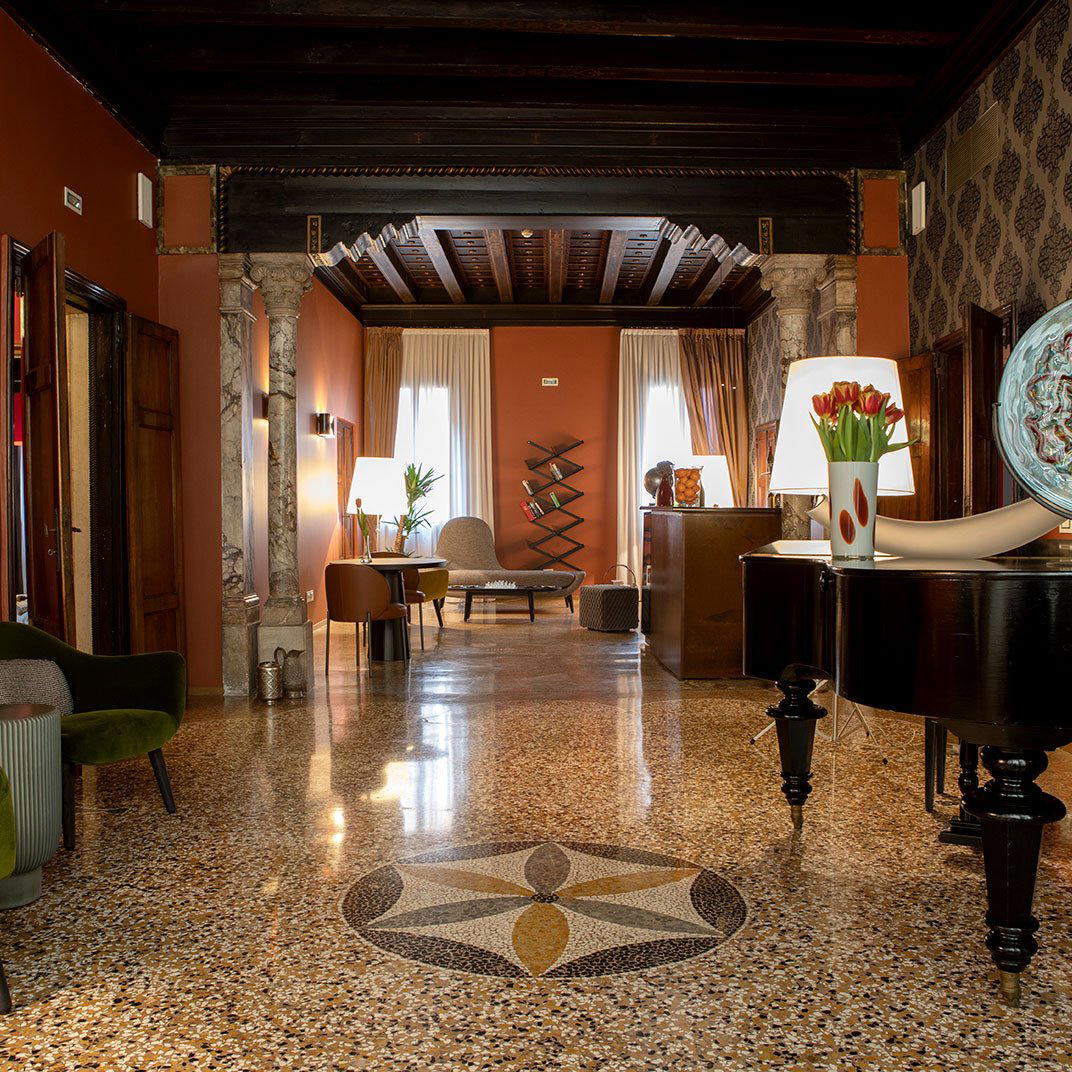
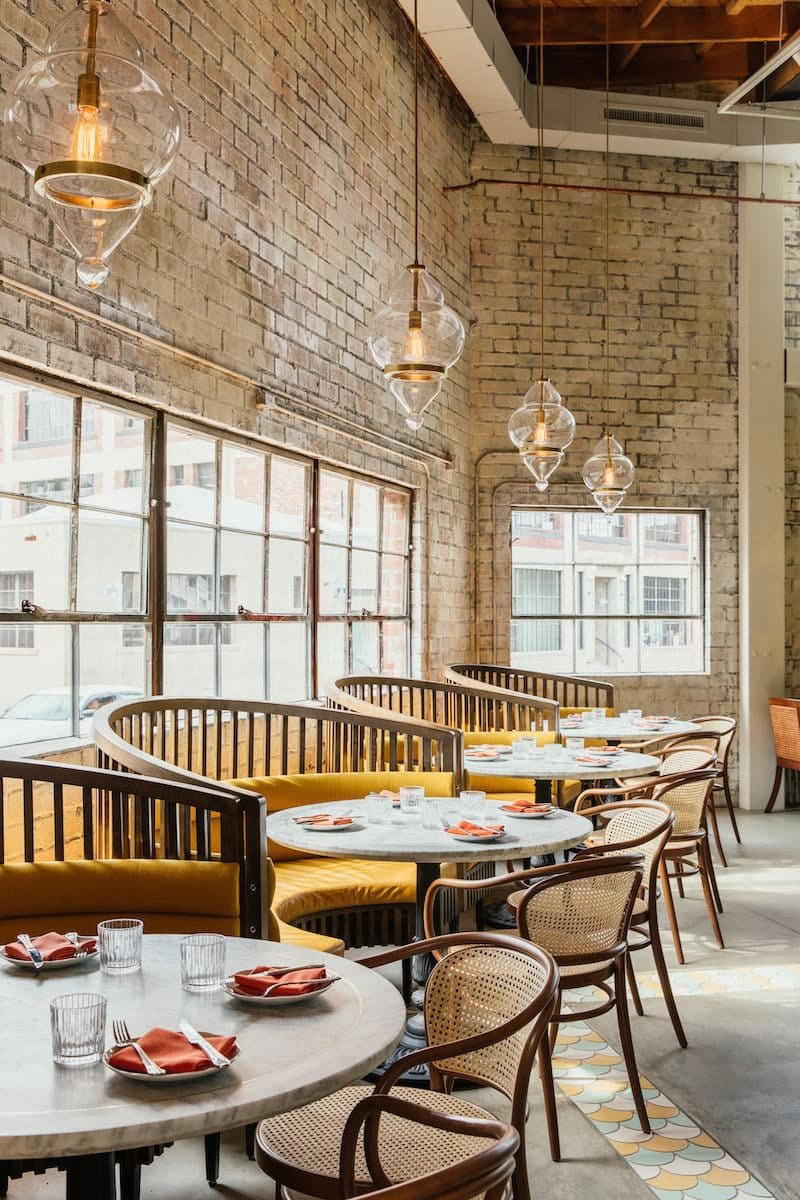
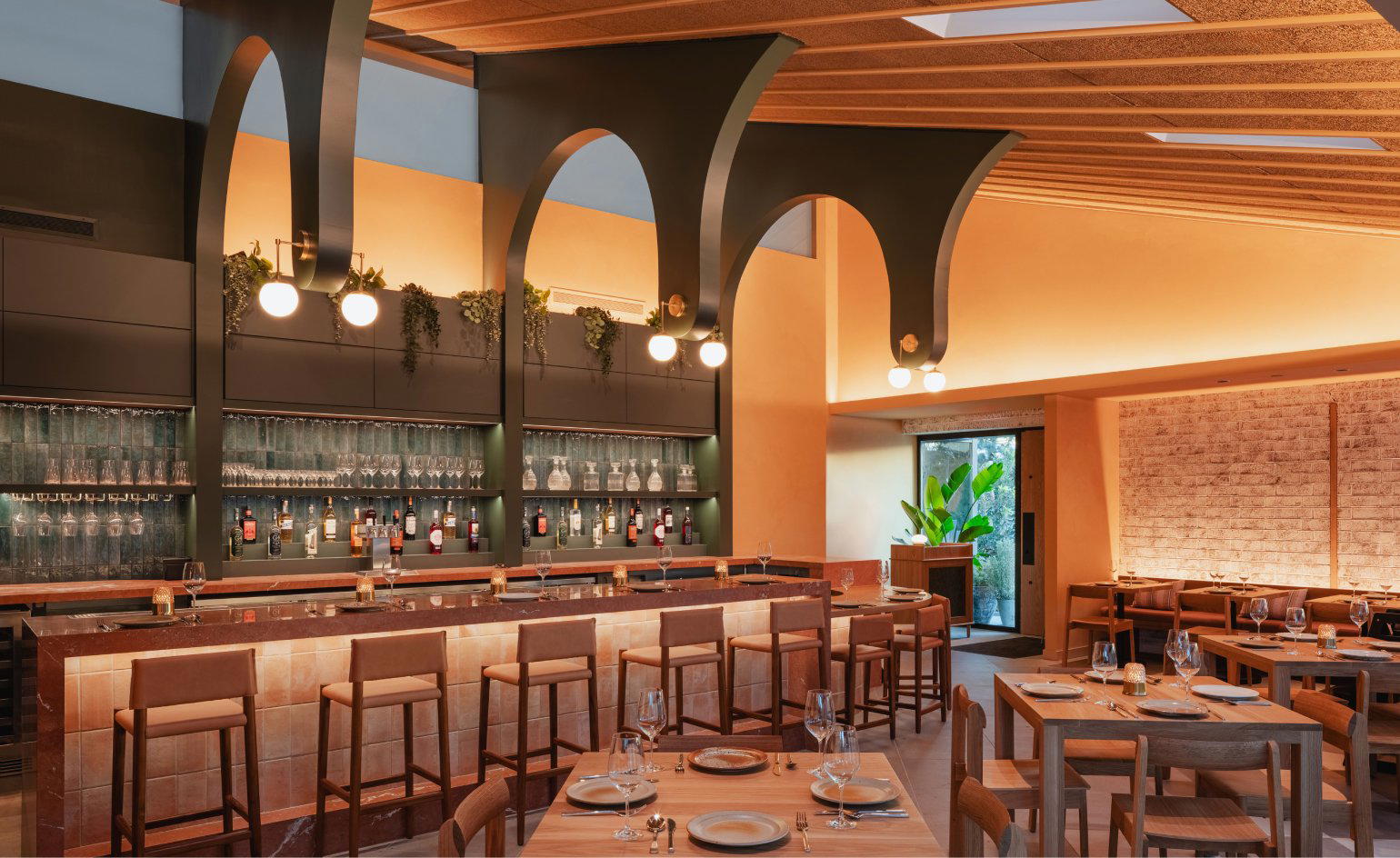
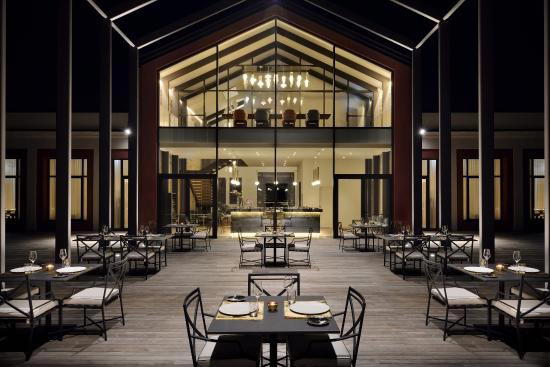
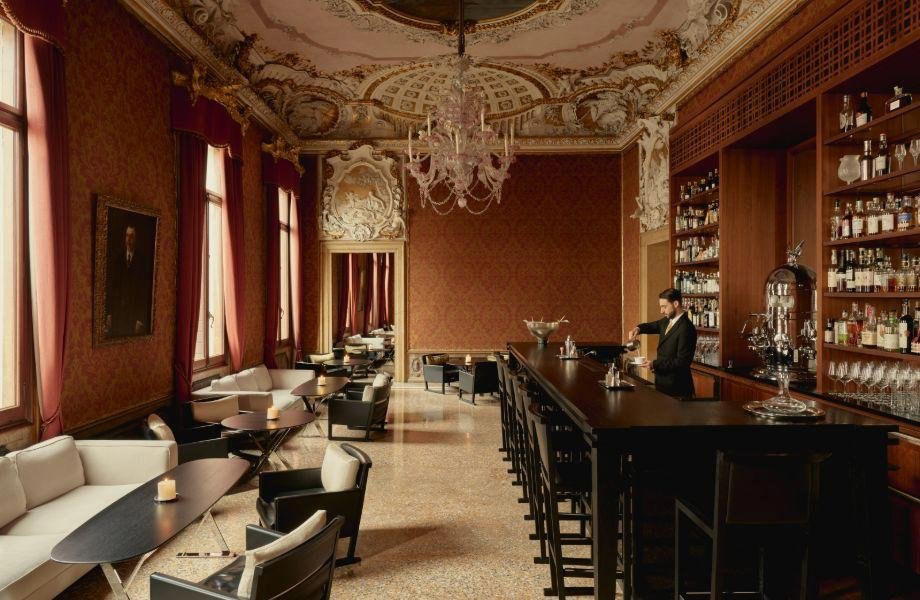
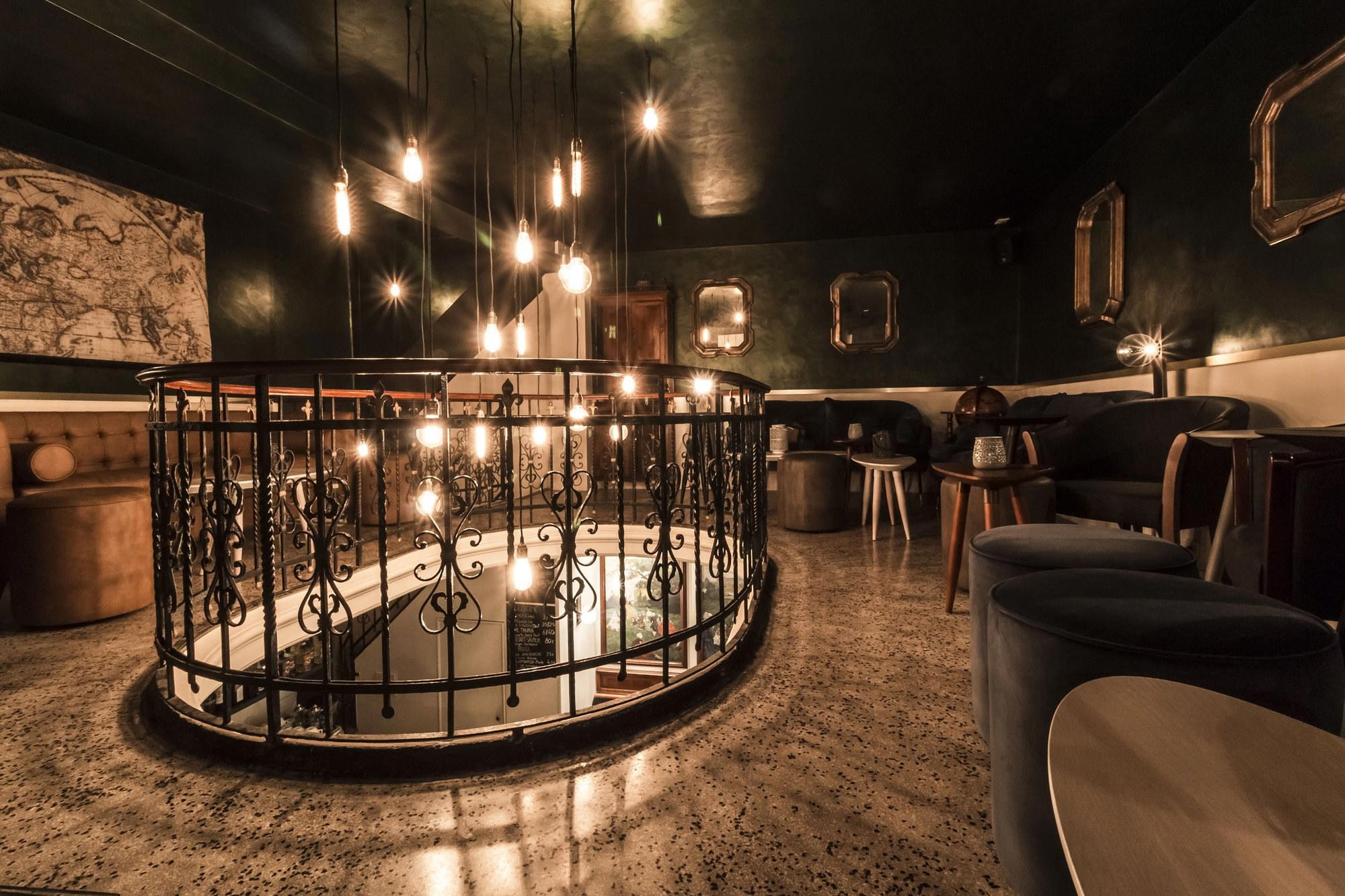
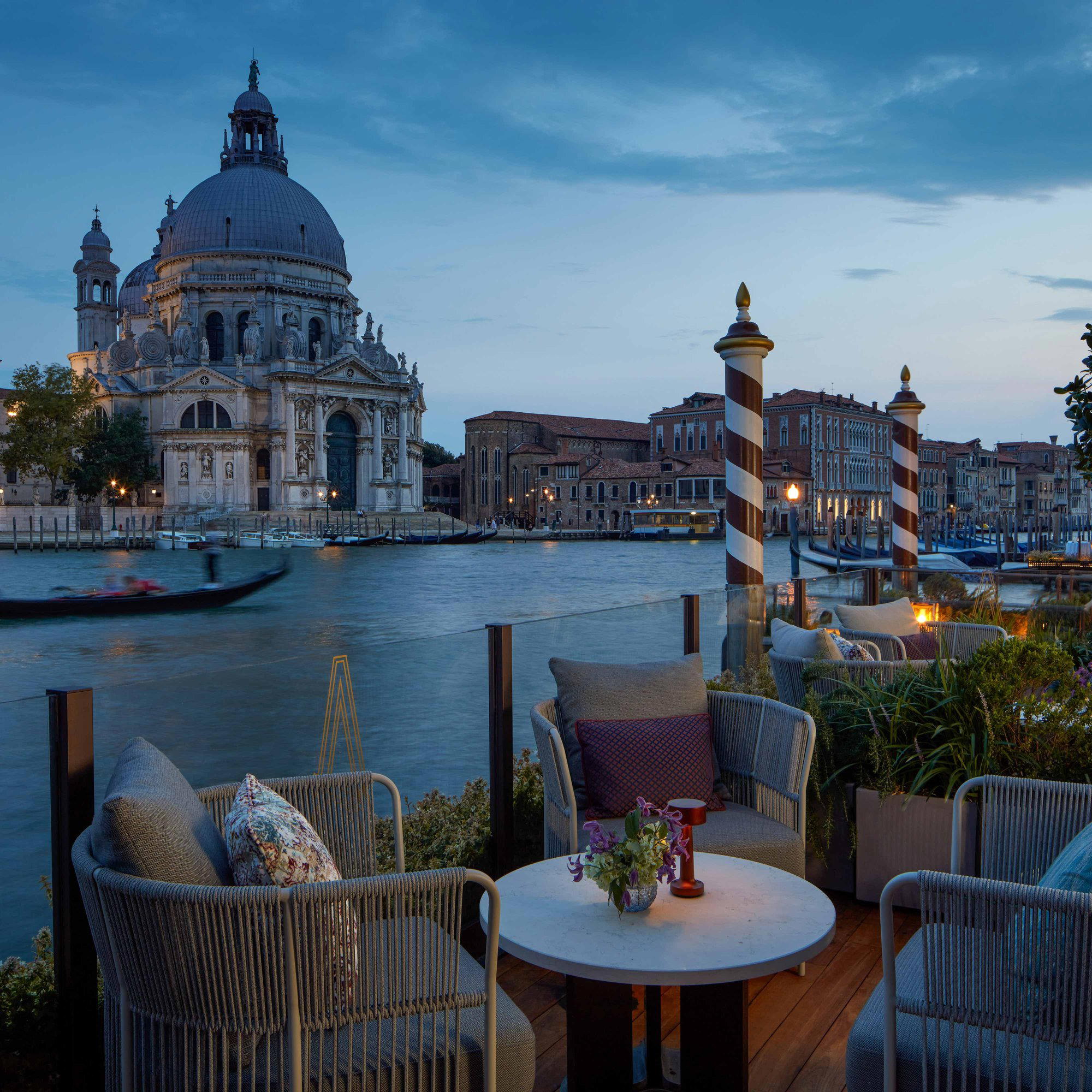
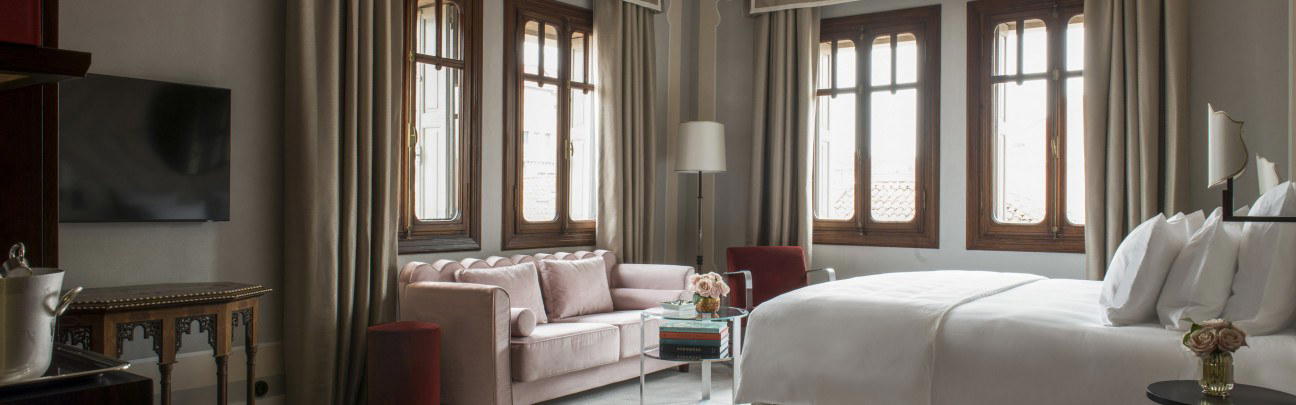
Soft pinks and pastel tones create a warm, easygoing atmosphere with surfaces adorned by living textures and crafted materials, permeated with a sense of theater.