Al Ponte Konoba
Our verdict
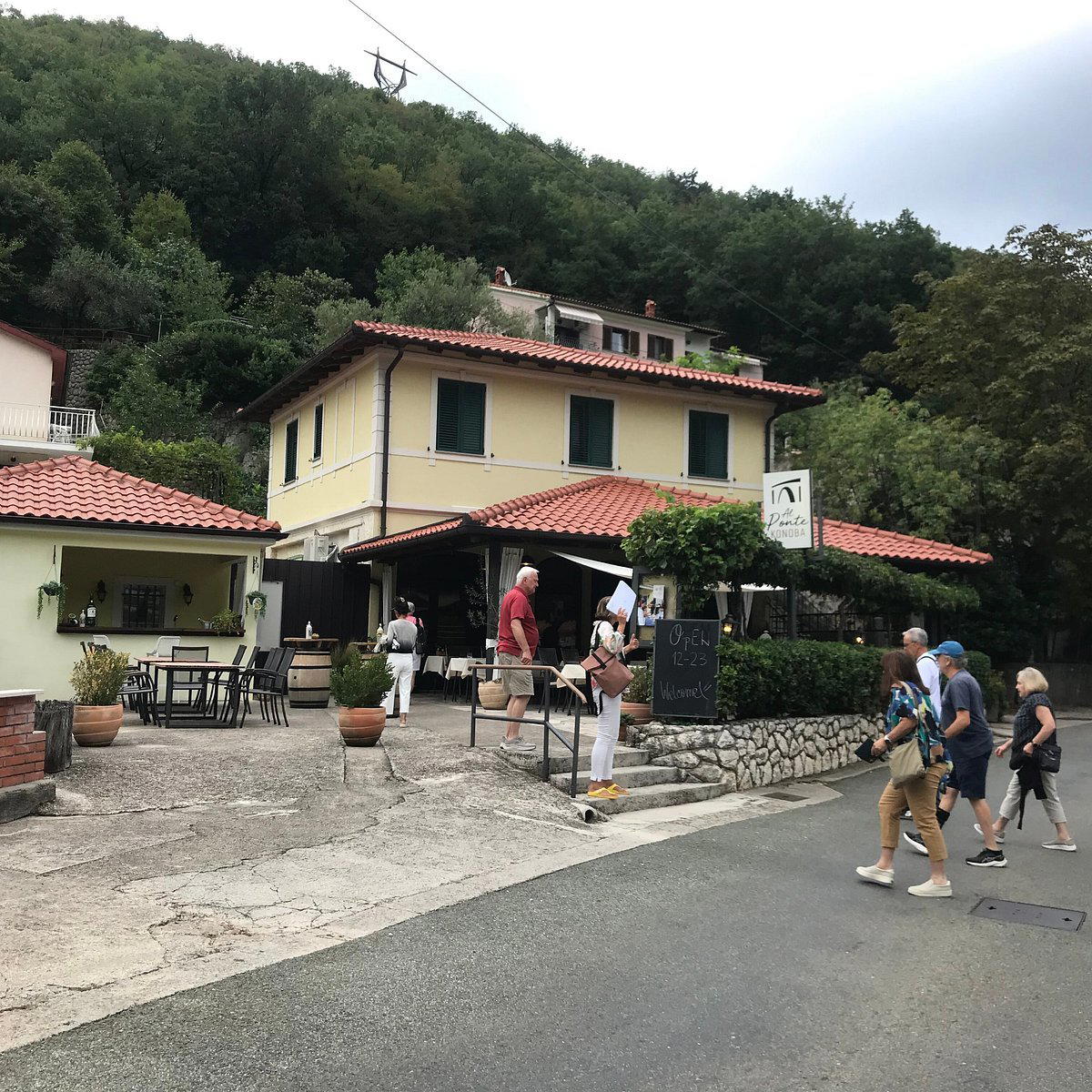
Al Ponte Konoba sits on the Kvarner coast in Mošćenička Draga, a small fishing settlement south of Opatija where the Učka massif meets the sea. The konoba format places it firmly within the Adriatic tradition of ingredient-forward coastal cooking, where the sourcing logic, local catch, regional produce, is the menu. For the Kvarner region, this is dining as it has operated for generations, without theatrical mediation.

Pearl is the En Primeur Club membership app, where members save venues, book tables and use the concierge.
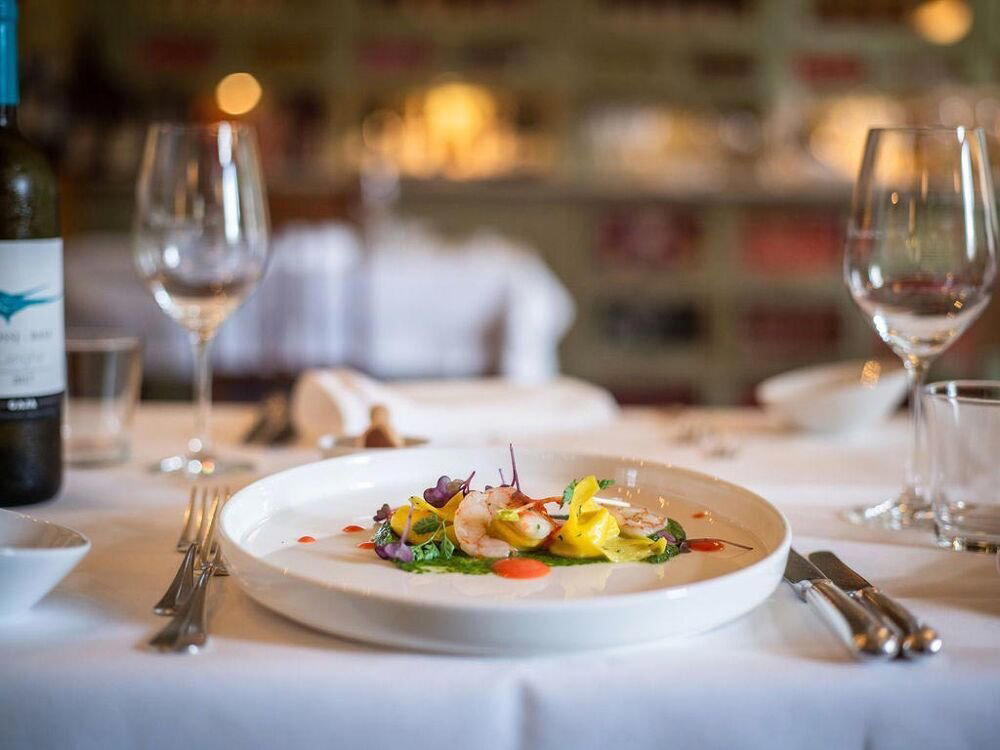
The menu
What to order
- Scampi tartare
- Pljukanci with truffles
- Gnocchi with nettles and asparagus
- Sweet gnocchi with dried plum cream
The Kvarner Coast and the Konoba Tradition
The stretch of Adriatic coastline running south from Opatija through Mošćenička Draga occupies a different register from Croatia's more trafficked dining destinations. Dubrovnik has Restaurant 360 and its panoramic modernism; Šibenik has Pelegrini and its Michelin-starred Mediterranean ambition; Rovinj has Agli Amici pulling Italian-contemporary technique into Istrian produce. The Kvarner coast runs quieter than all of them, which is precisely why it preserves something those places have largely refined away: the konoba in its functional form, a room that exists to serve the catch and the garden rather than to frame a chef's philosophy.
Al Ponte Konoba sits at Ljube Mrakovčića 2 in Mošćenička Draga, a village of under a thousand residents where the road from Opatija meets the water. The approach is through a settlement that has not reorganised itself around tourism in the way that larger Kvarner towns have. That physical context matters to what follows inside: the sourcing logic of a working konoba is inseparable from its geography.
What Ingredient Sourcing Means at This Latitude
The Kvarner Gulf is one of the most ecologically specific bodies of water in the Adriatic. Cold currents from the north combine with deep-water upwellings to produce shellfish and fish of a density and flavour concentration rarely found further south. Kvarner scampi, in particular, carry a geographic reputation comparable to premium shellfish appellations elsewhere in Europe, the Kvarner Bay scampo is cited by chefs across Croatia and beyond as a reference point for the species. A konoba operating in Mošćenička Draga is working within metres of that source, not importing from a regional wholesale market.
This matters because the konoba format, at its most coherent, is built around the shortest possible chain between water and plate. The elaboration is minimal by design: the sourcing is the argument. Croatian coastal cooking at this level does not compete with the technically ambitious modernism of Nebo by Deni Srdoč in nearby Rijeka, nor with the tasting-menu architecture of Alfred Keller on Mali Lošinj. It operates in a different register, where the primary credential is proximity and the primary technique is restraint. Grilling, olive oil, Kvarner herbs: the framework has not changed substantially in decades because the framework works.
Further along the Croatian coast, venues like LD Restaurant in Korčula and Boskinac in Novalja have built hybrid models that layer contemporary technique over local sourcing. The Kvarner konoba tradition tends not to move in that direction, and places like Al Ponte represent the version that has not been updated, which is a statement about editorial choice, not a failure of ambition.
Atmosphere and Physical Setting
Mošćenička Draga's harbour front operates at a pace that correlates directly with the season. In June and September, the village is navigable; in July and August, it draws a mix of domestic Croatian vacationers and Italian visitors for whom the northern Adriatic remains a reliable alternative to the more crowded southern coastline. A konoba in this setting reads differently depending on when you arrive: the same room that runs at near-capacity in high summer may feel almost private on a Tuesday evening in early June, the boats still visible through the window, the light off the water setting the pace rather than any kitchen timer.
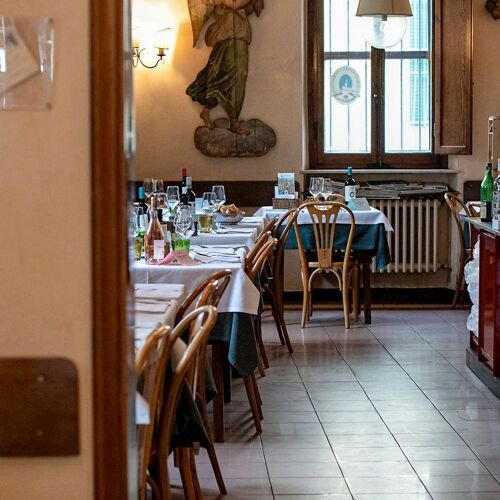
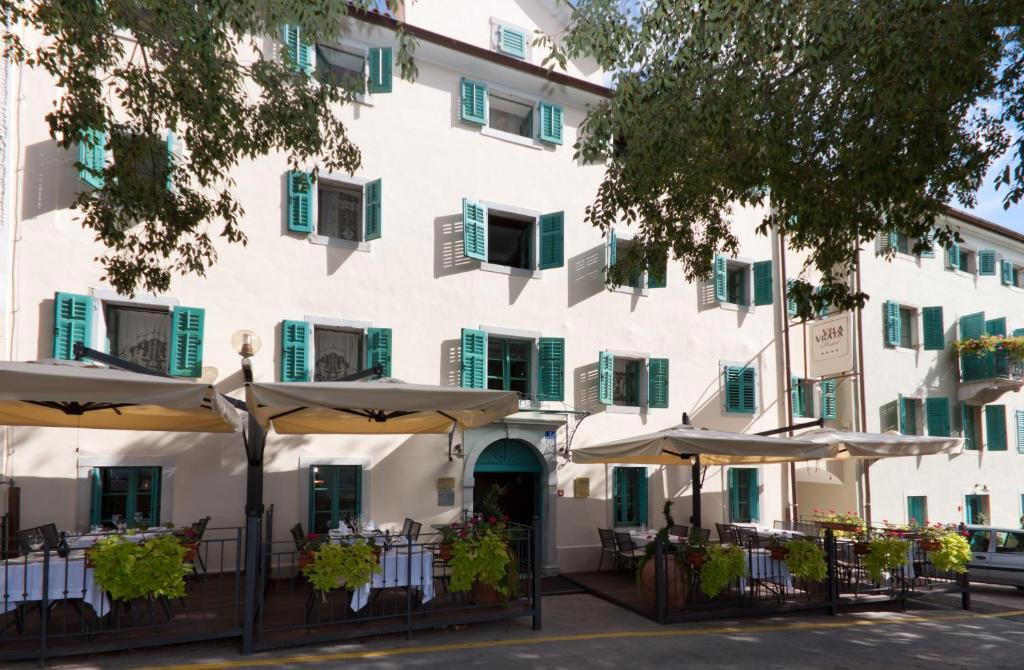
The konoba format across the Adriatic has remained architecturally conservative by tradition: stone or rendered walls, wood furniture without much ceremony, tables close enough together that neighbouring conversations become part of the atmosphere. This is not a design choice in the contemporary hospitality sense, it is continuity. Visitors arriving with the expectations shaped by San Rocco in Brtonigla or the curated interiors of Dubravkin Put in Zagreb are operating in a different aesthetic register entirely.
Placing Al Ponte in the Broader Croatian Dining Scene
Croatia's dining scene has split in the past decade between venues pursuing international recognition through technical modernism and those that have held to the regional ingredient logic that made the coast interesting in the first place. The Michelin-facing tier, including Korak in Jastrebarsko, Pelegrini, and the Istrian dining corridor represented by venues like EatIstria in Pluj, competes on a European stage and prices accordingly.
The konoba tier, by contrast, maintains a pricing logic grounded in local reality rather than international peer comparison. For context: venues at the €€€€ tier like Agli Amici Rovinj or Restaurant 360 operate with wine programmes, tasting formats, and service ratios that justify their price point within a European luxury dining context. A working konoba in Mošćenička Draga operates on none of those premises. The comparison set is local, the price point is lower, and the proposition is categorically different. This is worth stating plainly because visitors sometimes arrive at Kvarner konavas with the wrong frame of reference and misread what they find.
For those seeking other corners of Croatia's more traditional dining register, Humska Konoba in Hum offers a comparable inland version of the format, while Restaurant Filippi in Curzola and Trg Sv. Stjepana 3 in Lesina operate within similar coastal parameters further south. None of these venues are trying to be Le Bernardin or Lazy Bear, the comparison is irrelevant. The point is the fish, the oil, and the water outside.
Planning Your Visit
Mošćenička Draga is accessible from Opatija by the coastal road, a drive of roughly 20 kilometres that takes you through Lovran and along one of the more scenic stretches of the Kvarner littoral. The village has limited accommodation, so most visitors arrive from Opatija or Rijeka, both of which offer a wider range of overnight options. High season on the Kvarner coast runs July through August; arriving in June or September gives you the same coastline with meaningfully less pressure on tables and roads. For a full picture of what the area offers across price points and formats, see our full Mošćenička Draga restaurants guide. Reservations are advisable in summer; the village's limited dining capacity means that even modestly popular rooms fill on weekend evenings well before service begins.
Frequently asked questions
Is Al Ponte Konoba okay with children?
Konoba dining in Croatia is, by tradition, a family-oriented format, unhurried, shared-plate meals at harbourfront tables are the norm rather than the exception in villages like Mošćenička Draga. Al Ponte's harbour-front address on Ljube Mrakovčića 2 places it in an open, low-pressure setting consistent with that tradition. Nothing in the venue's profile suggests a formal or adults-only environment.
What should I expect atmosphere-wise at Al Ponte Konoba?
Mošćenička Draga operates at a seasonal pace: manageable in June and September, considerably busier through July and August when the harbour fills. Al Ponte sits within that rhythm, offering the kind of setting where the room's tempo is set by the water rather than by any front-of-house choreography. Expect a working-village harbour rather than a resort promenade.
How does Al Ponte Konoba differ from restaurants in nearby Opatija?
Opatija, roughly 20 kilometres up the coastal road, carries the infrastructure and price expectations of a long-established resort town; Mošćenička Draga, where Al Ponte sits at Ljube Mrakovčića 2, operates as a working fishing village rather than a tourist hub. That distinction runs through the food: a konoba here draws from the same Kvarner Gulf catch but without the resort premium or the international-facing menus that characterise many Opatija dining rooms. It is the same coastline at a different register.
What's the signature dish at Al Ponte Konoba?
The Kvarner Gulf's cold northern currents and deep-water upwelling produce seafood with a flavour profile distinct from the warmer southern Adriatic, scampi from these waters, in particular, have a long-standing reputation among Croatian food writers.
Where do I go for Al Ponte Konoba?
Al Ponte Konoba is located at Ljube Mrakovčića 2, 51417, Mošćenička Draga, Croatia, Moscenicka Draga.
Side-by-Side Snapshot
Comparable venues nearby, for context on price, style, and recognition.
| Venue | Cuisine | Price | Awards | Notes |
|---|---|---|---|---|
| Al Ponte KonobaThis venue (the venue you are viewing) | Seasonal Croatian Konoba | $20–30 | Not listed | Not listed |
| Konoba Zijavica | Modern Croatian Seafood | $50–100 | Michelin Plate · Falstaff Restaurant - 93 Falstaff Points | Mošćenička Draga |
| Konoba Pescaria | Croatian Seafood | $30–50 | Michelin Bib Gourmand | Mošćenička Draga |
| Johnson | Traditional Croatian Seafood | $50–100 | Michelin Plate | Mošćenička Draga |
| Konoba Barba | Traditional Dalmatian Seafood & Grill | $20–30 | Not listed | Komiza |
| Konoba Nebuloza | Croatian Seafood Konoba | Not listed | Not listed | Grobnik |
Continue exploring
More in Mošćenička Draga
Restaurants in Mošćenička Draga
All restaurants in Mošćenička Draga →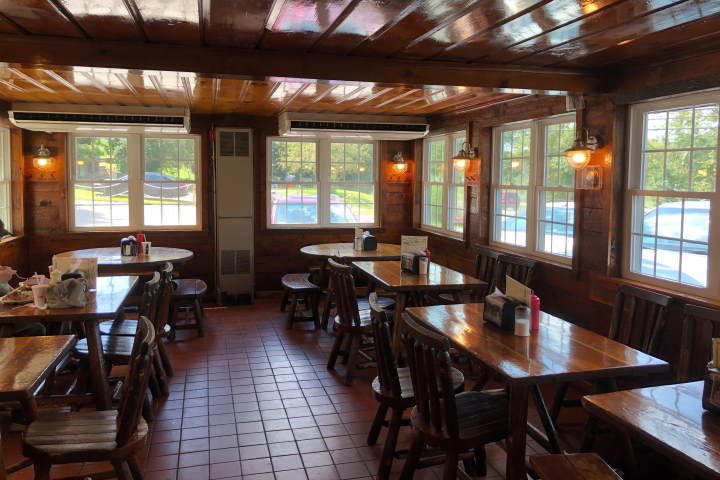

Details
- Cozy
- Rustic
- Intimate
- Family
- Casual Hangout
- Special Occasion
- Terrace
- Extensive Wine List
- Local Sourcing
- Street Scene
- A La Carte
Current opening hours
- Monday
- 12–9 PM
- Tuesday
- 12–9 PM
- Wednesday
- 12–9 PM
- Thursday
- 12–9 PM
- Friday
- 12–9 PM
- Saturday
- 12–9 PM
- Sunday
- 12–6 PM
Hours can change for holidays and private events. Hours as of .
Spacious, quiet, and soothing atmosphere blending industrial heritage with organic rustic charm, featuring high ceilings and old photographs.