



Mozaic has held its place among Asia's top French dining destinations for over two decades, earning a Les Grandes Tables du Monde designation and consistent Opinionated About Dining rankings. Set along Ubud's Sanggingan ridge, the restaurant places classical French technique against the botanical density of the Balinese highlands — a pairing that defines what high-end European cooking looks like when seriously transplanted to the tropics.
 Discover on Pearl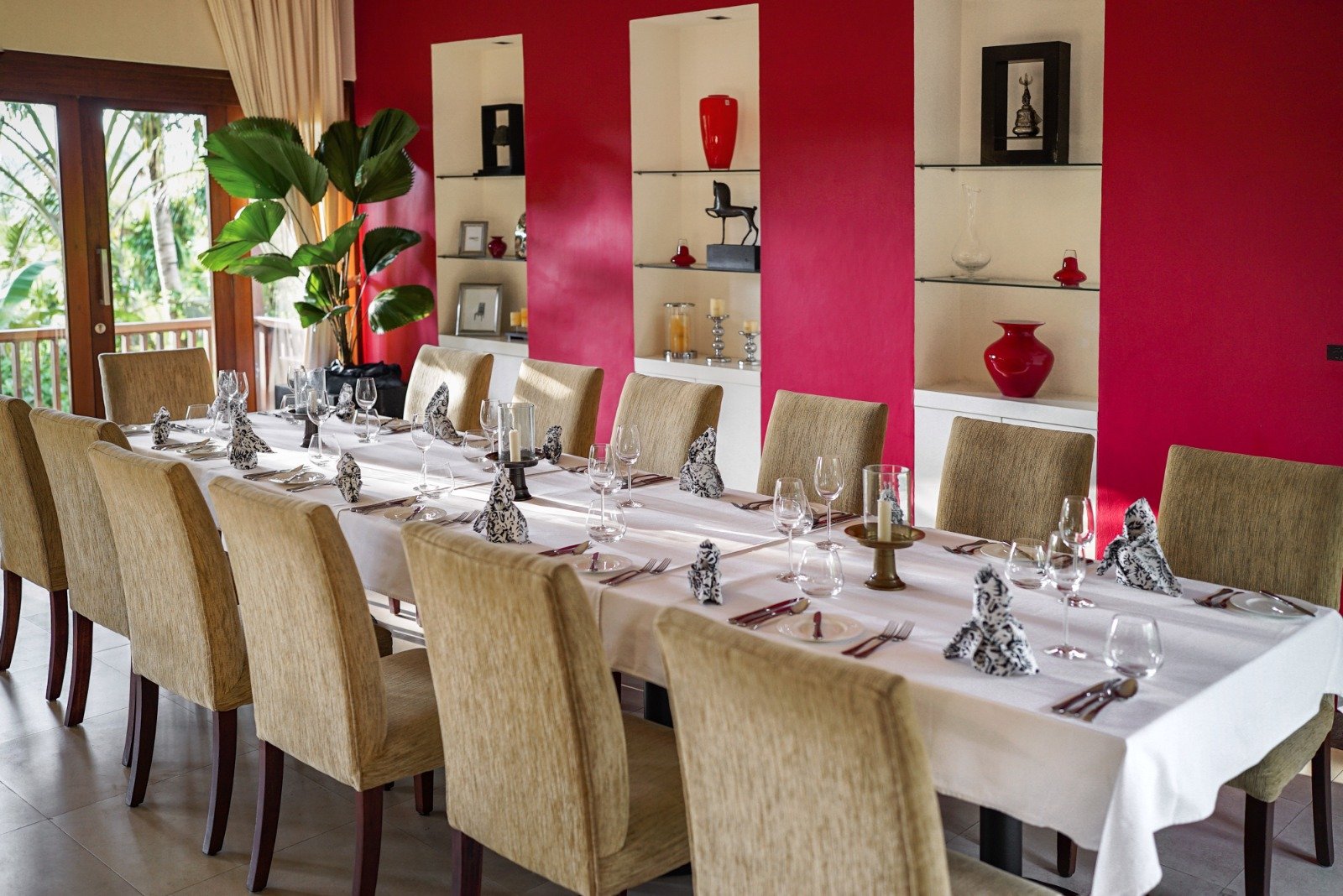
Where the Sanggingan Ridge Sets the Terms
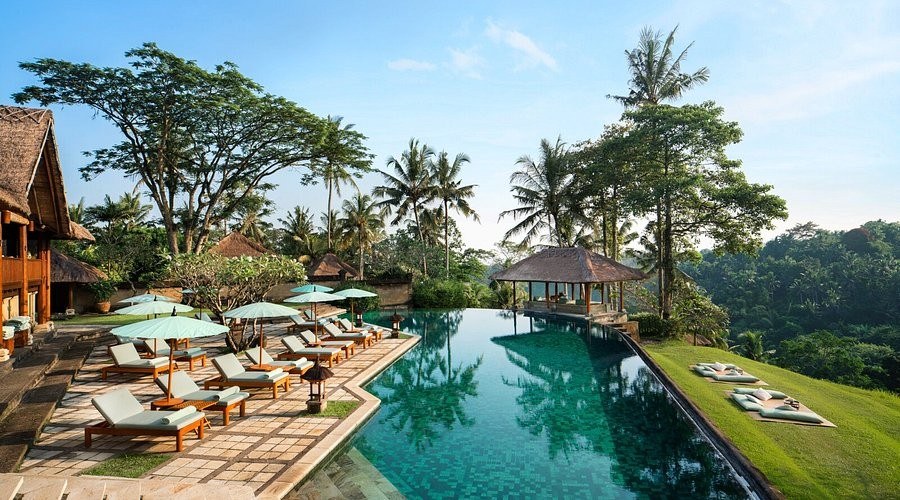
Approach Mozaic along Jalan Raya Sanggingan and the setting does the opening argument for you. Ubud's northern edge, where the road climbs toward Kedewatan, is the strip that serious dining in Bali has historically claimed. The valley drops away on one side, the jungle presses in on the other, and the light at dusk moves in a way that is specific to this elevation and this latitude. The physical environment here is not decoration — it is a claim about what kind of dining this is. When a French restaurant of this weight anchors itself at this address rather than in the more visible corridors of Seminyak or Canggu, the location is doing editorial work. It is saying that the experience belongs to considered visitors rather than passing traffic.
That positioning matters because it shapes what you find inside. Mozaic is not a French import dressed in tropical costume. It sits within a tradition of serious European technique recontextualised for a specific place — a mode that appears across Asia's fine dining tier, from Sézanne in Tokyo to Les Amis in Singapore, and one that Mozaic has been practising on this ridge since the early 2000s, well before that category had a name.
French Technique in a Balinese Address
The French dining tradition that Mozaic works within is one of the most codified in the world. Tasting menus, brigade kitchens, classical sauce architecture, and ingredient provenance as a primary form of communication , these are the grammar. What distinguishes the category internationally is not whether those rules apply, but what local ingredients and context do to them. In Bali, the variables are significant: equatorial produce cycles, proximity to the spice trade routes that shaped Balinese cooking for centuries, and an agricultural ecosystem dense enough that sourcing locally is a genuine option rather than a marketing posture.
Chef Chris Salans has led the kitchen at Mozaic across a period long enough that the restaurant's identity has compounded into something more durable than most fine dining operations manage. At the level Mozaic occupies, longevity is itself a credential. The 2025 Les Grandes Tables du Monde designation places it in a global cohort of restaurants recognised for kitchen discipline, service, and room , not just the plate , and the sustained Opinionated About Dining appearances (ranked 139th in Asia in 2023, 188th in 2024, 182nd in 2025) confirm a presence that has lasted across different critical cycles rather than spiking on novelty.
For the reader calibrating where Mozaic sits against Bali's broader fine dining tier, the relevant reference points are proximate. Apéritif in Ubud occupies a comparable formal register with its own European-tropical synthesis. The Locavore group operates across several formats , Locavore NXT, Nusantara By Locavore, and Herbivore by Locavore , but with an Indonesian-forward lens and a different competitive posture. Mozaic's French classification places it on a distinct track, closer in spirit to Hotel de Ville Crissier's anchored European formalism than to the archipelago-ingredient focus of Ubud's newer wave. If you want to triangulate further across Indonesia's fine dining conversation, Kahyangan in Gondangdia and Kaum in Jakarta offer Jakarta-side reference points, while Sarong Bali in Canggu and Rumari in Jimbaran map the island's geographic spread at this price tier.
The Broader Ubud Dining Pattern
Ubud has separated itself from Bali's southern resort corridor in one specific way: it has accumulated enough serious restaurants in close proximity that a dining itinerary rather than a single reservation makes sense. The Sanggingan-Kedewatan axis, where Mozaic sits, is the northernmost point of that concentration. South toward the centre, the offer diversifies into the Locavore group's various formats, into Balinese-specific cooking like Ibu Oka, and into the broader informal range that fills the lanes around the central market.
What Mozaic contributes to that spread is a formal European anchor. Not every city at Ubud's scale can sustain a restaurant of this classification , the demand base requires a consistent flow of visitors willing to commit to a tasting menu at a fine dining price point, in a town without an airport and with roads that slow after dark. The fact that Mozaic has done so across two decades of changing visitor demographics is a structural story about Ubud's dining market as much as it is a story about the restaurant.
The 4.6 Google rating across 1,274 reviews reflects a volume of engagement that goes well beyond the small repeat-visitor base a local restaurant would generate. This is a destination dining operation drawing international visitors on itineraries built specifically around the table.
Arrival, Timing, and Practical Orientation
Mozaic operates seven days a week, with the kitchen open from midday through to 12:30 am , a longer window than most formal tasting menu restaurants at this level, which typically compress service into two distinct sittings. That operational span suggests a flexibility in format that the address and awards tier do not immediately imply. Lunch service on the Sanggingan ridge, with valley light filtering through the garden, is a different experience to an evening sitting, and both are within the same operating hours.
The address at Jalan Raya Sanggingan, Kedewatan, sits at the edge of the Ubud administrative area. Private transport is the standard approach from central Ubud; the road is accessible but not walkable from most visitor bases. Reservations at this tier of recognition warrant advance booking, particularly for evening sittings during Bali's high season (July to August and the Christmas-New Year window). For full orientation across where Mozaic fits within what Ubud offers in dining, drinking, accommodation, and beyond, the EP Club guides to Ubud restaurants, hotels, bars, wineries, and experiences give the broader picture.
A Credentials Check
A quick peer reference to anchor this venue in its category.
| Venue | Awards | Cuisine | Notes |
|---|---|---|---|
| Mozaic | Les Grandes Tables Du Monde Award (2025) | French | This venue |
| Ibu Oka | Balinese | Balinese | |
| Nusantara By Locavore | Indonesian | Indonesian | |
| Room 4 Dessert | Dessert | Dessert | |
| Locavore NXT | World's 50 Best | Indonesian | Indonesian |
| Herbivore by Locavore | Filipino | Filipino |
At a Glance
- Elegant
- Sophisticated
- Scenic
- Romantic
- Special Occasion
- Celebration
- Date Night
- Garden
- Courtyard
- Open Kitchen
- Private Dining
- Extensive Wine List
- Sommelier Led
- Local Sourcing
- Farm To Table
- Garden
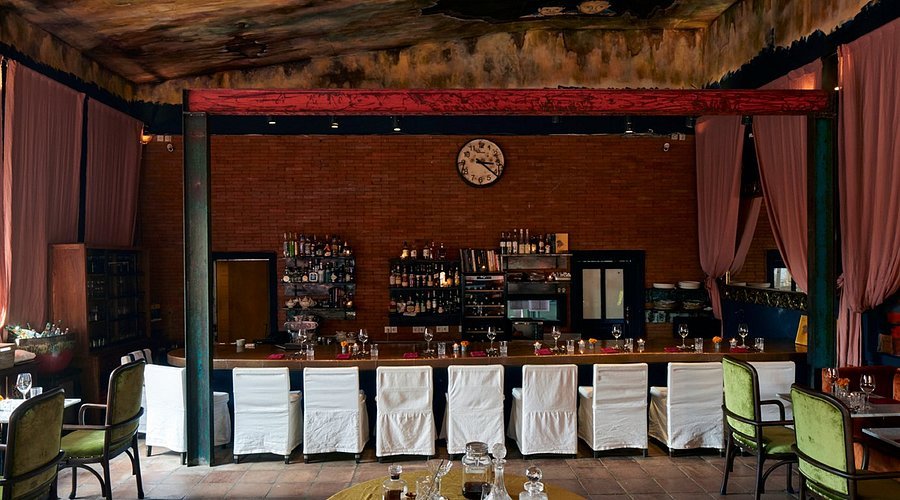
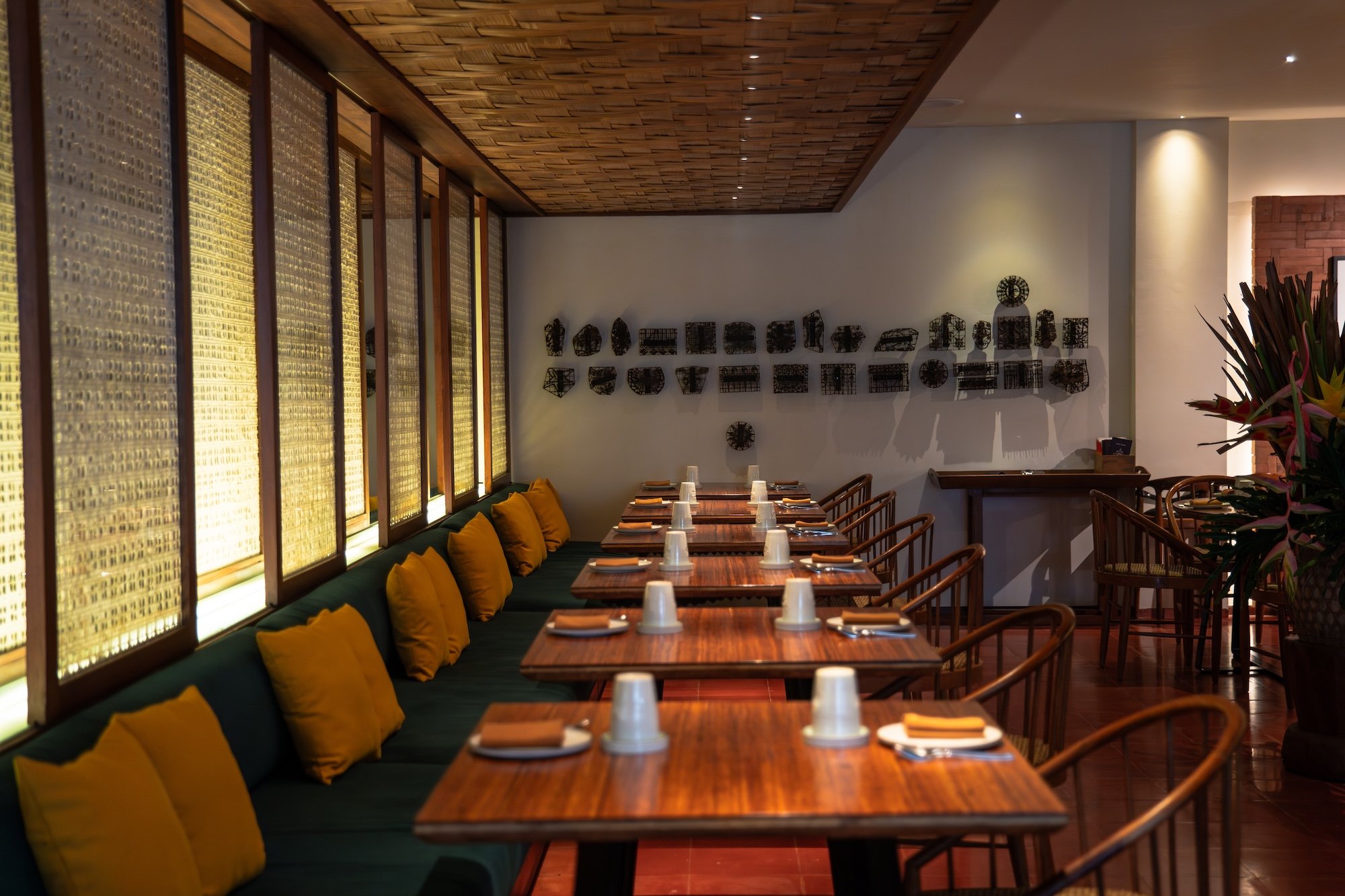
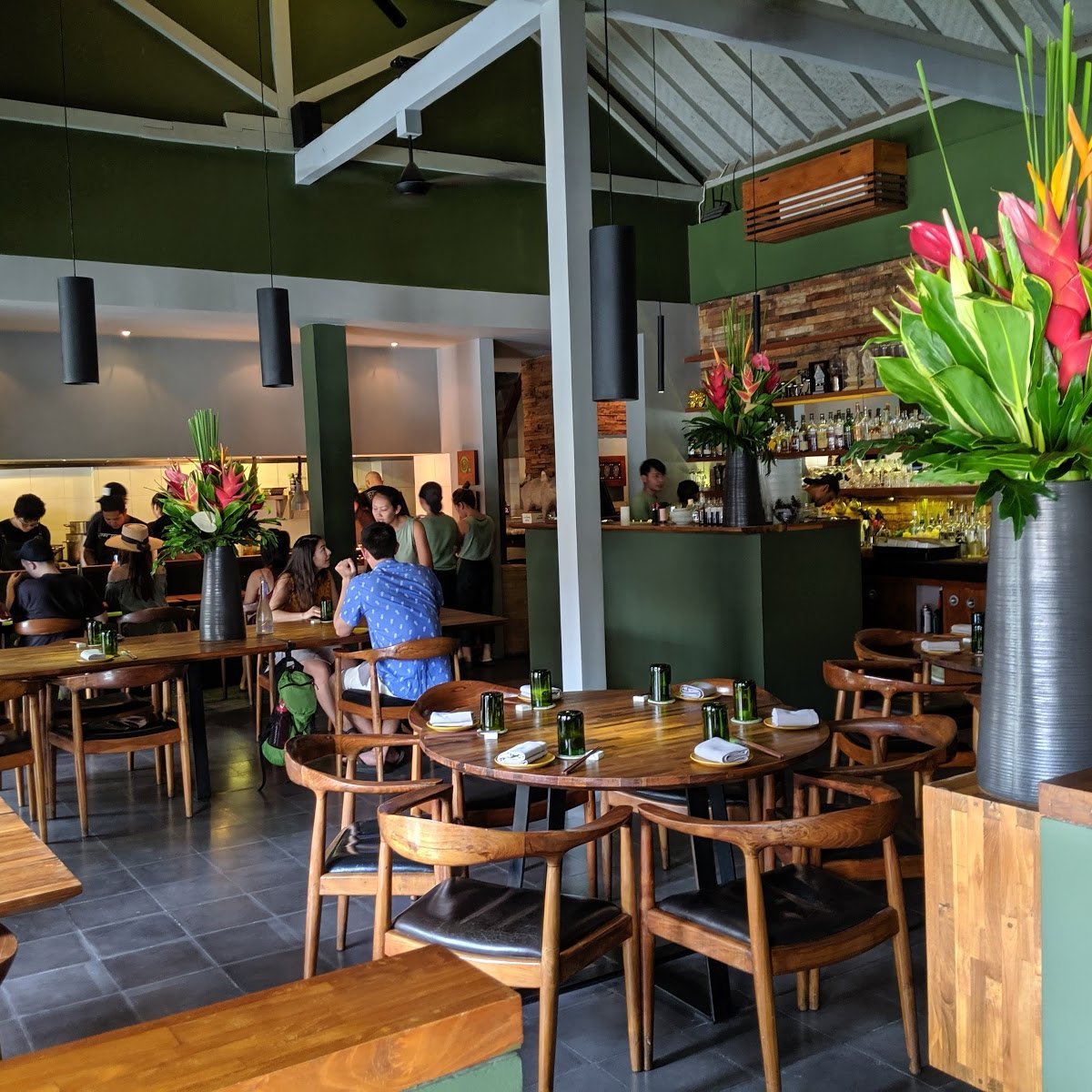
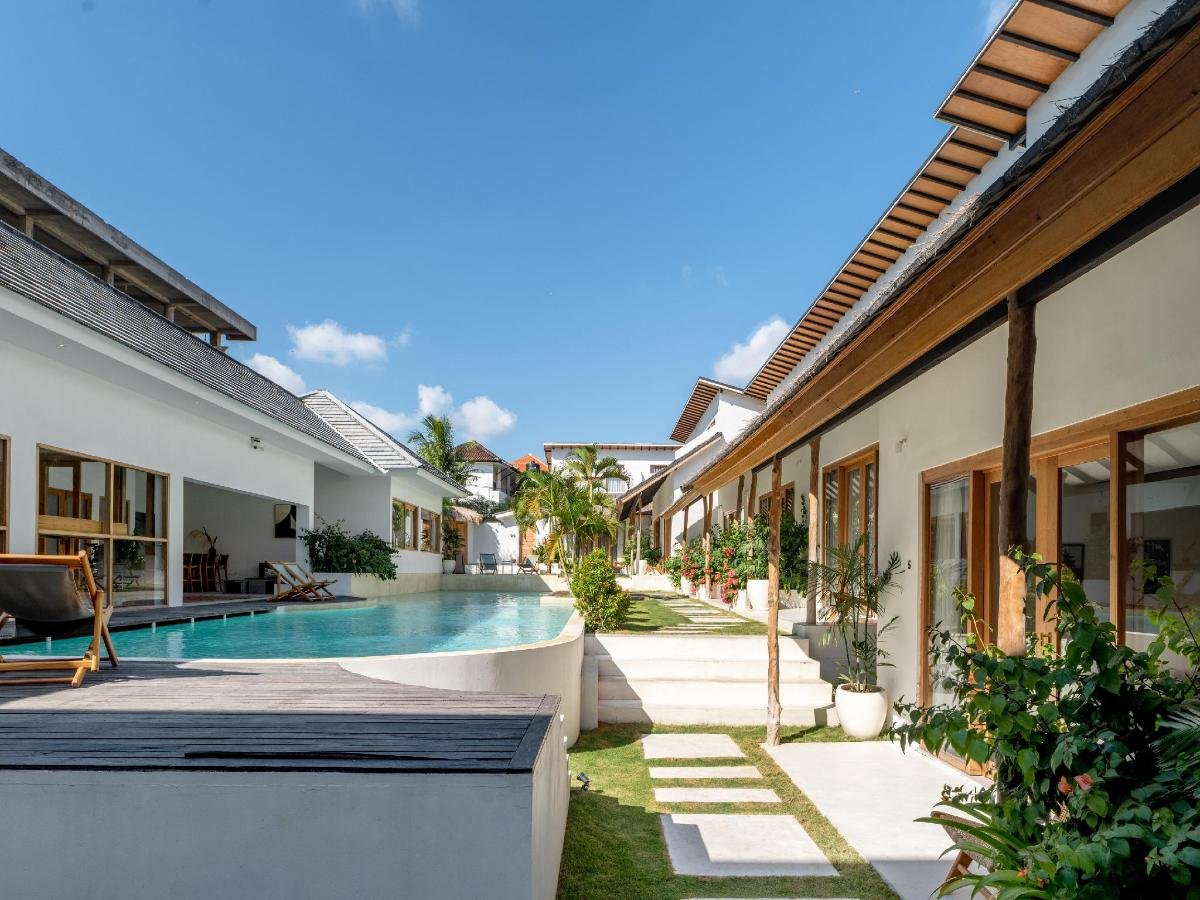
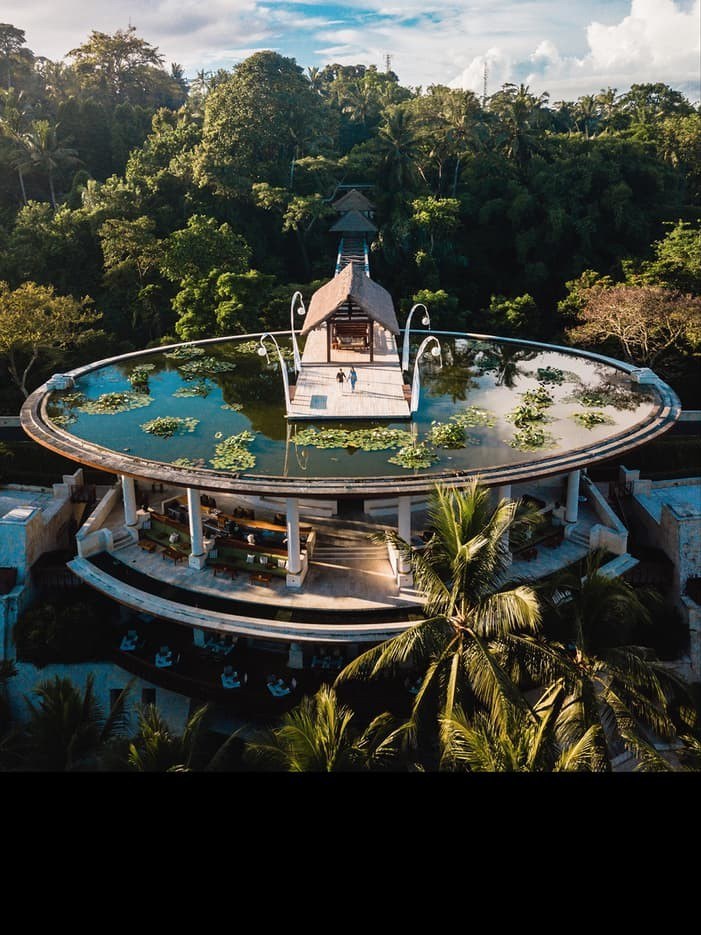
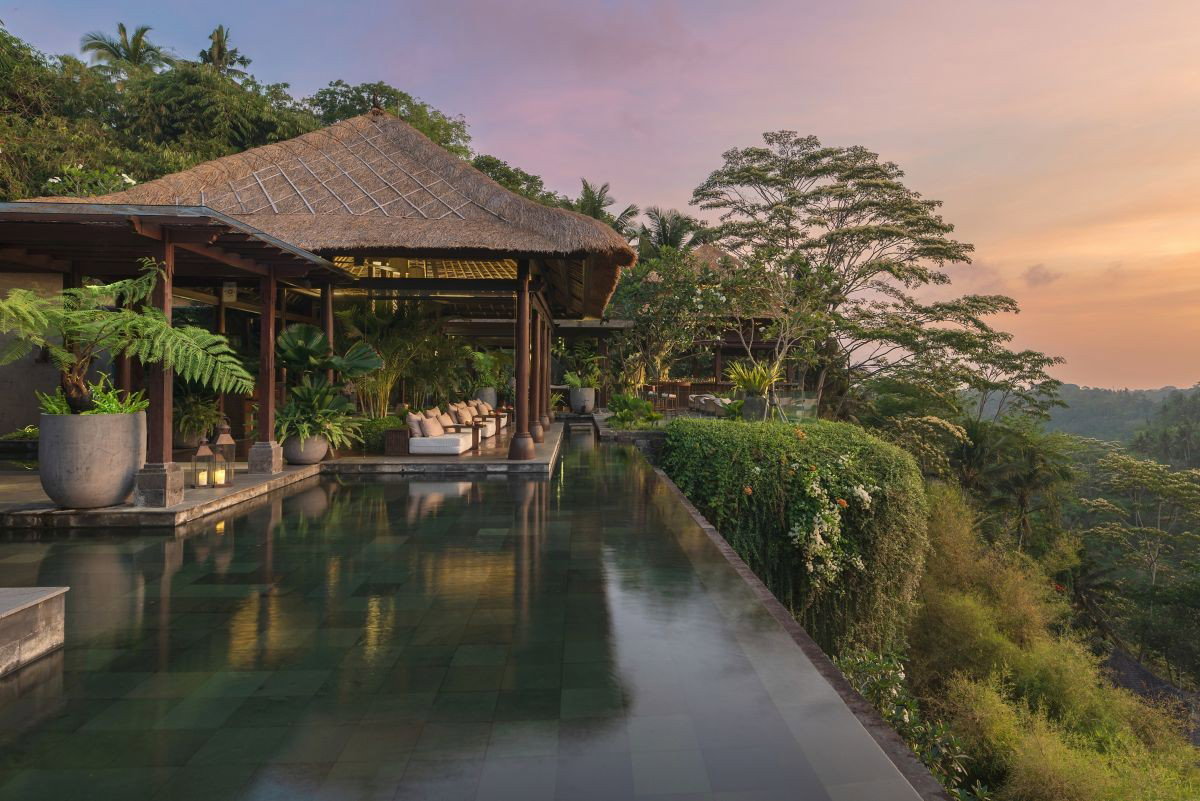
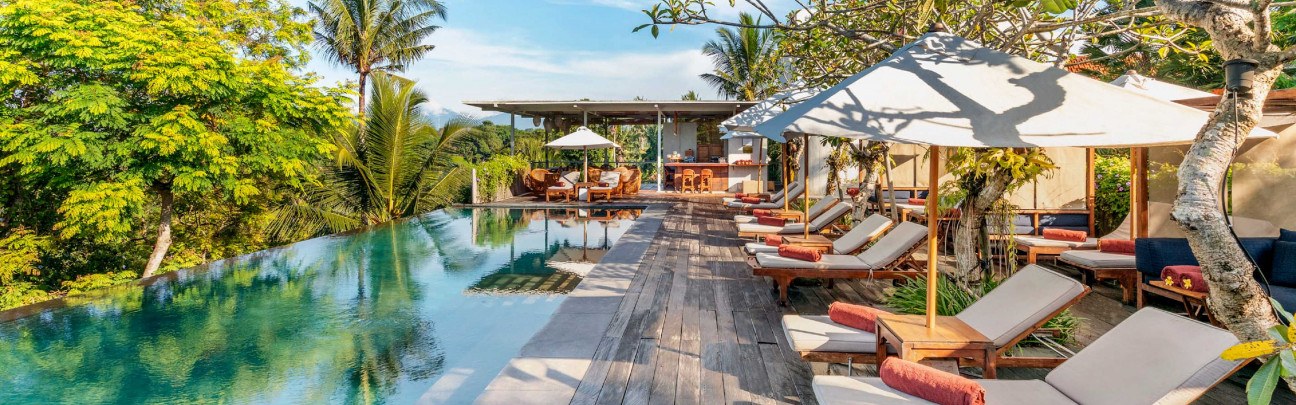
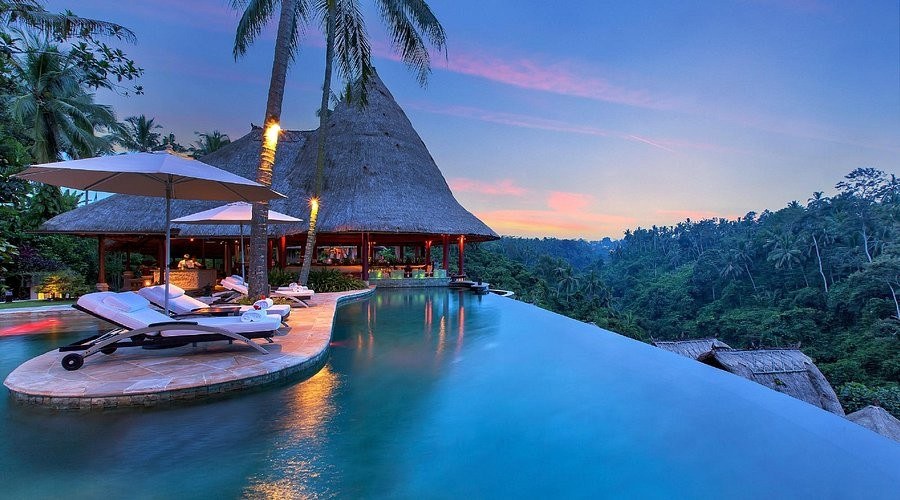
Elegant and refined with modern, well-appointed furnishings and glass walls showcasing lush tropical gardens; intimate lounge for aperitifs followed by main dining room and outdoor courtyard spaces.