Google: 4.1 · 1,326 reviews

A consecrated address for babi guling south of central Ubud, Ibu Oka has earned three consecutive placements on the Opinionated About Dining Casual in Asia list (ranked 42nd in 2023). The kitchen operates within a specifically Balinese ceremonial tradition, serving spit-roasted pork prepared with base genep spice paste seven days a week from 11am until the day's supply runs out.
 Discover on Pearl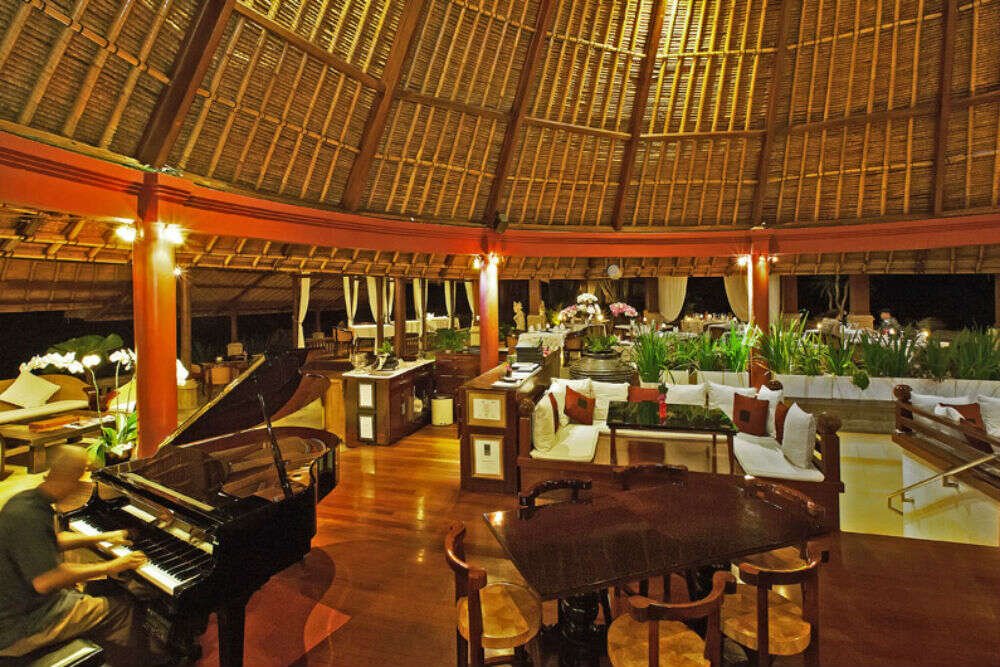
Where Bali's Ceremonial Kitchen Meets the Midday Rush
The smell reaches you before the sign does. Somewhere along the Jalan Raya Mas corridor south of central Ubud, woodsmoke and roasting spice cut through the humid air with a directness that no air-conditioned restaurant can replicate. Ibu Oka operates out of a roadside compound at Jl. Raya Mas No.191, and the physical setup telegraphs its priorities immediately: open-air service, communal seating, pigs slow-roasted over coals in a tradition that predates tourism in this part of Bali by several centuries.
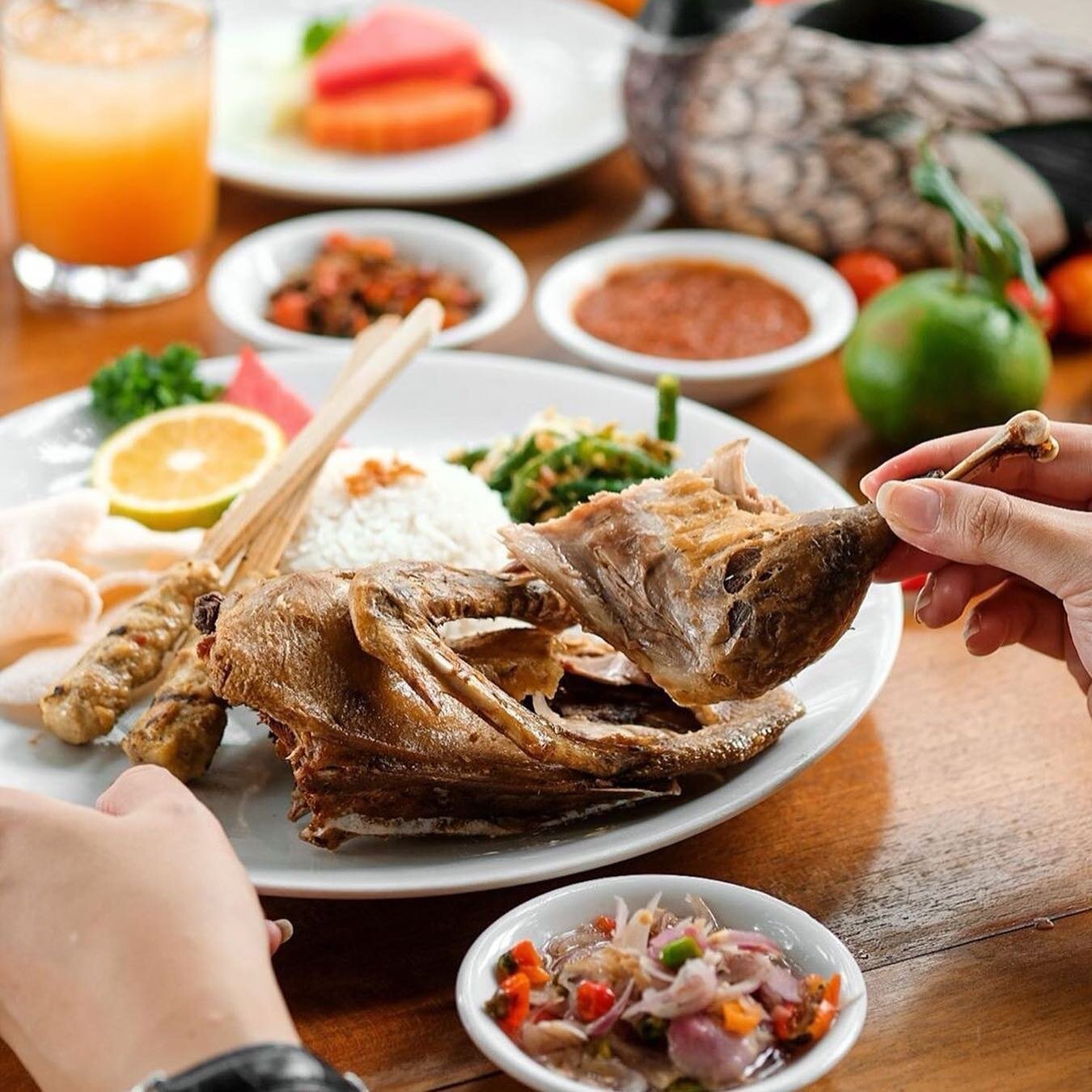
This is a babi guling counter, and babi guling is not casual food in the way the word casual is usually applied to restaurants. The dish, a whole spit-roasted pig rubbed with a base genep spice paste that can include turmeric, lemongrass, galangal, chilli, and shrimp paste, carries ceremonial weight in Balinese Hindu culture. It was historically prepared for temple ceremonies and religious rites, not daily consumption. The shift toward everyday restaurant service is relatively recent, and Ibu Oka sits at the intersection where that sacred-to-commercial transition is most visible and most discussed among anyone paying serious attention to Indonesian food culture.
Babi Guling and What It Actually Represents
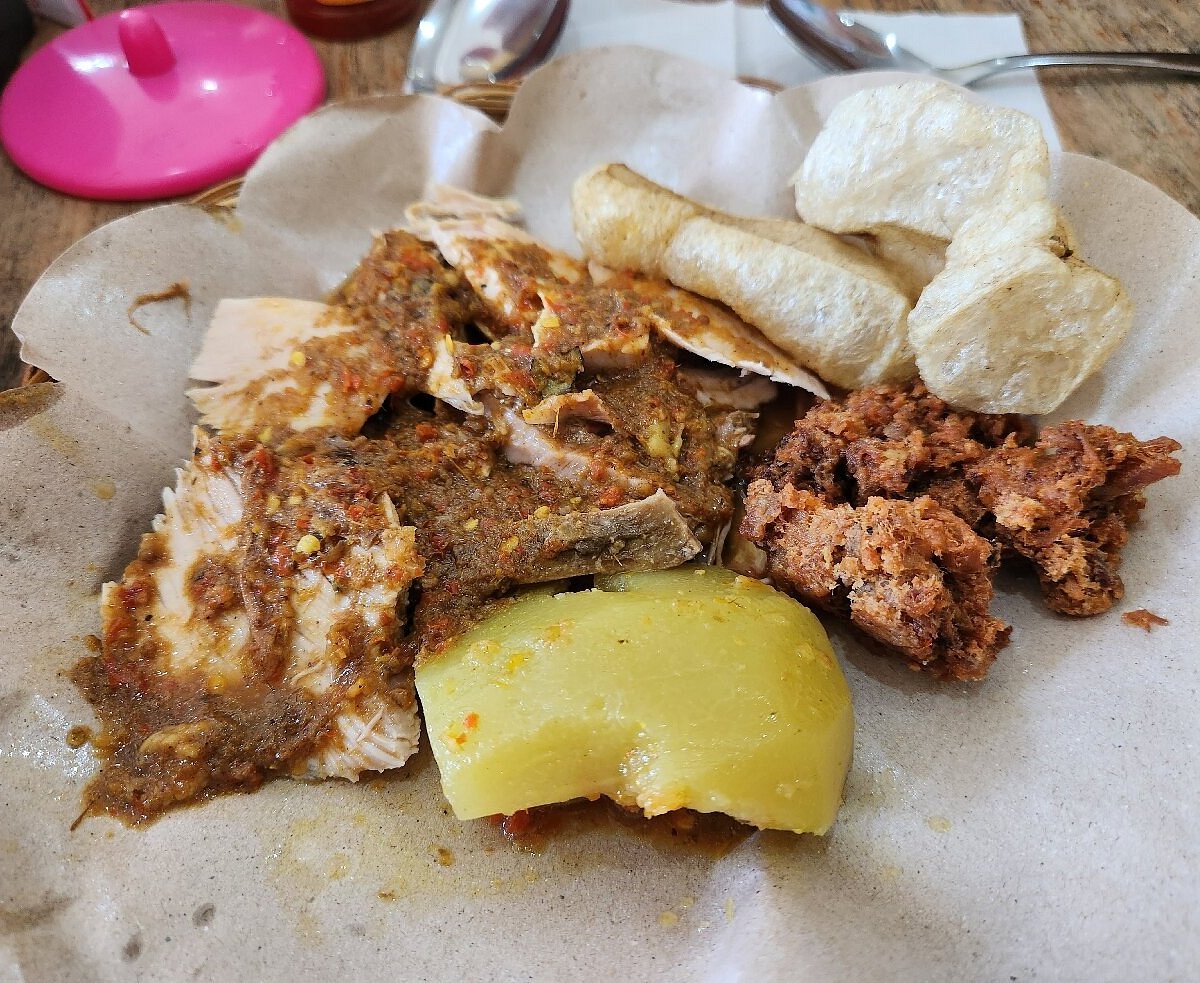
To understand why this address attracts the attention it does, it helps to understand what babi guling communicates about Balinese cooking more broadly. The dish is built on base genep, the foundational spice compound that underlies much of ceremonial Balinese cuisine. The complexity of that paste, and the discipline required to roast a whole pig to even texture without burning the skin or undercooking the interior, makes it a technical benchmark. When food professionals evaluate a babi guling counter, they are assessing spice calibration, skin crispness, the interior meat's moisture retention, and how the various parts, ribs, offal, lawar (a spiced minced meat preparation often served alongside), sate lilit, hold together as a composed plate.
Ibu Oka has been ranked consecutively by Opinionated About Dining's Casual in Asia list: number 42 in 2023, rising to number 57 in 2024, then repositioned at number 92 in 2025 as the list's competition in the casual Southeast Asian category broadened. Three consecutive appearances on that list, which applies a rigorous evaluative framework to everyday-format restaurants across the continent, places Ibu Oka in a different analytical category than the broader cluster of babi guling spots across Ubud and Gianyar. For context, the OAD Casual Asia list sits alongside the kinds of assessments applied to venues like Locavore NXT and Nusantara By Locavore, which operate in entirely different price and format tiers in Ubud. That cross-tier recognition signals something specific: the evaluative criteria here are not about luxury or chef pedigree, but about integrity to a culinary tradition.
The Ubud Dining Context
Ubud's restaurant scene has stratified sharply over the past decade. At one end, destination tasting-menu formats have attracted international attention, with venues like Mozaic and Apéritif Restaurant & Bar drawing visitors who treat the meal as the primary reason for the trip. Herbivore by Locavore represents a different angle entirely, applying the same produce-first thinking to plant-based formats. At the other end, a dense cluster of warung-style operations serves the town's daily population of residents and budget travelers.
Ibu Oka occupies a position that does not map neatly onto either tier. The format is casual and the prices reflect local benchmarks, yet the recognition it has received from specialist food media positions it alongside venues that charge multiples more per head. That gap between format and critical standing is precisely what makes it analytically interesting: it demonstrates that the most precise expressions of a culinary tradition do not necessarily require fine-dining infrastructure to achieve serious recognition.
Across Indonesia more broadly, the question of how regional ceremonial foods transition into restaurant formats is an active one. August in Jakarta and Kahyangan in Gondangdia both address Indonesian culinary heritage in different registers, while Rumari in Jimbaran applies a different lens to Balinese ingredients further south on the island. The contrast between those approaches and the directness of a babi guling counter like Ibu Oka clarifies what gets gained and what gets lost when traditional formats are repackaged for premium contexts.
Who Eats Here and When
The kitchen operates seven days a week from 11am to 6pm, which is a narrower window than most visitors expect. The afternoon cutoff is not arbitrary: babi guling is prepared in finite batches, and once the pig is gone, service ends. Arriving closer to 11am gives more choice across the various cuts and preparations typically served; later arrivals risk finding only partial portions available. This is not a restaurant where you book a time and arrive to a full menu regardless of hour. The rhythm is dictated by the production cycle, not the diner's schedule.
The clientele spans a wider range than the address or format suggests. Locals from across Gianyar, Balinese families marking occasions, food researchers, and international visitors who have done specific homework all use the same space. That demographic compression is one of the more reliable indicators of a cooking tradition that has not been softened for any particular audience.
Situating Ibu Oka in a Broader Reading of Balinese Food
Bali's culinary identity is frequently reduced, in international media, to the visible surface: the photogenic offerings at upscale resorts, the fusion interpretations that make Balinese spice profiles accessible to visitors with limited tolerance for heat or unfamiliar ingredients. Ibu Oka operates in a different register: the food here is technically specific, rooted in a ceremonial grammar that requires years of practice to execute at the level the OAD rankings suggest it reaches. The base genep paste, the handling of the whole animal, the preparation of lawar and accompanying sides, these are not simplified for a tourist market. They reflect a kitchen operating within its own tradition's standards.
For anyone building an understanding of what Indonesian food looks like outside the fine-dining frame, this address provides a reference point that the tasting-menu circuit in Ubud and beyond cannot replicate. Venues like Sarong Bali in Canggu or The Legian in Seminyak serve different purposes and different clientele; the comparison is not pejorative, just clarifying. At the same time, the gap between a serious casual counter in Ubud and the caliber of cooking found at venues like Le Bernardin in New York City or Atomix illustrates how different the evaluative frameworks become once format and tradition diverge this sharply. Emeril's in New Orleans offers a useful parallel: a city's culinary heritage expressed through a format that prioritises directness over ceremony.
Planning Your Visit
Ibu Oka is located at Jl. Raya Mas No.191 in the Mas area, a short drive south of central Ubud along one of the main arterial roads connecting the town to Gianyar. Hours run 11am to 6pm daily, though arriving early in the service window maximises what's available. No reservation infrastructure is in place; this is walk-in, counter-service format. For anyone building a fuller picture of what Ubud offers across all categories, our full Ubud restaurants guide maps the range from warung to tasting menu. Supplementary reading on the town's wider hospitality options is available through our Ubud hotels guide, Ubud bars guide, Ubud wineries guide, and Ubud experiences guide.
What Do People Recommend at Ibu Oka?
The draw is the babi guling itself, the full composition of spit-roasted pork served across its various cuts alongside lawar, sate lilit, and rice. The dish's ceremonial Balinese roots mean the preparation follows a specific technical grammar built around base genep spicing and whole-animal roasting. Visitors and food professionals alike focus on the crisp skin and the spice calibration of the interior meat as the primary markers of quality. Ibu Oka's consecutive OAD Casual in Asia rankings (number 42 in 2023, number 57 in 2024, number 92 in 2025) confirm that the kitchen is executing at a level that registers as significant within the specialist casual dining category across the continent. With a Google rating of 4.1 across 1,293 reviews, the broader audience response aligns, broadly, with the critical position. The consistent advice is to arrive early in the day; portions and cut availability narrow as service progresses toward the 6pm close.
Cuisine Context
A compact peer snapshot based on similar venues we track.
| Venue | Cuisine | Awards | Notes |
|---|---|---|---|
| Ibu Oka | Balinese | Opinionated About Dining Casual in Asia Ranked #92 (2025); Opinionated About Din… | This venue |
| Mozaic | French | French | |
| Nusantara By Locavore | Indonesian | Indonesian | |
| Room 4 Dessert | Dessert | Dessert | |
| Locavore NXT | Indonesian | World's 50 Best | Indonesian |
| Herbivore by Locavore | Filipino | Filipino |






At a Glance
- Rustic
- Hidden Gem
- Casual Hangout
- Standalone
- Beer Program
- Garden
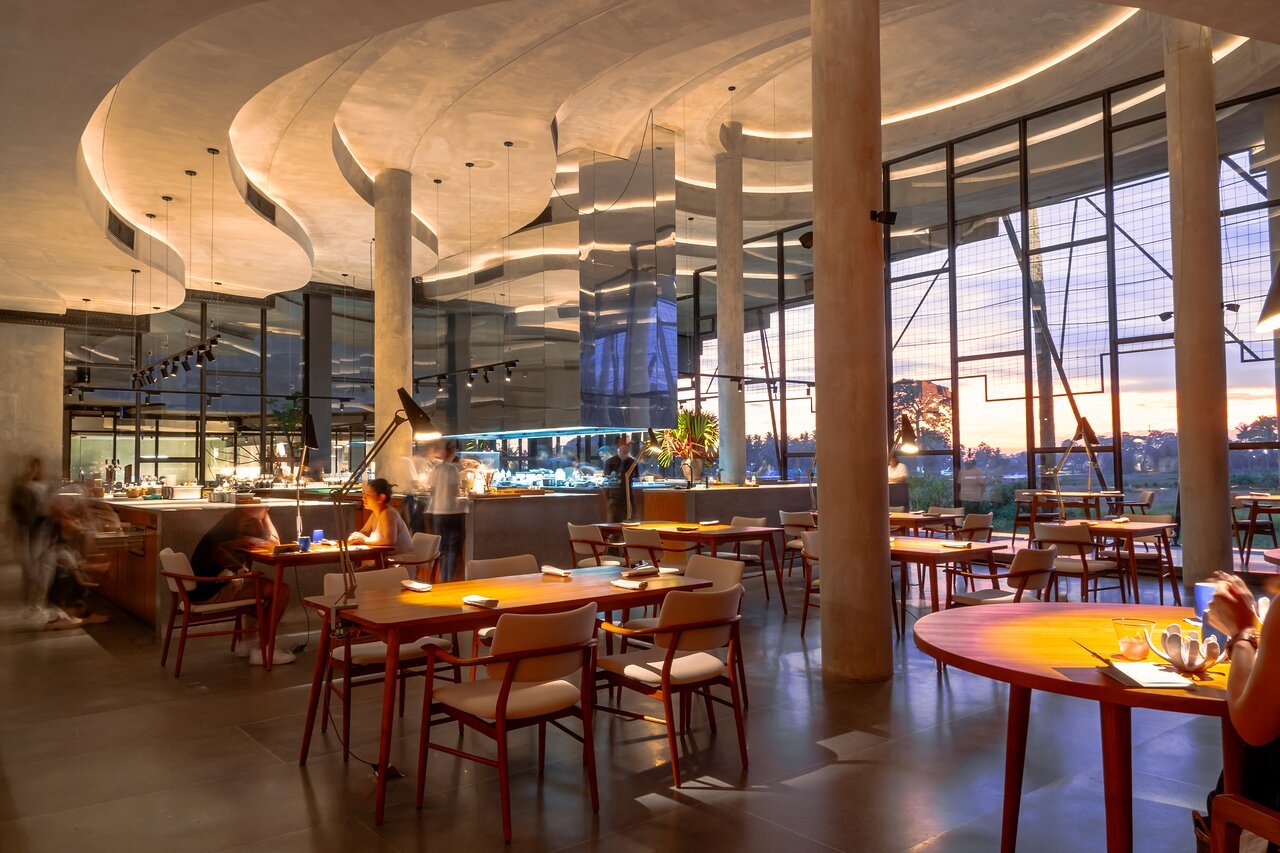
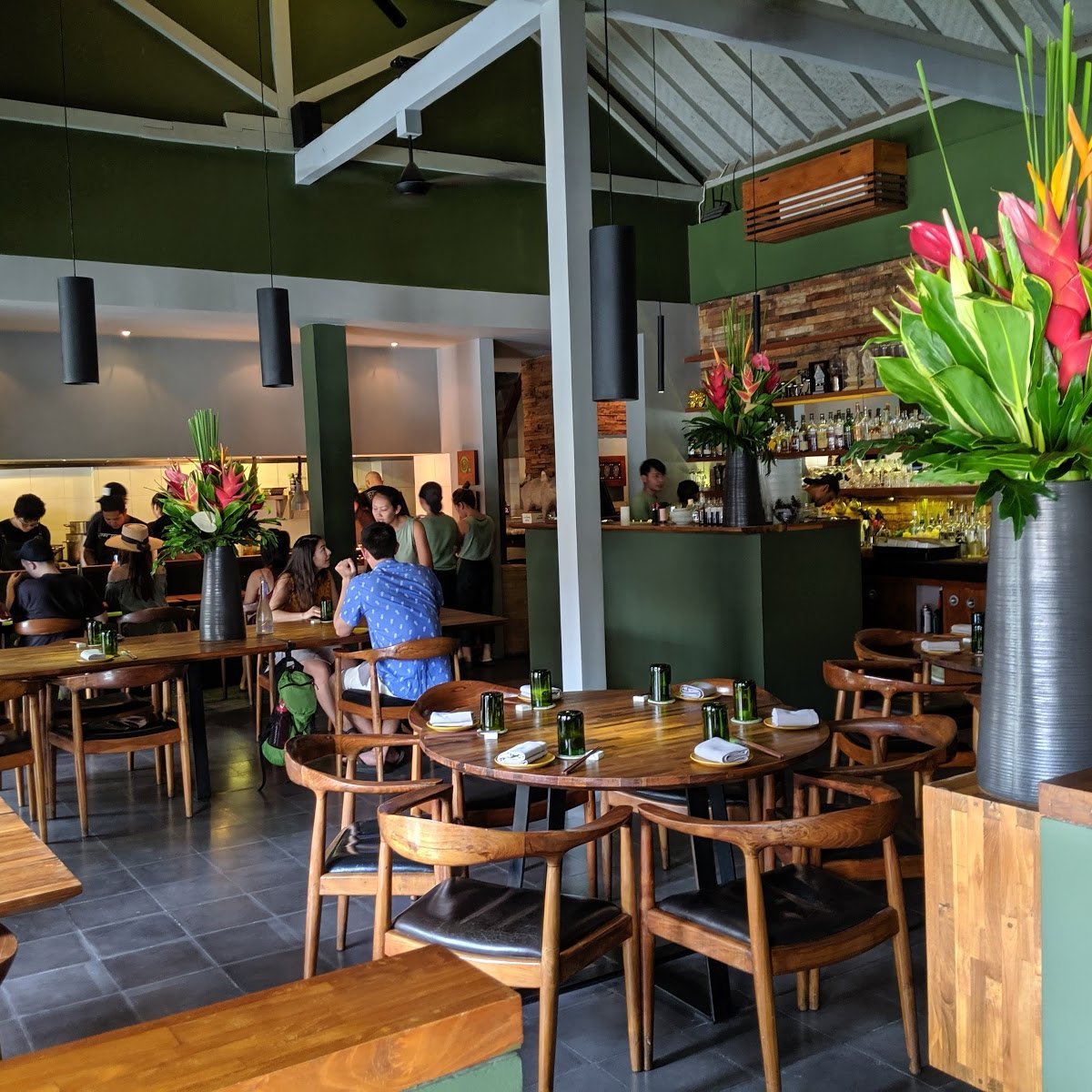
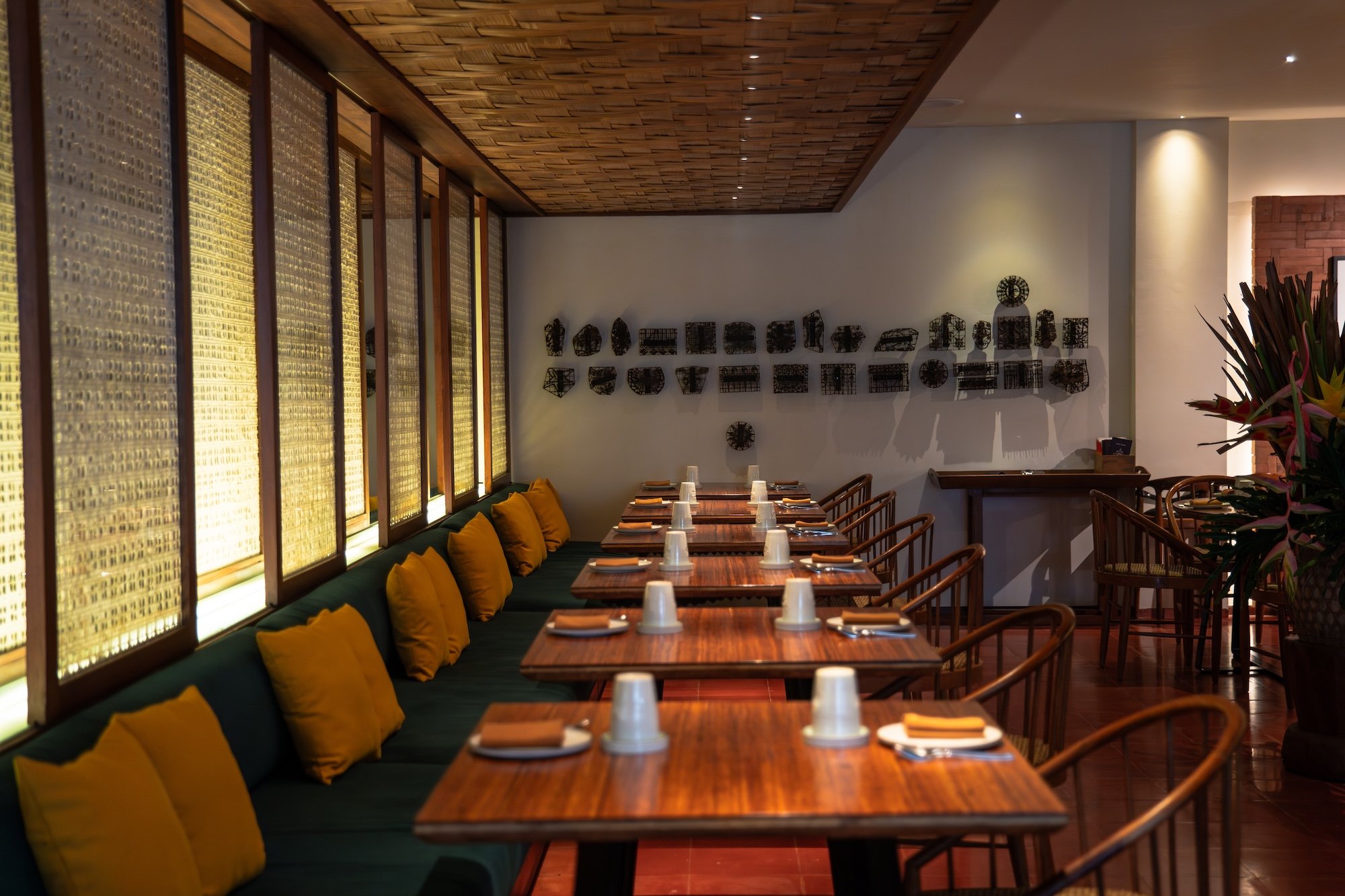
Casual warung atmosphere with basic seating, some jungle or stream views, and a focus on quick local dining.