Google: 4.8 · 593 reviews






Locavore NXT sits at the sharper end of Ubud's fine dining tier, where European technique meets plantation-sourced Balinese produce in a format that ranked #92 on Asia's 50 Best Restaurants in 2025 and scored 91 points on La Liste 2026. Chefs Eelke Plasmeijer and Ray Adriansyah push further here than at their original Locavore, with a menu structure that rewards guests who come ready to surrender the pace of the meal to the kitchen.
 Discover on Pearl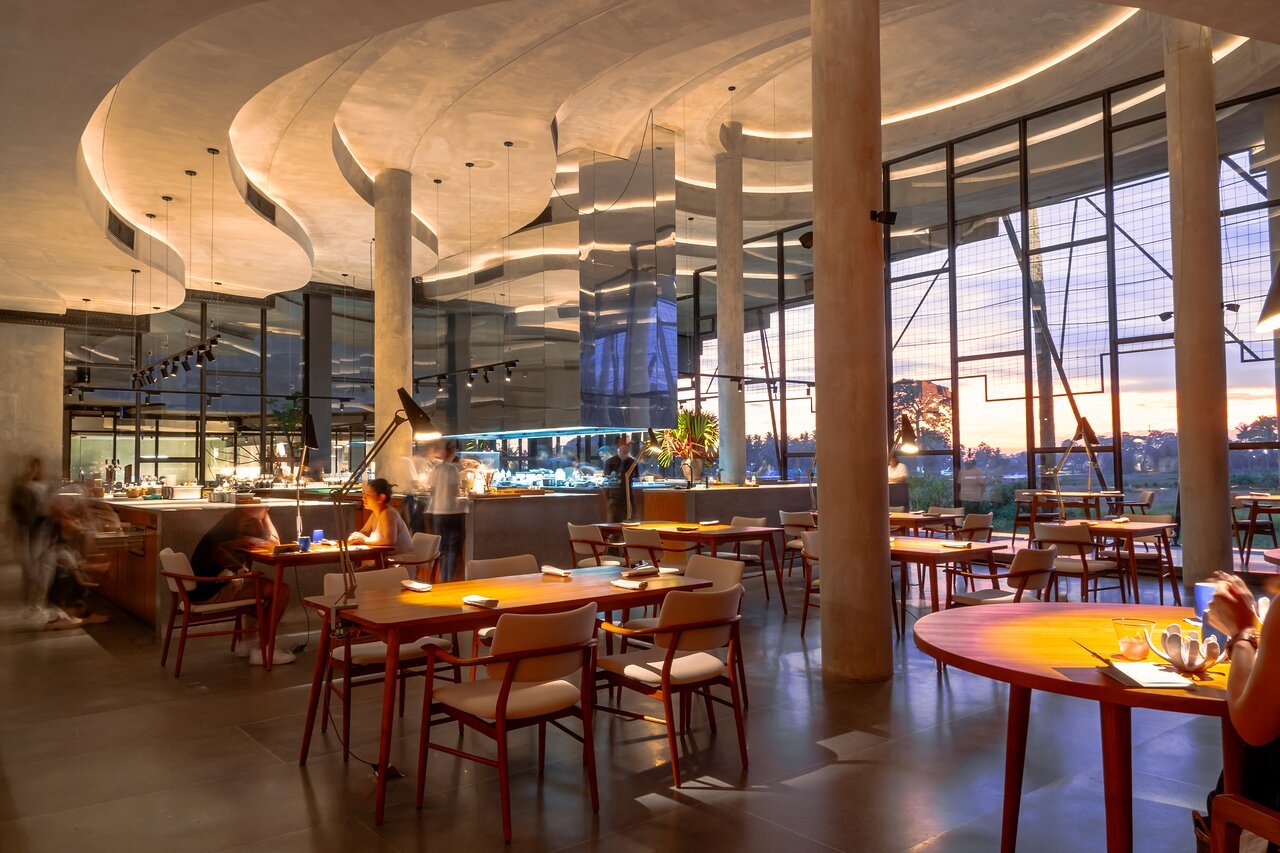
The Ritual Before the First Bite
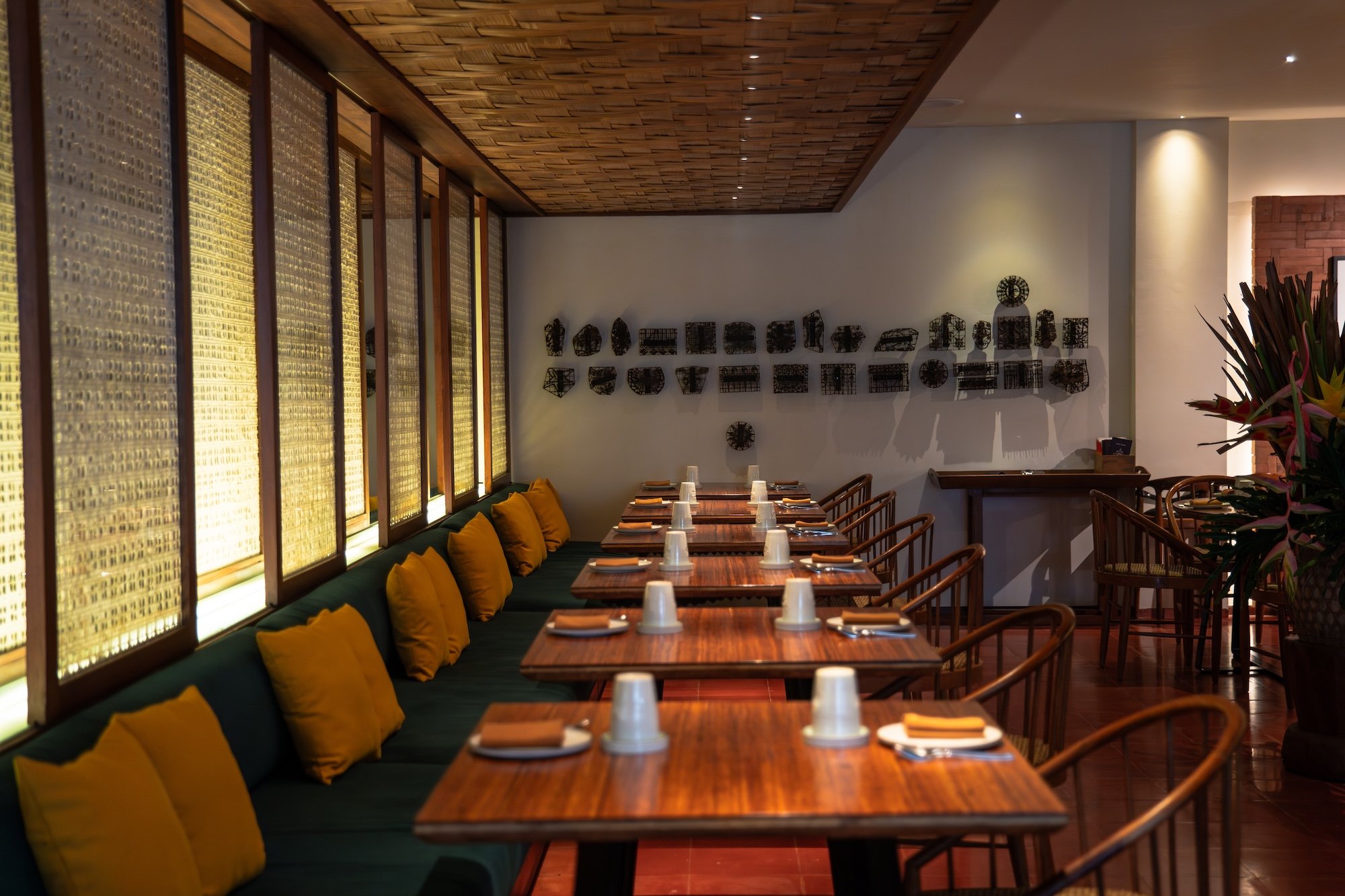
Arriving at Locavore NXT, in the Lodtunduh area south of central Ubud, the physical environment signals a shift in register. This is not the open-air, lantern-lit pavilion dining that dominates the region's mid-market. The setting is composed, deliberate, and oriented around the progression of a meal rather than its backdrop. The experience is structured as a sequence, and that structure is the point: Locavore NXT operates as a tasting-format restaurant where the kitchen controls the tempo and the guest's role is to follow it.
That format places it in a specific tier of Balinese dining. Ubud has split, over the past decade, between warung-rooted local cooking and a smaller cluster of technically ambitious restaurants that compete on a regional and global scale. Locavore NXT sits at the leading of that second group. Its 2025 ranking of #92 on Asia's 50 Best Restaurants and a La Liste score of 91 points in 2026 (92.5 points in 2025) confirm its position not just within Bali but within the broader Asian fine dining conversation, where it competes against counters in Tokyo, Bangkok, and Singapore rather than against the island's villa-restaurant circuit.
How the Meal Is Paced
The dining ritual at Locavore NXT is built around the logic of a tasting menu: courses arrive in a sequence determined by the kitchen, not the guest. This format has become the dominant grammar of high-end dining across Asia, but what distinguishes the NXT experience is the sourcing framework that runs underneath it. The produce driving each course comes from local plantations and farms in Bali and the wider Indonesian archipelago, and that provenance shapes the pacing and character of the meal as much as any classical menu architecture.
The practical consequence is that the menu changes with what the kitchen can source, not with a fixed seasonal calendar. Guests arriving in consecutive months may encounter substantially different progressions. This is a feature, not an inconsistency: it reflects the kitchen's commitment to working with available produce rather than reverse-engineering a dish to fit a fixed card. For those accustomed to checking menus online before booking, this requires a different posture at the table — one of openness rather than anticipation of specific dishes.
Service at this tier in Ubud tends to be explanatory rather than theatrical. Staff guide guests through ingredient origins and preparation methods, which matters when the produce itself is as unfamiliar to international diners as the techniques are to Indonesian ones. The crossover is deliberate: Eelke Plasmeijer brings Dutch and broader European kitchen training, while Ray Adriansyah brings Jakarta-rooted Indonesian culinary knowledge, and the collaboration produces dishes that are neither European-with-a-tropical-garnish nor traditional Indonesian with a plating upgrade. La Liste's assessors noted that the knowledge of both chefs comes together in a fusion that treats European technique and local produce as genuinely equal partners.
Where This Sits in the Locavore Ecosystem
Locavore NXT is the more ambitious sibling of the original Locavore restaurant, which the same two chefs opened earlier in their Bali chapter. The NXT iteration represents what Plasmeijer and Adriansyah describe as a deepened commitment to sustainability and community-driven sourcing, and it operates as a distinct dining proposition rather than a rebrand. Guests looking for a different register from the same kitchen can also visit Nusantara By Locavore, which focuses on Indonesian regional cooking, or Herbivore by Locavore, the plant-forward expression of the group's sourcing philosophy.
That trio of restaurants, all operating from a shared foundation of hyperlocal procurement, constitutes one of the most coherent restaurant groups in Southeast Asia's premium dining tier. The group model is relevant to understand before booking: each restaurant has a distinct format and purpose, and choosing between them is a genuine editorial decision rather than a matter of convenience or proximity.
Ubud's Fine Dining Peer Set
Within Ubud specifically, the high-end restaurant field is smaller than the town's culinary reputation might suggest. Mozaic, which applies classical French technique to Indonesian ingredients, has long anchored the fine dining tier and offers the clearest point of comparison for understanding where Locavore NXT sits in terms of ambition and format. Both restaurants operate tasting menus and both source locally, but Mozaic's French grammar is more audible in its structure, while Locavore NXT treats the Indonesian ingredient as the conceptual starting point rather than a supporting element.
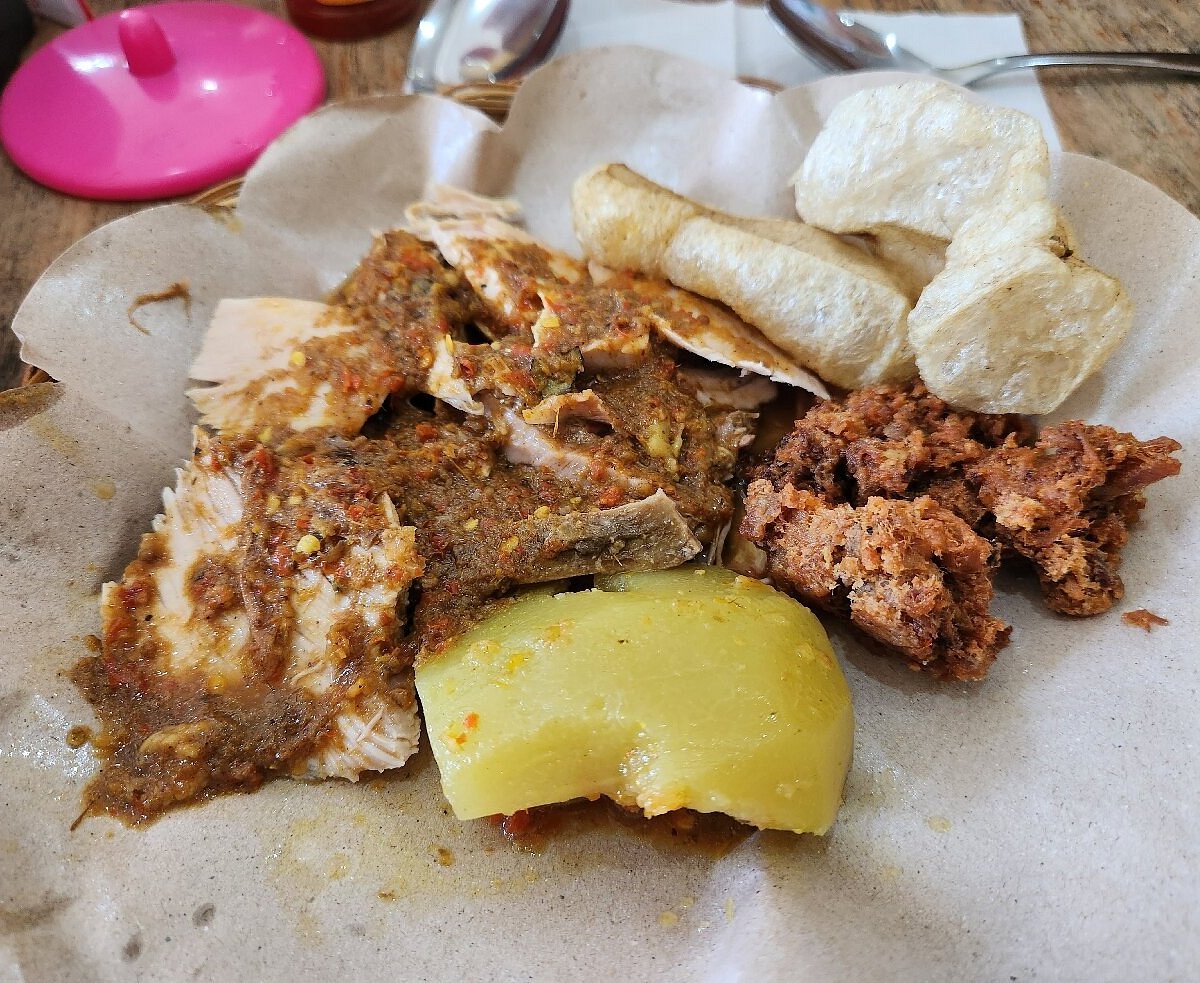
For guests building a wider Bali itinerary beyond Ubud, the island's fine dining circuit extends south to Apéritif Restaurant and Bar in the modern European category, and to Sarong Bali in Canggu and The Legian in Seminyak. For Balinese cooking in its more traditional form, Ibu Oka remains the reference point for spit-roasted suckling pig, operating in an entirely different register but offering essential context for understanding what Locavore NXT is responding to and building from. Elsewhere on the island, Rumari in Jimbaran rounds out the premium Indonesian options across southern Bali.
Indonesian Fine Dining Beyond Bali
Locavore NXT's position on the Asia's 50 Best list at #92 (2025) and on Opinionated About Dining's Asia ranking at #287 (2025) places it in a conversation that extends well beyond the island. For those tracing the Indonesian fine dining arc across the region, Kahyangan in Gondangdia and Kaum in Jakarta represent the Jakarta chapter of that same story. The argument that Indonesian cuisine can anchor serious fine dining at a global level is now being made simultaneously in Bali, Jakarta, Singapore (see Cumi Bali), and further afield, including Dija Mara in Oceanside and Feria in Treviso. Locavore NXT did not create that argument, but it has been one of its most sustained and credentialled advocates.
Planning the Visit
Given the tasting-menu format and the restaurant's consistent presence on major international rankings, advance booking is essential. Guests travelling specifically for Locavore NXT should treat the reservation as the anchor of their Ubud schedule rather than a last-minute addition. The restaurant is located in Lodtunduh, a short drive from central Ubud, and the address at Jl. A.A. Gede Rai Gang Pura Panti Bija places it slightly outside the main tourist corridor, which means transport should be arranged rather than assumed. A meal here is a two-to-three hour commitment at minimum, and the format is not suited to an early exit: arriving with the full evening free produces a materially different experience than arriving with competing plans. For a fuller picture of what Ubud offers across categories, see our guides to Ubud restaurants, Ubud hotels, Ubud bars, Ubud wineries, and Ubud experiences.
Compact Comparison
A fast peer set for context, pulled from similar venues in our database.
| Venue | Notes | Price |
|---|---|---|
| Locavore NXT | This venue | |
| Ibu Oka | Balinese | |
| Mozaic | French | |
| Nusantara By Locavore | Indonesian | |
| Room 4 Dessert | Dessert | |
| Herbivore by Locavore | Filipino |

At a Glance
- Modern
- Elegant
- Intimate
- Sophisticated
- Minimalist
- Special Occasion
- Date Night
- Open Kitchen
- Garden
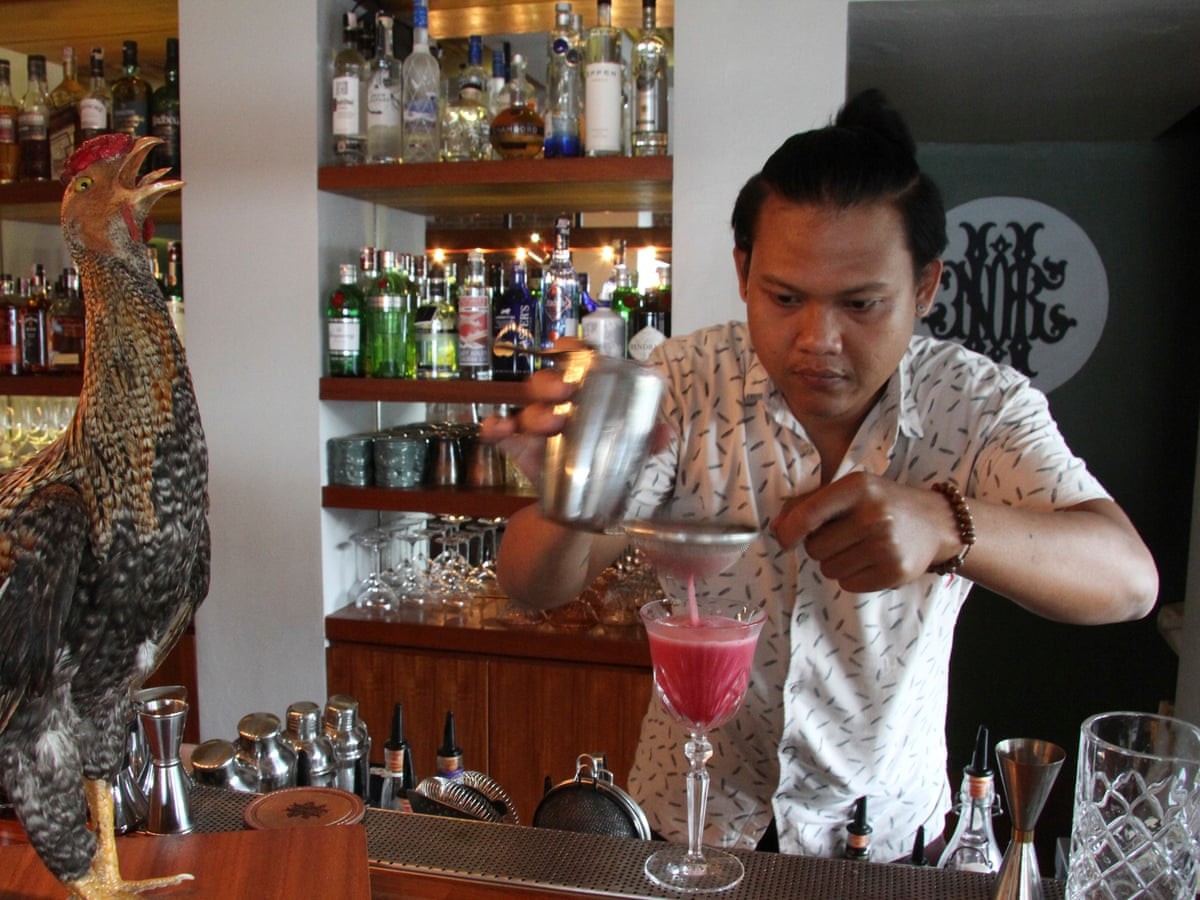
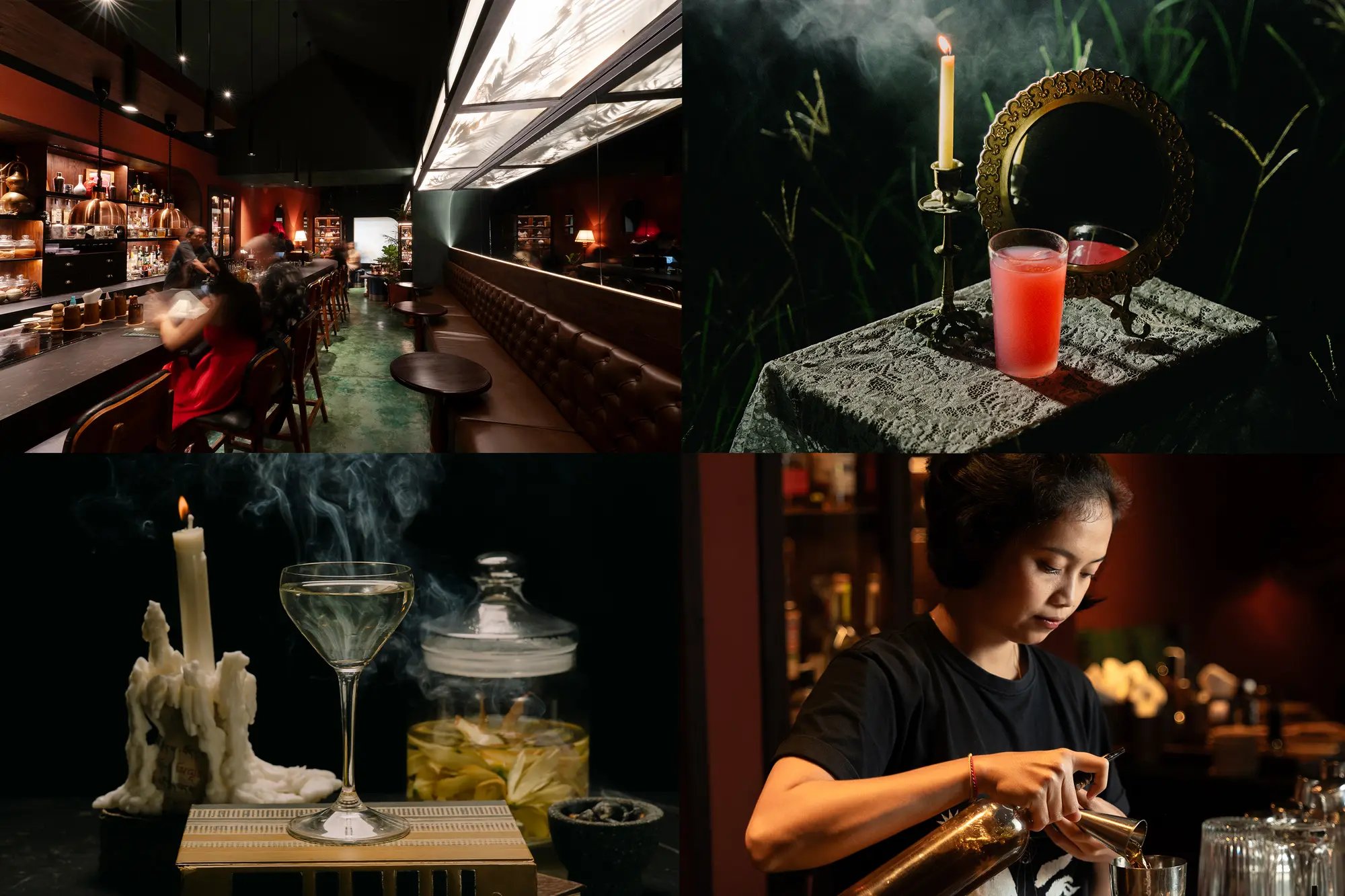
- Craft Cocktails
- Farm To Table
- Local Sourcing
- Organic
- Garden
- Mountain
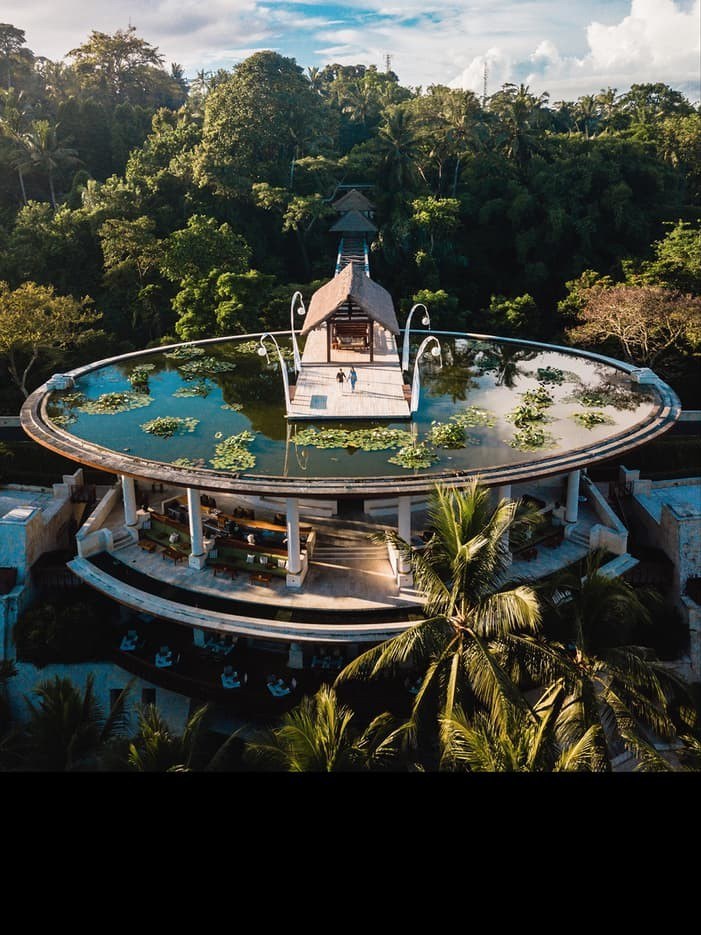
Cozy atmosphere with floor-to-ceiling glass overlooking rice fields and gardens, stunning brutalist design, intimate seating nooks, and thoughtful natural elements creating a serene, immersive sensory experience.